

Welcome to the Rotary Club of Redcliffe Sunrise

 
Redcliffe Rotarians have been engaged in building and supporting our local community for over seven decades. We are inspired to take action, create lasting change and really make a difference. We strive to empower youth, improve health and well-being, and support organisations and projects in our community that protect our most vulnerable citizens. We are intent on conserving, protecting and restoring nature, and promoting environmental sustainability within our local community.
Home Page Stories

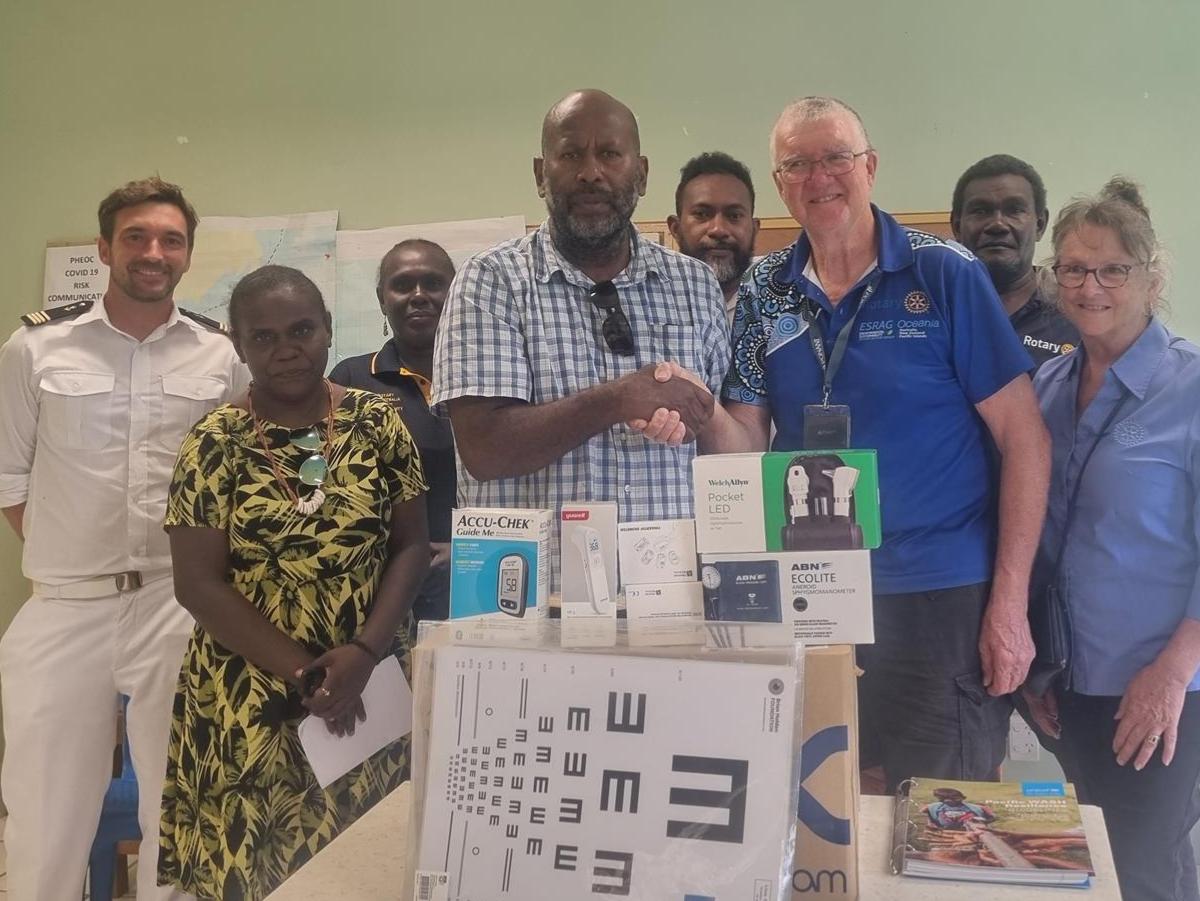
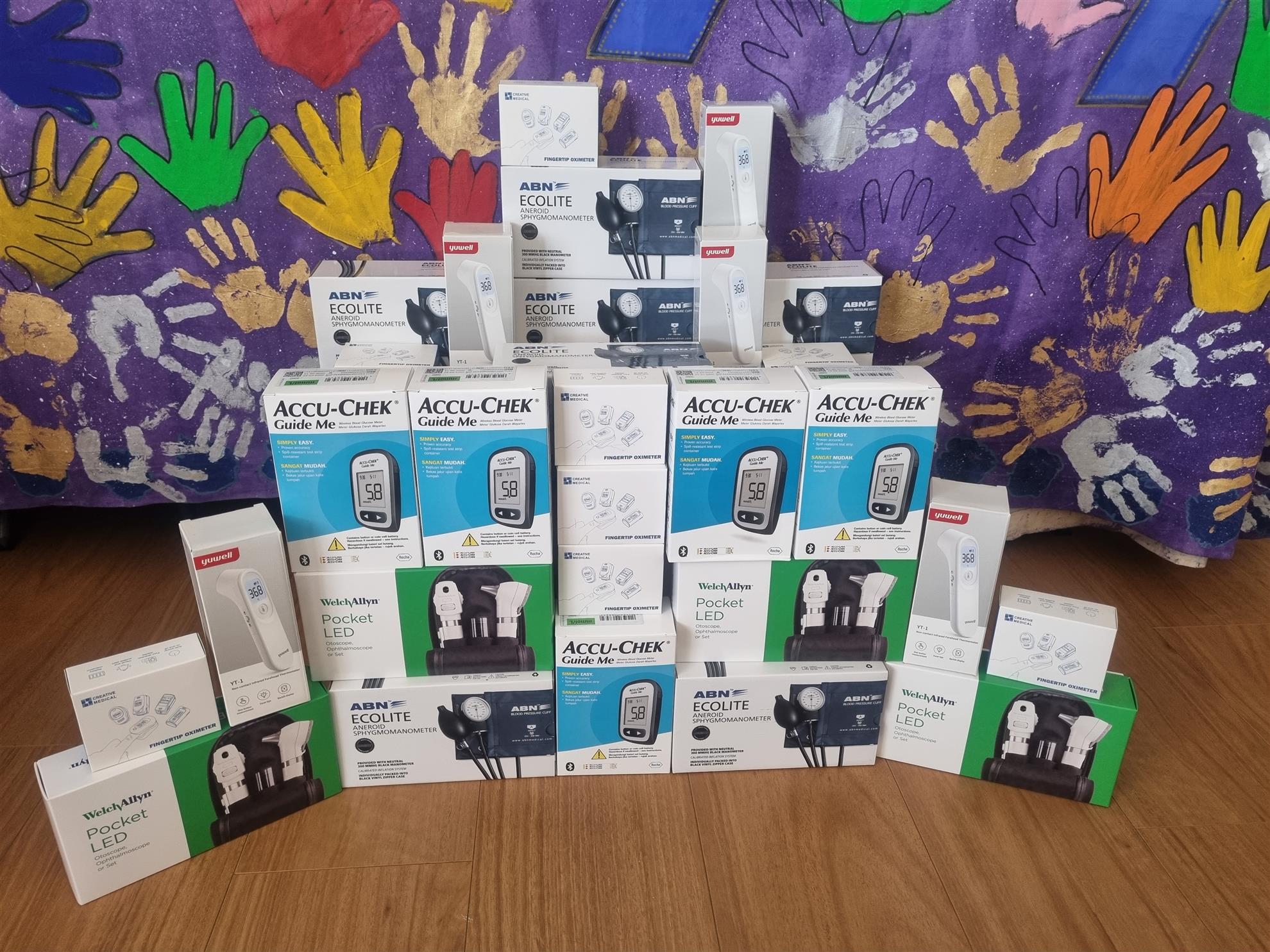
Months of meticulous planning culminated in a significant moment for Gizo Hospital on November 1, 2024. Over the preceding months, Colin Scobie, Vice President of Rotary Redcliffe Sunrise, and Matthias Amalo, a dedicated Rotarian and former President of the Gizo Rotary Club, collaborated via WhatsApp to identify the hospital’s critical needs. Matthias liaised with Gizo Hospital management to understand the ideal equipment required to support the hospital and the broader Ghizo Island community.

Gizo Hospital, the second largest in the Solomon Islands after Honiara, is a 95-bed facility built in 2011 with a grant from the Japanese government. The hospital boasts an X-ray department, emergency services, and air-conditioned operating theatres—essential for the region’s tropical climate.
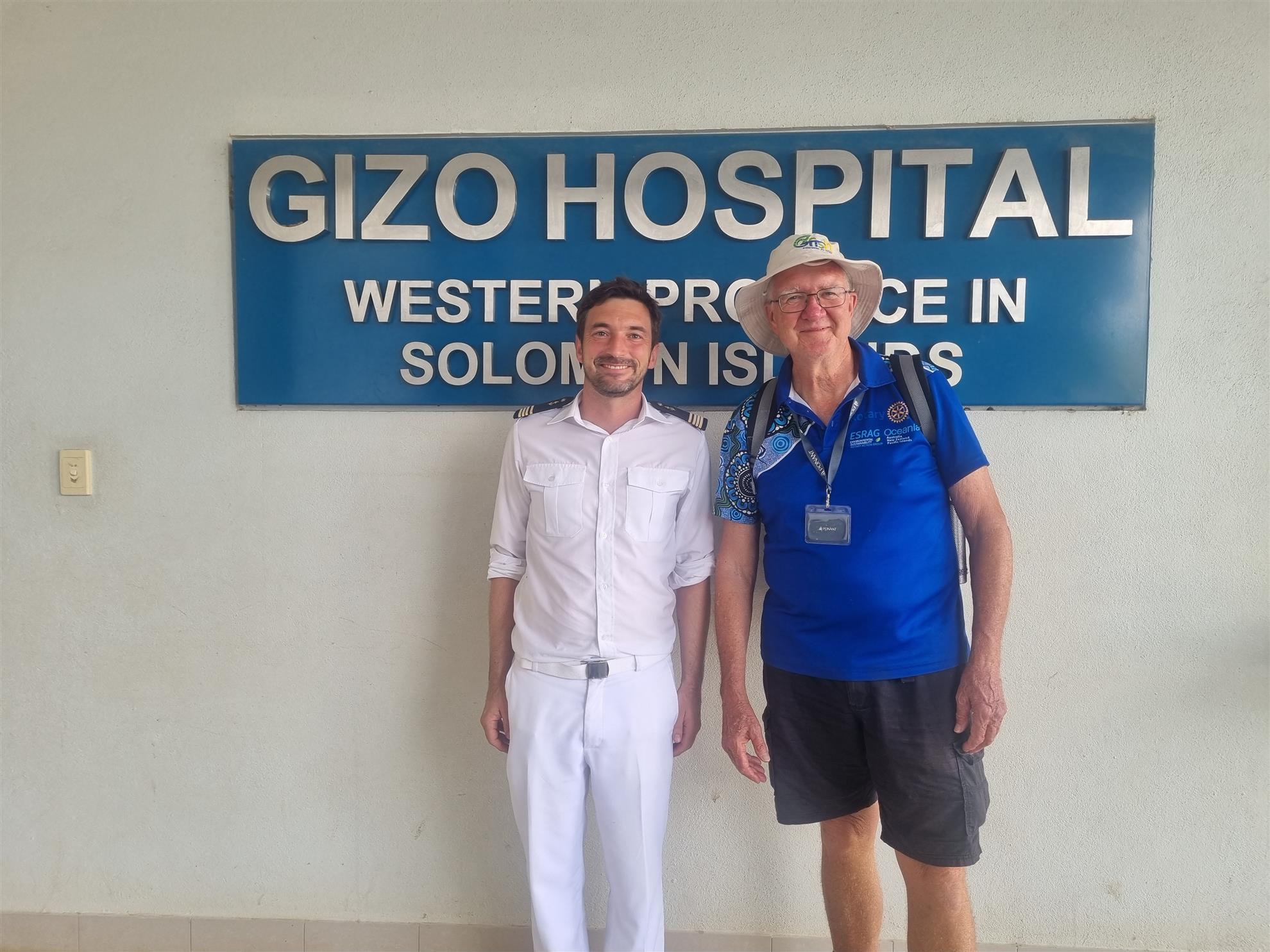
The initiative to supply medical equipment for Colin's journey was sparked by a local Rotarian who volunteers for Rotarians Australia World Community Service in the Solomon Islands. "The idea of taking triage medical equipment was well within reach," shared Colin, who was on a WWII pilgrimage retracing the steps of his father in the NZ 37th Battalion.
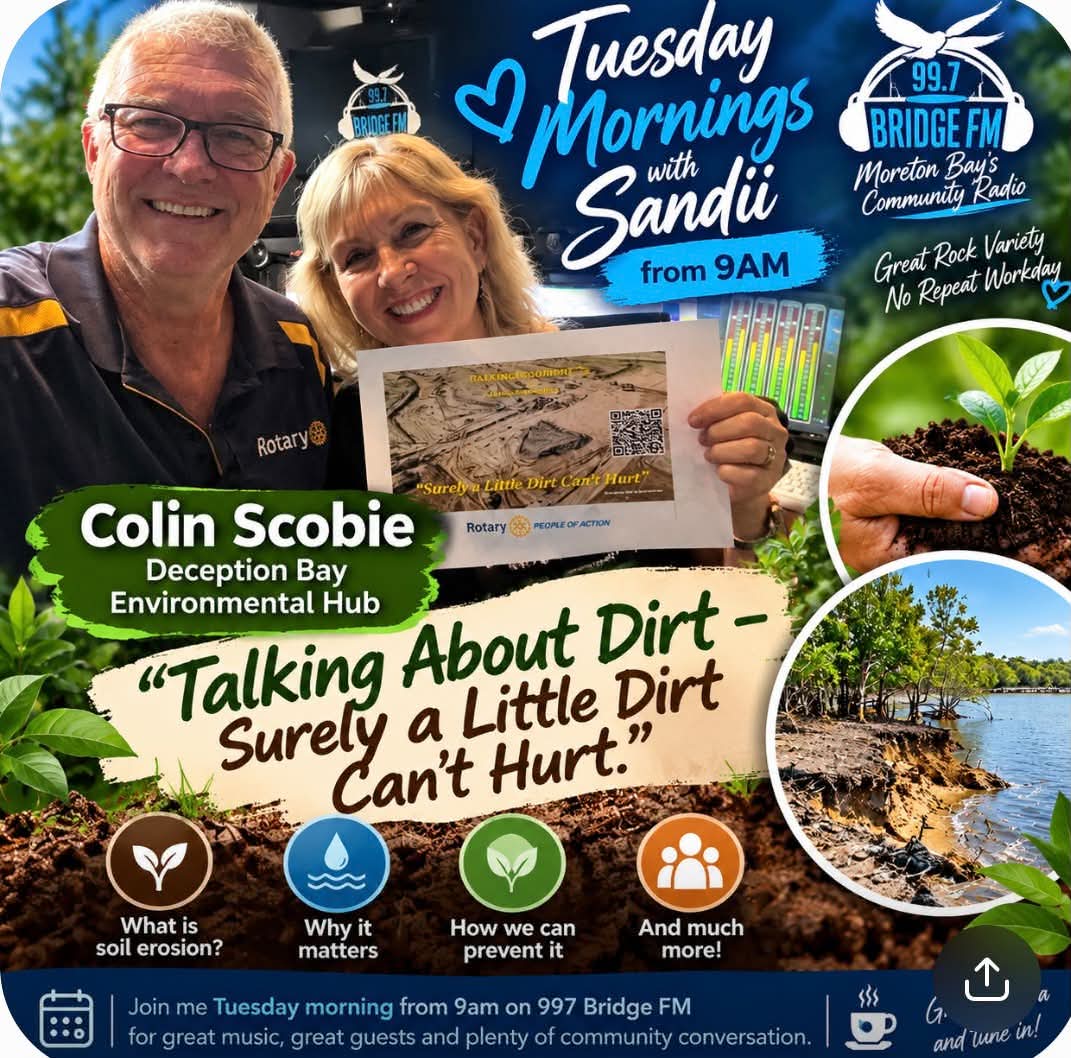


99.7 Bridge FM is synonymous with excitement, energy, a mix of classic rock, popular music and community conversation.

Sandii  hosts a monthly Tuesday-morning segment and one of her regular guests is Colin Scobie, environmentalist and President of Rotary Redcliffe Sunrise.

TUESDAY MORNING, 13 OCTOBER 2026

At 9.30 am Colin settled in at the “Bridge”.  This week's conversation had a specific purpose. Kel Sanson — erosion and sediment subject matter expert — was presenting at the club's eco-forum nine days later, and Colin wanted the room full.

The segment wears a light-hearted title — "Talking About Dirt — Surely a Little Dirt Can't Hurt" — but carries a serious message. Soil erosion and sediment runoff can carry pollutants (excessive nutrients and toxicants) into waterways and the Bay, affecting freshwater and marine aquatic environments. Community radio brings that into people's homes, and asks listeners to think about the effects of everyday activities on the environment. 

Behind the microphone, it was routine business: updates, events, community projects. On the other side of it, someone was listening.

Local Rotarian, Ian Sutherland has been recognised with a Coastcare Certificate of Appreciation for his nomination in the 2026 Queensland State Landcare Awards. With 72 nominations received across nine categories this year, Queensland Water and Land Carers (QWaLC)  noted how strongly Ian’s contribution sits within a wider community of Queenslanders working to protect landscapes, waterways, wildlife and natural resources. At the same time, the message made clear that the true value of Ian’s work is not defined by the outcome of an awards process, but by the lasting impact he continues to make in his community and the environment. The certificate also recognises the support of the volunteers, members, families, partners and supporters who help make this work possible. Above all, it is a thank you to Ian for his dedication, service and commitment to Landcare and conservation. QWaLC encouraged him to take pride in his achievements and to keep sharing his story as part of the ongoing effort to care for Queensland’s land and water.

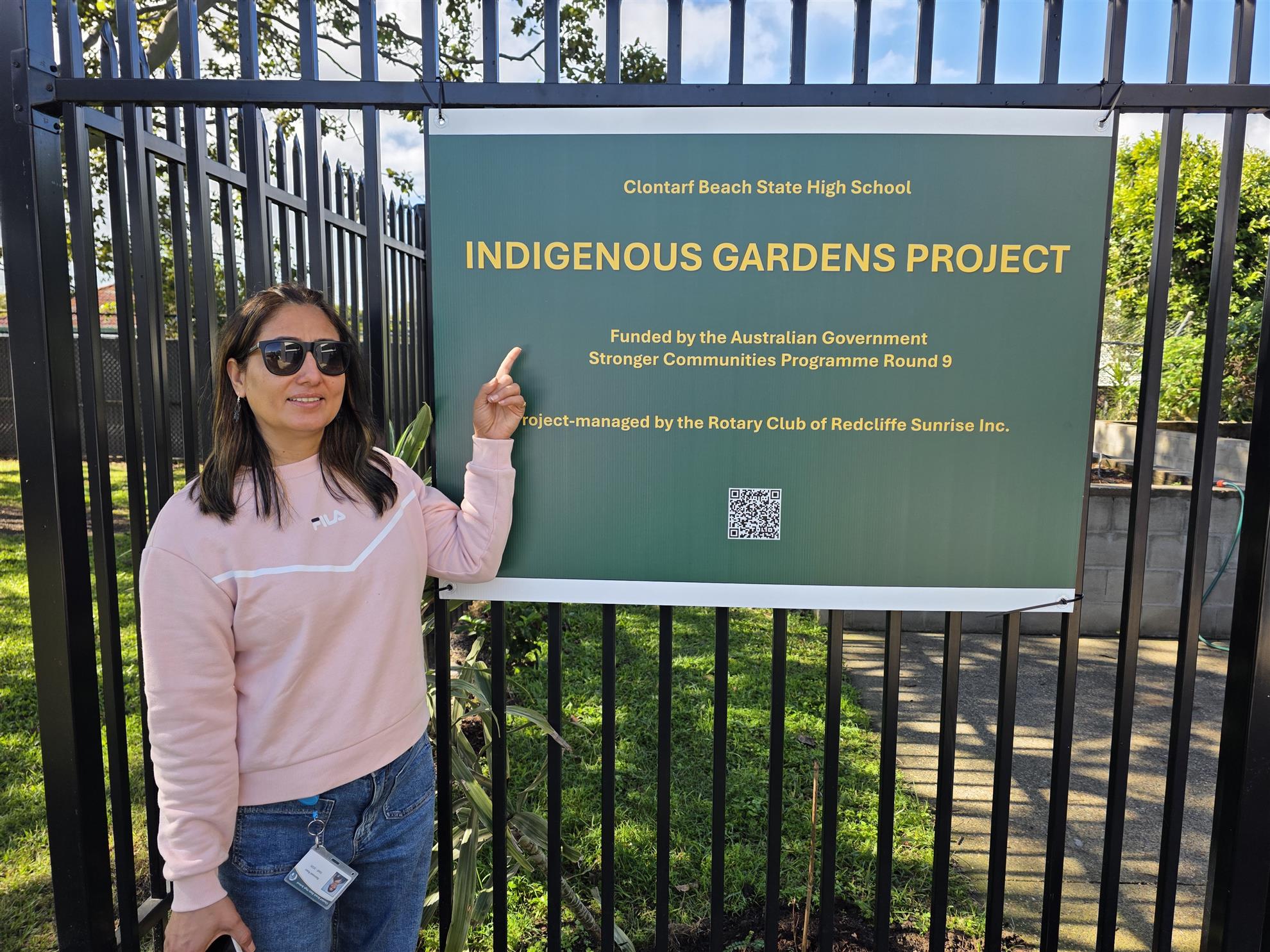
Clontarf Beach State high School (CBSHS) has a new native garden. In partnership with Rotary. CBSHS has created a sustainable and enduring educational asset that enriches learning, promotes environmental stewardship and strengthens connections to community and Country.  The gardens behind the Eco-Centre (Q Block) were run down. Staff and students wanted to bring them back to life and turn the area into a working outdoor classroom that any subject area can use for lessons, learning and community events.

Students would learn to recognise local coastal plants and see how sand dunes change into coastal heath. They'd watch living things, collect and study data, and learn about looking after the environment. They'd also grow food, including native bush tucker, and use the garden as inspiration for art projects. 

The garden will become a permanent part of the school, not a one-off project — built into everyday planning and lessons so it survives changes in leadership, staff or volunteers. 

The Head of Science will oversee the gardens and the teaching direction. Science technicians, teachers, groundskeepers and students will share the day-to-day upkeep. Small jobs — replanting, watering, mowing, edging — come out of the Science budget, with students helping as part of lessons. Big jobs, like pruning or removing large trees, will be paid for by the school and done by qualified contractors. Lessons using the garden will be built into the curriculum, and the garden's condition and impact will be reviewed each year.

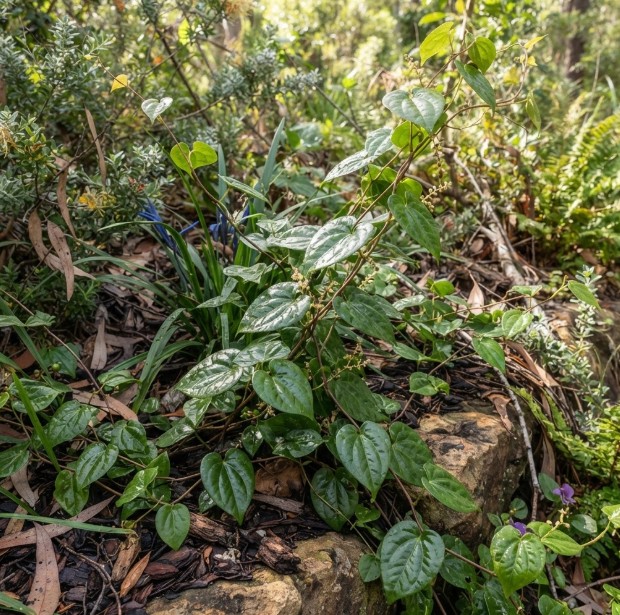
Picture: Australian Pepper Vine (Piper hederaceum)

Ava held her Pop's hand as they stood on the foreshore of Deception Bay, where the morning tide was slipping away. Beneath the pale sky, the shore became a shining staircase of saltmarsh, mangroves and mud flats. These intertidal wetlands are both dining room and resting place for shorebirds. "Look closely," Pop whispered. "The visitors have come from far north, following the East Asian-Australasian Flyway."

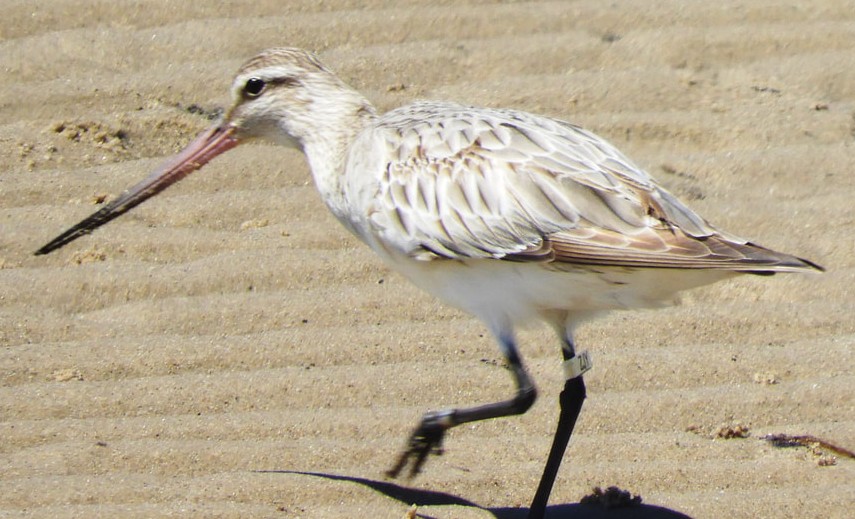
Ava lifted her binoculars. A Bar-tailed Godwit walked through the wet mud, its bill curved gently upward. It pushed that bill deep into the soft flats, searching for molluscs, crustaceans and worms.  Each probe was like a tiny question asked of the mud: Is lunch here? The godwit did not need to hurry. Its long bill could reach food hidden below the surface.

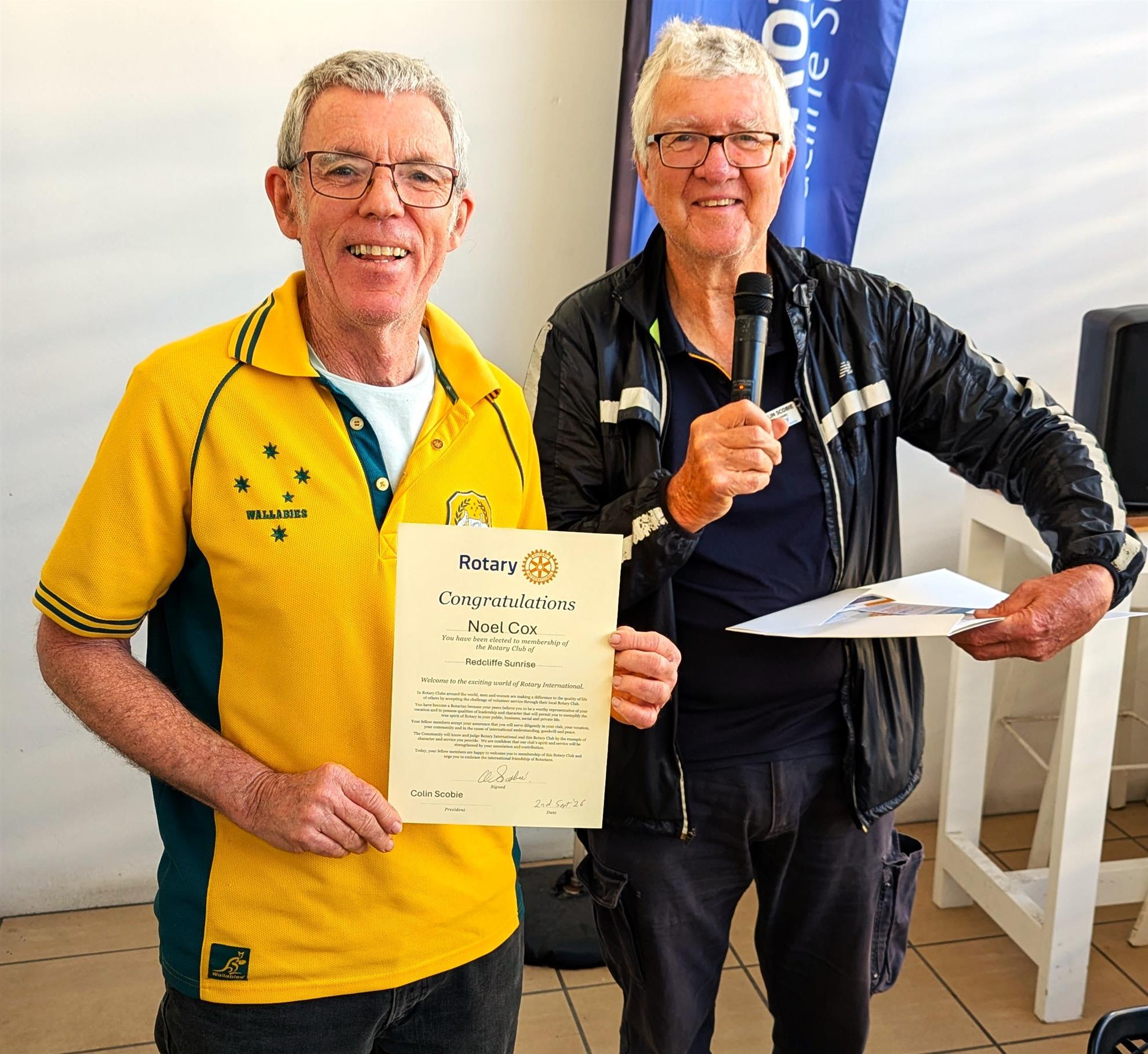
Noel Cox became Australia's newest Rotarian at Rotary Redcliffe Sunrise's Wednesday breakfast meeting on September 2.

Noel is in good company. Yuvraj Khatiwada (Rotary Club of Kathmandu Circle) and Eric Allen and Peter Alexander (Rotary Club of Greenwich) were inducted the same day.

However, Noel is arguably the newest Rotarian in the world given the sun rises earlier in Redcliffe than it does in London or the foothills of the Himalayas.


Humpybong State School is celebrating its 150-years Anniversiary.  The first provisional school opened on 1 February 1876 on land fronting what is now Duffield Road. It was housed in a small slab-and-shingle structure often described as a bark shanty, measuring just 10 feet by 12 feet. 

Despite its size, enrolment was sufficient to establish schooling in the area. Twenty-seven pupils enrolled during the first year, with eighteen attending on opening day. Early staffing was short-term, however, and fluctuating population numbers meant the school closed temporarily in 1878.
 
Education in Humpybong did not disappear. It shifted location as the settlement evolved. 

Incoming President for the 2026–2027 Rotary year, Colin Scobie endorsed Rotary International's theme, "Create Lasting Impact," during his address at the Rotary Club's annual Changeover Luncheon held at the Moreton Bay Boat Club 0n Thursday, July16.

The event was attended by distinguished guests including the State member for Redcliffe, Kerri-Anne Dooley, the Federal member for Petrie, Emma Comer MP, Rotary District 9620 Governor Ian Hope, Assistant District Governor Monica Fraser, club members and representatives from Rotary clubs across the region.


Good afternoon members, partners, friends, families and distinguished guests,

It’s been my privilege to serve as Club President for these past two years and I want to thank all members for their support and contribution to an important chapter in my life and the Club’s.

The Rotary year 2025-2026 is a significant year for the Rotary Club of Redcliffe Sunrise — it’s celebrating 60 years of Service to our Communities.

Sixty years ago (1966) the world was a very different place, it was a pivotal year of cultural upheaval, space exploration milestones and monumental music releases.


Magnetic Island sits just offshore from Townsville, a granite-and-eucalypt hump fringed by some of the most accessible fringing coral reefs on the entire Great Barrier Reef.

The island's fringing reefs are not the vast outer-reef walls that draw divers to the northern Great Barrier Reef — they are smaller, shallower, more accessible, and ecologically more contested, sitting as they do at the intersection of coral, mangrove, and seagrass habitats with the human footprint of a major city just across the water. 

What you carry away from a day on Magnetic Island's reefs is the sheer compression of it all. 

I was my father Jacob's favorite son, and everyone knew it. He gave me a magnificent coat of many colours, and I wore it proudly. 

I also shared dreams I did not fully understand - dreams in which my brothers bowed before me. Instead of listening, they hated me for it. One day, their jealousy turned cruel. They seized me, tore away my coat, threw me into a pit, and sold me to traders bound for Egypt. Then they let my father believe I was dead.

In Egypt, I became a servant in Potiphar's house. Though I had lost my home and freedom, I worked faithfully. But trouble followed me there too. Potiphar's wife lied about me, and I was thrown into prison for a crime I did not commit. 


Even in that dark place, I refused to give up hope. I believed God had not abandoned me.

While in prison, I discovered that my gift for understanding dreams had a purpose. That gift eventually brought me before Pharaoh himself. When he was troubled by mysterious dreams, I explained that seven years of plenty would be followed by seven years of famine. Pharaoh trusted me to prepare Egypt, and because we stored food wisely, countless lives were saved.

Years later, my brothers came to Egypt begging for grain, not knowing who I was. I could have taken revenge, but I chose mercy. I forgave them. In that moment, I understood that every sorrow I had endured had led me here. My family was restored, my father was found again, and I learned that faith, forgiveness, and hope can turn suffering into blessing.

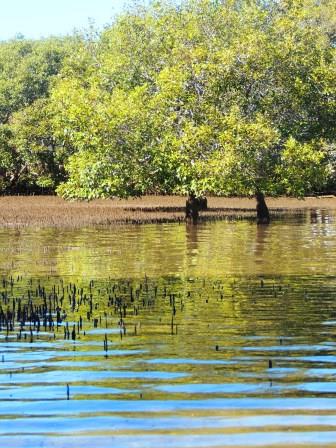
Grey Mangrove - Redcliffe Environmental ForumAva stepped off the foreshore and into the hush of the mangrove forest, where the world felt half land, half sea, and entirely magic.

The trees stood on tangled roots like dancers balanced on their toes, rising from the mud in twisting loops and arches. Around them, thin breathing spikes poked up from the ground like thousands of little pencils, and Ava imagined the forest whispering through them.

The air smelled of salt and wet earth. Sunlight slipped through the leaves in golden pieces, landing on pools that shimmered with tiny fish. 

A crab, with a claw as bright as a fire-lit topaz, darted sideways into a hole. Ava gasped and crouched low, her knees muddy, watching the hole as if it were a doorway to another world.

Above her, birds called from hidden branches - sharp cries, soft whistles, fluttering wings. She spotted one blue-grey bird lifting into the sky, its reflection wobbling in the water below. Everything seemed alive in more than one way: the mud wriggled, the roots reached, the water glittered with secret movement.

Her Pop pointed out how the mangroves held the shoreline together and sheltered baby fish from bigger hunters. Ava listened, but mostly she felt it. This forest was not just a place. It was a home, a nursery, a fortress, a feast.

When the tide began to creep in, the water slowly wrapped the roots in silver. Ava stood very still, as if the forest had invited her in for a moment and she must not break the spell. Then she smiled, knowing she would carry its wonder long after her shoes were clean again.

Our environmental colleagues, the Bribie Island Environmental Protection Association (BIEPA) are hosting the 3rd Annual Yarun EcoFlix Film Festival, which features a selection of independent films about species protection, direct actions, and the wonders of Country.

The festival is more than entertainment. Yarun Ecoflix sits between art and actions. It is a bridge from environmental awareness to involvement.

An Indigenous garden at a Clontarf Beach State High School (CBSHS) is not a soft "nice-to-have" sustainability gesture.

It is one of the highest-leverage investments a school can make.

It simultaneously restores habitat for many of South-east Queensland's 4,500 native plant species, deepens student cognitive and mental health outcomes, provides Indigenous students at CBSHS with named representations in their Country's flora, and stitches the school into a wider community partnership that includes Rotary (Environment Sustainability), the Australian Government and the local Council. 

The benefits of Indigenous gardens at CBSHS span five mutually-reinforcing areas: ecological, educational, cultural, health-related and community. 

Fear and fascination are two sides of the same psychological coin.

While fear triggers our survival instincts, the thrill of facing the unknown safely often morphs into deep curiosity or fascination.

This complex emotion drives everything from how we consume media to how we confront everyday challenges.

At their core, fear and fascination trigger similar physiological responses but are processed differently by the brain.


Quote attributable to Rotarian Mike Spice Rotary Club of Redcliffe Sunrise:

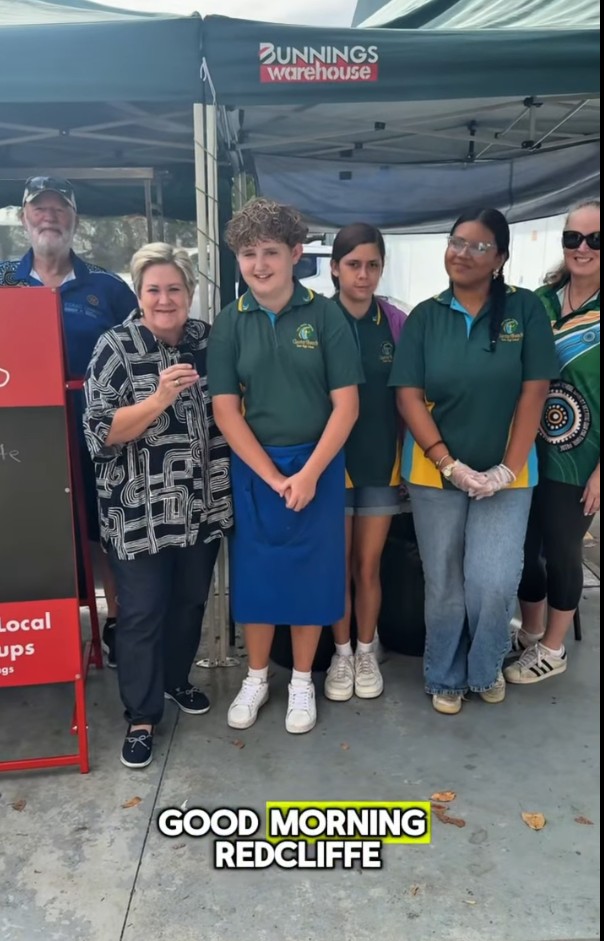
"After an incredible day helping run the Sausage Sizzle at the annual raise it for Redcliffe Giving Day, it was most appropriate to celebrate the fantastic news that over $200,000 was raised for Redcliffe Hospital. 

Well done to all volunteers and especially our team who helped achieve this amazing result! "

Initiated by the Royal Brisbane and Women’s Hospital Foundation, the Raise it for Redcliffe Hospital Giving Day is an annual event designed to bring the community together to support local healthcare. 

Freshwater ecologist John Gooderham has spent years studying these tiny indicators of water health. 

John co-authored The Waterbug Book, helped launch the National Waterbug Blitz, and played a key role in creating the Waterbug App—a citizen science tool that lets people across Australia collect and share data to help assess the condition of the nation’s rivers.


John was our keynote presenter on April 16 at the Deception Bay Environmental Hub. 

He was “Talking about the state of our rivulets | A waterbugs story”.


Imagine a day where families come together to enjoy fishing, learn about local waterways, and help protect native fish — all at once. That’s what our Fishing Family Fun Day is all about!  

The event combines outdoor fun with environmental education through a Fishing BioBlitz — a hands-on activity where participants help identify and record all the fish species they catch (and release!). 

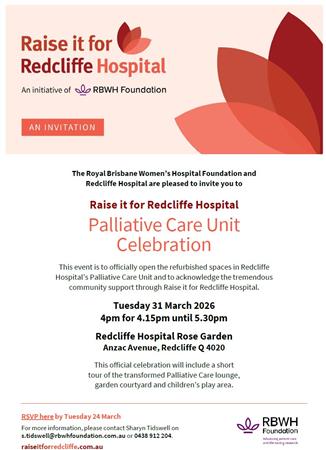
On 31 March 2026, “Raise it for Redcliffe” Hospital supporters, community partners, hospital staff and guests came together to celebrate the official opening of the Palliative Care Unit’s newly refurbished lounge, garden courtyard and children’s play area.

These upgrades were made possible through the incredible support of our community, past “Raise it for Redcliffe” Hospital Giving Days and the inspiring legacy of individuals such as Karen Wilson, who shared her story and motivation for giving back with those in attendance.

It was a beautiful reminder of what’s possible when a community comes together to raise comfort, raise connection and raise dignity for patients and their families at Redcliffe Hospital.
 

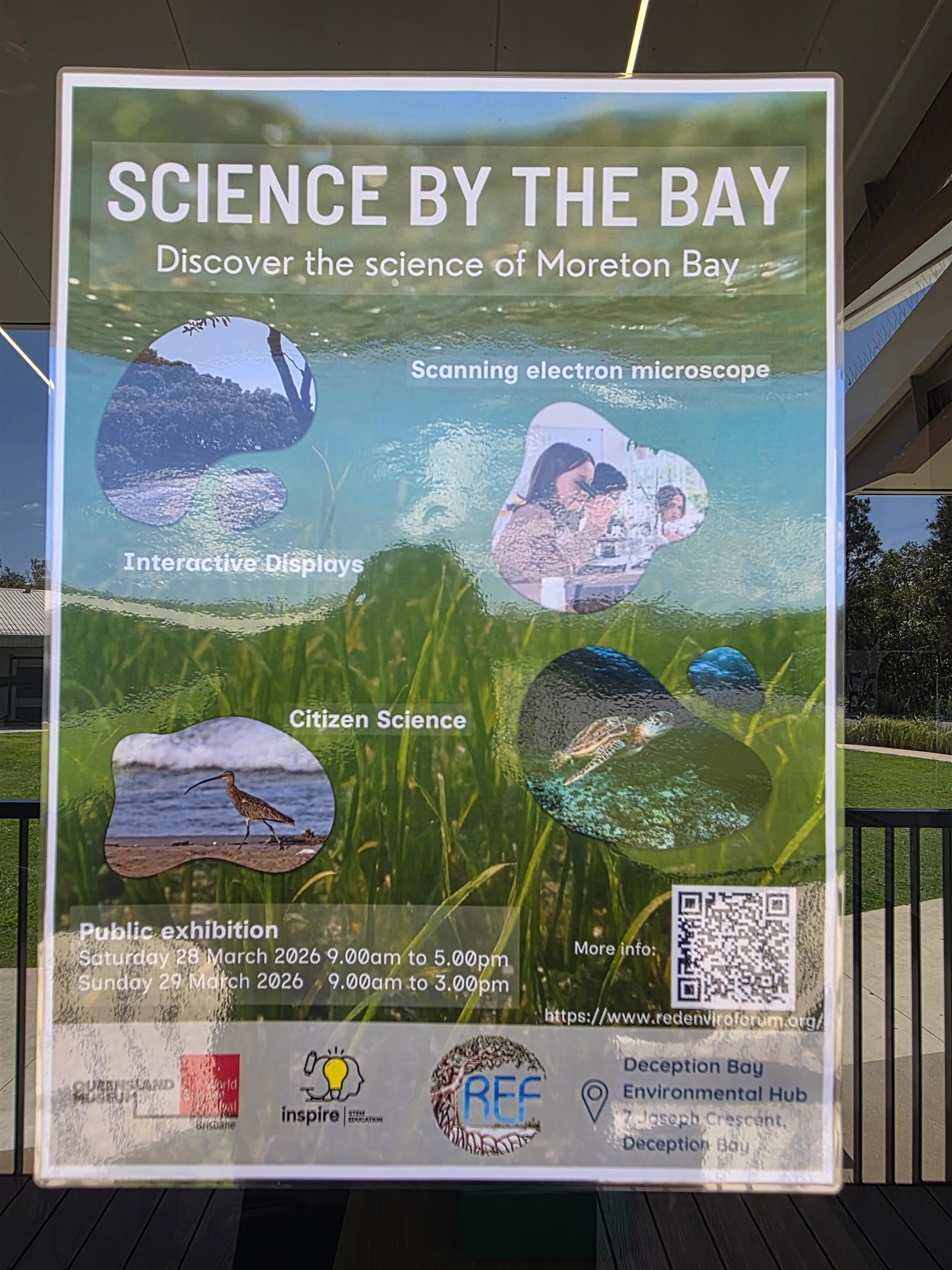
Moreton Bay is an incredibly important area for wildlife and fishing, supporting a wide range of marine and coastal life while also playing a big role in the culture, livelihoods, and everyday experiences of locals and visitors alike. 

Scientific research has been key to helping us better understand and protect this unique coastal environment.

 Science by The Bay is happening from Thursday, March 26 to Sunday, March 29. 

The first two days are just for high school students, and then it opens up to everyone on the last two days so the general public can come along and enjoy it too.


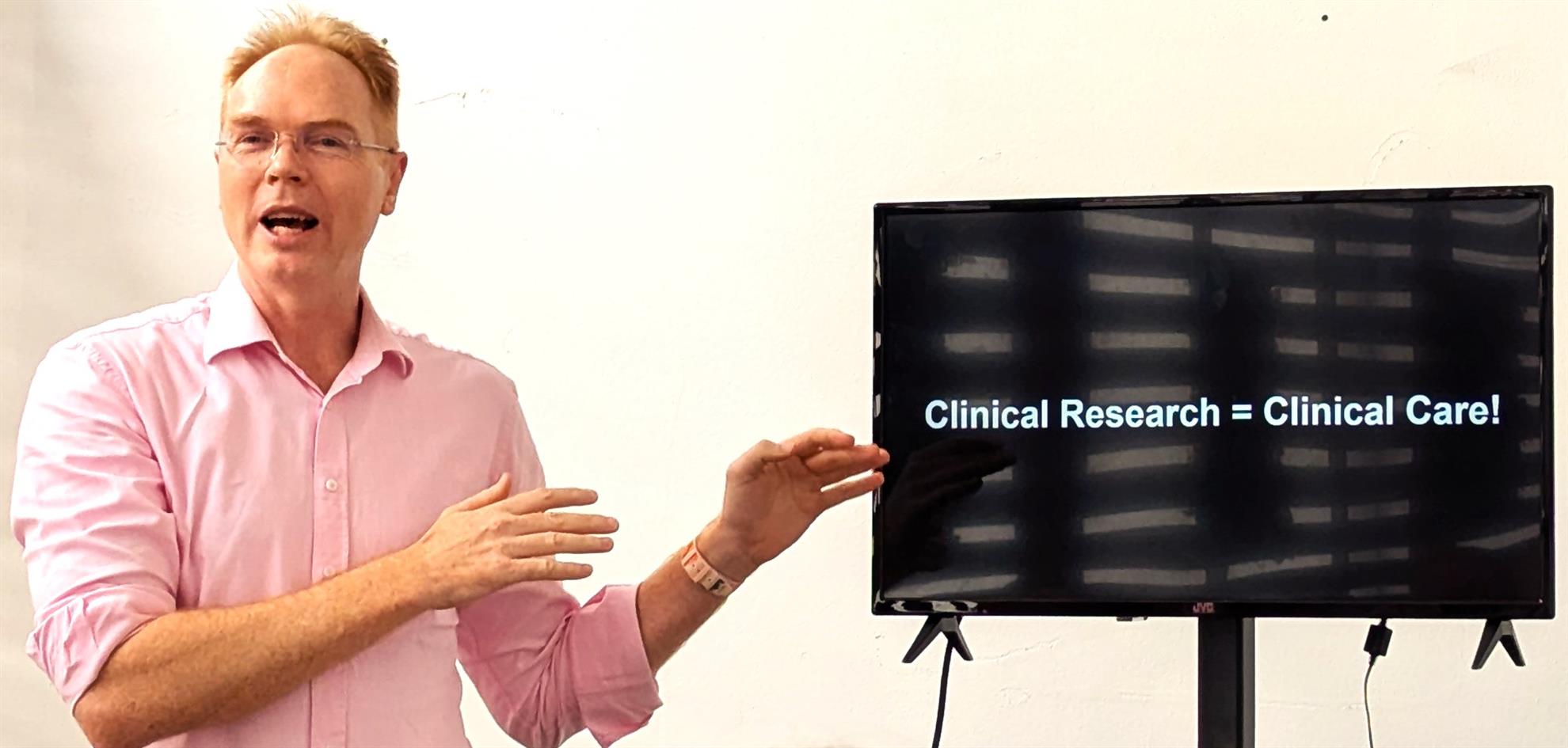
Every day, Redcliffe Hospital nurses, doctors and other dedicated staff serve our community to provide quality healthcare, close to home. They’ve been doing it for 60 years. 

They want to do more – to support locals now and for generations to come. Dr Joel Dulhunty, Director of Research at the Redcliffe Hospital is one of them. 

As he quoted “research is like climbing a mountain to find more research when you get to the top of the current mountain ”. The inspiration of his research team is remarkable!


JOIN A PROJECT


Change our community by volunteering on a local project.


We work with groups and organizations of all sizes to accomplish even more.
.
Discover and celebrate diverse perspectives with a global organization.
Website Sponsors