Your invitation to the Super Raffle drawing, to be held on Saturday, will be emailed tomorrow to all who have submitted their email addresses on ticket stubs! Check your inbox for an exclusive Zoom invite to this big drawing and plan to be present! Don't forget to have your winning tickets ready!
Although the count was still in progress when this Bulletin went to press, the word is that the 2021 Supper Raffle has been a Super fundraiser that promises to support many community and charitable programs in the coming year!
Whoever wins the drawing, one thing is for sure -- The Rotary Club of Santa Rosa Sunrise and all its members, on every proud Supper Raffle team, are the biggest winners of all! Stay tuned for the final scores and check your email for an exclusive invite to the drawing on Saturday!
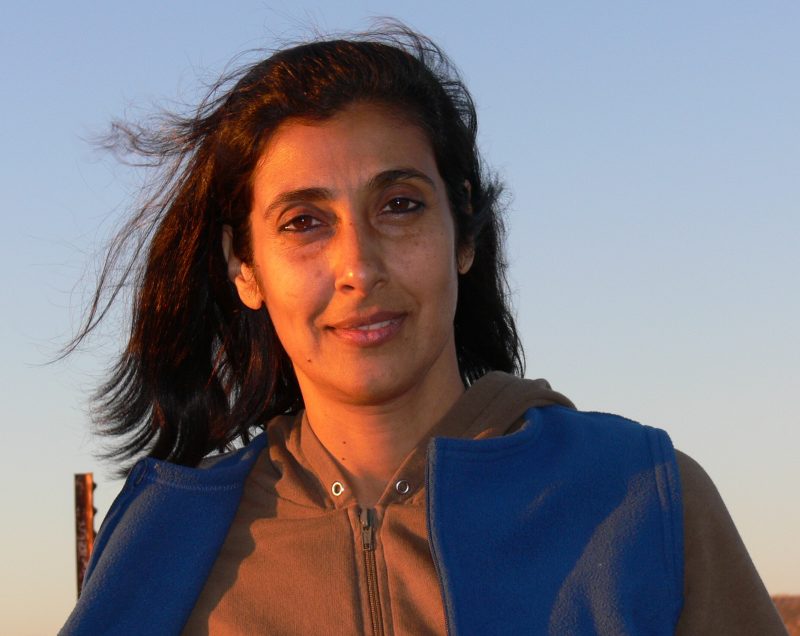
Maya will read a few poems and talk about established fire scientists who have informed her work, her films and her writing. Briefly, she will talk about her journey as Sonoma Poet Laureate. She will also discuss why fire scientists who have informed her art have brought her to the understanding that we can have our homes and our beloved forests – without tearing them down. And, she will also talk about how she continues to be inspired by the natural world.
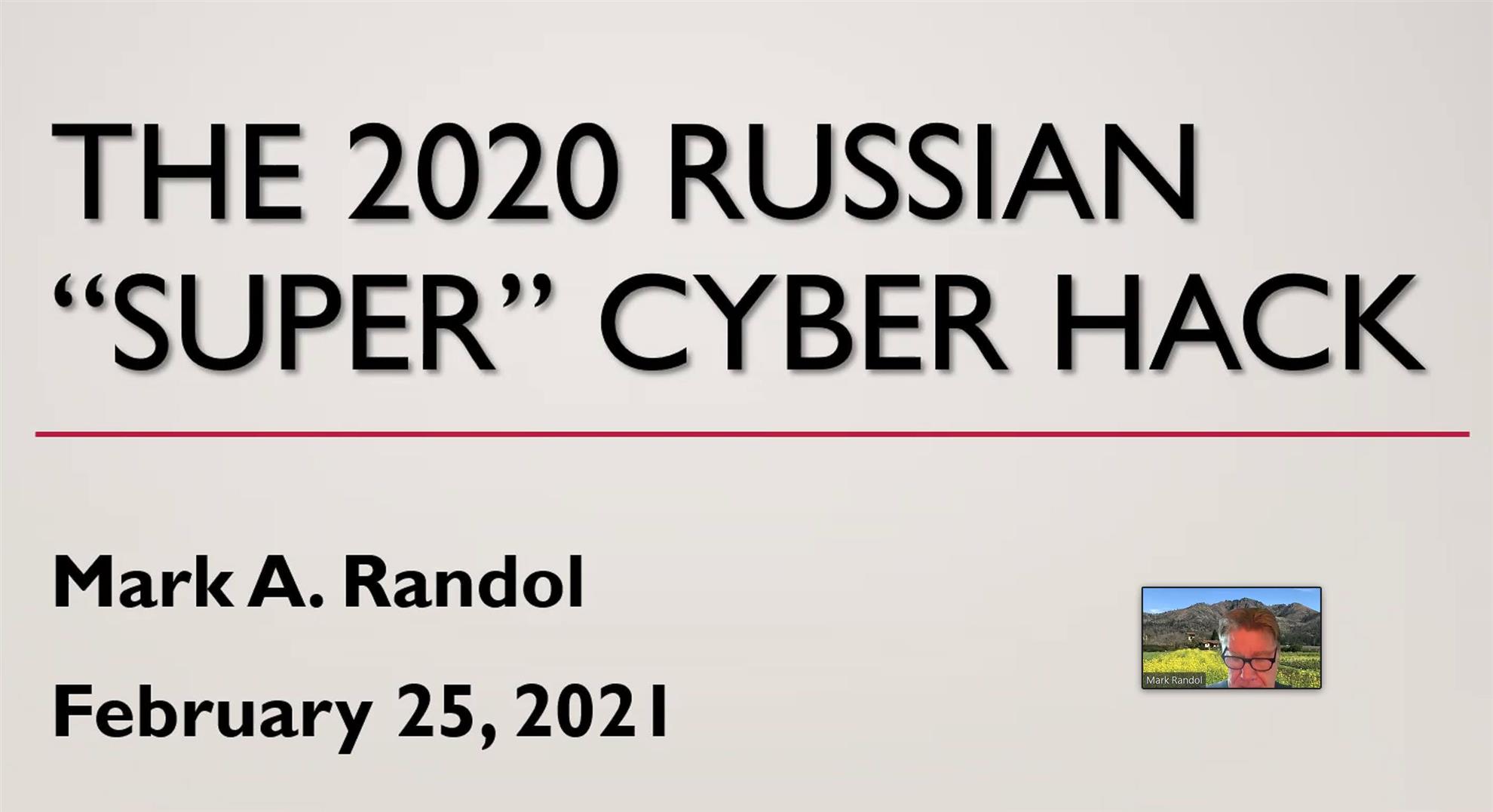
Our Guest Speaker for February 25, 2021 was Mark Randol, speaking about the 2020 Russian Super Cyber hack. Mark is particularly competent to speak on this subject given his 35-year career in counterintelligence and counterterrorism. Mark has worked in the military and in civil service in a variety of positions, including Director of Counterterrorism Policy at the Department of Homeland Security, specialist in domestic intelligence and counterterrorism at the Congressional Research Service in Washington, D.C., and in military intelligence at various levels.
Mark’s topic was the recent cyberattack on the U.S. by the Russian foreign intelligence agency, SVR. The hack was a “supply line attack” by the SVR against the computer systems of dozens of major U.S. companies, including Microsoft, Cisco Systems, Intel, Nvidia, and Belkin, among others. The SVR also attacked the unclassified networks of hundreds of government agencies. The breadth of the attack was staggering. According to Tom Bossert, a former Homeland Security Advisor, “The magnitude of this national security breach cannot be overstated.” Mitt Romney said that a cyberattack like this one is the “modern equivalent of Russian bombers reportedly flying undetected over the entire country.”
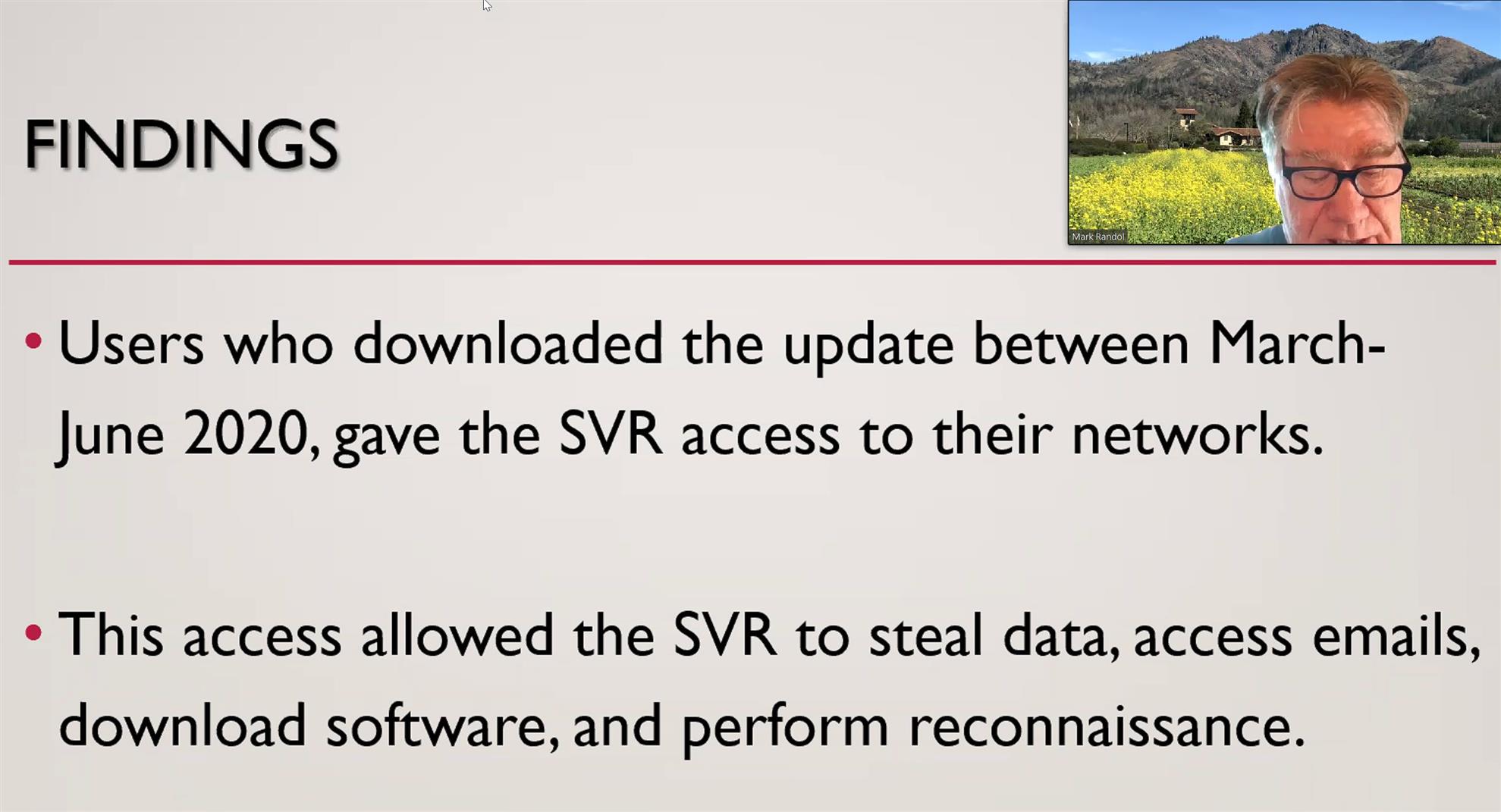
The malware was first found by an internet security company in its own security system. The investigation later discovered that at some time before March 2020, the SVR hacked into a computer program, “Orion,” sold by SolarWinds to nearly 300,000 customers. The SVR used a “trojan horse” to enter into a Solar Winds update, which was downloaded by thousands of customers between March and June 2020. Once the malware was downloaded, the SVR had access to steal data, access emails, download software, and perform reconnaissance.
Mark told us that SolarWinds is a case-study in dysfunctional security practices. Former employees and advisors told the N.Y. Times that SolarWinds was a ripe target for attack. The former CEO was an accountant and ordered all aspects of the company to be examined for cost savings, resulting in the elimination of important security practices. Much of the company’s engineering was outsourced to offices in the Czech Republic, Belarus, and other former Soviet Union countries. SolarWinds passwords were being linked to public websites. Even the password to access the update was incredibly simple: “Solarwinds 123.”
The U.S. government’s response to the hack is also troubling. Mark states, the Trump Administration ignored warnings that its cyber hack warning system was flawed. The Trump Administration had failed to fill important positions in security, including Cybersecurity Coordinator, directors or deputy directors at the Cybersecurity and Infrastructure Security Agency, and a variety of DHS top positions. Even when the hack was discovered Trump downplayed it, saying that it was “far greater in the Fake News Media than in actuality.”
Mark also reviewed the question about whether the hack was “espionage” or an “attack.” On the one hand, countries spy on other countries all the time. Espionage is normal, and we do it too. On the other hand, this may have been more than espionage, and more like an attack, if it gave the Russians and opportunity to actually plant “bombs” inside computer systems.
Fantastic program, Mark. Thank you for putting in all the hard work and for giving us a simple, easy way to understand a complicated story.
The recording will be viewable HERE for the next week or so.
On a regular basis, our resident photo pro Warren Smith, submits pictures of what is going on at the weekly meetings. You can always find the most recent pictures at the websites photo journal called "Meeting Sighting" Please note that all the meeting photos for the entire Rotary year are at this location with the most recent on the last page.
Thanks for all the great pictures Warren!Link to Meeting Sightings. The most recent are on the last page!
I wouldn’t normally write about something I just mentioned a few weeks ago, but watching the Polio Plus reports is fascinating- fascinating for the right reasons also, i.e., the lack of cases of polio being reported. Could we be leaping forward to the one-foot line in eradicating the disease? Pakistan just reported its first case of the year after 92 days with no new cases. Afghanistan has had 1 reported case in 2021 and that was 58 days ago. There have been a total of 2 cases this year, compared to 17 cases at this point last year. No news is GREAT news! Rotary International President Holger Knaack was asked this week about the importance of continuing the battle against polio in light of the Covid-19 pandemic. In that interview he spoke about our receiving the Covid-19 vaccine at no cost to us, and encourages Rotarians to “Pay it Forward”, so to speak, with a $25 donation to PolioPlus. Another name being quipped about is “Get a Shot, Give a Shot”. If every Rotarian would "Pay it Forward” when they received their free Covid-19 vaccine, it would go a long way toward Rotary ng the $50 million Bill & Melinda Gates Foundation 2 For 1 matching grant they have offered. When you get your vaccine, think about paying it forward.
Super Raffle teams trade the lead in final seconds of overtime play
In a desperate bid to come out on top, all Super Raffle teams bring their skill and courage to the field. Top contenders, Seahawks and Bears, duel it out: scoring, fumbling and playing their hearts out with constant encouragement from coaches Amend and Coffee.
Sensing an opportunity for victory, the Packers and 49ers up their game. Turnovers, sacks and Hail Mary passes push scores up while penalties for unnecessary roughness cause heartbreaking setbacks, frustrating coaches Tweeten and Zwick.
Steelers fight courageously under coach Heron, racking up points until the final whistle and the play goes into overtime. Will they be successful in stealing the victory?
Which team will win the Super Raffle? Not even referees O'Rear and Glowaki, who are furiously counting points, can be sure of the victor at the time this article goes to press.
Unsportsmanlike Conduct and scoring challenges result in Delay of Game for top Supper Raffle teams
A negative comment, referring to the mascot of one of a top rated Super Raffle team is reported to have been voiced by the captain of a rival team. Referees have consulted a long standing "Four Way Test" rule and have declared a 40 yard penalty for the offending team.
An accusation of score tampering also was lodged. The teams involved agreed to arbitration. And the score was adjusted with no additional penalties. However, the incident resulted in a Delay of Game and precious time was lost during the critical two-minute warning preceding the final play. The final score is still in dispute.
Mascots for two of the teams vying for the leading score are well known predators, worthy of respect for their strength and powerful energy. However both mascots also are known for their appealing images. And none deserve to be denigrated under say circumtance.
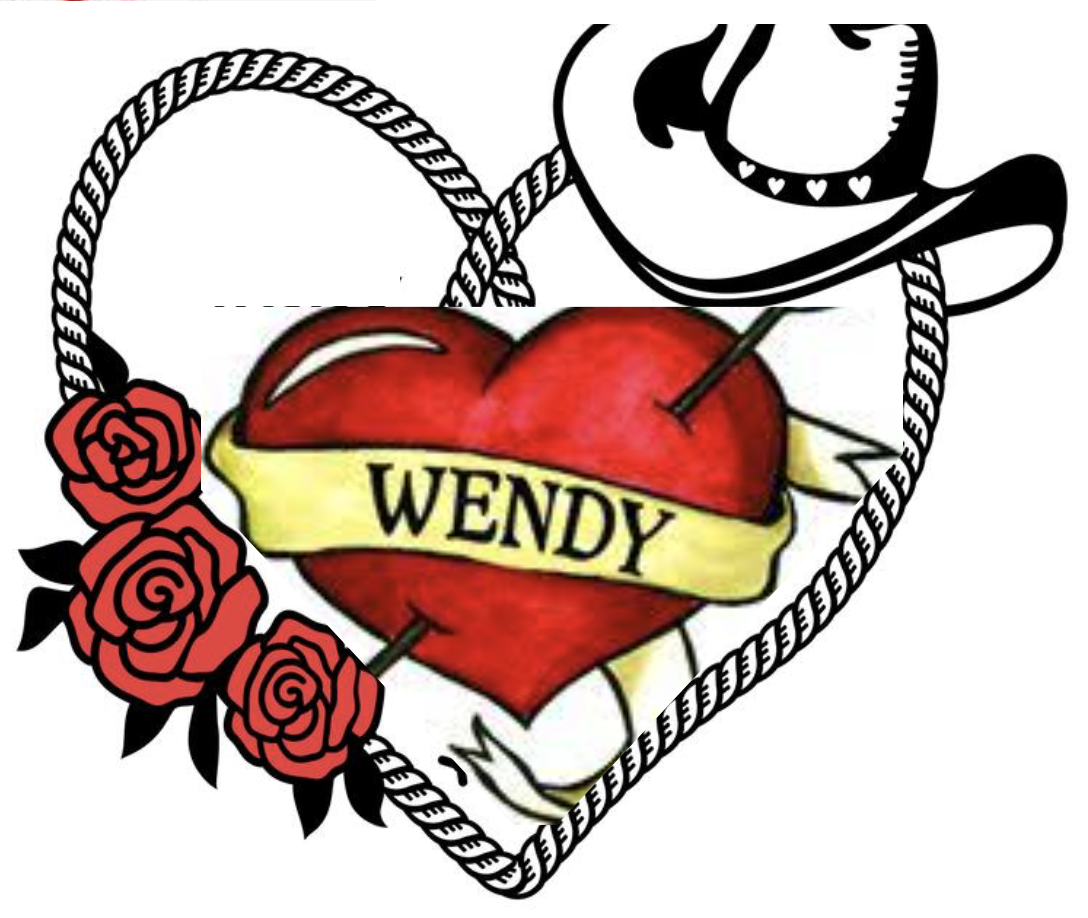
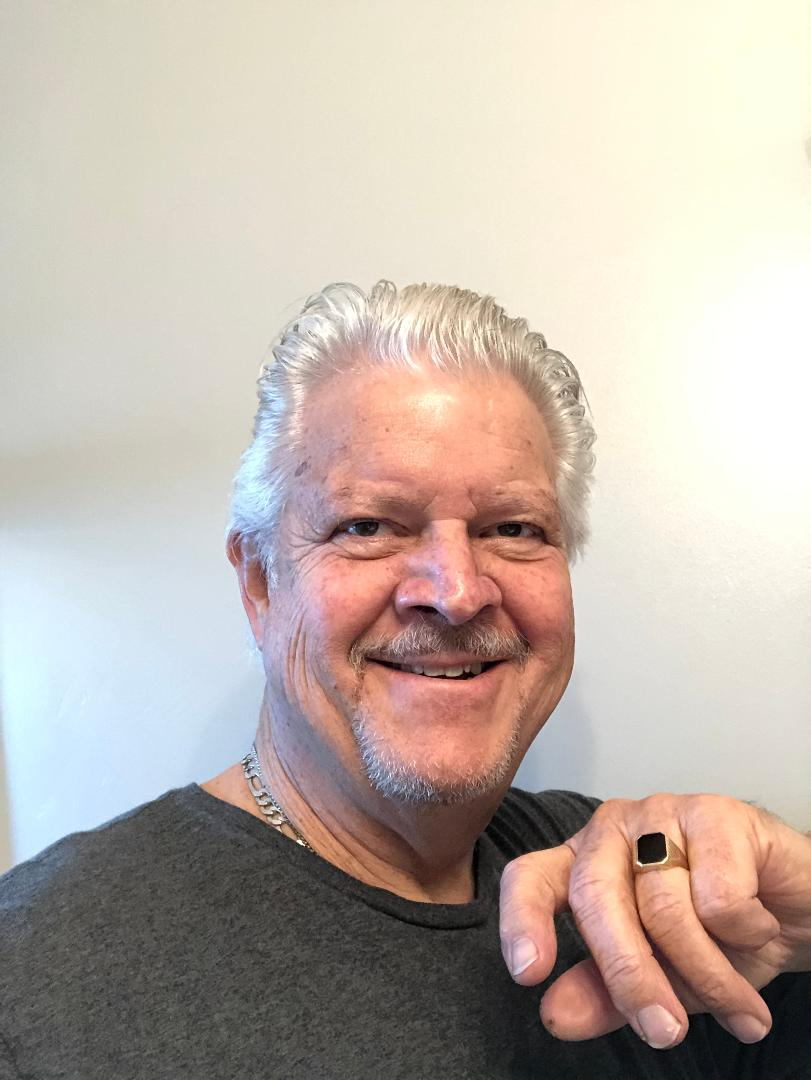
Sunrise Romantics responded to the challenge of sharing their Valentine vulnerability. Don Floriani with a Country-Western inspired ode to his Wendy, Harry Coffey with an original ~ as he claims~ ethereal whisp to Judy, and Stacy Drucker-Andress with her conversation-style narrative to budding True Friendship .
Each composition gave us a wonderful glimpse of endearing companionship, and a reminder of Goodwill and Better Friendships strengthening through thick and thin.
Congratulations to Stacy for braving her thoughts and hope winning the Cambria Hotel Sonoma Wine Country's "Suite Escape" enhances the friendship you and Steve are discovering.
.MJ. Girard is currently an on air personality on KOWSfm.com His “Roots of Rock” is broadcast every Sunday morning at 7
As a youth, I was blessed to be a native San Franciscan. Growing up during the 1960’s in the City was an eye and ear opening experience, to say the least!
Rock and Roll music is always in a state of flux, from it’s humble beginnings in the early 1950’s to what is currently produced. My Mother was a “Bobby Sockser”…Little Richard was usually on the radio, Elvis and the rest of those memorable artist a constant companion until my Dad came home, and the sound was muted…Pop wasn’t into Pop!
Entering Abraham Lincoln High School in 1965 I recall our dances were phenomenal as the Beau Brummels were members of our student body.
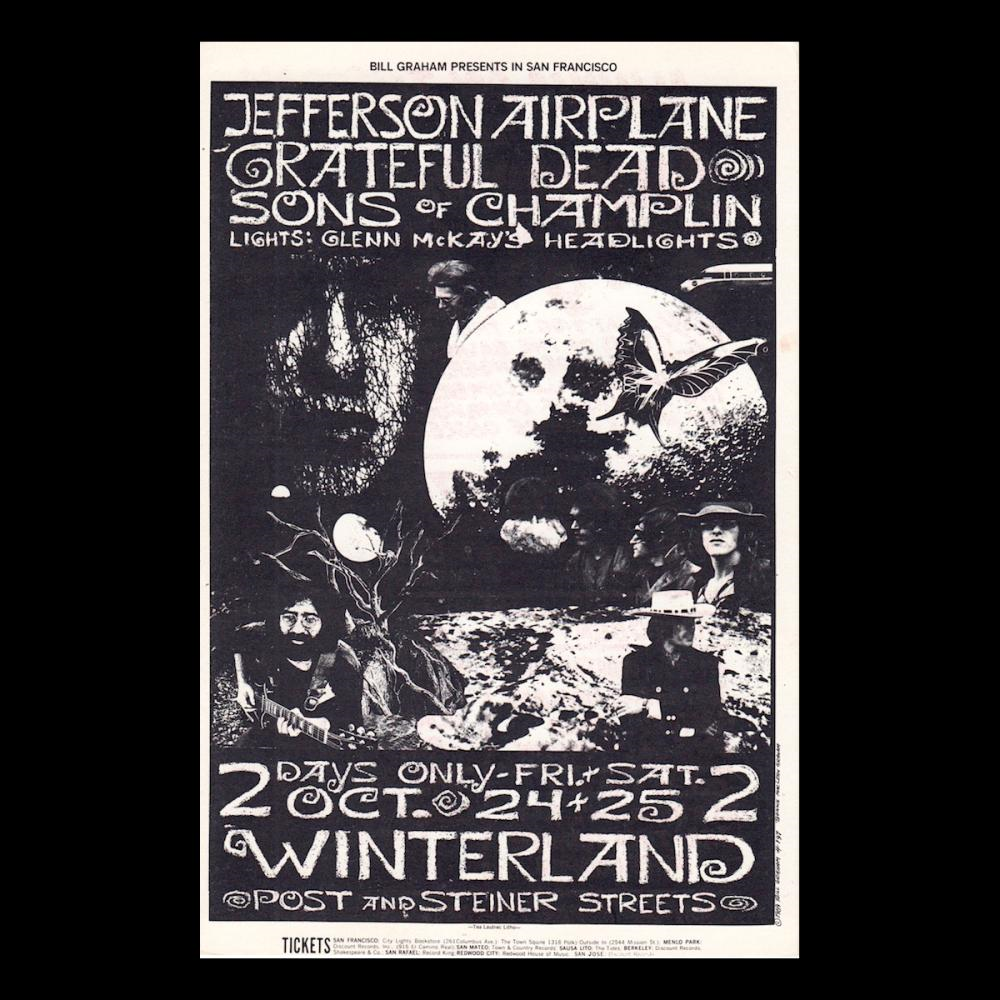
The San Francisco Sound that was prevalent during my youth included such luminaries as Jefferson Airplane, Big Brother and the Holding Company, Moby Grape, The Great Society, Grateful Dead….just to mention a few of the outstanding performers that called the City home.
The counter culture that was the new establishment in the Haight/Ashbury district fostered many new musical trends that bent the charts not only of music trends but of style and demeaner.
The Summer of Love was indeed not to be forgotten…Free concerts at The Avalon Ballroom and Bill Graham’s Fillmore West as well as Golden Gate Park.
This New Sound was an intoxicating blends of Folk, R&B, Country and Classical. The Jefferson Airplane were considered the paramount group ushering in the psychedelic era. This new awakening was the fading away of the Beat Generation, into the hippie culture of joy and passion. Every band had their own identity, but the San Francisco Sound was unique in it’s free form improvisations during the live concerts, something that was missing from their recordings, but invoked the memories if you caught their act at one of the “Happenings” in the City.
Explorations in chordal progressions as well as more total involvement of all instruments marked the departure from the “Primitive Sounds” of the ‘50’s and early ‘60’s.
This new sound had an Empress…none other than Janis Joplin, who, along with Grace Slick of the Airplane , opened many heretofore closed doors for leading female performers.
The San Francisco Sound is heard on my program intermingled with all that is Rock and Roll!
As someone who knows firsthand the great leadership potential of Rotaractors, I always look forward to World Rotaract Week, which we are celebrating from 8 to 14 March. Rotaractors are the focus of all three of my presidential conferences this year, and I was proud when, two years ago, the Council on Legislation voted to elevate Rotaract by including Rotaract clubs as members of Rotary International. Before that, the Council had already made dual membership possible, and shortly after, the Board of Directors decided to do away with Rotaract’s age limits.
But we are only just embarking on our journey together. Partnering effectively doesn’t happen by itself. It requires both sides to be open and to understand the value of cross-generational alliances. Louie De Real, a dual member of Rotaract and Rotary, explains.
Joint virtual meetings have helped Rotaractors introduce Rotarians to new ideas and tools, pioneering unique ways for clubs to collaborate. In the case of pandemic and disaster response, Rotaract clubs used social media to coordinate efforts, drive information, and fundraise, while Rotary clubs used their networks and resources to amplify support, provide logistics, and bring the goods and services to communities.
Rotaractors’ innovative virtual engagement and professional development activities inspired Rotarians to support and follow suit. The pandemic made Rotaract clubs realize that we can immediately connect and partner with Rotary clubs through virtual platforms. With constant collaboration, we realize that Rotary and Rotaract indeed complement each other — that we are part of a single organization with shared goals.
Both sides add value. Rotarians can be mentors and service partners to Rotaractors, while Rotaractors can demonstrate to Rotarians that difficult jobs can be simplified and limitations can be surpassed through digital approaches. This synergy motivates Rotaractors to become future Rotarians: I joined Rotary because Rotarians gave me memorable membership experiences through inspirational moments of collaboration. I needed to be a Rotarian to inspire Rotaractors the same way, now and in the future.
That same synergy leads Rotarians to realize that while Rotaractors may have a different culture, we all share a common vision of uniting people to take action. Rotaract’s unique ways of doing things serve as inspiration for innovation, helping Rotary increase its ability to adapt to future challenges. Rotarians and Rotaractors will build the future together, so let’s start today.
I see no difference between a Rotary club and a Rotaract club, except perhaps for the average age!
Many Rotarians still view Rotaract as our youth organization, but I see it differently. For me, they are part of us, and they are like us. To be successful together, we need to have mutual respect — to see each other as equals. Let’s see Rotaractors for who they really are: students and young leaders, but also successful managers and entrepreneurs who are capable of planning, organizing, and managing a Rotary institute — including breakout sessions in five languages — as they did in Berlin in 2014.
As we take this journey together, let’s remember the strengths of Rotary and Rotaract. And, as Louie says, let’s get started right away in building the future together. In doing so, we open endless opportunities for our organization.
One year ago this month, the World Health Organization declared COVID-19 a pandemic. As I write these words, the coronavirus continues to wreak havoc: taking lives, choking economies, and changing our societies in myriad ways. It has disproportionately hurt the poor and worsened inequalities.
Even as some countries have done better than others in controlling this deadly disease, the rapid development of vaccines is bringing us closer to the end of our strange new reality of social isolation.
This dark chapter in our history is also an opportunity for Rotary, because it reminds us of the impact we can have through The Rotary Foundation if we commit to helping others and live up to our highest ideals. It reminds us of the truly international spirit that we must embody to recover from this moment.
During the COVID-19 pandemic, we have witnessed compassion and sacrifice, friendship and resilient good humor. I am reminded of that famous insight popularized by John F. Kennedy: “When written in Chinese, the word crisis is composed of two characters: One represents danger, and one represents opportunity.”
Working together, we have done so much to adapt to the COVID-19 pandemic, to care for our communities, and to seize the opportunity to be a part of perhaps the most complex task ever undertaken in history — vaccinating 7 billion people.
This does not mean we will deviate in any way from our avowed commitment to eradicating polio, which remains our highest priority and will continue to be our only corporate program.
On the contrary, while continuing polio vaccinations and surveillance, we can apply all our experience in fighting polio to counter COVID-19. We all have a part to play in combating the growing force of vaccine resistance and misinformation. Our advocacy in our communities will be critical — we need to spread the message about the power of vaccines to save lives. We need to work closely with governments and support them in the vaccination drive. We need to add to the more than 3,000 projects already registered on Rotary Showcase to raise awareness, deliver critical personal protective equipment, and support frontline health workers.
As Aristotle said, human beings are social animals, and while COVID-19 has cruelly deprived us of our natural or habitual environment, it does not prevent us from finding connections and helping others in new ways. As you will see in the coming months, Rotary members are already finding the means to channel their humanitarian spirit through the Foundation, which is constantly adapting to address the world’s challenges. Every Rotarian has a role in this effort, and you will find that however you choose to help others and make lasting change, you are not alone.
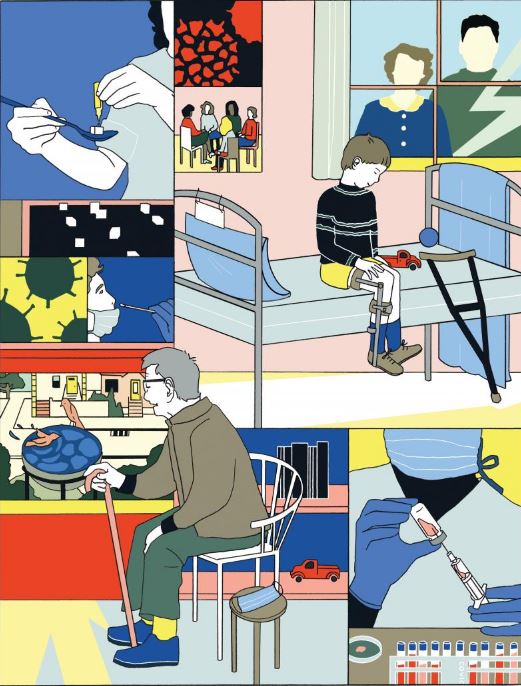
Sixty-five years ago, in 1955, I was diagnosed with polio. I was two years old, so I was unaware of what it meant to have been infected with the poliovirus, but I became more aware of it in subtle ways as I got older. And at some point, I understood what my mother meant when she said I was “one of the lucky ones.”
My mother came from Jersey City, New Jersey, and she sounded like it all her life, aided and abetted by a daily regimen of unfiltered Kool cigarettes. She drove a supply truck as a civilian during World War II and delighted in telling a tale about a GI who tried to “get fresh” with her when she gave him a lift back to the base. When she told him she was married and her husband was deployed overseas, he said, “Baby, what’re you saving it for — the worms?”
She stopped the truck and told him, “Ride in back, buster!” I have no doubt that she used an expletive, although she never employed one in the retelling, Jersey accent notwithstanding. But she still thought “saving it for the worms” was the funniest line she had ever heard. She was a woman who could take things in stride, the quintessential “tough cookie.”
But there was one recollection that could unravel my mother like no other — the one that involved her youngest son being diagnosed with polio and the palpable fear that stalked parents across the country during the summers of the early 1950s. She could not stop her voice from cracking when she spoke about that time. That, along with her warnings about staying out of “polio puddles” after it rained, shaped my awareness of how frightening the epidemic had been.
Among my childhood memories, getting the oral polio vaccine is as vivid as the classroom drills that taught us to seek safety under our desks in case of a nuclear attack. While I can now joke about how sturdy school desks must have been back then, there’s no amusement in my recollection of lining up outside the local firehouse for the Sabin sugar cube — that was serious, important business. I knew it then, and I know it now.
My appreciation for having survived polio faded away over time, but returned in force about 12 years ago when I began writing for Rotary magazine. I had assumed polio had been eradicated — or, more accurately, I didn’t think about it. I have since had the opportunity to get to know, and be awed by, some of the Rotarian volunteers who are working to achieve that goal.
One of the lucky ones
Now, as the novel coronavirus makes its way across the world, I feel a renewed gratitude for what it means to be one of the lucky ones — and a deeper understanding of how terrifying life was for many people six decades ago. As a 67-year-old former smoker, I’m among those now considered vulnerable — I have two adult children to keep reminding me of that — but I’m also among the privileged. My wife and I are able to work from home, we live in a single-family house with creature comforts, and we can afford to practice social distancing with little sacrifice.
Although adults were not immune to polio — President Franklin D. Roosevelt famously contracted the disease at age 39 — most of its victims were young children. Today, COVID-19 appears to pose the most danger to people over 60 — that is, the same group that polio targeted 65 years ago. “There was a high level of fear in the country then, very similar to what we have now,” says Cort Vaughan, who is one of those volunteers I’m awed by. When we spoke in April, Vaughan and his wife, Tonya, had recently returned from participating in a polio vaccination campaign in India.
A member of the Rotary Club of Greater Bend, Oregon, and a past End Polio Now coordinator, Vaughan began his work on the polio front before he was even aware of it: He was a March of Dimes poster child in Riverside, California, when he was three years old. He still has a copy of an article from a local newspaper with a photo of him dressed as a cowboy guarding the spare change that people contributed during a fundraising drive in 1955.
Vaughan doesn’t remember contracting polio at age two in October 1954, but, he says, “I have clear memories of my parents relating stories about it, and I could feel the emotion in their voices about what they went through. For my mother, it was like she was reliving the fear and anxiety of having her child stricken with a potentially deadly disease. Their stories were so vivid, so palpable, they almost became my own memories.”
The darkest story starts with his mother discovering one morning that her toddler was suddenly unable to walk, calling the doctor, and rushing him to the hospital. “If you had to go to the hospital, there was a high probability of being crippled for life,” Vaughan says. “Once my parents took me there, it was out of their hands.” At that time, polio wards restricted visitors, and Vaughan’s mother was desperate to be with him. “She discovered a women’s group that was sending volunteers to hospitals. She joined the Junior League primarily to get to see me.”
Vaughan’s illness paralyzed his right leg from the knee down, requiring him to wear a brace and sentencing him to a childhood in which frequent trips to the hospital for physical therapy replaced playing outdoors with friends. “I didn’t feel lucky then, but looking back, now I do,” he says. He also believes that the knowledge that comes from living with the scars of polio has heightened his grasp of what is required to overcome the current pandemic. “I know what it’s like to face a hidden threat, and I understand the need for people to stay vigilant and work together to prevent the spread,” he says. “I was defending the stay-at-home order in Oregon early on, when friends and relatives were thinking it was not really serious.”
Breaking the silence around polio
If the term “tough cookie” ever makes it back into common parlance, Carol Ferguson could be its poster adult. It wasn’t until her late 40s that she realized the pain and muscle weakness she was experiencing were post-polio syndrome linked to contracting the virus four decades earlier. Six years ago, Ferguson enlisted the help of three other polio survivors and five friends to launch the Pennsylvania Polio Survivors Network, a volunteer advocacy organization that shares people’s stories, provides information about post-polio syndrome, and lobbies legislators to increase awareness of polio and of the need to prevent infectious diseases through immunization.
Ferguson, a member of the Rotary Club of Doylestown, Pennsylvania, and District 7430 PolioPlus subcommittee chair, says the stories she began hearing at the start of the first wave of COVID-19 bear an eerie resemblance to those her fellow polio survivors tell: a girl hospitalized at age five who remembers weekly visits from her parents during which she could only wave to them through a window; a two-year-old boy who was turned away from a hospital because no beds were available.
Ferguson’s own story is revealing for what her parents didn’t tell her. “When I was two years old, I had the ‘summer grippe,’ which we now know to be polio,” she says. “Ten years later, a doctor examined me and said I had a ‘polio foot.’ That was the only time that word was mentioned. My mother lived to be 92, but she didn’t speak about polio until shortly before she died. My father died having never spoken the word. I realize now that this is a reflection of the fear that they felt.”
Ferguson feels no such need for silence. Earlier this year, she spearheaded an initiative, in partnership with the Pennsylvania Immunization Coalition and local Rotary clubs, to produce a vaccination information and resource card to distribute to new parents in the state.
When Jonas Salk announced the success of his historic vaccine trial in April 1955, there was widespread acceptance of the need for mass immunizations. At some point in the future, a modern-day Salk or Albert Sabin will emerge to announce a vaccine to control the spread of COVID-19. But it’s anyone’s guess how widely accepted that vaccine will be.
Although we now have the benefit of communications technology that people in the 1950s could hardly imagine, that technology can also allow misinformation — and disinformation — to spread as rapidly as a virus itself. Ferguson is hopeful that credible and accurate information about vaccines will prevail. Oh, do I hope she’s right.
• This story originally appeared in the September 2020 issue of Rotary magazine.
• Paul Engleman is a polio survivor and a frequent contributor to Rotary magazine.
Rotary Club of Santa Rosa Sunrise - Founded June 30, 1986

.png)

.jpg)