Brains are us!
On Tuesday we were treated to a very interesting talk by our newest member Ellen Weber. Ellen‘s classification is Brain Research, and she is a past member of Rotary in Rochester, New York. Ellen grew up in Nova Scotia and was left to fend for herself at the young age of fourteen. She somehow managed to survive multiple family tragedies and went on to complete her schooling and then onwards to completion of University graduate studies, through high achievement and scholarships obtained by sheer determination, hard work and her personal faith. She went on to have a long and fulfilling career in the study of how the human brain learns by using multiple forms of intelligence. She has one daughter, whose family lives in the Edmonton area. She has taught at several different universities, most recently at St. John Fisher University near Rochester, New York. Ellen has now retired, but still mentors graduate students in the field of innovative leading and learning. She has given countless presentations over the last forty years in many countries around the world on her MITA (Multiple Intelligences) based approach to learning and leadership. She is also the author of several books and also an award winning leadership and management blog, that can be found at brainleadersandlearners.com.
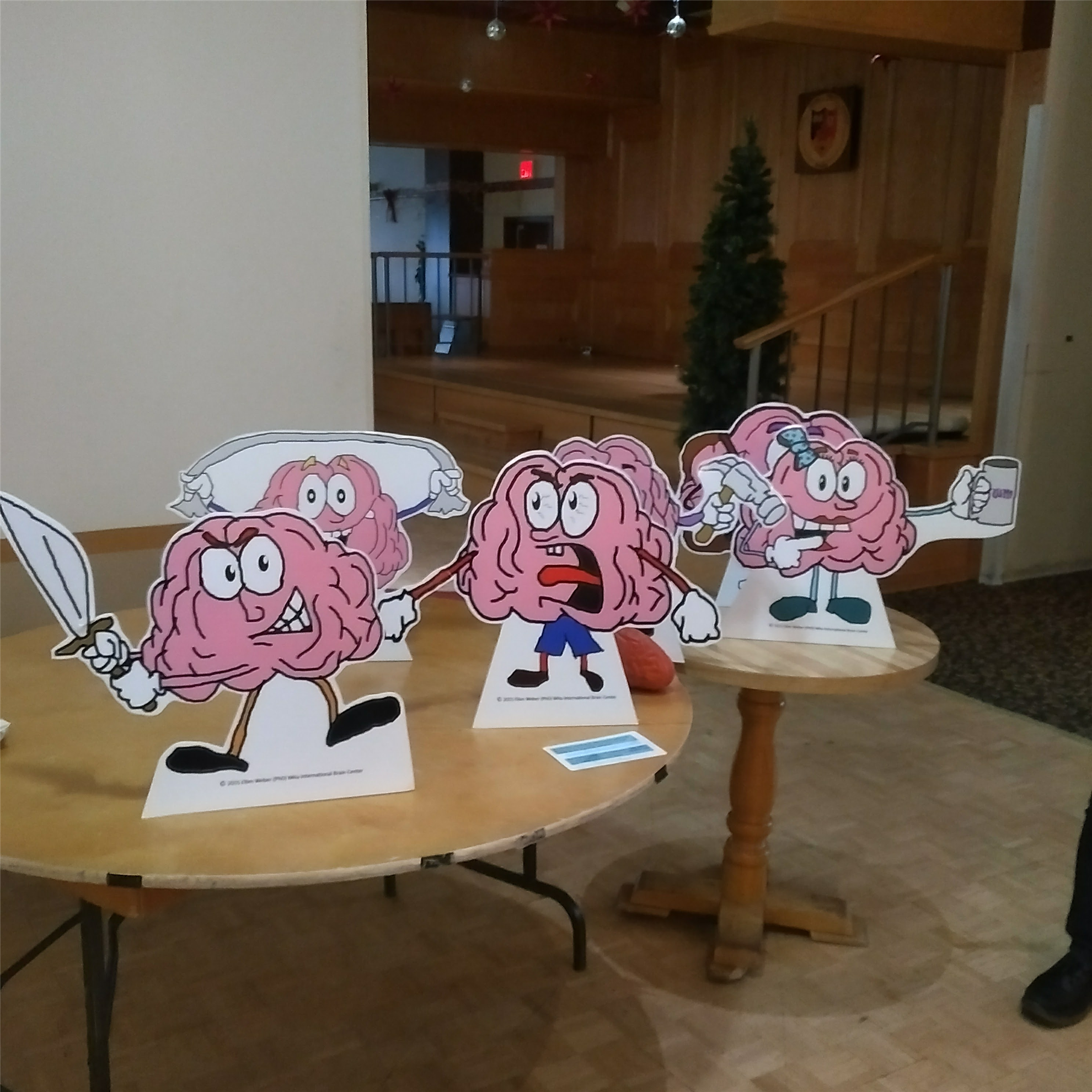
Along the way Ellen developed a way of presenting the complicated process of how the brain learns in simple layman’s terms, by using fictional characters with real brain parts which she calls Namungos. She used these large, brightly colored cardboard cut outs to give a short, very interesting and entertaining presentation, with many examples thrown in for good measure. There are six Namungos. The first one she presented was ‘Bas’, who represents our Basal Ganglia, the part of your brain that is your mental warehouse. It remembers both good and bad and can often get you into a rut by preventing you from looking towards a newer way of doing things. This is the part of your brain that causes you to repeat the same stories over and over, to be dead sure that your opinion is the right one, and to think you know all the answers. The second Namungo was ‘WM’, or Working Memory. This Namungo only takes up a very small part of your brain, but it gets you thinking about new things which can then be moved over into ‘Bas’, your Basal Ganglia, during REM sleep. The third Namungo was ‘Sero’, or Serotonin, which is the neurotransmitter that makes you feel good and keeps you smiling. Keeping ‘Sero’ in action can bring all kinds of good things to you and the people around you. The fourth Namungo was ‘Cort’, or Cortisol, another brain affecting chemical, who brings sadness and a sense of never ending depression. It can also foster a mean, sarcastic approach to life. The fifth Namungo was ‘Plas’, or Plasticity, the quality which allows your brain to grow, repair itself and learn new things. It gives you the ability to come back after a massive stroke, as it did for Norman Doidge, who wrote a book titled The Brain that Changes Itself. ‘Plas’ works best in conjunction with ‘Sero’ and needs to avoid ‘Cort’ as much as possible. The sixth and last Namungo was ‘Myg’, or Amygdala which is the seat of your emotions. Controlling ‘Myg’ is the key to moving forward. When you use your tamed Myg, everyone around you is heard from and treated fairly. When untamed, you become the bully who is miserable, angry, and filled with stubbornness.
In closing. Ellen emphasized that the choices we make every day in how we use these brain Namungos, determines whether we will be happy and successful, or not. She knows from personal experience the changes that the power of the human brain can bring in life.
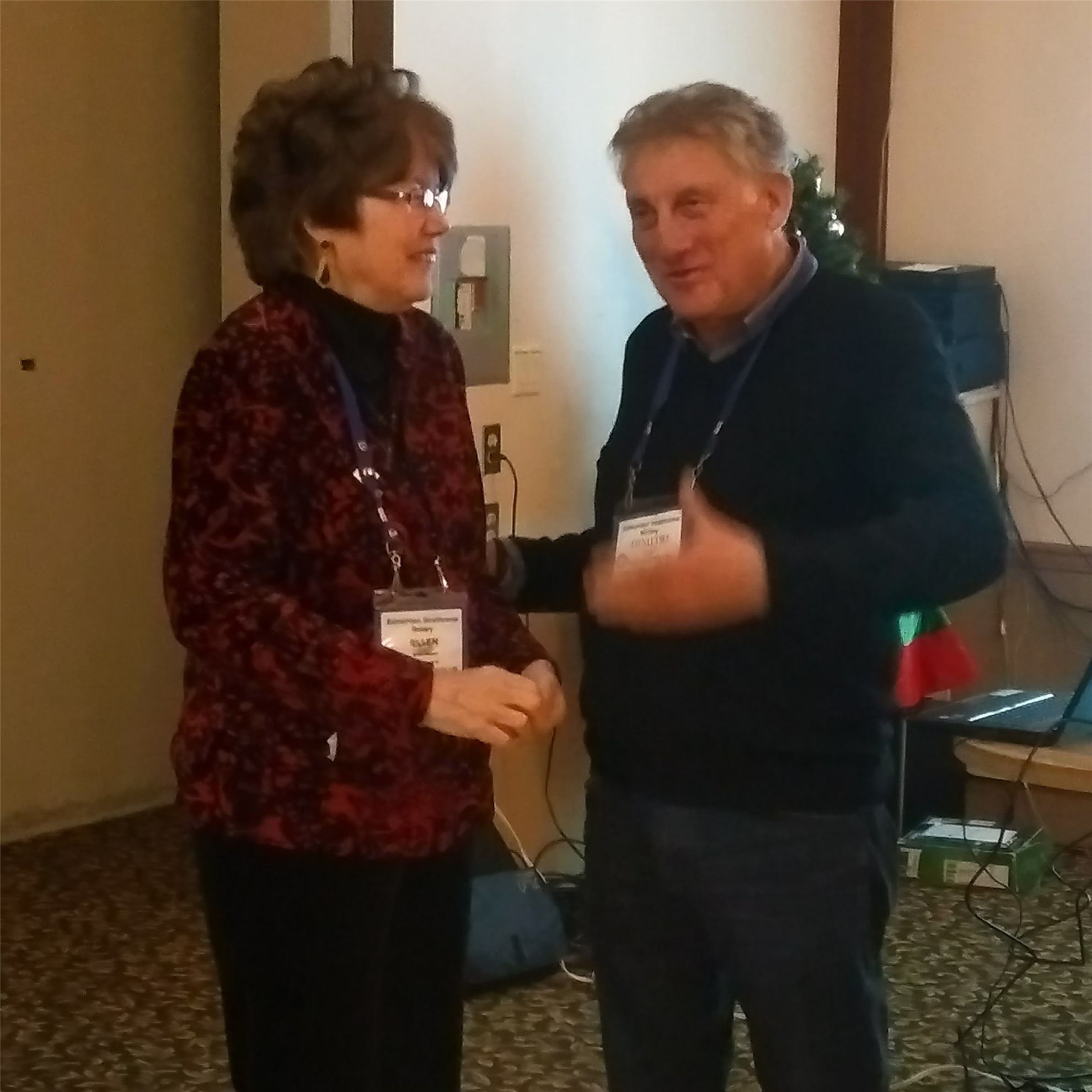
Dr. Ellen Weber