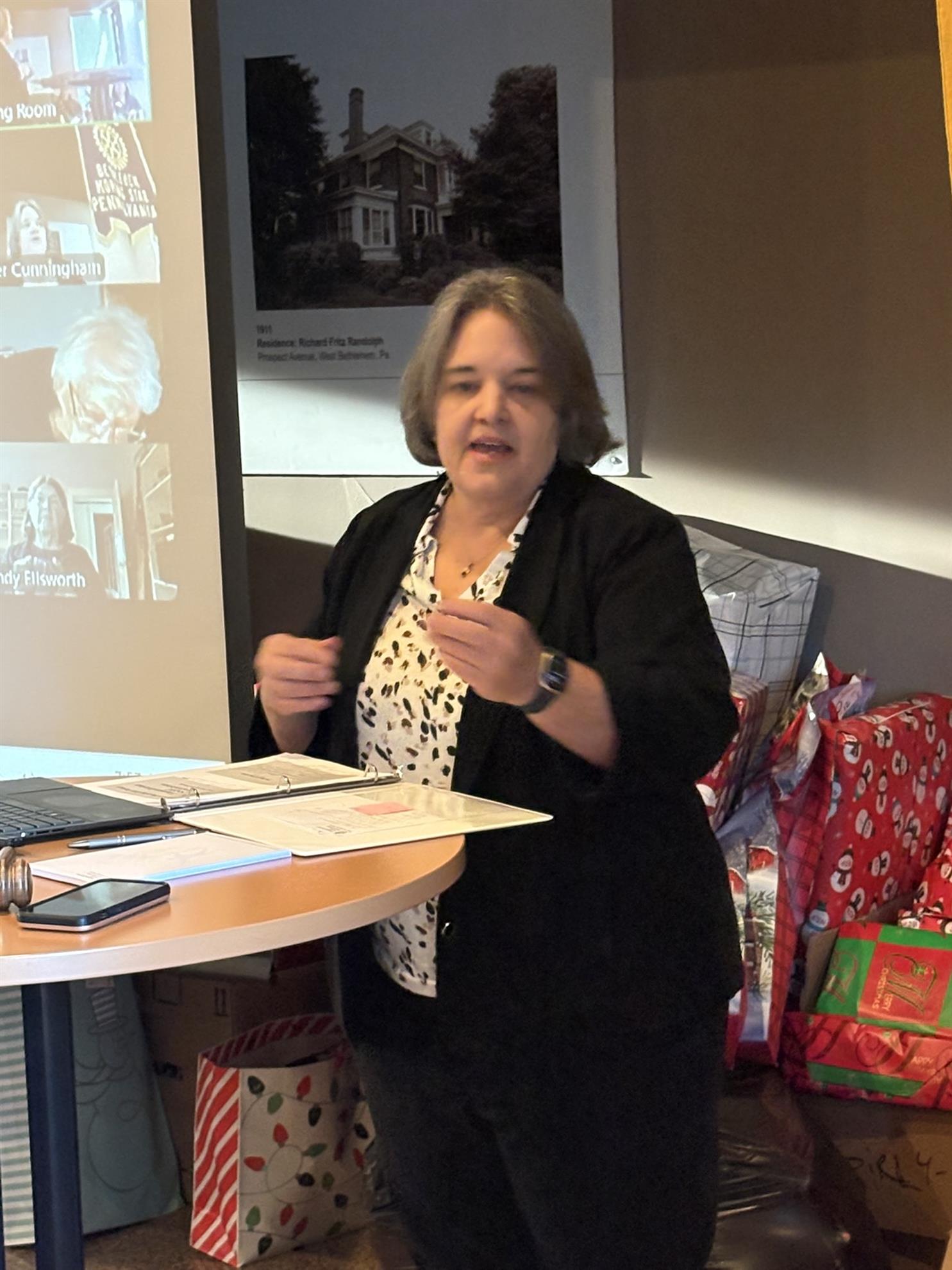
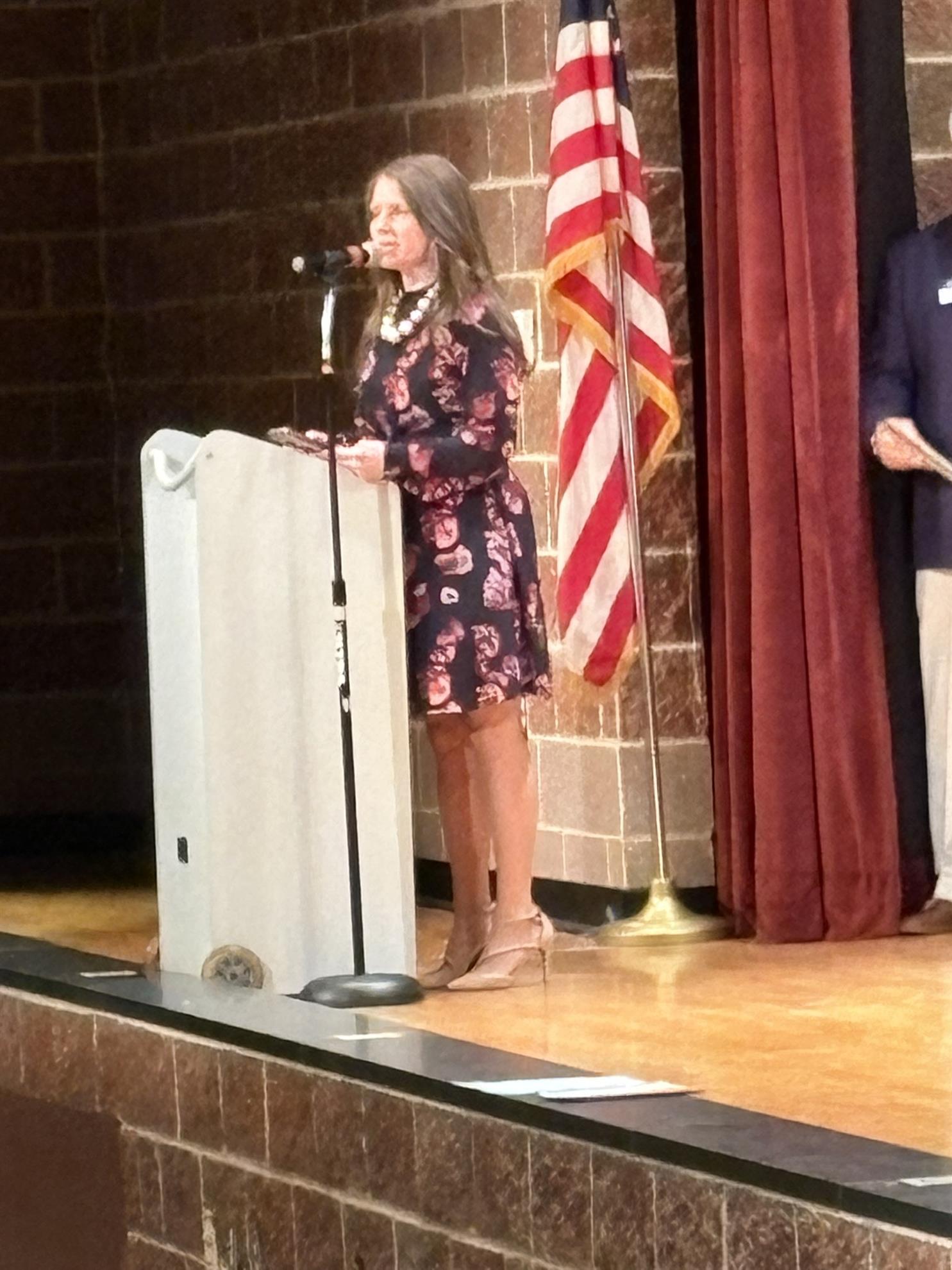
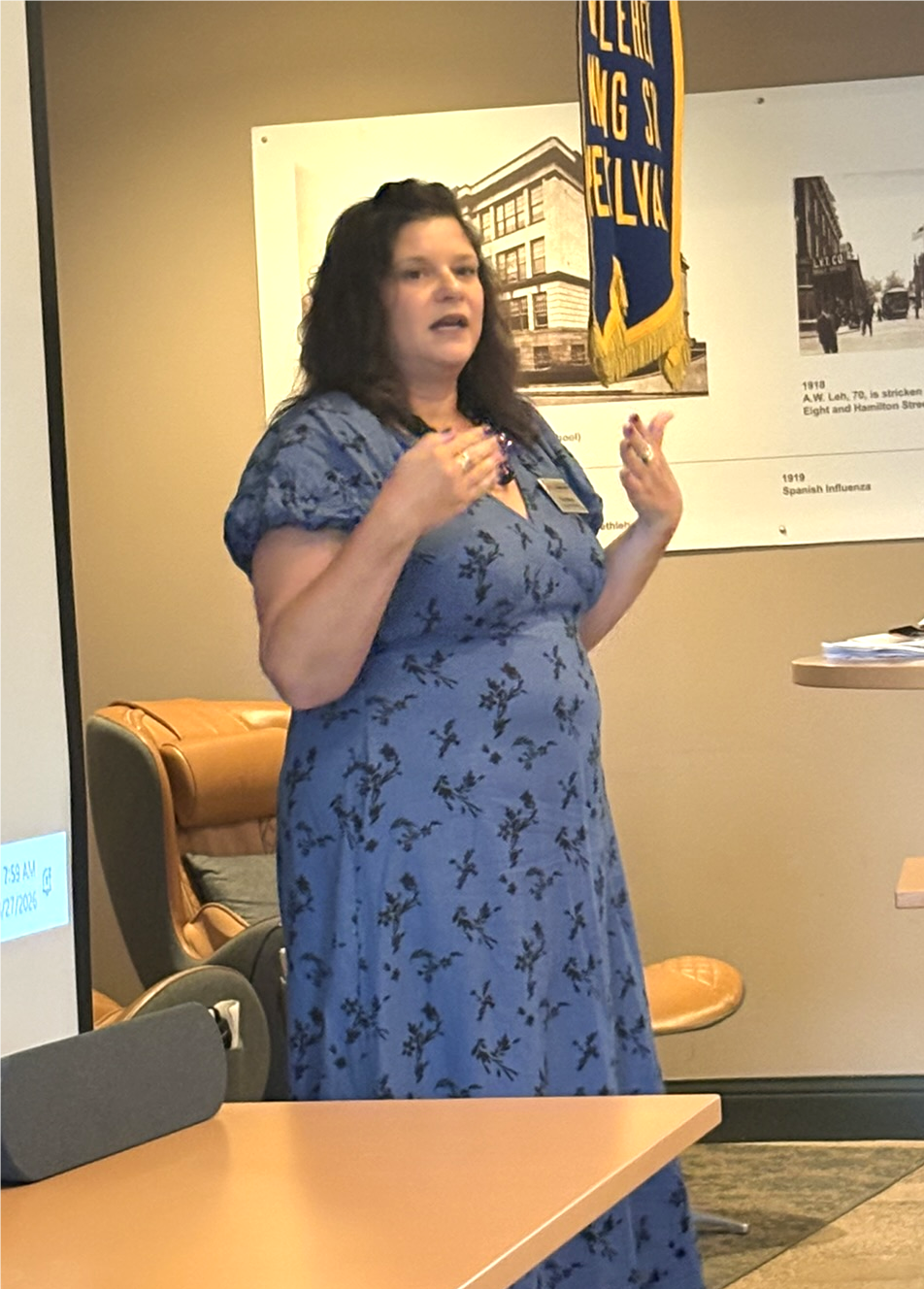
On November 19, 2026, Morning Star Rotary welcomed Linda Rentschler, Executive Director and Founder/CEO of Humanitarian Social Innovations, a Lehigh Valley nonprofit that acts as a fiscal sponsor.

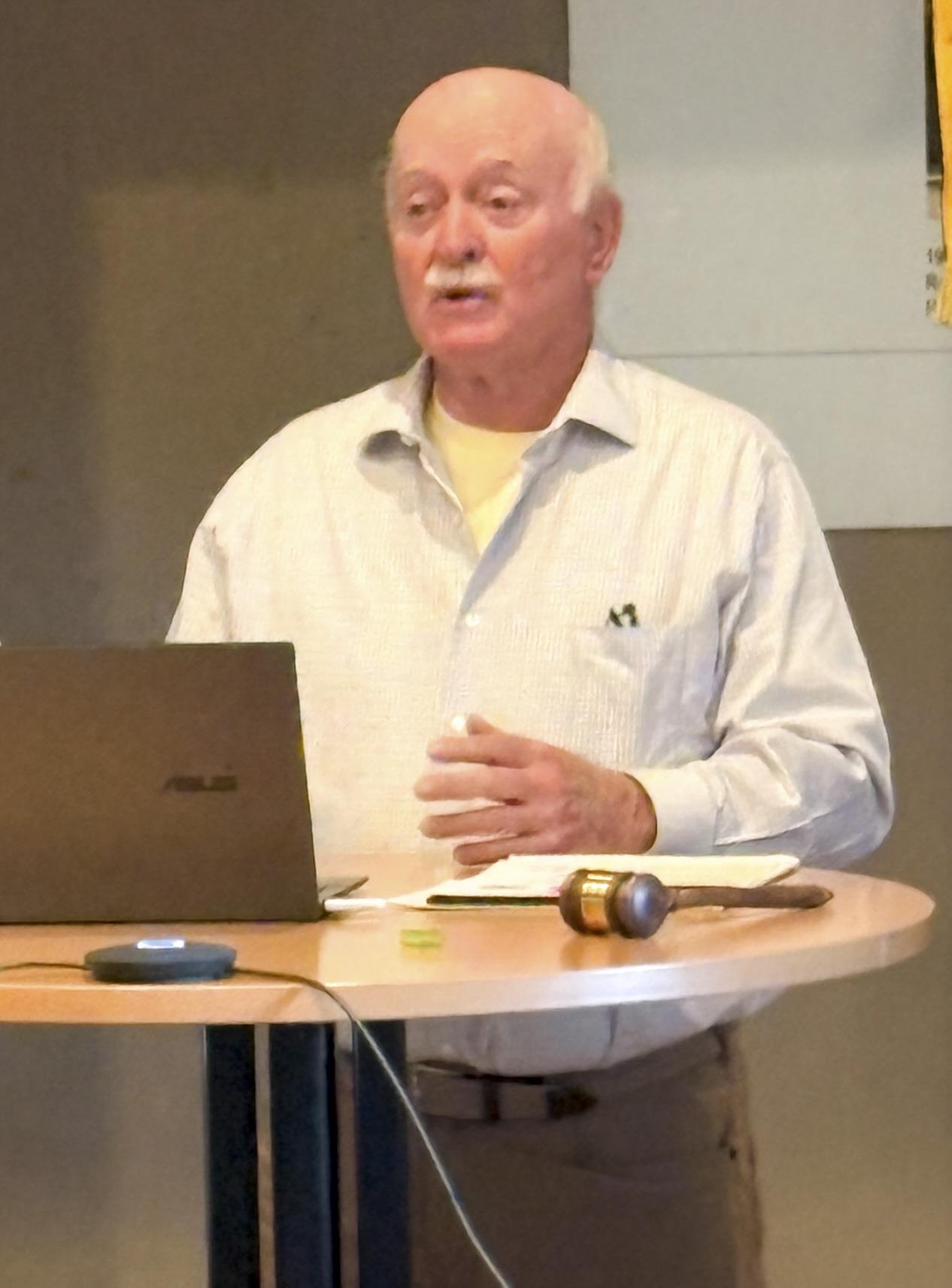
People with a charitable idea can operate under HSI’s 501c3, insurance, and accounting without forming their own nonprofit. HSI keeps 10% of the funds raised and supports about 110 programs, including Do It For Dom, All Aboard Lehigh Valley, Clean Shelter in Gaza, and Bridge Beyond Addiction. About 40% of its work is in the Lehigh Valley. Linda invited Rotarians to send anyone with a nonprofit idea to her and to look for ways to partner on service projects.
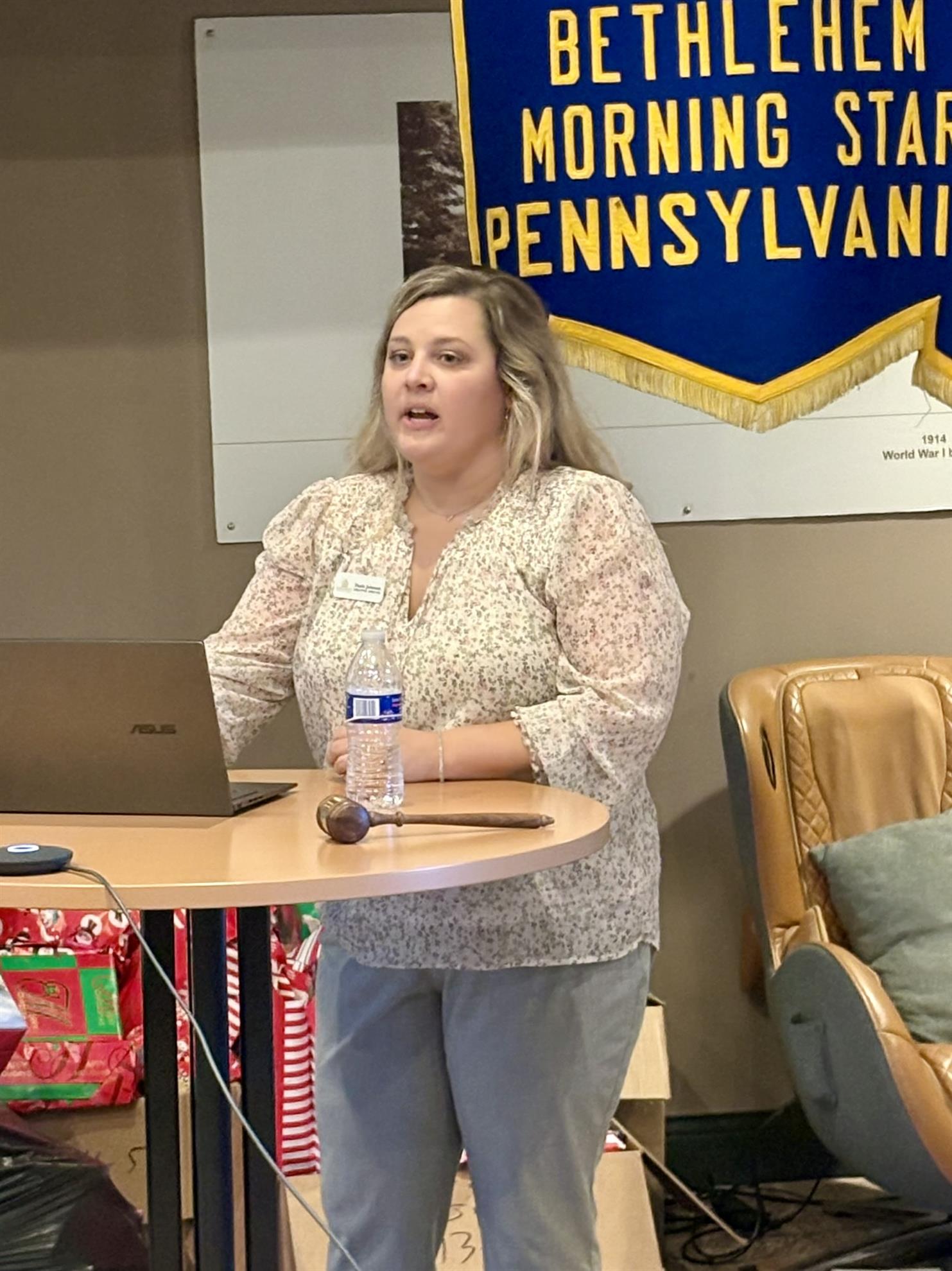
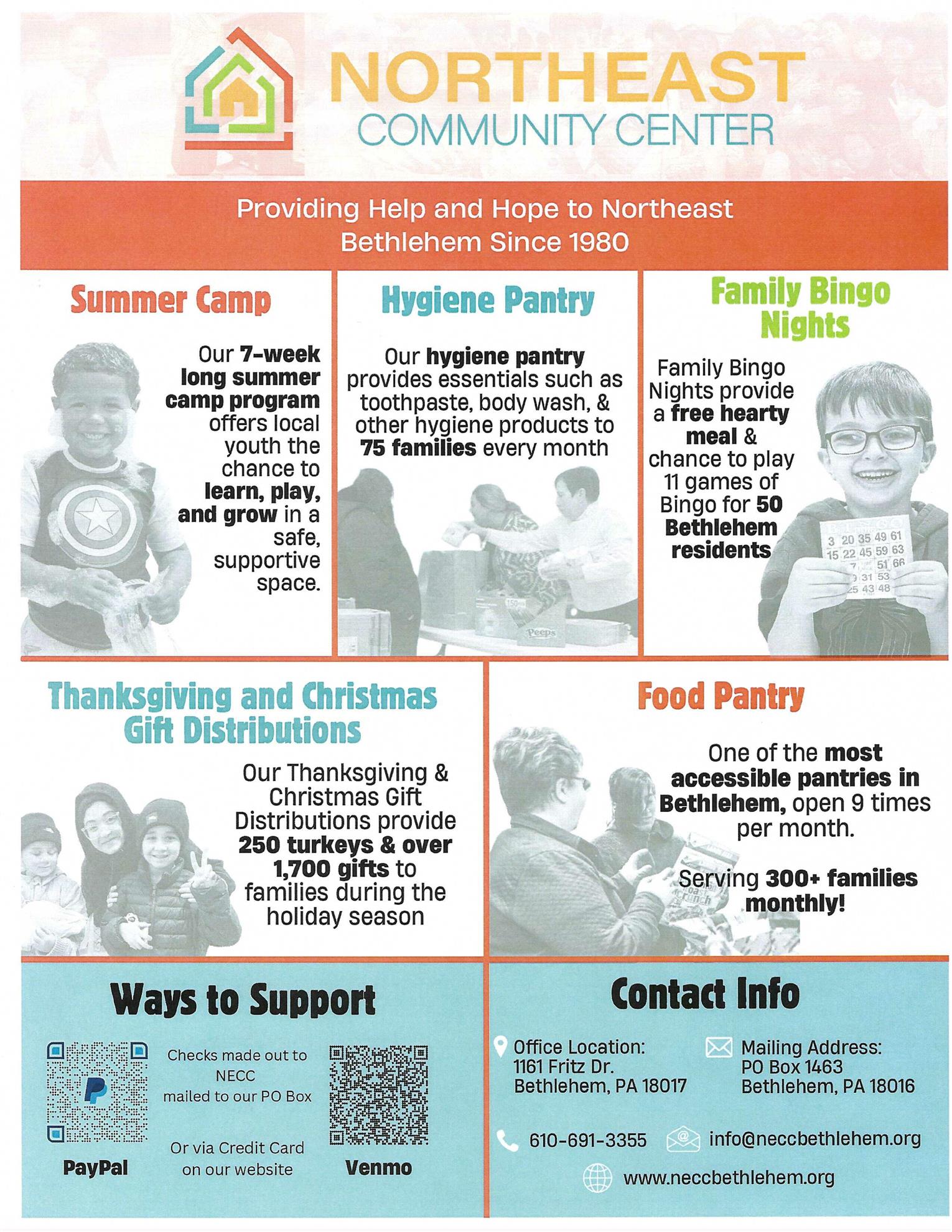
At our November 12, 2026 meeting, Morning Star Rotary welcomed Paula Johnson, Executive Director of the Northeast Community Center in Bethlehem. Paula spoke to our members about the history, programs, and projects offered by the Community Center including a free hygiene pantry, food pantry serving 300+ neighbors monthly, and a summer camp for kids in grades 2-8. View Presentation

“The Northeast Community Center has been the heart of the Marvine-Pembroke neighborhood since 1980, offering help and hope to our community. As a nonprofit social service agency, we provide programs and resources tailored to meet the needs of local families—from youth to seniors. Our food pantry supports individuals and households across Bethlehem and nearby areas, while our youth and family programs, like Summer Camp and Family Bingo Night, bring people together. No matter the need, we’re here to help our neighbors thrive.”


![]() |
|
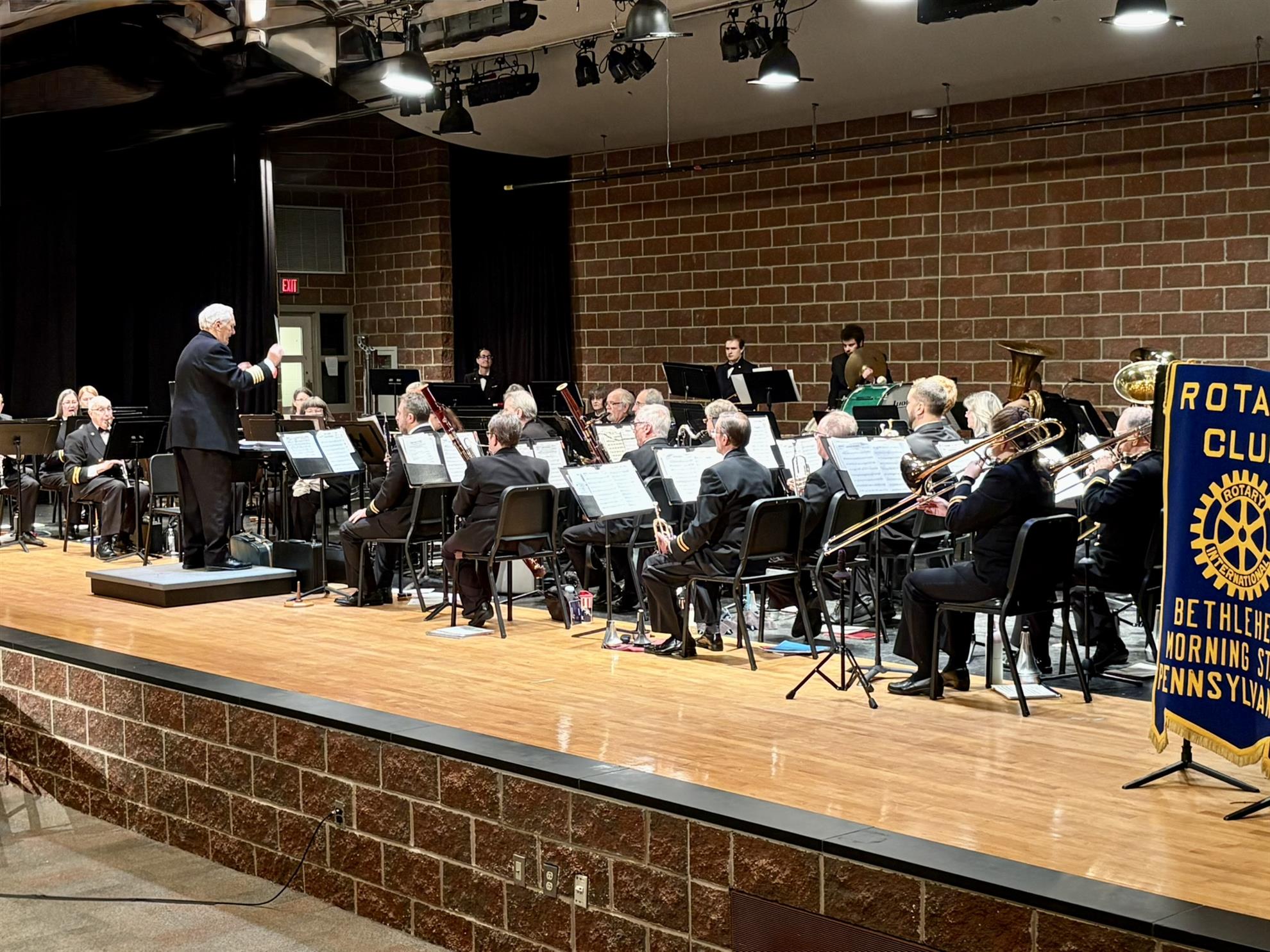
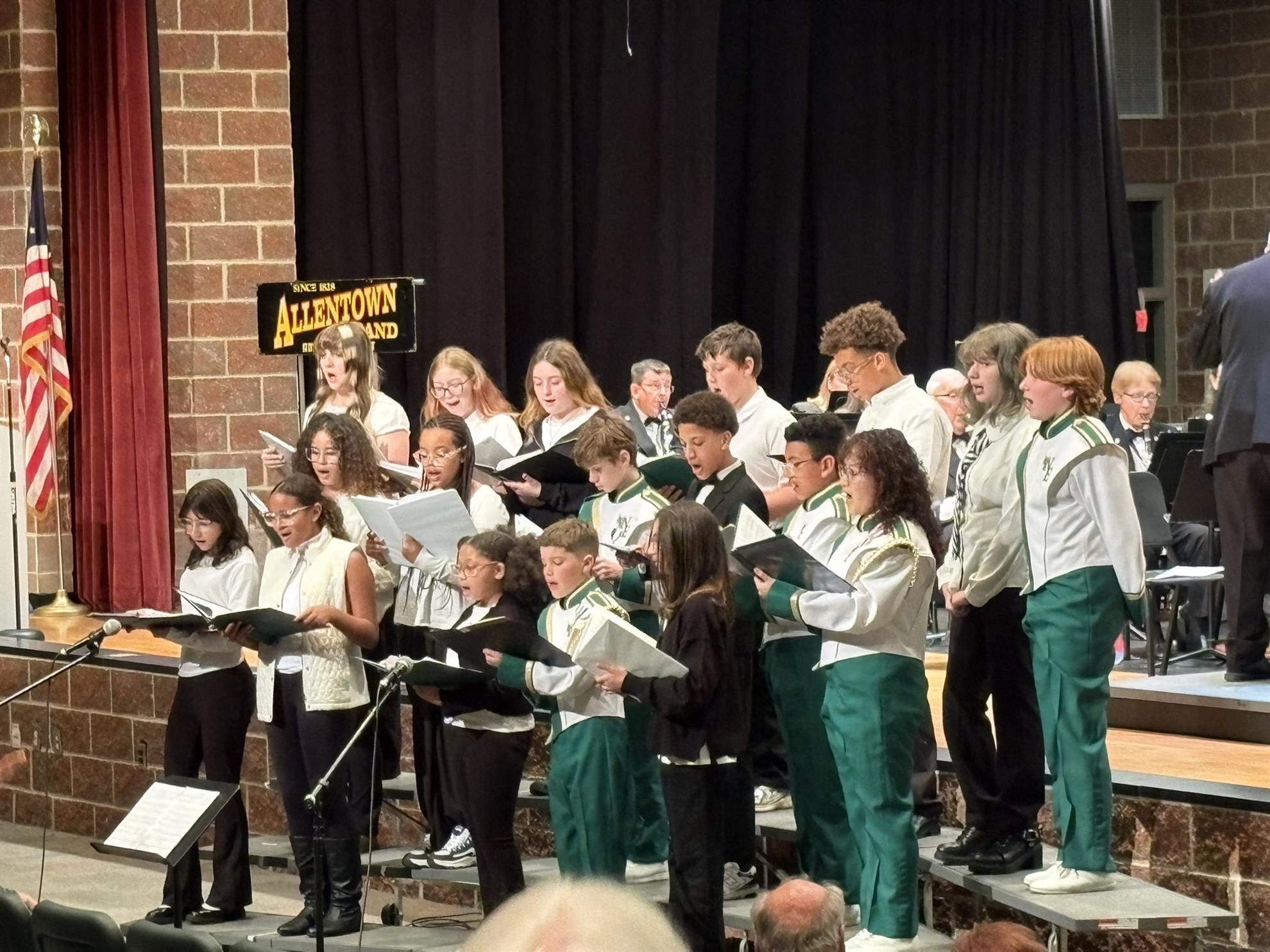
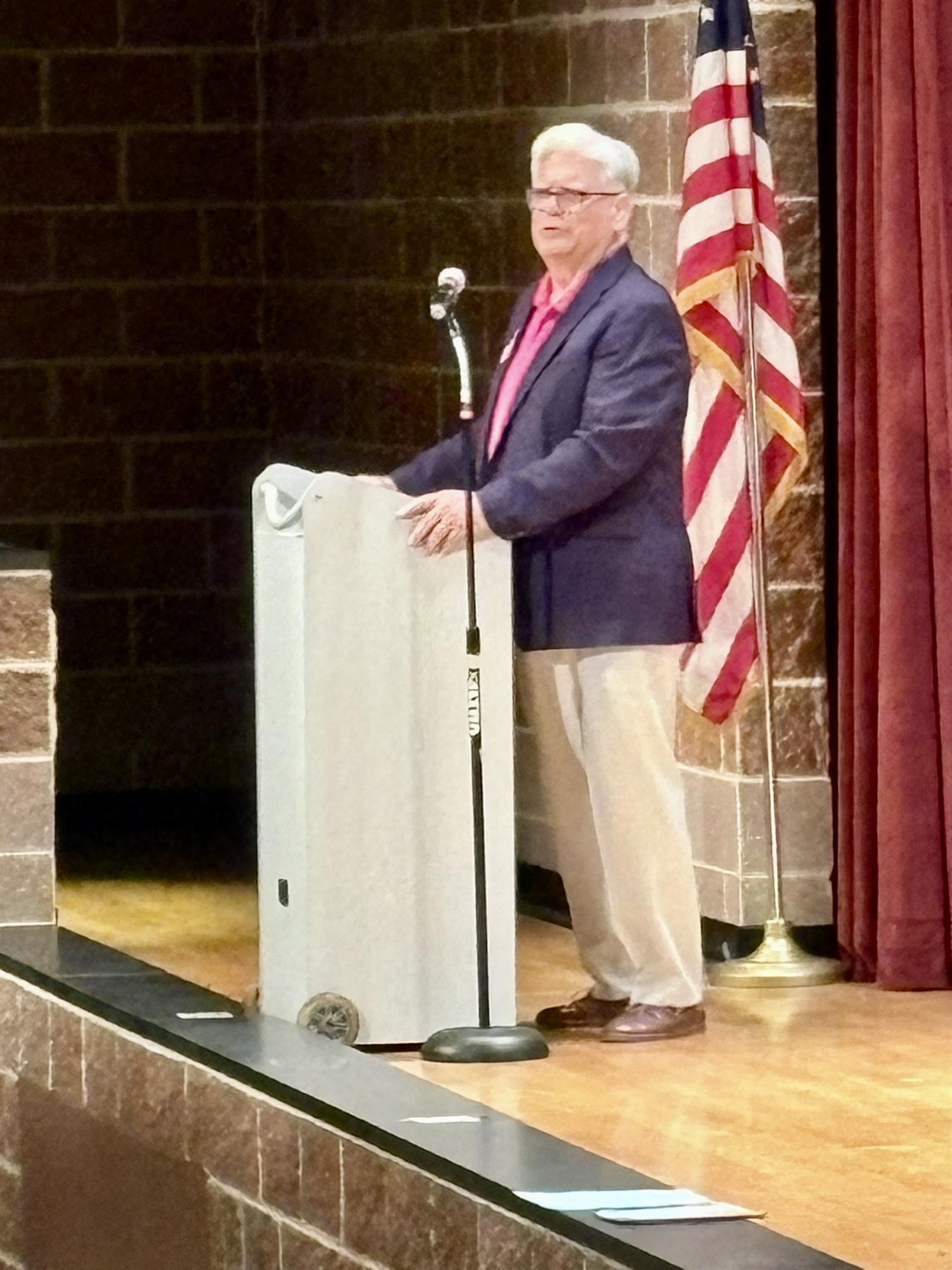
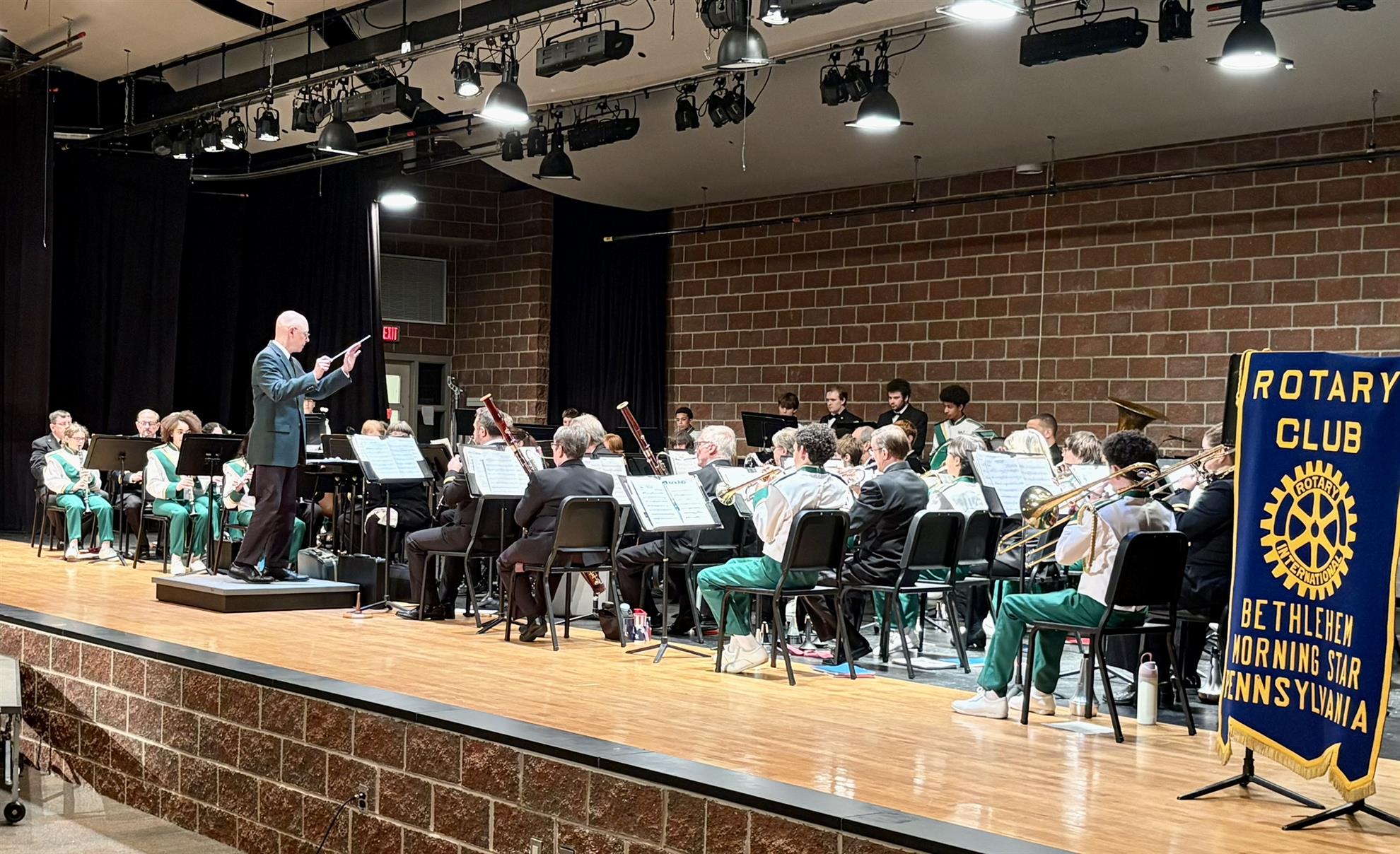
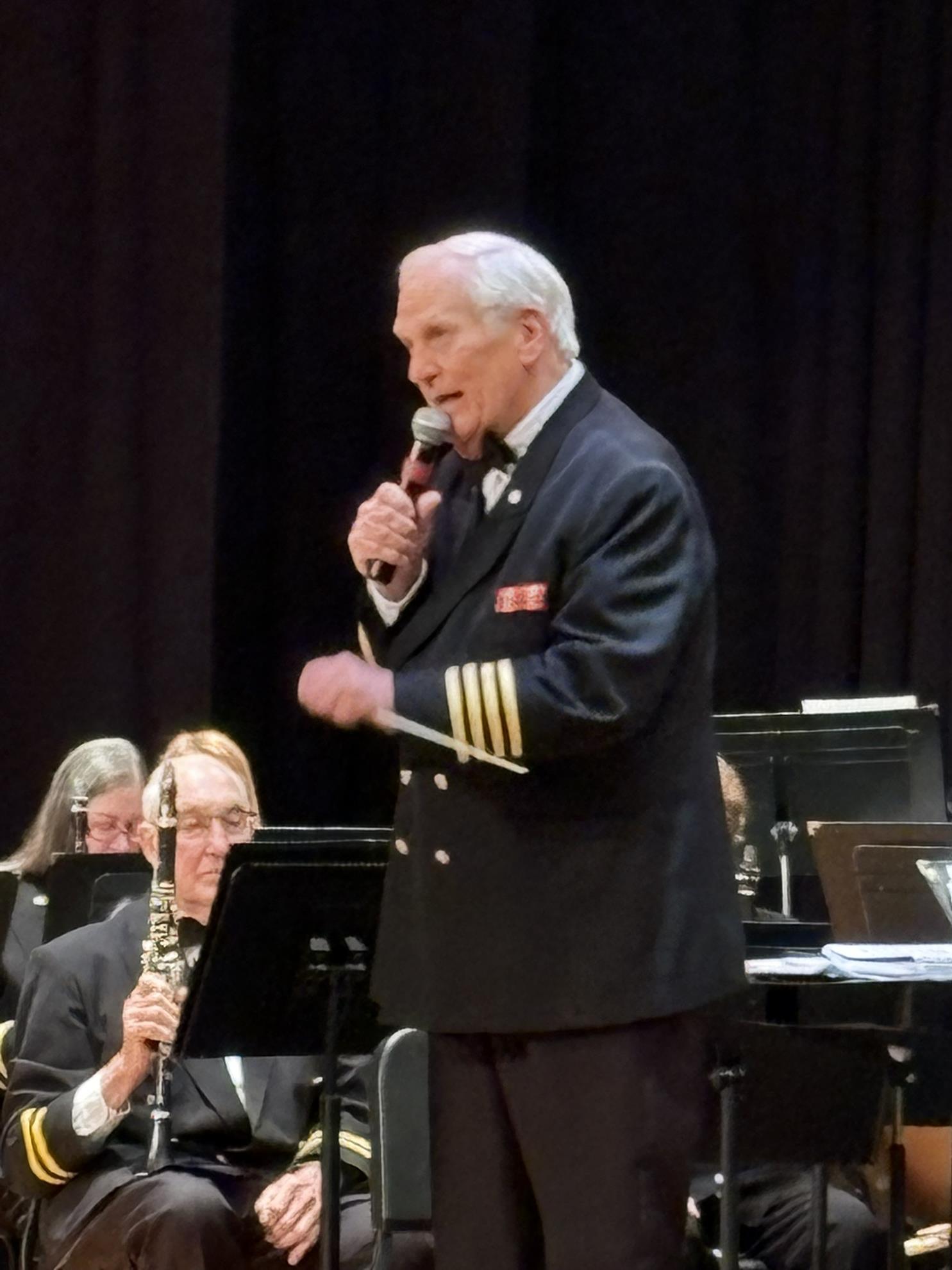
Click Here to view concert slideshow.
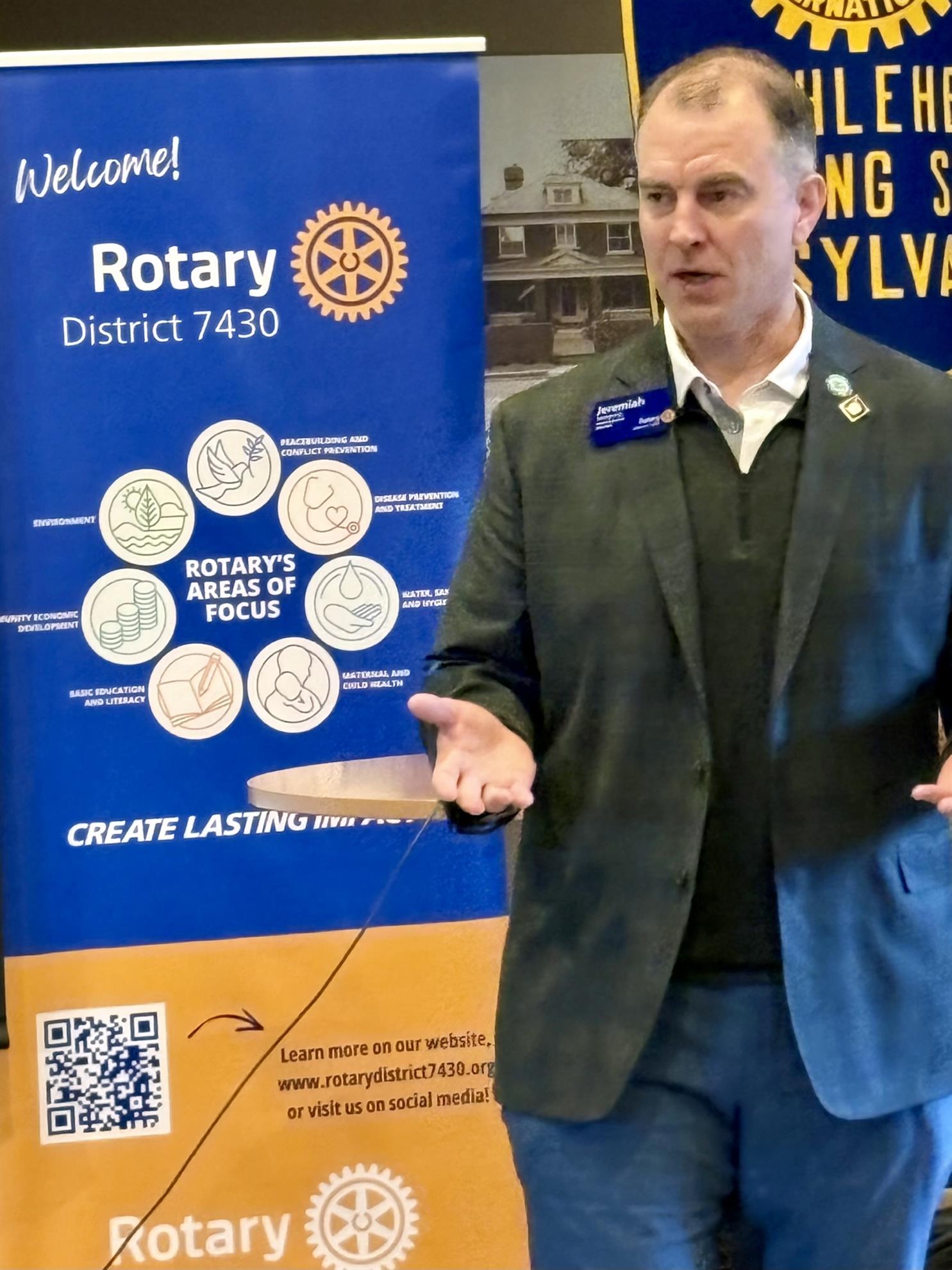
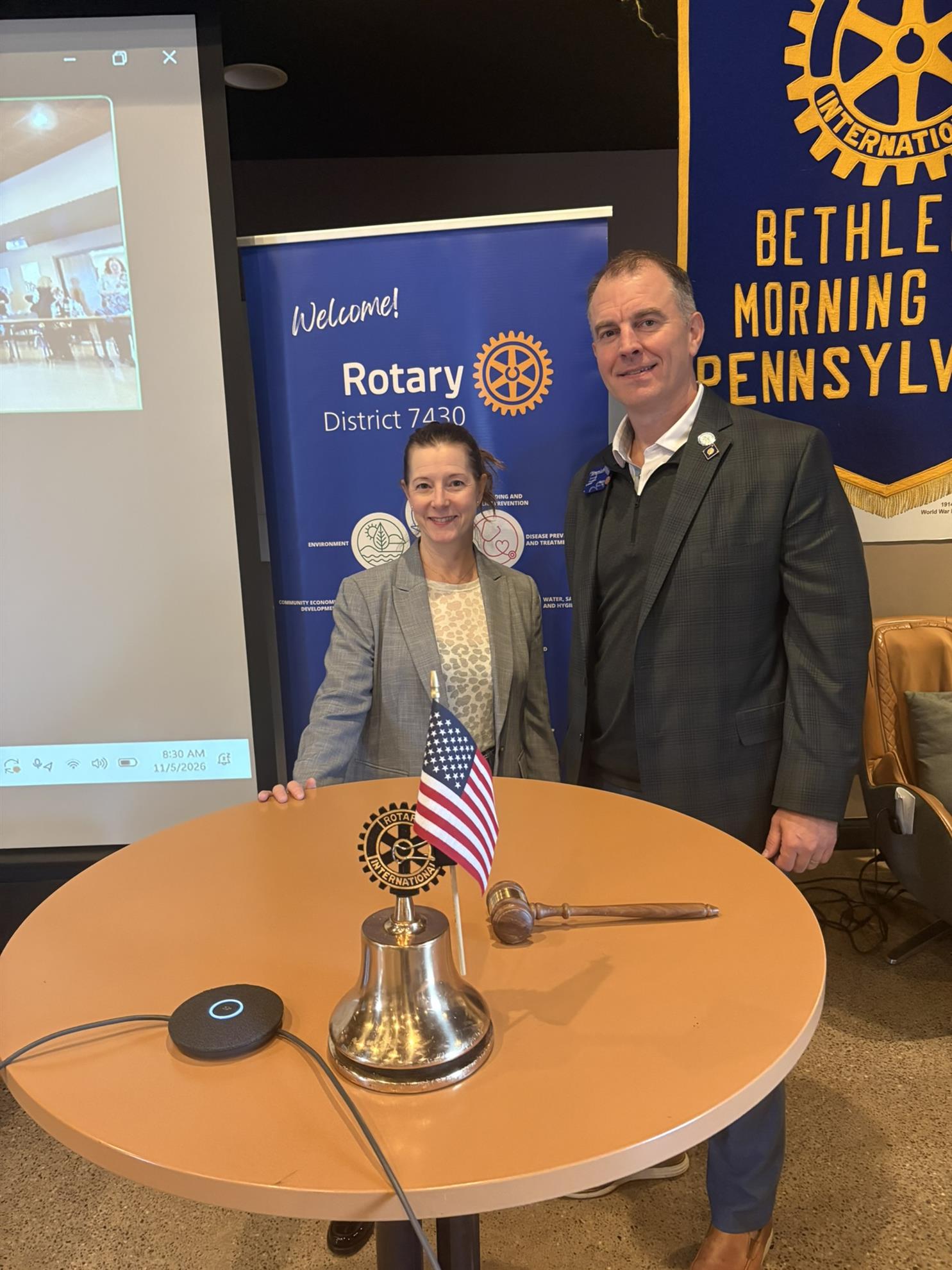
On November 5, 2026, our District Governor, Jeremiah Sensenig, visited Morning Star Rotary to talk about the District Action Plan, which has 4 pieces: Engagement, Public Image, Impact, and Adaptability. DG Jeremiah's main point was that clubs stay healthy by doing activities together, especially community service. Simple projects with a sign-up sheet and a short time commitment keep members engaged! People join to give back, not for the meetings, though many people also like the regularity of seeing each other weekly and becoming friends. He urged us to talk publicly about our work, citing the new district podcast and Facebook posts and to think about long-term impact. For membership, DG Jeremiah pointed to newly retired people as ideal potential members who have time, resources, and talent. In addition, he emphasized that Youth Programs tend to attract members. He is wary of quick-growth membership campaigns; slower, organic membership ends in retention. New clubs are often the best path to growth. He said our club seems to be adapting well to modern times, and that partnering with community organizations is a good way to serve and to recruit.
MSR President Jennifer & DG Jeremiah
District 7430 has about 1,500 members, with the district typically growing about 100 by spring and then shrinking about 14% on June 30. Rotary International’s goal is 1.25 million members by 2030. The district added 2 clubs last year and is chartering another.

At our October 22, 2026 meeting, Bob Wingrove, Executive Director spoke to our membership regarding The Freezer Ministry and Garden Gatherers produce program. The ministry started as a simple church tradition of cooking meals for neighbors who are ill, grieving, or just home from the hospital. It has grown into a network of area churches and organizations that prepare homemade, safety-labeled frozen soups and meals, now about 150,000 meals a year. Garden Gatherers brings fresh fruits and vegetables to 11 Bethlehem community schools, where families choose what they want so nothing goes to waste.
Everything is run by volunteers on a very small budget, and the ministry recently became a nonprofit and is beginning to seek grants. Bob emphasized that the work is driven by nutrition, especially for children, and by seeing how much the food means to the people who receive it.

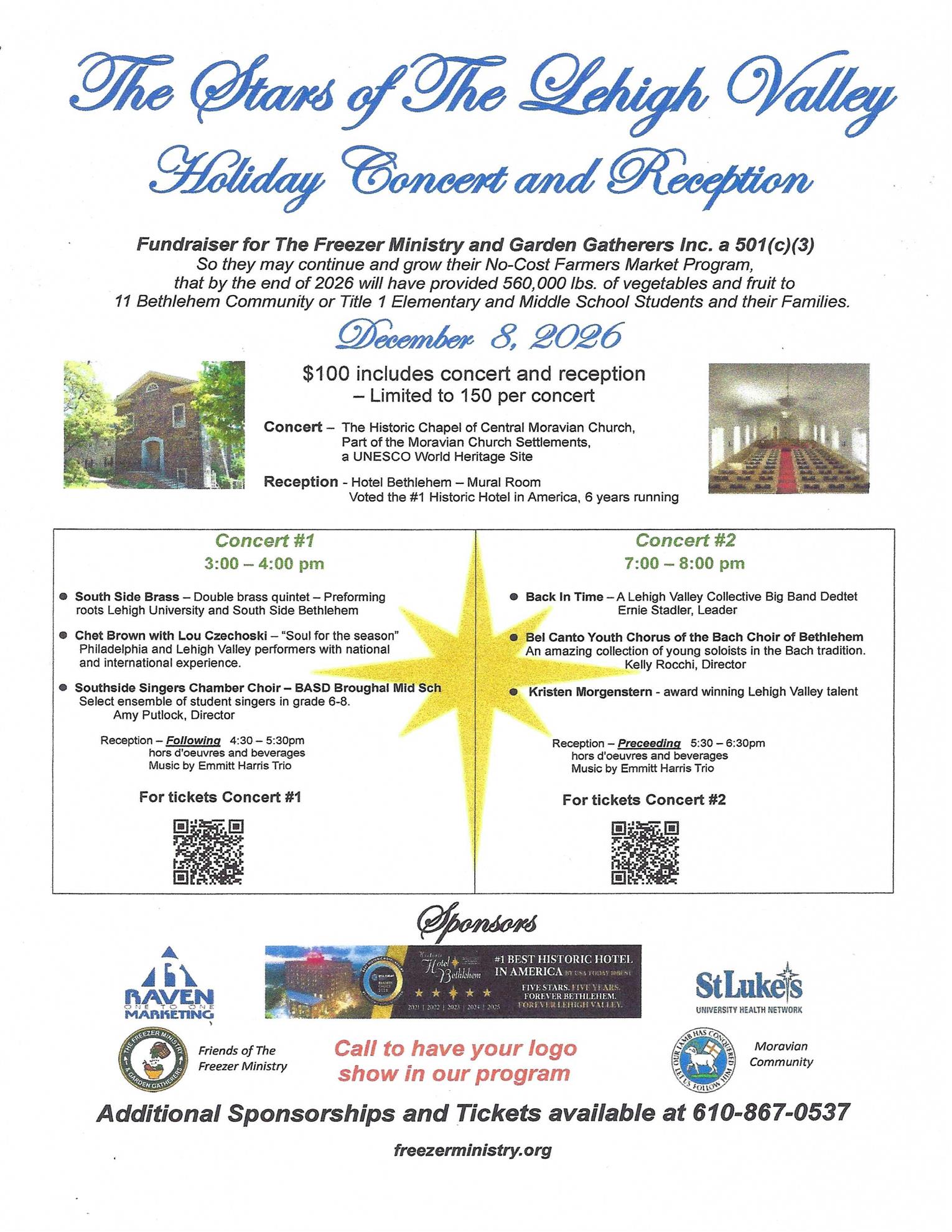
On December 8, 2026, The Freezer Ministry and Garden Gathers will host an hour-long concert at the chapel behind Central Moravian, followed by a reception at Hotel Bethlehem.

Click Here for Tickets and Sponsorships

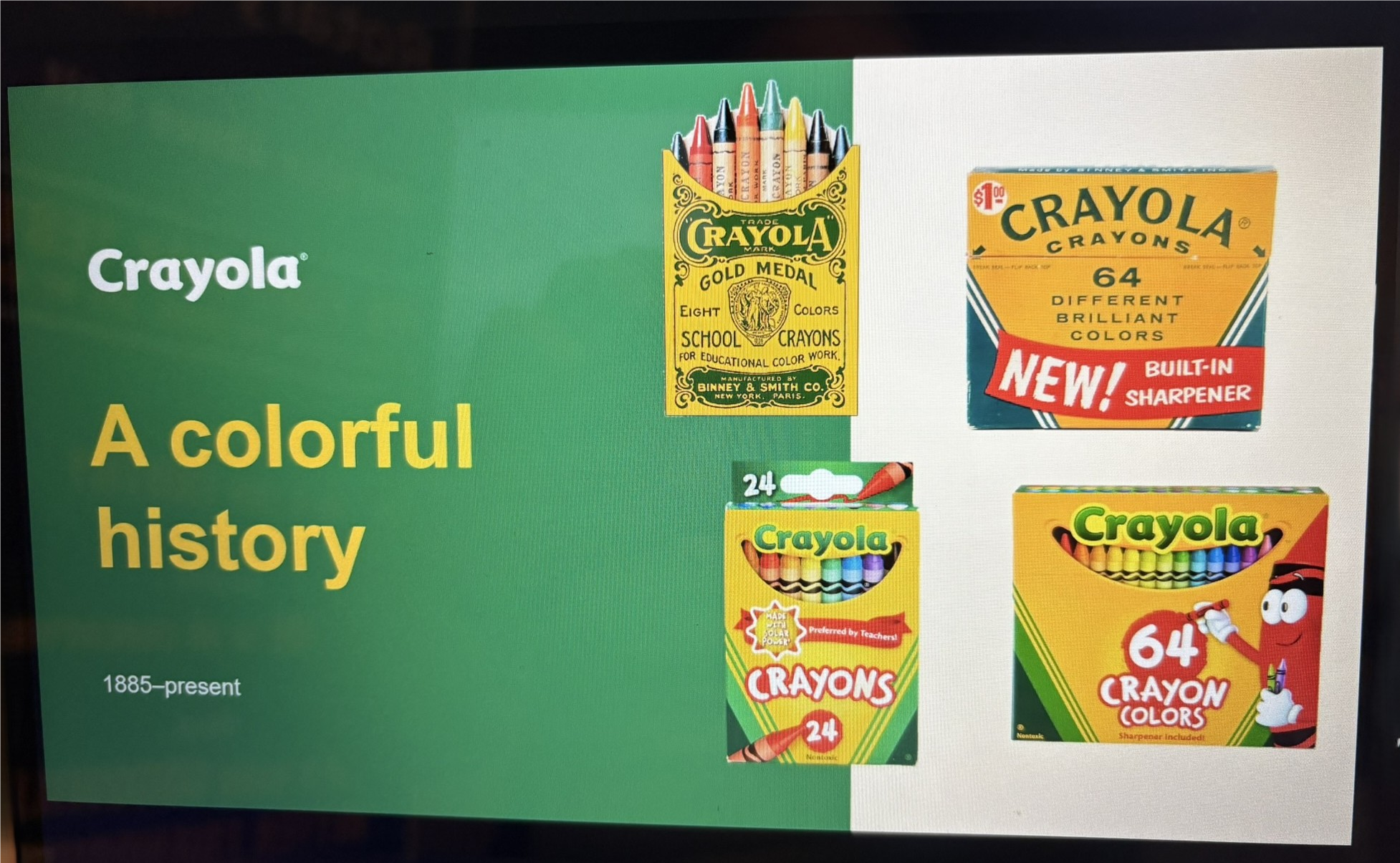
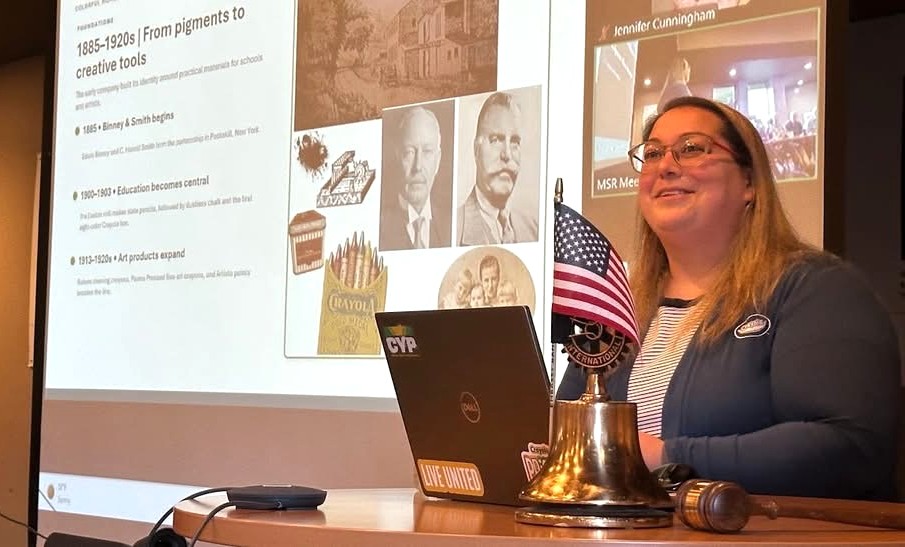
At our October 15, 2026 gathering, Alyssa Sarnosky, Community and Employee Engagement Specialist and Company Historian at Crayola, took us through the company’s "colorful" history. Crayola grew out of an 1885 pigment and chemical business run by Edwin Binney and his cousin C. Harold Smith. It moved to Easton for the Bushkill Creek water power and the nearby slate belt. Binney’s wife Alice, a teacher, named it in 1903 from the French “craie” (chalk) and “oleaginous” (oily). Alyssa covered the 64-count box with the built-in sharpener in 1958, Hallmark’s purchase in 1984, and the 1996 Easton attraction that is now the Crayola Experience. She also talked about the solar farm that provides the energy that produces about a third of the 3 billion crayons made each year, and the Easton plant that sends no waste to landfill. She added that Silly Putty, paints, and clays are made in Bethlehem! Crayola makes 13 million crayons a day, holds 302 patents, and has about 1,200 emplo
yees who give about 15,000 volunteer hours a year.
Crayola is also a generous community partner through Crayola grants: Applications are open until December 31 for $500 to $10,000, focused on youth arts and education, and all funding stays in the Lehigh Valley.
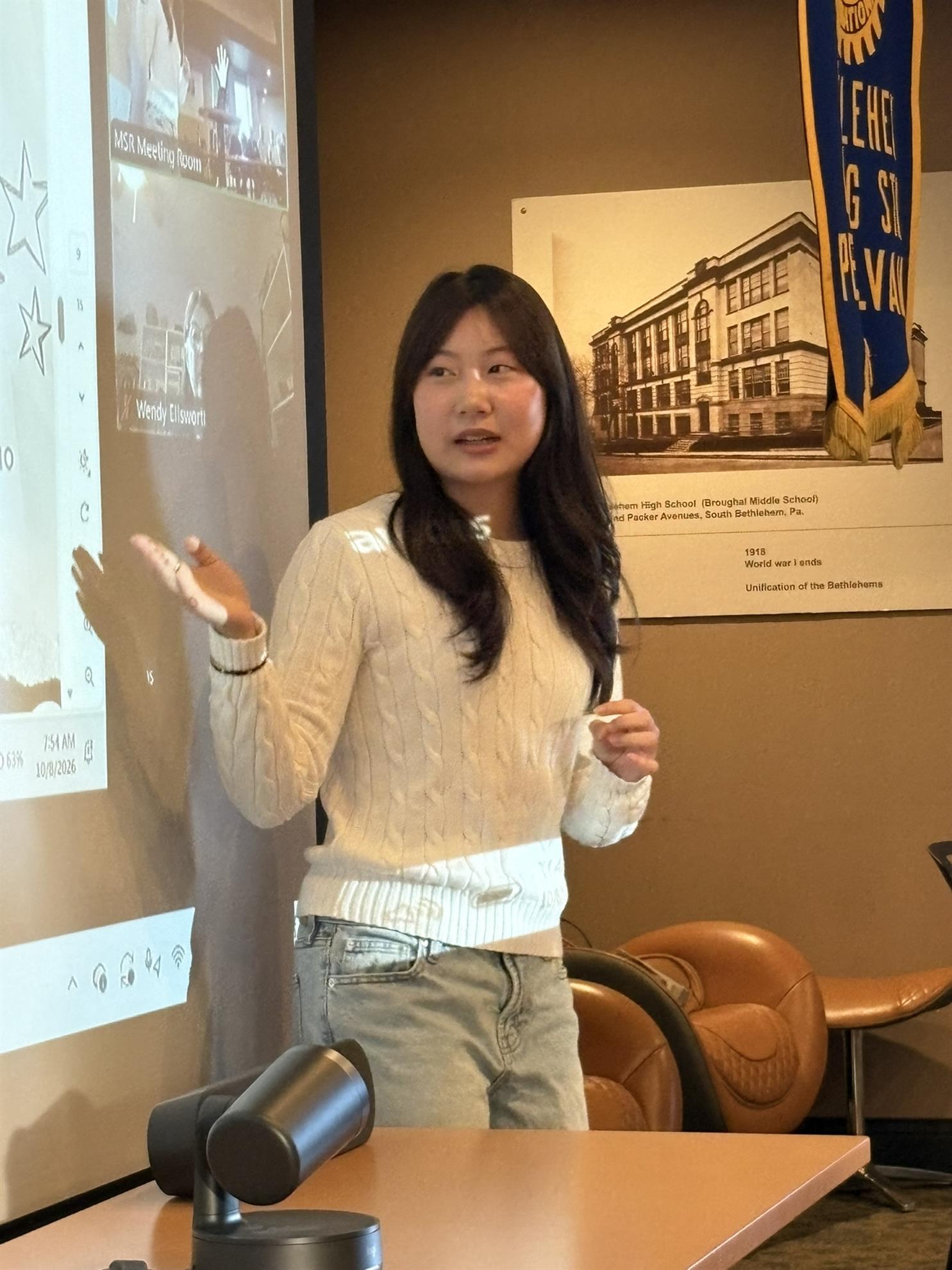
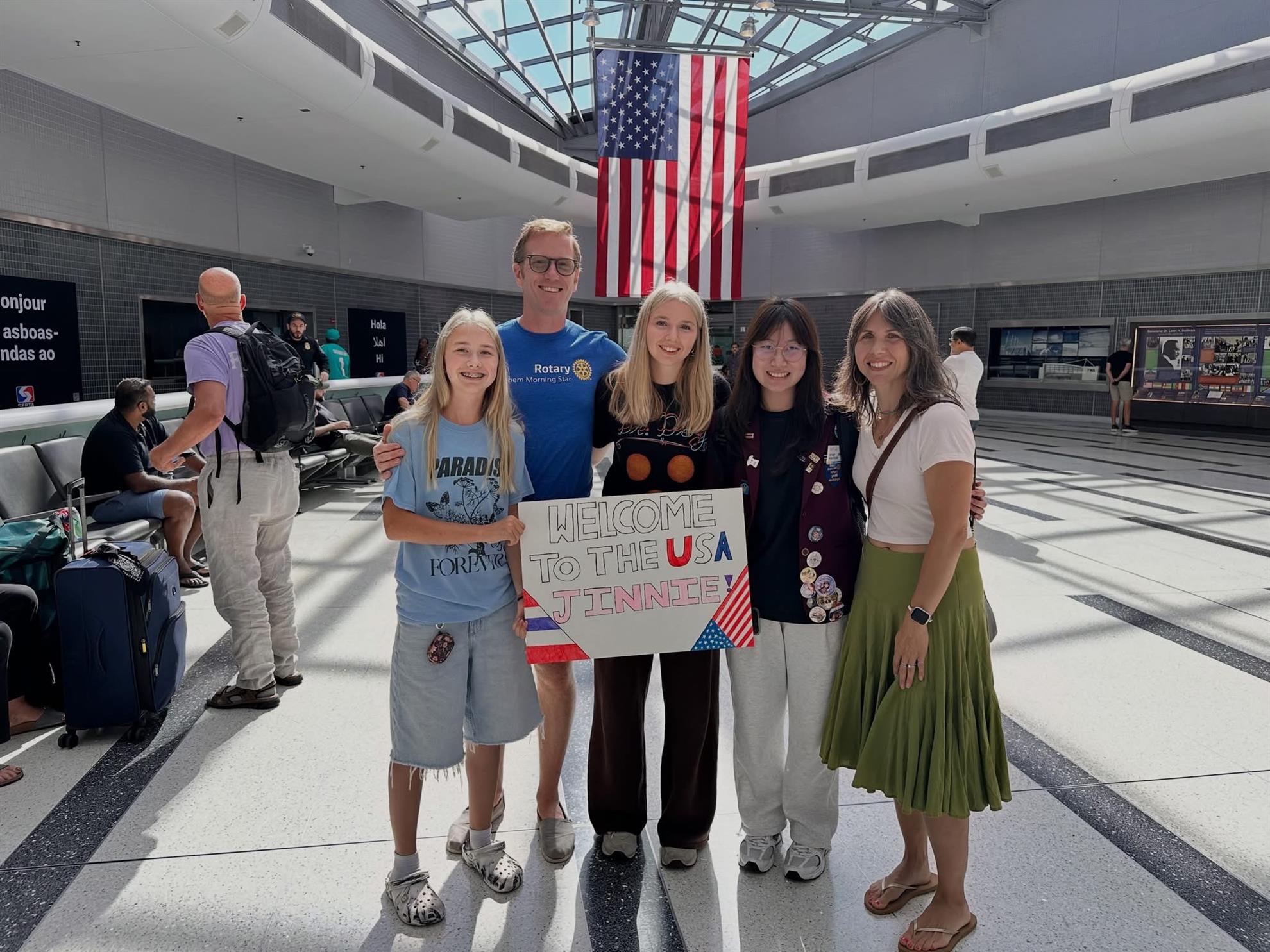
Jinnie, our 2026-2027 Morning Star Rotary inbound Rotary Youth Exchange student from the Rotary Club of Nakhon Sawan in Thailand (District 3350), gave a presentaiton to our membership on October 8, 2026. Jinnie is 17, a junior in high school, plays basketball, and lives with her parents and 2 older sisters above the family's wedding studio shop; she shared photos from a Short-term Exchange to Japan, her 3 favorite Thai dishes (red curry, green curry, and a chili-basil dish), and examples of her home club's charity work, including donating sports equipment to underprivileged schools and hosting a badminton championship. She said she became a Youth Exchange Student to improve her English, build confidence and communication skills, and share Thai culture, and plans to return to Thailand to repeat 11th and 12th grade before studying industrial engineering in college.

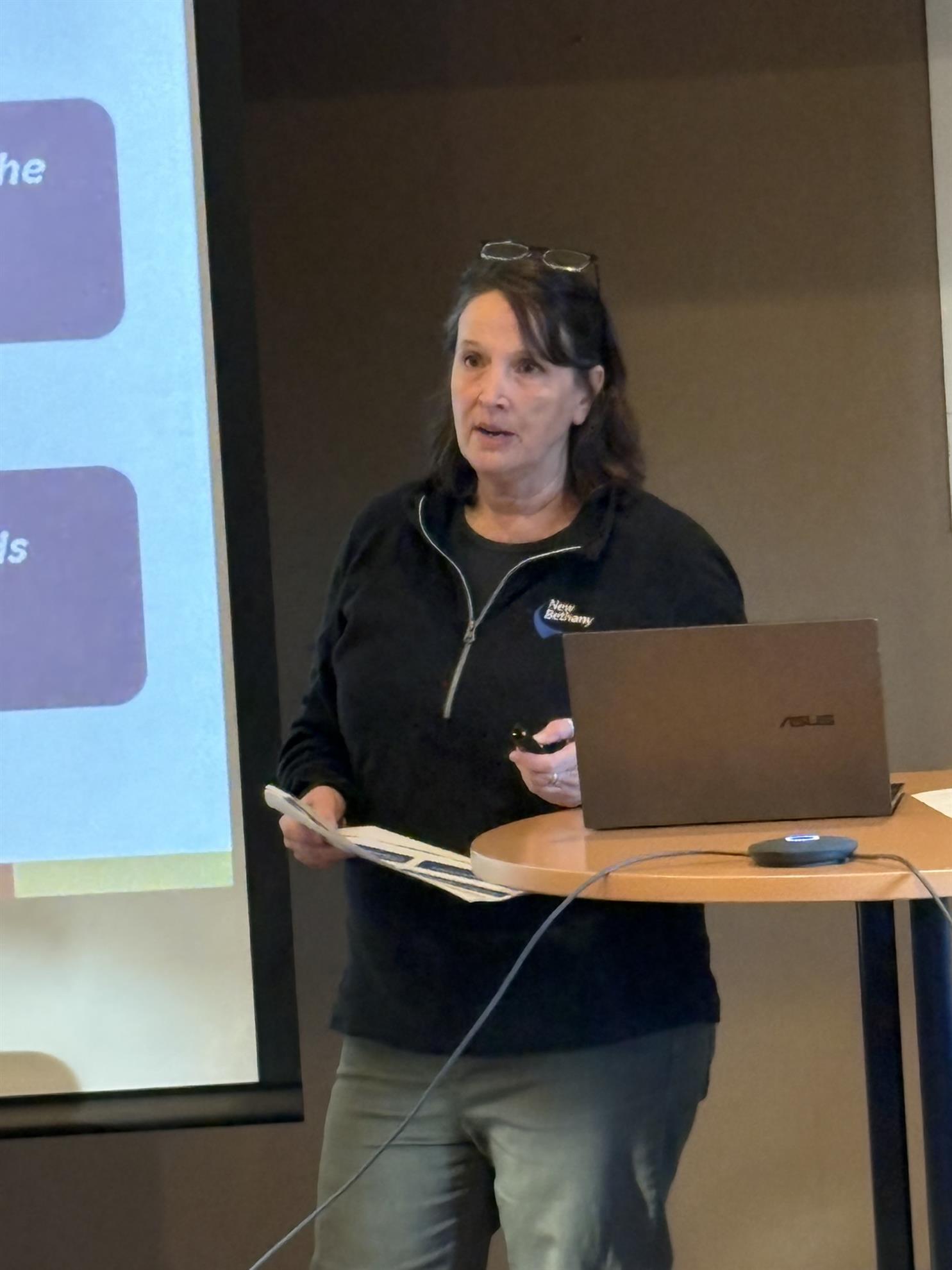
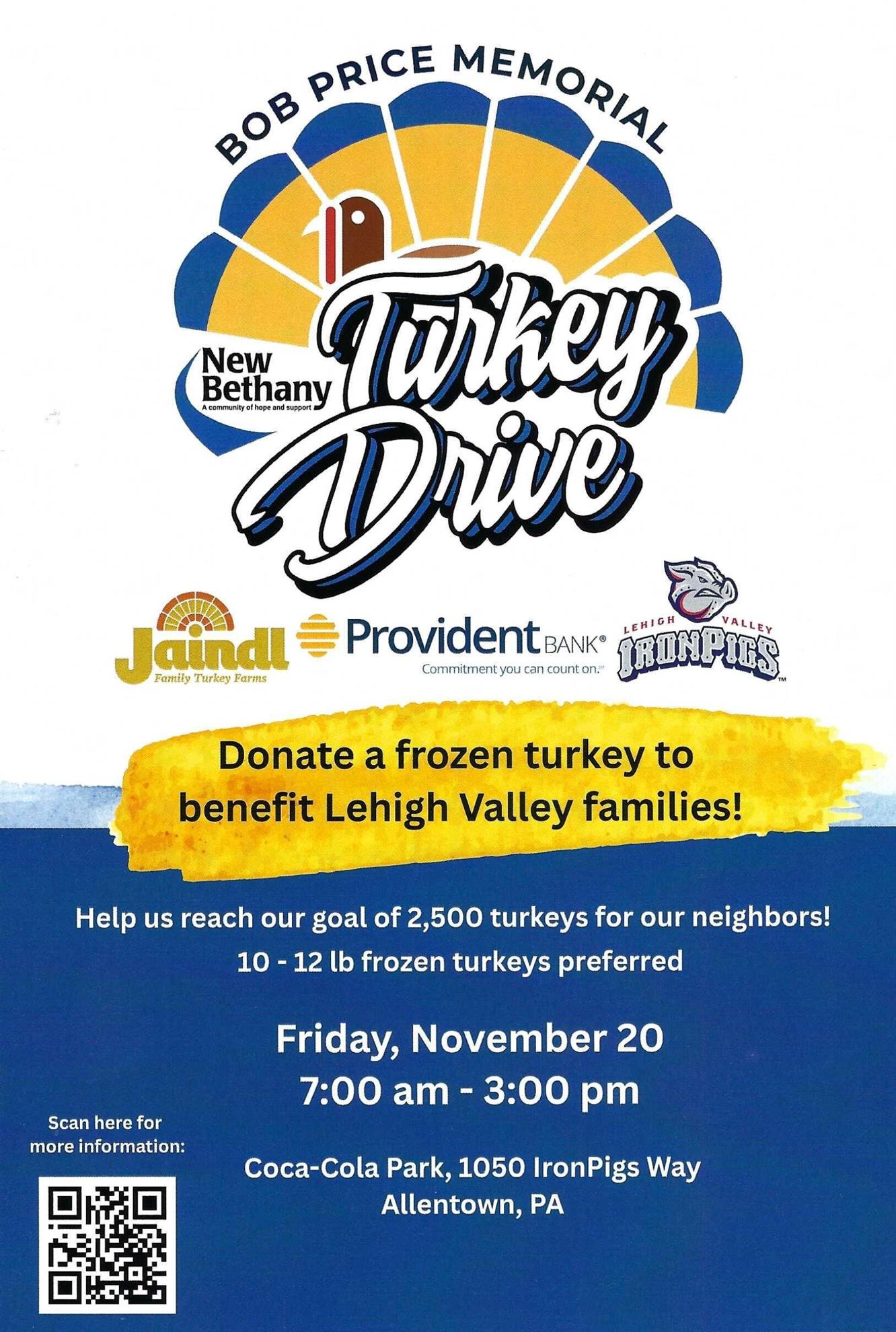
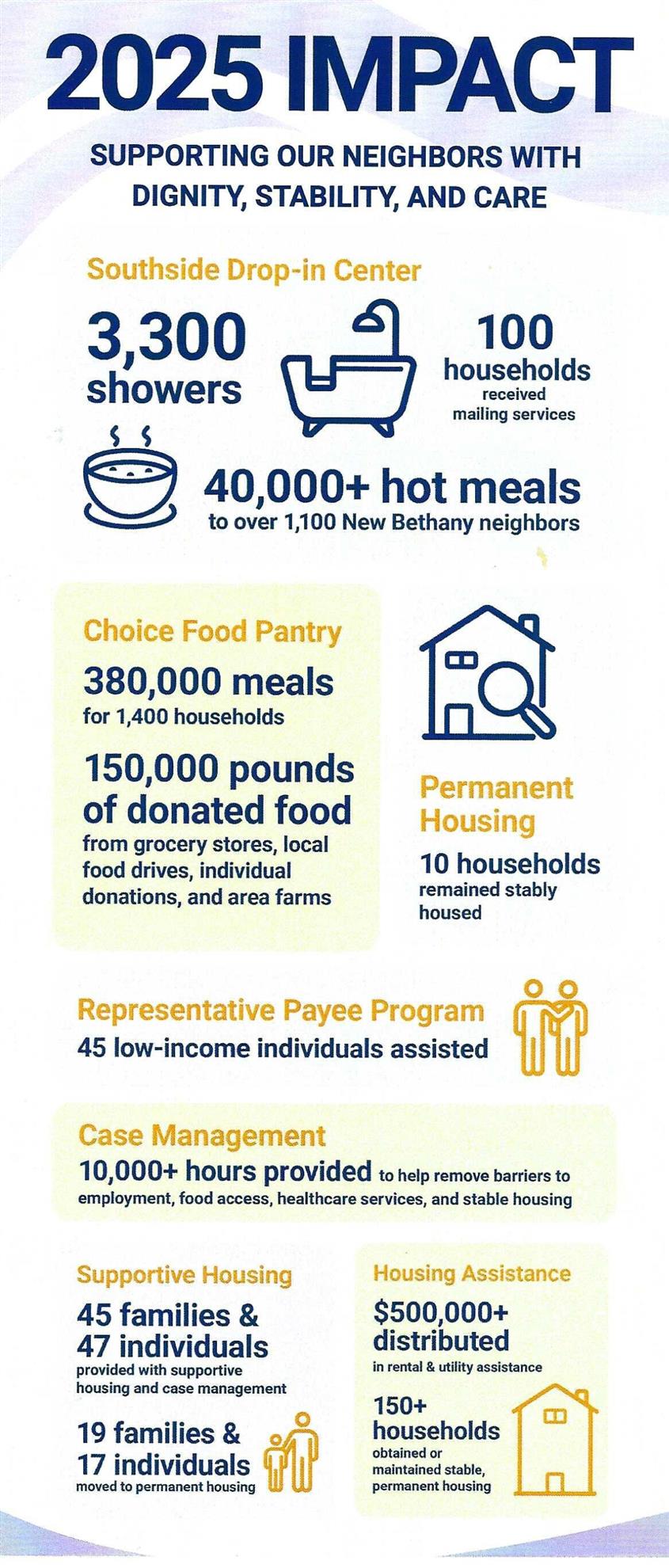
At our October 8, 2026 meeting, Chris Cassidy, Planning Director of New Bethany, thanked Morning Star Rotary for our $10,000 Community Grant and gave an update on the organization. Founded in 1985, New Bethany serves anyone without judgment through a renovated choice-model food pantry, a drop-in center, and a supportive housing program that now moves clients into permanent housing within 18 to 24 months rather than indefinitely; in 2025 it served over 40,000 hot meals to 1,100 neighbors, moved 45 families into permanent housing, and distributed 380,000 meals to 3,200 neighbors through its pantry. Chris described a worsening affordability picture in the Lehigh Valley, including a 41% rise in Bethlehem rents since the pandemic and a 156% increase in unsheltered homelessness, and said Morning Star's grant was well timed given a 40% jump in pantry visits tied to SNAP cuts and the loss of a USDA food-purchasing program that had brought in about $7,800 a month. She closed by previewing 2 upcoming events: the Bob Price Memorial Turkey Drive and Luminaria Night.
CLICK HERE to view presentation.


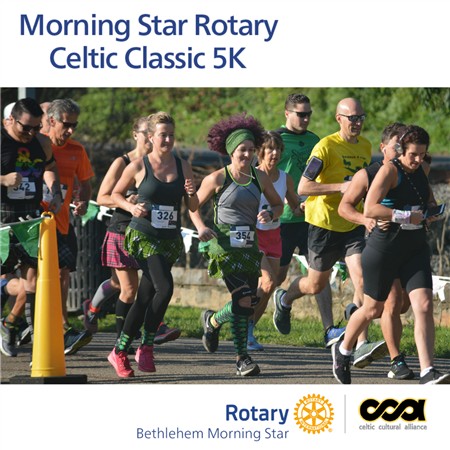
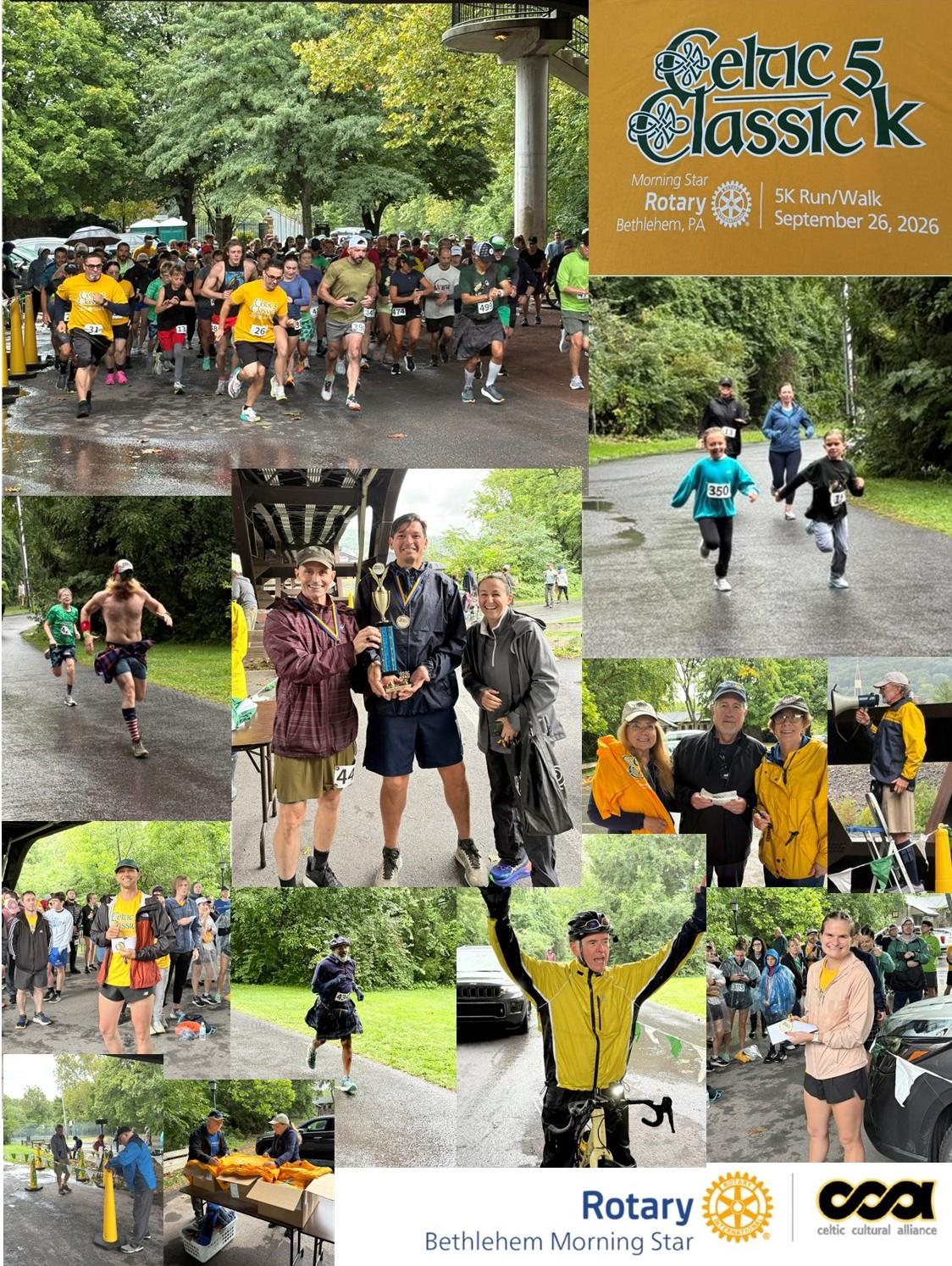
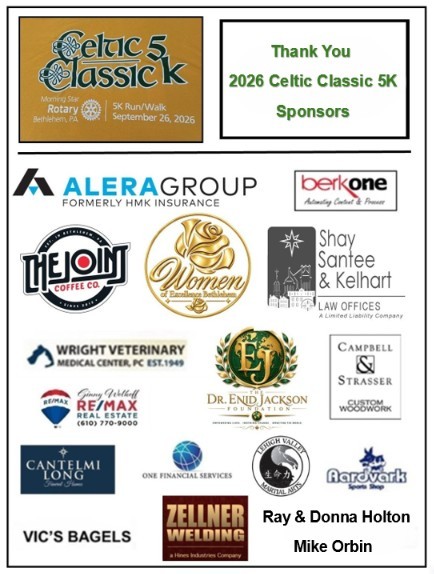
CLICK HERE to view 5K Race Photo Slideshow
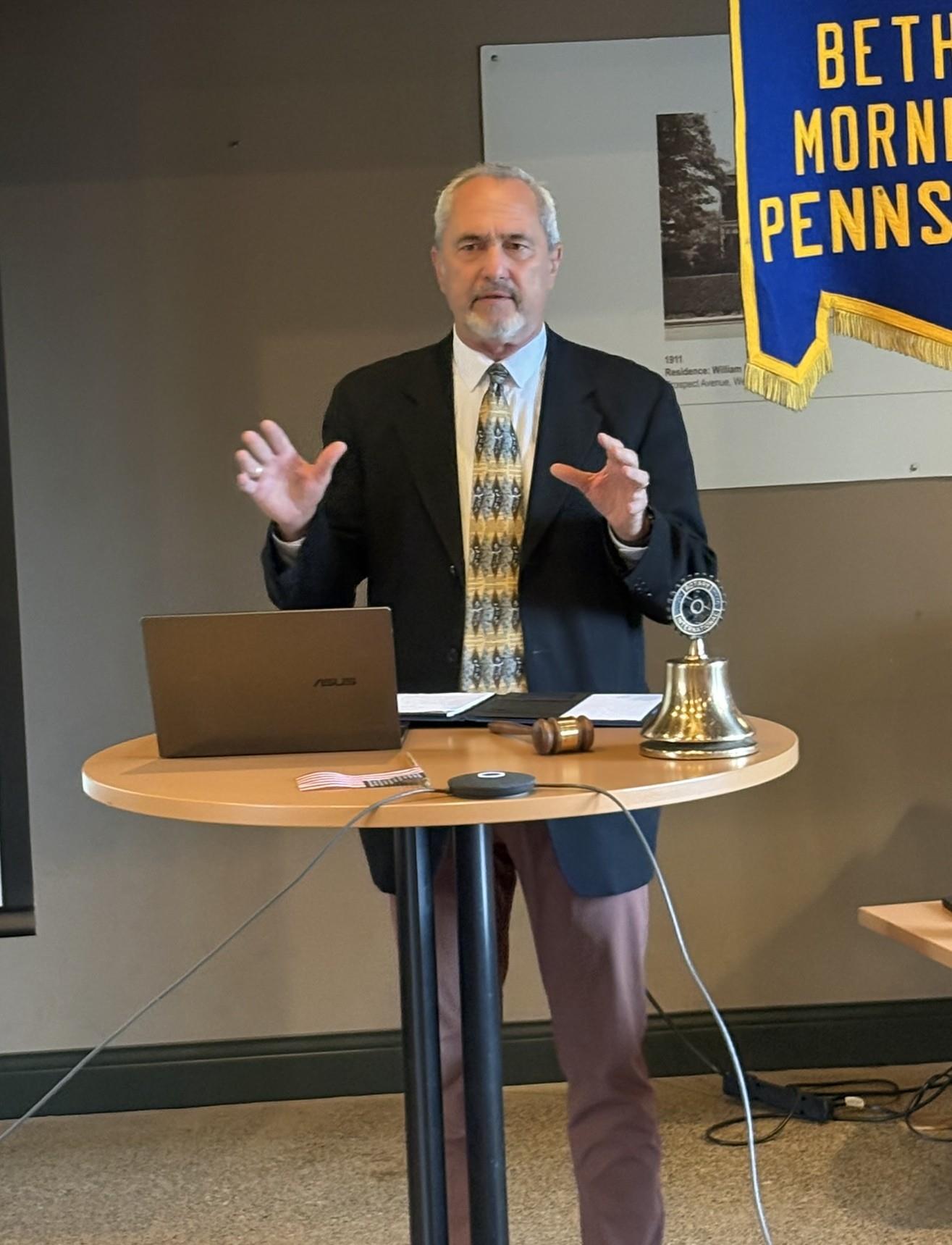
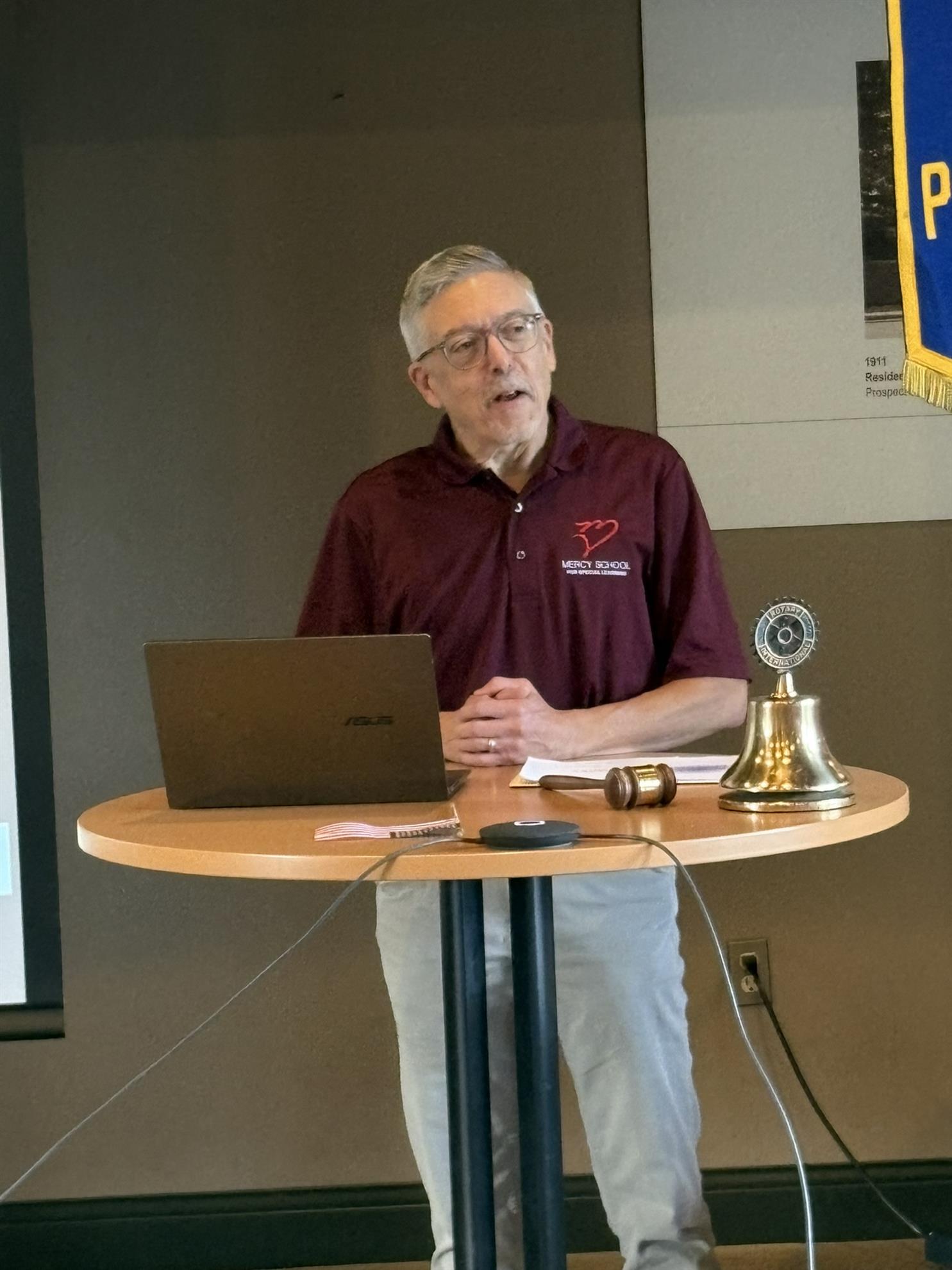
Mark Napierkowski and Mike Hosfeld returned on September 24, 2026 to update the club on Mercy School for Special Learning, an Allentown school founded in 1954 by the Sisters of Mercy that serves about 50 students, ages 5 to 21, with intellectual and developmental disabilities, at a cost of $40,000 per student, with no student turned away for inability to pay.

Mark explained that last year's Radiothon and Spaghetti Dinner raised over $93,000, which funded a new PAES Lab: a simulated workplace inside the school where students clock in, use real tools, and build job-readiness skills across 6 career tracks.
Mike, who directs the school's 30-year-old Job Works program, described how the lab feeds into real job placements with community partners such as ATAS International, Redner's Markets, and Get Joy, sharing success stories of graduates who moved into paid employment. This year's funds will launch a new art therapy program for student mental health, and the team promoted the second annual Spaghetti Dinner fundraiser on October 17, sponsored by 790 WAEB News Radio, along with the Educational Improvement Tax Credit program, which lets Pennsylvania taxpayers redirect state tax liability to the school for a 90% tax credit.
CLICK HERE to download presentation.

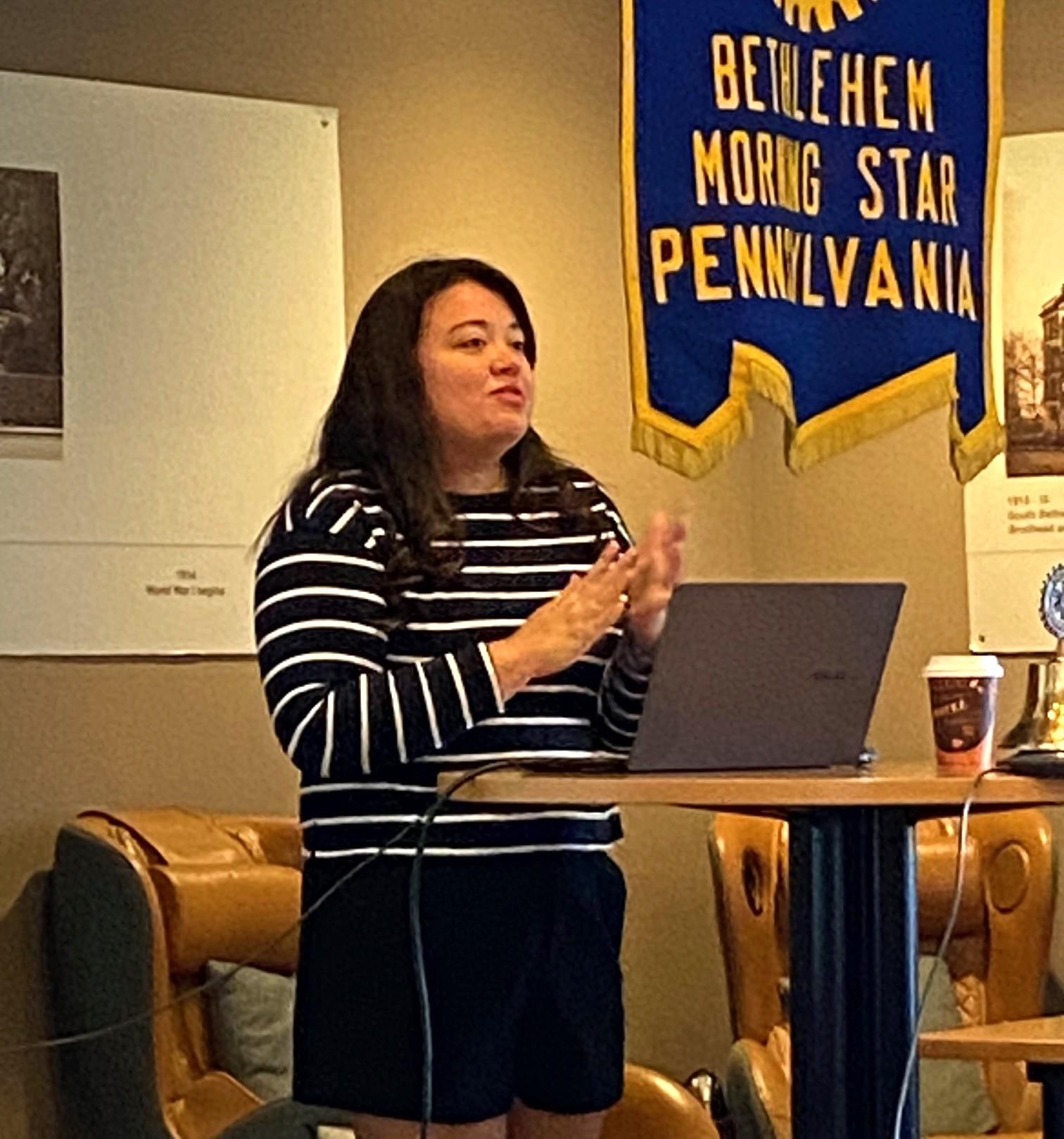
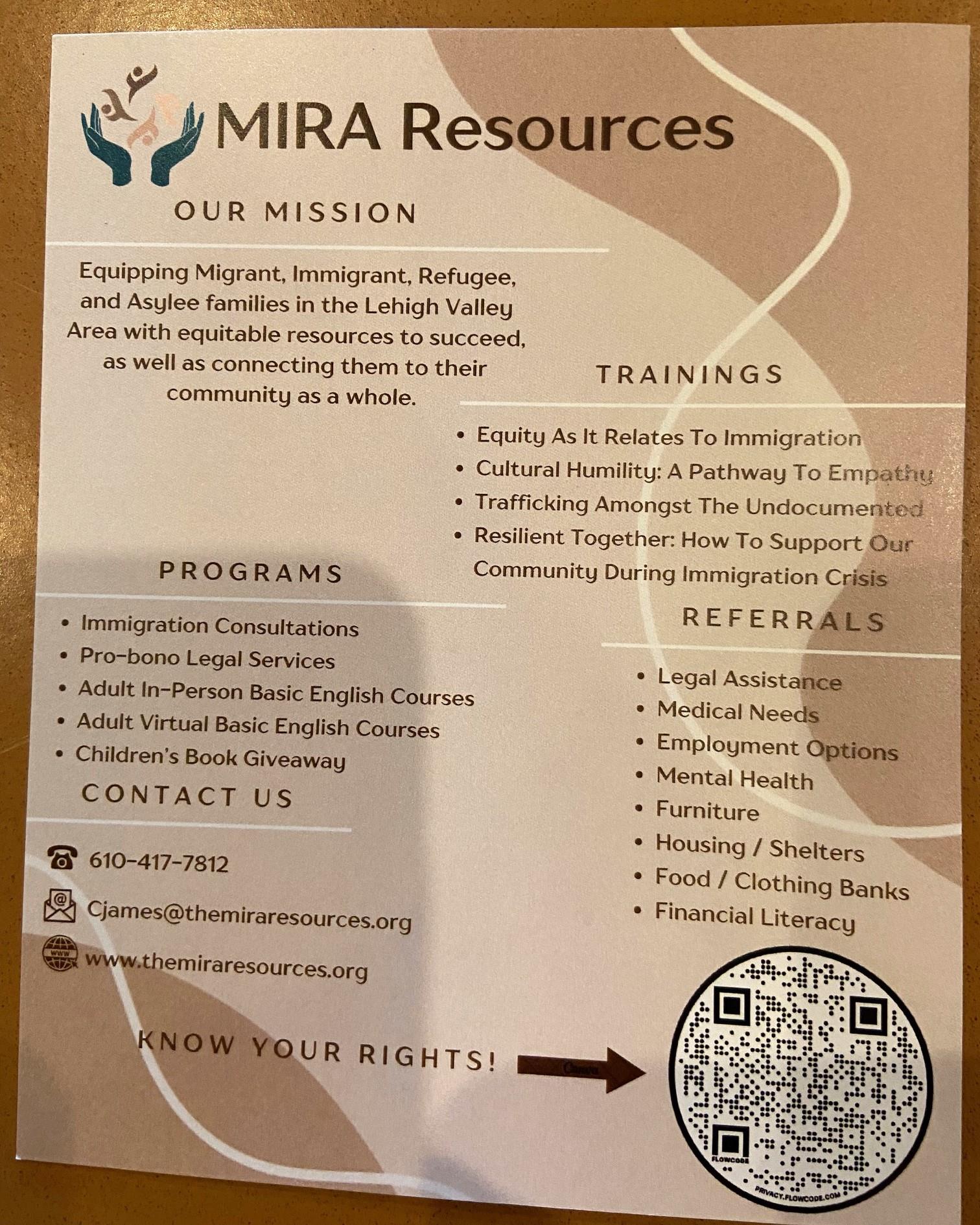
On September 17, 2026, Clarice James, Founder and Executive Director of MIRA Resources, spoke to the club about the organization's work supporting migrant, immigrant, refugee, and asylee families. Clarice, who also teaches and runs the nutrition program at the Easton Farmers Market, founded MIRA in 2020 and built it entirely on a no-grant, all-volunteer model that now serves roughly 1,600 families every quarter. MIRA runs three departments: education (free ESL classes, virtual and in-person, each taught by a different volunteer instructor), legal (immigration and general attorneys offering free consultations), and case management (employment, housing, and medical referrals), plus interpreters covering more than 13 languages, all at no cost regardless of a family's documentation status.

Clarice asked if we could share with our members the link to her organization's website, themiraresources.org, and this link to information about an art exhibition that just began this week in Allentown on the theme of immigration enforcement: https://www.themiraresources.org/events.

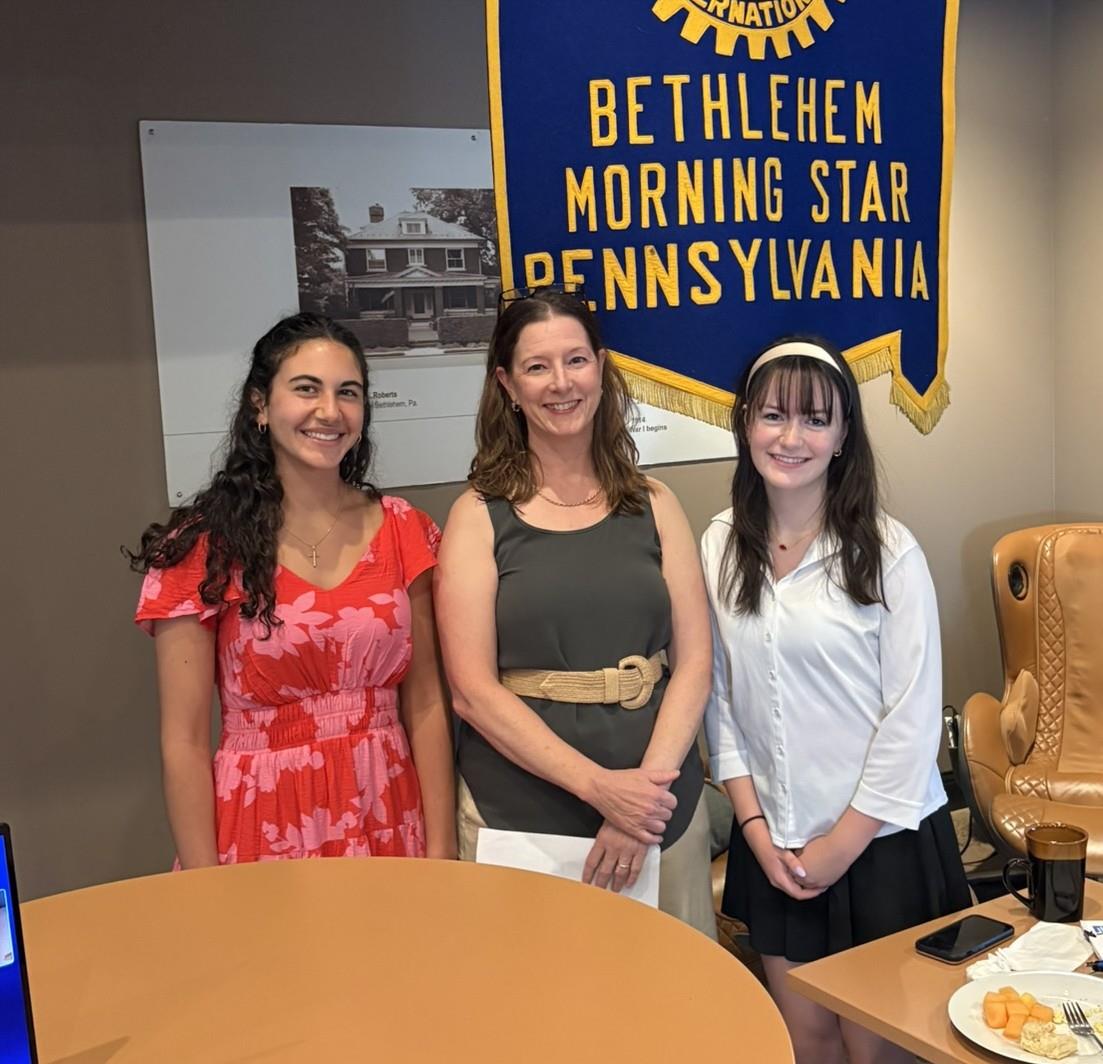
At our September 10, 2026 meeting Morning Star Rotary hosted Sandra Gillen, Chairperson of the Bethlehem Fine Arts Commission. Sandra spoke about the organization's history, programs, and outlined their various initiatives including the Mother's Day Fine Art and Craft Show, Rotunda exhibitions, and the Sculpture Garden.
Morning Star Rotary welcomes Jinnie, our 2026 Rotary Exchange Student from Thailand!


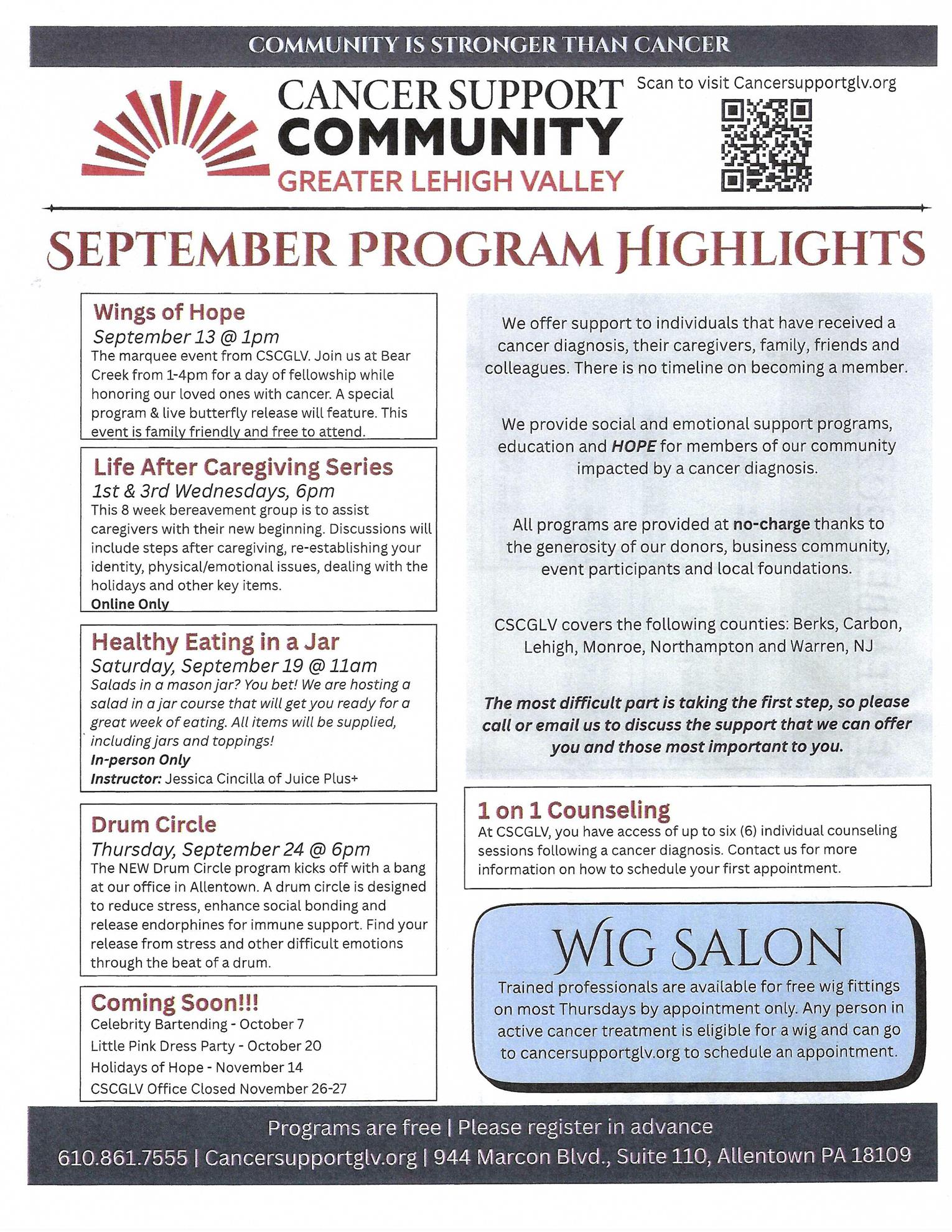
At our August 27, 2026 meeting, Morning Star Rotary welcomed Gina Stano, Executive Director of the Community Support Community of Greater Lehigh Valley. Gina shared that CSCGLV has served the region for 24 years, offering all programs and services free to anyone touched by a cancer diagnosis, not just patients, but caregivers, family, and friends, across several counties (804 people served last fiscal year). Services include individual, couples, and group counseling; weekly and monthly cancer-specific support groups; mindfulness offerings like meditation, Tibetan singing bowls, and yoga; a wig salon that's often a member's first point of entry; and a grief group open to anyone experiencing loss.
About 55% of referrals come through health network partnerships with St. Luke's and LVHN, and the organization runs entirely on community donations, grants, and fundraising events such as Wings of Hope, the Memorial Golf Tournament, and Golf for Cancer. Gina spoke personally about her mother's breast cancer survivorship and her grandmother's loss to the disease, stressing early detection and self-advocacy, and shared that CSCGLV is developing a new professional services line for 2027, including house cleaning, landscaping, and pet care support for members in treatment.
How Rotarians Can Help and Support

"Rotary believes in developing the next generation of leaders. Our programs help younger leaders build leadership skills, expand education and learn the value of service."
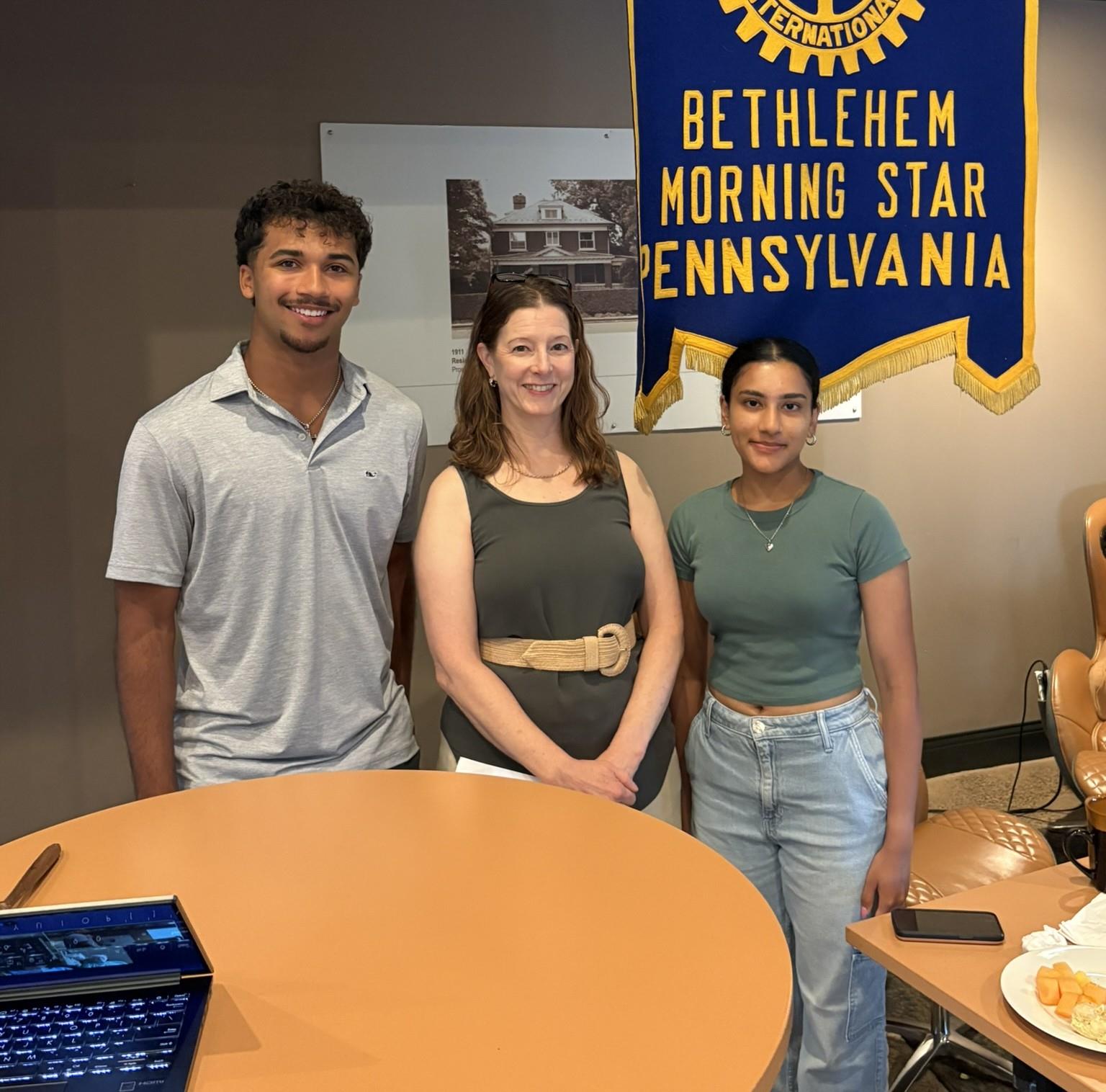
On August 13, Morning Star Rotary celebrated our annual Youth Services Day, welcoming the students the club sponsored for this past year's youth initiatives along with their families. Scholarship recipients Kate and Mia, both Freedom High School graduates, shared their college plans in medicine and pre-med at King's College and Cornell, and urged the younger students in the room to get involved and embrace being uncomfortable. Camp Neidig leadership participants Sasha and Aaron described how bringing so many young leaders together taught them to collaborate and step out of their comfort zones, while April, our STEM-YEA student, reflected on the wonder of studying space, planetary science, and the SETI program during STEM-YEA at Kutztown University. Congratulations to these outstanding students!
Morning Star Rotary
"Ben Tenaglia & Ron Searfoss Scholarships
Camp Neidig
STEM-YEA
Daniel Meyer, a rising junior and geography major at James Madison University, spoke to our members virtually via Zoom on July 23, 2026 about his month-long study abroad program in Nepal this past summer. The group of 15 students and two professors split their time between the capital, Kathmandu, and the Tsum Valley near the border with Tibet. Daniel opened by noting that Nepal defied his expectation of a single, uniform culture. Within Kathmandu alone he encountered a mix of Hindu and Buddhist traditions, visiting the Buddha Stupa and the Swayambhu temple, both major pilgrimage sites, and observing how neighborhoods differed sharply in layout and architecture depending on which community had settled them.
After a week in the capital, the group traveled roughly ten hours by bus and jeep, then hiked about 60 miles into the Tsum Valley, staying in villages such as Chumling. Daniel described a rugged landscape of narrow terrain, cliffside roads without guardrails, and cantilever bridges bolted directly into rock. Villagers farmed small plots of barley, buckwheat, potatoes, and spinach largely for subsistence rather than sale, since importing food from the south is difficult given the terrain. He explained a local set of customs called the Shagia, which prohibits hunting, killing animals, and even honey extraction in order to preserve harmony with the environment, meaning any meat eaten by the group had to be carried in.
Daniel also touched on a road-building project moving slowly through the valley, noting tension between officials in Kathmandu and residents concerned about noise, dust, and disruption to religious sites, even though many villagers supported the eventual benefits of vehicle access. He answered audience questions on water quality, which required filtering due to local pathogens despite tasting fine, and on temperature, which ran in the 80s and humid in Kathmandu and varied more widely in the mountains. The talk closed with reflections on his broader travels through JMU's geography study abroad offerings and childhood interests in world geography that first sparked his passion for the field.


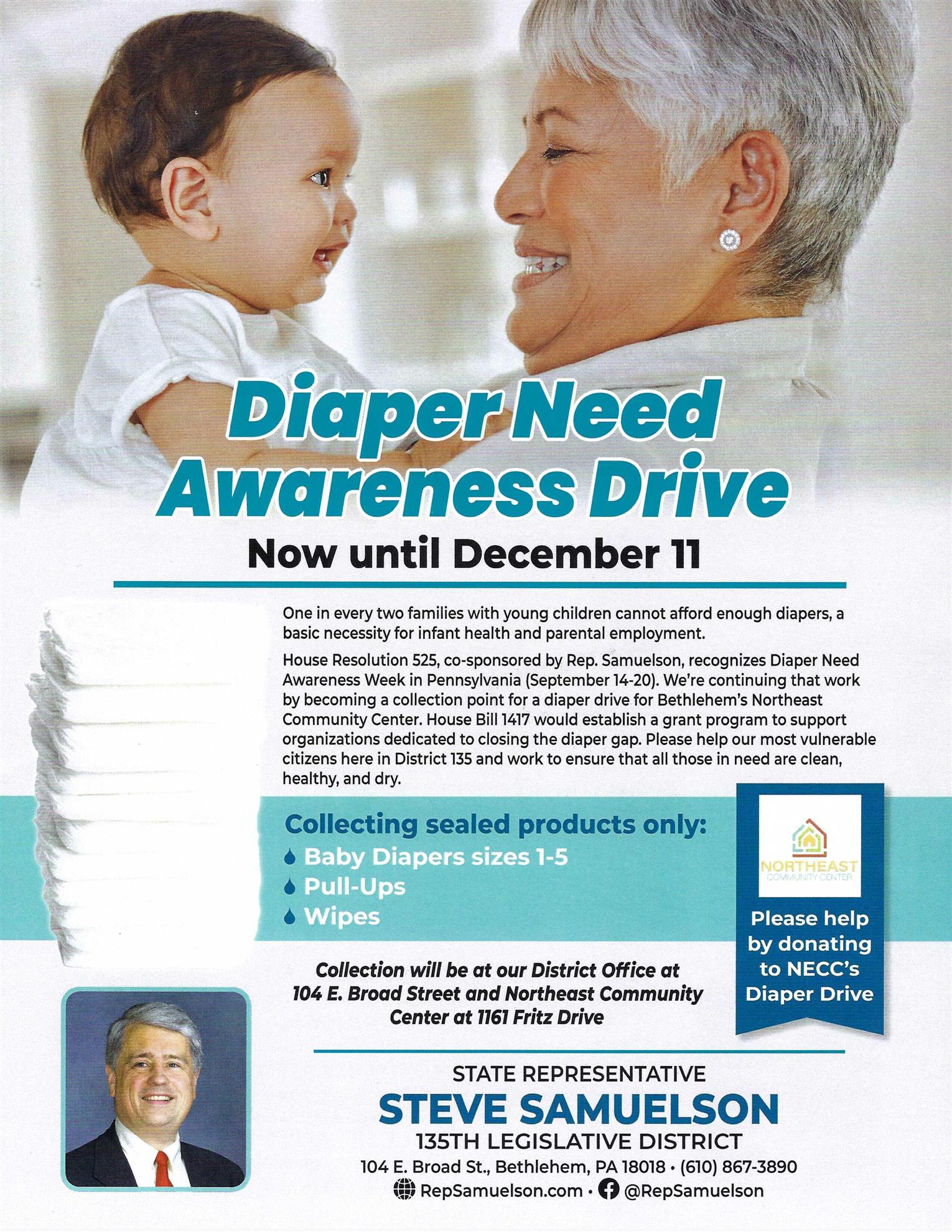
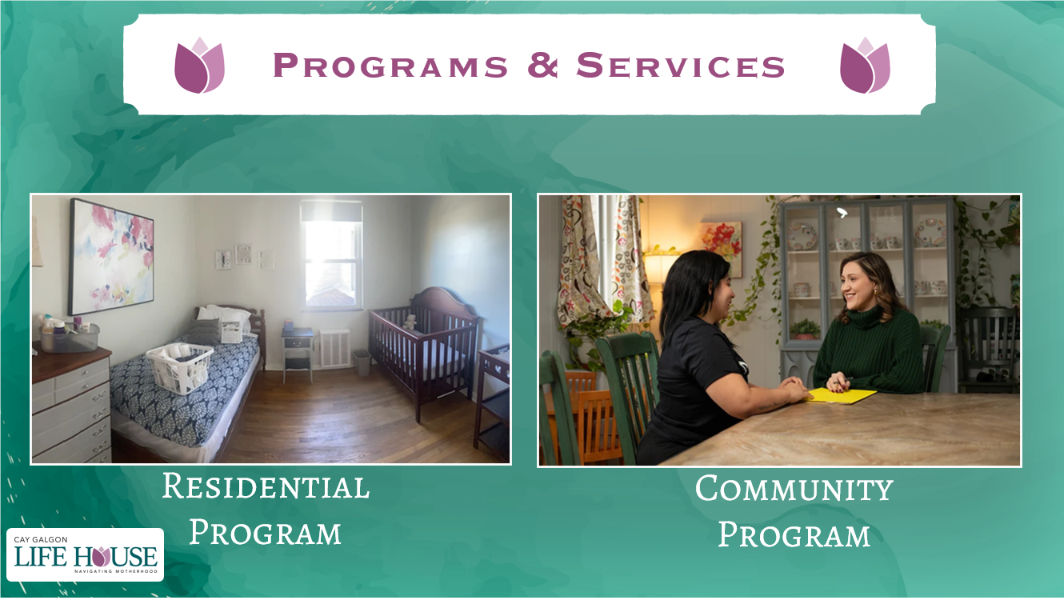
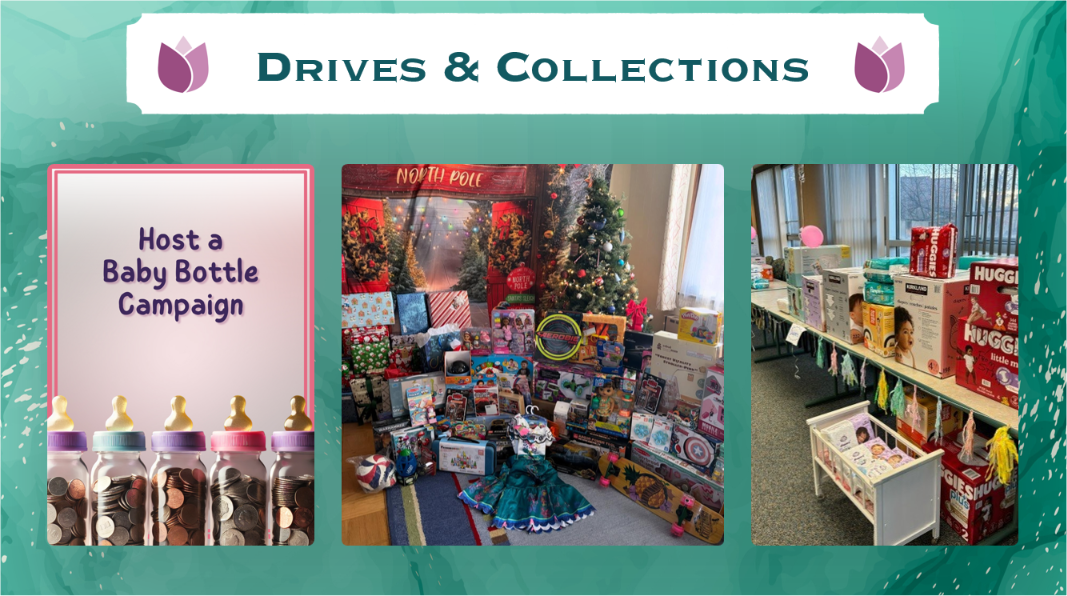
The organization runs two main programs. The residential shelter has seven beds for homeless mothers and babies, who can stay for up to two years while receiving intensive case management, including education support, parenting classes, budgeting help, and housing search assistance. The outreach program serves families from pregnancy through a child's second birthday with diapers, clothing, food, and appointment support, and does not require a housing crisis to qualify. Last year the organization served 558 total families, welcomed 196 babies, logged 1,500 pantry visits, and gave 213 moms holiday gifts for their children. The waiting list has grown from about 10 to 20 families in the past month, and Wendy noted the organization is one of the only local resources for homeless pregnant women without other children.
Wendy described the range of situations families come from, including domestic violence and trafficking survivors, and how the Life House partners with organizations like NAMI and Turning Point when a family's needs go beyond what the shelter can provide, such as active substance recovery or severe mental health needs.
How Rotarians can help and support:


![]() | ![]() | ![]() |
![]() | ![]() | ![]() |

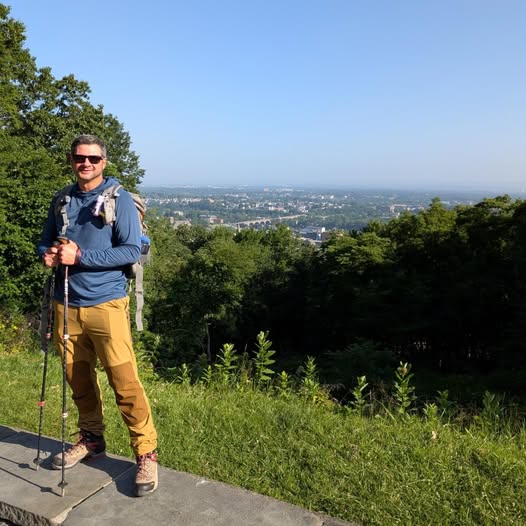
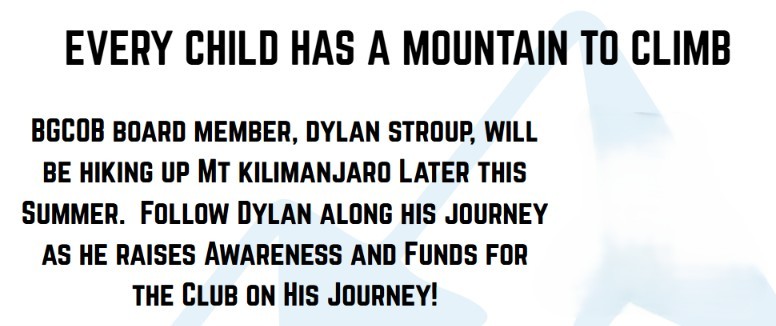
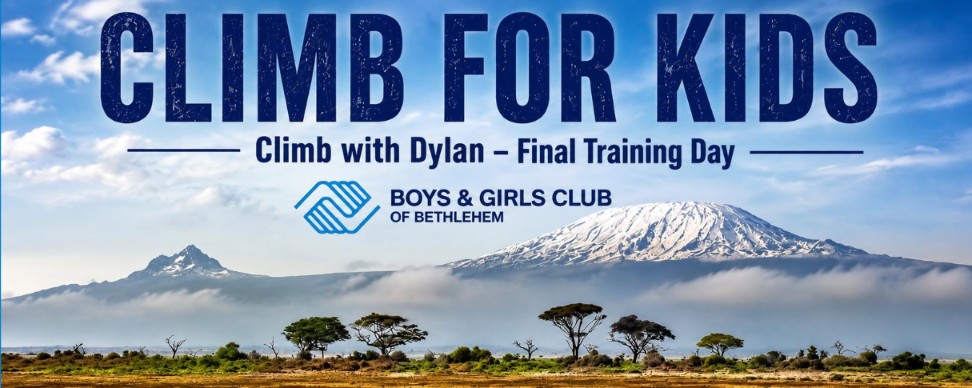
Mount Kilimanjaro is 19,341 feet, the tallest freestanding mountain in the world, and is considered a trek rather than a technical climb, meaning no ropes or glacier crossings. Dylan is carrying 20 to 25 pounds of daily gear while porters handle camp setup, cooking, and heavier equipment, and he is paying all his own trip expenses so that 100 percent of donations go directly to the Boys and Girls Club.

Dylan is funding the "Climb for Kids" campaign through corporate sponsors including Rotary, Just Born, and Post Road Management, each contributing 5,000 dollars, plus an employer match and individual donations, with about 11,000 dollars raised so far. He is planning a 10,000 dollar matching gift campaign launching the week before his August 1, 2026 departure, and credited Rotary specifically for helping him raise support he would not have had access to otherwise.
How Rotarians can help and support


Darah is Bethlehem-born and raised, a Liberty High School graduate, and a lifelong member of the local arts community through Pennsylvania Youth Theater. She returned to the Lehigh Valley after completing her MFA at Michigan State during COVID, when limited opportunities in professional theater brought her back home. Darah was brought in by NCC colleague Brett Oliviera to direct West Side Story on short notice after the unexpected passing of former department head Bill Mutimer. That experience led to an adjunct role and eventually a full-time position as Assistant Professor and co-artistic director, alongside co-director Jessica Lopez Barkl.

Darah and Jessica spent their first months at NCC overhauling the theater curriculum to reflect new industry expectations, particularly post-COVID shifts in how theater is taught and what employers and four-year programs require. New courses include voice and speech, movement, a theater-as-live-experience writing class that takes students to regional productions, and an introduction to theater production and technology that places students on actual production crews. A central focus of this work is building formal transfer agreements with regional four-year schools including DeSales, Cedar Crest, East Stroudsburg, Bucknell, and Muhlenberg, so that students can complete their BA in theater in exactly two additional years with no wasted credits or money. NCC's goal is to clearly signal to students that the two-year pathway followed by a four-year transfer is the strongest route to a sustainable career in theater.

The Bill Mutimer Summer Theatre Series at NCC is a professional summer stock program that produces four shows each season, including a children's production for young audiences. The current 2026 season includes a just-closed run of A Chorus Line, Gypsy, Hunchback of Notre Dame, and the children's show Junie B. Jones' Essential Survival Guide to School. The series pays all actors, musicians, designers, and technicians, making it the only fully compensated community theater opportunity in the Lehigh Valley. Ticket prices are intentionally kept low to maximize accessibility. Sensory-friendly performances are offered for the children's show, with lights adjusted and sound modified for neurodivergent audiences. Alumni of the program have gone on to Broadway, including a current cast member playing Glinda. Licensing a single show such as Hairspray can cost between $10,000 and $13,000, and the program currently receives some support from NCC in addition to ticket sales while working toward full self-sufficiency through earned revenue and donations.

How Rotarians Can Help and Support
• Attend a show at the NCC Summer Theater Series. Kopachek Hall on the NCC main campus. Adult tickets are $25 (plus a $2 fee). Students are $15. Group rates are available.
• Bring friends, neighbors, and family, especially for Junie B. Jones sensory-friendly performances on June 27, July 11, and July 25, which are ideal for families with neurodivergent children.
• Spread the word within school, church, and neighborhood networks. The program needs to fill seats for Gypsy and Hunchback of Notre Dame, which run through late July.
• Consider corporate sponsorship. Darah specifically identified this as her next major fundraising goal and invited anyone with connections to business sponsors to reach out to her directly.
• Donate to the summer theater program or the NCC theater department. Show licensing alone can exceed $10,000 per production, and the program's goal is to become independent of NCC institutional support.
• Connect Darah on LinkedIn or via email with potential donors, sponsors, or community partners who care about arts education and accessibility.