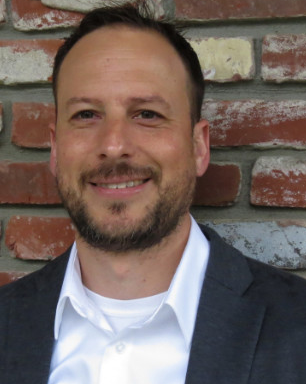
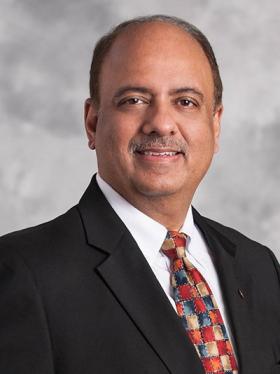
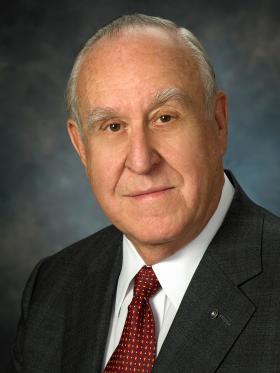
Nathan Rathmann, Director of Operations at Forget Me Not Farm
Nathan first worked as a volunteer at Forget Me Not Farm during his senior year of high school in 1997. He then went on to work at the Santa Cruz SPCA for 6 years while completing his undergraduate degree in Psychology at the University of California Santa Cruz. During his time at the Santa Cruz animal shelter Nathan worked in many departments including Aimal care and dispatch for Animal control. He eventually settled into veterinary services, where he became lead technician and manager of the spay neuter clinic. Upon completion of college, he worked for San Francisco Animal Care and Control before taking on the Farm manager position in 2005. Nathan has since moved on to become Director of Operations for the Farm. He oversees the general health and well-being of all the Farm residents and oversees the therapy groups that visit at forget me not farm. He also tends to the acre of therapeutic gardens, does public speaking on behalf of the farm, volunteer recruitment, and gives tours to those interested in the program.
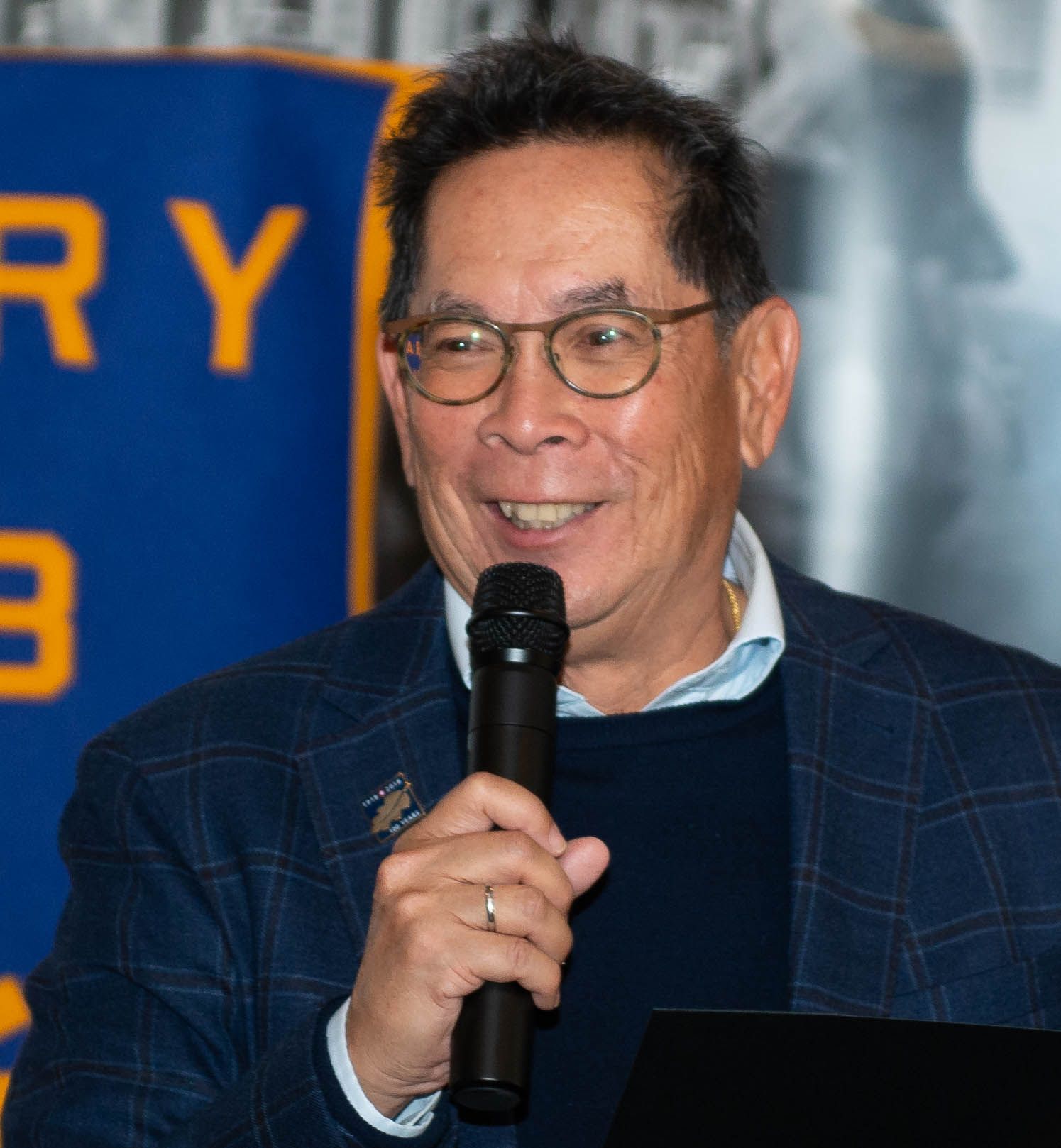
"SRJC Today and Tomorrow" by Dr. Frank Chong, President, SRJC
Our Guest Speaker for Thursday, October 28, 2021, was Dr. Frank Chong, the Superintendent and President of Santa Rosa Junior College. Dr. Chong last spoke to us in September 2020 and we invited him back because he is an amazing speaker and dynamic leader. His topic was “SRJC Today & Tomorrow.” Dr. Chong is a graduate of UC Berkeley and has a master’s degree in Public Administration from Harvard and a doctorate in Educational Administrative Leadership and Technology from Dowling College in New York.
SRJC’s Fall 2021 enrollment included 19,160 students in 2,423 sections, with 783 sections in-person. The in-person sections included career, technical, science, public health and safety, and related classes, but any section requested by a faculty member was accommodated, either by in-person or hybrid classes. SRJC has implemented mandatory vaccinations starting in the Spring of 2022 for nearly all persons coming onto the SRJC campus. In a recent survey, 78% of respondents who left SRJC before the end of the spring 2020 semester or did not return in the fall of 2020 reported that the pandemic had negative impacts on their enrollment. These negative impacts were consistently prominent with students of color, first generation students, and students with financial need. SRJC has worked to support students with centers and programs, and with local direct grants, federal and state aid, and expanded Doyle scholarships. It also helped create the Sawubona Black Student Scholarship, now with over $85,000 in its fund. SRJC also provides food items, grocery cards through a partnership with Redwood Empire Food Bank. SRJC loaned students more than 700 laptops and nearly 500 hotspots in Spring 2021!
A record number of 632 SRJC students were admitted into Sonoma State University, the highest number of students admitted to SSU in the history of SRJC. Career education completion rates are also strong, with hand-on training and an active Career Hub connecting students to local employers. Dr. Chong also highlighted several students who successfully turned their lives around at SRJC, some after incarceration. SRJC currently provides classes to 150 students in county jails! It has a Second Chance Club serving nearly 100 students.
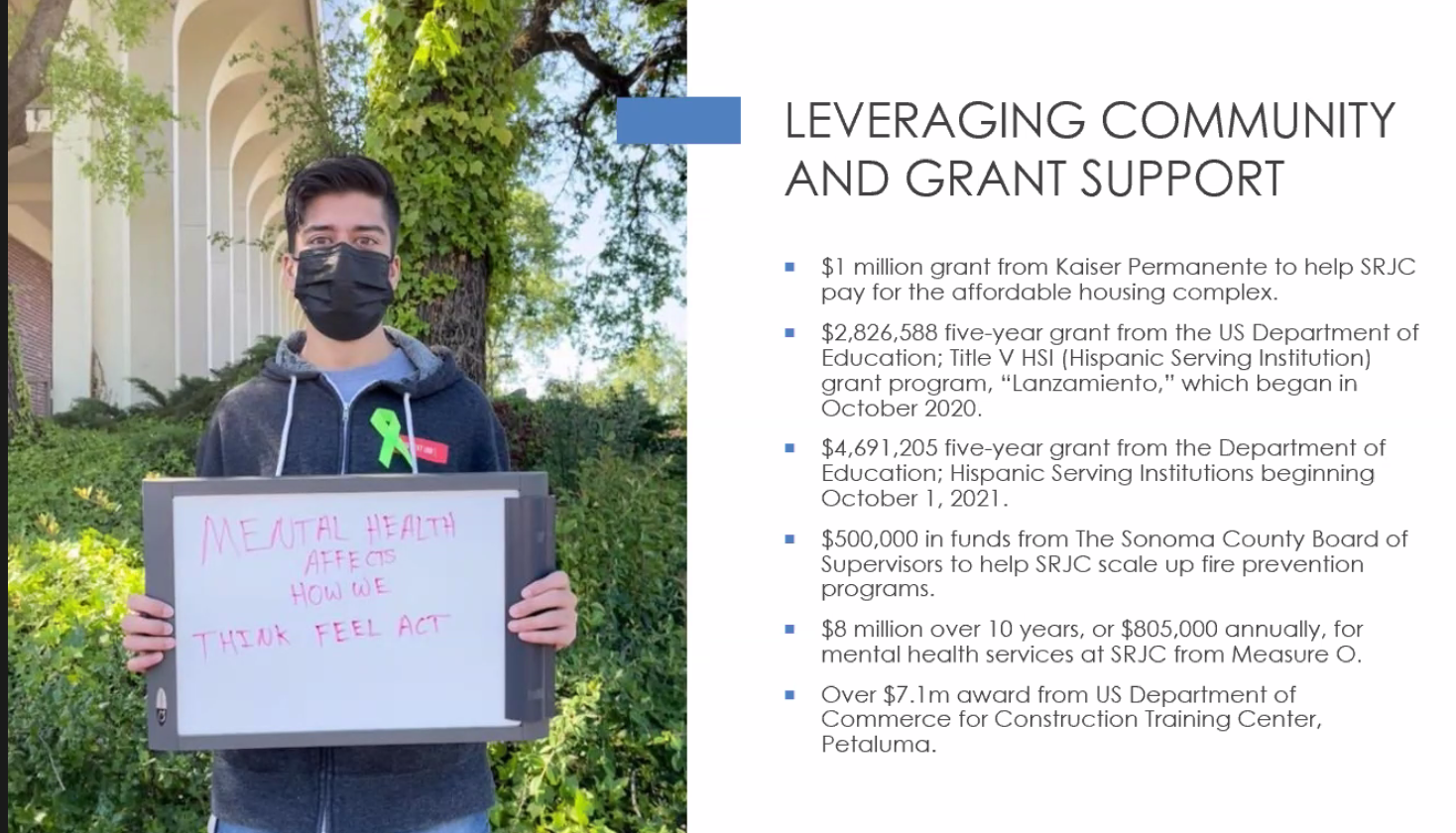
Dr. Chong also updated us on the school’s new and planned construction, including football and soccer fields, pool, auditorium, Kunde Hall (math and engineering), theater arts auditorium, Lindley Hall (STEM), new SRJC Foundation building, Petaluma Welcome Center, Chemistry and Biology Center in Petaluma, and Public Safety Center. Dr. Chong is also immensely proud of the officially under construction residence hall, which will house 355 beds. The residence will be built entirely from private funds. SRJC is also a leader in sustainability and is working its way toward a goal of being net energy 0 by 2040! Dr. Chong is also clearly very proud of SRJC’s Shone farm and its recent double gold winning pinot noir! SRJC is actively leveraging community and grant support for its programs and construction projects.
Dr. Chong reminded us of SRJC’s emphasis on diversity and belonging, noting that SRJC is a place where children of farm owners go to school with children of farm workers. He thinks SRJC is the best Community College in the country!
Thank you, Dr. Chong, for showing us how truly dynamic SRJC is! Well done and keep up the good work.
Click HERE to view Dr. Chong's presentation. The recording will be available for the next week.
On a regular basis, our resident photo pro Warren Smith, submits pictures of what is going on at the weekly meetings. You can always find the most recent pictures at the websites photo journal called "Meeting Sighting" Please note that all the meeting photos for the entire Rotary year are at this location with the most recent on the last page.
Thanks for all the great pictures Warren!Link to Meeting Sightings. The most recent are on the last page!
The welcomed arrival of rain led me to imagine the misty regions of the Pacific Northwest this week. I wrapped myself up in my Pendleton blanket and went to work researching legendary creatures in folklore. I gravitated to Big Foot, also known as Sasquatch. The Washington State National Guard website has an excellent write-up about this legendary creature.
Big Foot does hold special powers. Though he is terrifying in stature and apelike, he appears to warn us to change our ways. Big Foot is an environmentalist, and he wants us to be gentler to our beautiful planet.
Sightings of Big Foot have been documented since the 1800s. Evidence of large footprints, grainy photographs, and videos have been categorized in various forums. “Finding Big Foot” is a wildly popular docuseries on television, which follows various characters’ quest to find Big Foot and solve this age-old mystery.
Multiple sources confirm that Big Foot does exist. According to the Washington State National Guard website, there is a sector in the Air Force that monitors the forests overhead in the Pacific Northwest and Canada keeping their eye on Big Foot. Like Big Foot, they are stealth, top-secret, and never heard or seen.
Since Big Foot has been around for centuries, many questions come to mind. Is he immortal? Are there multiple Big Foots? Does Big Foot get lonely?
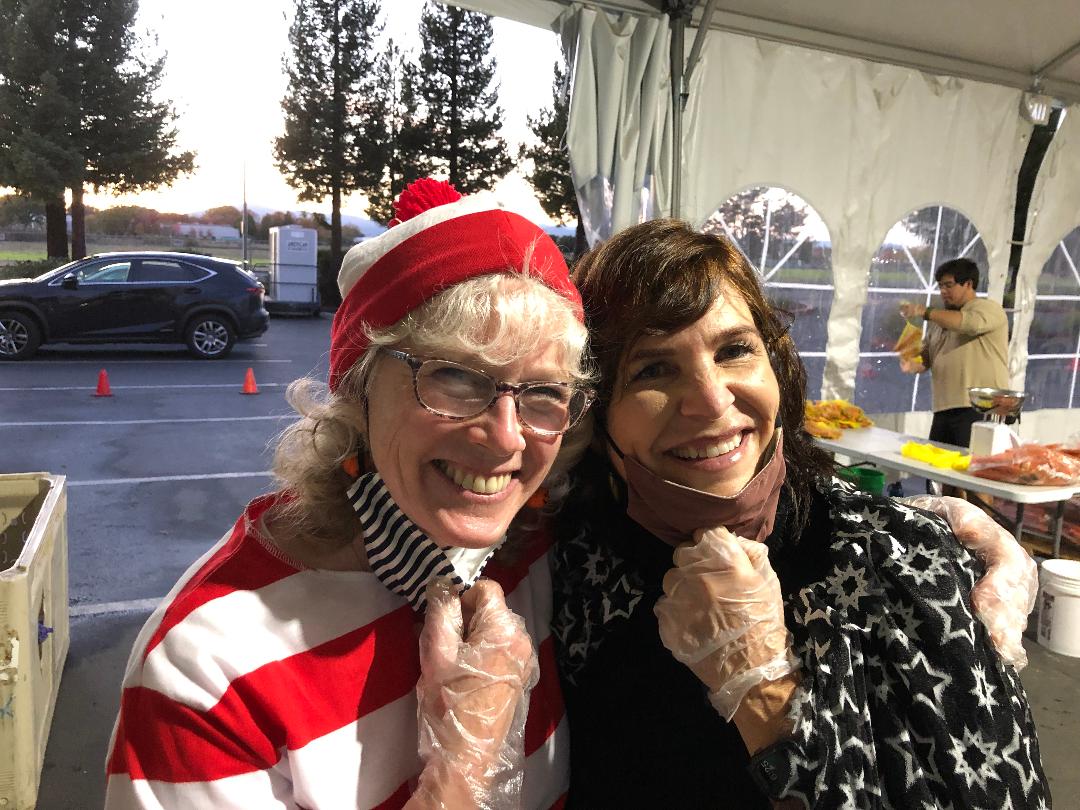
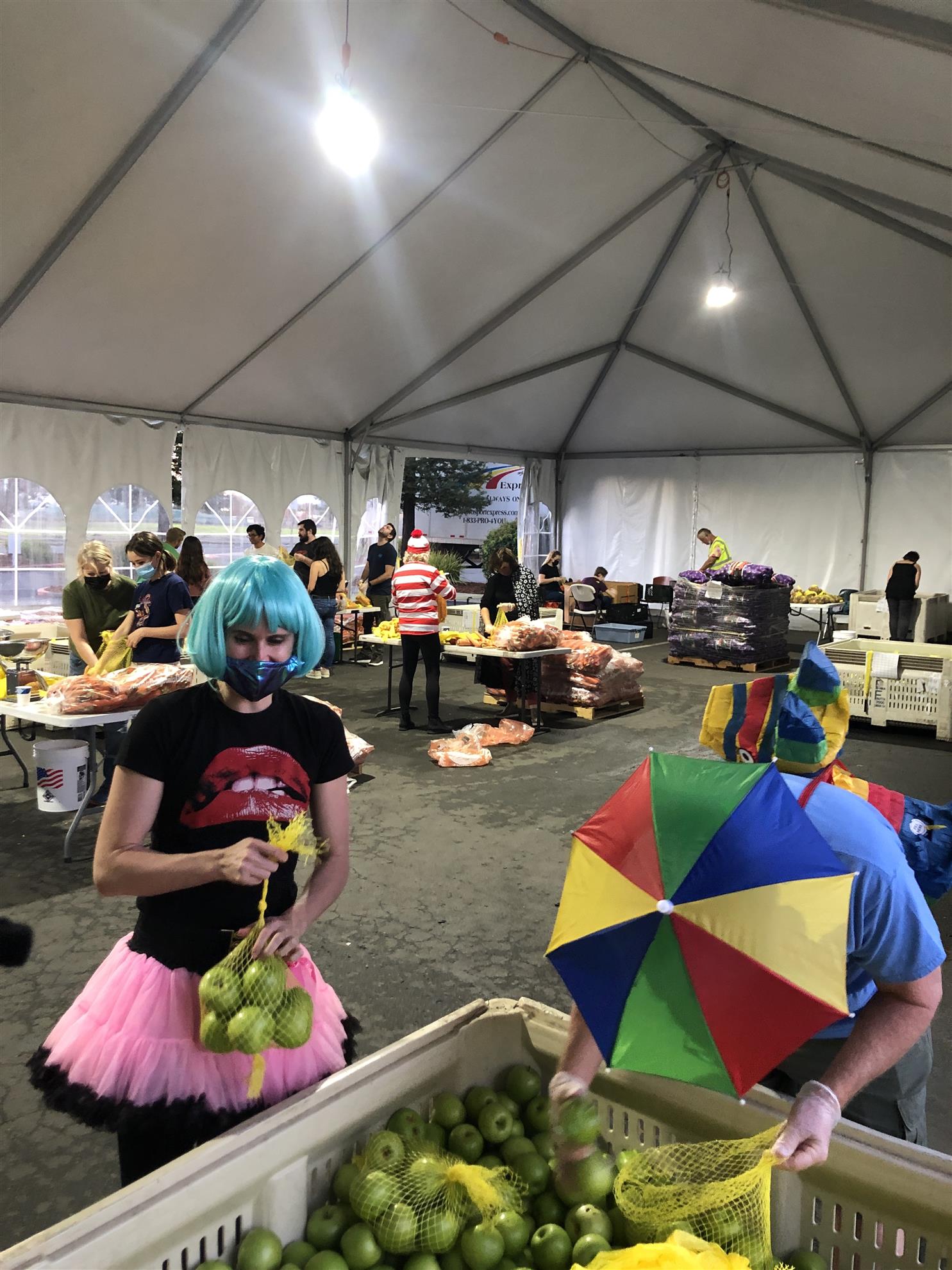
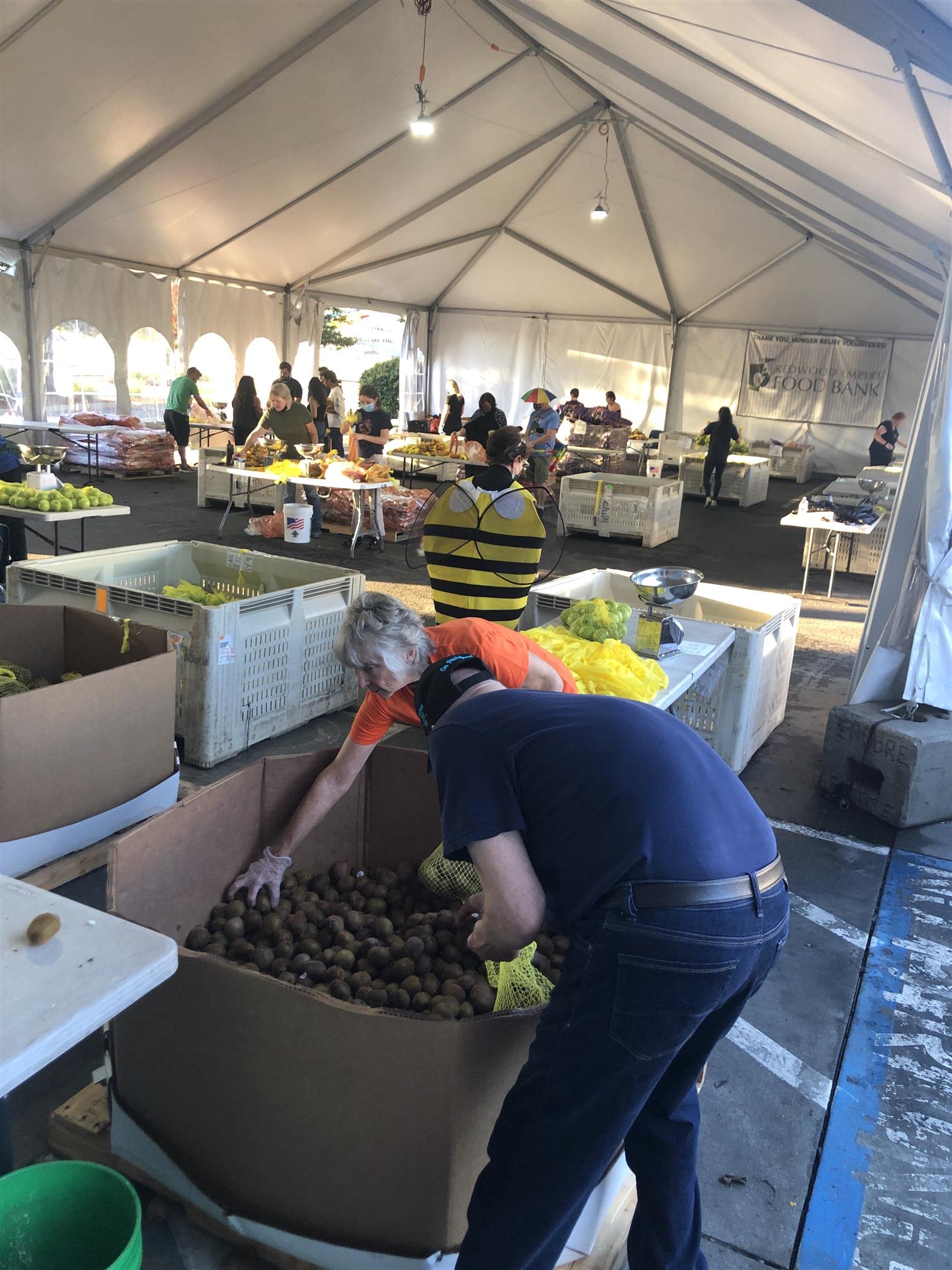
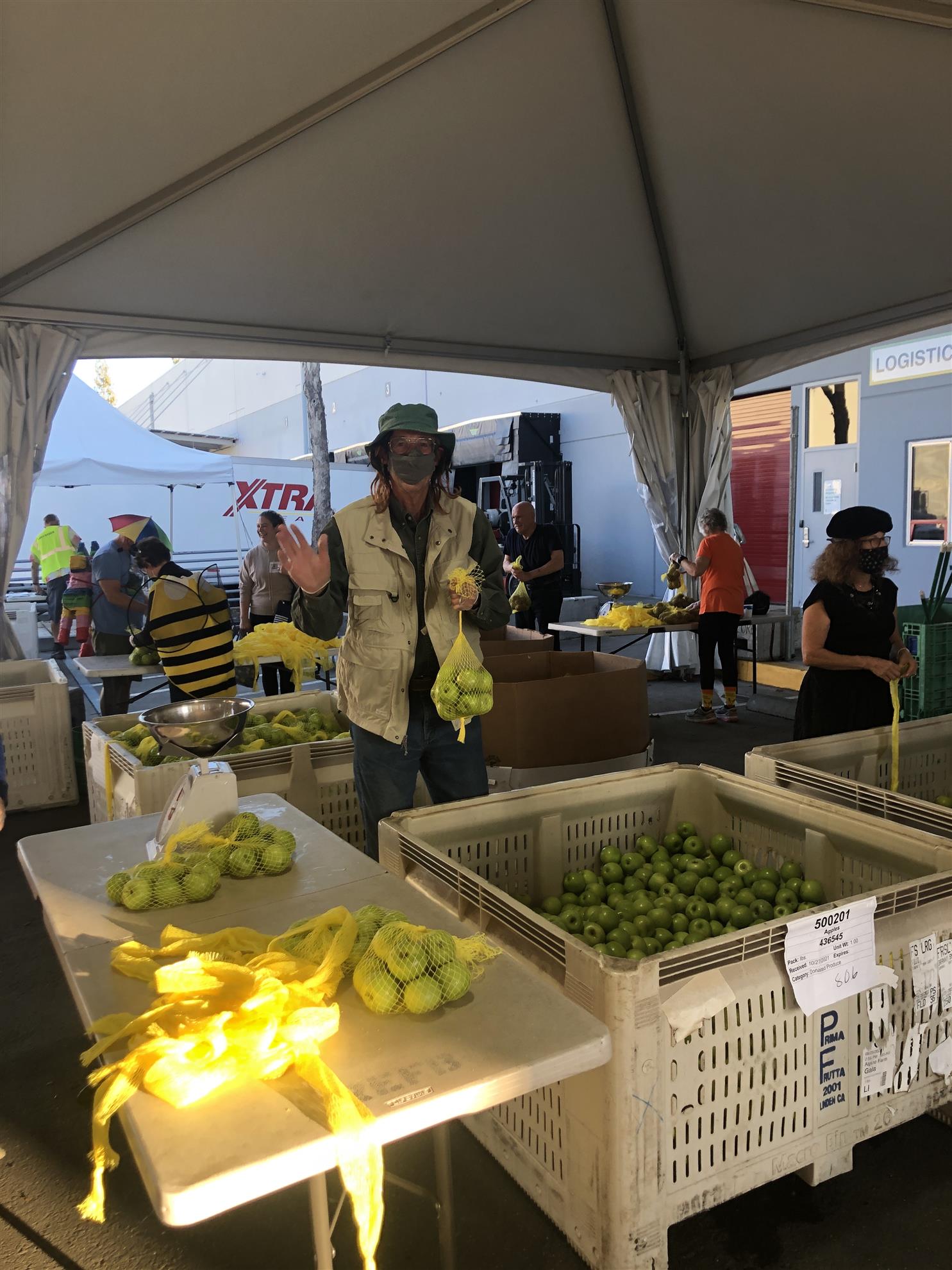
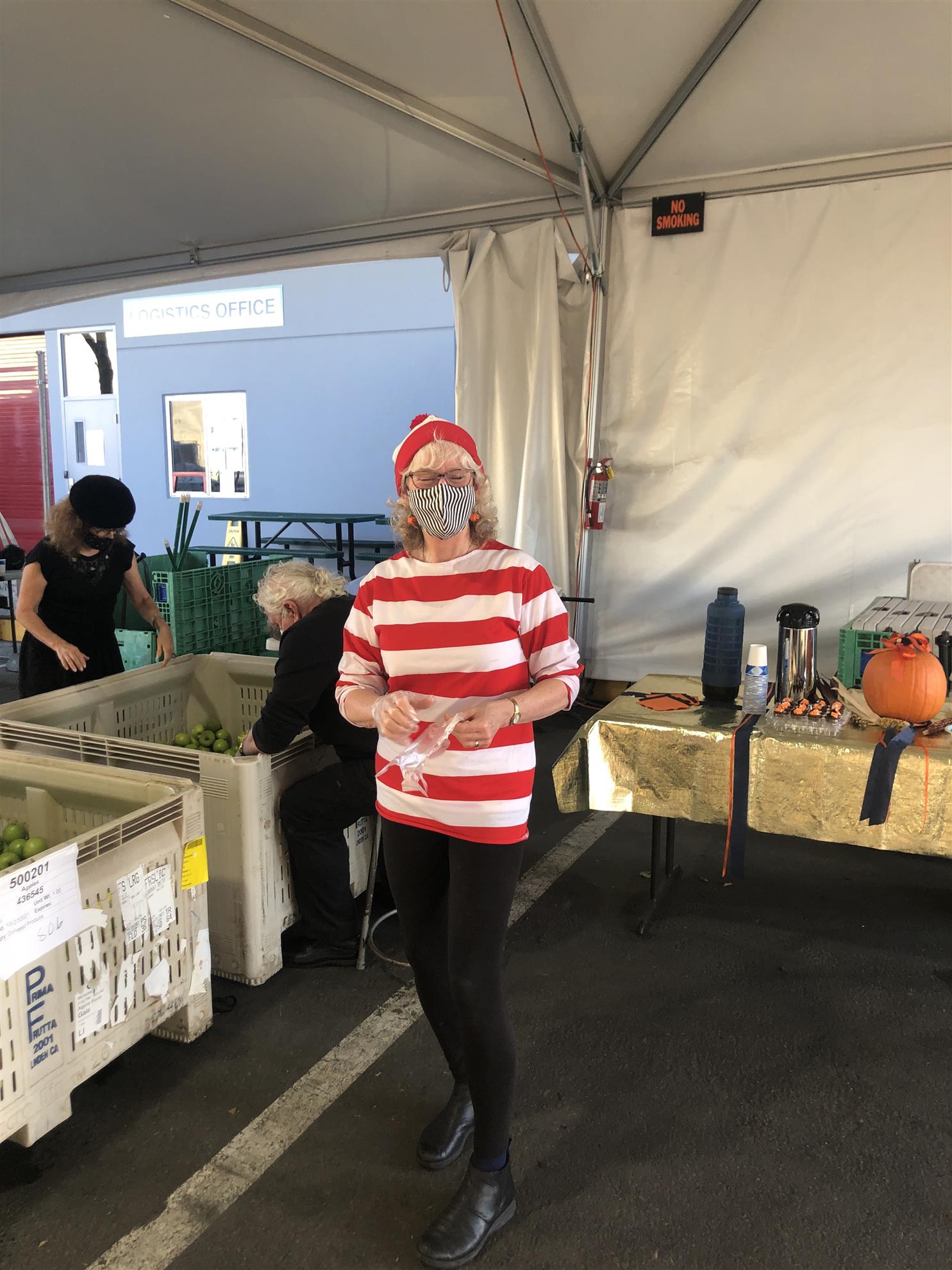
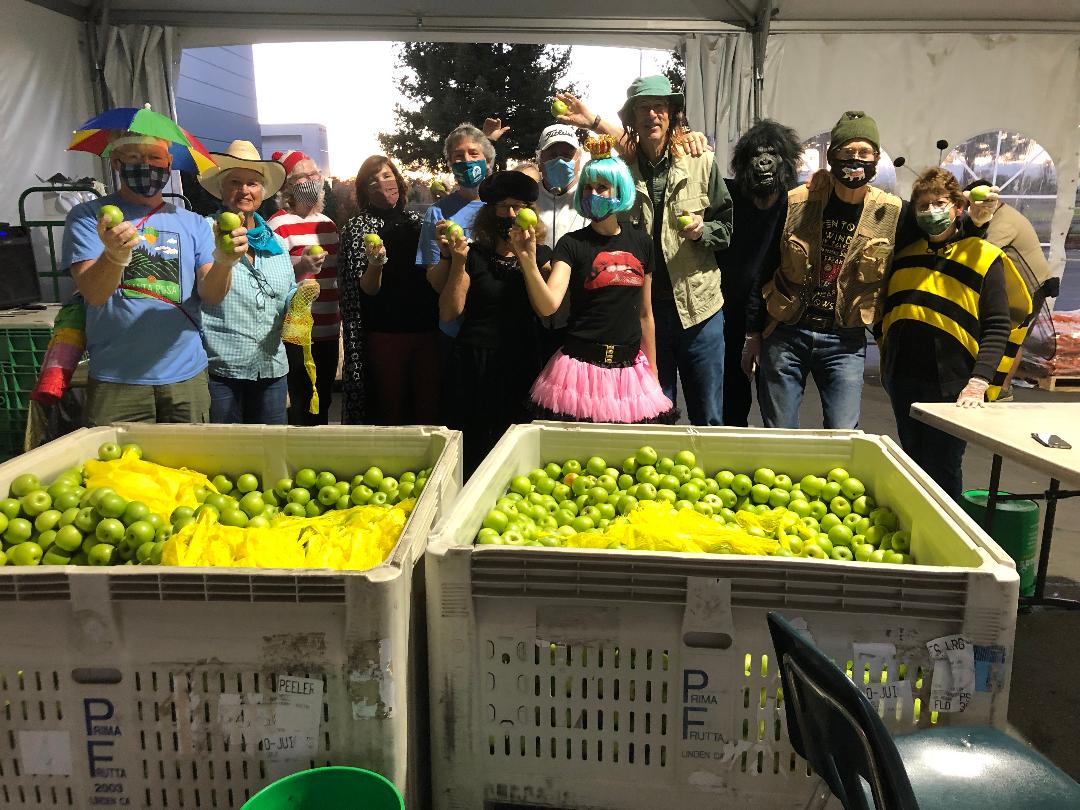
Thursday evening’s Halloween Extravaganza at Redwood Empire proved to be the Rotary social event of the season. An enthusiastic group of costumed Sunrisers and friends partied hearty with cider and cookies while bagging apples and carrots. Partiers included a sultry French artista, a doctor from MASH, a Turkey Texan, a walking piñata, Randy Seelye impersonating his wife Katherine, a bumblebee, caped former member Noel Glab, a fairy princess ballerina in sneakers, a fisherman, a gorilla and assorted members dressed as……….Rotarians. A great time was had by all!
Jennifer proudly models her tutu woo-woo garb while Paul O'Rear can only be ID'd by his rainbow umbrella hat.
We turned out strong last Thursday at Redwood Empire Food Bank!
While Ken "Gorilla" Petro grabs low in the bin for his apples, Betsy Bumble Bee Randolph juggles her 10 count in.
Recognize this tall dude? A good Gilligan look a like, he is no other than Jim Moir.
Lurking on the left is Stacy, Drucker-Andress aka costumes mistress and Penny Waldo Millar, adding apples by the pound.
by the end of the shift, over two tons of apples had been cinched up in 3 pound bags. Nearly 1500 Sonoma County residents will be healthier as these fruit gems are distributed.
Our costume creativity was over the top! Jen will have a hard time selecting the winner. Many thanks to Paul O'Rear for organizing and the following Sunrise supporters for responding; Jennifers Adams and Rogers, Jim Moir, Ken Petro, Rich and Betsy Randolph, Katherine Anderson, Stacy's friend Kevin and Lori Rodrigues. None of us will ever look at an apple in the same way!
I am proud to serve as the President of 100 Black Men of Sonoma County, Inc. We were founded in June 1990, as a member of the national organization of the 100 Black Men of America. The National organization is a global network encompassing 116 affiliated organizations, with a combined membership of more than 10,000.
We are committed to improving the quality of life for African Americans in Sonoma County. Our Chapter includes African American men, who are established leaders in their chosen fields, including business, finance, taxation, a grant writer, education, medicine, law, technology, commerce, marketing, athletic director, coaching, and public affairs. We are committed to using our talents to empower our youth and strengthen our community.
Our success over the past 30 years has been the direct result of the committed men and corporate partners who have invested their time and resources to impact young black males and their families as well as other members in our community.
We seek members who are willing to contribute their time and talents to the organization to make a difference in the community. If you are interested in becoming involved in our organization, we are interested in you. All interested candidates are asked to submit an application, meet with the members of the board, and attend at least one of the chapter's events in order to complete the application process.
100 Black Men of Sonoma County, Inc. PO Box 1756 Rohnert Park, CA 94927
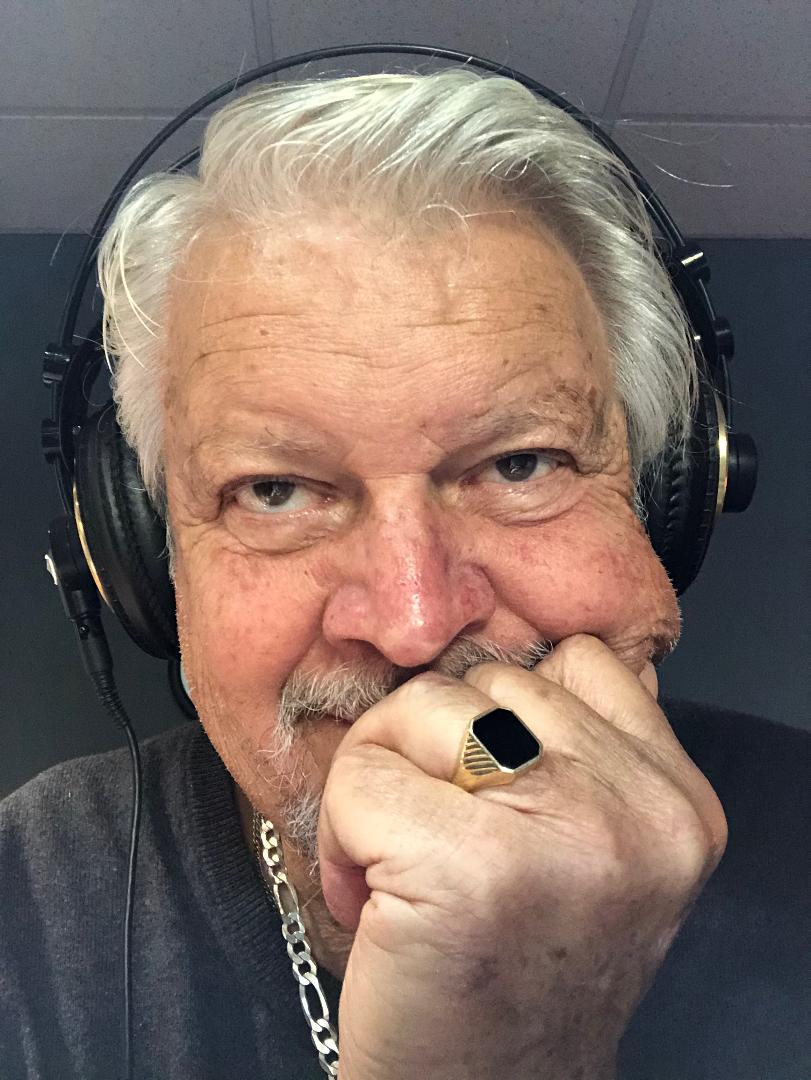
M.J. Girard is currently an on air personality on KOWSfm.com His “Roots of Rock” is broadcast every Sunday morning at 7 AM
Ah, the holidays! Finally, we have arrived at the celebratory season that so many have yearned for with hope in their hearts and prayers on their minds. Pandemic protocols still rule the day and will until the so called “herd immunity” is achieved. It’s nice to enjoy the company of family and friends at this time of year, or anytime for that matter.
This Sundays featured artist is one that has a long list of achievements, as song writer, movie star and producer and of course a singer. Born in Brooklyn, a classmate of Barbera Streisand along with fencing teammate and future Olympic champion Herb Cohen he received his first guitar on his sixteenth birthday, and whilst at summer camp observed Peter Seeger perform as well as listen to the youth in attendance sing songs that they had written. This exposure had a dramatic effect and upon him, and upon returning to Brooklyn began guitar lessons and composing songs. His poetry helped him win the hearts of many girls whom he was attracted to in school.
He struggled as many do at first, living below the poverty level as he attempted to get his songs published. Finally, some of his tunes were recognized and recorded by established artist. “I’m A Believer” “A Little Bit Me, A Little Bit You” and other tunes all recorded by the Monkeys. In 1966 Bang Records signed him up and his first release was “Solitary Man”, followed closely by “Cherry Cherry” and “Kentucky Woman”
Neil Diamond has sold well over 100,000,000 records entitling him to be recognized as one of the most successful artists of all time. He has had ten number one singles, thirty-eight songs reached Billboards Top Ten list as well as the star of the motion picture “Jazz Singer”. Neil has been inducted into the Songwriters Hall of Fame, the Rock and Roll Hall of Fame as well as being honored with the Sammy Cahn Lifetime Achievement Award and in 2018 he was awarded the Grammy Lifetime Achievement Award. In 2019 the Library of Congress selected his signature 1969 release “Sweet Caroline” for preservation in the National Recording Registry for being “culturally, historically or aesthetically significant.”
Join the Rock It Man this Sunday for a celebration of this fabulous performers top tunes alongside songs of the adjacent time frame.
I first discovered the value of service when I saw how a few simple acts can immeasurably change lives. It began when I joined others in my club for a project to bring toilets and clean drinking water to rural villages near our city. It moved forward when we promoted sanitation and provided opportunities for education across the country, thanks to generous gifts from supporters who believed in our projects as much as those of us on the ground did.
There is no better time of the year to be reminded of that generosity than November, which is Rotary Foundation Month.
As the charitable arm of Rotary International, The Rotary Foundation is the engine that powers so many Rotary projects throughout the world. The Foundation transforms your gifts into projects that change lives. It is the Foundation that helps us to get closer to our goal of eradicating polio, to show more people how we promote peace through tangible actions, and to demonstrate the impact our projects have in our areas of focus.
Consider some recent projects that were made possible by the Foundation:
The Rotary clubs of Guatemala La Reforma, Guatemala, and Calgary, Alberta, received an $80,000 global grant to organize a comprehensive plan to train nurses and rural health care workers to prevent and treat cervical cancer and to implement a sustainable system of referrals in seven regions of Guatemala.
More than two dozen hospitals in Honduras received personal protective equipment for their medical staff thanks to a $169,347 global grant sponsored by the Rotary clubs of Villa Real de Tegucigalpa, Honduras, and Waldo Brookside-Kansas City, Missouri.
The Rotary clubs of Cotonou Le Nautile, Benin, and Tournai Haut-Escaut, Belgium, received a $39,390 global grant to provide agricultural training at an ecologically responsible permaculture mini-farm connected to a center for children in Sowé, Benin. This will help a new generation of farmers become economically self-sufficient.
I like comparing The Rotary Foundation to the Taj Mahal, a monument of one man’s love for a woman. The Foundation is a dynamic monument of our love for all of humanity.
This month I am asking all Rotary clubs to bring attention to the Foundation. It is what connects all Rotarians worldwide and transforms our collective passions into projects that change lives. Visit rotary.org/donate; once there, you will have an opportunity to give directly to the program you’re most passionate about.
Thank you for giving your all to Rotary. You are the reason that Rotary is able to do more and grow more. Let’s continue to represent that important legacy this month, this year, and beyond as we Serve to Change Lives.
When people ask me what The Rotary Foundation is, I tell them it’s the heart of Rotary. You may have heard before that Rotary has an intelligent heart. The Foundation combines our emotional response of compassion with pragmatic action. With both heart and brains, you can change the world.
So, what does the Foundation mean to you? November is Rotary Foundation Month, but do you really know our Foundation?
First, it truly is our Foundation. The Rotary Foundation doesn’t belong to me or the other 14 trustees, nor to the RI Board of Directors, nor to the RI president. It belongs to each Rotarian around the world.
And it’s there for all of us to change the world. We save mothers and children because we have compassion, and we know how to plan. We provide clean water and sanitation where they’re needed to those who need them, because we build strategies based on a community’s needs. We combine support for peace, education, and economic stability for at-risk communities with an ability to manage big projects.
Giving to the Foundation is smart, too, because in doing so, you multiply the value of that gift. How many other foundations can you think of that identify the projects, fund them, and run them on the ground themselves? Ours is the only one I know. And we get it all done at such a relatively low administrative cost. This is one reason Charity Navigator consistently gives the Foundation a four-star rating.
I sometimes get asked a question: How much should I be giving to the Foundation? Each year, make a gift of what you can afford to give. For some, that is $100, and for others, more. What’s most important is that you give something, because each generous gift helps us meet the increased demand we’re seeing from members for global grants and our other programs.
This year, we want to raise $50 million for PolioPlus, which will be matched 2-to-1 by the Bill & Melinda Gates Foundation, for a total of $150 million. If every Rotary club contributed just $1,500, we would surpass this goal. We have other goals as well — for the Annual Fund, the Endowment Fund, and outright gifts — adding up to a grand total of $410 million.
We will get there if we set our hearts — and minds — to it. But remember, it’s not about the money; it’s what the money can do.
There’s a saying that goes, “I alone cannot change the world, but I can cast a stone across the waters to create many ripples.”
The Foundation is that stone, so let us turn ripples into great waves with it, using our hearts and our minds.
Rotary’s World Polio Day program looks toward polio eradication’s endgame
by Ryan Hyland
Rotary’s goal of ridding the world of polio is within reach, global health experts said during the 2021 World Polio Day Online Global Update on 24 October. The 30-minute program, “Delivering on our Promise of a Polio-Free World,” provided encouraging information about the progress and remaining challenges in the fight to end polio.
So far in 2021, only two cases of wild polio have been reported — the lowest circulation of the disease ever — with one infection each in Afghanistan and Pakistan, the two countries where polio remains endemic.
During a Q&A session, Dr. Hamid Jafari, director for the World Health Organization’s Eastern Mediterranean Region, attributed the low case count to several factors. He said these include mass polio vaccination campaigns resuming after the interruption caused by the COVID-19 pandemic, the natural immunity induced by the wild polio outbreaks of previous years, and the restrictions on travel and population movement that also were due to the pandemic.
“This is truly unprecedented that we are seeing this decline simultaneously in the two countries,” Jafari said.
He added that the low case count provides a window of opportunity for health workers, but cautioned that a resurgence of the poliovirus is possible since summer is the high polio transmission season. “So this is the time to really press hard in making use of the opportunity that presents itself now,” he told Q&A host Jeffrey Kluger, editor at large for Time magazine.
Jafari also addressed the challenges of political change and security concerns in Afghanistan and explained that the polio program there is used to adapting operationally during uncertainty. “Currently we do see opportunities coming up as well, so that we may have access to all parts of Afghanistan for implementing mass vaccination campaigns,” he said.
According to the WHO and UNICEF, nationwide house-to-house polio vaccinations will resume in Afghanistan in early November, providing access to children in areas where campaigns had been banned for the last three years.
“You know with the evolving situation in Afghanistan, it is of course very, very important that we partners maintain our neutrality and impartiality of the polio eradication program,” Jafari added. “As always, we will continue to work with all parties.”
Mohammad Ishaq Niazmand, chair of Rotary’s Afghanistan PolioPlus Committee, echoed Jafari’s sentiments in a video address with his counterpart for Pakistan, Aziz Memon.
Niazmand said of Afghanistan, “Rotary and our partners are working with all stakeholders to ensure that polio eradication remains a top priority, even in the midst of change. Work is underway to ensure that children have access to lifesaving polio [vaccines] and other childhood vaccines.”
Memon, a Rotary Foundation trustee and chair of the Pakistan PolioPlus Committee, said Rotary continues to build trust with government, community, and religious leaders. “By bringing broader health services to children and families alongside polio vaccinations, we’re ensuring better health care and greater vaccine acceptance,” he said.
Strategies for the future
This year, the Global Polio Eradication Initiative (GPEI) announced a new five-year strategy for 2022-26 to end all polioviruses, including tackling the persistent transmission of circulating vaccine-derived poliovirus. Rotary and our GPEI partners identified the remaining obstacles to polio eradication and developed approaches to reaching the goal. The plan aims to achieve and sustain a polio-free world through a focus on implementation and accountability while using innovative methods and tools.
This is truly unprecedented that we are seeing this decline simultaneously in the two countries.
Dr. Hamid Jafari
Director for WHO’s Eastern Mediterranean Region
The emphasis will be on decreasing the response time to any outbreak, increasing vaccine demand, increasing access to health care and vaccines, transitioning toward government ownership of vaccination programs, and improving decision-making and accountability.
“Some of the most polio-endemic communities are also the ones that suffer from [a] lack of basic health and civic services,” Jafari said. The goal, he said, is a “better alignment and integration with other basic health and civic services in a way that the polio program is seen as a more integrated approach to vaccination.”
He added that in some communities, children are still missed because of gaps in the way vaccination campaigns are conducted or because of vaccine hesitancy. “This new strategy speaks to engaging the communities with new approaches, new strategies, partnering with communities, [and] building new alliances with these communities,” Jafari said.
The World Polio Day program featured global health experts addressing the new strategy’s tactic of broadening distribution of a new vaccine to address outbreaks of cVDPV2, a circulating vaccine-derived poliovirus. This novel oral polio vaccine type 2 (nOPV2) protects children against polio while being more genetically stable and less likely to regain strength and cause the vaccine-derived polio. It has already been introduced in several African countries, including Benin, Chad, Liberia, Niger, Nigeria, Republic of the Congo, and Sierra Leone.
This novel oral polio vaccine “is a powerful example of the polio program’s innovation to overcome the toughest challenges,” said Simona Zipursky, senior adviser to the polio director of WHO. “Partners, scientists, and leaders from around the world made nOPV2 possible. This is the kind of collaboration that will help end polio for good.”
This year’s program included a powerful video of polio health workers in Afghanistan and Pakistan, as well as Rotary members sharing their World Polio Day projects and events to raise awareness for polio eradication.

.png)