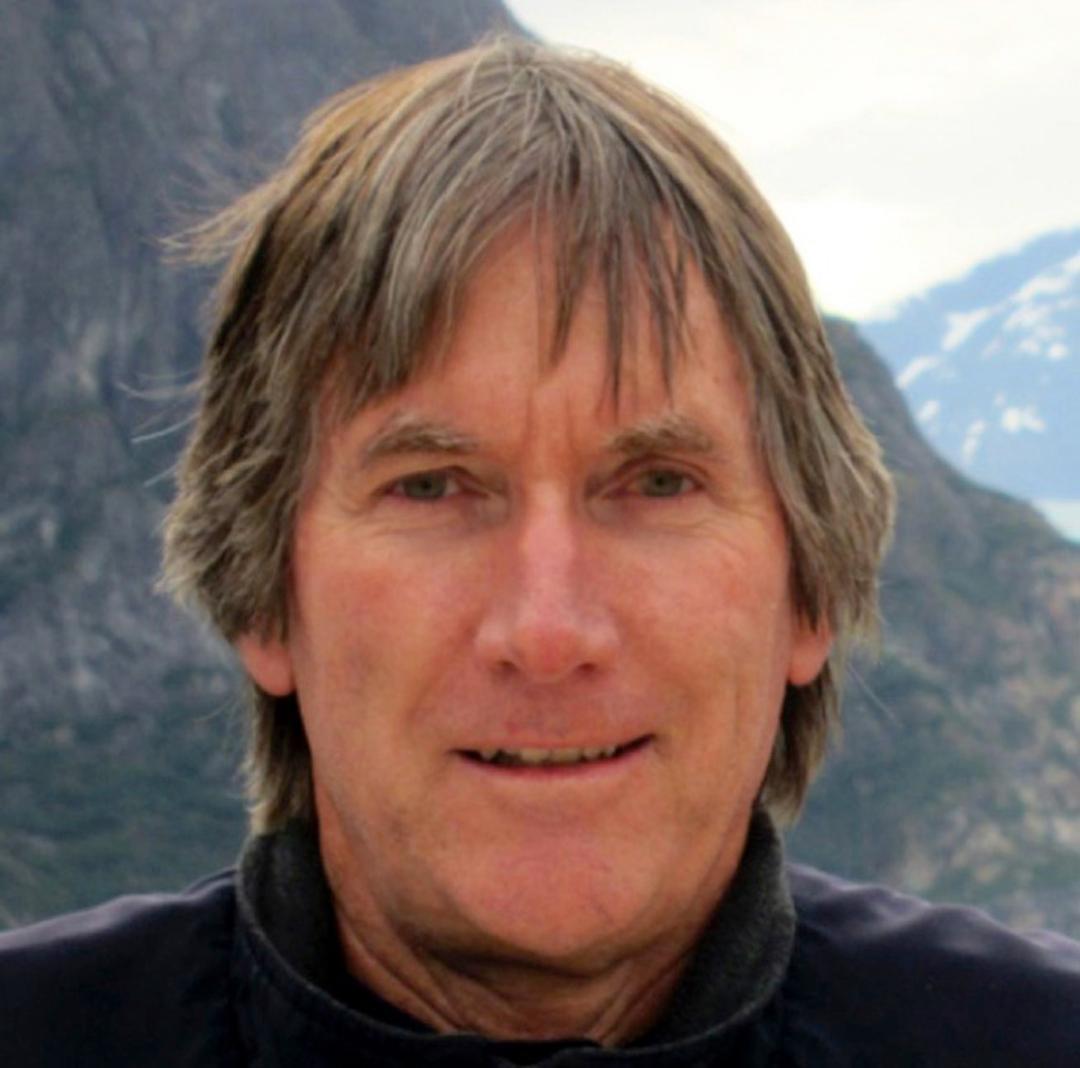
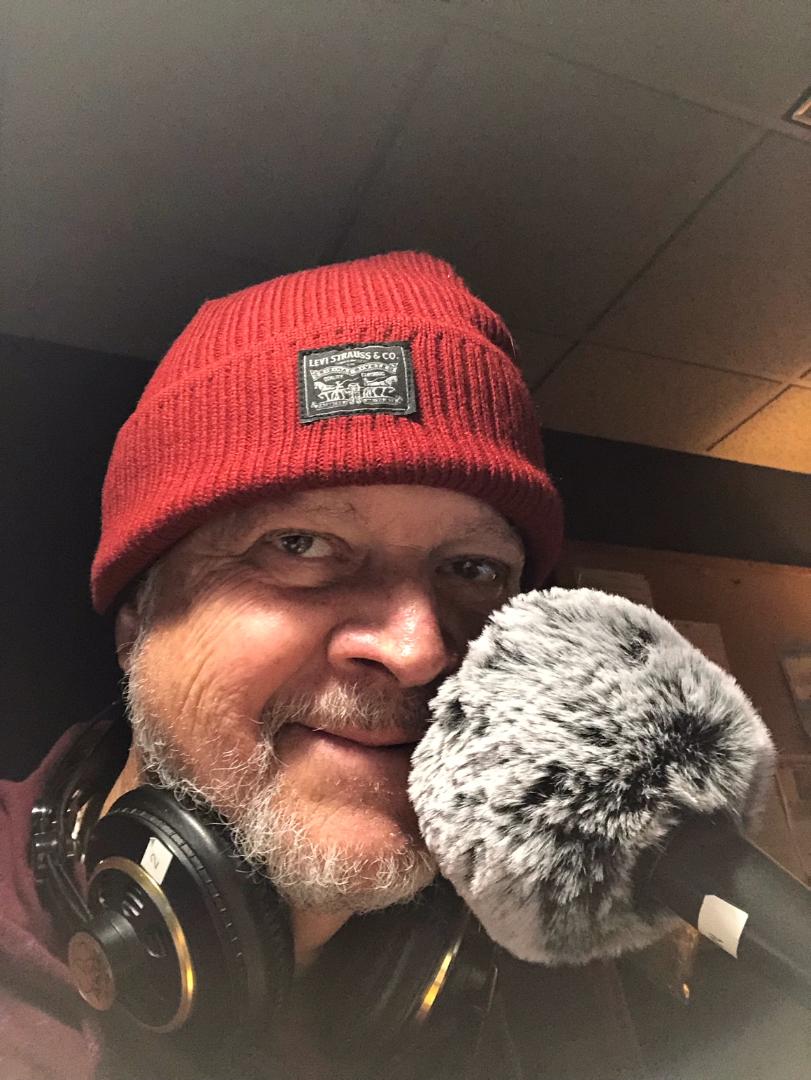
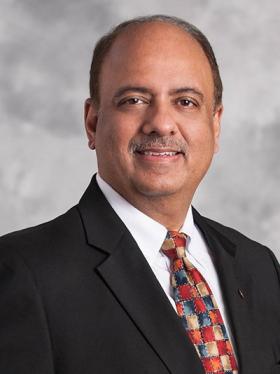
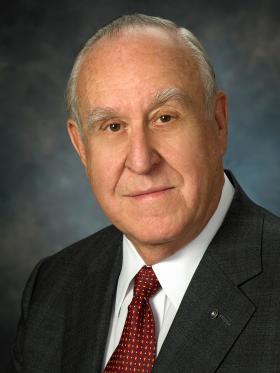
Mike Clancy earned a B.S. in Oceanography from Florida Institute of Technology in 1973 and a M.S. in Meteorology from the University of Miami in 1975. He worked for Science Applications International Corporation in the late '70s and the Naval Research Lab in the early '80s. He joined the U.S. Navy’s Fleet Numerical Meteorology and Oceanography Center (FNMOC) in Monterey in 1983 and was selected as Technical and Scientific Director of FNMOC in 2005. Mr. Clancy authored over 100 publications in meteorology, oceanography and information technology, and received over 50 professional awards, including the Navy’s highest civilian award, prior to his retirement from Federal Service in 2011. He was inducted into the FNMOC Hall of Fame in 2015. Mr. Clancy is a member of the Monterey Chapter of the Citizens’ Climate Lobby (CCL) and a frequent public speaker on Climate Change.
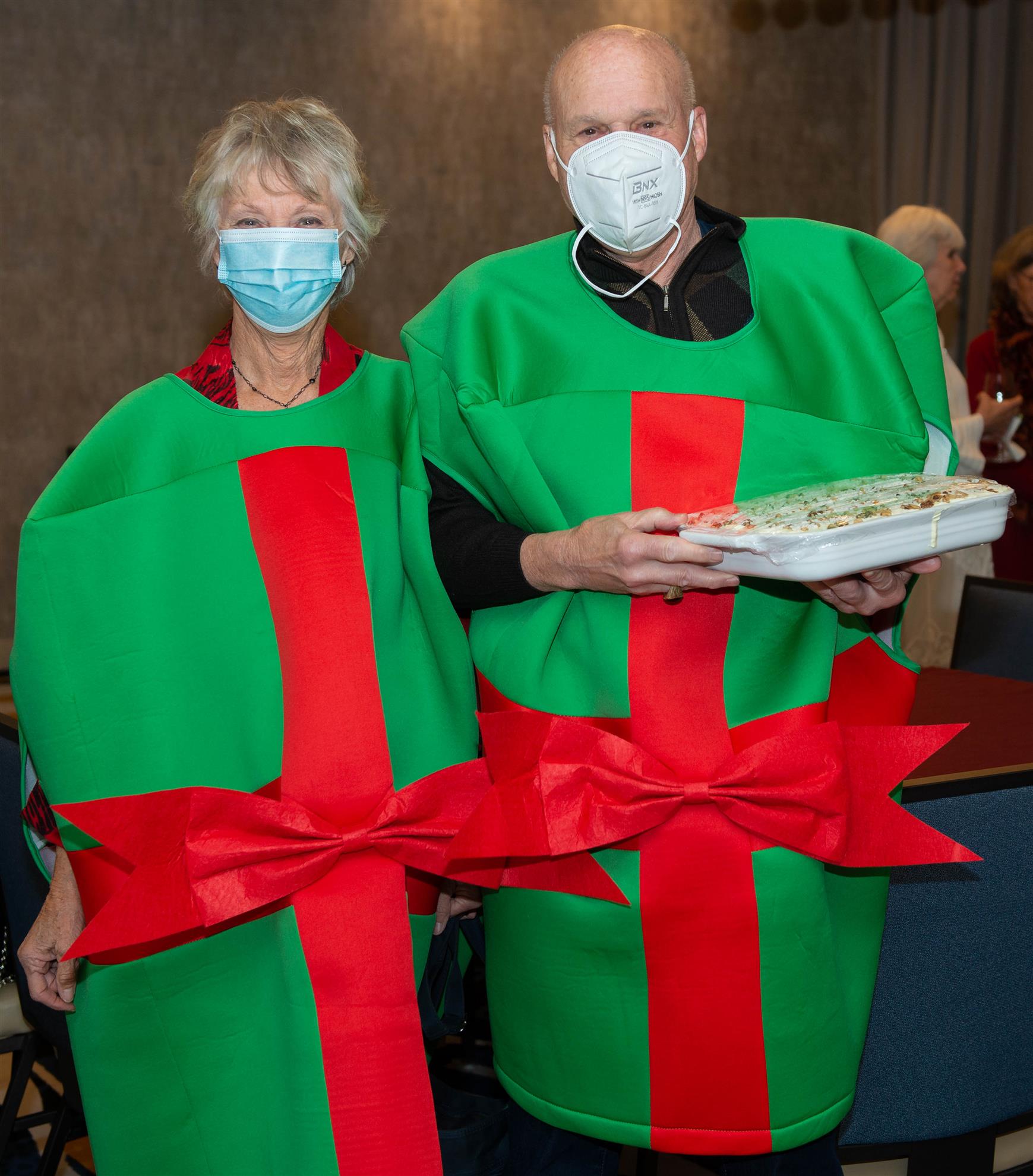
On a regular basis, our resident photo pro Warren Smith, submits pictures of what is going on at the weekly meetings. You can always find the most recent pictures at the websites photo journal called "Meeting Sighting" Please note that all the meeting photos for the entire Rotary year are at this location with the most recent on the last page.
Thanks for all the great pictures Warren!Link to Meeting Sightings. The most recent are on the last page!
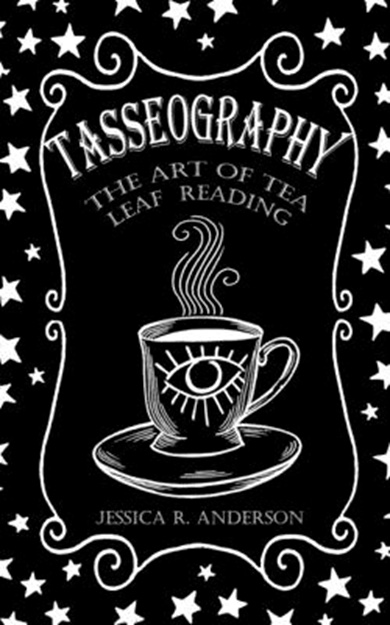
A great way to warm up from our current damp, cold weather, and connect with your spirit guides is through tea leaf reading. The new year is a great time to see what is in store for your future. If this ancient tradition appeals to you, then you are in luck! I am here to outline some methods for a successful tea leaf reading session.
Tea leaf reading is a form of divination. To properly practice tea leaf reading you must interpret patterns of tea leaves left behind in your teacup. The ability to see these symbols clearly is called Tasseography. The practice sounds simple, but it requires intuition, interpretation, and practice to have a clear understanding of the messages. A splash of imagination is also vital.
Start with using a light-colored cup. This will help you see the messages clearly. To read tea leaves, place a pinch of loose-leaf tea into the cup, pour hot water over the leaves (you won’t need to use a strainer).
Sip your tea and allow yourself to become grounded. Be as concise and specific with your question while you ingest your tea. It may help to write it down beforehand or say your question out loud.
Once there is a small amount of liquid remaining, move the cup in a clockwise circle three (3) times with your left hand and turn the cup upside down allowing it to drain. Return the cup upward. Read the leaves, placing the handle to the south.
To interpret the leaves, pay attention to where they fall on the surface of the cup, the symbols that are presented, and the size of the symbols. All these elements play a role in your message. There are classic resources that can assist you with the narrative of your reading. It is important pay close attention to what comes up for you from your own stories and symbolic associations. You may see letters, colors, numbers, animals, or other potent symbols. And as always have fun with it. Take what serves you and throw the rest out in your compost pile!
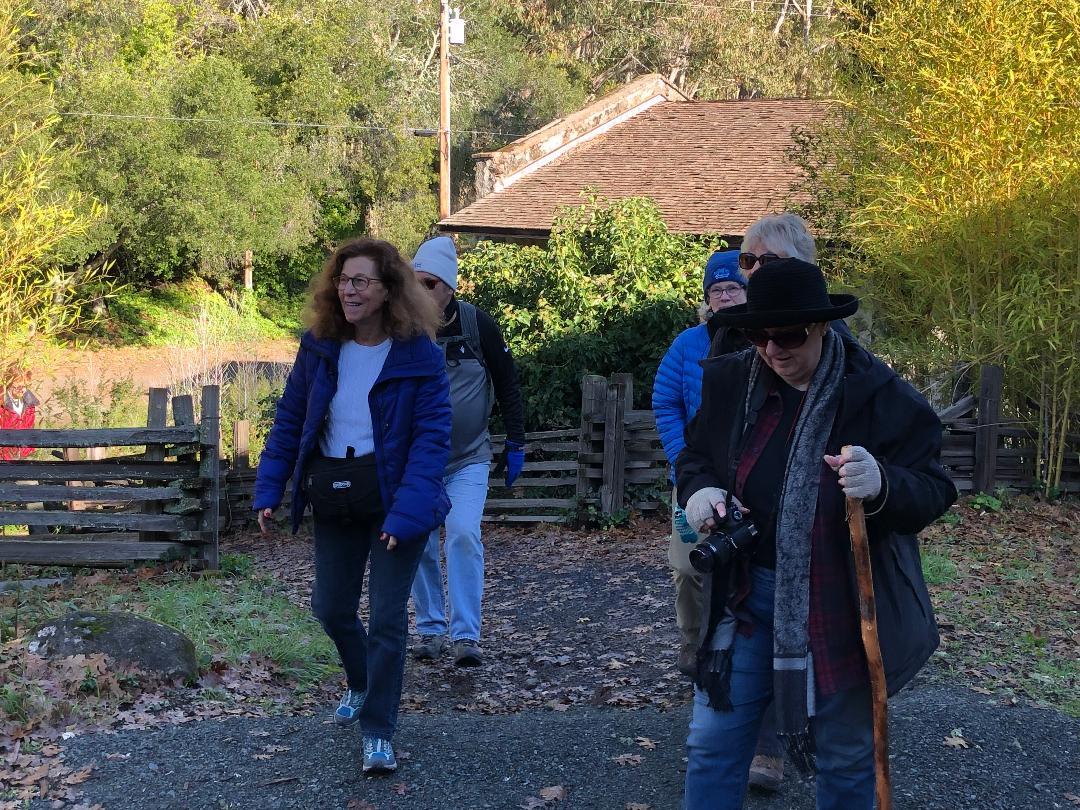
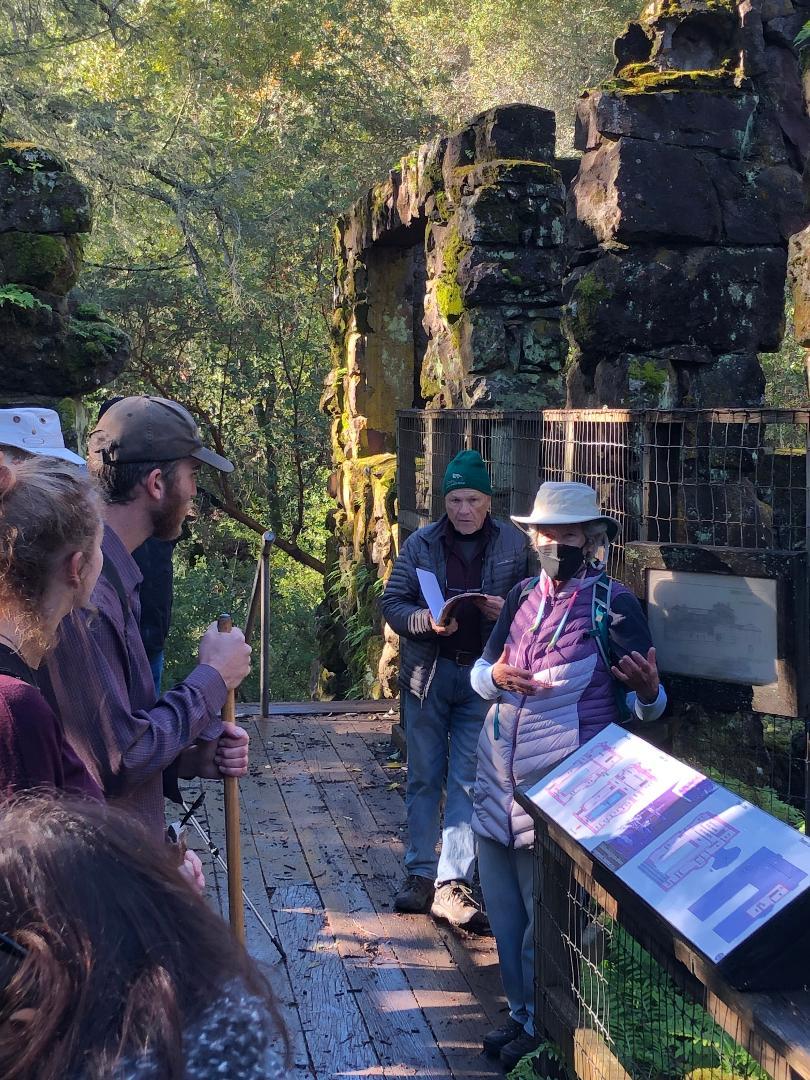
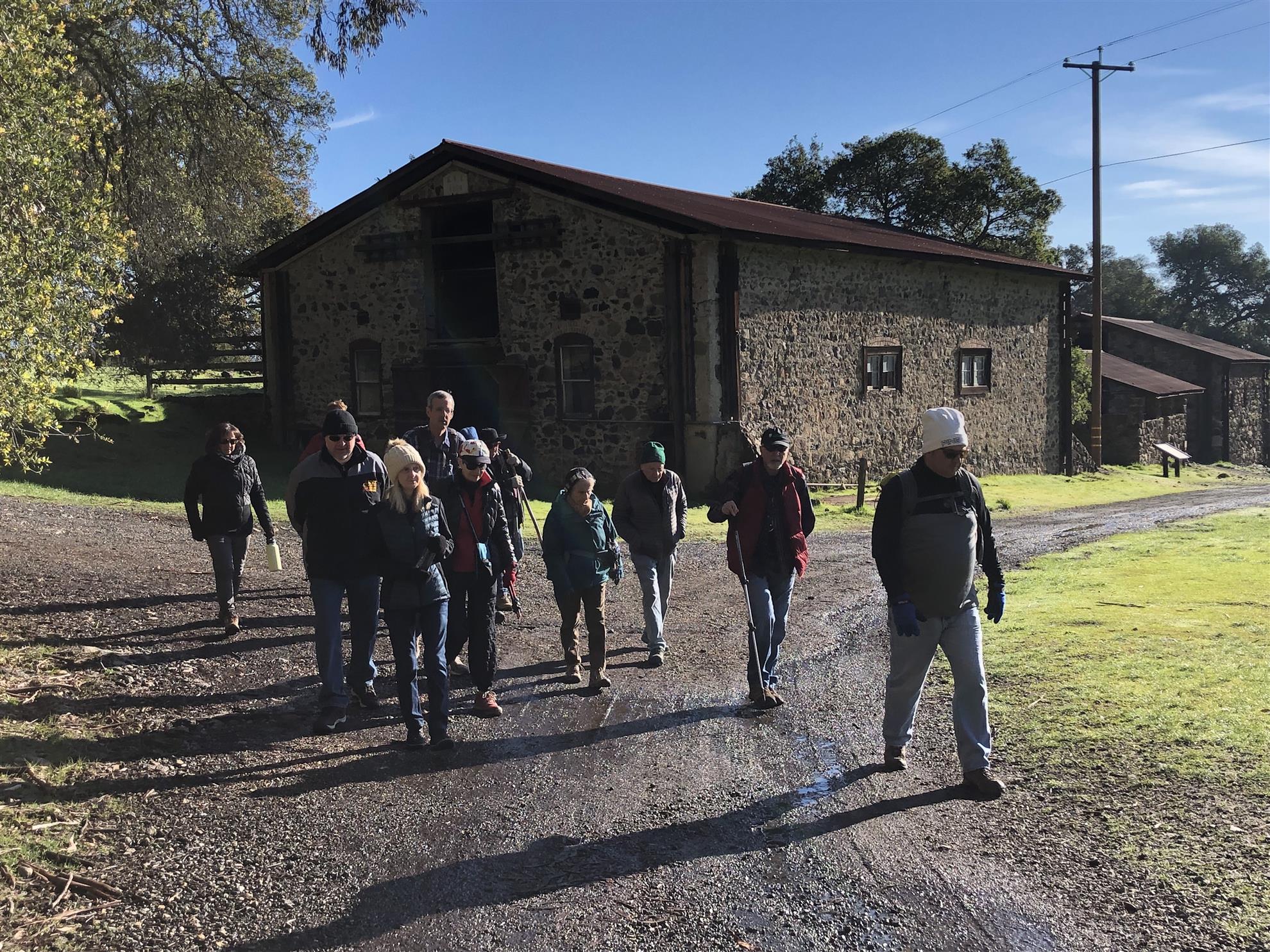
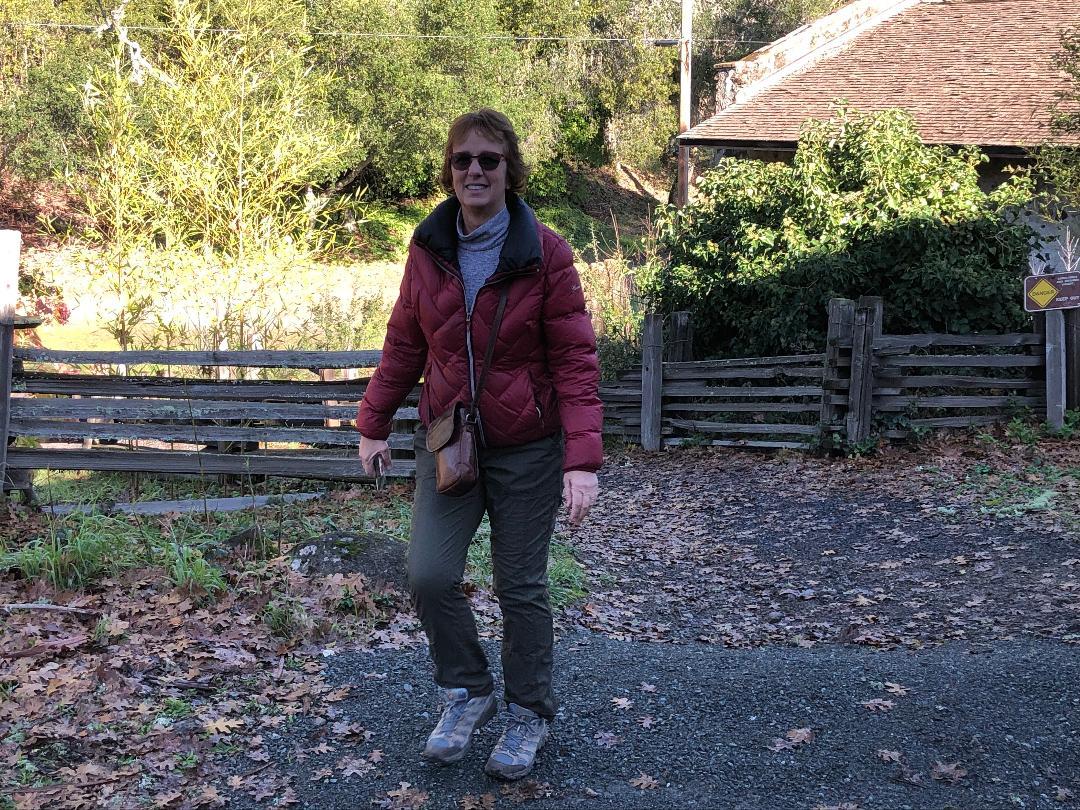
Mid-December found a hearty group of Sunrisers plus assorted spouses, partners and neighbors enjoying a Saturday morning tour around Jack London State Park in Glen Ellen. Though the thermometer was down in the 40’s, the sky was clear and the company stupendous, including MJ Girard and Lynda Ashley, Don and Wendy Floriani, Marty Behr, Jim Moir, Paul O’Rear and Penny Millar, past member Hugh Helm and partner Suzanne, Stacy Drucker-Andress, Shauna Lorenzen, Eloise Tweeten and a friend and neighbor or two.
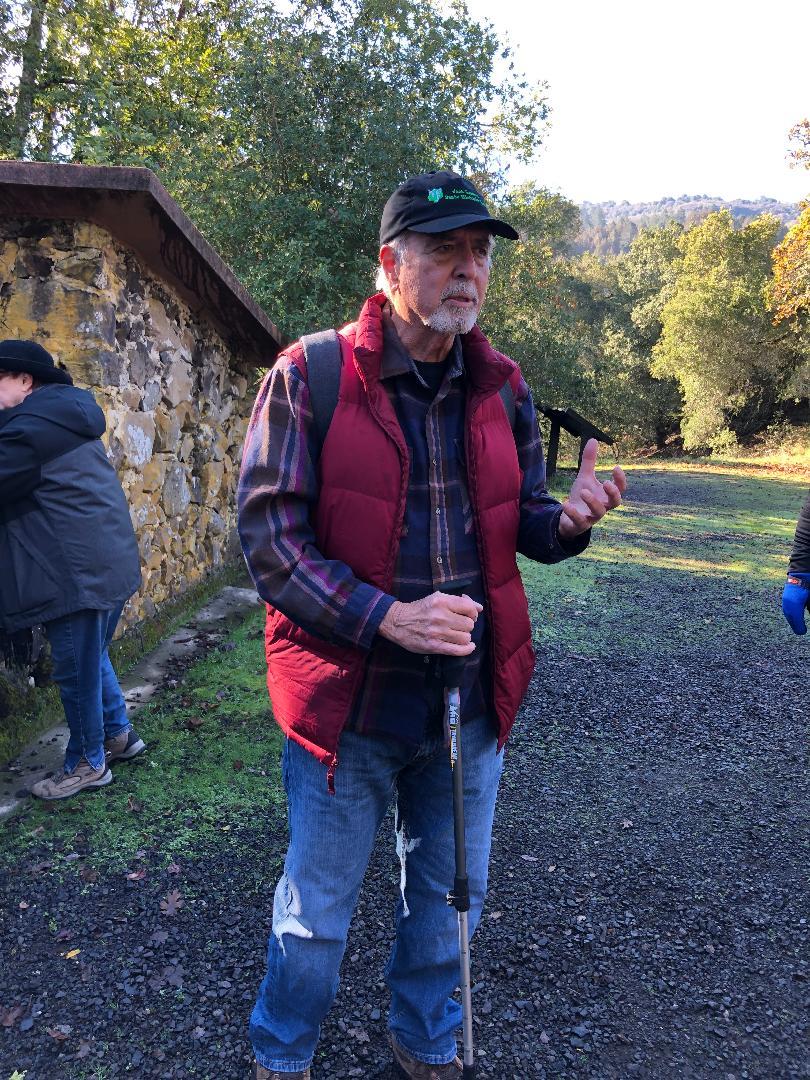
Past President Marty Behr provided a knowledgeable commentary on many facets of author Jack London’s life as the group walked through the property, visiting the author’s cottage, vineyards and cactus garden, the remains of a large work force housing building now used by Transcendence Theater and the innovative Pig Palace.
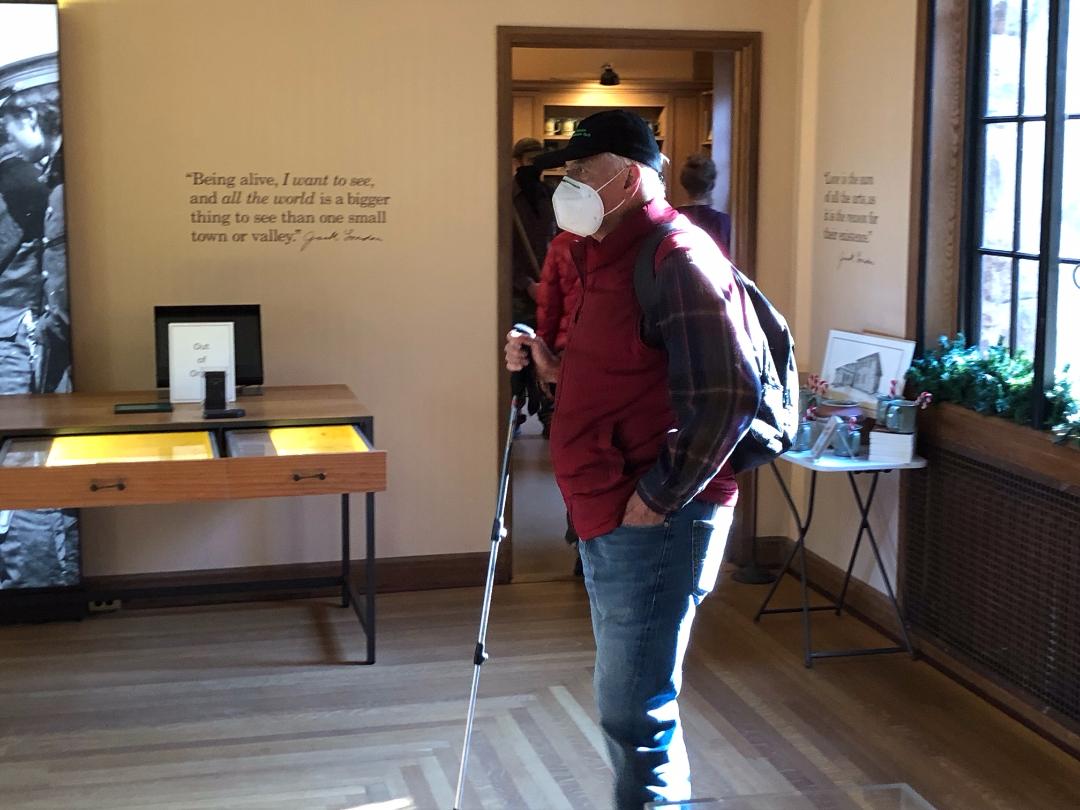
The group then stopped by the excellent biographical museum run by the Park Service and were fortunate enough to be led by docent Cate down to the ruins of the Wolf House, the 35,000 sf forest mansion built by London but which tragically burned to the stone foundations and walls two weeks before completion. It was a wonderful morning of history lore, a lurid tale here and there, a vigorous walk-through beautiful grounds and great fellowship.
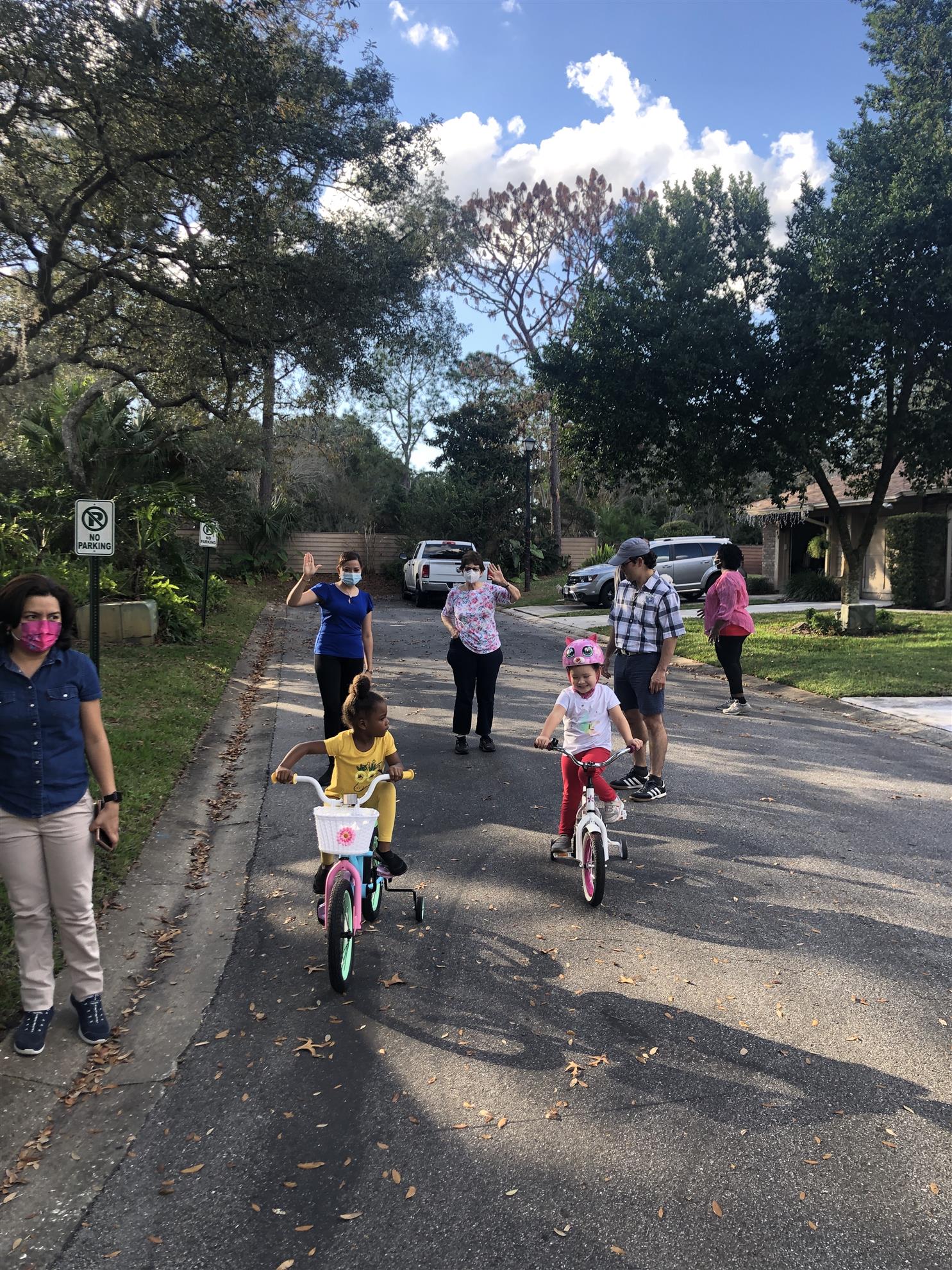
Leading their parents and doting adults, on the left is Amoura Jolie Williams, Viva McKenzie Williams daughter, and on the right, Luciana daughter of Xavier and Ana Lucia. The young cyclists led us seniors on a New Year's Day stretch. Viva and husband Kendall relocated in Orlando and Xavier and family are now in the Tampa area.
Amoura and Luciana are two weeks apart. A birthday party is in the planning stage. Florida has many wonderful outdoor attractions. The weather on New Years Day was spring-like, in the high 70's. The next day the beach hosted our fun in the sun.
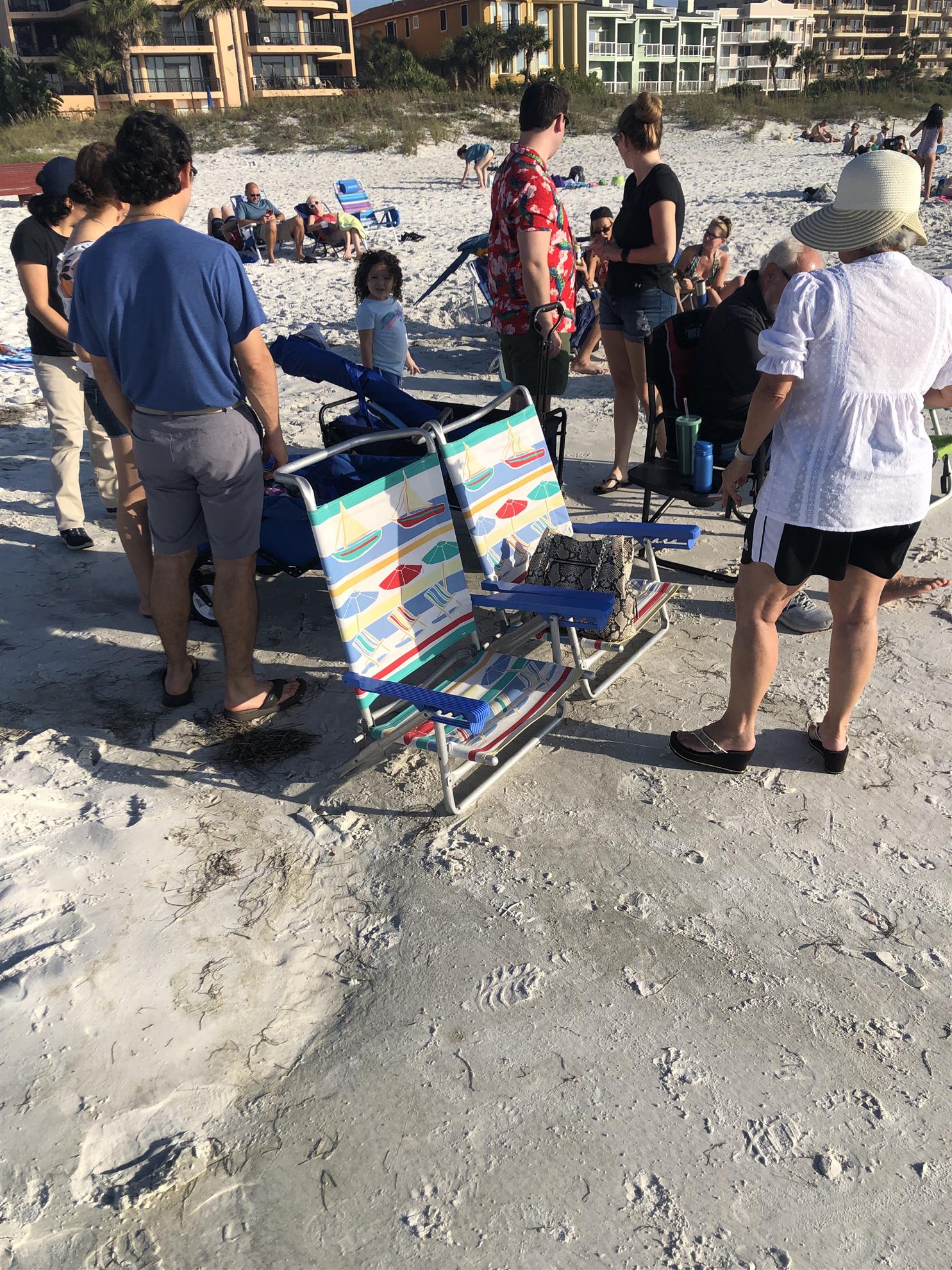
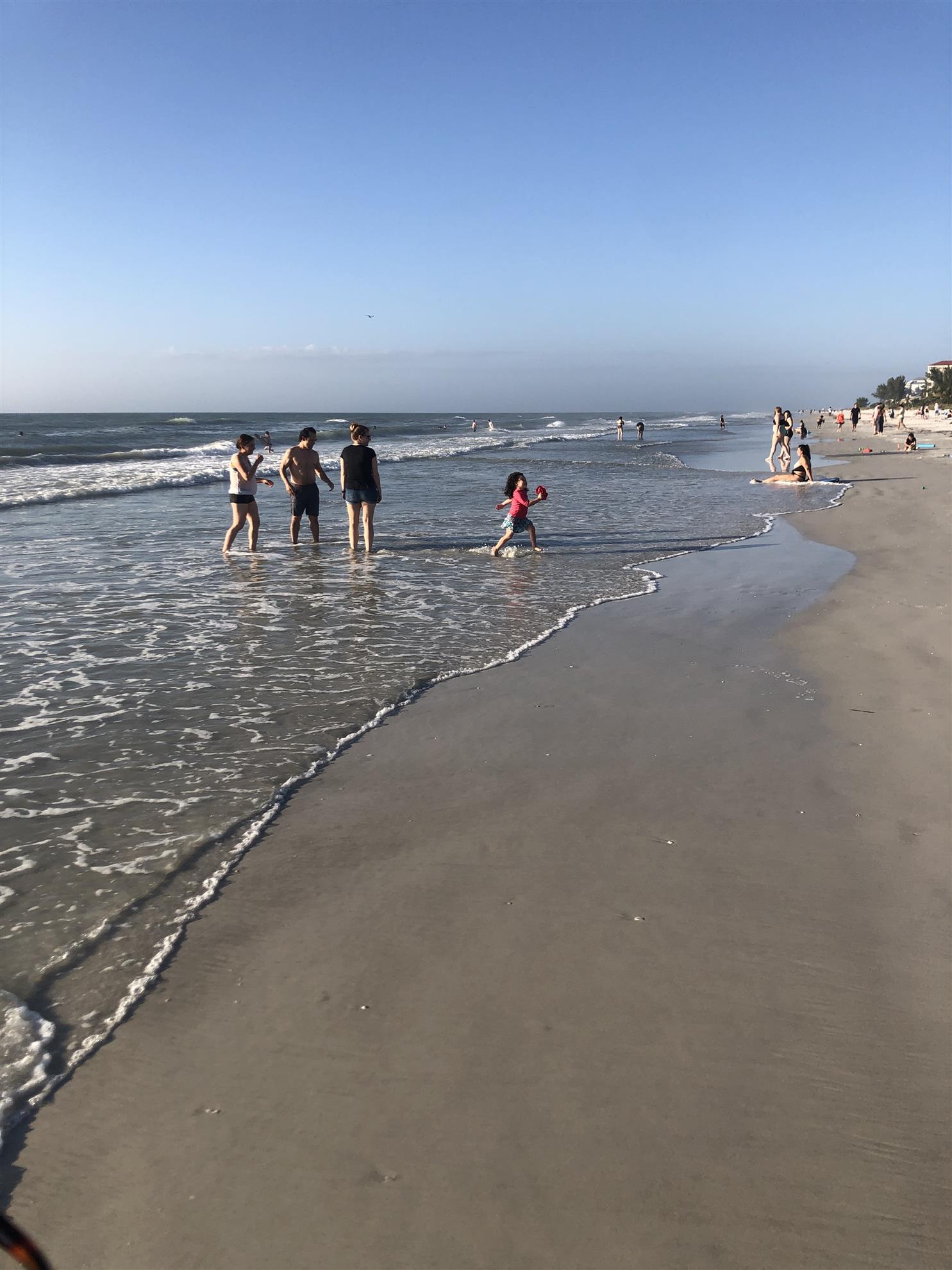
Xavier toted chairs and towels for the group and towels onto Indian Rock Beach. The water was in the 70F range and Luciana loved the gentle waves.
Friendships are formed and strengthened over distances as past experience meets new ones. When was the last time you got in touch with a distant friend?
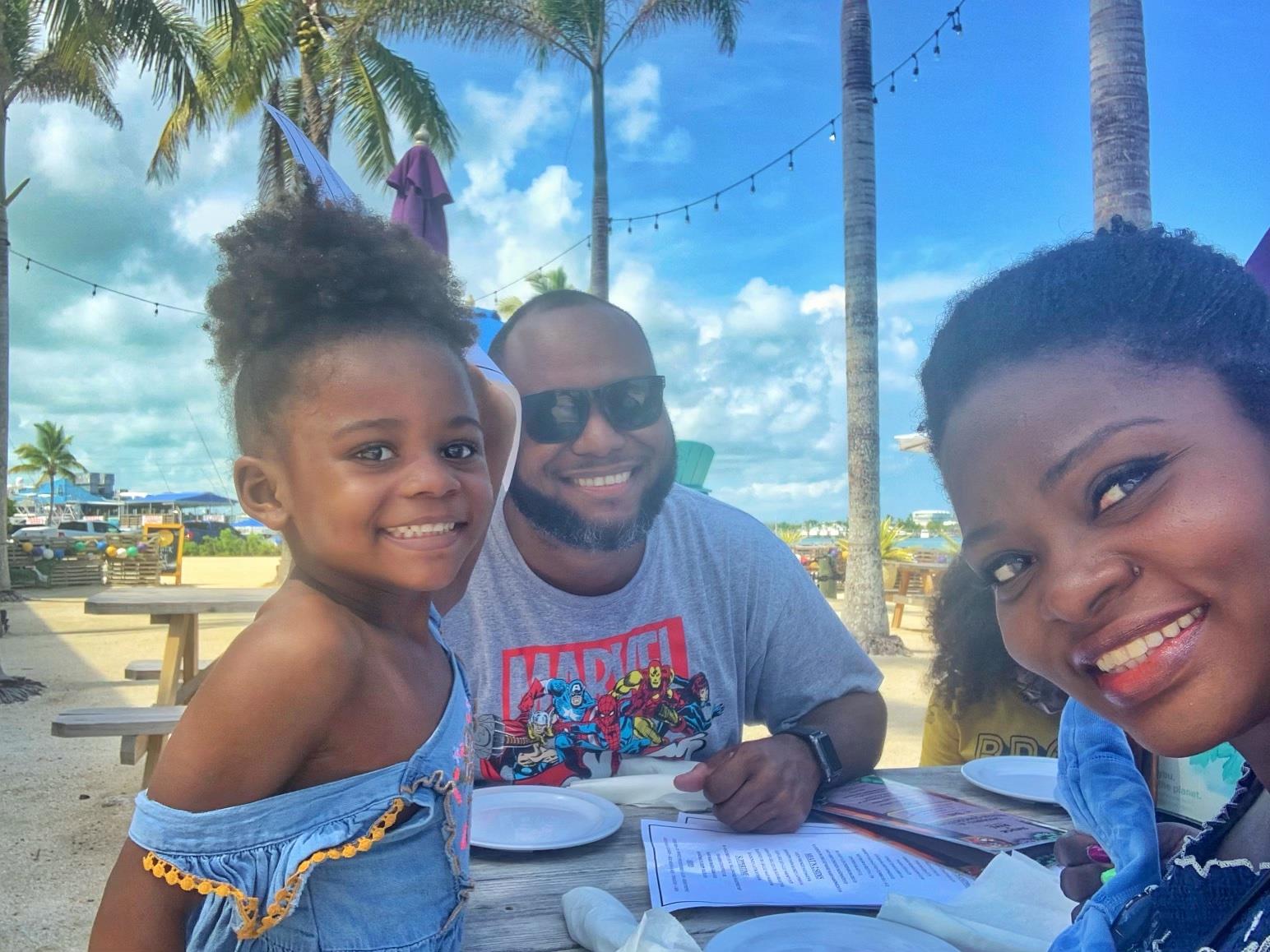
Amoura, Kendall and Viva enjoyed a get-a-way in the Keys. Near their home neighbors include deer, bear, 'gators and an occasional snake!
Contact Rich Randolph for how to get in touch with all these friends of Sunrise.
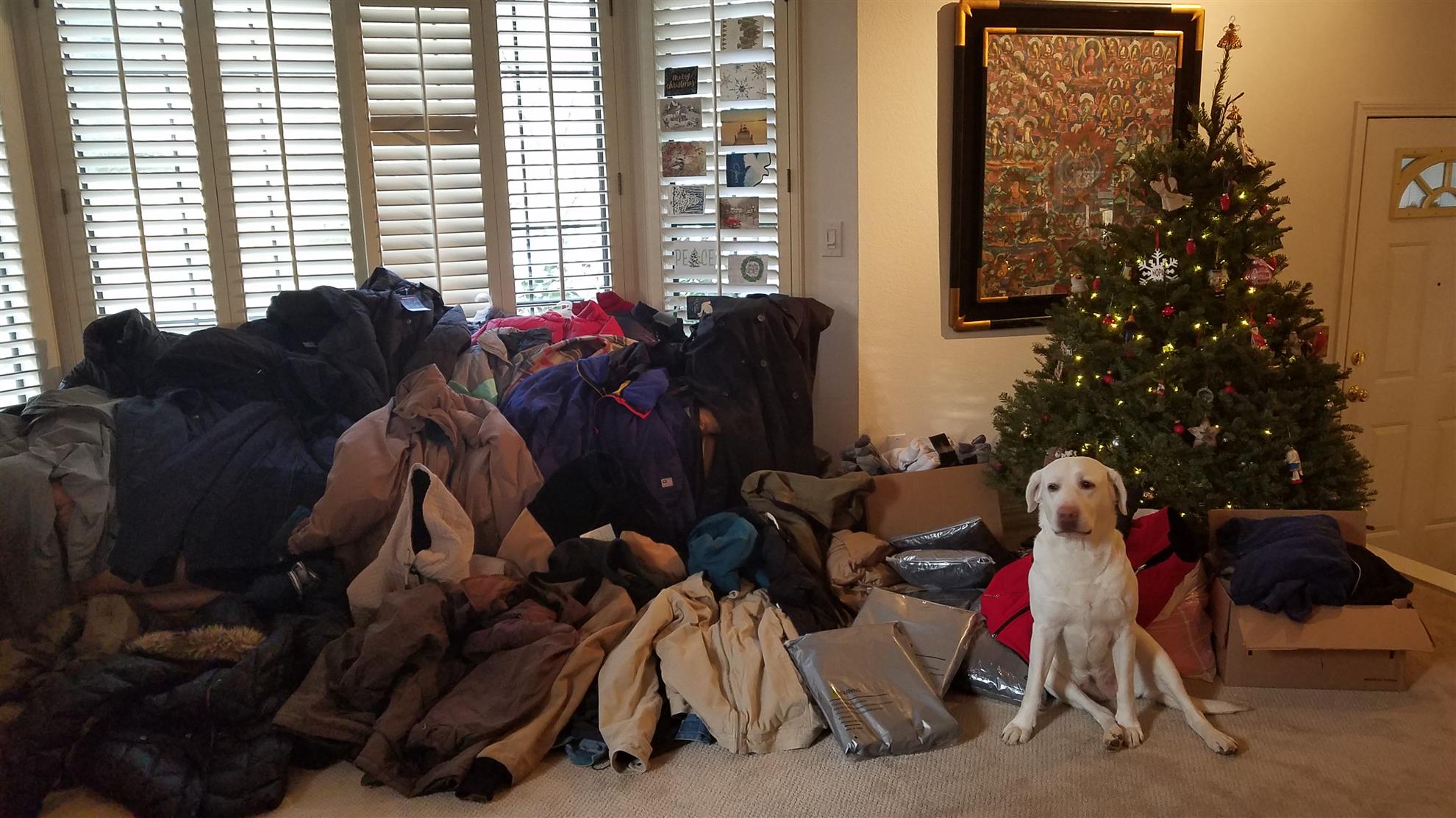
Our Mike Kelly Warm Clothing Drive is very successful!!!! Donations continue, and I started distribution on Christmas Day. The recipients of dry socks, waterproof coats, and warm clothing are very appreciative. Distribution on Saturday mornings at the Glaser Center along with a sack lunch will continue for the next couple of months. So, you are not too late to still contribute.
Tim Miller at West County Services will also be receiving a large donation from us!!!
Attached is a picture of some of the lute. What doesn't show is my car loaded down with even more items.
Thank you from the bottom of my heart. It is amazing what each of us can do when we join together to help others in need.
M.J. Girard is currently an on air personality on KOWSfm.com His “Roots of Rock” is broadcast every Sunday morning at 7 AM
Happy New Year! Let us hope that we will find this fresh 365 “mo betta” than the ones left behind!
Let us begin our musical journey with what has been considered “year one” of the Rock ‘n Roll epic, 1955. Although raw in comparison to the highly polished sounds that ultimately became “Rock” and its subsequent offerings, this foundation was a culmination of all of the sounds produced previously, emanating from Gospel, Rhythm and Blues, Country Western and Jazz. Written by the lyricist and underscored by the melody, interpreted by the artist and the recording producer, musical offerings have been our main stay of entertainment throughout the decades.
Music is an evolutionary medium, when you consider the humble beginnings of human beings and the need to convey the thoughts and feelings that are at our very core. The troubadours that journeyed from town to village to hamlets across the ancient world, sharing news and words of hope and sorrow to the peoples near and far. We speak to be understood, adding musical undertones reinforces those thoughts, making them more memorable. Think back to the first recordings that will still to this day elicit emotions and take you back to when those feelings first came to be.
The “Fifties” were a lifetime ago for many of us. Many of the tunes from that era were presented as “Oldies but Goodies” on the radio broadcast that we listened to. Yet these tunes still bring a smile or two whenever heard as they are in fact now considered “Classic”! The list of early “Rockers” may surprise you. Cash, Rich, Lewis, Luman, Jackson, all of whom gravitated to C&W after a run at the “Rockabilly” style. The prominent artist, who continued on to fame in the “R&R” genre were, Presley, Orbison, Nelson, Richard, Berry, Domino, Haley, Everly, Cooke…mentioning just the few who were inducted into the first wave of the “Rock and Roll” Hall of Fame.
The first two broadcast sessions of the new year will concentrate on the first five years of the Roots of Rock. Request are available at mj@mcn.org or Girard.org
Thanks for tuning in…Let’s have a “Rockin Good Time” in 2022!
One of Rotary’s founding principles was to use your vocation — whether as a doctor, lawyer, engineer, or another profession — to do good in the world. As we attempt to overcome and recover from the pandemic, this principle is vital in retraining people who have lost their jobs. In response, the Rotary E-Club of Tamar Hong Kong organized seminars for young people, with the aim of preparing them for the changing world of work.
This type of training must happen on a large scale. According to the United Nations, global unemployment is expected to exceed 200 million people in 2022. Women and youths are likely to be disproportionately affected.
This is why I’ve placed such a strong emphasis this year on projects that empower girls, and I’ve been delighted to see some of these projects in action. Of course, access to education and the path to employment can be blocked by a lack of water and sanitation infrastructure.
A project in Pune, India, focuses on providing girls and women with an affordable, reusable sanitary pad. The project provides employment for production and distribution of the pads, and it will reduce the pollution caused by the disposal of 12.3 billion sanitary napkins in the country annually, many of which end up in India’s landfills.
Others have used vocational service to advance the empowerment of women. The Rotary Club of Poona, India, conducted workshops to teach martial arts to young women, for self-defense against the threat of abuse or human trafficking.
I’ve also been fortunate to use my vocation to do good through Rotary. The Indian Ocean tsunami in 2004 devastated the Andaman and Nicobar Islands, which are part of my district. Thousands of homes were destroyed, and many areas lost electricity and running water. On my visit to Little Andaman Island, the builder in me immediately wanted to build homes for the homeless islanders there. We decided to construct 500 homes on Little Andaman.
On the last of my seven trips to the island, I could see something glimmering below as my helicopter was about to land. I realized that what I was seeing were the roofs of new homes. I was overjoyed by the sight, and soon a realization dawned upon me. As a builder I had built many beautiful buildings. In comparison, these 500 homes were the most ordinary buildings I had ever built, and they were in a place I likely will never visit again, for people I will never meet again. And yet the satisfaction I had in handing over these houses was greater than from anything I had previously built. Probably because for once I was using my vocation to Serve to Change Lives.
You, too, may have had opportunities to use your vocation to Serve to Change Lives. I welcome your stories of performing vocational service through Rotary. Also, I want to close by congratulating every club that has engaged with the Each One, Bring One initiative, which asks every member to introduce one person to Rotary. Increasing our membership gives people from all walks of life the opportunity to share their knowledge and skills in transformational service.
We all came into Rotary because we wanted to join with others in service and make a difference. Similarly, when Rotary teams up with like-minded organizations to work toward our shared goals, there is nothing that we can’t accomplish. Partnerships amplify our impact.
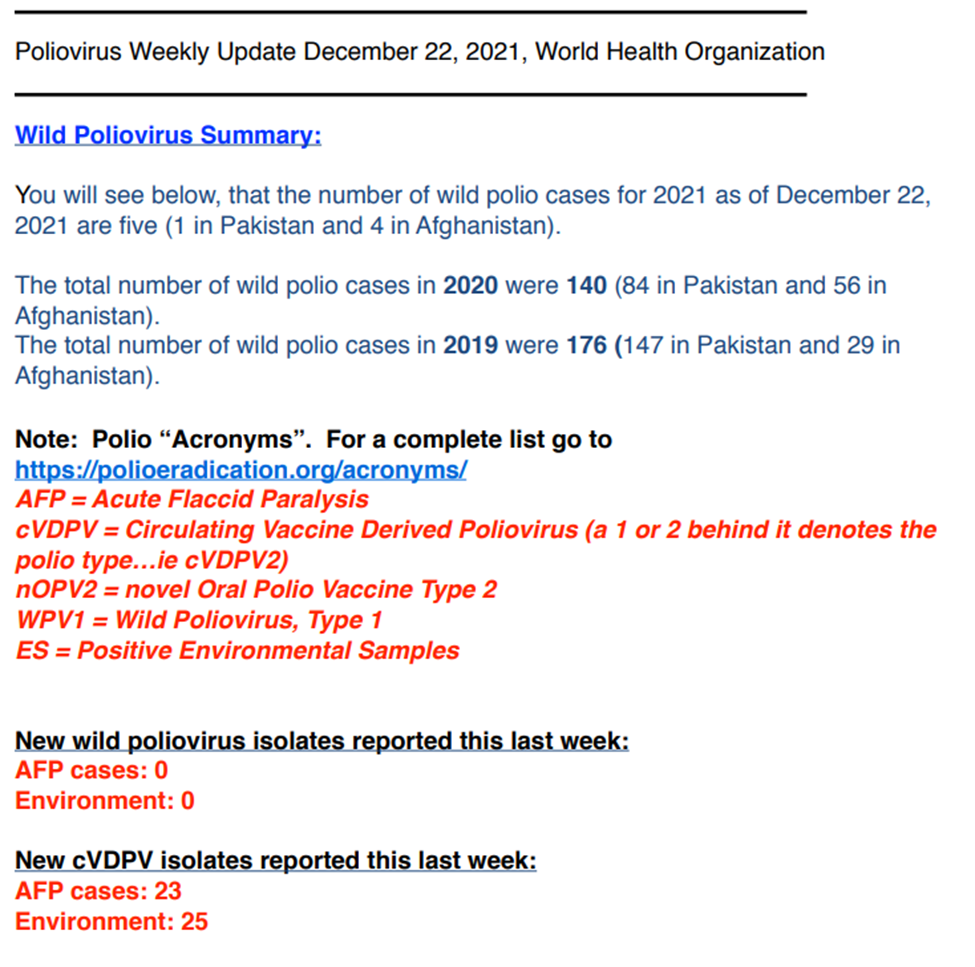
Leading through partnerships is nothing new for Rotary: We helped spearhead the formation of the Global Polio Eradication Initiative. Later, when the Bill & Melinda Gates Foundation joined the cause, we gained a long-term fundraising and technical partner in the fight against polio. Through our partnership and the 2-to-1 fundraising match agreement with the Gates Foundation, Rotary generates $150 million annually to end polio. We are proud that they are a part of the effort to end this disease.
Many people may not know that our work with the Gates Foundation and our other partners doesn’t end with polio but includes other disease-prevention efforts. The Rotary Foundation has joined with the Gates Foundation and World Vision U.S. to co-fund a Rotary member-led program to help eliminate malaria in Zambia. Based on past partnership and future collaboration around this effort, each co-funder is contributing $2 million for the Partners for a Malaria-Free Zambia program, the first recipient of The Rotary Foundation’s Programs of Scale grant.
This level of impact can also be seen in collaborations across our other areas of focus. Rotary partners with the United States Agency for International Development (USAID) on major initiatives at a national scale. The Rotary-USAID WASH partnership has helped communities and governments in countries such as Uganda and Ghana provide safe water, sanitation, and hygiene, impacting hundreds of thousands of lives. We are also teaming up with USAID to help fight COVID-19 and its long-term financial and social impact in Italy. Meanwhile, the Hearts of Europe program, which is funded jointly by USAID and Rotary, assists communities in Eastern Europe through global grants.
Proving our value as a trusted partner often spurs multiple mutual projects. Through the Power of Nutrition initiative, we are partnering with our polio eradication partner UNICEF and the Eleanor Crook Foundation to tackle undernutrition during early childhood.
The Rotary Foundation is far too great to keep to ourselves. Let’s make sure to let the Foundation’s light shine bright. In doing so, we will find new partners, gain new supporters, and increase the good we’re all doing in the world.
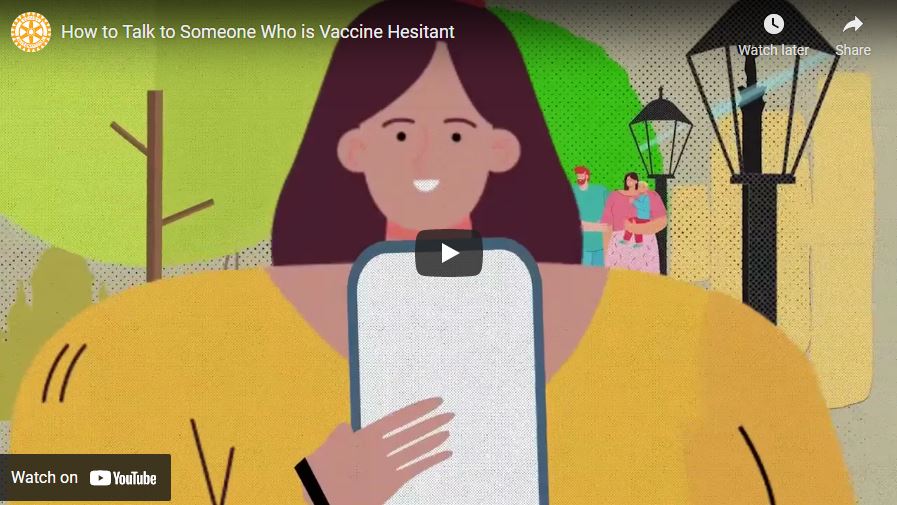
As COVID-19 vaccinations are administered around the globe, you’ve probably seen your social media feeds fill up with joyful vaccine selfies and excited appointment updates. Chances are, you also have someone in your life who’s skeptical. Most of us do — and that has public health officials concerned.
Vaccine hesitancy is often fuel for heated public debate, but conversations about vaccines don’t have to be contentious. In fact, being willing to have them is one of the most impactful ways we can influence global health. As with many emotionally-charged topics, knowing how to start the conversation can be the hardest part. These tips may help you open up a dialogue and get your loved ones thinking differently about being vaccinated.
Find shared values. We all want similar things — healthy families, thriving communities, and a sense of control over our health. Demonizing vaccine-hesitant individuals only creates further division and exacerbates an “us vs. them” mentality. Try explaining why you choose vaccinations. Is it to protect the most vulnerable members of your community? To shield your children from preventable disease? Relatable motivations like these can help forge a human connection and get to the emotional heart of the issue.
Seek to understand. Just as there are many reasons to be vaccinated, there are many reasons a person might feel dubious. A prevalent one is misinformation, which is more contagious than ever in our digital age. Others are more complicated and riddled with an ugly history. Marginalized communities have spent centuries being mistreated by the medical establishment. Expecting these communities to immediately trust the same institution to have their best interest at heart is unfair and dismissive of historic trauma.
Know your “C’s.” The World Health Organization (WHO) has outlined three “C’s” that contribute to vaccinate hesitancy: complacency, convenience, and confidence. We could also add a fourth: culture. Rates of vaccine hesitancy, as well as contributing factors, vary widely based on a person’s location, background, and community. Being cognizant of these differences can prevent us from making incorrect assumptions. If someone is skipping recommended vaccines due to religious beliefs, opening a conversation with safety statistics may not be helpful or relevant to them.
Lead with facts. Mythbusting can be tempting, but did you know that repeating misinformation can actually give it more weight? Instead of focusing on why that meme or blog post is incorrect, stick to simple statements of fact. For example: “large-scale scientific studies find no link between the HPV vaccine and auto-immune symptoms.”
Be the voice of the majority. Social norms are an incredibly powerful force, but the key is to keep it positive. If you try to convince someone that not enough people are receiving vaccines, they may feel that their hesitancy has been validated by others. A more effective approach is to focus on how many people are choosing to vaccinate and why. Remind them that large-scale inoculation is a group effort and we want them on the team.
Identify the problem and the solution. If you’ve ever stood at the edge of a diving board, unable to move, you know that fear can be paralyzing. Fear of severe illness can have similar effects. When we talk about vaccine-preventable disease, simply scaring someone is likely to backfire. Instead, it’s important to acknowledge two facts simultaneously: these diseases are serious and being vaccinated is a simple and effective countermeasure. Help put power back into their hands by identifying an action they can take — being vaccinated!
Vaccines bring us closer to a world where everyone thrives, but it’s a team effort. By having conversations, you can bring your friends and family along on our global health journey.
Rotary Club of Santa Rosa Sunrise - Founded June 30, 1986


.png)



.png)