banner
Bulletin Editor
Max Childs
Sponsors
Interested in being a sponsor?
Download the website sponsorship guide
Meeting Responsibilities
Presiding At Meeting
Adams, Jennifer
 
Pledge Leader
Amend, Steve
 
Thought of the Day
Girard, MJ
 
Sunshine Committee
Randolph, Rich
 
Web Site Editor
Lorenzen, Dave
 
Bulletin Editor
Childs, Max
 
Bulletin Notes
Randolph, Rich
 
Bulletin Notes
Shureen, Doug
 
Bulletin Notes
Tamanaha, Dicksie
 
Photographer
Smith, Warren
 
Speakers
Jul 08, 2021
West County Community Services
Jul 15, 2021
Official District Governor Visit
View entire list
Upcoming Events
Club Board Meeting (with DG Dustin)
Landmark Vineyards
Jul 14, 2021
6:00 PM – 7:30 PM
 
Redwood Empire Food Bank - Evening at Warehouse
Redwood Empire Food Bank
Jul 15, 2021
5:00 PM – 7:00 PM
 
Golf Tournament ~ 100 Black Men
Jul 16, 2021
12:00 PM – 7:00 PM
 
Creek Clean-up at Colgan Creek
Colgan Creek TBA
Jul 24, 2021
9:00 AM – 12:00 PM
 
Meeting change in time and venue
Landmark Vineyards
Jul 29, 2021
5:30 PM – 7:00 PM
 
View entire list
Birthdays & Anniversaries
Member Birthdays
Scott Holder
July 9
 
Kent Seegmiller
July 12
 
Steve Olsen
July 20
 
Del Raby
July 21
 
Spouse Birthdays
George Reese
July 4
 
Doris Petro
July 8
 
Venus Childs
July 9
 
Zach Cherney
July 13
 
Lynn Olsen
July 17
 
Kathleen Amend
July 22
 
Katharine Anderson
July 24
 
Anniversaries
Jon Stark
Terry Stark
July 10
 
Peter Treleaven
Marie Treleaven
July 19
 
Rami Batarseh
Sandy Batarseh
July 21
 
Megan Melendez-Orr
Jason Orr
July 28
 
Roy Johnston
Barbara Johnston
July 30
 
Join Date
Marty Behr
July 1, 2011
10 years
 
Jennifer Adams
July 9, 2015
6 years
 
Donn Johnson
July 19, 2018
3 years
 
MJ Girard
July 20, 2017
4 years
 
Nancy Aita
July 20, 1989
32 years
 
Scott Holder
July 20, 1995
26 years
 
Links
Links
Club Website Tutorials
Sunrise Foundation Service Fund
Partners of Santa Rosa Sunrise Rotary
What Are My Make Up Options?
How to Contact the Sunshine Committee
SR Sunrise Facebook Page
Youth Exchange - District 5130
SCARC Meeting Schedule
Rotary International Business Portal
Latest "Rotarian Magazine"
Executives & Directors
President
 
President Elect
 
President Nominee - Fundraising
 
Secretary
 
Treasurer
 
Past President
 
Rotary Foundation
 
Philanthropy Chair
 
Bulletin Editor
 
Speaker Bureau
 
Membership
 
Club Administration
 
International Service Chair
 
Photo Albums
2020-21 Meeting Sightings
2019-20 Meeting Sightings
2019 Veterans Day Celebration
2019 SRKSEP
2019 Golf Tournament
Russell Hampton
ClubRunner
ClubRunner Mobile
Stories
The program for July 8th

Meeting for July 8, 2021

Tim Miller
West County Community Services

Tim leads a growing multi-sector social service agency: housing and homeless services, behavioral health and counseling, employment, youth, and senior services. Responsible for strategy, government relations, fundraising, and agency partnerships and outreach. Annual budget increased from $1.5 million to $6 million in five years. Staff of 77 in eight locations serving most vulnerable clients in the service area.

LINK TO VIRTUAL MEETING INFORMATION

Sunrise Club Assembly 7-1-2021

President Jennifer Adams Presents the Sunrise Club Assembly!

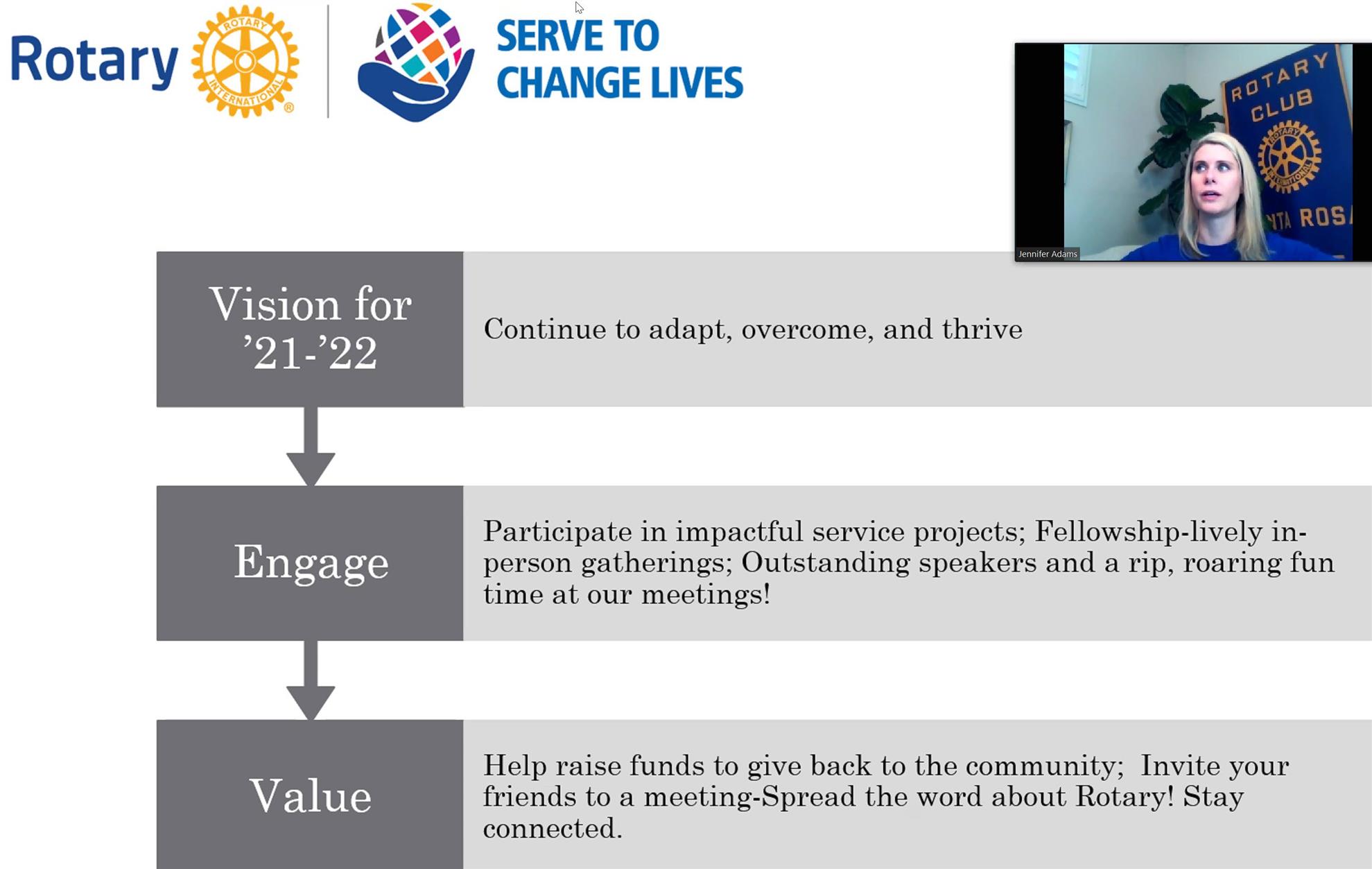
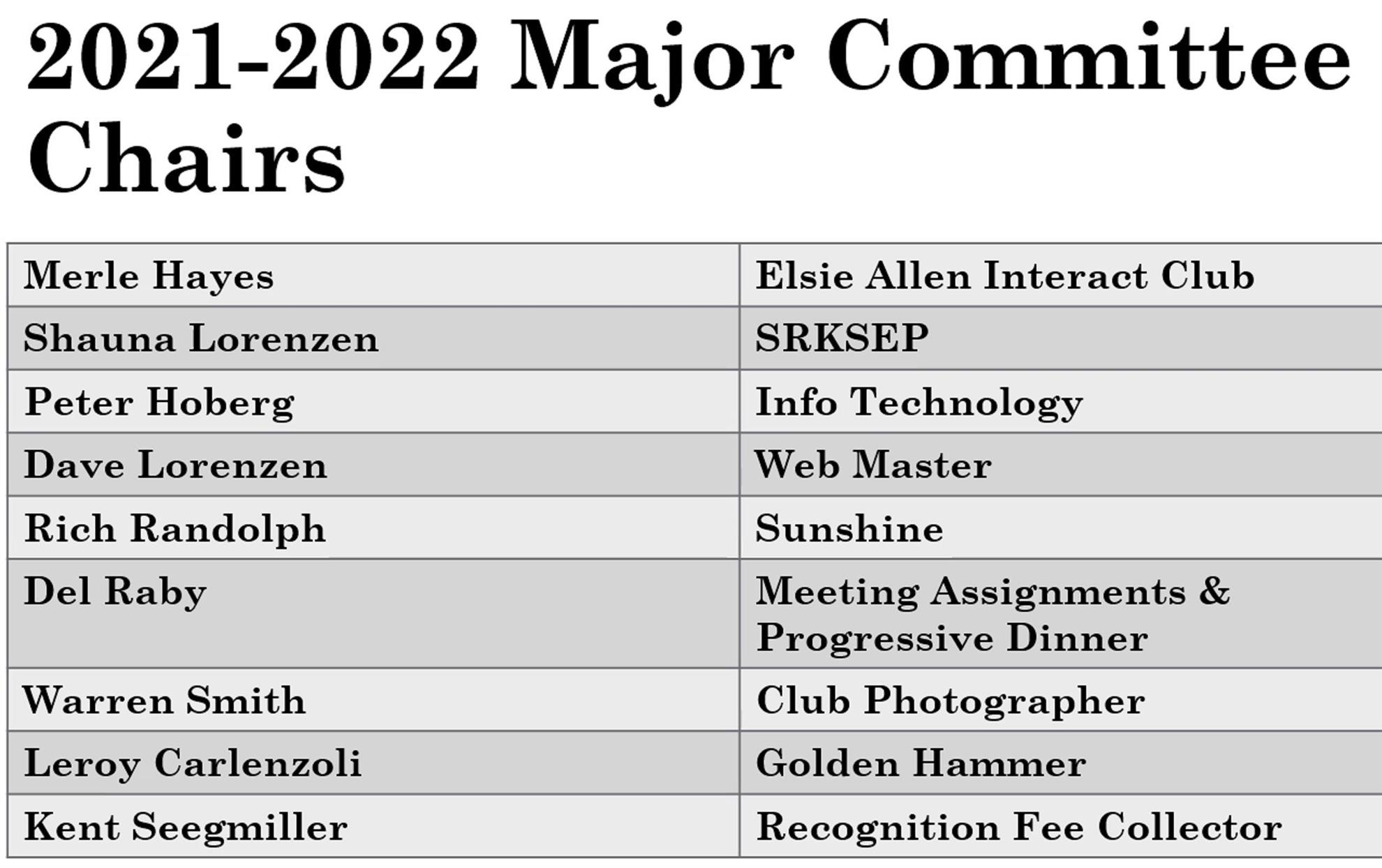
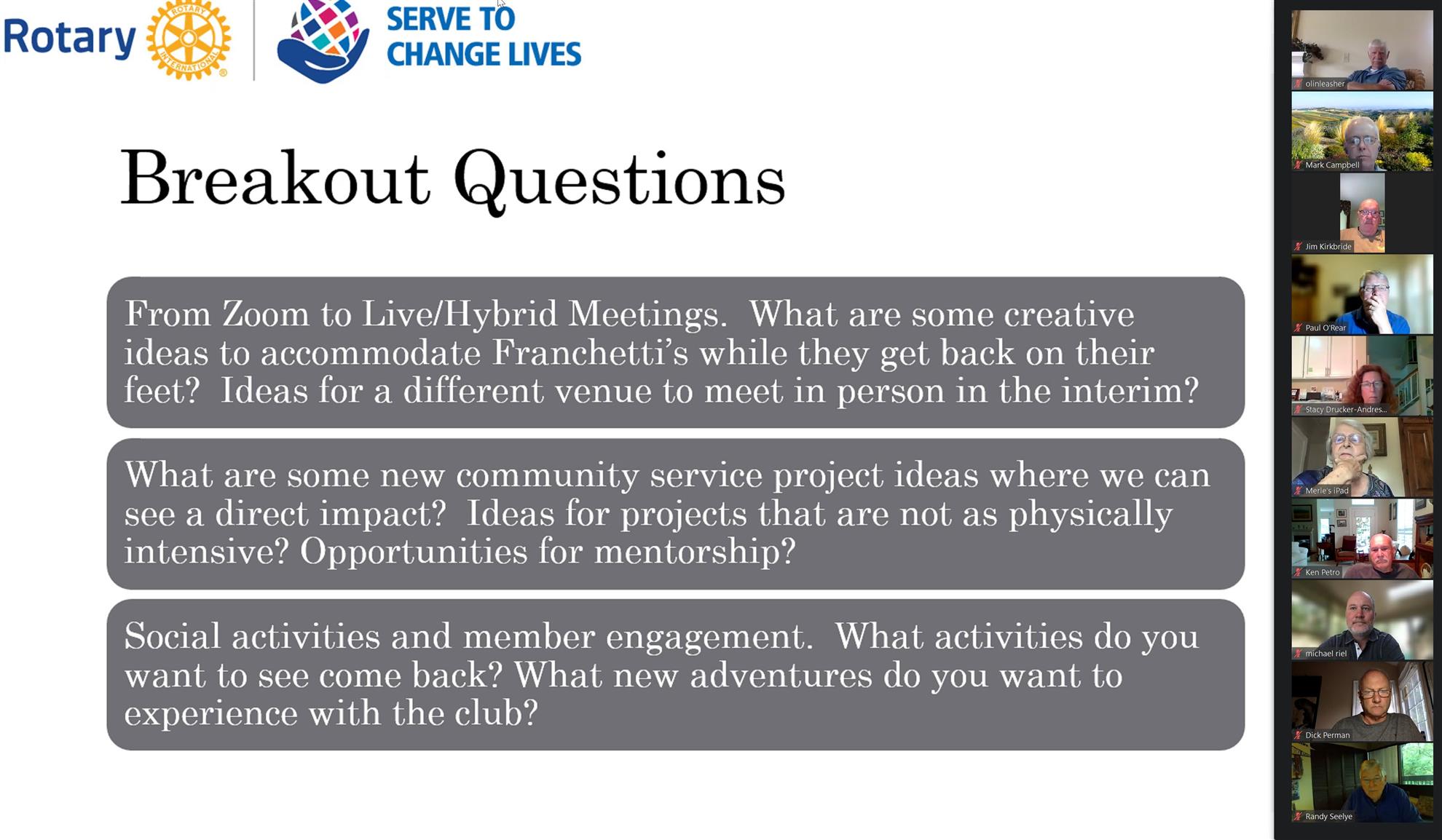
Our weekly meeting on July 1, 2021, was our first Club Assembly for the 2021-2022 Rotary year, with the Honorable Jennifer Adams presiding. Pres. Jennifer first introduced her vision for the year and the new Sunrise Board of Directors and Committee Chairs and then focused on a discussion of three important issues confronting the club this year, including moving from Zoom back to live meetings, and ideas for new community service projects and new social activities and member engagements. Jennifer set up break-out groups for discussions of these issues.

Regarding the transition to in-person meetings, Rob Sanville reported for Group 2 that although we believe Franchetti’s is the best option, there are other local businesses who would love our support and have the facilities and pricing that might work for us. In particular, the Santa Rosa Golf & Country Club is open and currently hosting other groups. Rob also reported his group’s conclusion that having Zoom as an available option is preferable even when in-person meetings start. We could also cut back on the scope of breakfast with a continental breakfast. Past President Peter Treleaven suggested that we could have breakfasts that utilize the fact that many members are retired and can help arranging breakfasts. Starbucks and bagels are also an option. Immediate Past President Paul mentioned that we could have fewer in-person meetings, such as once or twice a month, with the other meetings Zoom only.
 
 
In the second break-out meeting President Jennifer asked us to consider two questions simultaneously; ideas for new community service projects and new social activities/member engagement. Past President Merle discussed the Elsie Allen High School Interact Club’s need for more mentorship and the assistance club members could provide, especially for the majority of students who do not plan to go to college. Rob Sanville mentioned that roller skating would be a fantastic new social/membership engagement activity; the response seemed overwhelmingly positive. Past President Marty advised that the hiking committee is being reconstituted with some new committee members and he expects to have bi-monthly hikes scheduled again. President-elect Jack Strange, representing Group 3, told us that our club has a wonderful group of talented and diverse members who could provide valuable mentorship to a variety of groups, including, for example, Elsie Allen students for career day events, helping with business education and start up, and teaching kids reading and math skills. Stacey suggested that we start up an ‘adopt an interactor’ program once the Interact Club reopens this year. Immediate Past President Paul said that our membership engagement program should include beer, bingo, and parties! His suggestion met with near unanimous approval.
 
President Jennifer’s first meeting as President was a fantastic start for our new Rotary year and she did a fantastic job! Jennifer, we welcome you and know that you are going to be a big asset and that we are going to have a great year with you at the helm!
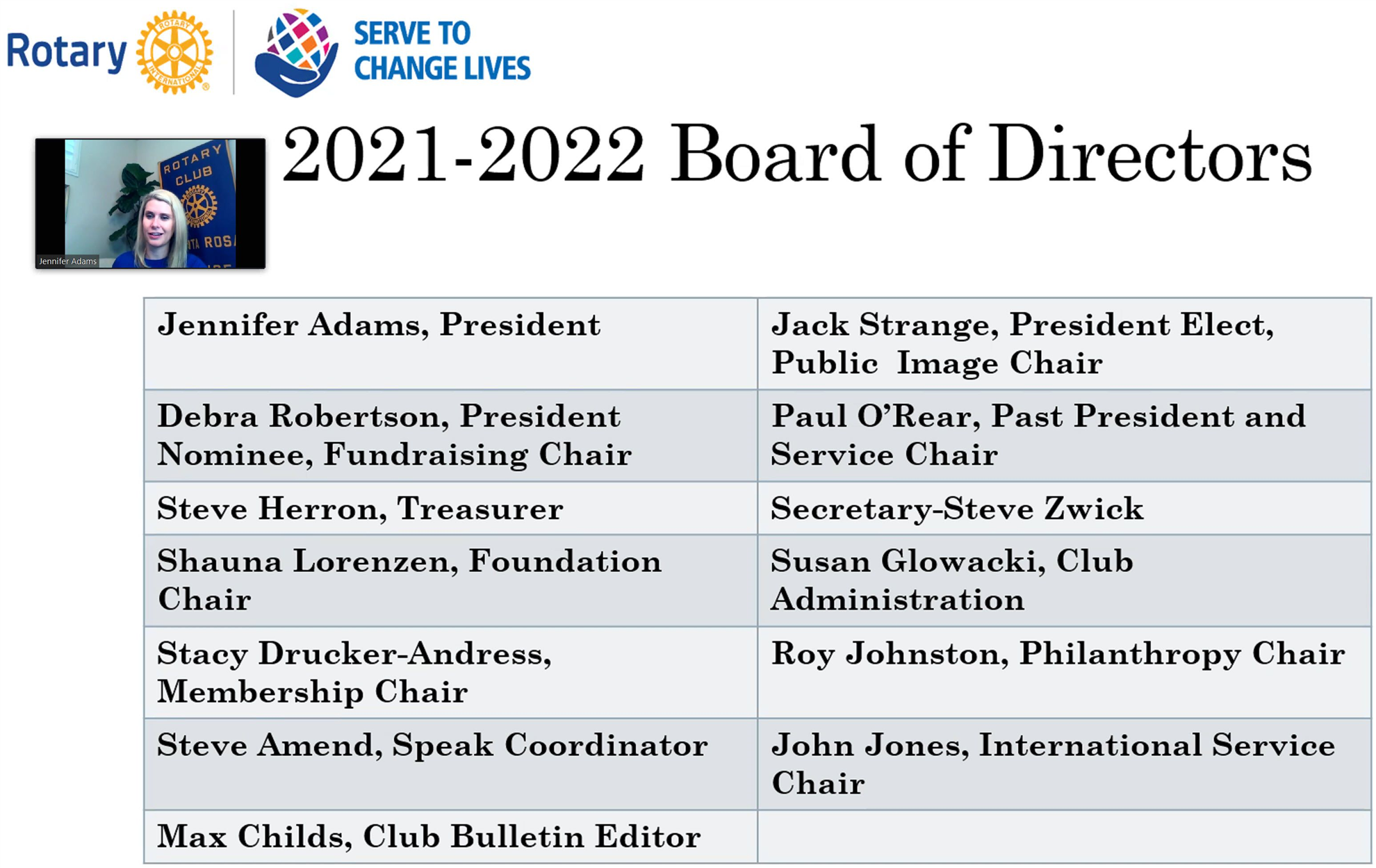
Board of Directors 2021-2022

Introducing Your Board of Directors 2021-2022!

Photo of the Week

Photo of the Week

On a regular basis, our resident photo pro Warren Smith, submits pictures of what is going on at the weekly meetings. You can always find the most recent pictures at the websites photo journal called "Meeting Sighting" Please note that all the meeting photos for the entire Rotary year are at this location with the most recent on the last page.

Thanks for all the great pictures Warren! Link to Meeting Sightings. The most recent are on the last page!

Additional photos may be found on the SR Sunrise Facebook Page.
Notes on 7/3/21 meeting

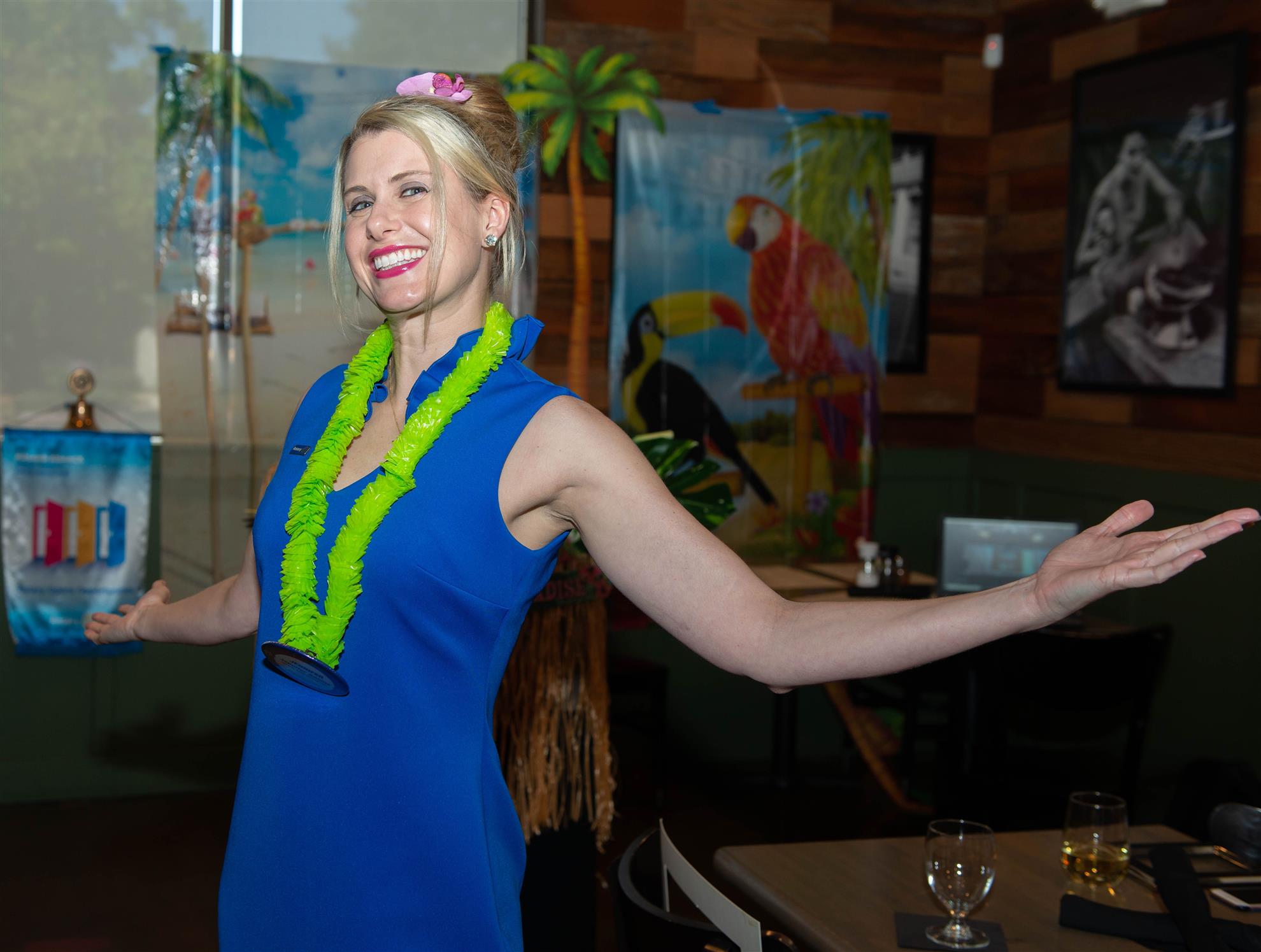
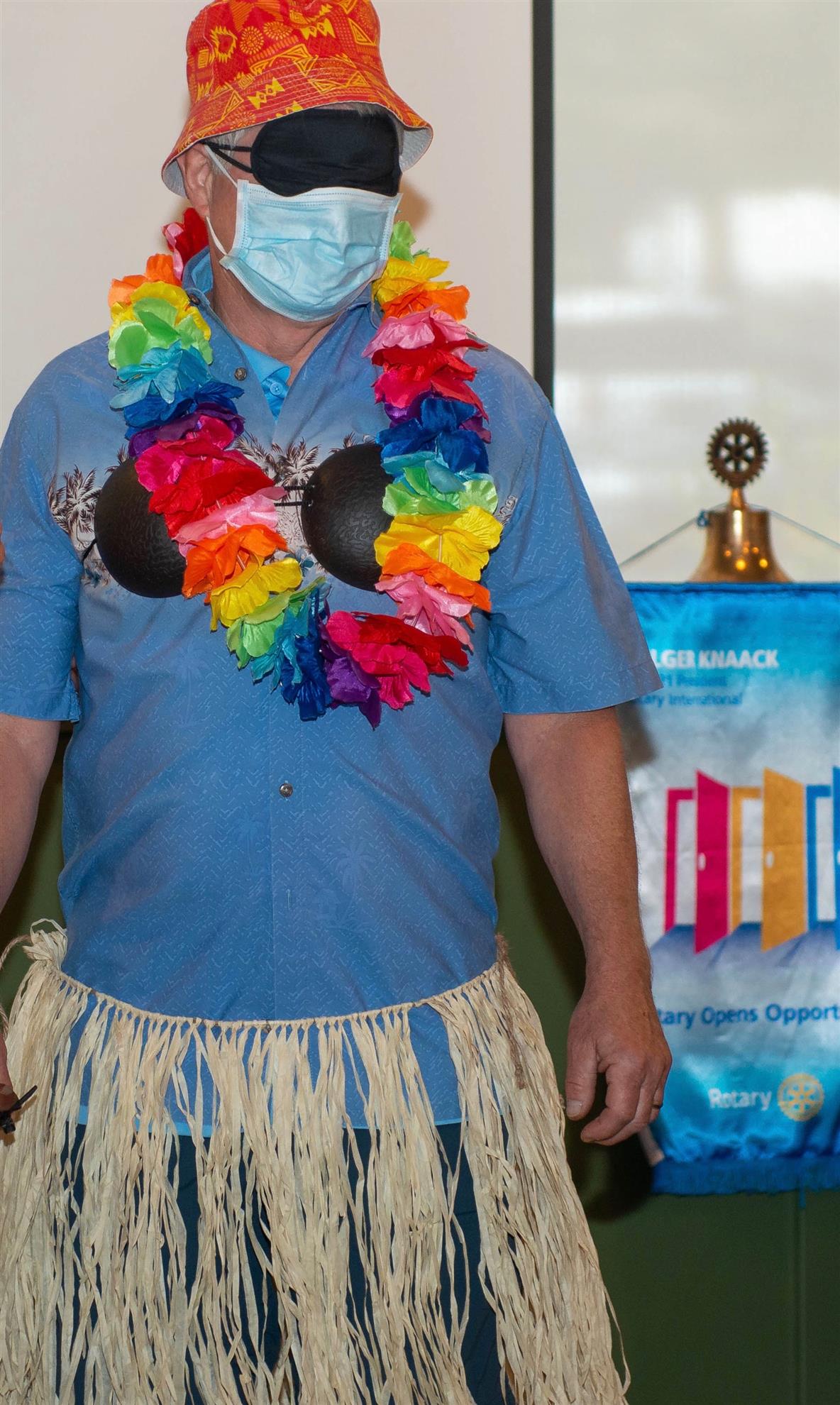
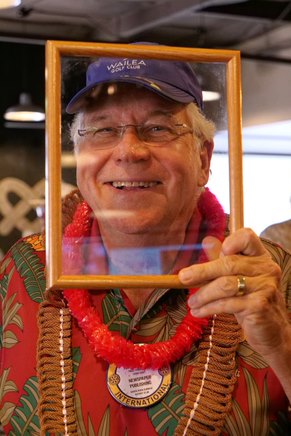
President Jennifer Adams (pictured below in her Rotary Blue Hawaiian outfit from the Debunking) rocked her first official meeting by welcoming each member upon arrival in their Zoom screen frames.

Art Campbell, caused Santa Rosa members to celebrate our good fortune by reporting barricaded roads, melted cables and a temperature of 105 in Seattle.  Jennifer offered a Thought for the Day in the absence of Nancy Aita:  "The best day of your life is the day you decide your life is your own."


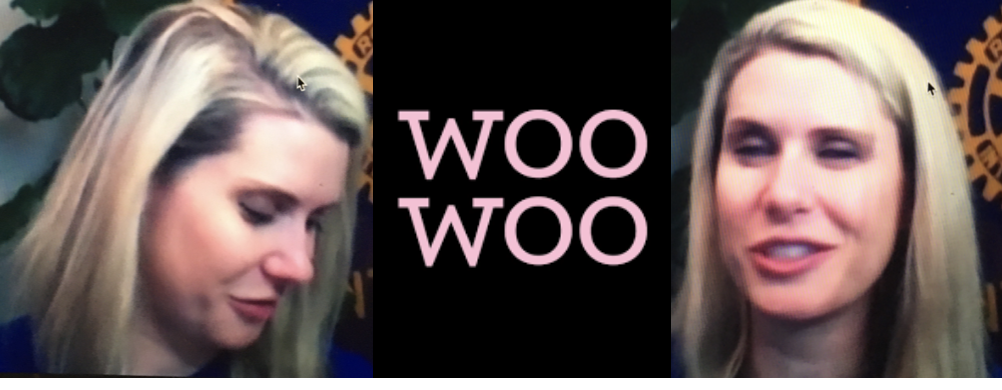
While commenting that she has big shoes to fill, Jennifer also warned members that she is in to Wooo. Wooo....  Someone who likes all things supernatural...

Dick Perman was recognized on his 52nd Wedding Anniversary.  When asked about the secret to more than 50 years of wedded bliss, he summed it in three well consensus words:  "Friends, Companionship, Love"


The meeting ended with a look forward to the year ahead:  Vision, Engage, Values.  With a pledge to Adapt, Overcome, Thrive.  And the promise of fun: Roller Skating, and Beer Bingo.  Doing it all with Grace and Aplomb.


Anniversary Debunking

Guess who lost a presidency, but gained a historic Debunking?

Recent Past president Paul O'Rear, praised his Debunking, on Saturday, June 26, 2021, as the best ever and most fun ever!  A 35th Anniversary Power Point, expertly crafted by Peter Hoberg and Sunrise Founding Fathers Warren Smith and Dave Lorenzen, beautifully presented a host of Rotary achievements and escapades dating back to the founding of the club more than 35 years ago.  Including the notorious tale of how Warren was "elected" as the first president Sunrise and the inspiring story of how Del Ray became district Governor..

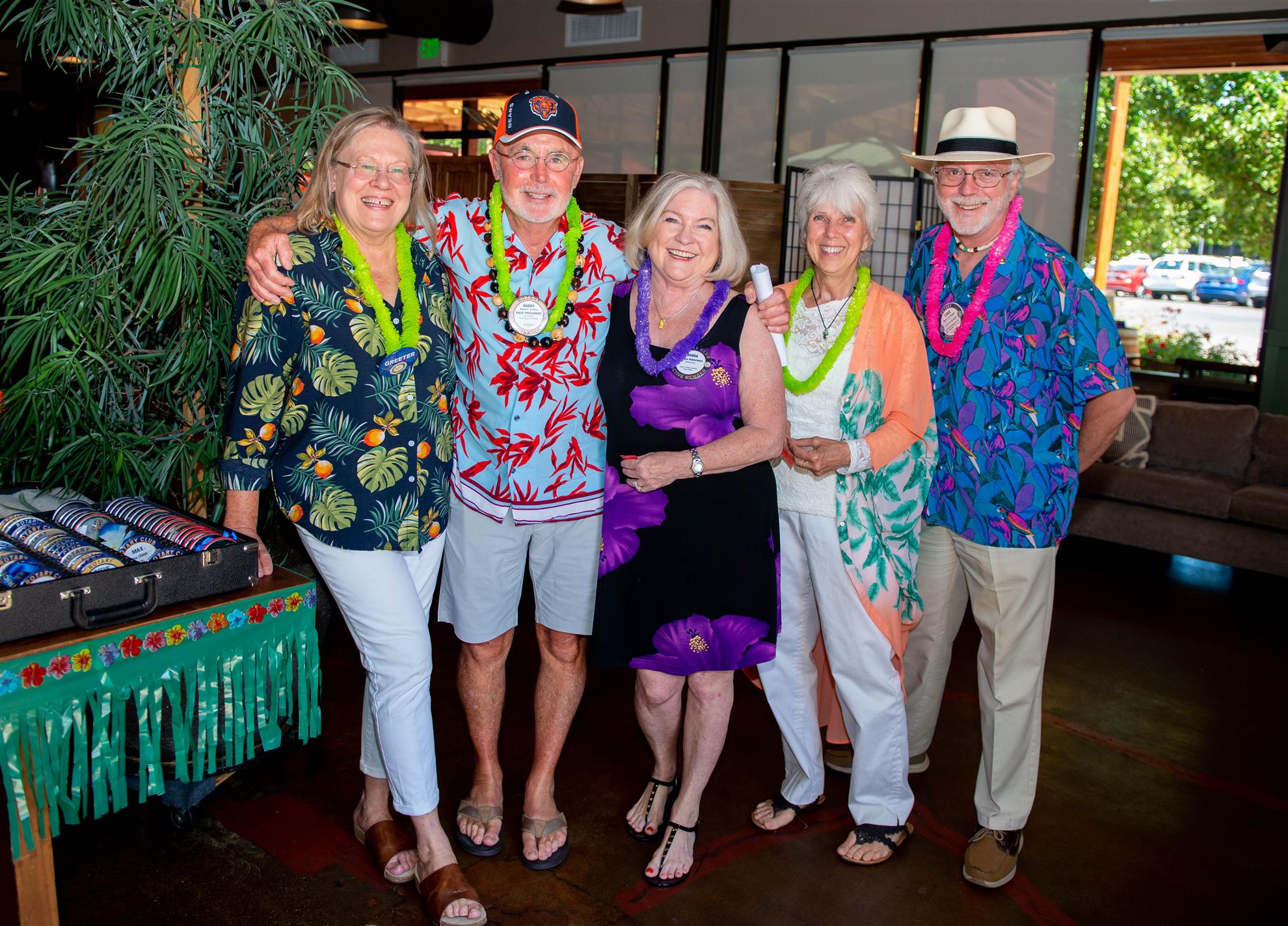
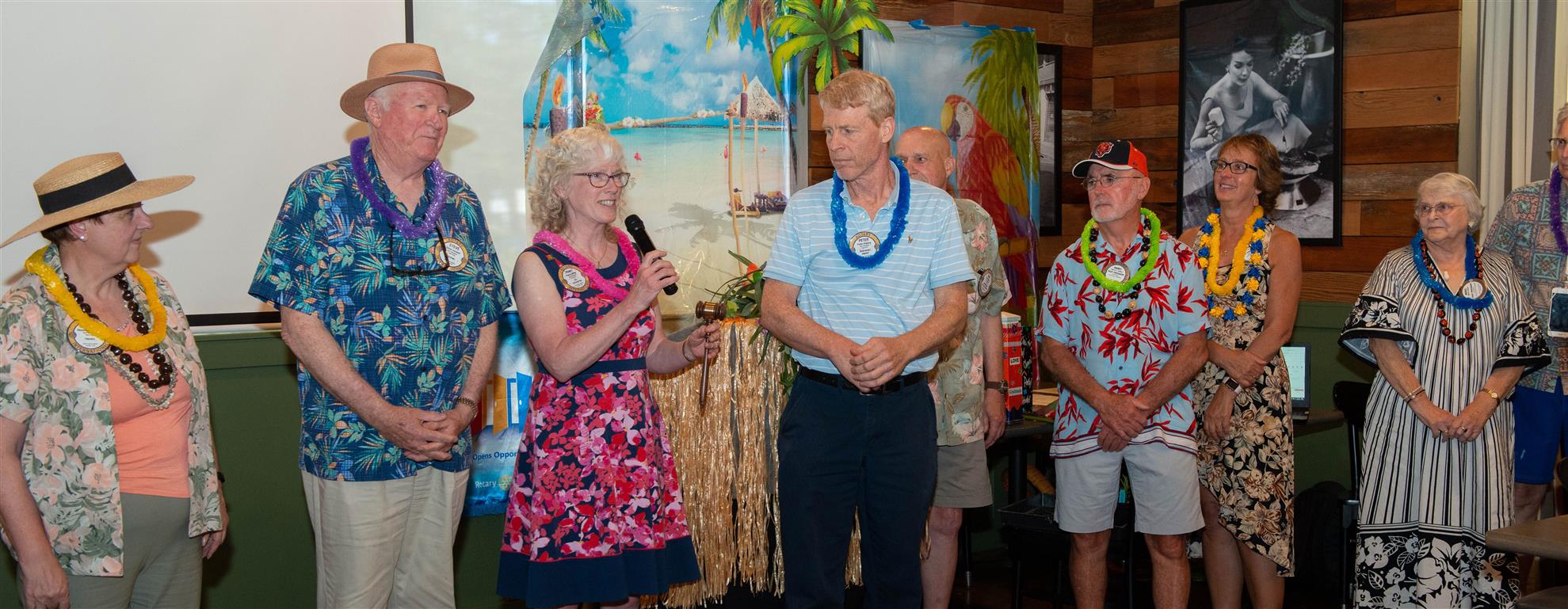
The Hawaiian themed event was beautifully organized and presented by Suzan Glowaki, Harry Coffee, Debra Robertson, Mary Banks and others recruited by past president Marty Behr.  Stacey Drucker-Andress outdid herself with decor that included Paul's festive outfit.

Paul took time, during his outgoing remarks, to honor Peter Hoberg for outstanding service in broadcasting the entire presidential year on Zoom.  In further recognition of Zoom appearances, attendees were encouraged to "frame" themselves, so that President Paul could actually recognize them.

The event culminated with an impressive line up of past presidents passing the gavel on to President Jennifer Adams.


IN TUNE

IN TUNE

M.J. Girard is currently an on air personality on KOWSfm.com His “Roots of Rock” is broadcast every Sunday morning at 7 AM

A little more than half of this year is behind us now, summer is in full swing, vacations are finally happening, and the end of the horrific pandemic is in sight! Thank goodness we have survived!

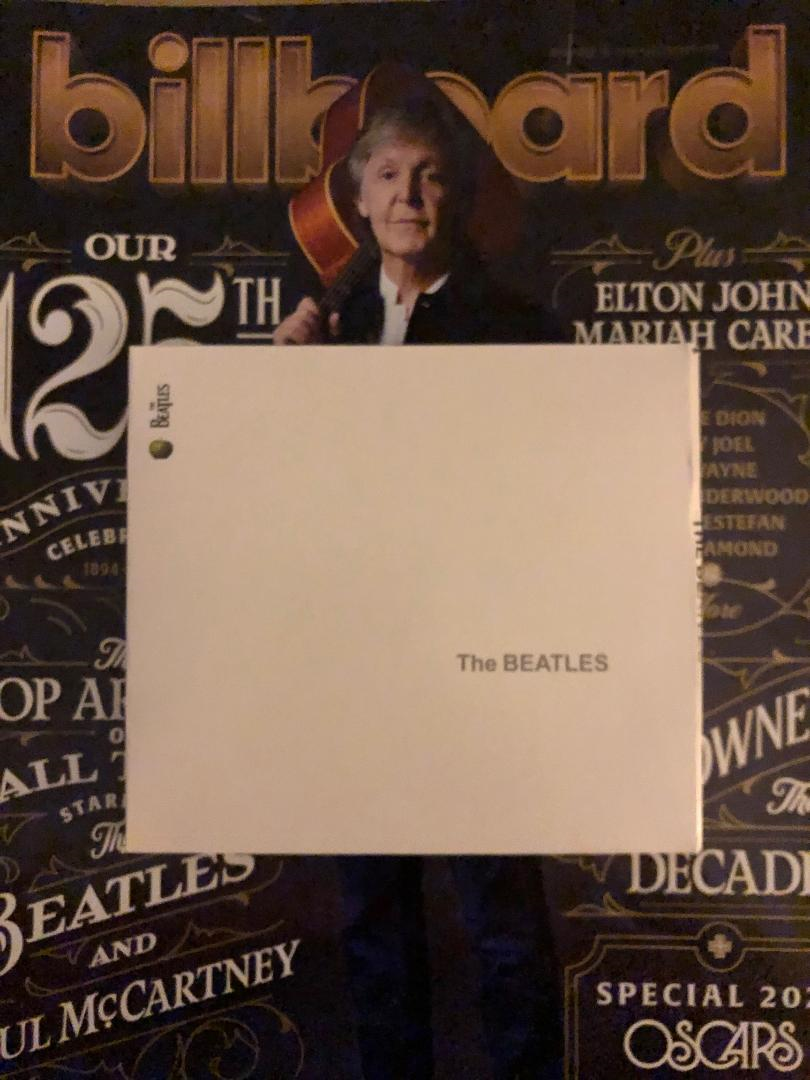
As we approach the final three studio releases of the Beatles, let us recall that as “The Beatles” also known as the “White Album” the only double L.P. album ever released was coming together, the individual members of the group were exerting their independence and the disintegration of the whole was becoming more obvious.

Surely the use of mind-altering substances played an enormous part in the breaking up of the coherent nature of the Beatles, as did the overwhelming success of their musical accomplishments.

Lennon’s introduction of Yoko Ono into the influencing of the group had a negative effect upon the whole, driving a wedge between the members to the extent of extreme disagreements and departure from the recording sessions by John’s fellow band mates!

Heretofore, recording sessions were the exclusive right of the Fab Four and the supporting members of the EMI recording staff. Now the situation was changed, and not for the better!

Notwithstanding the disagreements that ensued, the White Album became one of the Beatles most remembered releases. The theme of the collection was to bring individual and unique cuts together as opposed to the “concept” albums previously offered.

We will concentrate on the first disc of the two-disc album:

McCartney wrote “Back in the U.S.S.R.” as a parody of Chuck Berry’s “Back in the U.S.A.” The Beatles recording became a huge underground hit in the Soviet Union where the Beatles were banned!

“Dear Prudence” was written about Mia Farrow’s sister who rarely left her room as a commitment during the groups stay in the Indian meditation retreat.

“Glass Onion” written by Lennon to mock the fans who claimed that the Beatles were sending “hidden messages” in their lyrics.

“Ob-La-Di, Ob-La-Da” nearly broke up the band during Paul’s incessant call for perfection before being satisfied with the final cut.

Paul recorded “Wild Honey Pie” and is a typical number cut by him in between the other takes.

“The Continuing Story of Bungalow Bill” by John in recalling an American guest at the Indian retreat who left to hunt tigers. The background vocalists were performed by whomever happen to be in the recording studio at the time, ala “audio verite” Ono is heard on this cut.

George wrote “While My Guitar Gently Weeps” during a brief visit with his parents in Cheshire. He first recorded it as a solo performance using only an acoustic guitar. Harrison invited Eric Clapton to participate in the session, Clapton was apprehensive about meddling in the session knowing how the Beatles were in a very delicate emotional state, but he was persuaded by George to lay down his track, after which he gave Harrison the instrument as a gift, which George named “Lucy”.

The final cut on the first side of the double album is “Happiness Is a Warm Gun”. It took nearly 100 takes, (attempts) to lay down an acceptable basic background track. The ultimate final cut was pieced together from two different takes taking the best of each.

Lennon later described the song as one of his favorites.

The flip side consists of nine tunes that will be aired alongside of the above during the “Roots of Rock” Sunday morning. This and previous programs are available on the KOWSfm.com website for your convenience.

God Bless you and stay safe.

Caption This Results!

Caption This Results!

Submitted by Paul O'Rear!

Thanks for your submission Paul!

Honorable Mention!

From Jon Stark!

"I had forgotten this picture and you should too."

Joke of the Week

Joke of the Week

Did you hear the one about the Liberty Bell?

It’ll crack you up!

Why aren’t there any Fourth of July knock-knock jokes?

Because freedom rings.

What do you say when leaving the Statue of Liberty?

“Keep in torch.”

I can go on, but they just get worst from there.

RI President's Message

RI President's Message


Shekhar Mehta

President 2021-22

July 2021

I wish each of you and your families a great Rotary New Year! Together, let us make it the best year of our lives, by making it a year to grow more and do more. Let this be a year of changemakers, and let us begin with our membership.

That is precisely why the Each One, Bring One initiative is so important. During this year, I urge you to dream of new ways in which Rotary can expand its reach into your community and therefore the world. If each member introduces one person to Rotary, our membership can increase to 1.3 million by July 2022. So, let’s just do it!

Imagine the change we, as Rotary members, can make when there are so many more of us! More people to care for others, more people to Serve to Change Lives. Think of the impact we can have through grow more, do more. More members will enable us to embark on bigger and bolder service projects. And each of us can also continue to serve in our own personal ways, responding to needs in our communities.

The beauty of Rotary is that service means different things to different people around the world. One element, however, that we can incorporate into all of our service initiatives is empowering girls. Unfortunately, even in this day and age, girls and young women face disproportionate challenges all over the world. We have the power to lead the charge for gender equality. Empowering girls and young women to have greater access to education, better health care, more employment, and equality in all walks of life should be embedded in every Rotary project we launch. Girls are future leaders, so we must ensure that we help them shape their future.

The biggest gift we are given
Is the power to touch a life,

To change, to make a difference
In the circle of life.

If we can reach out
With our hand, heart, and soul,

The magic will start to happen
As the wheel begins to roll.

Let’s turn the wheel together
So all humanity thrives,

We have the power and the magic
To Serve to Change Lives.

These are challenging times, and I compliment each of your efforts in grappling with COVID-19. No challenge is too big for Rotarians. The bigger the challenge, the more passionate the Rotarian. Look at what we can do when we take on a colossal challenge such as eradicating polio. Look at the millions of lives we improve by strengthening access to water, sanitation, and hygiene. Look at what we do every year to promote peace in places where it seems unimaginable. Our basic education and literacy programs have nation-building impact.

This year, let us challenge ourselves to do more such projects and programs that have national reach and impact. This year, let us Serve to Change Lives.

Message from the Foundation Trustee Chair

Message from the Foundation Trustee Chair

John F. Germ

Trustee Chair 2021-22

July 2021

July is the most exciting month in Rotary, a time for fresh starts and new beginnings. For many, it’s an opportunity to take on new leadership roles. Rotarians brim with optimism, thinking about the good we can do for humanity in the 12 months ahead. 

As I write this message, I recall a quote often attributed to Helen Keller, a renowned American activist for people with disabilities: “The only thing worse than being blind is having sight but no vision.”

How profound that a woman who was blind taught us such a powerful lesson about the difference between sight and vision. Indeed, it is one thing to see the world as it is, but entirely another to envision it as it could be. The Rotary Foundation is all about envisioning possibilities — and making them happen.

As we begin this Rotary year, I ask: what is your vision for the next 12 months? Could a community or region you know benefit from a grant from the Foundation? One probably could, and, as you read these words, many people in that community are waiting for our help and leadership.

We are still reeling from the challenges of serving the world during COVID-19, but we cannot let that or anything else stop us. Many educational and health care needs have only been exacerbated by the pandemic. The world needs us.

Beginning 1 July, you can apply for Foundation grants supporting Rotary’s new area of focus: the environment. July also brings changes, such as the financial restructuring of the World Fund, that have been implemented with an eye toward sustainability. We are just beginning a year when we will continue our first Programs of Scale grant in Zambia, seek a home for our next Rotary Peace Center, and plan and implement district and global grants that will make positive impacts for generations to come.

To paraphrase the ancient Chinese philosopher Laozi, today we begin the journey of a thousand miles by taking our first step. Let’s walk together, looking forward, not to the past. Rotarians love a good challenge, so here’s one for us all: let’s challenge ourselves to think bigger this year and enlarge our vision of what we can and will do.

Make the Foundation a part of your vision for a better world, and you will see the world, and yourself, change.

News From "The Rotarian"
Inaugural Programs of Scale Grant Honors Those Leading Malaria Treatment Efforts in Zambia
By building on a proven concept — such as efforts to stamp out malaria in Zambia — Rotary’s new multimillion-dollar Programs of Scale grants help make good better
by Diana Schoberg and Vanessa Glavinskas Illustrations by Gwen Keraval
As part of the polio eradication campaign, Rotary and its partners have trained millions of health care workers and volunteers and vaccinated nearly 3 billion children. Polio cases have dropped 99.9 percent since Rotary took up the cause in 1985, and the number of countries with endemic wild polio has dropped to two: Afghanistan and Pakistan.
“What you’ve done with polio is remarkable,” says Larry Cooley, a well-known international development consultant. “But it shouldn’t be a study of one.”
Rotary is stepping up to that challenge through Programs of Scale, a new Foundation program awarding grants to Rotary clubs or districts with evidence-based interventions that are ready to scale. The first such grant, announced in February, will provide $2 million to Partners for a Malaria-Free Zambia, a member-led program focused on fighting malaria. Co-funders World Vision U.S. and the Bill & Melinda Gates Foundation are also involved in malaria mitigation efforts and will each contribute $2 million to the program. This $6 million program will train and equip 2,500 community health workers in Zambia to support the government’s work to eradicate malaria in that country.
What you’ve done with polio is remarkable, but it shouldn’t be a study of one.
Larry Cooley
A well-known international development consultant
The concept of Programs of Scale dates back to 2013, when global grants, introduced through The Rotary Foundation’s updated grant model, expanded the scope and size of Rotary projects with the aim of increasing their impact. After a 2016 evaluation of the grant model, the Foundation Trustees requested that a new grant type be developed that would fund “scalable” grant projects in the areas of focus — meaning projects that were planned in a way that allowed them to be expanded, built upon, and further developed.
The Programs of Scale grants are the result: a way to fund large-scale, high-impact projects that can attract partners while tapping into Rotary members’ capacity and enthusiasm. “While global grants and district grants have been very successful, we want to give opportunities for projects with even more impact,” says Foundation Trustee Sangkoo Yun, who was on the Programs of Scale selection committee. “We want to better quantify that impact and share what we learn with all Rotarians engaged in international service.”
So what, in this context, does “scale” mean?
“It’s a simple question with a complicated answer,” says Cooley, who is an expert on the topic. One way to think about it, he says, is that you are looking for a solution that matches the scale of the problem. If you define the problem in local terms, then the scale of the solution is local. If you define it as international, as with polio, then the scale of the solution is international.
While global grants and district grants have been very successful, we want to give opportunities for projects with even more impact.
Sangkoo Yun
Foundation Trustee and Programs of Scale selection committee member

“Problems have denominators,” he says. “If somebody said, we helped distribute blankets to 10,000 villagers, I’d say, congratulations, but how many villagers needed blankets? If the answer is that it was 10,000 out of 15,000, I’d say, holy mackerel, that’s great. If it’s 10,000 out of 10 million, I’d say that’s still great, but that’s not the right strategy.”
Clubs can think about scale when-ever they’re developing a project, not only when they are aiming to apply for a Programs of Scale grant. Cooley suggests that rather than focusing on projects, Rotarians focus on problems. “Take on a problem and [don’t] let go until it’s solved, or materially improved, whether at the community or national level,” he says.
When thinking about scaling up, Tusubira notes, you can take a successful project and add new aspects to it to deepen the impact. Or you can expand the project to reach more people, as is the case in Zambia, where Rotarians are building on successful global grants and other programs that funded training for community health workers in other parts of the country. The challenge, he says, is figuring out which are the unique environmental factors that are responsible for the success of a project in order to be sure you are scaling up the right things.
The Foundation received more than 70 proposals from around the world for the first Programs of Scale grant in March 2020. After a rigorous review process, including proposal evaluations, three finalists were recommended.
“I was bowled over by the quality and strength of the applications, and by the expertise and experience of Rotarians on the ground and the connections they have,” says selection committee member Judith Diment. “What I really liked about [the malaria project in Zambia] was the partnerships and the collaboration they had established,” adds Diment, who is also the dean of the Rotary Representative Network and a longtime polio advocacy adviser. “It had many parallels with the polio program.”
Rotary’s success in the polio eradication program provides valuable lessons for clubs — not only those interested in applying for a Programs of Scale grant, but those planning any project.
One lesson, as Diment notes, is about the power of partnerships. The Global Polio Eradication Initiative is one of the most ambitious public-private health partnerships in history. “Collaborating with partners gives you a much bigger opportunity for large-scale change,” she says.
When we bring impact-focused organizations together, we can do more to help the world’s most vulnerable reach their potential.
Edgar Sandoval Sr.
President and CEO of World Vision U.S.
A second lesson is the need for large-scale programs to grow out of Rotarians’ interests. Before polio was adopted by Rotary on a global scale, individual clubs were already tackling the disease through Rotary-funded projects, including a 1979 project to administer oral polio vaccine in the Philippines. Programs of Scale, Tusubira notes, will give Rotary members the chance to come up with ideas they can demonstrate will have a sustainable impact and bring partners to the table.
Another lesson is about deploying Rotary’s power of networks. Rotarians around the world have used their connections — local, national, and international — to draw attention to and garner support for polio eradication.
Cooley, the development consultant, says he’s fascinated by Rotary’s potential to scale up projects. “These are the most prominently placed people in a community, all of whom are trying to do something good,” he says. “Look at Rotary as an asset. There are lots of problems Rotary could make a big difference on.”
The new Programs of Scale grants will give Rotarians a way to do it.
Rotary members expand on a proven concept in Zambia
Bill Feldt recalls the first conversation he had about solving Zambia’s malaria problem at scale. It was in 2012, after he worked on his first matching grant for malaria with Mwangala Muyendekwa, a physician and a member of the Rotary Club of Kalulushi, Zambia. It was a $57,000 project distributing 6,500 bed nets in Zambia’s Copperbelt province. “By the time they were distributing those nets, Mwangala emailed me and said, ‘This is good, but not sufficient. We’ve got to go to scale,’” recalls Feldt, a member of the Rotary Club of Federal Way in Washington state.

Now Muyendekwa’s vision is coming to fruition in a big way as the work, which has continued since then, expands. With this first $2 million Programs of Scale grant, Partners for a Malaria-Free Zambia (as the initiative is now known) is seeking to help reduce the incidence of malaria over time by 90 percent in 10 heavily affected districts in the Central and Muchinga provinces.
They’ll do this by training 2,500 community health workers, as well as other health facility staff and officials who will work with them. The community health workers, equipped with the necessary medicine and supplies, will respond to malaria cases, work to prevent transmission, and provide other needed health care interventions — which will in turn reduce the burden on clinics.
Malaria, a preventable disease caused by parasites spread through the bites of infected mosquitoes, continues to be one of Zambia’s leading causes of illness and death, contributing significantly to infant and maternal mortality.
The grant proposal included pledges from the Bill & Melinda Gates Foundation and World Vision U.S. to match Rotary’s $2 million grant, for a total of $6 million for the initiative. “Rotary’s credibility is so amazing,” Feldt says. “We’ve got a lot to offer. Let’s demonstrate that.”
We asked Feldt for his insights about the application process and about the project.
What makes this project a program of scale?
It’s expanding on a proven concept, which I think is really important and was compelling to Rotary in awarding this grant. We’ll be impacting about 1.3 million Zambians who will have health care in their communities for the first time. That means testing for, treating, and preventing malaria, and that also means treating diarrhea and pneumonia as well as providing information about COVID-19. We think that’s a program of scale. We’re very excited about that.
How does this grow out of previous work Rotarians have done?
We’ve written three global grants in the past two years. When the third grant project is complete, we will have trained more than 1,500 community health workers in the Copperbelt province. That gave us credibility with The Rotary Foundation. We think we’re pretty good at it. What we’re really doing is supporting the government in Zambia, which has a superb six-day training curriculum. There are about 12,000 community health workers trained under the auspices of the Ministry of Health. With the global grants and Programs of Scale grant, we are adding about 33 percent more.
How did you adapt what you learned in previous projects?

We’re going into areas where there are no community health workers. Once the new workers are trained, doctors and nurses need to learn how to interact with them. We’re paying for some of those strengthening activities in the global grants and now even more with the Programs of Scale grant because we’ve learned that’s such a vital component of sustainability.
Another thing we’ve learned is that the best community health workers are people who are established in their communities. They aren’t getting paid. It’s really about prestige. A study concluded that people do this because it’s a good thing to do, and it makes them a leader.
Why is this the right program to tackle malaria in Zambia?
Not just Zambia. Sub-Saharan Africa too. One key success factor is that there is a supportive, committed government in Zambia. If the government isn’t committed, it’s going to go nowhere. One of our project partners, an organization called PATH — which is based in Seattle and receives funding from the Gates Foundation — supported the Zambian Ministry of Health and the National Malaria Elimination Centre in the launch of the government’s community health worker initiative. This is a concept that UNICEF and the World Health Organization have been defining and encouraging. Between 2012 and 2015, the Ministry of Health and the National Malaria Elimination Centre, with support from PATH, did its first real project in the Southern province of Zambia, and they drove malaria rates down to near zero using community health workers. That’s really the proof of concept. The model seems to work, the government is committed, and obviously the Gates Foundation thinks it’s a good model because it’s been supporting the PATH program in Zambia for nearly a decade.
What advice do you have for Rotarians looking for partners?
Make organizations aware of what you’re doing. Connecting is the whole game. I think that’s what Rotary wants to do through Programs of Scale. In Africa, and all over the world, local Rotarians can open doors through their connections. My view is that we have a leg up on a lot of people looking for money because of what Rotary has done with polio. It is central to our credibility.
If we visit the project in 2026, what should we see?
I would hope we would see a dramatic reduction in malaria incidence. We’d want to see a self-sustaining health system that is fully utilizing community health workers, where they are diagnosing 60 to 70 per-cent of whatever small number of cases of malaria there are. They will probably be working on pneumonia and diarrheal diseases more than they had been. Hopefully, they’ll be doing telemedicine. We’ll see that turnover for community health workers is low and that there’s retraining. They’ll have been retrained twice by that time, and they’ll be a core part of the health system. They will represent the last kilometer of a health system that’s very successful.
Rotary Club of Santa Rosa Sunrise - Founded June 30, 1986