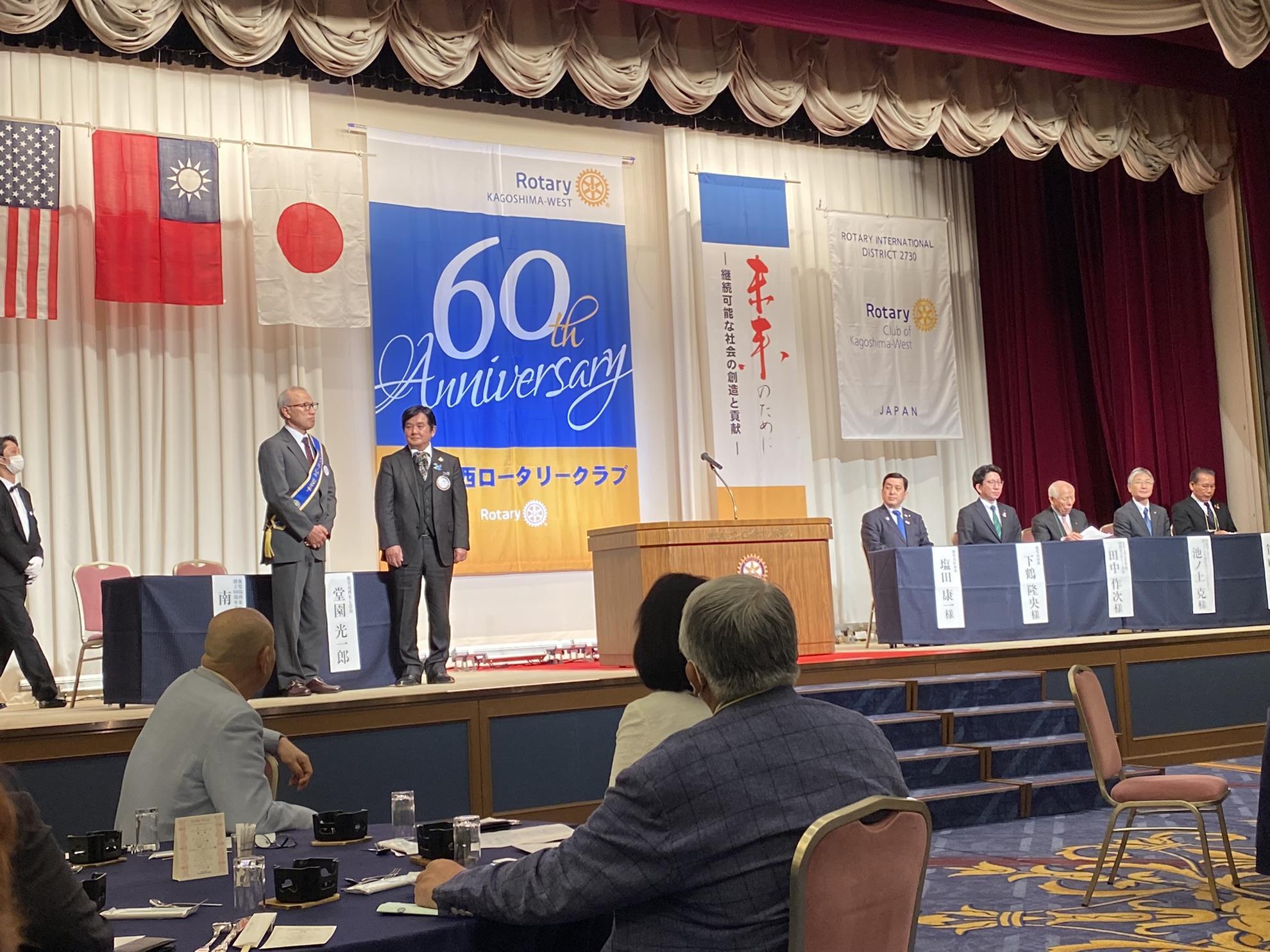
A recap of our members’ trip to Kagoshima and Hiroshima for the Kagoshima West Rotary Club 60th Anniversary, along with historical information about our longstanding relationship as well.
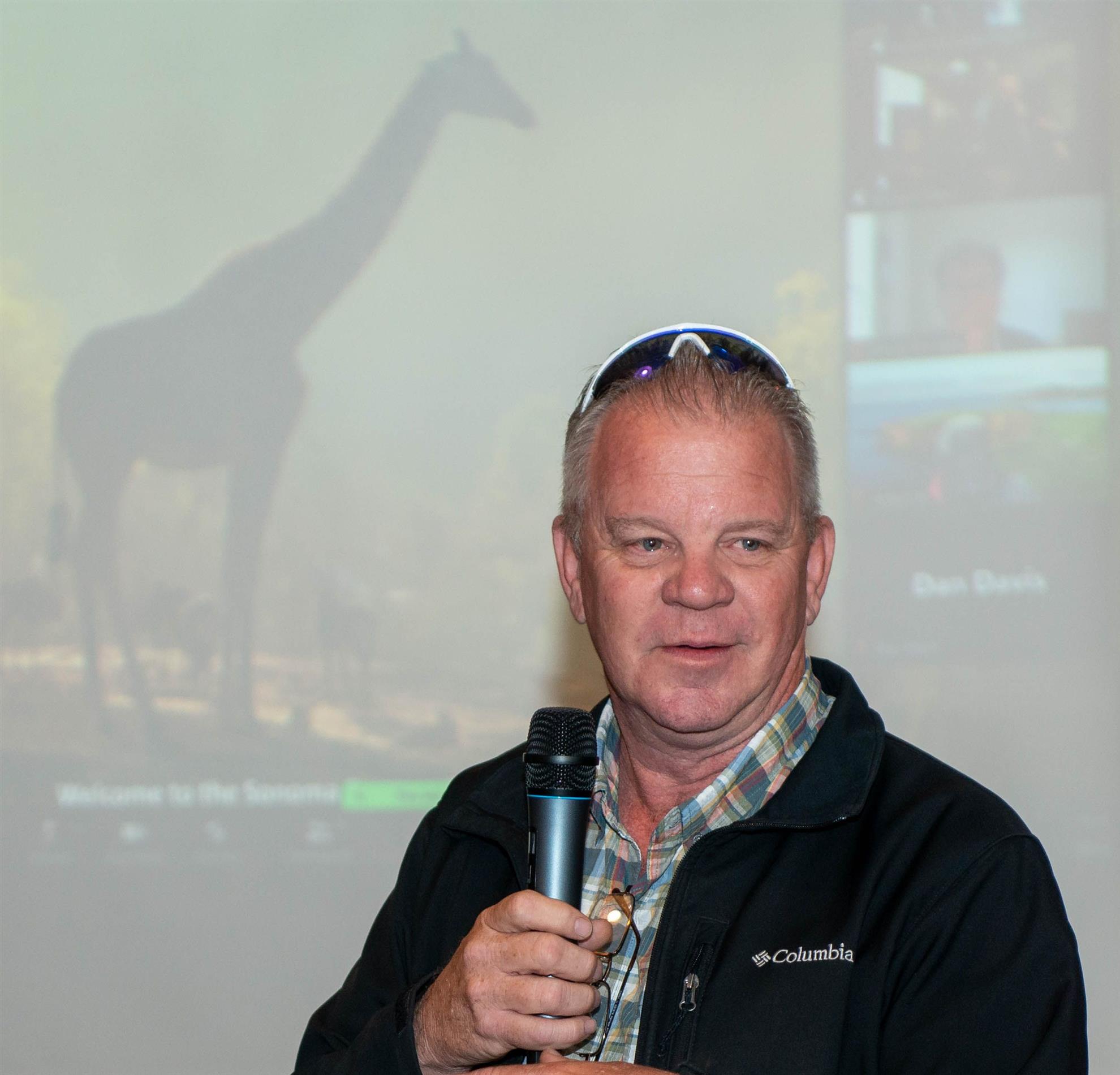
Our speaker for Thursday, April 27, 2023, was Keo Hornbostel, Executive Director of Safari West. Keo joined Safari West in 2015 and oversees all operational aspects of the business. Prior to joining Safari West Keo had a 30-year hospitality career running vacation resorts from the Caribbean to Hawaii. He moved to Sonoma County in 2005 and ran the Hyatt Vineyard Creek before joining Safari West. He’s married and has a son at CU Boulder.
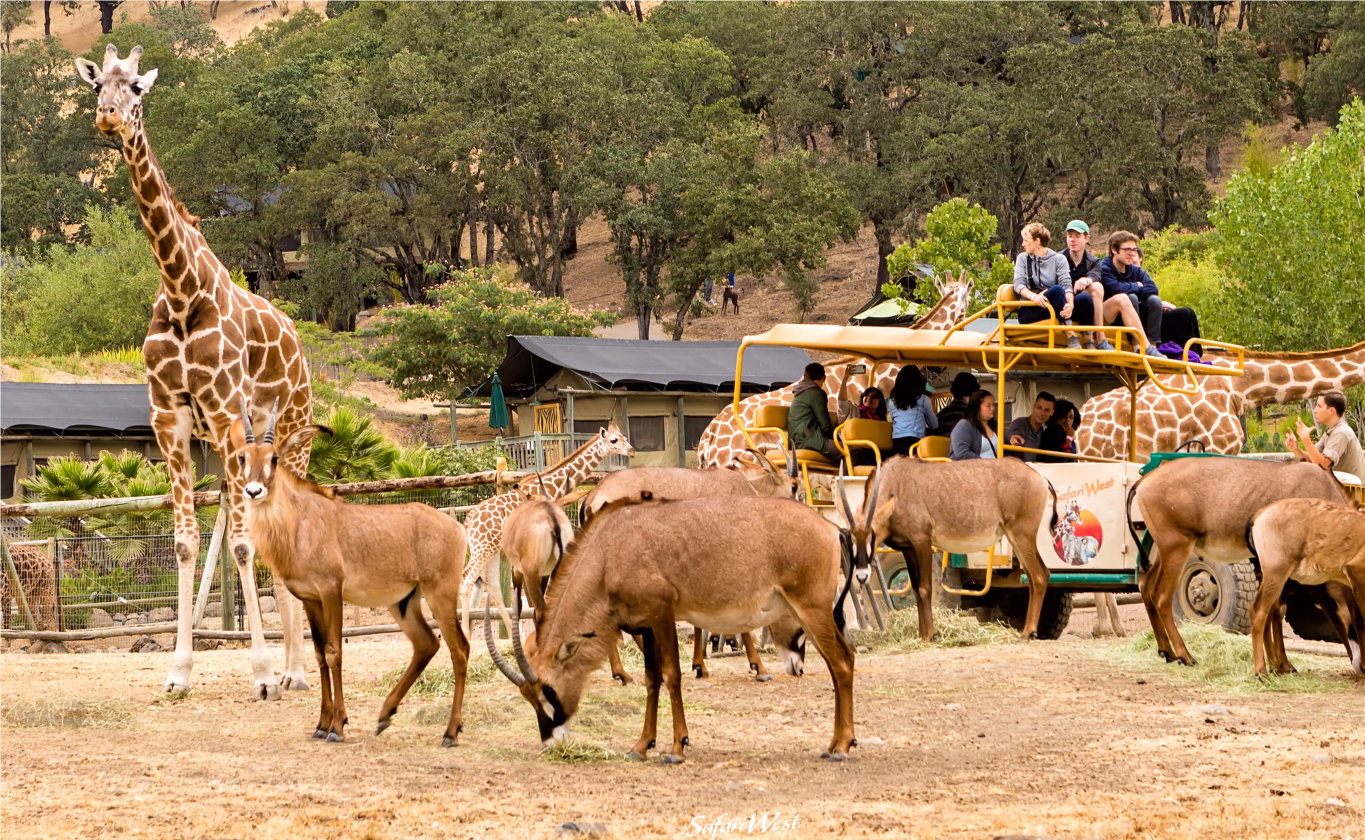
Safari West’s mission is to actively promote conservation and environmental education while imparting knowledge that helps each individual make well-informed choices in regard to the environment and wildlife conservation. Safari West was started in the late 1980’s by Peter Lang. There are now over 1,000 animals at the facility and 140 full and part-time employees. Keo specifically mentioned 3 or 4 varieties of monkeys, flamencos, cheetahs, and rhinoceros. In fact, their rhinoceros recently became one of only a few rhinoceros in captivity to give birth! Keo gave us some interesting information about rhinoceros’ sexual behavior; it turns out their mating is extremely violent, and the Safari West rhinoceros’ mating was exceptionally violent (4 on a scale of 5 – with 5 being the death of one of the participants!).
Keo also mentioned that Safari West has available luxurious tents for overnight “glamping” stays! You’ll get a great night sleep after an amazing safari unless the flamencos wake you up during the night! (Frankly, I’d be more concerned with the 70 mph cheetahs!). They also have breakfast, lunch, and dinners for the “campers.”
Safari West is self-sufficient. It does its own landscaping, maintenance, housekeeping, and they even have their own veterinarian. They survived the 2017 fire with firehoses, forklifts, and a bit of luck because the fire blew over the top of the facility! They have also recently suffered avian flu issues but have recently re-opened the aviary.
Thank you, Keo, for the great presentation. Safari West is an amazing operation!
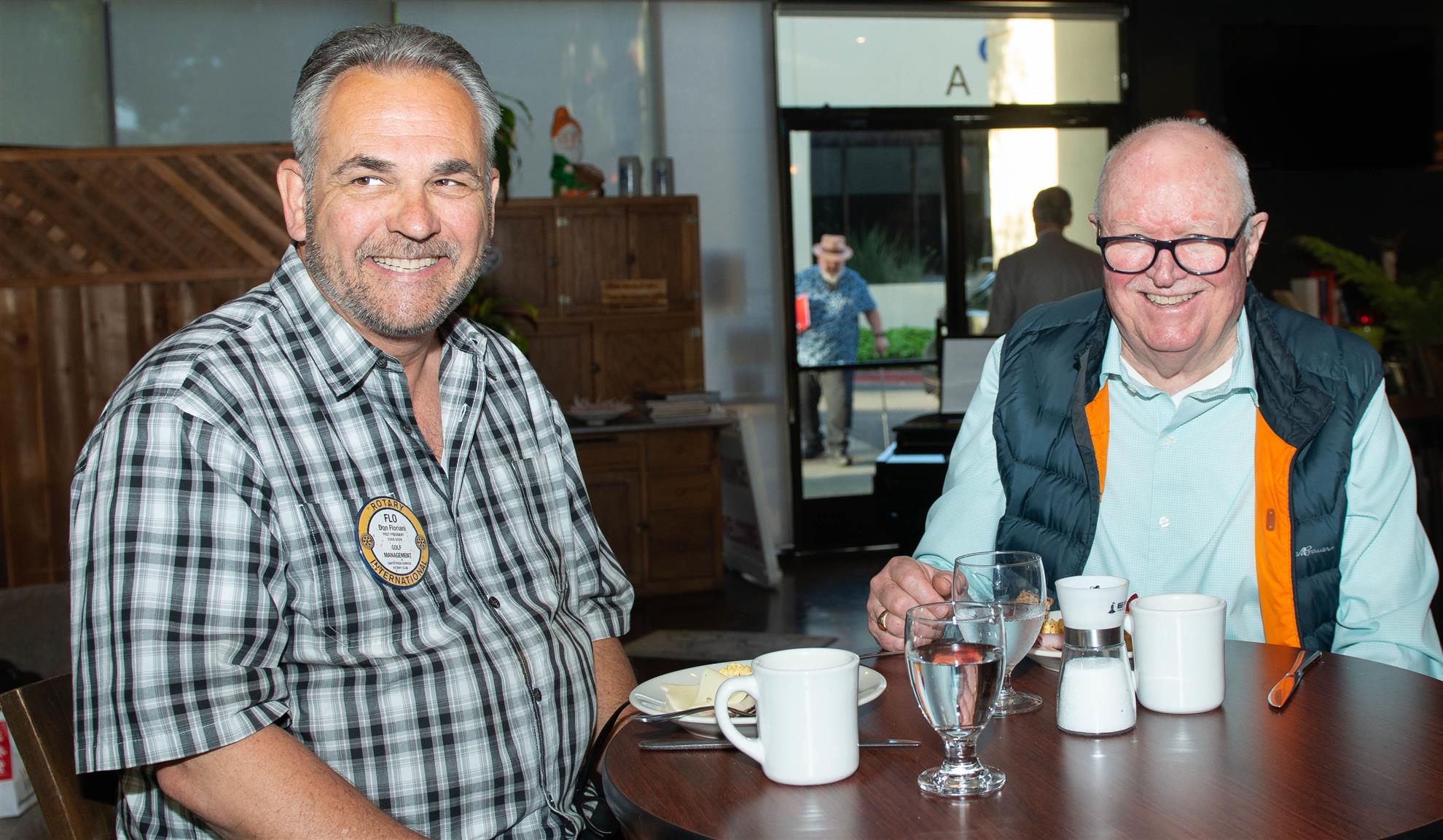
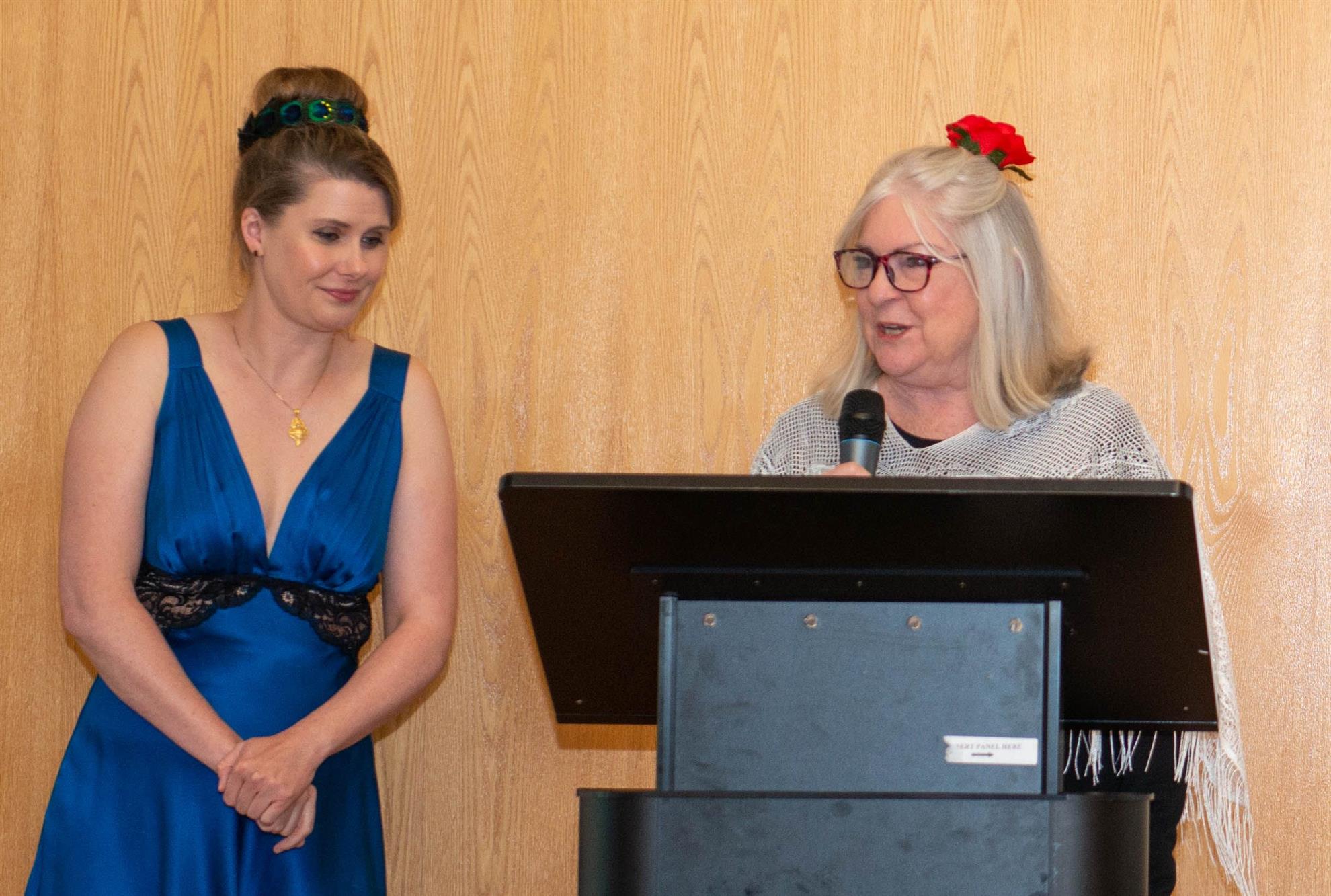
On a regular basis, our resident photo pro Warren Smith, submits pictures of what is going on at the weekly meetings. You can always find the most recent pictures at the websites photo journal called "Meeting Sighting" Please note that all the meeting photos for the entire Rotary year are at this location with the most recent on the last page.
Thanks for all the great pictures Warren!Link to Meeting Sightings. The most recent are on the last page!
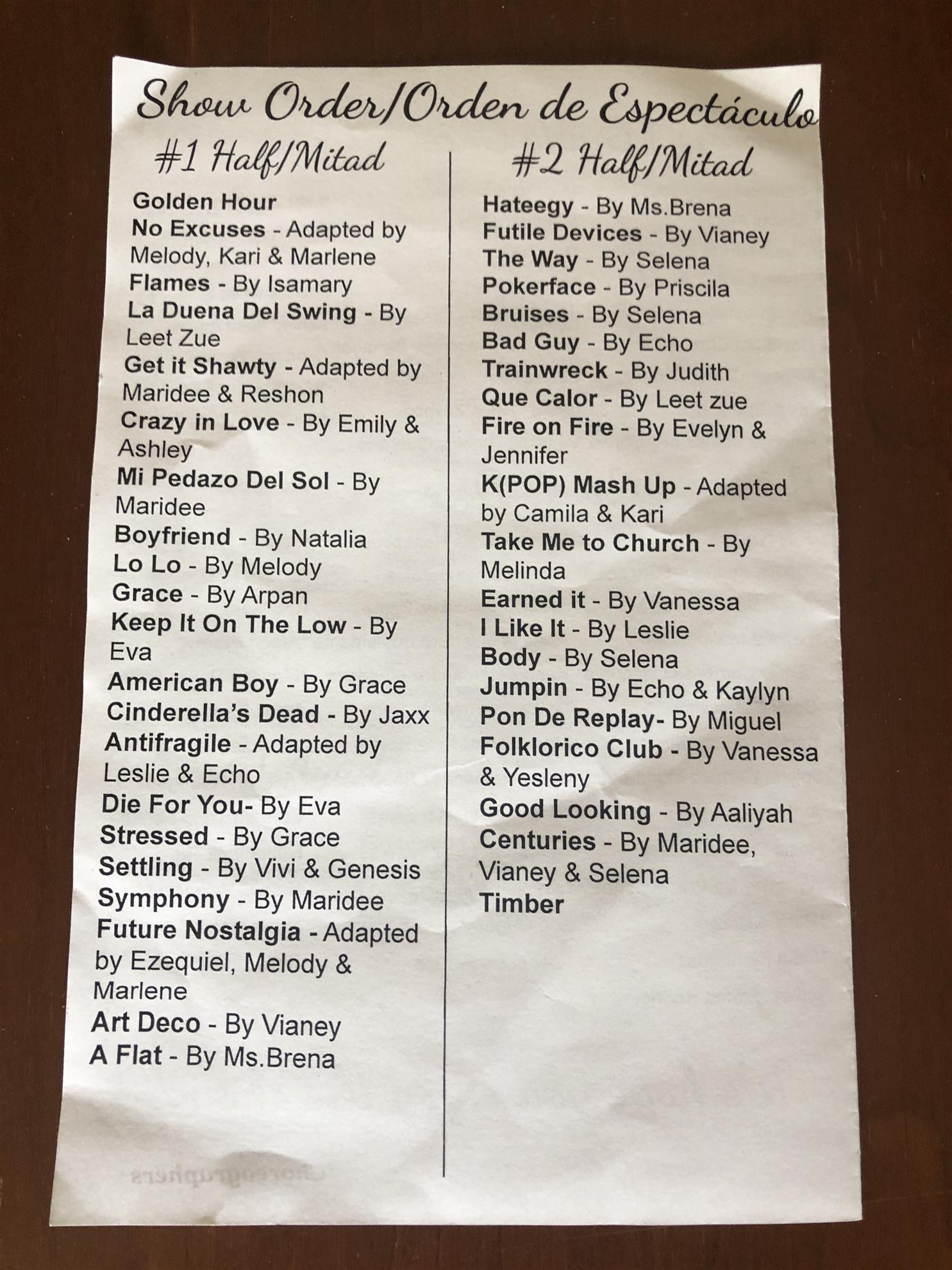
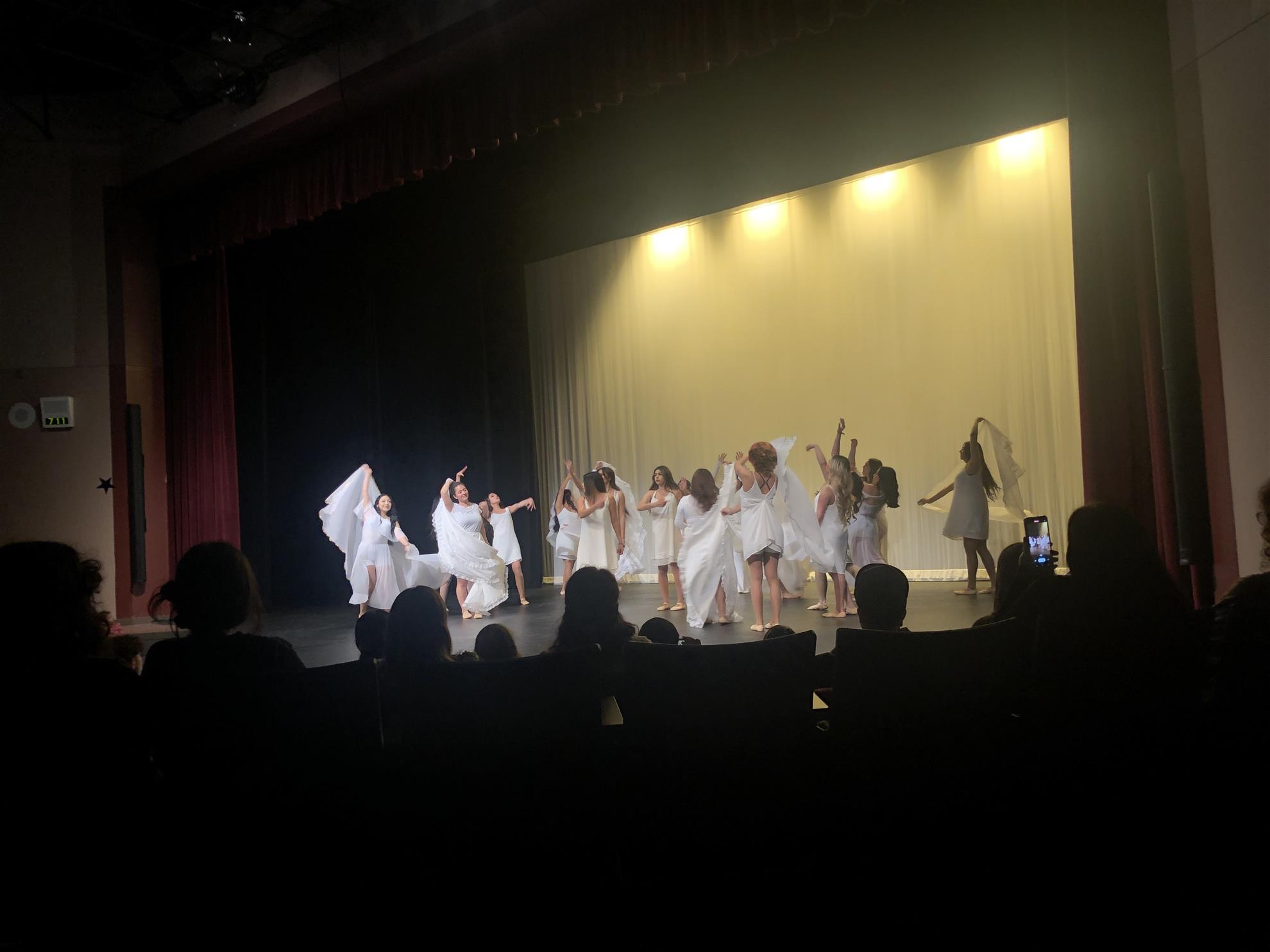
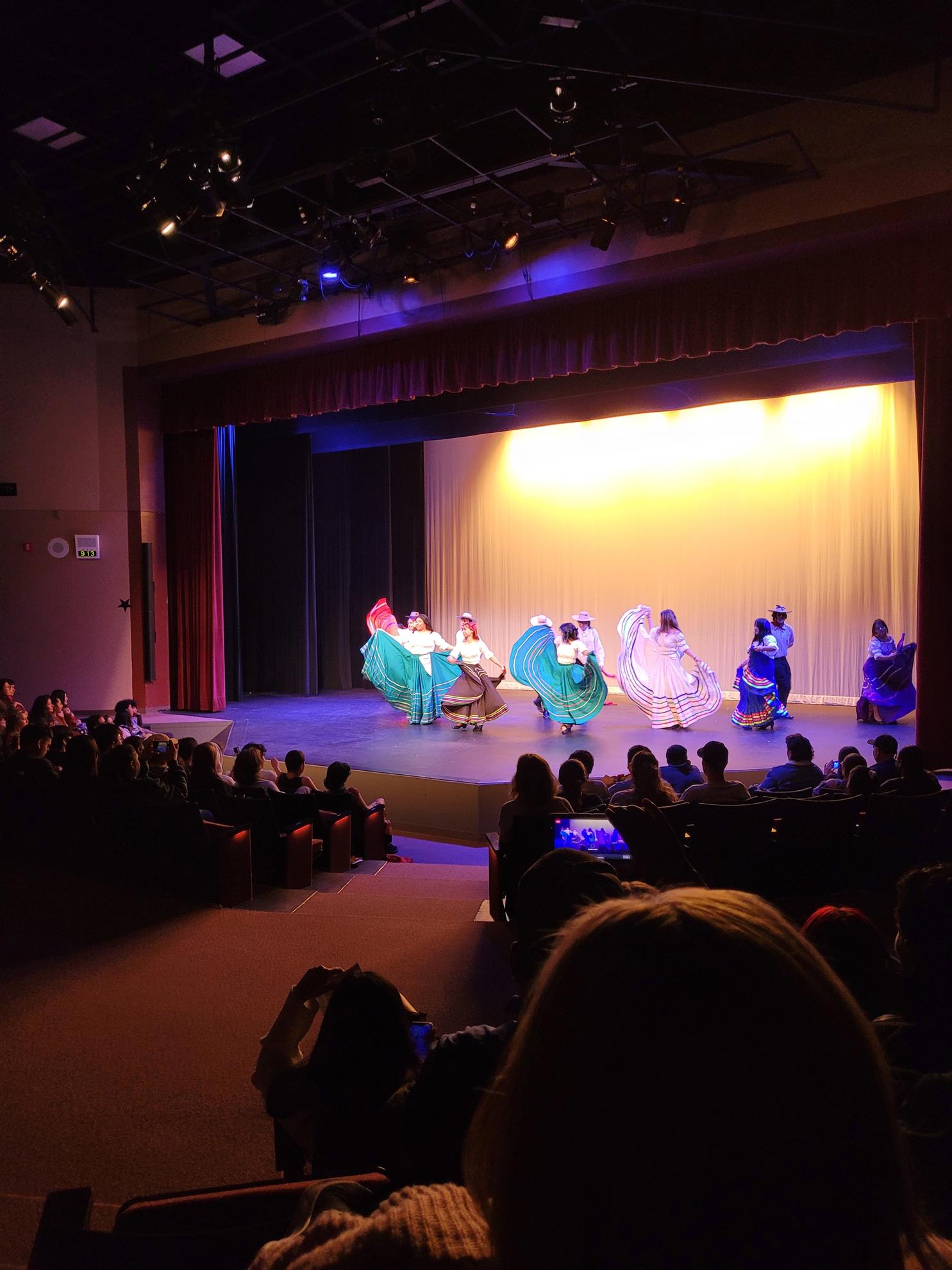
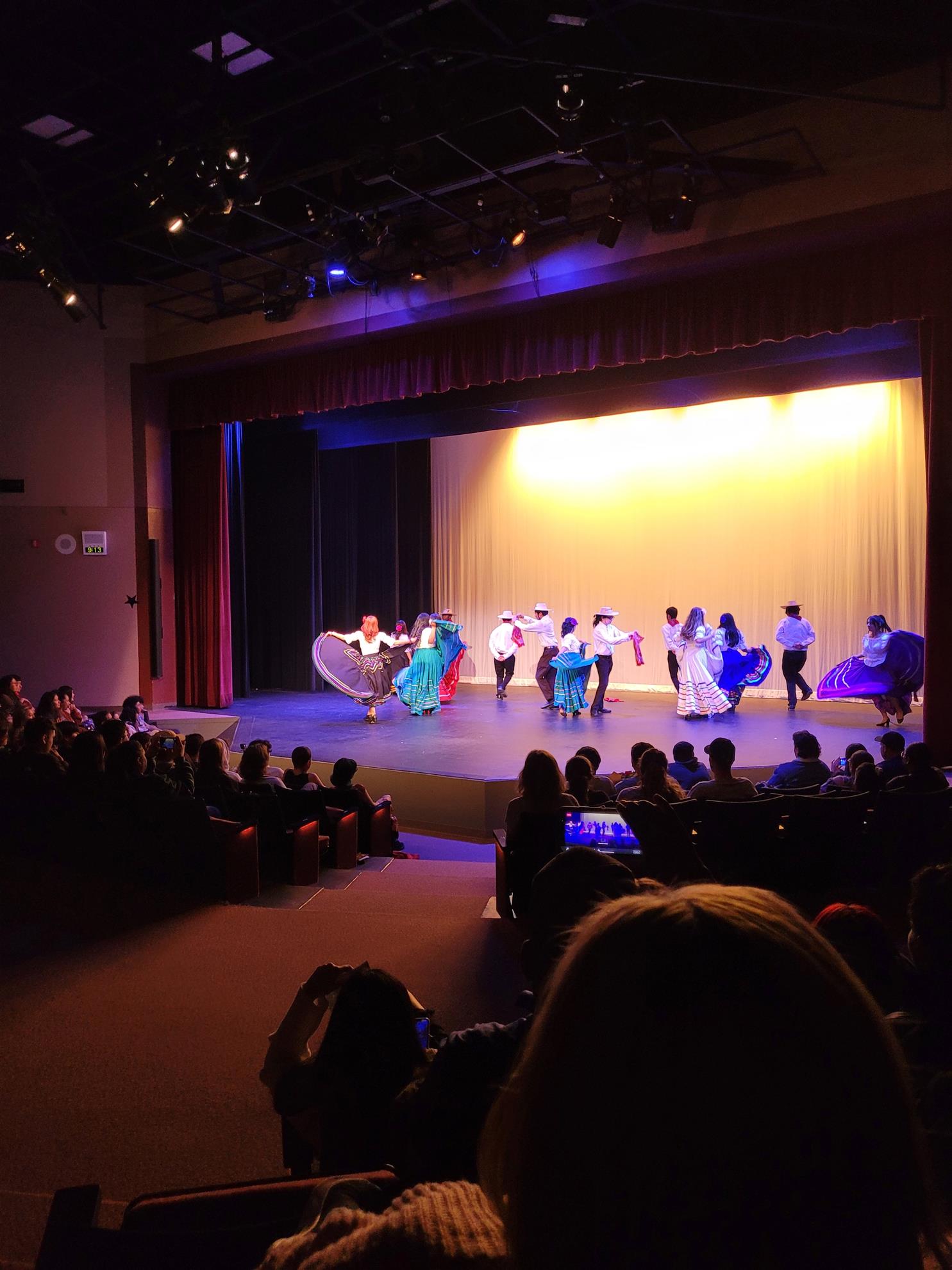
The full program above notes the incredible creative variety choreographed by students from each of Elsie Allen High School's four classes. The Dance Club has nearly 100 members. The Folklorico section dazzled the audiences with their movement and costumes, made possible through grants funded by Sunrise and the Scholarship Foundation.
Students put out tremendous energy during three scheduled performances and one additional ENCORE by popular demand this past weekend.
M.J. Girard is currently an on air personality on KOWSfm.com His “Roots of Rock” is broadcast every Sunday morning at 7 AM
The Super Raffle Extravaganza was a ball. Enjoyed by all in attendance. We are all winners whenever it comes to Sunrise Rotary!
The month of May brings daylight and growth to our homes and lives, offering us the opportunities to do good in our communities.
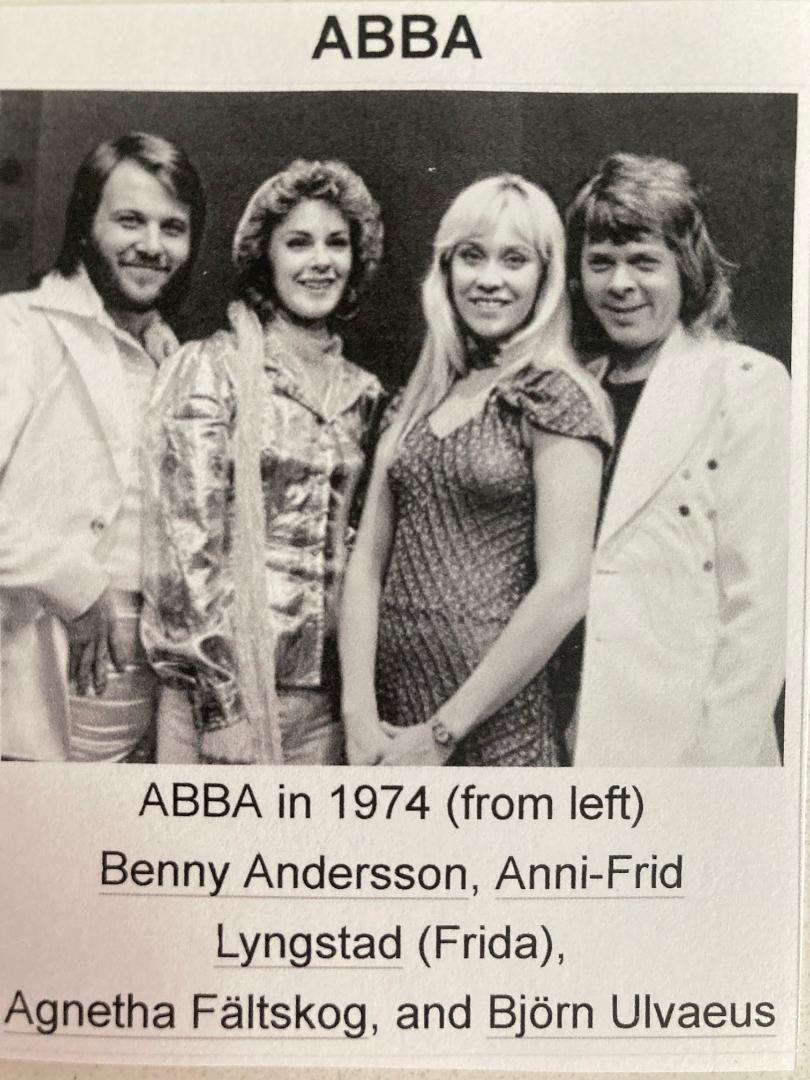
This last full month of spring fills us with joy and anticipation for the upcoming summertime activities. Our first featured group will be ABBA, the Swedish singing phenomena that overtook the established acts to go on to superstardom. Formed in the capitol city of Stockholm in 1972. The groups name is an acronym of the first letters of its members. ABBA is one of the most successful best-selling groups of all time. Formed by two married couples, their combined record sales exceeded 385 million records sold worldwide. Their journey began after winning the Eurovision Song Contest in 1974 with the song, “Waterloo”, just recently chosen as that completion’s best song in its history. ABBA was the first group from a non-English speaking country to top the charts of English-speaking countries worldwide, garnering eight consecutive number-one albums in the United Kingdom, as well as recording numerous albums in Spanish. ABBA was inducted into the Vocal Group Hall of Fame in 2002, and into the Rock and Roll Hall of Fame in 2010, the first time a group from outside the Anglophonic world received such an honor. “Dancing Queen” was inducted into the Recording Academy’s Grammy Hall of Fame” in 2015.
ABBA will be featured in May along with other outstanding artist who brought music into our lives as we traversed the paths of our journey. Thank you for the request: www.Girard.org They too will be featured in the sunny days ahead.
I believe it is a time in our world for brave, courageous, intentional leadership.
Last month, in this column, you heard from my dear friend Anniela Carracedo. She is an amazing member of our Rotary family, and as a past Interactor and now Rotarian, she is this kind of leader.
Anni shared a very personal story about coping with a panic attack, something that I have also experienced. The outpouring and response to this story have been tremendous and punctuate how critical it is that we acknowledge not only our strengths but our vulnerabilities too.
When we talk about finding space for one another — creating comfort and care within Rotary — we're describing a club experience where we can all feel comfortable sharing like Anni did, and we can all empathize with and support one another. Whatever we are facing in life, Rotary is a place where we know we're not alone.
We spend so much time helping our world, whether it's working to end polio, cleaning up the environment, or bringing hope to communities that need it most. Sometimes we can lose track of the need to apply some of our energy and care to our fellow members and partners in service.
The comfort and care of our members is the single greatest driver of member satisfaction and retention. We need to ensure that it remains a priority — and that we further strengthen these bonds by performing service that helps reduce the stigma of seeking out mental health treatment and expands access to care.
That is why I'm so heartened by President-elect Gordon McInally's wonderful vision to help improve the global mental health system, not only for Rotary members, but for the communities we serve.
When Gordon announced our focus on mental health at this year's International Assembly in Orlando, Florida, he reminded us that helping others benefits our mental health by reducing stress and improving our mood. Studies show that performing acts of kindness is an effective way to improve your own mental and physical health. Rotary service brings hope to the world and joy to our lives.
Our new focus on mental health will take some time to do right, and yet it builds on something that has been part of who we are for 118 years. We are People of Action, and behind that action is care, compassion, empathy, and inclusion.
Becoming champions of mental health is not only the right and kind thing to do, it is a tool that can Create Hope in the World, Gordon's inspiring theme for his upcoming year as president. If we serve our members, we serve our communities, and if we can meet people where they are and lift them up, they will imagine Rotary in a new light and come to fully understand our value and our infinite potential.
"Do all the good you can, to all the people you can, in all the ways you can, as long as ever you can."
While we don't know its exact origin, this widely quoted saying summarizes what Rotary and The Rotary Foundation are all about: We do quite a lot of good, serving people around the world in myriad ways, and we are in it for the long haul.
How many other charities do so much good in so many ways for so many as The Rotary Foundation?
Not only do we, the volunteers, fund most of our projects, but we often contribute significant volunteer hours in organizing and executing them. The "regional offices" of our charity — also known as Rotary and Rotaract clubs — are our reliable go-to partners in the more than 200 countries and geographical areas in which we operate. And when we lack expertise in an area, we partner with outside organizations whose trust we have earned, such as the World Health Organization, to deliver results on the ground that truly change lives.
Unlike some charitable organizations, we don't take the "parachute approach" to humanitarian work. We solve problems in a sustainable way. Before we lift a shovel to start any Foundation project, we conduct community needs assessments and work closely with members of the community. The Foundation also acts quickly when needed, such as through our disaster response grants, as we did with the recent earthquake in Turkey and Syria.
Accountants like me and business and community leaders like you pay close attention to the numbers, and in this area, the Foundation is a cut above. In funding projects, we apply Rotary's traditions of fiscal responsibility and ethics to ensure the best use of the resources of our fellow members. We in Rotary are excellent stewards of our grants, with most of the funds going toward humanitarian support itself and relatively little going to grant administration costs. This is why Charity Navigator has consistently given its highest rating to The Rotary Foundation, year after year.
Because our worldwide operation is dedicated to seven areas of focus, volunteers and donors alike have ample opportunities to make a difference where help is needed most. Indeed, the potential to help through the Foundation is limitless.
So, if you are looking for a great charity to support or a way to do all the good you can, look no further than The Rotary Foundation. It is truly one of the greatest charities in the world, and it belongs to you.
Pakistan’s female vaccinators are doing more than helping end a disease
Photography by Khaula Jamil and Sana Ullah
Women make up two-thirds of Pakistan’s polio workforce. It’s a startling statistic for a nation that ranks 145th out of 146 countries for gender parity in economic participation and opportunity, according to a World Economic Forum gender inequality index.
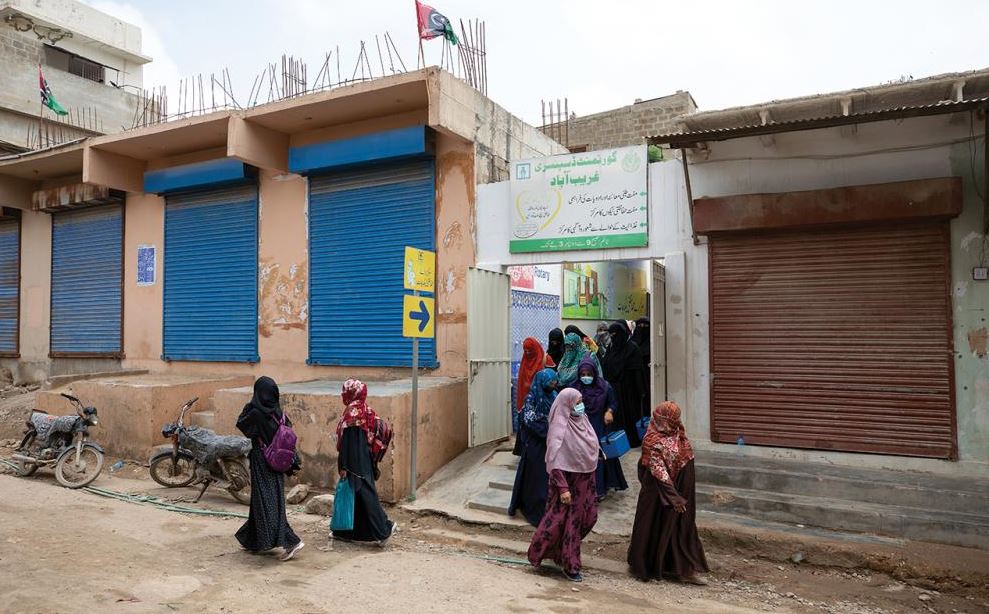
The role of female vaccinators is born of necessity. Because of cultural norms, men are not allowed into many people’s homes in Pakistan. Women who provide the health care are the key link. They can build mom-to-mom relationships and provide trusted advice on not only polio but other health issues.
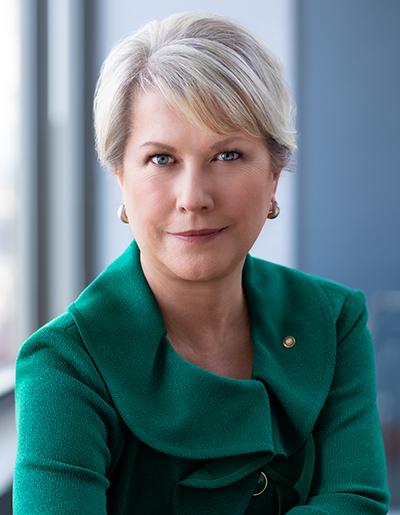
“Women working with women on the front line is going to be what gets us across the finish line,” says Rotary President Jennifer Jones, who met last year with polio workers in Pakistan. The country and Afghanistan are the only two where wild poliovirus is still transmitted persistently.
Female health workers can enter homes where male health workers would not be allowed.
The female vaccinators’ work is neither safe nor easy. The women in Pakistan are sworn at, shoved, beaten, and some even killed. They’re fighting misinformation. But their work is crucial — and not just for the cause of polio eradication.
“They are supporting their education, they’re supporting their household, they’re supporting their men and giving a change in Pakistan,” says Sadia Shakeel, coordinator for a Rotary-supported polio resource center in Karachi. “This is bigger than polio.”
Shakeel calls them “little entrepreneurs.” Most of the women range in age from 21-38 and have their own children, she says. Yet they wake to say prayers before dawn, feed their children breakfast, and leave to start their work to end a disease.
Employing women is one key strategy of the Global Polio Eradication Initiative. And that’s not just to deliver the vaccines at the front line; it’s also to hire women as supervisors, doctors, and decision-makers. “We cannot succeed without the women we have in the program at all levels,” says Hamid Jafari, a pediatric infectious disease doctor and director of polio eradication for the World Health Organization’s Eastern Mediterranean region.
Meet five of the women working to end polio in Pakistan
Tayyaba Gul: Rotary Club of Islamabad (Metropolitan)
Tayyaba Gul joined Rotary in 2000 and has worked in public health for over two decades. She represents Rotary at Pakistan’s National Emergency Operations Centre, working with partners and the national government to help address gaps. She also runs a Rotary-supported polio resource center in Nowshera. “I work with Pashtun communities and have faced a lot of hurdles,” she says. “I feel like after spending such a long period of time here, they respect me a lot, and they listen to me. I feel proud that in such a community, my voice — a woman’s voice — is being heard.”
Tayyaba Gul (right) of the Rotary Club of Islamabad (Metropolitan), and Parveen Ajmal, another health worker, cross the Kabul River in Nowshera to reach embankment communities.
Azra Fazal Pechuho: Minister of Health and Population Welfare, Sindh province
There are about 1,500 vaccinators in Karachi, the capital of Sindh province. Many are women who did not leave their houses previously. Because they start earning money, “their voice within the household increases, their decision-making powers increase,” Azra Fazal Pechuho says. “Gender equity comes in because of the fact we have employed female workers.” But polio can’t be eradicated without these women and their ability to enter houses where men are not allowed. “They’ve been a great asset,” she says. “They are a tremendous force, and I think their work is to be acknowledged.”
Dr. Azra Fazal Pechuho meets with RI President Jennifer Jones at the Emergency Operation Centre in Karachi in August.
Vaccination teams approach people at the busiest border crossing between Pakistan and Afghanistan. It’s crucial to catch mobile populations to stop the spread of poliovirus. As a supervisor, Effat Naz is responsible for planning cold chain logistics to preserve vaccines and working with families who refuse vaccination. “Women workers find it difficult to work here,” she says. “Yet we do it because we love our country, Pakistan. We have joined the frontline force to save our country from this virus.”
Effat Naz (right) and health workers prepare to provide polio vaccinations.
Soofia Yunus: Former director general of the Federal Directorate of Immunization
Soofia Yunus is the first woman to have led Pakistan’s national immunization program since it began in 1976. “In every strategy we make and in every activity that we conduct, we ensure that females are a part of it,” she says. To help with security, the program is recruiting couples such as husbands and wives or brothers and sisters to be vaccinators together.
Dr. Soofia Yunus speaks at a conference at the National Emergency Operations Centre in Islamabad in August.
Mehr: Vaccinator and water plant manager
Mehr, who gave only one name, has worked as a vaccinator since 2012. “I am working to support my children so they can get educated,” she says. “This is what I spend my salary on. I also want to help my community.” She notes that the work has become more data-driven, and vaccinators visit homes more frequently. “People used to push us out of their homes and curse us, but now that we go regularly, our presence is normalized,” she says. “The awareness level has increased that we are doing this to help them and their children.”
Mehr (left) meets with community health workers. “I want this disease to end,” she says.
This story will also appear in the April 2023 issue of Rotary magazine.
Rotary Club of Santa Rosa Sunrise - Founded June 30, 1986


.png)





.png)







 Tayyaba Gul joined Rotary in 2000 and has worked in public health for over two decades. She represents Rotary at Pakistan’s National Emergency Operations Centre, working with partners and the national government to help address gaps. She also runs a Rotary-supported polio resource center in Nowshera. “I work with Pashtun communities and have faced a lot of hurdles,” she says. “I feel like after spending such a long period of time here, they respect me a lot, and they listen to me. I feel proud that in such a community, my voice — a woman’s voice — is being heard.”
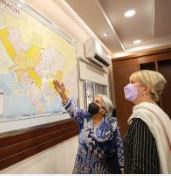 There are about 1,500 vaccinators in Karachi, the capital of Sindh province. Many are women who did not leave their houses previously. Because they start earning money, “their voice within the household increases, their decision-making powers increase,” Azra Fazal Pechuho says. “Gender equity comes in because of the fact we have employed female workers.” But polio can’t be eradicated without these women and their ability to enter houses where men are not allowed. “They’ve been a great asset,” she says. “They are a tremendous force, and I think their work is to be acknowledged.”
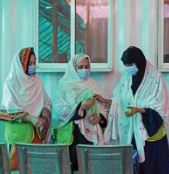 Vaccination teams approach people at the busiest border crossing between Pakistan and Afghanistan. It’s crucial to catch mobile populations to stop the spread of poliovirus. As a supervisor, Effat Naz is responsible for planning cold chain logistics to preserve vaccines and working with families who refuse vaccination. “Women workers find it difficult to work here,” she says. “Yet we do it because we love our country, Pakistan. We have joined the frontline force to save our country from this virus.”
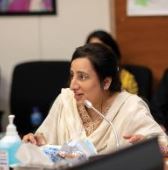 Soofia Yunus is the first woman to have led Pakistan’s national immunization program since it began in 1976. “In every strategy we make and in every activity that we conduct, we ensure that females are a part of it,” she says. To help with security, the program is recruiting couples such as husbands and wives or brothers and sisters to be vaccinators together.
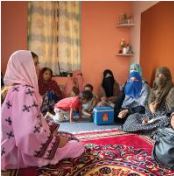 Mehr, who gave only one name, has worked as a vaccinator since 2012. “I am working to support my children so they can get educated,” she says. “This is what I spend my salary on. I also want to help my community.” She notes that the work has become more data-driven, and vaccinators visit homes more frequently. “People used to push us out of their homes and curse us, but now that we go regularly, our presence is normalized,” she says. “The awareness level has increased that we are doing this to help them and their children.”