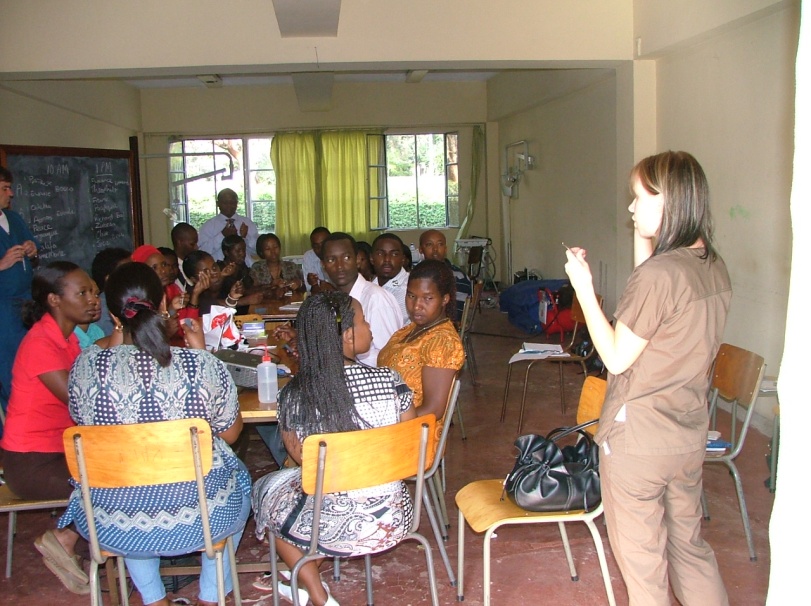
Education: Assist dental schools in East Africa toensure they have the means to improve education and clinical training withinthe dental school plus post-graduate continuing education experience. Help provide education exchange and distancelearning with western dental and medical facilities for clinical, laboratory,and equipment technology.


DentalAssociation: Consultation & educationalexchange with local dental associations, and national regulatory bodies is amust before we enter their communities to provide dental treatment. We must ensure that humanitarian servicessupport the long term goals of the country’s Oral Health Policy and Objectives.
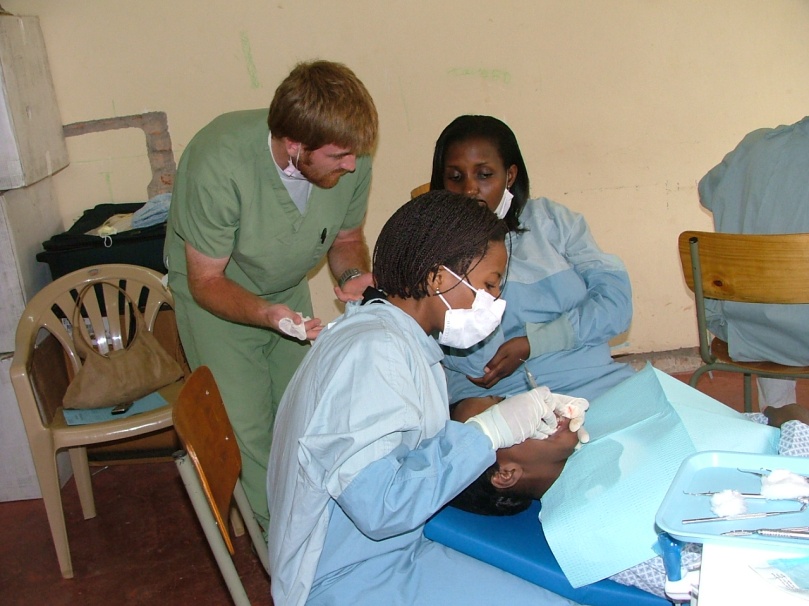
CommunityDentistry: Provide treatment for those without access toadequate Dental Services. Oral hygieneinstruction and preventive services must be our main focus in primary schools. Making children aware of the availability oflocal dental services and encouraging them to seek treatment through educationand provision of Atraumatic Restorative Treatment (ART) within theirclassrooms, fosters a greater appreciation for their own local dentalprofessionals.


What iscommunity Outreach Dentistry?
AtraumaticRestorative Treatment (ART) is the technique of removingtooth decay with hand instrumentsand restoring the cavity with an adhesive restorative material. It is an ideal procedure for millions ofpeople in less industrialized countries and certain special groups such asrefugees and people living in deprived communities, giving them the opportunityto receive restorative dental care. TheART approach enables the dental profession to treat dental caries and providetreatment for children residing in areas where electricity is not available orin areas which have electricity, but where the community cannot afford expensive dental equipment.


Western dentists often go to developing countries andprovide expensive western dental care to communities which will never have thefollow-up treatment which is needed. This raises their expectations but does not foster the opportunity forlong-term care within their community. By training local dental auxiliaries toprovide Community Dental Outreach (Oral Hygiene Instruction and ART) within theprimary schools in their area, we can elevate community dental health andawareness, provide effective treatment within rural schools and enhance the local dental professional’sability to provide dental care for his own community.