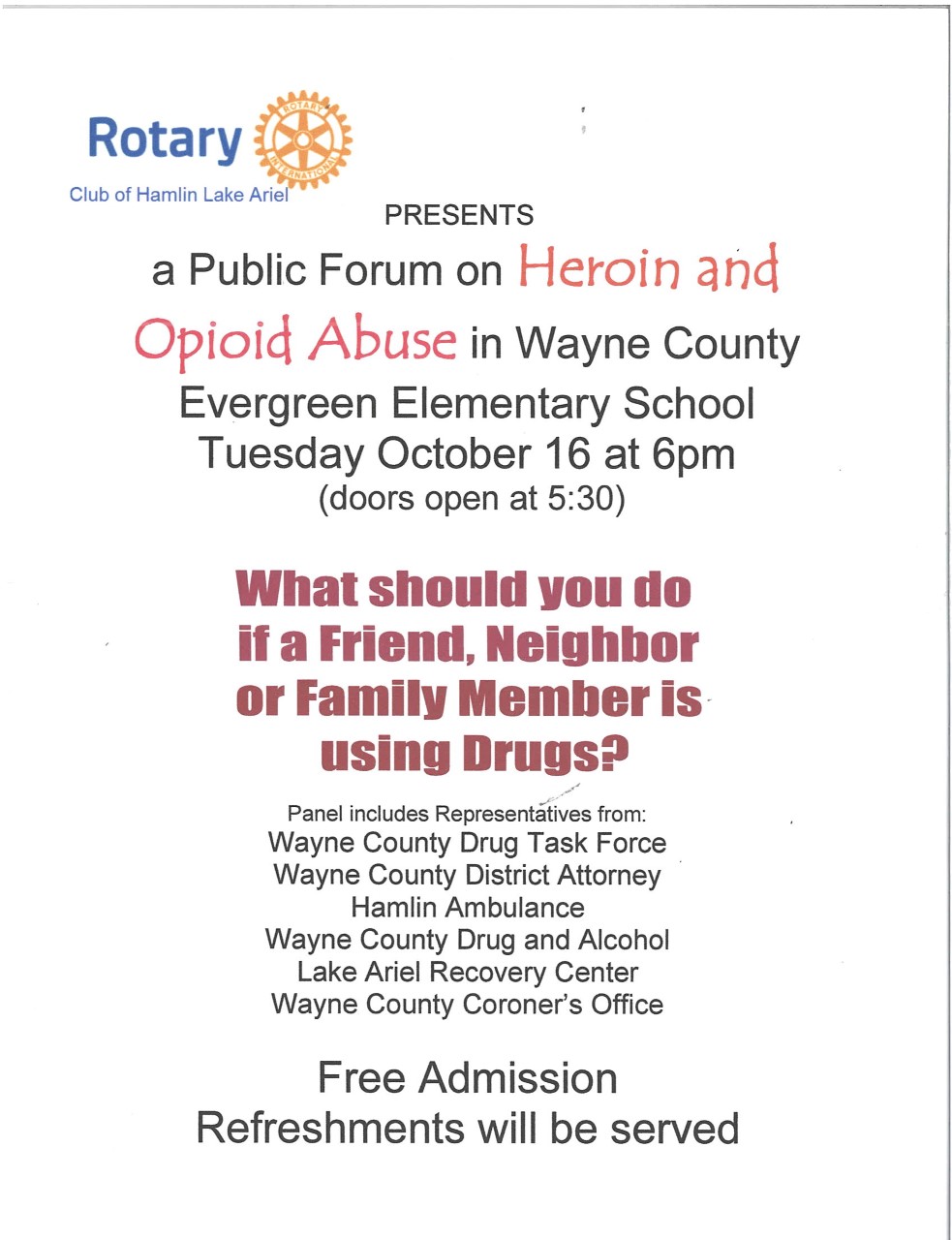
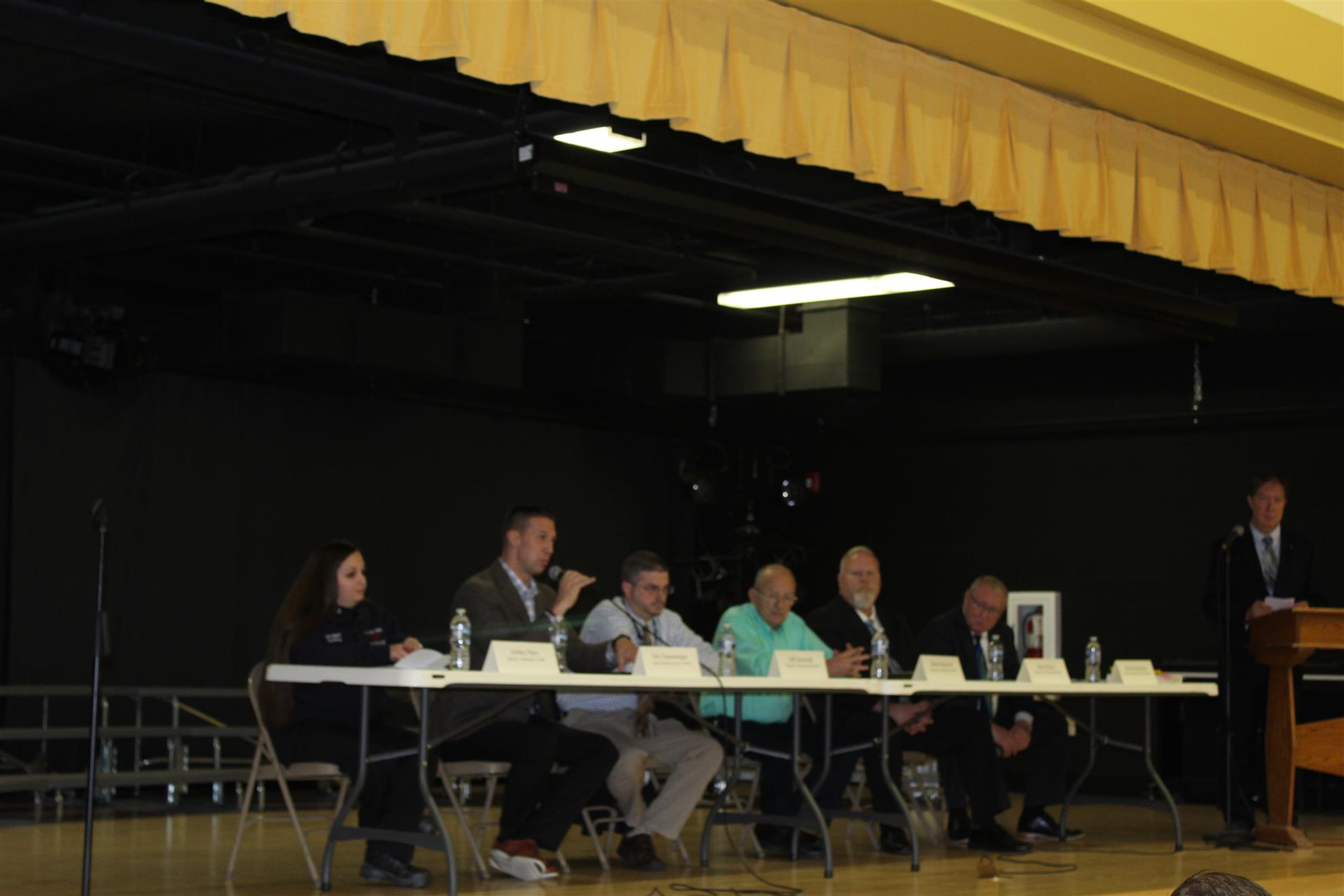
On October 16, 2018 The Rotary Club of Hamlin Lake Ariel gathered a panel of 6 professionals who deal on a regular basis with the issue of heroin and opioid abuse in our community.
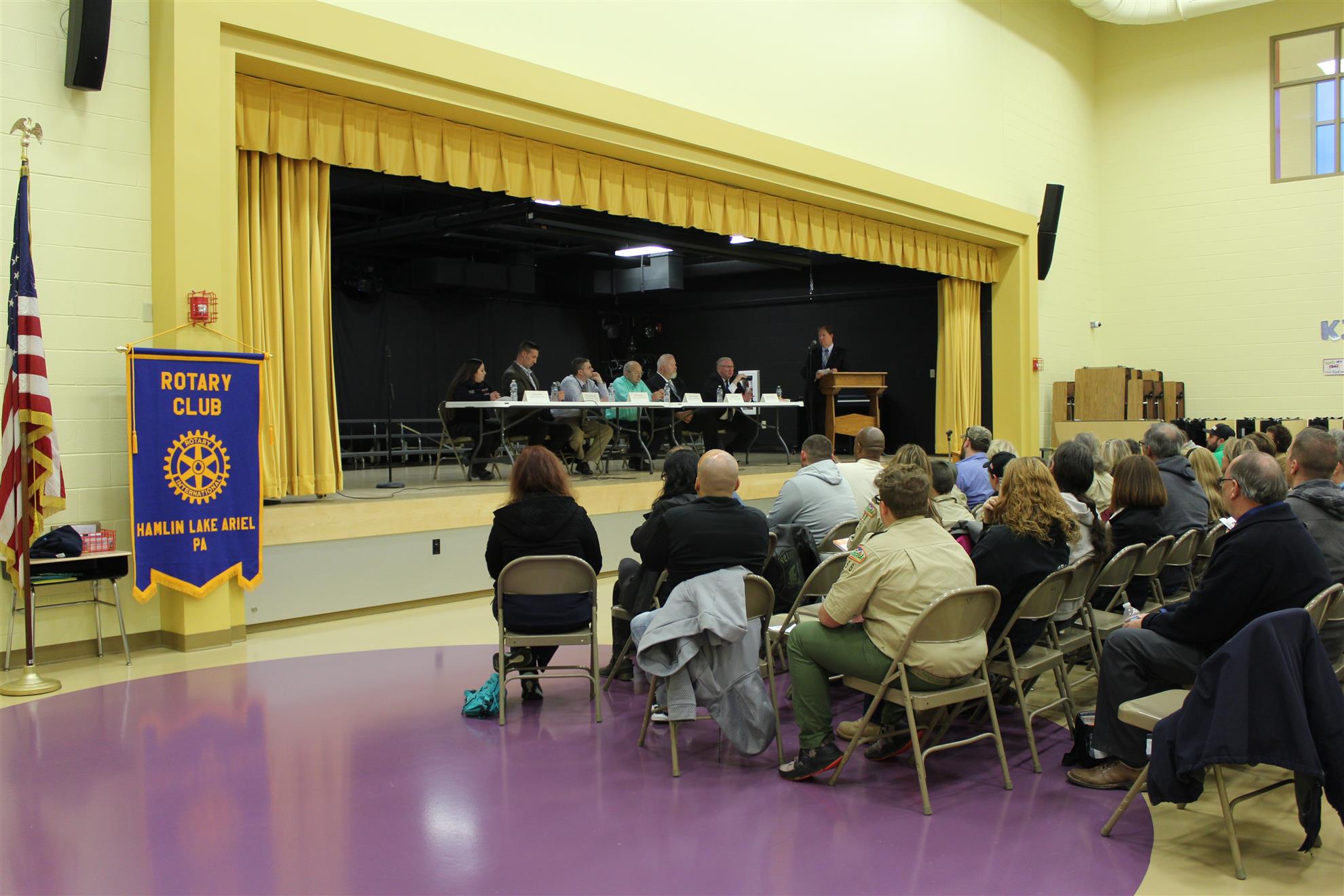
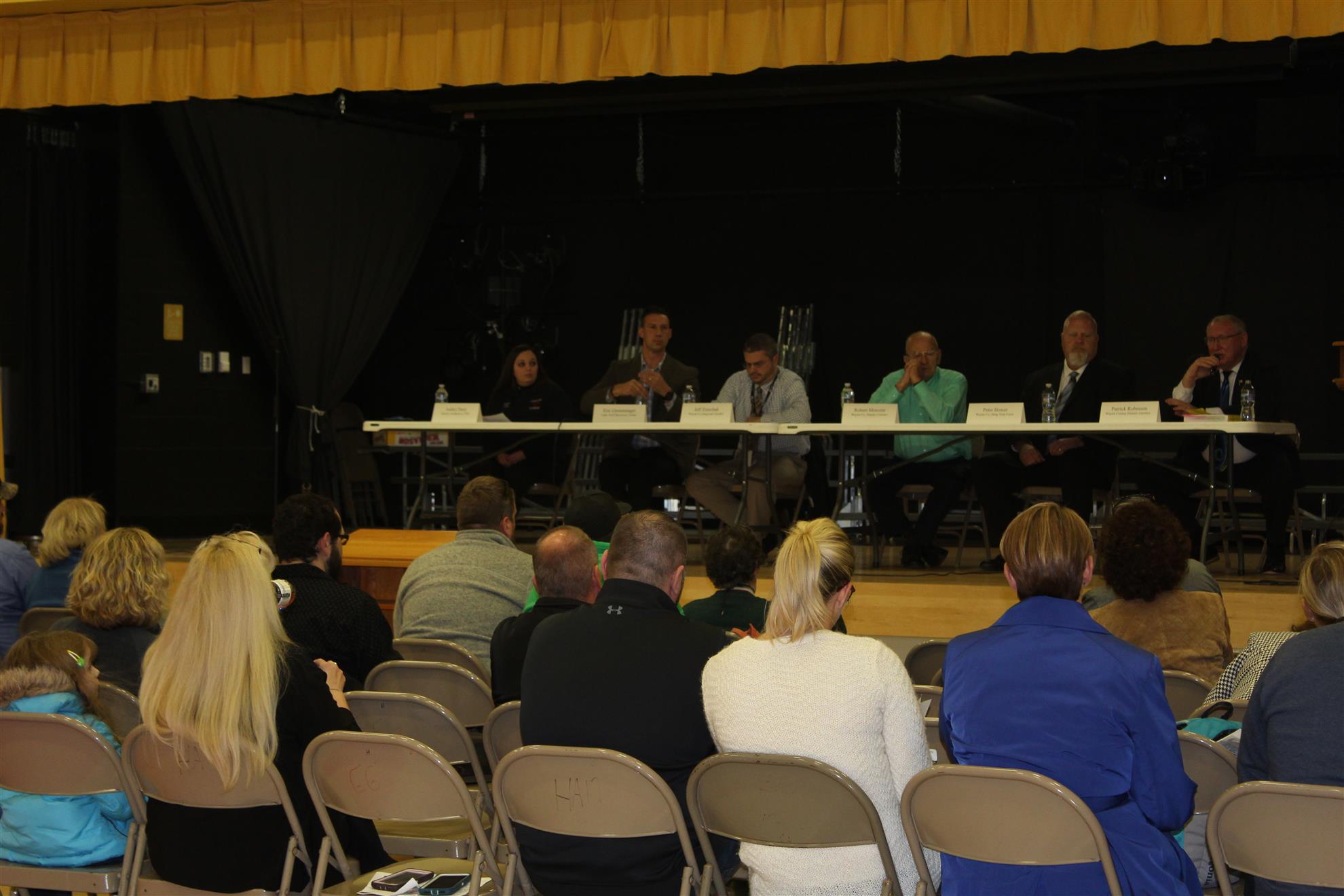
On October 16, 2018 The Rotary Club of Hamlin Lake Ariel gathered a panel of 6 professionals who deal on a regular basis with the issue of heroin and opioid abuse in our community. Serving as panelists were Wayne County District Attorney Patrick Robinson, Chief Detective Peter Hower with the Wayne County Drug Task Force, Deputy Coroner Bob Morcom. They were joined by Jeff Zerechak, Director of Wayne County Drug and Alcohol, Eric Gremminger, COO of Sanctuary Health Group which operates Lake Ariel Recovery, and RN Ashley Parry, an ER nurse from CMC and member of Hamlin Ambulance. The Moderator for the evening was John Giguere, owner of Capital Insurance Works and member of the Hamlin Lake Ariel Rotary.
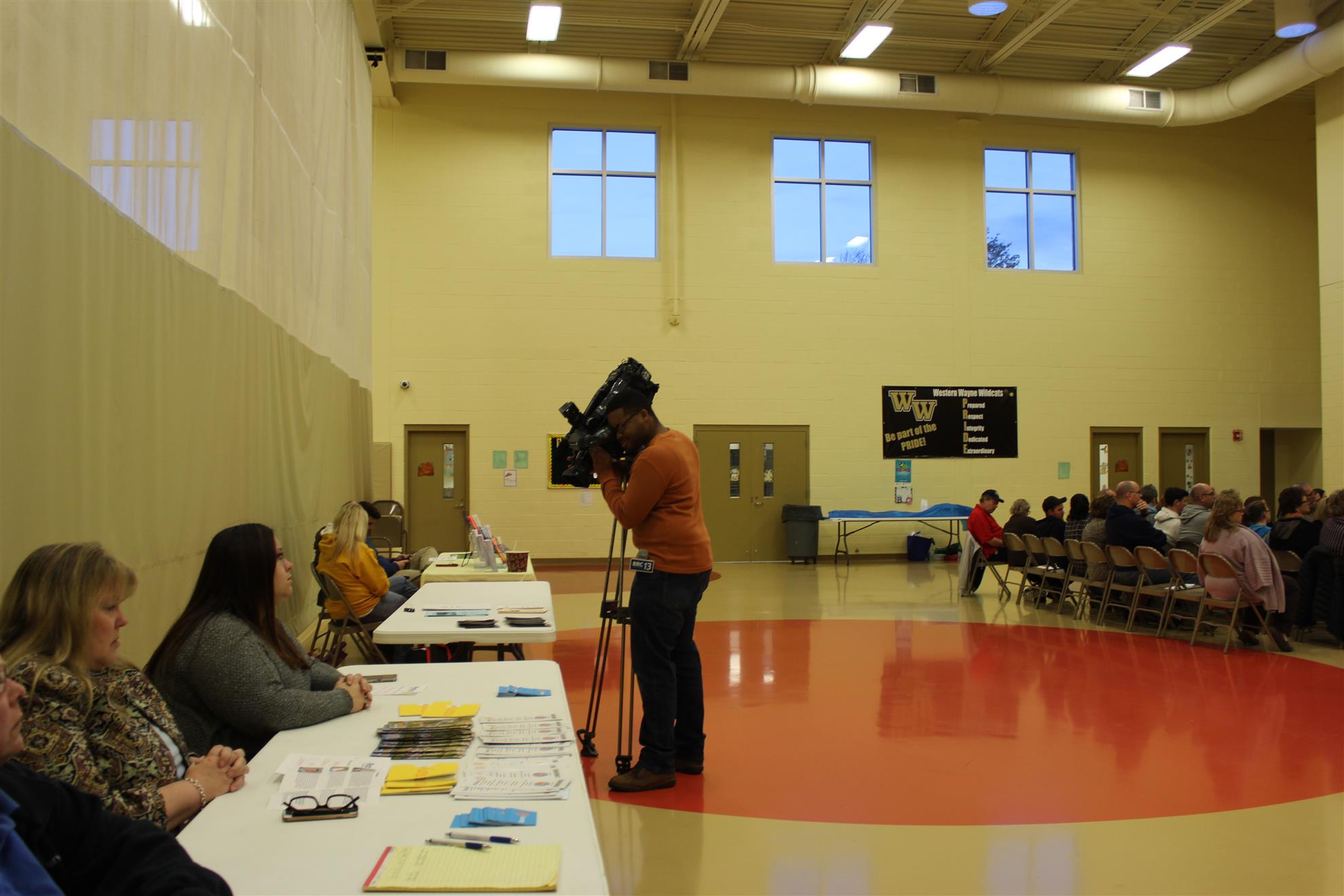
More than 75 people filled the room at Lake Elementary to hear how the epidemic has increasingly affected our area and what is being done to combat the problem. According to Det. Hower, a statewide database is being created to prevent people from "Doctor Shopping" to get opioid pain medications which for some is a starting point for addiction. DA Robinson discussed the issue of family member's reluctance to report for fear of getting the loved one in trouble by pointing out that once using, that person is "already in trouble" and intervention is necessary. The drug Fentanyl has been detected with increasing regularity in the heroin tested. This extremely potent drug is blamed for an increase in deaths and adverse reactions, including to police and responders who do not have a tolerance.
Nurse Parry described the physical symptoms of abuse- clammy skin, pinpoint pupils, weight loss, poor hygiene, apathy- but also pointed out that an overdose, characterized by shallow or no breathing and loss of consciousness required immediate medical care. She also talked about some of the dangers first responders may face when entering into a scene with overdoses. Mr Zerechak spoke of the services his agency can provide in getting people seeking rehab with placement and for those in financial need, the insurance they may need to start recovery.
Eric Gremminger spoke of the need to reduce the stigma of addiction and to use a holistic approach to the person including his physical, emotional, financial and family relationship health. That is the basis for his approach to sustainable recovery. Deputy Coroner Morcom was asked to share how addiction and overdose death affect the community. He shared a story of entering a home where 2 people had died from overdose to finding the couple’s parent holding their 4 month old daughter who had just been discharged from the hospital after being born addicted. He says the image stays with him to this day.
During the audience Q&A, an important fact that came to light revolving around the issue of reporting overdose. A law is now in place in PA intended to save lives through which an OD victim cannot be arrested. If an overdose is suspected, 911 should be called immediately. There will be no repercussions to the victim or caller.
A short debate on the availability and use of Narcan followed during the Q&A session. Narcan is available through local pharmacies and administration training is available. One participant felt that accessibility to Narcan makes it easier for users to take chances. The increase of fentanyl being cut with heroin makes Narcan less potent and repeated doses may be required.
One of the final images of the evening was a mother sharing the story of her son’s 11th attempt at rehab. She begged audience members not to judge because, after all, everyone is someone’s someone.