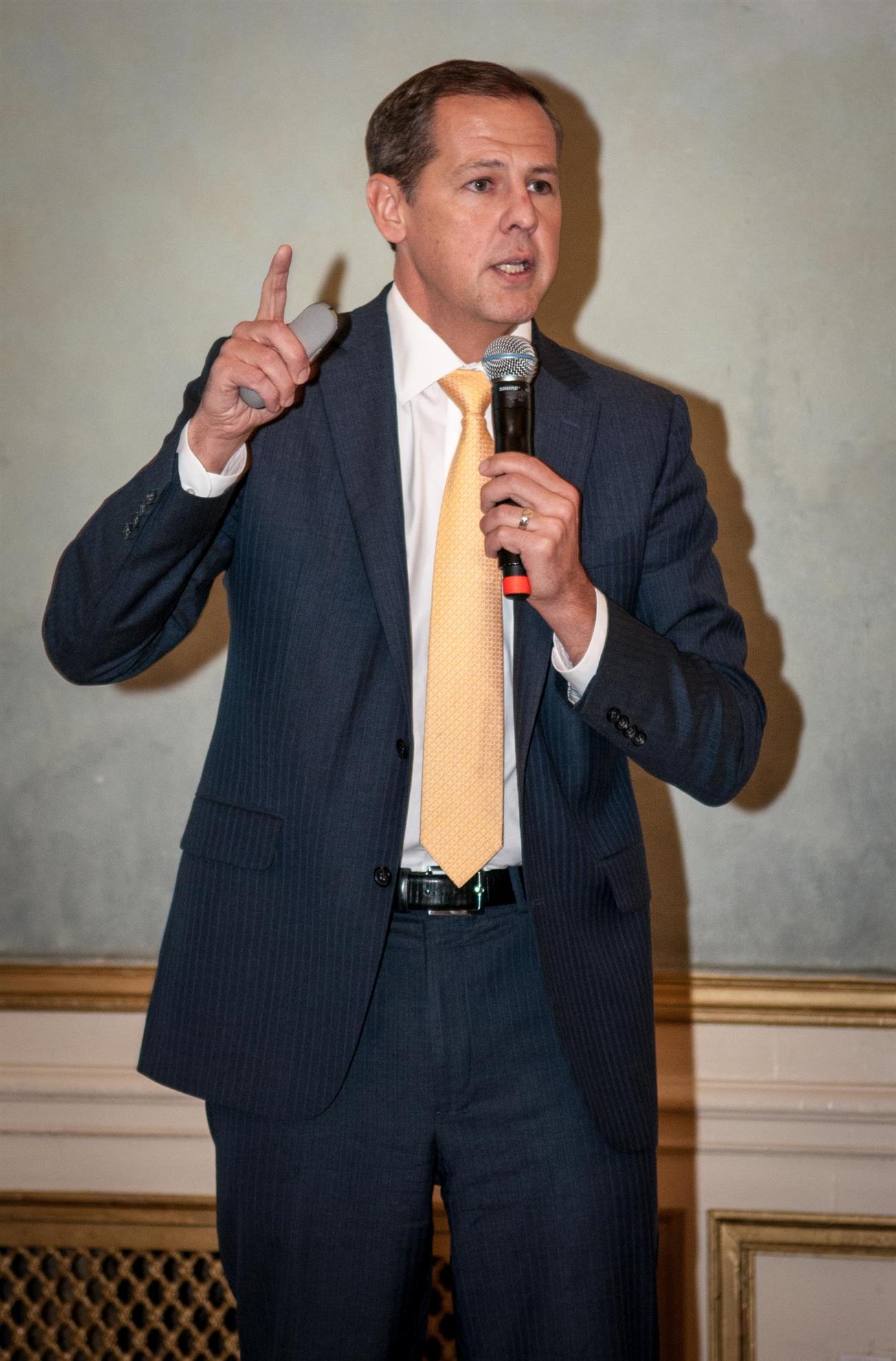
 We had the great opportunity to invite David French, CEO of Obsidian Energy, to speak to us today. Obsidian Energy was previously Penn West Energy. As many of you also know, Penn West Energy is a Calgary based success story since 1989. A little background of Obsidian Energy:
- Obsidian Energy Ltd is a mid-sized Canadian oil and natural gas production company based in Calgary, Alberta.
- It was one of the S&P/TSX 60, the sixty largest companies on the Toronto Stock Exchange. From 2005-2011 it was a Canadian royalty trust (CANROY), and reached a peak market capitalization in January 2008 of approximately US $9.5 billion.
- The company experienced operational and financial difficulties when crude oil prices fell significantly in 2014. As a result, the company underwent a significant restructuring with the majority of the assets sold over the next two years to reduce debt.
We had the great honor of having the chance to speak with David French.
- David, being a shrewd CEO, first showed us how much of an organizational change Obsidian has gone through for the past 4 years.
- 30 area of operations -> 3
- 5.5 million net acres -> 2.5
- 24 floors of offices -> 2.5
- 15 executives -> 5
- 2000 employees ->300
- 15 field offices -> 4
- From a company with over $9 billion at peak, and to now just over $1 billion, that is not something for a CEO to be proud of. David went on to discuss the 4 important pillars that matters in Obsidian. They are:
- Sharing allocation of capital
- Performance Ethics
- Rebuild Expectation
- Focus on the Family
- What is most important out of four, to David, is focus on the family. As a matter of fact, David put money where his word is. My 2.5 year old daughter currently is in day care center that is financially supported by Obsidian Energy. I sincerely thank you for Obsidian’s investing and building a strong community and supporting Calgarian families.
- David mention the many challenges Alberta businesses are experiencing, they are:
- We acts like big companies but we are not anymore.
- Market/prices challenges but we are almost there in terms of fiscal accountability and to make money at this external period of low price environment ($40 to $55 / bbl.)
- Investor money moving south of the border, of course including Canadian’s.
- Regulatory issue, we have a government that does not help (from this speaker and others, and what we seen)
- What we believe in terms of our natural resources, are we having guilt that we made so much money (though not any more) from our ground.
- A few things that went through my mind from this week’s speaker sharings:
- Are we reflecting on our leadership changes in the province? (though I must confess that I value the utmost pragmatism that brought us where we are for our outstanding history – let’s forget the last 3 years).
- In particular, are we forgetting about our next generations (even occasionally)? Can we reflect on how the NDP got into power and as close as our declining memberships? Being a cluster myself (born 1980), I proclaim myself as Gen X rather than Millennials but I learned something when I read about Millennials. By the way, Millennials exceeded Baby Boomers in size in 2016. (75.4 million, surpassing the 74.9 million Baby Boomers)
- Of course, as Rotarians, as community leaders, we are supporting the students, young families, immigrants at various donations but maybe there is more we can do. Instead of giving, let’s include them into our conversations too. Make them one of us. When they are heard, and in our meetings, our agenda becomes their agenda too. Together we are stronger as a family, we all have grand-daughters /son and daughters in that age group) across the dinner table, set aside our age difference, egos (as David talked about), and we can really learn from them.
- To prevail, we need to find a way to talk to these younger generations. It is not an easy task but maybe there is opportunity here we can bridge to them, we can be effective at leading this generation.
- Remember how we got to our pass successes, as Russell Conwell's Acres of Diamonds, we invest in ourselves and self improvement.
- For short 30 pages read to understand our next generations, I found this easy read: Understanding Millennials: A guide to working with todays generation
- In order to lead them, we should learn about them. We do need to understand them better. We do have a 37 years old as Deputy Premier. Whether we admit it or not, they are here among us already.
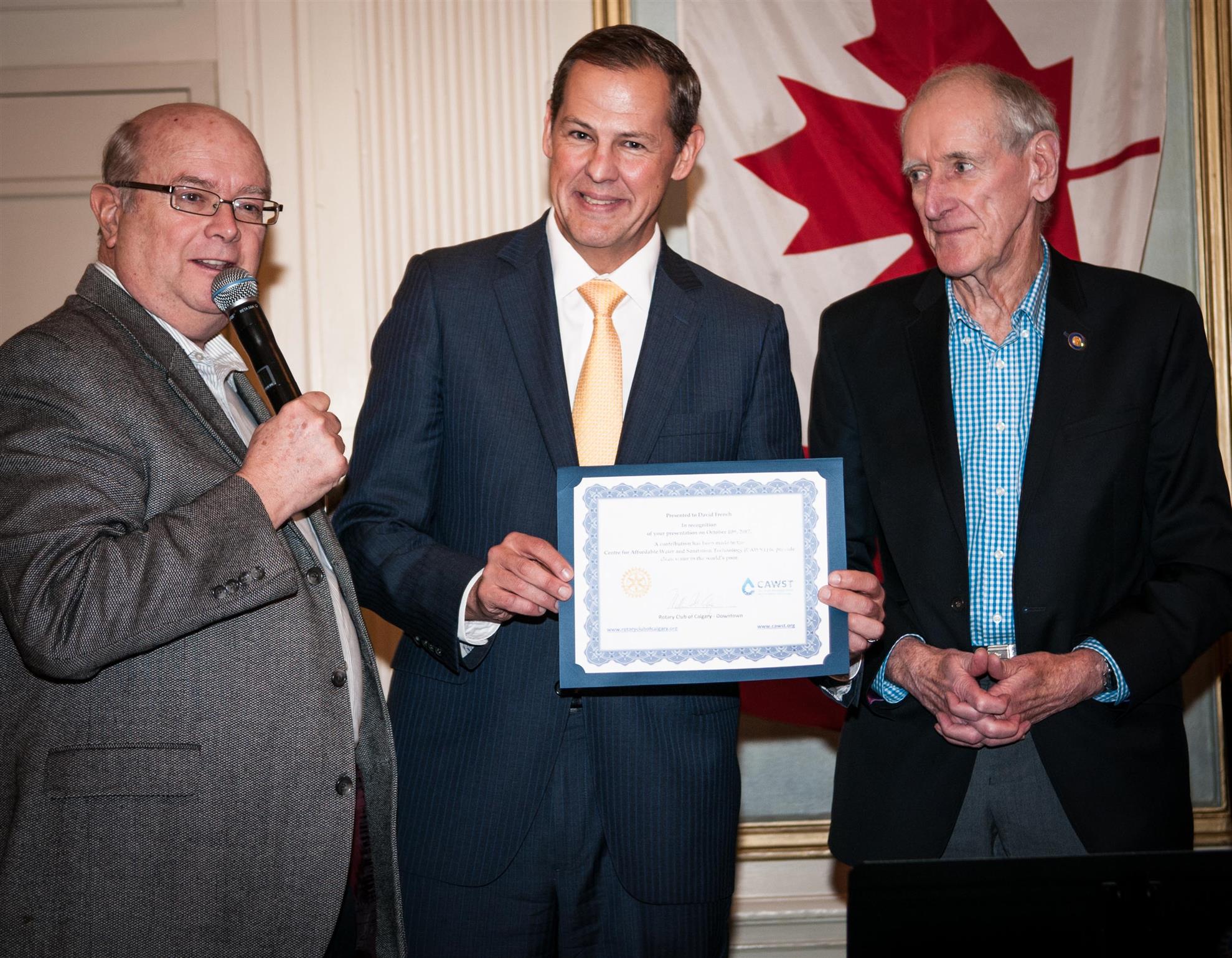
Walter Haessel thanks speaker David French.