Dr. Paul Duffy of Team Broken Earth
Dr. Paul Duffy of Team Broken Earth
By Michael Pierson
Dr. Sonny Belenke introduced our guest speaker Dr. Paul Duffy, Division Chief of Orthopaedic Trauma in the Department of Surgery at the Foothills Hospital. Dr. Duffy hails from St. Johns, Newfoundland where he began his university and medical training. His training has taken him many places and we are fortunate that he now calls Calgary home.
Dr. Paul Duffy began his presentation with grim statistics of one of the poorest countries in the world, right here in the Western Hemisphere – Haiti:
Population: 9,900,000
50% of the wealth is owned by the richest 1% of the country
$2.00/ day is the average wage
Life expectance in males: 60 years
Life expectancy in females: 63 years
Common devastating illnesses include tuberculosis, meningitis and AIDS. Simple medical and health problems can create severe problems or death.
This was the state of the country prior to the devastating earthquake on January 12, 2010. The quake lasted 35-45 seconds. About 225,000 people died and 1.5 to 1.8 million people were left homeless. The initial wave of relief included disaster teams from all over the world. The most effective team was clearly the Israeli Army.
Dr. Duffy’s called his personal experience right after the earthquake – relief in the rubble. Even though relief was offered, the infrastructure was shattered to a point that it was difficult to be effective. Team Broken Earth is a non-profit group of Canadian healthcare professionals providing medical assistance to Haiti's earthquake victims. Their model of care is to provide a full team of people, a one week mission and be completely self contained.
Initially much of the work was clinical care – doing the work that needed to be done. Since those first visits, it was determined that this model of help was unsustainable. Rather than doing the clinical work, the focus has changed to the development or redevelopment of the health care system. Subsequent trips now focus on education, mentorship, and clinical training in order that local medical personnel continue the work long after Team Broken Earth is gone.
Teams now include large groups of physicians and support staff to ensure the training will be thorough and complete. They even include biomedical engineers who spend their entire time repairing equipment and training other to do the work. As teams leave for their missions, they take valuable equipment that is simply not available in Haiti.
Initial trips into Haiti, the volunteers spent 80-90% of their time in earthquake related relief. Current missions spend 90% of their time and resources on training and education. Most of the efforts of Broken Earth have been related to the task of providing relief, they have spent almost no time fund raising. Doctors, nurses and other volunteers have paid for their own transportation during valuable vacation time off.
Dr. Duffy presented an excellent insight into the state of affairs in Haiti and the wonderful relief that Canadians are providing through Team Broken Earth. When asked does Team Broken Earth work with other NGOs?, Dr. Duffy explained that TBE works closely with the UN who provides much needed security. Where Doctors without Borders offers medical services, TBE offers the component of supporting the local health care system. They are not competing with other organizations.
In responding to questions about whether there is hope for Haiti Dr. Duffy explained that there are lots of problems including a brain drain and difficulties from rich people. The desperation is widespread, however, there are lots of good things happening. For example. there is a core of young people who are dedicated and the medical system is slowly being strengthened. The political system is currently more stable.
Barbara Young, Chair of the International Committee spoke of how Team Broken Earth follows a like minded approach shared by Rotary to help people help themselves. She thanked Dr. Duffy for the presentation and presented him with a certificate showing that a contribution was made to CAWST in recognition of his talk to our club.
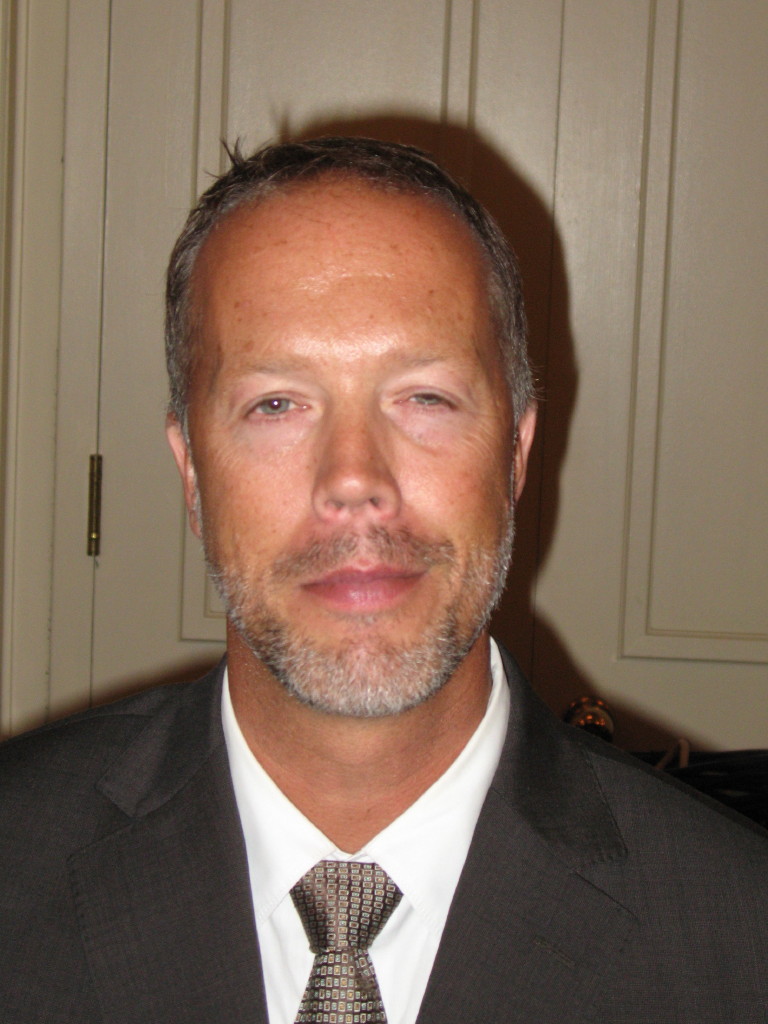
Dr. Paul Duffy, our speaker