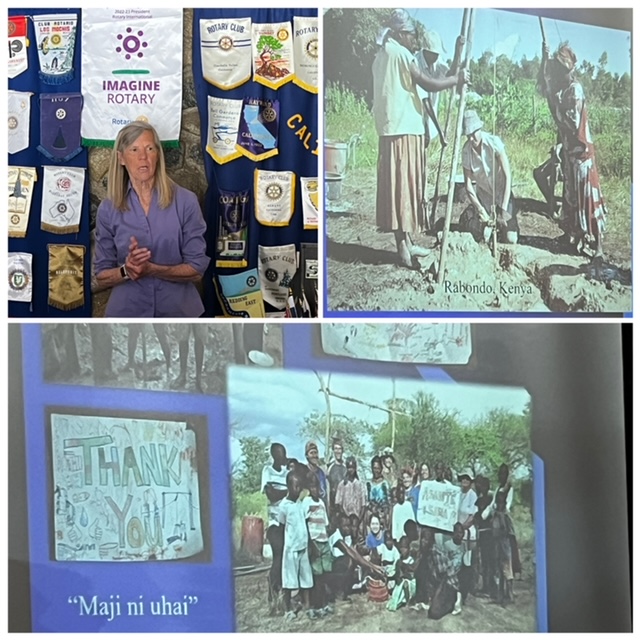
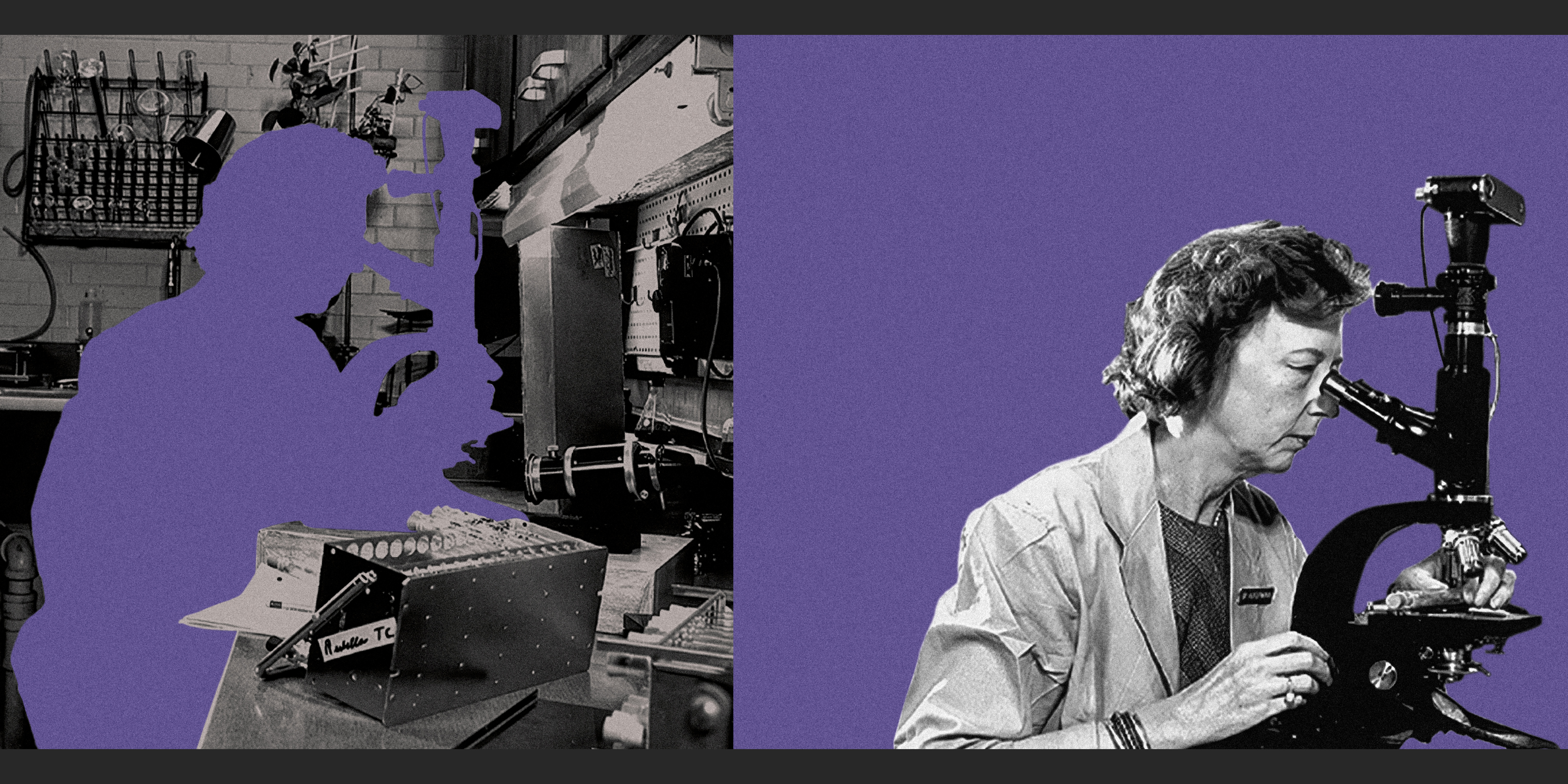
"Maji ni uhai" means "Water is Life" which is evident in many Kenyan villages who have benefitted from the hard work of Dr. Cathy Fitzgerald and her team of well drillers - some who are Univerity of Nevada students, some who are members of the villages.
For over 17 years, Quincy Rotary has partnered with Dr. Fitzgerald, a Ph.D. in Engineering, with a strong background in hydrology. Rotary helps with the funding and Fitzgerald with the site selection and well drilling, bringing fresh water to Kenyans where water flow is often not efficient. Most water is lugged by young girls over miles of arid terrain to reach villages. The girls rise early in the morning to fetch firewood to build fires. After they forage for fuel, the girls set out to find water to port back to their village in jugs. The often-putrid water sources are shared with wild animals, tape worms, brain eating amoeba, harmful bacteria and a host of other dangerous entities. The girls must then boil the water before using it to cook, or clean, or drink. The girls in villages are the foragers, fetching wood and water miles from their homes while the boys go to school. Up until recently, the girls had little time to attend to their education.
Enter Dr. Fitzgerald who leads UNR graduate students to Kenya to work on water projects. She was looking for sponsors and Quincy Rotary was interested, seeking a meaningful international project to satisfy one of the 7 areas of focus of Rotary International. Those areas are promoting peace, fighting disease, providing clean water, sanitation, and hygiene, saving mothers and children, supporting education, growing local economies, and protecting the environment. Dr. Fitzgerald’s project fit the bill.
Now, these wells free Kenyan girls from the burden of foraging for firewood and hauling water for miles, allowing them time to spend in a classroom, becoming educated alongside boys. Dr. Fitzgerald was able to convince village elders that if additional classrooms are built and instructors located, girls will be able to stay in school until they are eighteen, instead of being married off by twelve.
Prior to the pandemic, Dr. Fitzgerald trained a team of local well drillers who could be more self-directed. The team has managed to drill four wells from 2020 to 2021. Two additional wells were drilled this past 2022 summer, with funding coming from Dr. Fitzgerald herself. A simple, low-tech water well in Kenya at $2750 is relatively low-cost and brings innumerable benefits. By funding these well projects, Quincy Rotary has found a focus by not only providing clean water, sanitation, and hygiene, but, through Dr. Fitzgerald’s Well Project, our Rotary also is able to fight disease, save mothers and children, support education, grow local economies, protect the environment, all which leads to promoting peace.