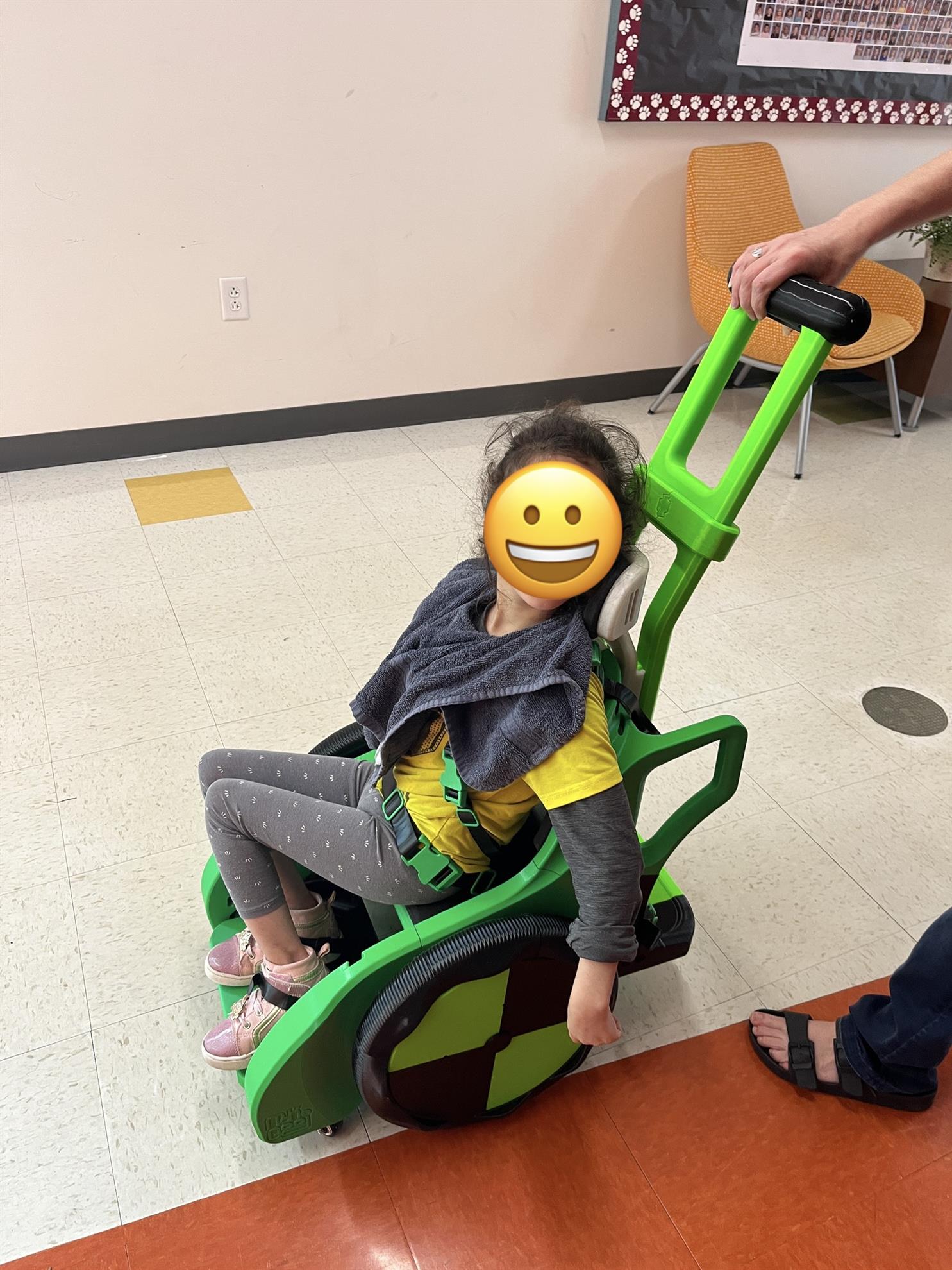
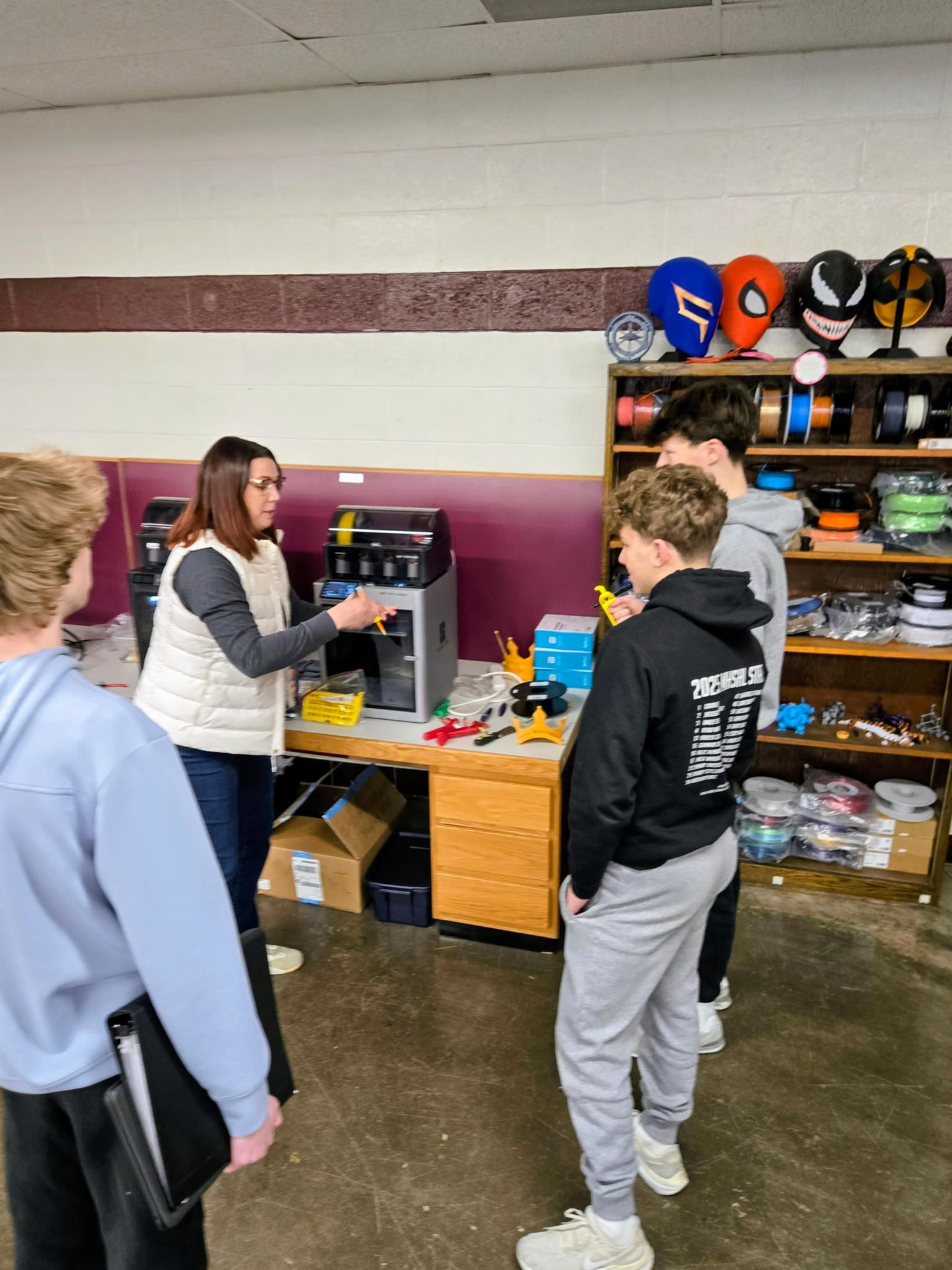
The Moline Rotary Club and Twin Rivers Rotary After Hours Club partnered to support Assistive Technology expansion across the Moline-Coal Valley School District through a combined donation of $6,114. The project provides adaptive tools and communication resources for students with disabilities while also engaging more than 90 Moline High School engineering students in designing and creating assistive devices using 3D printing technology funded by the grant.
The Moline Rotary Club and Twin Rivers Rotary After Hours Club partnered to support the expansion of Assistive Technology (AT) throughout the Moline-Coal Valley School District with a combined donation of $6,114.
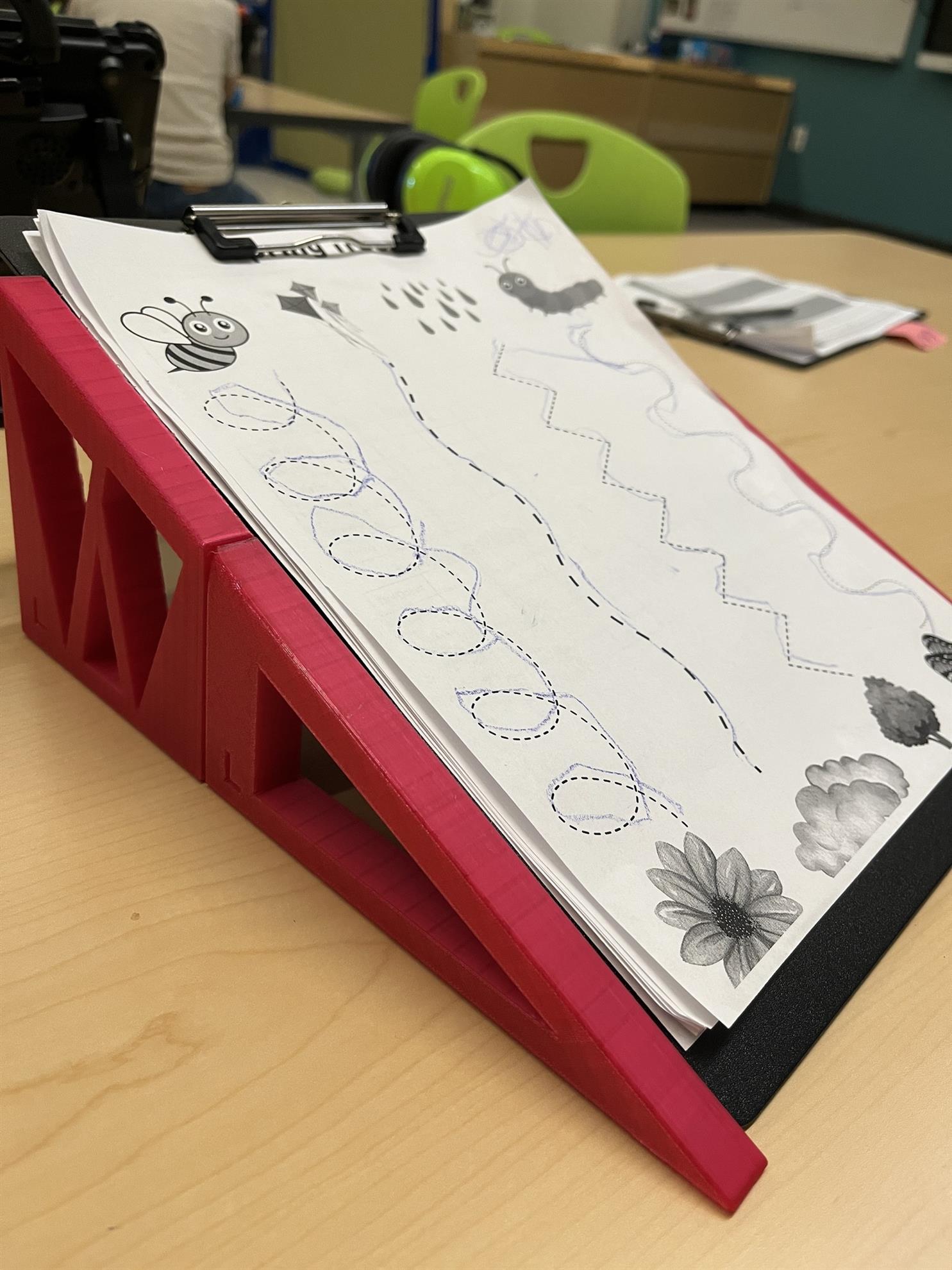
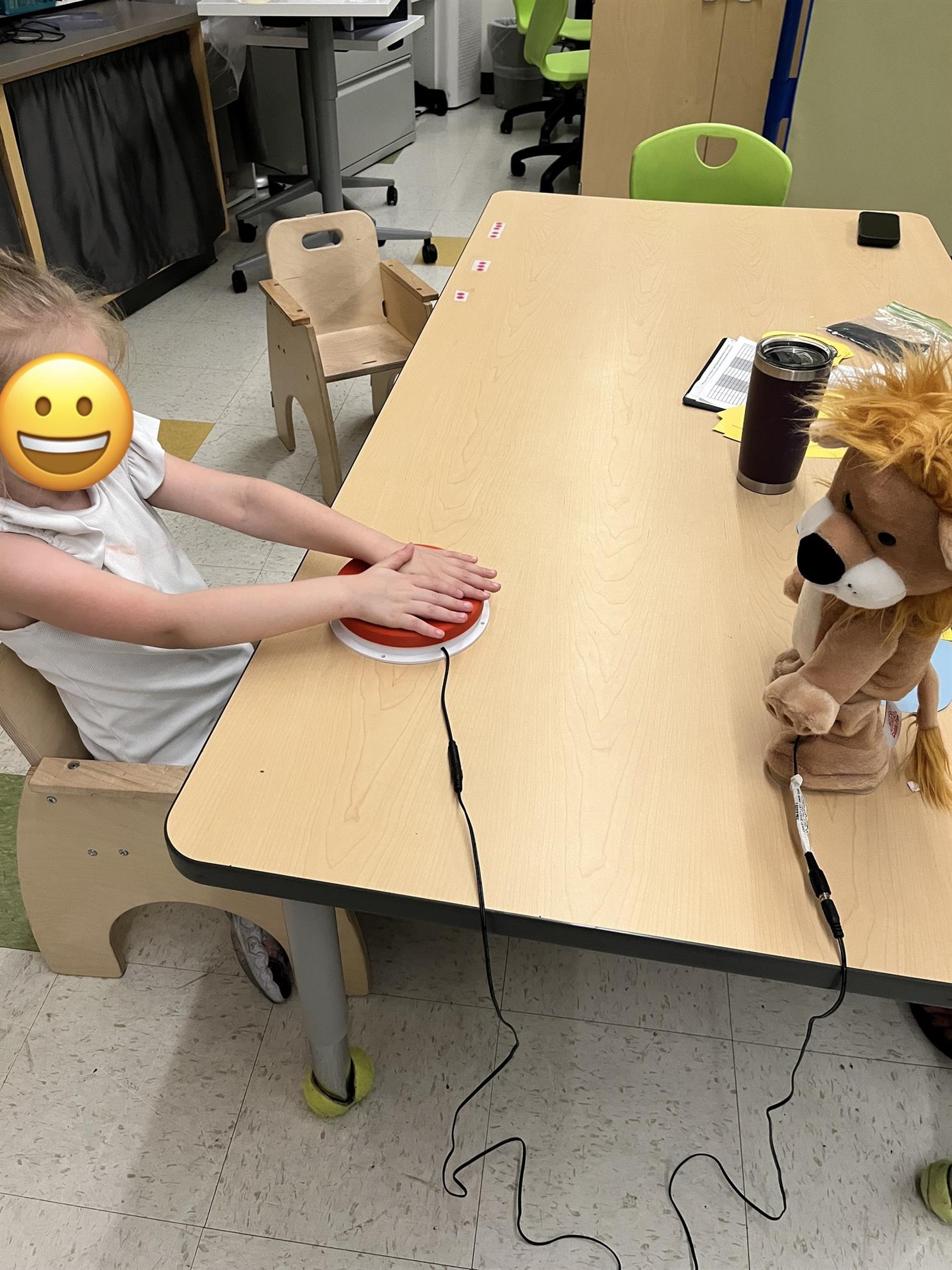
The project helps ensure students with disabilities have the tools they need to succeed academically and socially. Funding provided adaptive equipment, communication core boards for playgrounds serving Learning for Independence (LFI) and Life Skills students, and a 3D printer used by Moline High School engineering students to design and create customized assistive devices.
More than 90 high school students are actively involved in designing, printing, wiring, and assembling adaptive tools that are added to the district’s Assistive Technology lending library. The program now supports students across 11 elementary schools, 2 middle schools, and Moline High School, benefiting more than 190 non-Rotarian students — with that number expected to grow each year.
Approximately 13 Rotarians participated directly in the project through fundraising, community engagement, and student support. Rotarians organized and promoted multiple bingo nights, secured donated event space, and invited members of the district’s Assistive Technology Committee to educate the community about the program’s impact. In addition, a Rotarian worked directly with students utilizing assistive technology, helping strengthen the connection between Rotary and the students benefiting from the initiative.
The long-term impact of the project will continue through the district’s sustainable Assistive Technology lending library and the ongoing involvement of engineering students creating adaptive tools for future students. Oversight and sustainability are supported by the district’s Assistive Technology Committee, which includes speech-language pathologists, teachers, and special education staff who meet quarterly to assess needs and guide future development.