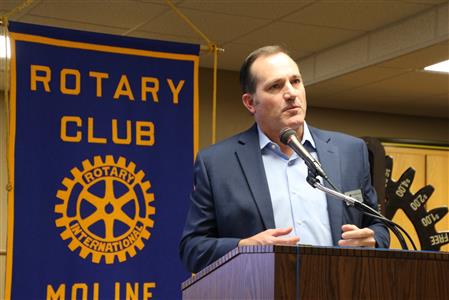
As artificial intelligence continues to transform workplaces, classrooms, and everyday life, school districts face the challenge of embracing new technology while protecting the educational experiences that help students learn and grow.
Dr. Brian Pribyl outlined the district's thoughtful, phased approach to introducing AI into its classrooms, emphasizing responsible use, student privacy, teacher training, and the importance of human relationships in education.
AI Is a Tool, Not a Teacher
A central theme of Dr. Pribyl's presentation was that artificial intelligence should enhance education rather than replace the role of teachers or students' critical thinking.
The district is embracing a "trust-but-verify" approach, allowing AI to assist with brainstorming, organizing information, language translation, practice questions, and lesson planning.
However, teachers and students must remain actively involved in evaluating AI-generated information for accuracy, bias, and appropriateness.
The district's guiding philosophy is that teachers remain the final editors and students remain the primary thinkers.
Pribyl also described ethical boundaries for classroom AI use, including prohibitions against deepfakes, cyberbullying, sharing confidential information through unapproved platforms, and using AI to bypass independent student thinking.
Protecting Student Privacy
Student data protection is a major component of the district's AI strategy.
Pribyl explained that the district is evaluating approved enterprise AI tools designed to provide stronger safeguards than unrestricted consumer AI platforms.
The district's framework emphasizes compliance with federal and state student privacy requirements, minimizing the collection of personal information, ensuring accessibility, and protecting against algorithmic bias.