Ignite - Looking for Mentors
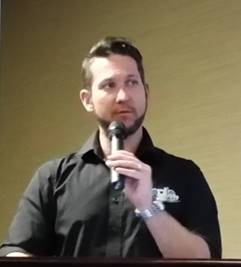 Jeremy opened with the leading questions about whether our kids or grandkids were fed, clothed and shod from the family. Sadly, not all kids in our area are. Not far from where we likely travel each day, unseen by us are families in crisis and kids are being neglected. They are without role models and mentors, and this is where Ignite fits in.
In days gone by there was always a sense of community and safety, with role models and guiding figures to lead us through. Not now however. Nationally, four out of five kids complete school; that means one in five, or 20%, do not. For Aboriginal kids it is one out of every two. We do not see these kids and their families, but Ignite now have trained over 100 mentors to assist, with over 30 kids part of the program at this stage.
Think about volunteering as a mentor, or just donating some time or resources; visit their website. http://www.ignitementor.com.au/
Adam told of setting the service up; being surprised by the negative attitudes to start with. But he recalled the words of Ronald Reagan:
"We can't help everyone, but everyone can help someone."
Ignite operates along with Anglicare, sharing resources to spread the load somewhat.
He gave examples of a local businessman and sportsman, paired with a local kid who he was able to give some cricketing advice to. The lad now plays A-grade, is being helped with his homework and with job applications, and he now has found a job at McDonalds, so gaining a chance to escape the downward cycle.
Another kid, a girl, was paired with a woman who had in common a love of all things French. Through just these small commonalities a bond is formed and now the girl is much more confident, even appearing on TV in interviews.
These kids often have no concept of how society should function, of a sense of community or giving to make it hang together. They are surprised when simple acts of giving come their way as it has not happened in their lives before. Mentoring provides a positive role model that they can aspire to and learn from.
The most important thing a mentor can do for the kids is "listen". Usually these kids have no-one to talk to and so need to know that they CAN talk to someone and be heard.
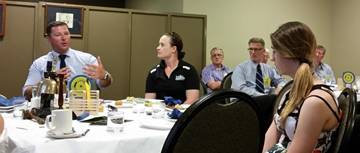
The service costs about $40,000 a year to run. They have scope to immediately utilise over 100 more mentors if they could get them. Sarah from Ignite told briefly of the process used to "pair" the mentor and mentee, withthe service getting to know both family and child well before finding a match in the mentor.
It was asked if the kids respond well to the service; it was pinted out that they are all volunteers to the program, and so they have real buy-in and do indeed respond well.
President John thanked them all for their presentation.