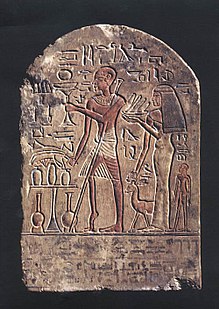
Did you know that polio was known for millennia but it generally broke out in only small cases?
It didn’t become epidemic until the 20th century. Ironically, there is evidence that this was caused by improvements in sanitation. In earlier times, children came into contact with the polio virus before age one; while they were still protected by maternal antibodies transferred during pregnancy. With sanitation, many children only caught it when they were older, especially since polio enters the body by mouth. Many caught it at about age 5 and their immune systems were just not prepared.
From 1916 onward every summer brought an epidemic. At its peak in the US it caused 15,000 cases of paralysis every year. Others had different degrees of disability, and many died. In fact polio killed or paralysed 600,000 people world-wide annually.
It is important to note that, like Covid-19, some polio-infected people felt no health problems at all and others had only a headache. Both polio and Covid-19 can be transmitted by people who don’t know they have it.
Polio gave 4–5 % of people serious symptoms including muscular pain, high fever (as the immune system tried to combat the virus) and delirium. Five to 10% of people who caught polio died before the invention of the iron lung and many died subsequently. Statistics for infection rates and severity are still not reliable for Covid-19 and will emerge in the future.
Finding a Cure for Polio/Fighting it into the Future
In North America, the National Foundation for Infantile Paralysis (NFIP)was founded in 1938 by US President Franklin D. Roosevelt who famously had polio. His associate, Basil O’Connor, was tasked to build an organization that could quickly respond to polio epidemics and fund virus research. He launchedthe March of Dimes initiative. It’s medical research and patient aid programme was taxed to its limits by the huge polio epidemic of 1949. By the 1950s, the 3,100 chapters of the NFIP were operated almost completely by volunteers.
A breakthrough at the University of Pittsburgh by a March of Dimes grant recipient, the young physician, Jonas Salk, pressed on from a routine virus typing project, to the creation of a vaccine, to the end of polio epidemics in a matter of years. Tested in a massive field trial in 1954, it involved 1.8 million school childrenin the US, Canada and Finland. It was the first time the now-standard double-blind method was used. The Salk vaccine was licensed for use on April 12, 1955 and soon wiped out polio in the west.
As Polio cases dropped in developed countries Rotary came on board to help continue the fight against polio in other parts of the world. When RI president James L. Bomar Jr. put the first drops of vaccine into a child’s mouth on 29 September 1979 in the Philippines, he ceremonially launched Rotary’s international efforts. It was Rotary’s first Health, Hunger and Humanity (3-H) Grant project.
Soon, few people with paralysis were seen outside of special care homes in Canada. The horrors of polio – the visible evidence of what viral diseases can do – had faded from people’s minds in developed countries. A Rotarian recently said she was astonished in the 1990’s to see a modern, well-groomed and apparently affluent young woman in Morocco who had had polio. She thought the disease had long been conquered. And indeed there have been no cases in North America since 1979 and in the UK since 1984. However, according to local polio support groups and doctors, some 40,000 polio survivors with varying degrees of paralysis live in Germany, 30,000 in Japan, 24,000 in France, 16,000 in Australia, 12,000 in Canada and 12,000 in the UK.
The anti-vaccination movement is now a worry – not just in remote tribal villages but right in our own Canadian cities and towns. We seem to need visible reminders to stay vigilant against these viral horrors.
Researchers are now suggesting that, like the polio virus, Covid-19 may always have been out there. Humans just had not had a serious outbreak to warn us that this pandemic might yet come. Our hope now is for a vaccine. We hope one is found, but will we then forget this crisis as we have forgotten others?
Excerpts from Linda Rodriguez Mc Robbie’s article about Polio Guardian Weekly, June 05/2020. March of Dimes Material from MOD Foundation History on-line; This Day in History.com