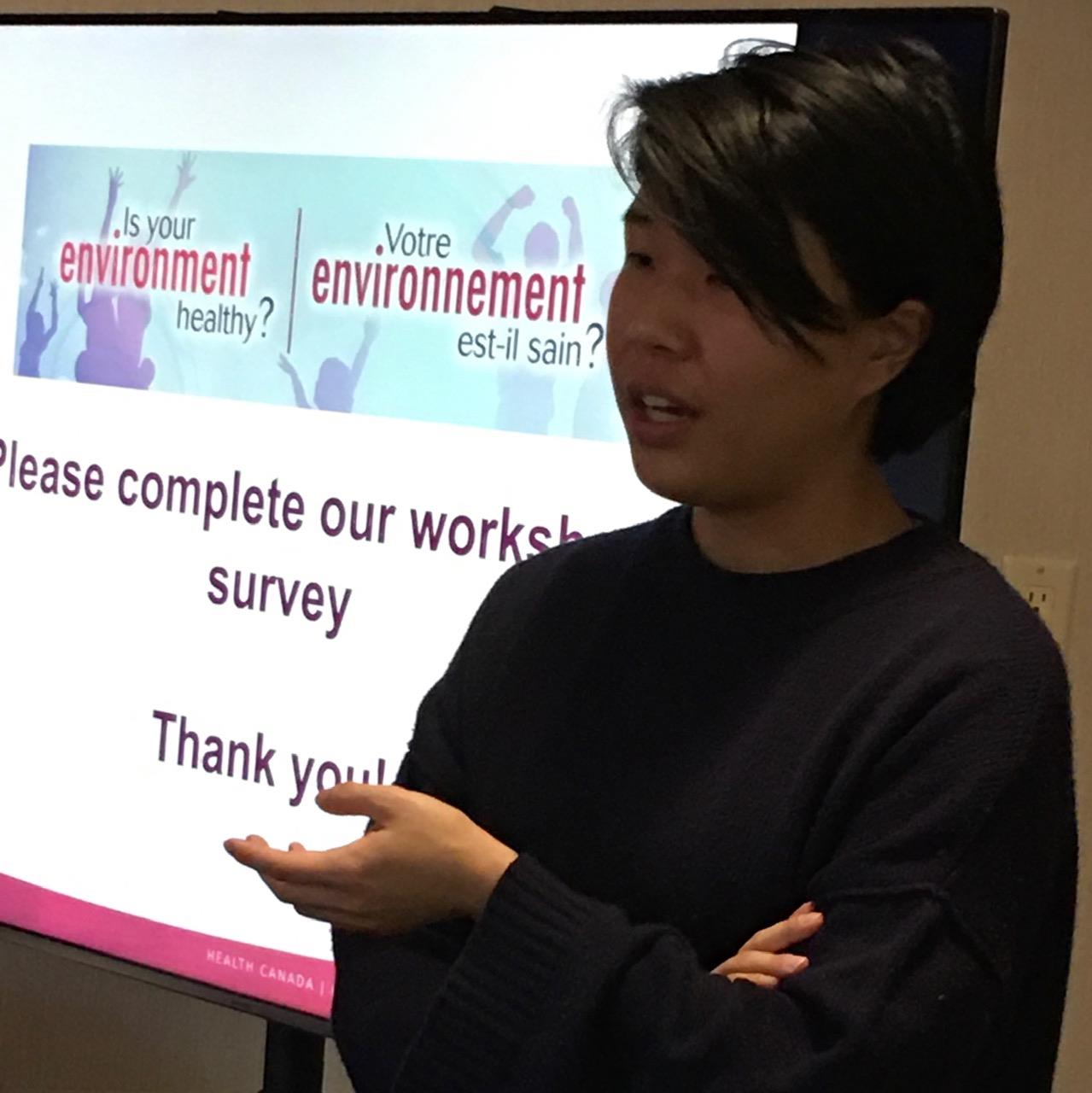
We were pleased to greet Kathleen Yan from Health Canada, Chemical Awareness, who provided us with a clear and concise talk on the general subject of chemical exposure, what it comprises and how issues arising should be handled. Considerations particularly relevant include not only the type of chemical, but also the extent of the dose, duration of exposure and the frequency of exposure. Inasmuch as everything known to us is composed of chemicals, both natural, manufactured or a combination of the two, the range of exposure is from the beneficial, to the neutral and all the way to deadly. The art is to know what one faces, and simply to properly manage the risk in accordance with a working knowledge of what one faces: the task of Health Canada is to keep the populace aware of the possible hazards and what strategies should be utilized to keep us aware of the situations that we face every day.

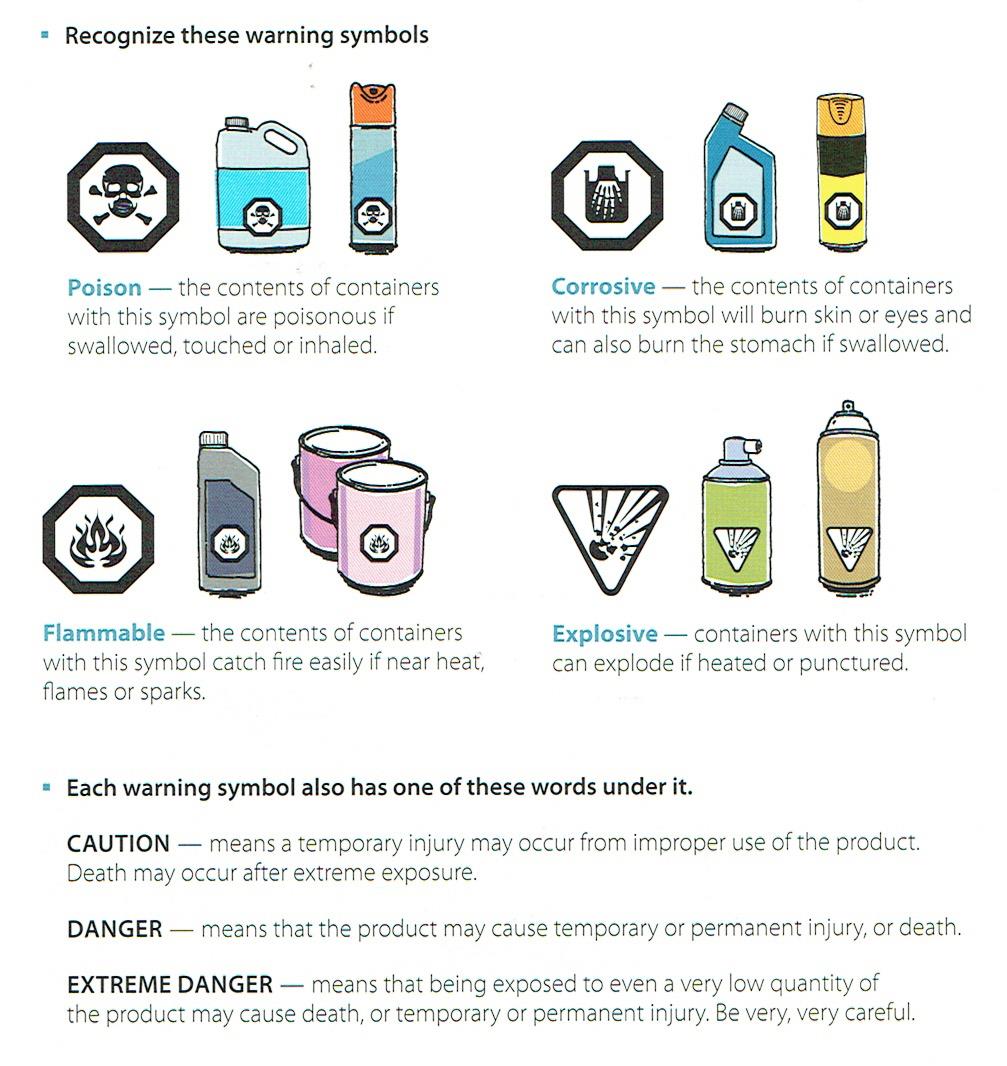
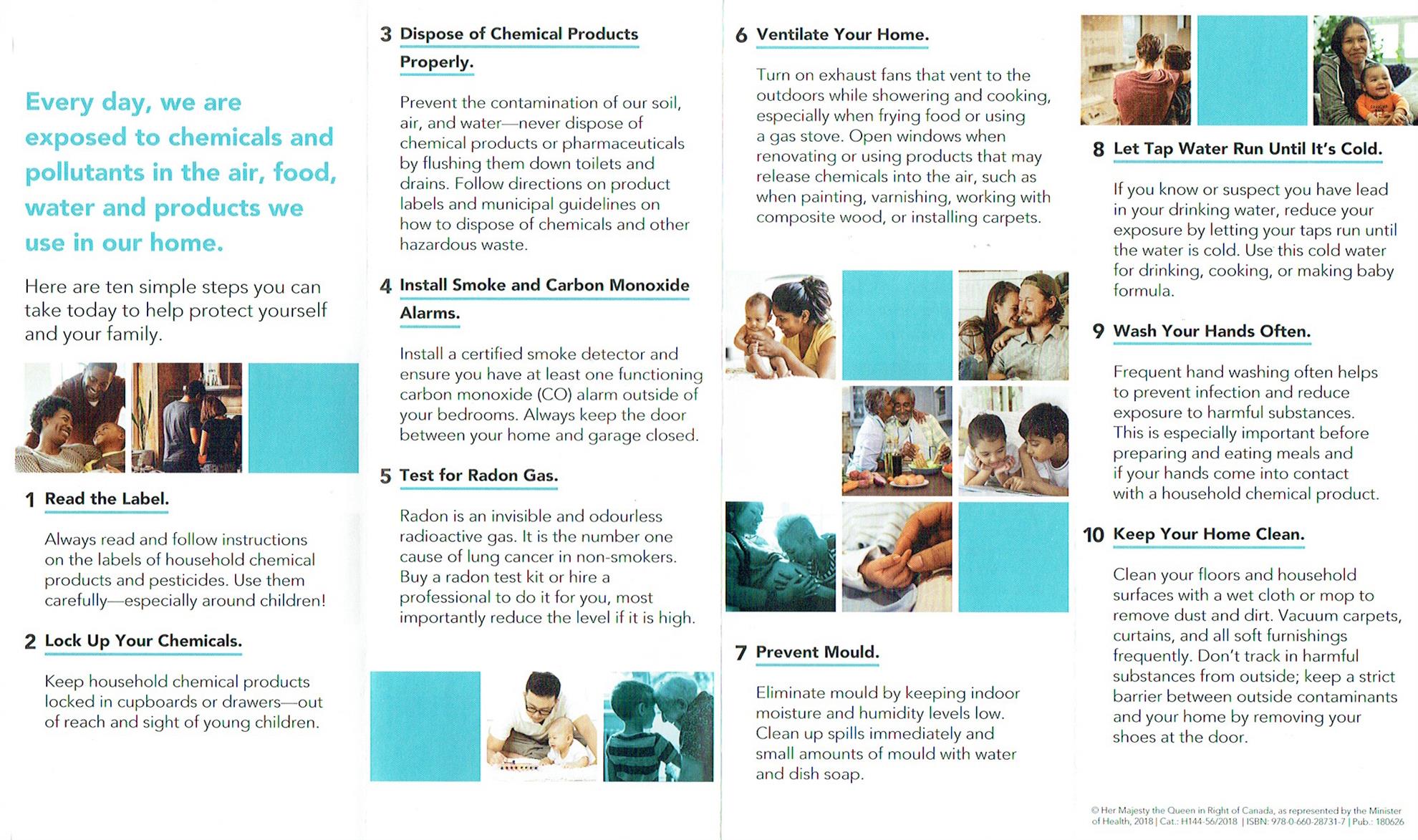
The exposure to chemicals generally arises through the air, the soil, water, products and our food. The population, of course, comprises all sorts of vulnerable groups from infants to seniors, and on occasion certain segments of society demonstrate a particular or unique susceptibility to a new or unusual hazard. It is part of the role of Health Canada to conduct monitoring and surveillance activities and to implement management strategies when risks become hazardous. Kathleen provided us with 4 tips respecting the use of household chemicals:
1. Always read the labels.
2. Wash your hands (a message nowadays of crucial importance).
3. Remove outdoor shoes when entering a dwelling.
4. Clean regularly.
One could sense in our meeting occasional unease among members that perhaps some were less than diligent. One of the arenas of concern constantly before the public in today’s world is the need for the constant exercise of care with medications, in particular the associated need to remember that children are especially vulnerable: one pill looks much like another, or even like candies.
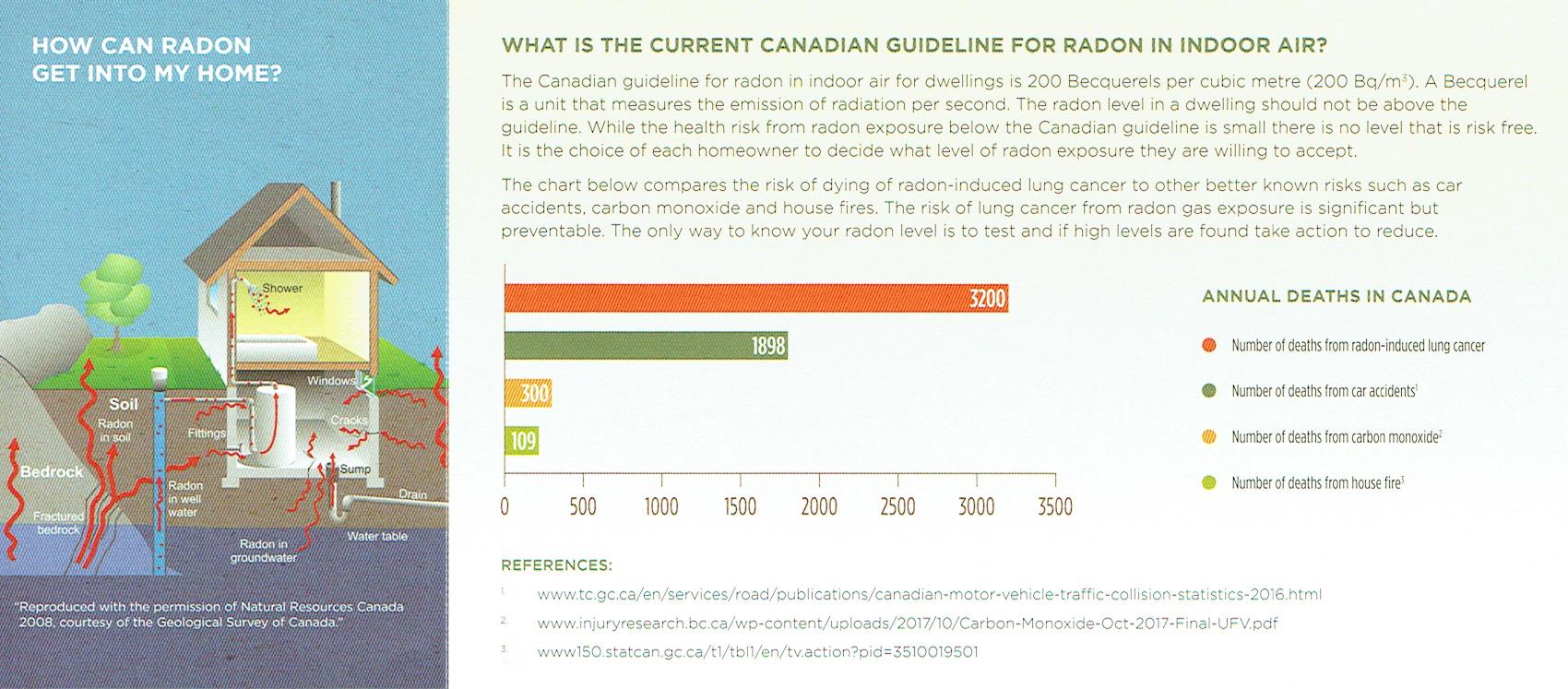
A more esoteric area is the increasing awareness of radon, a naturally occurring substance that is insufficiently understood, but the exposure to which is a leading cause of lung cancer: it is perhaps of value to know that it occurs in the ground, but someone living 10 or 20 stories up is exposed to virtually no degree of such risk at all. Of course, the issue of smoking arose in the discussion, as did the problem of carbon monoxide, an odourless and colourless gas that is actually quite common when it emanates from cars, lawnmowers, and open fires. In other words, keep all your filters clean, remove basement clutter, and open your windows and shutters. We left the final word to Past President Dianna, who told us how to make Mustard Gas: quite why, your correspondent does not know, but undoubtedly the issue should have arisen in this cultured and erudite presentation.