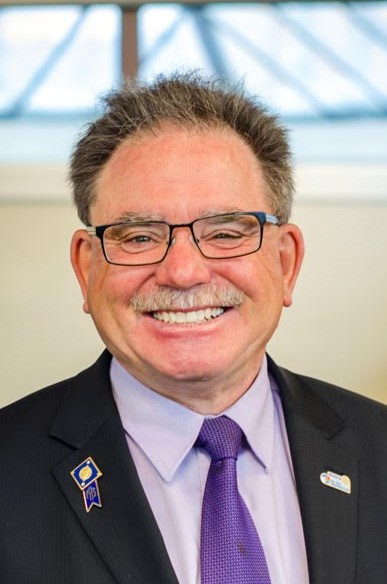
Daphne’s Dad was a Rotarian. It really is a small world.
Daphne’s intention was to speak about the trilogy, homelessness, addictions, and mental illness but some unprecedented events occurred recently that affected her greatly, so she has shifted her focus a little.
She acknowledged that the government is moving in the right direction in dealing with homelessness, addiction, and mental illness, recognizing the seriousness of the situation.
Daphne recently wrote about two 17-year old girls, both addicts, looking for residential care to help them with their illness. The only thing that was offered was a youth centre, a co-ed youth centre. This was not suitable – most, if not all, young women in addiction have been abused in one form or another and living with males was too frightening for these girls. By noon of the day the article ran they received enough donations to cover both girls staying at Westminster House, a female only treatment centre, for three months.
This story is simply indicative of the lack of subsidized treatment options available. There are not enough beds and not enough good facilities to handle the demand. If you have enough money, you can pay privately, approximately $20-27 thousand dollars for a two month stay. Needless to say, most addicts and their families cannot afford this. On top of that it often takes more than one stay in residential care before it sticks.
The first of the concerning events mentioned above was Councillor Jean Swanson handing out drugs to street people (or anyone who wanted), purchased from the dark web using crypto-currency. Granted the drugs, heroine, meth, and cocaine, were apparently tested for safety, however, they were being dolled out in fairly large quantities: up to 10 x 3.5mg units, per person. Supporting this action was Drug User Liberation Front (DULF) and the Vancouver Area Network of Drug Users (VANDU).
The intention was to support supplying safe drugs so no one dies. Unfortunately the actions of Jean Swanson were not accompanied with any supervision for using the drugs, so deaths from using certainly couldn’t be guaranteed.
There were no repercussions for this act as noted many, including fellow city councillor, Melissa De Genova, who suggested that the actions were akin to drug trafficking. Simply handing out drugs on the street is not the same as a regulated safe supply program governed appropriately.
The second event of concern to Daphne was the announcement of B.C. offering Canada’s first permanent safe drug supply, including opioid replacement options, in response to the huge number of overdose deaths. $22.6 million has been earmarked by the provincial government over the next three years for the five health authorities to make the safe supply of drugs a permanent option, starting with opioids (including fentanyl patches and tablets).
Daphne says that there is no evidence that this approach works. Apparently there are a series of case studies but the government will not release the results. She is not opposed to harm reduction, and this program is an attempt to address the OD crisis, however, she is opposed to a program being funded and launched without the backup data to support it being available. They have not determined yet how they will collect the data over the 3 years of the pilot project for evaluation.
There are countries with proven track records in dealing with pharma heroine: Switzerland, Germany, and the Netherlands being just a few. They’ve been doing it for a long time. The European Monitoring Centre for Drugs and Drug Addiction (EMCDDA) was established in 1993. It provides an overview, based on factual data, of the European drug problems. Offering policymakers data they need to develop and implement informed drug laws and strategies. It works because it is a highly regimented system.
There is a full spectrum of people’s beliefs with regards to the approach to the problem. At one end of the spectrum there are those such as DULF and VANDU who are looking for full legalization, and others who only want to decriminalize possession. It is important that we have a full public discussion around the issue. No one denies that there is an urgent need to build an integrated system of care. This will take a long time, so the argument goes, we need to decriminalize now.
Daphne spoke about Portugal. Theirs is a success story. In 1999 Portugal had one of the worst drug problems in Europe with 1 in 100 a heroine addict. In 2001 they decriminalized person possession. Those found possessing drugs for personal use are referred to a Commission and their drug use is assessed, leading to either no further action, a fine, intervention (counselling), or in the worst cases, specialized treatment services. The most important aspect was the end to the stigma attached to drug addiction. This allowed people to speak up and seek professional help without fear or shame.
CLICK HERE for more information about Portugal’s successful fight against drug addiction amongst their residents.
Here at home in British Columbia there is no comprehensive care system, and it doesn’t look like it’s coming anytime soon. They are investing heavily in harm reduction and also social housing, however, there are no supportive services being put in place to continue the care and treatment for those in need. The number of government paid beds in detox/treatment centres is dismal. Residential care is very expensive and only those on welfare, or who are wealthy enough to pay themselves can find space. And for those on welfare, the space is limited with long wait lists. Something those in need cannot endure.
Until recently the treatment centres have been unregulated in BC. There have been many unethical operators, scooping people off the streets and then collecting the welfare. Many are related to gangs. Pre-Covid the government did change the regulations but not effectively.
CLICK HERE for the BC Ministry of Health, Service Model and Provincial Standards for Adult Residential Substance Use Services.
It seems that in the government’s desperate attempt to keep people alive, they have forgotten about the next steps. We do need harm reduction, but only as the 1st step. The BC government is now the largest landowner on Vancouver’s east side. After decades of under funding in the area of social issues, it will be difficult to move forward quickly and effectively.
In closing, we must recognize that all those affected are people’s children, mothers, fathers, sisters, or brothers. We need to help them. We desperately need public discussion to find a middle road filled with compassion.
Mike Harcourt spoke to our club a few weeks ago about their plan. The proposal has been submitted and has been sitting on the Ministry’s desk for six weeks now. Why?!
For some more info about the topic, reference the At Home/Chez Soi project,
CLICK HERE.

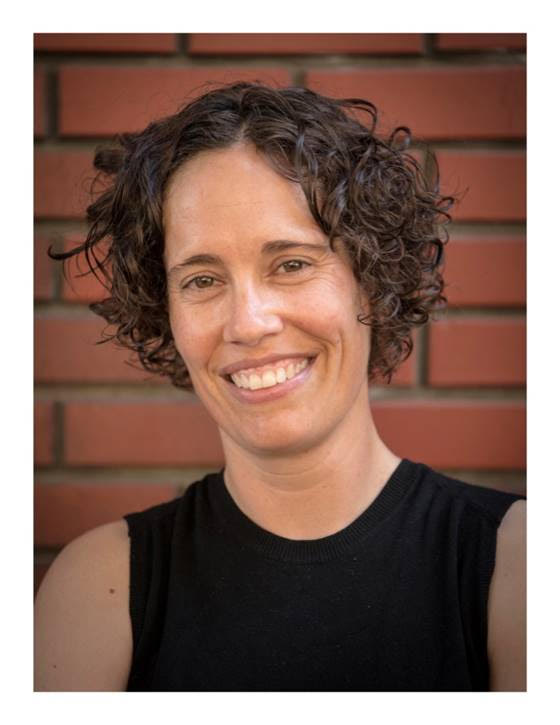 Dr. Lea will speak about how the Hearing Clinic supports the provincial community including the Yukon. She will include: telehealth and cochlear implant remote mapping. Given the recent events with the residential school tragedies flooding the media, Jane will also talk about their First Nations outreach including a blurb on “sound sense” and adaptation of that program to First Nations communities across Canada for noise induced hearing loss prevention for school aged children.