











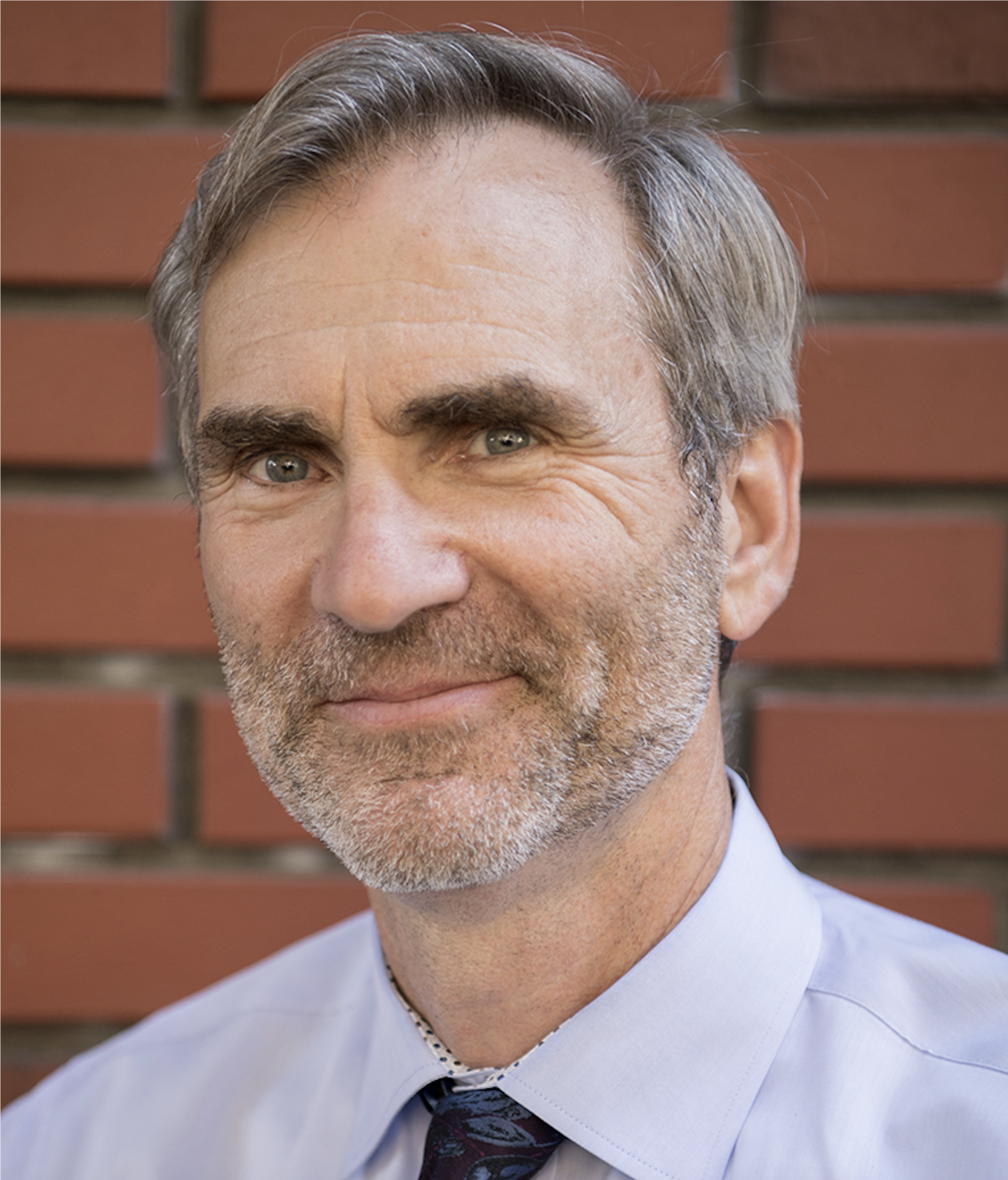
 Dr. Brian Westerberg is a distinguished Clinical Professor and Medical Director of the Branch for International Surgical Care at the University of British Columbia, specializing in otology and disorders of the ear. After graduating from Queen's University Faculty of Medicine in 1989, he completed residency training in General Surgery and Otolaryngology at UBC, followed by a Fellowship in Otology & Neurotology at Stanford University's California Ear Institute. He further enhanced his expertise with a Masters in Health Care and Epidemiology from UBC in 1999. As Head of Otolaryngology-Head and Neck Surgery at Providence Health Care and scientist at the Centre for Health Evaluation and Outcome Sciences (CHÉOS), he maintains an active clinical practice across major Vancouver hospitals including St. Paul's Hospital, BC Children's Hospital, and Vancouver General Hospital. His commitment to medical education includes teaching medical students and residents while offering a fellowship program in Otology & Neurotology. His expertise aligns with comprehensive otolaryngology training programs available through institutions like Mount Sinai's Introduction to Ear, Nose, and Throat Disorders specialization
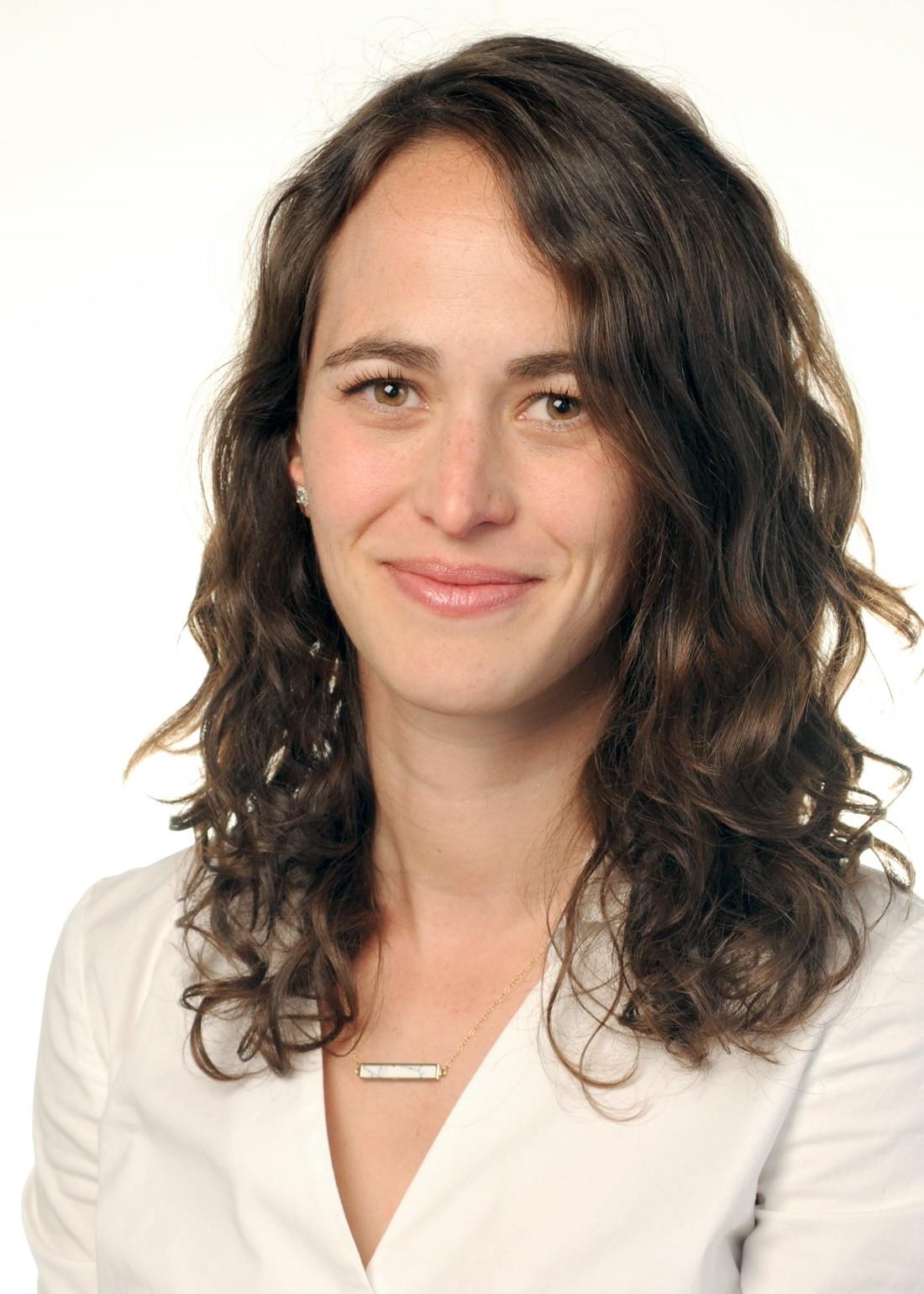 Dr. Maggie Aron completed medical school at McGill University, followed by residency at Université de Sherbrooke. She went on to complete dual fellowships in Otology Neurotology at Dalhousie University and the University of British Columbia.
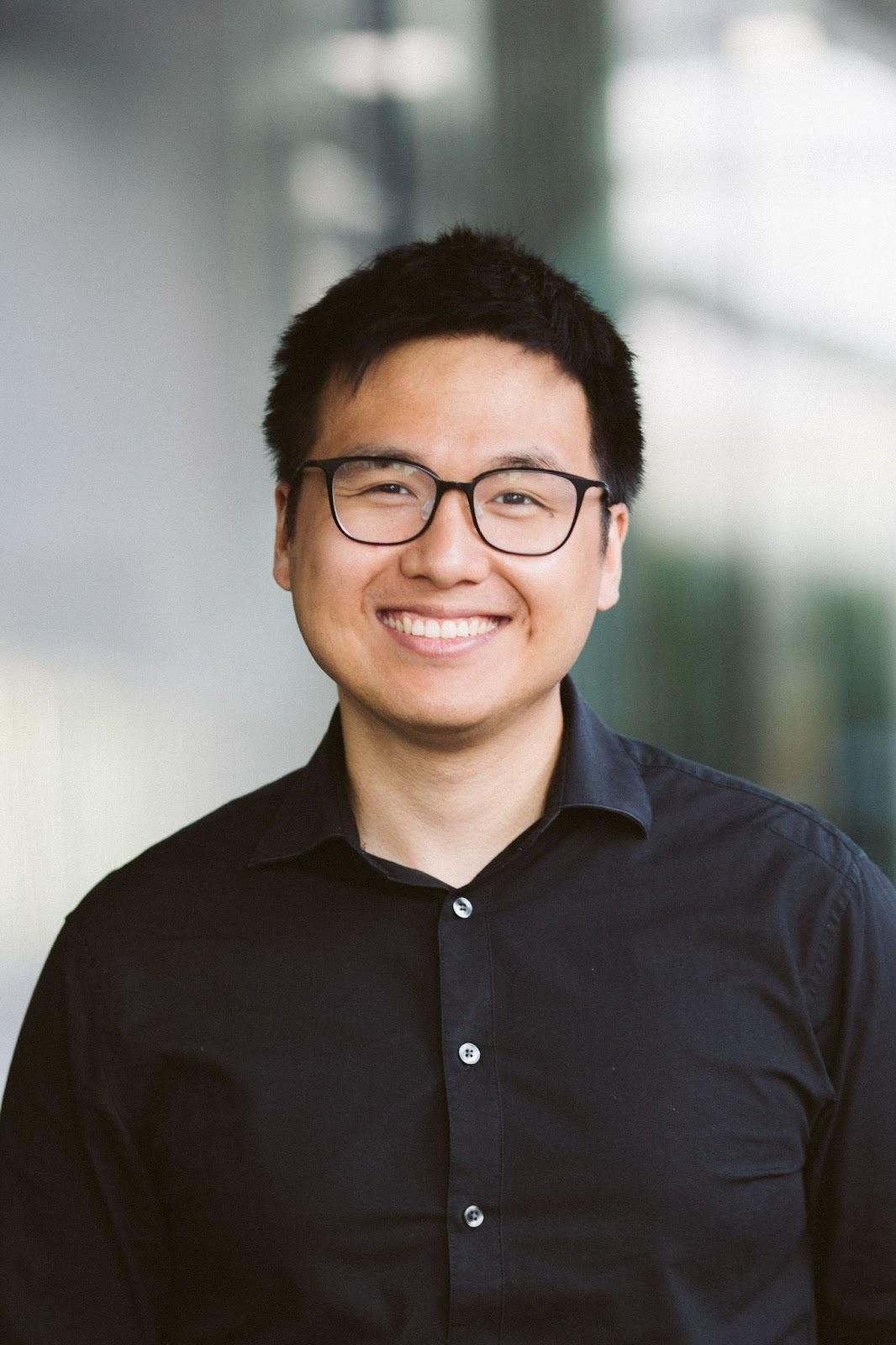 Dr. Kevan Lu studied Computer Science & Biology at McGill University, followed by Medical School at Western University. He then completed a residency in Otolaryngology at the University of Ottawa, followed by a combined Clinical & Research Fellowship in Otology & Neurotology at the University of British Columbia in conjunction with a Masters in Biomedical Engineering. He works both at St. Paul's Hospital and at Richmond Hospital providing both tertiary and community otologic care.
 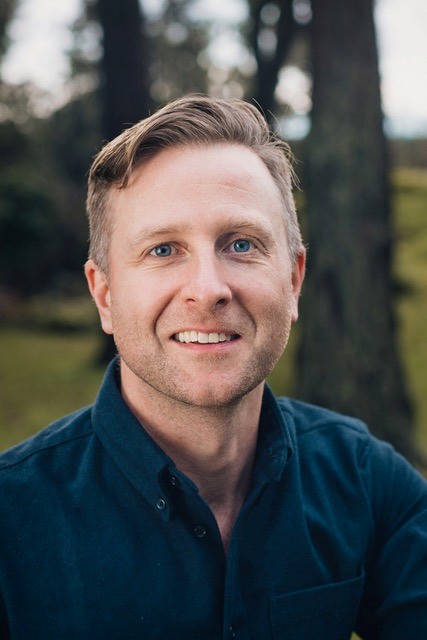 Dr. Paul Mick completed a residency in Otolaryngology Head and Neck Surgery at the University of British Columbia, followed by a fellowship in Neurotology Skull Base Surgery at the University of Toronto. He later earned a Master’s in Epidemiology from the Harvard School of Public Health, where his thesis on age-related hearing loss and social isolation has been cited over 800 times.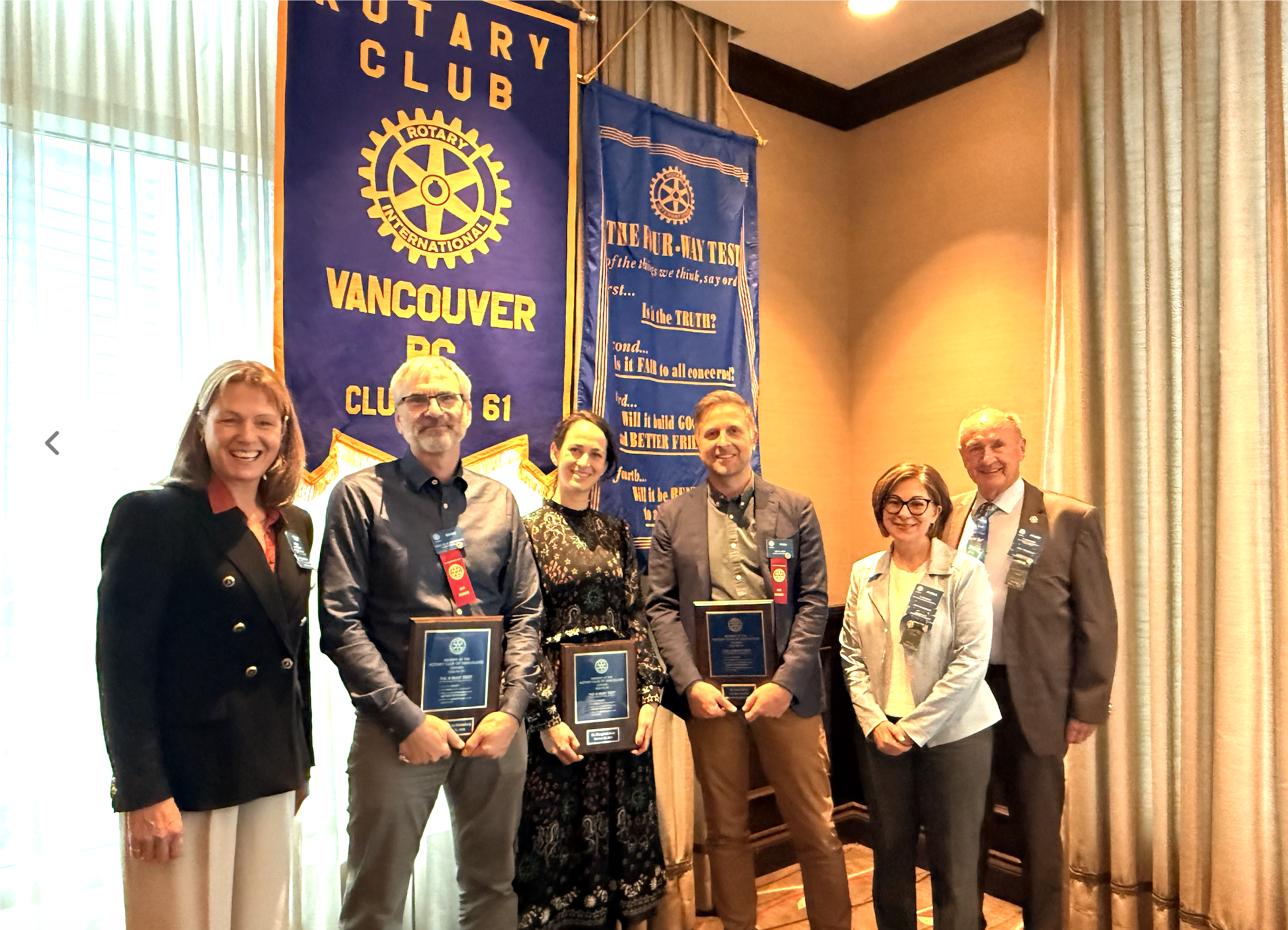

Opening and Announcements
This week’s Rotary luncheon brought together a mix of fellowship, celebration, and a deep dive into the economic heartbeat of British Columbia’s hospitality industry.
President Joan Posivy opened the meeting by welcoming members and guests, followed by a lively round of club announcements and upcoming events.
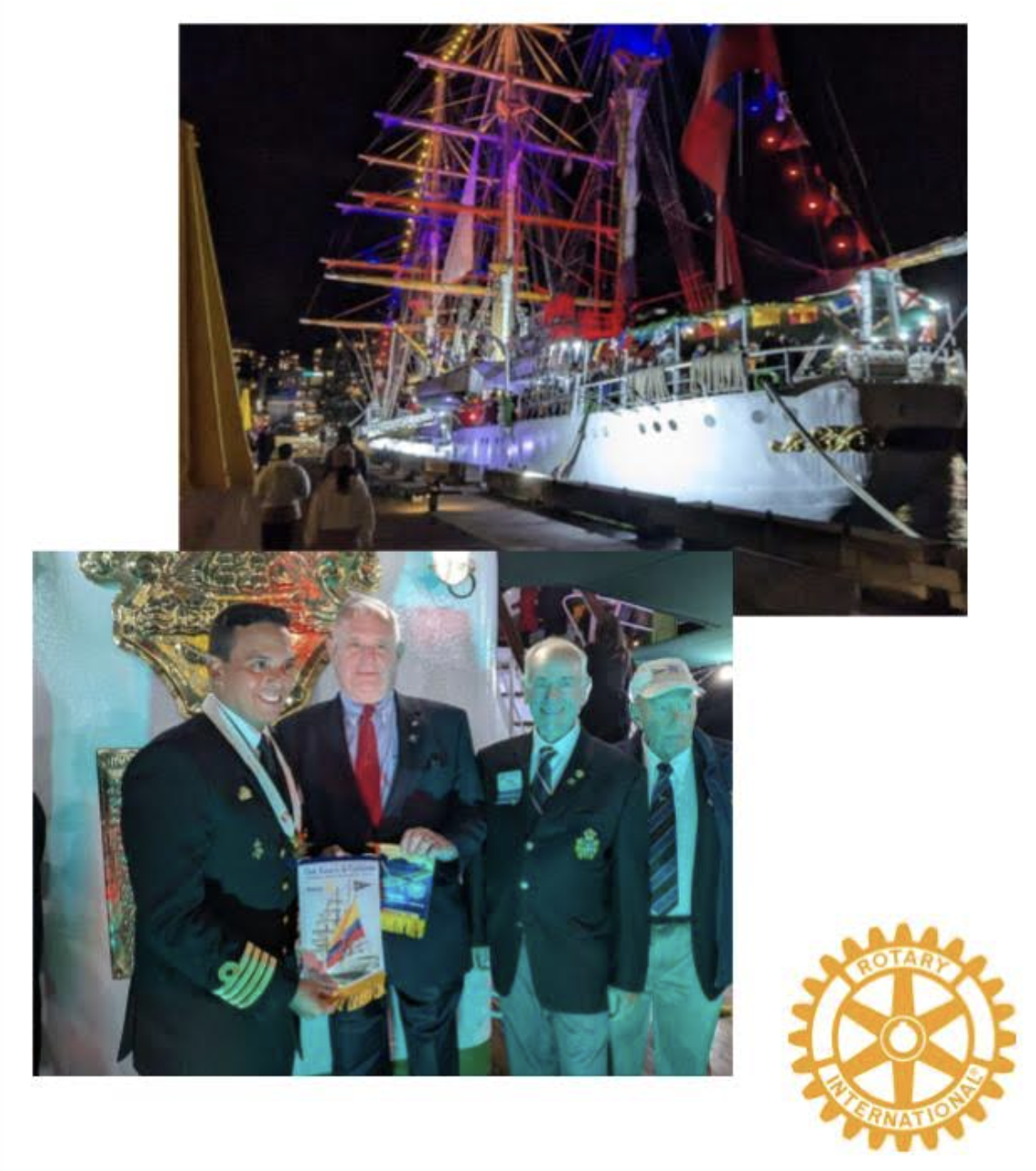 During the "Rotary Minute", John Bathurst shared reflections on the joy of international connection and cultural exchange through Rotary fellowships. He recounted a recent visit from an emissary from Cartagena, Colombia, who arrived aboard the ship "Gloria" in Vancouver.
John and fellow Rotarian Stu Bird had the pleasure to be invited on board for a lively reception, and were and was welcomed with traditional Colombian singing and dancing.
John and stu received a flag from the Cartagena club, symbolizing their shared global commitment to service and friendship.
Weekly Program
The highlight of the meeting was a presentation by Ian Tostenson, President and CEO of the BC Restaurant and Foodservices Association.
Ian shared his passion for advocacy, collaboration, and leadership within one of BC’s most dynamic industries. Representing a sector valued at $18 billion annually and employing over 200,000 British Columbians, the restaurant and foodservice industry plays a vital role in youth employment, tourism, and community vibrancy.
Ian spoke candidly about the significant challenges the industry has faced in recent years — from the pandemic shutdowns to the current liquor distribution strike disrupting operations across the province. He described the urgent need to modernize the outdated liquor distribution system, streamline licensing and permitting processes, and foster more open collaboration with government.
A major focus of his talk was the labour shortage that continues to impact the sector. Ian emphasized that many restaurants are struggling to find and retain skilled workers and called for stronger immigration pathways to bring in trained talent from abroad. He underscored the importance of viewing immigration as a key driver of economic growth and cultural vitality.
Ian also touched on the evolving dynamics of today’s workforce, noting the changing attitudes among younger Canadians toward kitchen and service work. He stressed the need for better training programs, education pathways, and career development initiatives to attract youth back into hospitality roles.
On the topic of WorkSafe BC’s gratuity policies, Ian highlighted the difficulties faced by small business owners under the new rules that include gratuities in payroll calculations — a change he argued places unnecessary financial strain on restaurants. He shared that ongoing negotiations have made little progress and hinted that a public statement may soon be forthcoming to raise awareness.
In discussing the role of media and public perception, Ian reflected on lessons learned during the pandemic, when the association took a transparent, empathetic approach to communications. He reminded members that honesty and accessibility build public trust — a principle that resonates deeply with Rotary values.
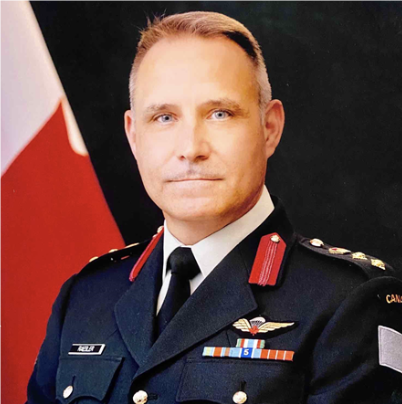
The meeting concluded on a note of optimism. Joan thanked Ian for his informative and heartfelt presentation and announced that the club would make a donation to Rotary’s PolioPlus campaign in his honour — continuing Rotary’s mission to eradicate polio worldwide. She reminded members of next week’s Remembrance Day meeting featuring guest speaker
Col. W .Scott Raesler Commander, 39 Canadian Brigade Group
Members joined together in a final toast You said: