January 30, 2024 12:00p.m. - SPEAKER SERIES Valeria Tsoy, Olympian and author Building a resilient community with elite sports tools.
Valeria Tsoy is an accomplished Olympic snowboarder whose dedication to professional sports runs deep. She is the author of After The Podium: How to win after Sport. With a passion for helping fellow athletes navigate the often-difficult transition after their competitive careers, she has devoted the past decade to researching the emotional and psychological impact of this phase. Born into a family of athletes, Valeria has been involved in professional sports from a very young age, affording her a unique perspective and insight into the needs of her peers. Her work brings to light the lack of supportive structures available for modern athletes as they seek to mature mentally and emotionally as both individuals and members of society. Drawing from a diverse range of disciplines, such as spirituality, psychology, neurobiology, and sociology, Valeria's work breaks down barriers and brings forth innovative solutions to this much-needed area of support.
We would like to host a lot of guests for this meeting, so please spread the word. Guests can register via Eventbrite, CLICK HERE, or let Carolyn know asap and they can pay at the door.
Feb 6, 2024 NO LUNCHEON MEETING
Alternative event being planned. Details coming soon
Feb 13, 2024 NO LUNCHEON MEETING
Evening joint Rotaract/Rotary meeting
Limited seating, CLICK HERE to register.
RSVP will be important, check your email in the coming days for details.
Feb 20, 2024 CLUB DAY
Agenda to be member focused.
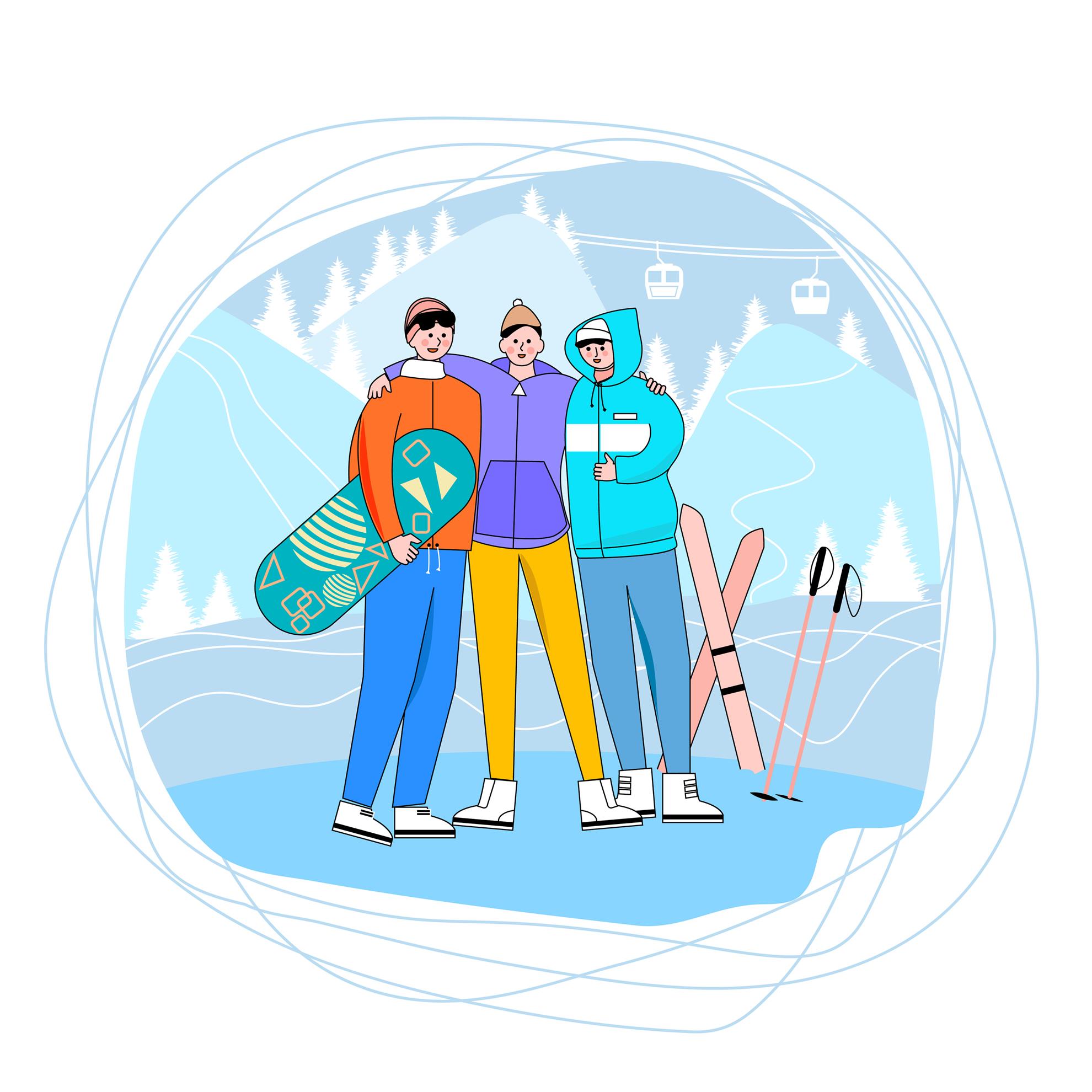
RCoV ANNUAL WHISTLER SKI WEEKEND FEBRUARY 9-11 2024
John Hayto is now compiling a list of participants. To be followed by finding accommodation for everyone.
If you have any questions about the event, just ask. If you already know you will be attending let John know asap. By the same token, if you can help by providing accommodation, let him know that as well.
For those new to this event, skiing is optional. It's really about having a fun, relaxed weekend while strengthening the bonds of Rotarian friendship.
The approximate cost will be $185 not including ski passes. This does include food and accommodation. The tentative schedule will be:
Friday evening dinner at Barbara Welsh & Bob Macdonald's home. Potluck fare, so bring a favorite dish - let John know so he can ensure there is good variety of appies, mains, & desserts.
Saturday on the mountain, or in the village as you prefer. Lunch on the mountain. Dinner at Bearfoot Bistro thanks to Kaz. An event not to be missed!
Sunday meet up with whomever you like for breakfast, coffee, touring -- whatever you fancy, before heading home.
If no written objection is filed with the Secretary within 7 days of January 26, 2024
by (Feb. 2, 2024)
William Donnellan
Classification:
Hospitality, Construction, Real Estate
and
Laura Donnellan
Classification:
Hospitality, Construction, Real Estate
and
Aaron Lacey
Classification:
Hospitality, Construction, Real Estate
will upon payment of the dues and assessments determined by the Board, be declared elected as a corporate members, IRL Group, of the Rotary Club of Vancouver recognized by Rotary International.
Proposer: Joan Posivy
Seconder: Franz Gehriger
*
Kaz Kadono Jan 27
at our Club
Jerry Shi 2 years
Mukhtar Latif 2 years
Shoshanah Webber 3 years
wedding
None this week
* come in person to celebrate your birthday with Purdy's chocolates!!
Last Meeting Jan. 23, 2024
Jason Boudreau, President, chaired the meeting and gave the invocation.
Catherine Darley, Secretary, hosted ZOOM
Rohan Aurora, acted as Sergeant at Arms and introduced guests
President’s Announcements:
Welcome to our guests, new and returning, as well as our own members who have taken time out of busy schedules to attend. We are grateful to see new faces, remember guests are ALWAYS welcome at our meetings.
Secretary's announcements:
reminders of upcoming events/meetings (see above)
birthdays, member club anniversaries, wedding anniversaries (see above)
Members' moments and special presentations:
Frédérique Niel was interviewed by Franco Gallo. Frédérique has lived in Vancouver for quite some time now, is a social media expert (my word, not hers), business coach, and tango lover. She spoke about her coaching business, how best for us to use social media to help the club, and what brought her to our Rotary Club. As a newer club member she readily took on the task of managing our social media - a huge job for which we are very grateful. Thank you for sharing Frédérique.
Joan Posivy reminded us to save the date, Feb. 13th, for the joint evening meeting with the Rotaract Clubs. The location will be at the Creekside Community Centre in Olympic Village. Check your email for the link to register.
Program - REGULAR MEETING:
Rohan Aurora introduced speaker, John Atkin. John's topic was "The myths of Shanghai Alley". He is a civic historian, author and heritage consultant. He has a wonderful, entertaining way of teaching about the sometimes quirky, always fascinating history of the City of Vancouver.
John referred to some common stories about when Chinatown and Shanghai Alley were established, making corrections from the myths to the true recorded history.
It all started with a sawmill at the base of Carroll St. that opened in 1886, 3 months before the city was incorporated. Thirty Chinese men were hired to work the mill. To house them, a series of tenements were built. And thus it began.
Dupon St, now Pender St., in 1889 was a very busy place. The area was filled with industry -- 29 businesses were located there, all concentrated around Carroll & Dupon Streets.
One of the interesting aspects to look at is culture. For example, it was tradition to hold funeral services at the church then walk to the cemetery, Mountainview. These were huge events.
Hart’s Opera House was erected and could house about 1,000 people. In time, a couple of blocks away, a newer more substantial house was built with the original house becoming the 1st Chinese Theatre. Eventually the community established their own Chinese Opera House in 1897. It helped to firmly place the centre of Chinatown around it. City council was changed annually. The building became a wonderful cross-cultural space to house lectures, etc.
Chinatown was not a lovely place; it was surrounded by many different industries. A coal gas plant was there until the 1960s (as an aside, one of the reasons the Georgia viaduct has to come down is because the end of it is sitting on a 40 foot thick pile of coal tar and is sinking). CPR that was in the area, moved it facilities to the Roundhouse in what’s now Yaletown. Great Northern Railway got permission to move in, changing the city centre by decimating the south side of the main street. A full scale railway operated on the site of the original Chinatown.
Chinatown in the early 1900s was growing at a great pace. Many of Victoria’s population moved to Vancouver.
Shanghai Alley was first mentioned in 1905. It almost never rated a mention in media, etc. over time. In 1947 Vancouver Archivist, Major Matthews, recalled his first visit to the Chinese opera house in the winter of 1898. He hounded city officials to get his work done. Unlike early historians he did go out and talk to the aboriginals in the area. Much of the civic knowledge of the indigenous people in the Vancouver area is due to Matthews’ work. Vancouver’s boundary ended at 16th avenue, and this is where Matthews worked ended. Therefore a full picture of indigenous peoples in the area was not completed.
Looking at Shanghai Alley, the backside of the shops on the adjacent street, one can see there is nothing there. The other side of the street shows residential buildings with shops on the lower level. East side of the alley. Marshall Wells warehouse at the end of the alley. Very little of the alley survived into modern Vancouver.
The train station moved in 1925 leaving a large empty space. It became a Chinatown playground and tennis club. One of the things that put Chinatown on the map was the celebrations around the city’s 50th birthday. Chinatown was targeted by city officials who had something against the area/culture. The related fair elevated the public image of Chinatown. They imported a gate from Hong Kong, a pagoda building and all sorts of other culturally relevant things. It really shifted perspective of what Chinatown was within Vancouver.
Shanghai Alley, when SUCCESS built their building and filled in the other side of the street thus making the area very interesting. Though there remain signs saying it was the birthplace of Chinatown which is incorrect. A group of interested people are working on getting the correct public information out there by updating signage. It’s a work in progress.
In closing, Chinatown is now taken very differently in terms of its significance in the city. In 2012 a national historic district was designated. Chinatown is certainly in a very different place now. The Story Telling Centre in Chinatown is only one of two in the world. The 1st museum in Canada designated in telling the story of Chinese in Canada is open, in Chinatown. It is great to have the history of Chinatown being told in Chinatown and not elsewhere.