Born in 1715 as a free black woman in Suriname, Samson emerged during an era marked by slavery and deep societal inequality. Defying the odds, she became a pioneering entrepreneur and plantation owner, ultimately amassing significant wealth and earning the distinction of being the first black female millionaire in the Americas. Her story is not just one of personal triumph but also a symbol of resilience and tenacity against a backdrop of adversity.
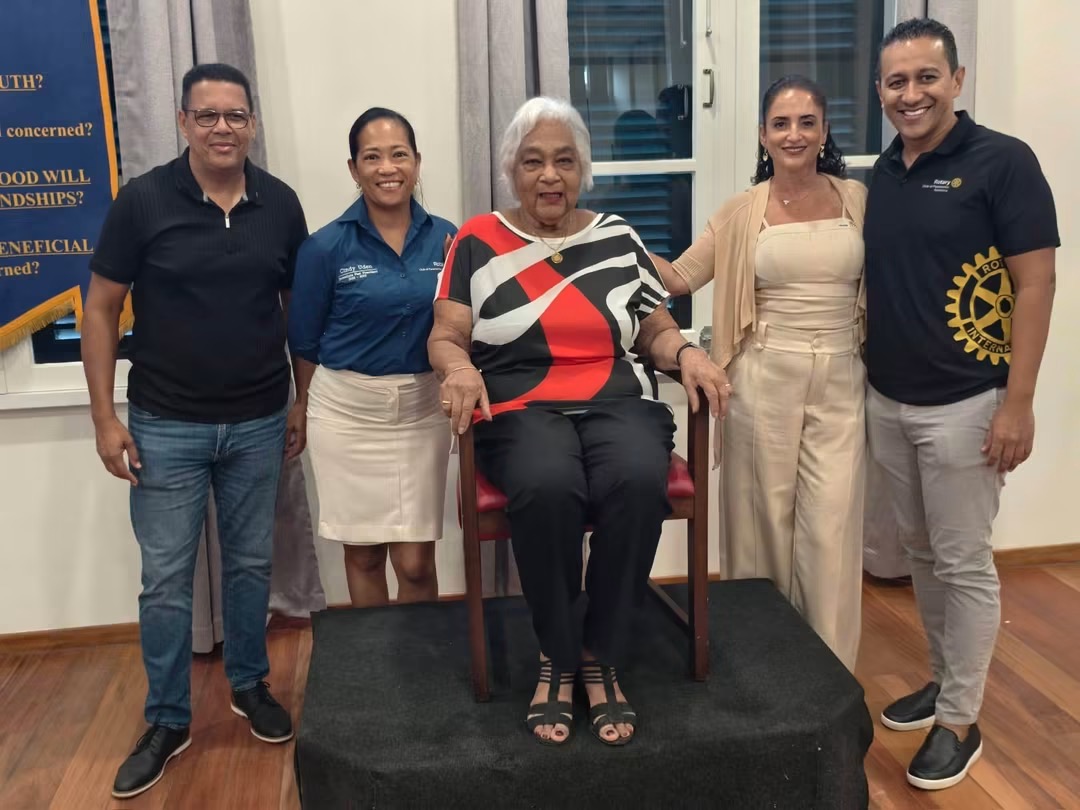
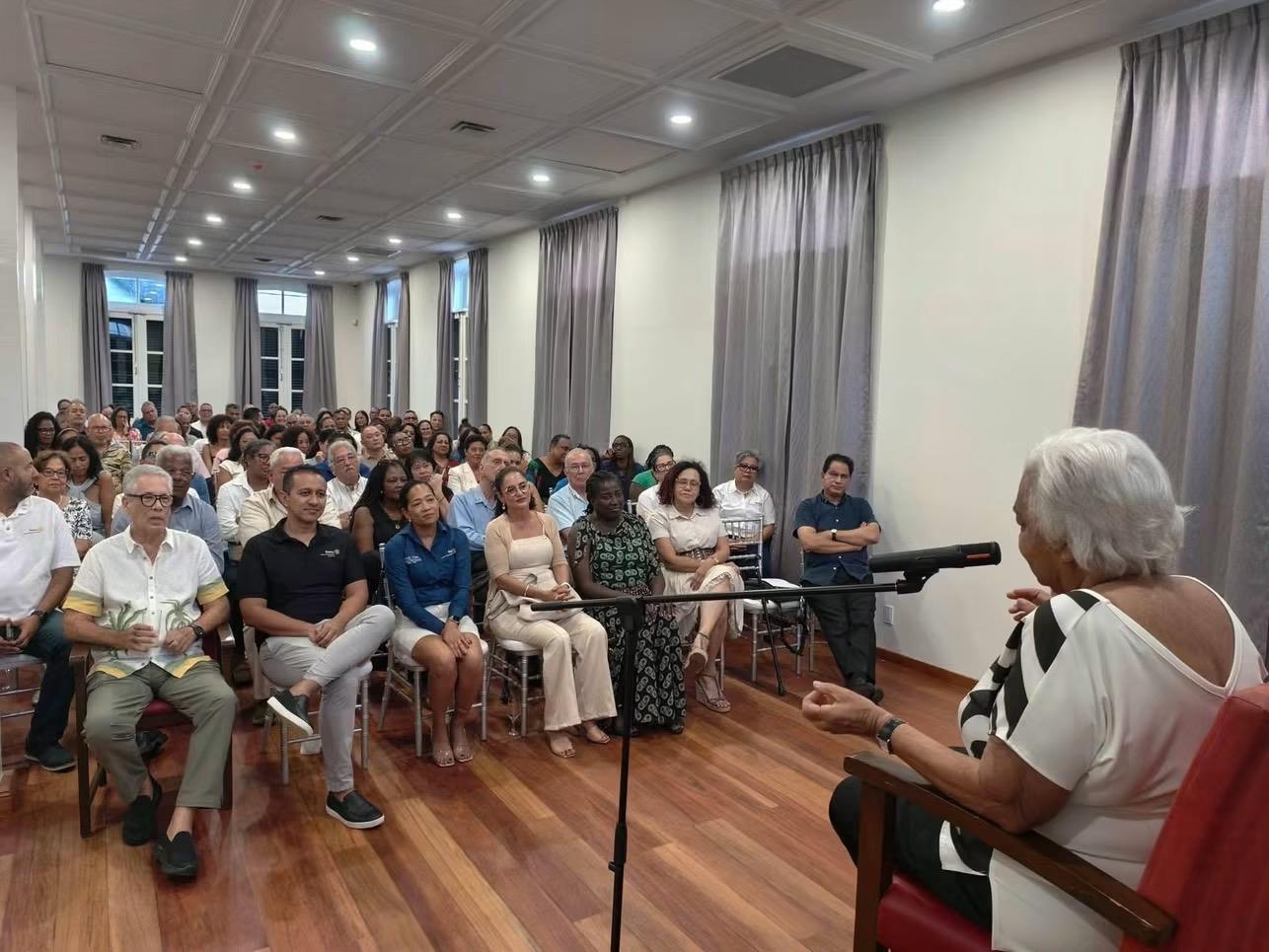
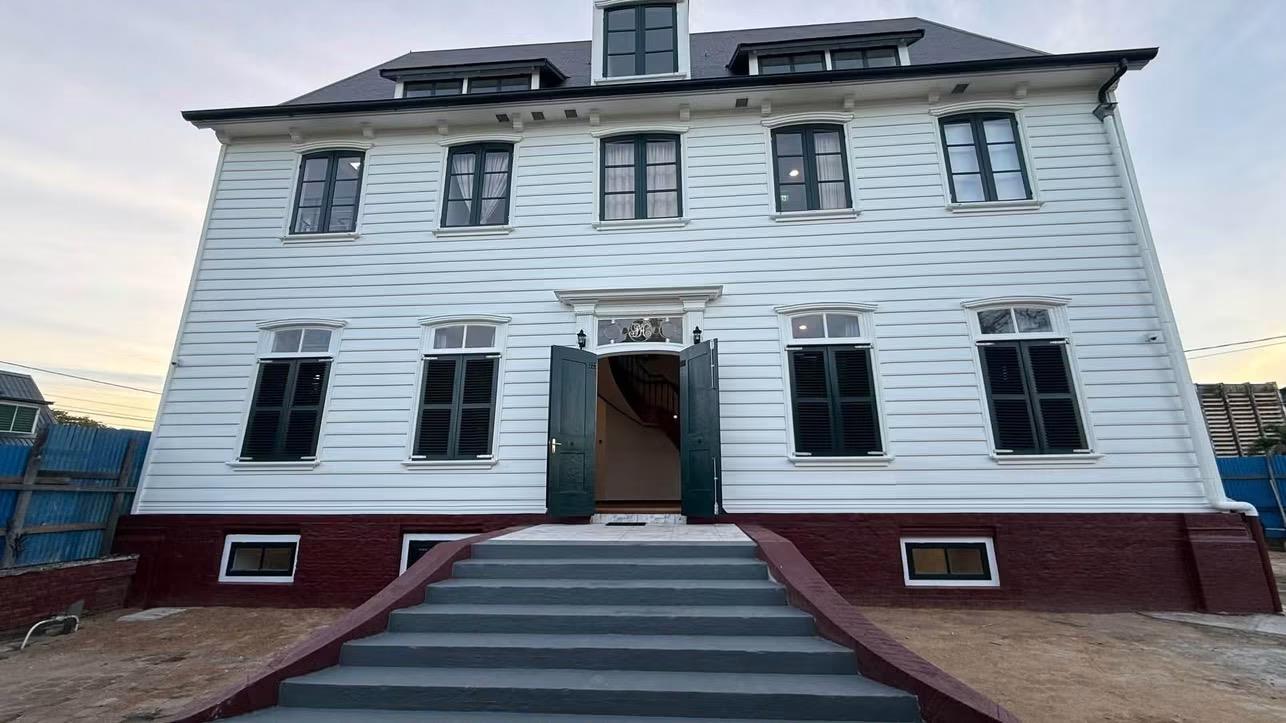
Mc Leod shared poignant anecdotes about Samson's life and her enduring influence. She highlighted how Samson's business acumen paved the way for future generations, illustrating the profound impact one individual can have on the course of history. Furthermore, many attendees learned that the Elisabeth Samson House also housed the Willemschool, the first public school in Suriname - a significant milestone in the nation's educational landscape.
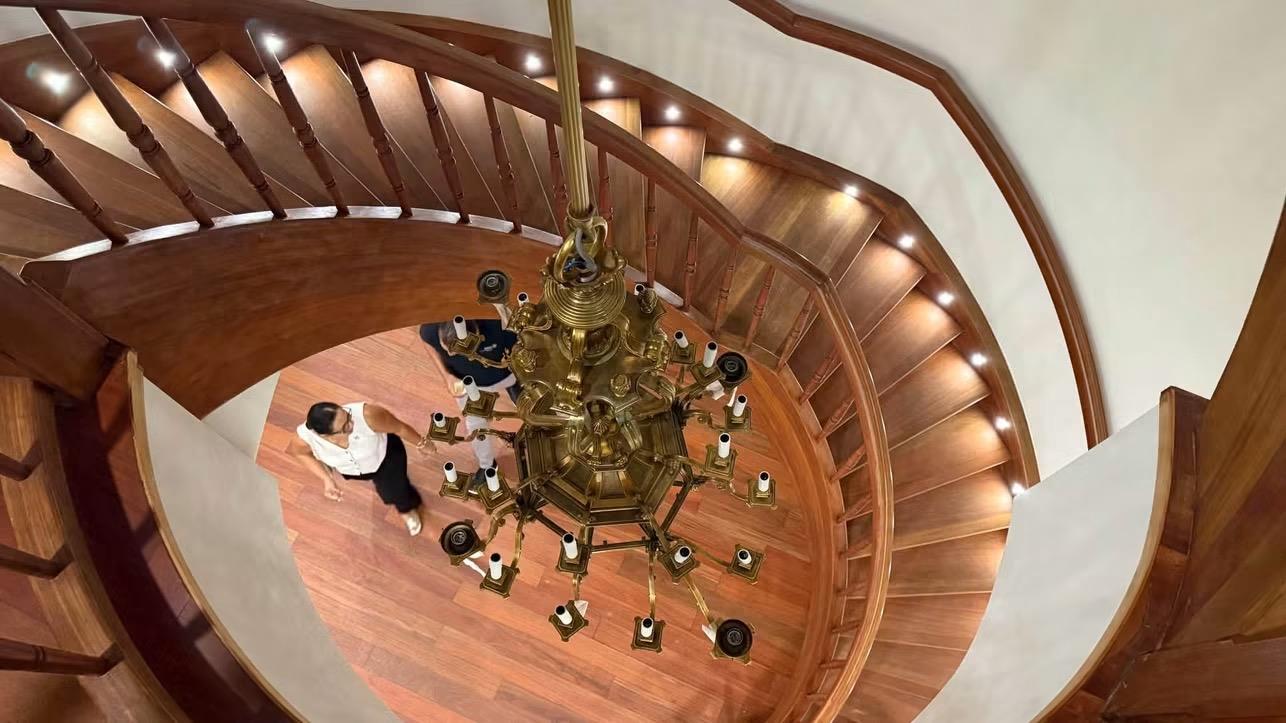
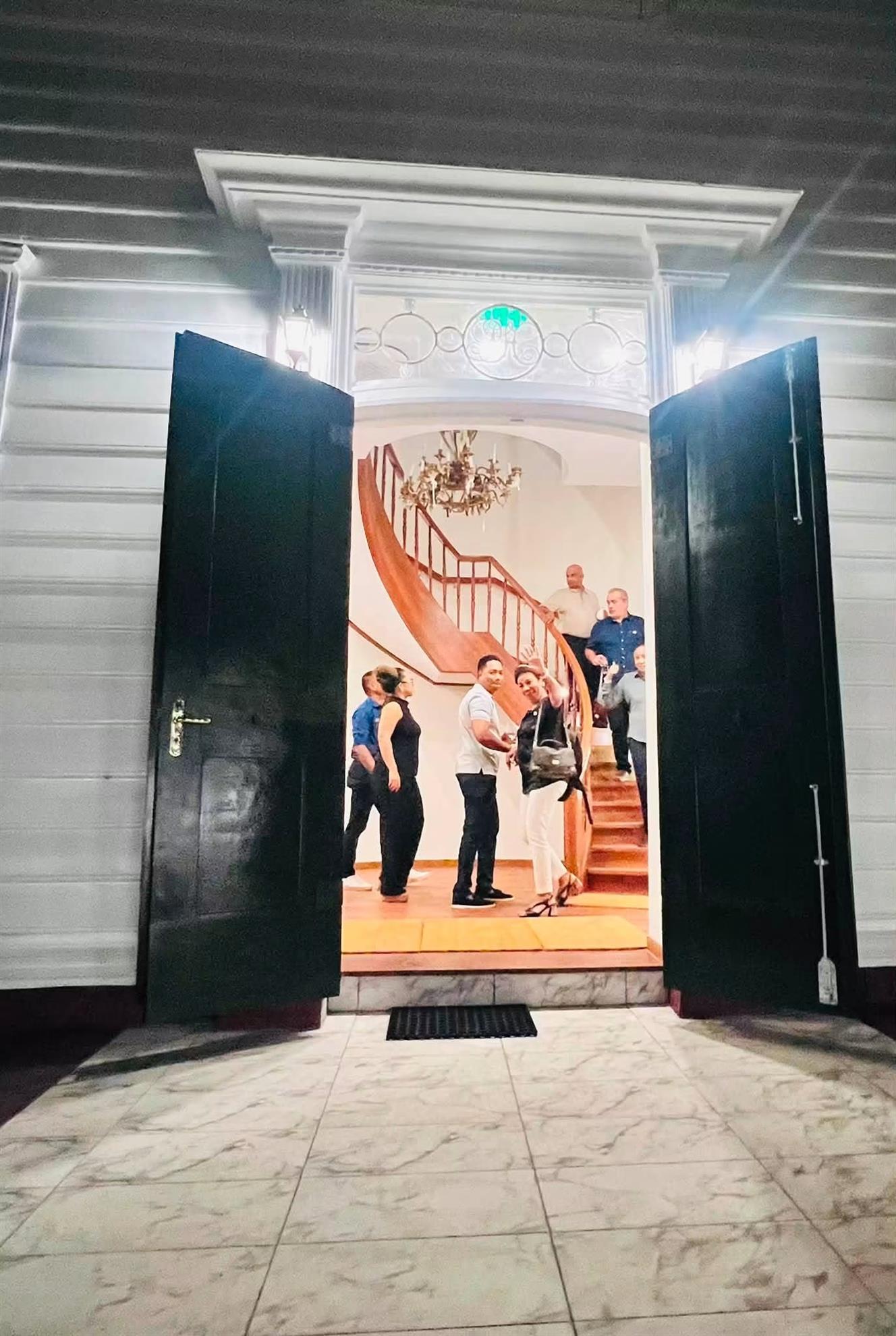
As a special highlight, attendees were treated to an exclusive preview of the nearly completed Elisabeth Samson Museum, which aims to honor her legacy and educate future generations about her contributions. This gathering was not just a meeting; it was a celebration of history, a connection to the past, and a renewed pride in the cultural heritage of Suriname, embodied in the remarkable life of Elisabeth Samson.