| |
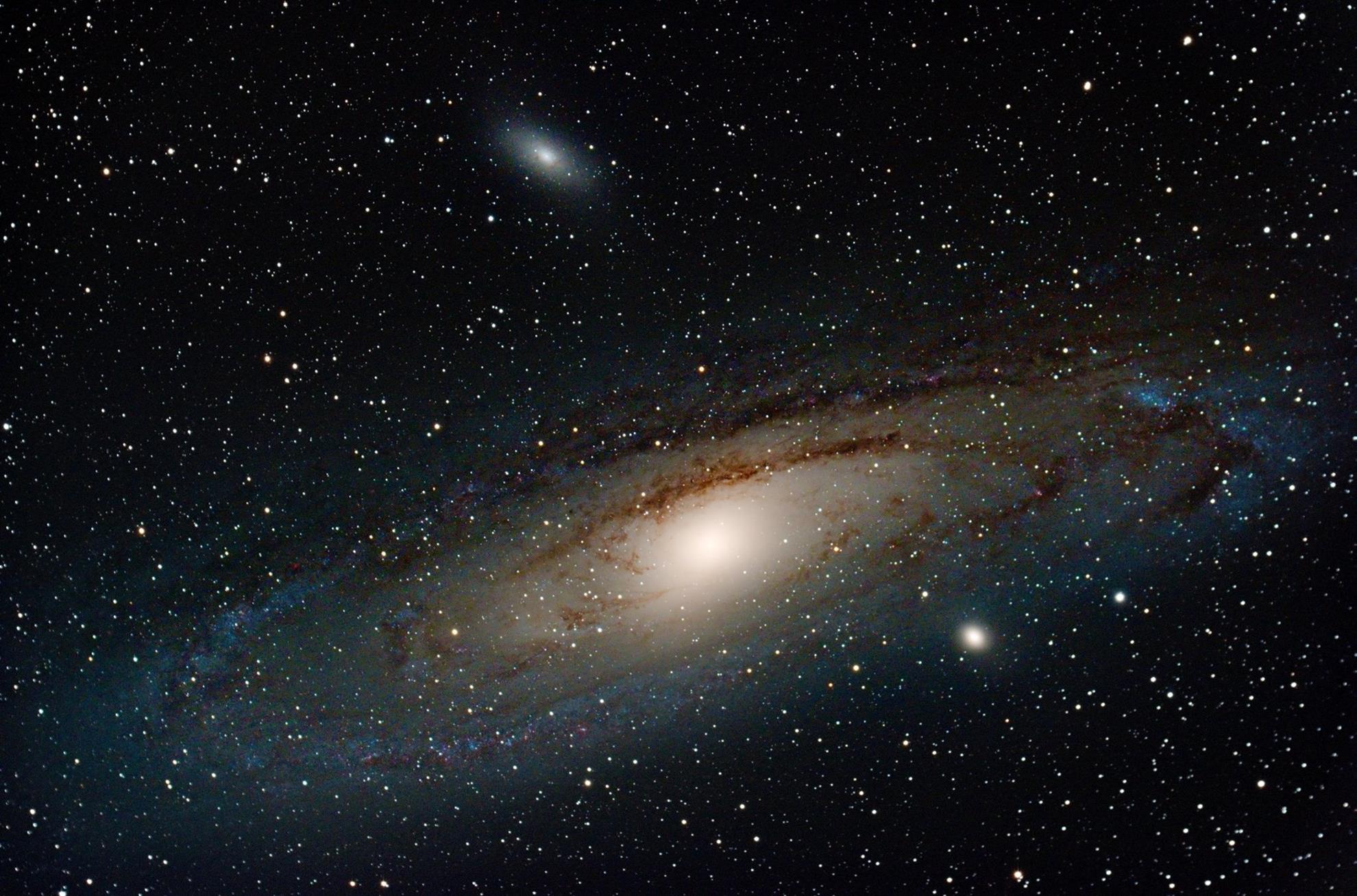 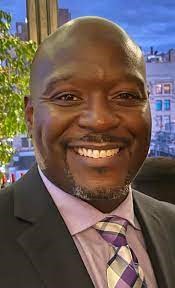 To view meeting: https://youtu.be/KKUbwuPdTAA April 4, 2023 – It was great to have our fellow member Dr. Lydell Nunn speak to us about astronomy and astrophotography. In 2019, he began a master's program in space studies with a concentration in astronomy from American Public University, which he completed in February 2021. He built an observatory in his backyard, from which he captures images of the cosmos, two of which were published in Sky and Telescope magazine. He is a member of the York County, Rittenhouse, and American Astronomical Societies. Lydell described how the James Webb Space Telescope (JWST) was launched on Christmas morning 2021, providing a welcome, albeit delayed, gift to professional and amateur astronomers around the globe. He reviewed the history of the JWST's predecessor, the Hubble Space Telescope, and explained the background, development, and construction of the most powerful telescope ever launched into orbit. Webb often gets called the replacement for Hubble, but he prefers to call it a successor. After all, Webb is the scientific successor to Hubble; its science goals were motivated by results from Hubble. Hubble's science pushed us to look to longer wavelengths to "go beyond" what Hubble has already done. In particular, more distant objects are more highly redshifted, and their light is pushed from the UV and optical into the near-infrared. The observations of these distant objects (like the first galaxies formed in the Universe, for example) require an infrared telescope. This is the other reason that Webb is not a replacement for Hubble; its capabilities are not identical. Webb will primarily look at the Universe in the infrared, while Hubble studies it primarily at optical and ultraviolet wavelengths. Webb also has a much bigger mirror than Hubble. This larger light collecting area means that Webb can peer farther back into time than Hubble is capable of doing. Hubble is in a very close orbit around the earth, while Webb will be 1.5 million kilometers (km) away. The JWST is peering into the past to unlock the mysteries of our universe. |