Genealogy and Forensics in Solving Crimes
Apr 17, 2024
Mellissa Hellisgo
Genealogy and Forensics in Solving Crimes
Mellissa Helligso
UNMC Human Identification Lab
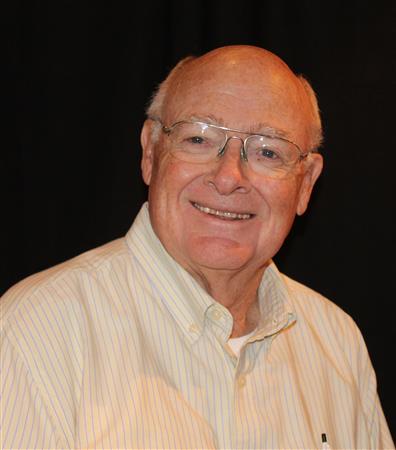
Mellissa Helligso (Hell-ig-so), is employed at UNMC as the manager of the Human DNA Identification Lab. She has over 20 years of experience of testing over 1000 criminal cases and testifying to her findings in trial. Well-known cases include: Jessica O’Grady, Dr. Anthony Garcia, Sydney Loofe, and Cari Farver. She will be discussing a new technology that has just earned accreditation in the UNMC lab, called Forensic Investigative Genetic Genealogy, which was utilized to capture the Golden State Killer.
Mellissa Helligso remembers when she first became interested in forensic pathology. It was in 2000. CBS had just released the television series “CSI: Crime Scene Investigation,” and Helligso, a DNA analyst in the molecular diagnostics section of the UNMC Department of Pathology, Microbiology and Immunology, had just had her first child.
“I remember being up with the baby late at night and watching the show,” Helligso said. “It really piqued my interest how the investigators were able to identify crucial facts that ultimately solved the case at hand.”
Today, Helligso, who is now the manager, technical lead and forensic DNA analyst with the Human DNA Identification Lab at UNMC, has taken part in hundreds of forensic investigations. Most recently, Helligso and her team received news that the Human DNA Identification Lab, under director Jesse Cox, MD, PhD, has earned accreditation to perform Forensic Investigative Genetic Genealogy (FIGG), which will allow them to assist in cold case investigations. “We are one of six labs in the country that are accredited,” Helligso said.
The technology will enable them to assist law enforcement with identifying unknown DNA, she said, and potentially help solve several cold cases. “You may have heard of this technology, as it was utilized to catch the Golden State Killer and more recently the suspect for the Idaho University murders, among hundreds of others,” Helligso said.
In early 2023, Helligso said, the lab obtained funding from a private donor to bring the FIGG technology into the lab. After testing the technology for most of the year, the lab was ready in November to move forward for accreditation, and after an audit by the American National Standards Institute National Accreditation Board, the lab was given approval.
Since then, Helligso said, she has been doing forensic DNA work for the Omaha Police Department, through a prosecution of cold cases grant, identifying DNA profiles to utilize the new FIGG testing.
“What we are looking for are DNA samples that don’t already have a hit in the national DNA database, CODIS (Combined DNA Index System), to help law enforcement identify potential suspects,” Helligso said.
She currently is working on more than a dozen cold case homicides with the Omaha Police Department.
“This is very exciting, because the cases we weren’t able to solve always linger in the back of your mind, and now we have another tool to use to help bring closure for families and justice for the victims,” she said.








Interested in being a sponsor?
Download the website sponsorship guide
Download the website sponsorship guide