Be Ready
Posted by Tamisan Bencz-Knight
on Apr 07, 2016
Canadian Red Cross
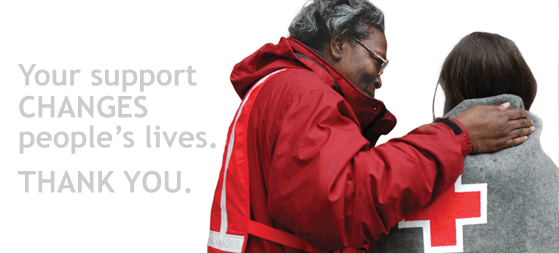
As mentioned, I really didn't know exactly what the Canadian Red Cross did and always thought of them during a disaster; however, they are doing much more. Canadian Red Cross is the largest humanitarian organization in the world that is governed by seven fundamental principles: Humanity, Impartiality, Neutrality, Independence, Voluntary Service, Unity and Universality. Makes me think of Rotary’s four-way test which is very comforting.
In addition to disaster management, other areas of support include: Health Equipment Loan Program (HELP); First Aid, Swimming and Water Safety; Violence & Abuse Prevention; First Nation and Aboriginal Engagement; Restoring Family Links; Community Housing; and International Humanitarian Law. Whew – a little more under their belt then what we traditionally think when we hear Canadian Red Cross. Although the Canadian Red Cross responds and active during disasters … education and planning is a huge part of their work.
Be Ready: a disaster can happen at any time.
Step 1: know your risks. In Alberta, some of our risks include floods, power outages, forest fires, tornados and more.
Step 2: Make your plan. Think about evacuation routes inside your home, location of emergency kit and supplies, out of town contact and even evacuating your pets (and their needs).
Step 3: Get your kit ready. Now this one surprised me on how unprepared I am for a disaster!
To make your own kit, you will need:
-A sturdy and easy to carry bag (a backpack or duffle bag).
-Water: store two litres of drinking water and two litres for washing per person, per day. Don’t forget about pets!
-Food: store at least 72-hour supply of non-perishable food for each person and pet.
-Manual can opener (unless you have all peel off lids).
-Crank or battery operated flashlight (with extra batteries).
-Crank or battery operated radio (with extra batteries).
-Extra keys for the house and car.
-First aid kit (note to grab medicine before running out if needed).
-Cash in small bills.
-Special needs items (like formula).
-Personal hygiene items.
-Important family documents (copies of birth and marriage certificates, passports, licences, wills, insurance).
-Copy of your emergency plan and contacts.
Visit the “Know the ricks”, “Make a plan” sections at redcross.ca/ready
As I think about the Canadian Red Cross, I think more about the work Rotary is doing and how connected we are. For example, the Shelter Boxes, which of course is a story in itself, provides emergency shelter and vital supplies to support communities around the world overwhelmed by disaster and humanitarian crisis. Knowing that there are partnerships and others doing vital work creates a stronger network of working together to do good in the world. Keep up the good work Canadian Red Cross & Rotary!