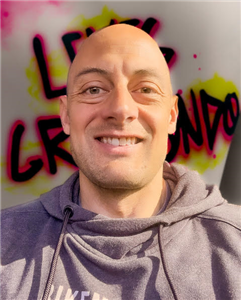
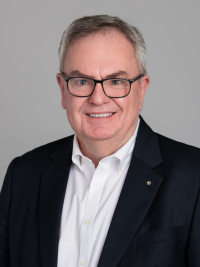
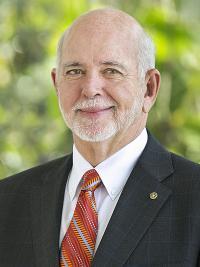
Carlos Perez, native to Sonoma County, is the founder and president of Bike Monkey, Inc., a renown event organizer in the competitive cycling space. With a portfolio of over 13 annual events spanning road, mountain, gravel, and experiential cycling, Bike Monkey is perhaps best known for orchestrating Levi's GranFondo, America's first ever gran fondo that has hosted thousands from around the world over the last 15 years. Now celebrating 19 years of existence, the company's legacy includes the work of local non-profit King Ridge Foundation, which Perez co-founded with former professional road cyclist Levi Leipheimer. To-date King Ridge has raised more than $3.5 million in support of at-risk youth organizations and acute community needs such as the Valley and Tubbs fires.
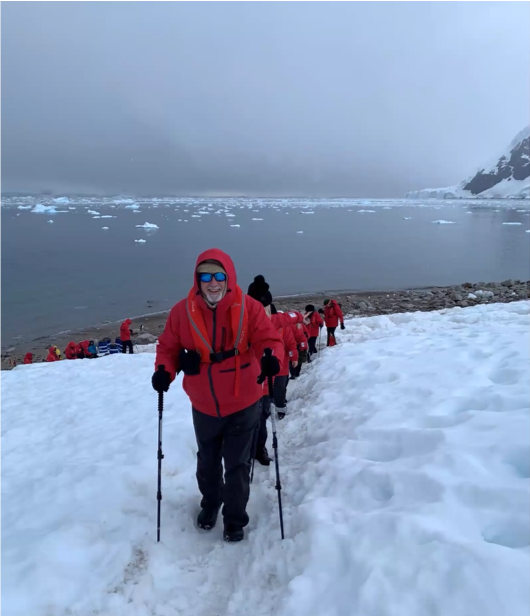
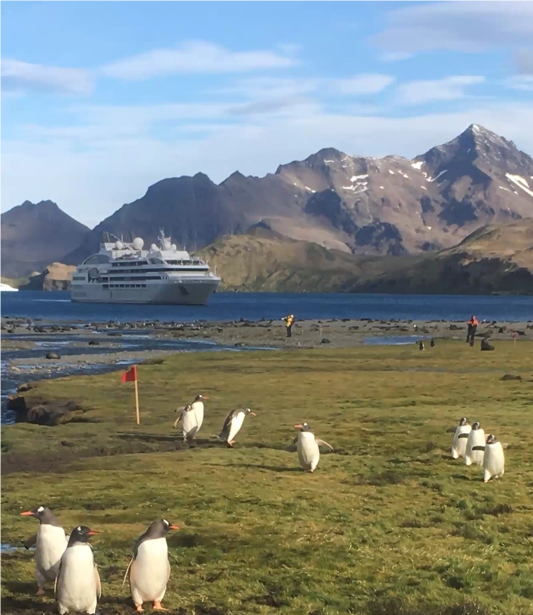
Our speaker for February 29, 2024, was our own Sunriser, Past-President Marty Behr. Marty presented the story of his trip to Antarctica in December and January with his grandson, Milo. Getting to and from Antarctica is complicated and expensive but fortunately Marty’s employer, Abercrombie & Kent, paid for much of the travel, including the 466’, 122 cabin cruise ship “Le Lyrial.” Before embarking on Le Lyrial in Ushuaia, Argentina, Marty and Milo spent two days in beautiful Buenos Aires enjoying the street art, Teatro Colon, and the steaks! They also met the group traveling with them to Antarctica in Buenos Aires; Milo danced the Tango - Marty did not!
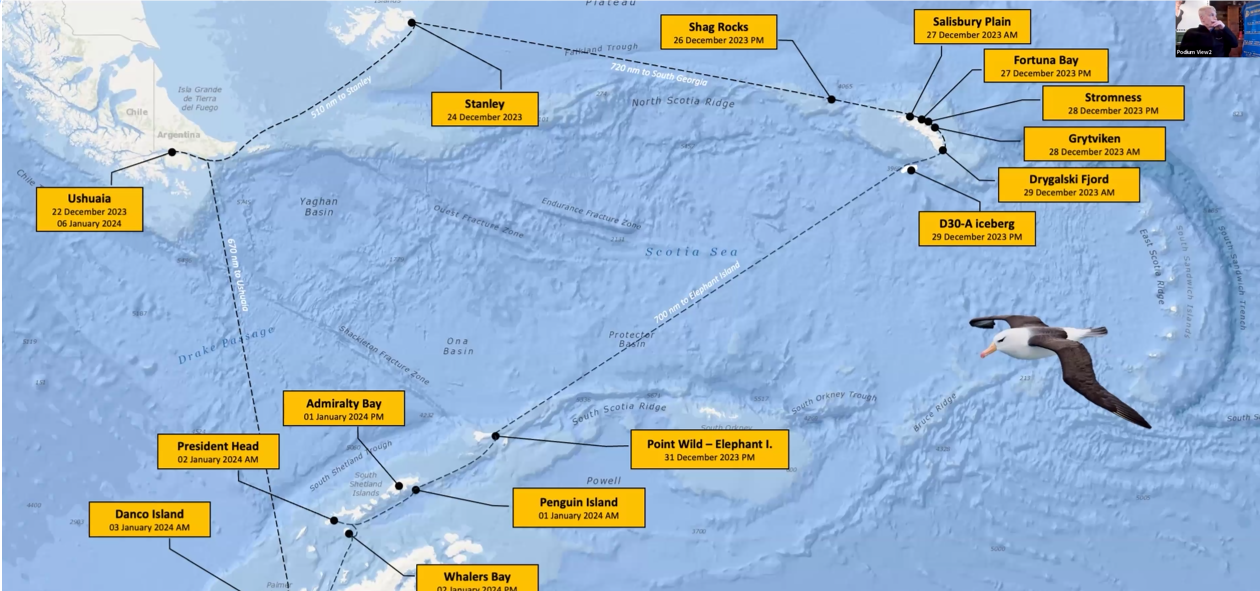
From Ushuaia (the world’s southernmost city), they cruised to the Falkland Islands and then east to South Georgia Island. They saw the 45-mile wide, 3,000 foot tall, 6-mile deep D30-A iceberg, which had broken off the tip of Antarctica about 3 years ago and has been floating around ever since. They then sailed all the way to Antarctica, a 6-day crossing. Marty discussed the wildlife in depth. They saw a few orcas, a lot of humpback whales, 4 species of penguins (there are 3 million penguins in Antarctica), skua birds, leopard seals, and elephant seals. The skuas and seals are major predators of penguins; the skuas while the penguins are out of the water and the seals while they are swimming. They also saw lots of icebergs, especially in Antarctica itself. Throughout the trip they feasted on excellent food and lived luxuriously while not traveling around on small boats in freezing water and running around on icebergs. In fact, when not making crossings, they were able to get off Le Lyrial almost every day.
Marty also discussed the role of Antarctica in global warming. Antarctica is home to 70% of the earth’s ice. The good news is that global warming in Antarctica has been less profound than in the north. There is so much ice that Antarctica makes its own weather. Studies show that warming of the earth by 10 degrees centigrade will melt all the Antarctic ice. Florida and California’s Central Valley would be completely underwater. On South Georgia Island they spent time at the island’s main town, Grytviken. An explorer, Ernest Shackleton, led several British expeditions to the Antarctic. After failing to be the first to reach the south pole, Shackleton attempted to cross Antarctica from sea to sea via the pole in the Trans-Antarctica Expedition 1914-1916. The mission ended in failure when the main ship became trapped in ice. The members all ultimately survived but it took 21 months for the entire crew to get back to Grytviken from Antarctica. Shackleton died in South Georgia and was buried in Grytviken.
Many thanks to Marty for the great presentation of Marty and Milo’s great adventure!
Click HERE to see a limited-time recording of Marty's trip to Antarctica.
On a regular basis, our resident photo pro Warren Smith, submits pictures of what is going on at the weekly meetings. You can always find the most recent pictures at the websites photo journal called "Meeting Sighting" Please note that all the meeting photos for the entire Rotary year are at this location with the most recent on the last page.
Thanks for all the great pictures Warren!Link to Meeting Sightings. The most recent are on the last page!
Today, conditions are never Perfect. "Someday" is a disease that will take your dreams to the grave with you. If it is important to you and you want to do it eventually, excuse me, Just do it! A course correct along the way.
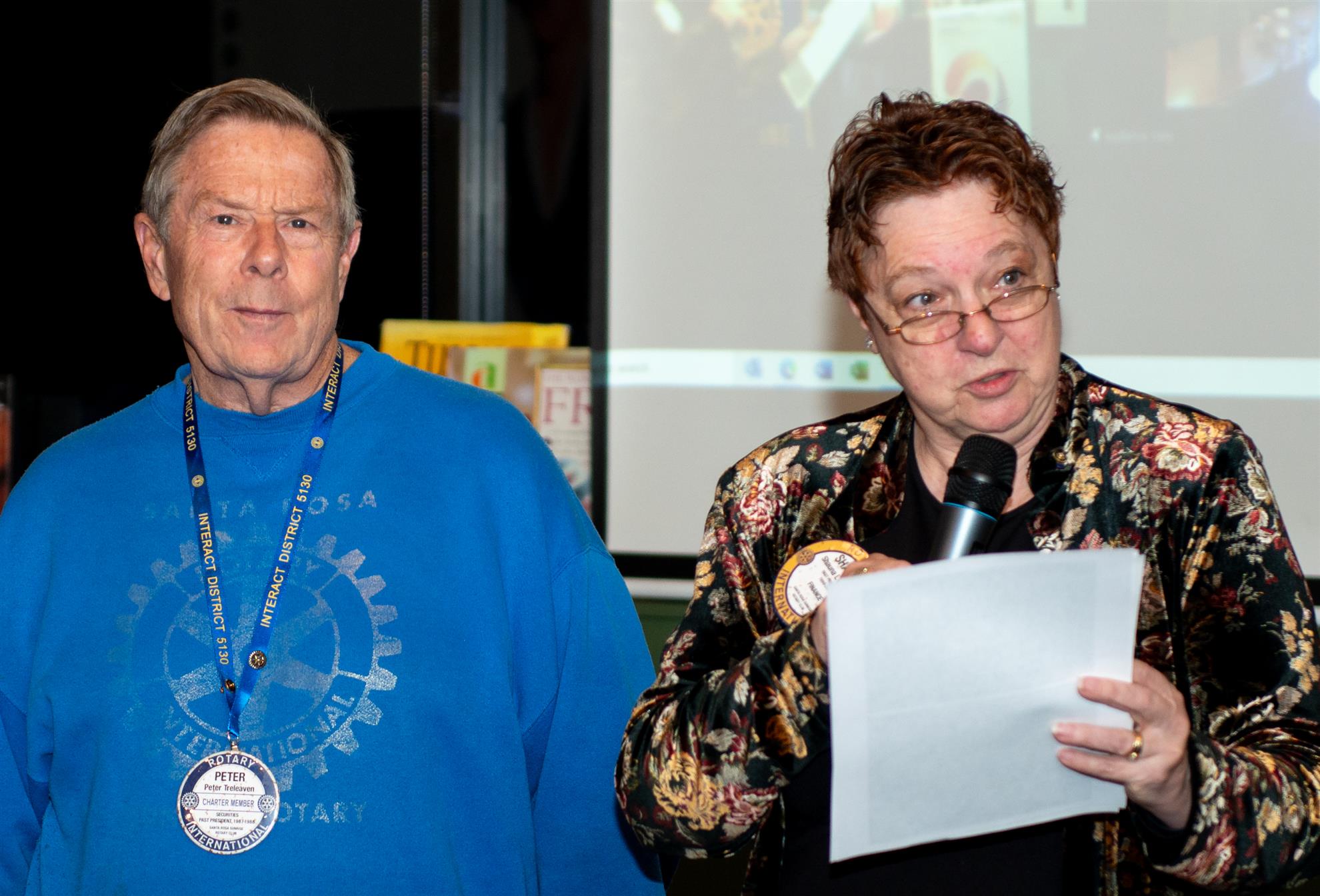
Peter Treleaven adds to The Rotary Foundation~ Sunrise's second President, 1987-88, Peter was instrumental in getting the club's Polio Plus rolling. Peter received recognition for his latest level of support~ Achieving a Paul Harris Seven!
Shauna Lorenzen for THIRTY-ONE YEARS PERFECT ATTENDANCE!!!
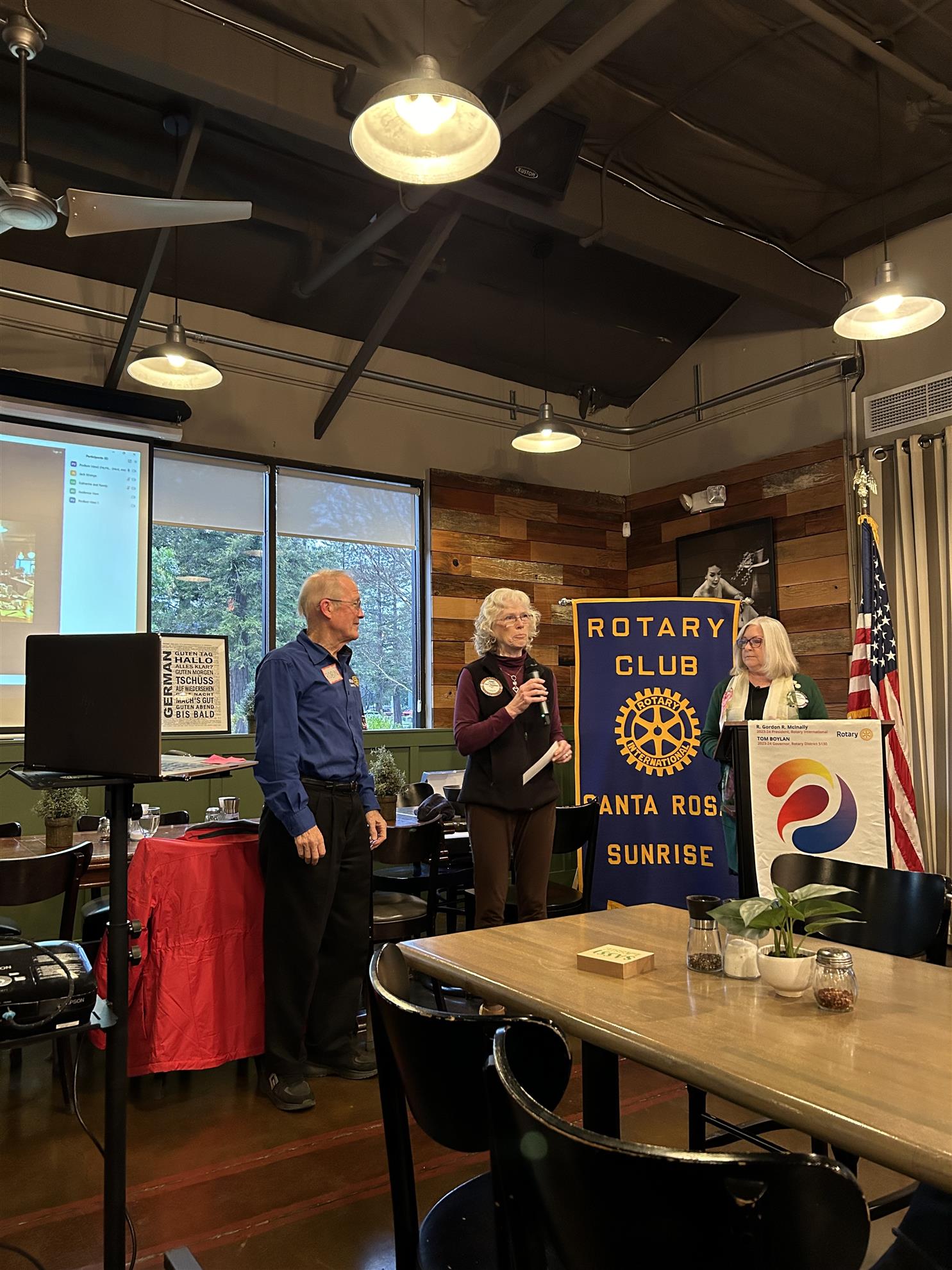
Robin Maybury of Sebastopol Noon received our $1,500 support check for Cool Kids Camp. This will provide two Camper scholarships for the summer adventure at Cloverleaf Ranch here in Santa Rosa!
There are many pathways to peace, and in Rotary, we are fortunate to have Rotary Peace Fellows who demonstrate this truth time and again.
Each year, Rotary awards up to 130 fellowships for leaders around the world to study peace and development, and what these peace fellows learn prepares them to work in conflict prevention and resolution and promote Positive Peace. Here are a few examples of the creative ways peace fellows advance peace:
Promoting sustainability
Alejandra Rueda-Zarate combined her Rotary Peace Fellowship in peace and conflict resolution with her master’s degree in energy and resources to support her dream of protecting the Colombian countryside.
She founded the organization NES Naturaleza in 2011 to help farmers in Colombia and across rural Latin America gain access to knowledge and training to uphold sustainable farming standards. That support has improved the lives of nearly 4,500 farmers, inspiring many of them to become entrepreneurs. And it’s helped promote both natural and social sustainability throughout Latin America.
Ending racism
Peace fellows Geoffrey Diesel and Kathy Doherty have applied their fellowships in peace and development studies toward co-founding the Racial Equity Project, a subcommittee of Rotary Positive Peace Activators in North America committed to studying ways to create a more peaceful society through anti-racism efforts.
The Racial Equity Project takes a deep look into how the eight Pillars of Positive Peace could support efforts to address racism, and it works to spread this message to communities across North America. The organization initially grew from Rotary’s strategic partnership with the Institute for Economics and Peace, a global think tank dedicated to promoting Positive Peace.
Managing disasters using data
Through a Rotary Peace Fellowship, Jamie LeSueur earned a master’s degree in social science within peace and conflict research. He now leads emergency operations for the International Federation of Red Cross and Red Crescent Societies, setting a management and operational framework for agency collaboration in emergency response situations.
Jamie has found that research data is a powerful tool to bring calm to the complex world of disaster response. No matter what an organization’s protocols might entail, letting research be the foundation for decision making helps clarify even the most complicated emergencies.
These stories — and hundreds like them — show how Rotary is creating a generation of leaders ready and able to build peace worldwide. Nearly 1,800 peace fellows have graduated from Rotary Peace Centers, and they are applying their craft in more than 140 countries.
May the continuing work of peace fellows and the Rotary members who support them inspire you to continue to Create Hope in the World through service, fundraising, and creative thinking.
Rotary’s focus turns to two themes this month. March is Water, Sanitation, and Hygiene Month, and we celebrate World Rotaract Week 11-17 March. Both WASH and Rotaract are near and dear to me.
Clean water, basic sanitation, and proper hygiene are fundamental human rights, yet a staggering 2.2 billion people still lack access to safe drinking water.
We’re taking action. Over the past decade, your Rotary Foundation has invested more than $180 million in over 2,500 water and sanitation projects worldwide. Rotary is on the ground making a difference through global grant-supported projects funded by your contributions to the Foundation.
But Rotary can’t do it alone. We have partnered with organizations like USAID to deliver large-scale solutions. The Rotary-USAID Partnership has helped thousands access water and sanitation services in the Dominican Republic, Ghana, the Philippines, and Uganda.
Our Foundation is the connector for other water partnerships, too. This was the case when I worked with leaders from Rotary District 7020 to set up the Haiti National Water, Sanitation, and Hygiene Initiative, known as HANWASH. Foundation grants continue to play a critical role in our strategy of working with nongovernmental organizations, municipalities, and government agencies in communities throughout Haiti.
Rotary efforts to connect people with clean water go beyond providing a basic necessity. We are paving the way for healthier communities and brighter futures, and doing so in a sustainable manner. With access to water, communities enhance education levels, improve health, and further development.
When we talk about partnerships, we can’t forget our closest ally, right here in the family of Rotary: Rotaract. The engagement, energy, and ideas of Rotaract complement the experience of Rotary clubs and increase our collective impact.
Yet many Rotary members still do not know that, as of 2022, Rotaract club activities can be included in district grants, and they are eligible for global grants, expanding avenues for collaboration.
I encourage all Rotary and Rotaract clubs to foster closer collaboration and engagement in our Foundation, whether it’s rolling up their sleeves on a project or giving.
We all know that in Rotary, great opportunities are always around the corner. When you combine water and sanitation projects, Rotaract, and the Foundation, all will become a big part of your life, as they have in mine — and not just this month, but forever.
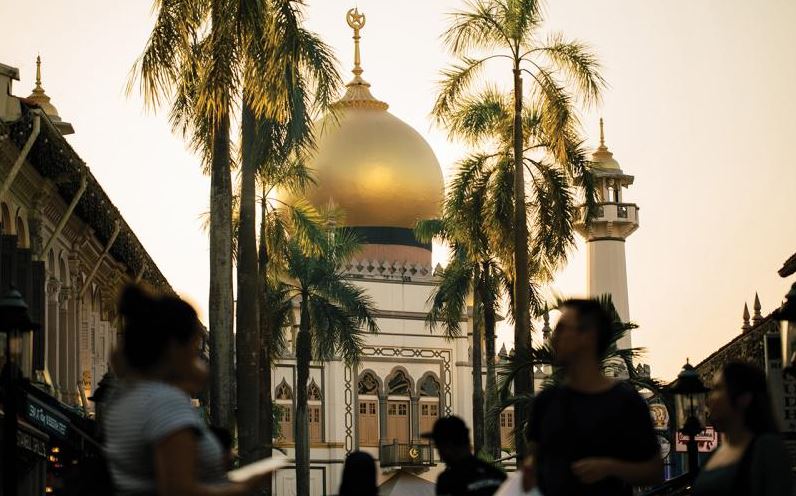
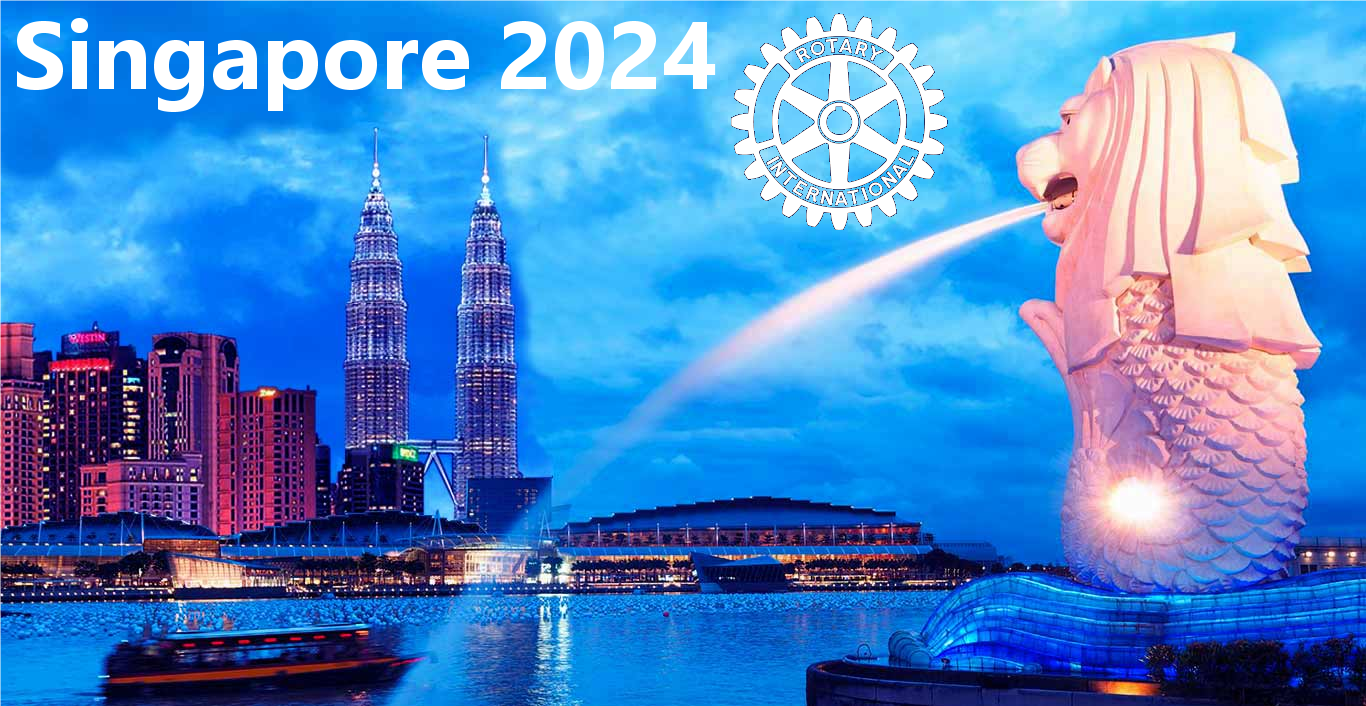
The Rotary International Convention in Singapore will offer so many special events and exclusive experiences that you’ll want to make a plan to make the most of your time.
Come early or stay after the 25-29 May convention to take a tour curated for Rotary members or meet with potential business partners in this economic powerhouse home to so many big corporations. And be sure to register for an extra event to mingle with fellow members.
Image credit: Juliana Tan
The Host Organization Committee has tours for you in Singapore and the region. Book. One convenient three-day tour in neighboring Malaysia includes a Kuala Lumpur heritage walk and a batik fabric dying workshop.
A private tour to learn about the city’s immigrants and hawker center culture includes tastings at the food markets in Chinese, Indian, and Malay neighborhoods.
Rotarians from the area invite you to Host Hospitality Night, with cultural and food events at exquisite venues in the heart of the city. At the Rotary Foundation Donor Summit, a general session-style event, members will hear stories about the impact of their support. Major Donors and members of the Arch Klumph, Legacy, Paul Harris, and Bequest societies can register on the convention site.
Rotary Youth Exchange alumni can connect and share ideas at the Youth Exchange Officers Preconvention 24-25 May.
And stick around after the convention for the Asia Pacific Regional Rotaract Conference 1-4 June. Whichever Rotary-only experiences you choose for your trip, you’ll be Sharing Hope With the World.
This story originally appeared in the March 2024 issue of Rotary magazine.
JOIN US FOR THE ROTARY INTERNATIONAL CONVENTION IN SINGAPORE, 25-29 MAY.


.png)




.png)