Leroy Carlenzoli is a Merit Award winner this year for his years of community service and dedication to helping others. The celebration will be on Monday, Sept 21 at the Finley Community Center, Person Auditorium, at 5:30pm. Friends and family are welcome to join us in this great honor.
RSVP is required. I will coordinate the RSVP's and send the list to the City of Santa Rosa. If you would like to attend, please let me know by August 27th.
There is no cost, and there is no mention of a meal, so assume nothing or perhaps snacks.
We are lucky to have Leroy in our club, leading by example the wonderful humanitarian work he does hour after hour, day after day. Let's make sure all of Santa Rosa knows Santa Rosa Sunrise Rotary is 100% behind this amazing person!
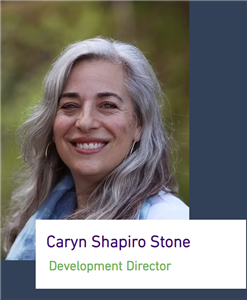
Caryn Stone is the Development Director at Women's Recovery Services, where she leads fundraising, donor engagement, grant development, and community partnerships in support of women and families recovering from substance use disorders.
Caryn has spent more than 20 years in nonprofit leadership in Sonoma County, helping mission-driven organizations build meaningful relationships with donors, foundations, businesses, and volunteers. Before Women's Recovery Services, she served in development leadership roles at Catholic Charities of Northwest California and Summerfield Waldorf School and Farm, where she consistently exceeded fundraising goals and created successful community engagement initiatives and events.
Caryn holds a master's degree in International Relations from Golden Gate University and a bachelor's degree in Political Science and Spanish from the University of California, Santa Barbara. She is also a certified life coach and enjoys speaking about the power of community, connection, and creating opportunities for people to make a lasting difference.
A longtime Santa Rosa resident, Caryn lives with her husband and is the proud mother of two daughters who inspire her commitment to building a stronger community for future generations.
Letitia Hanke Tells Her Amazing Story: Founding The LIME Foundation and Alternative Roofing Solutions!
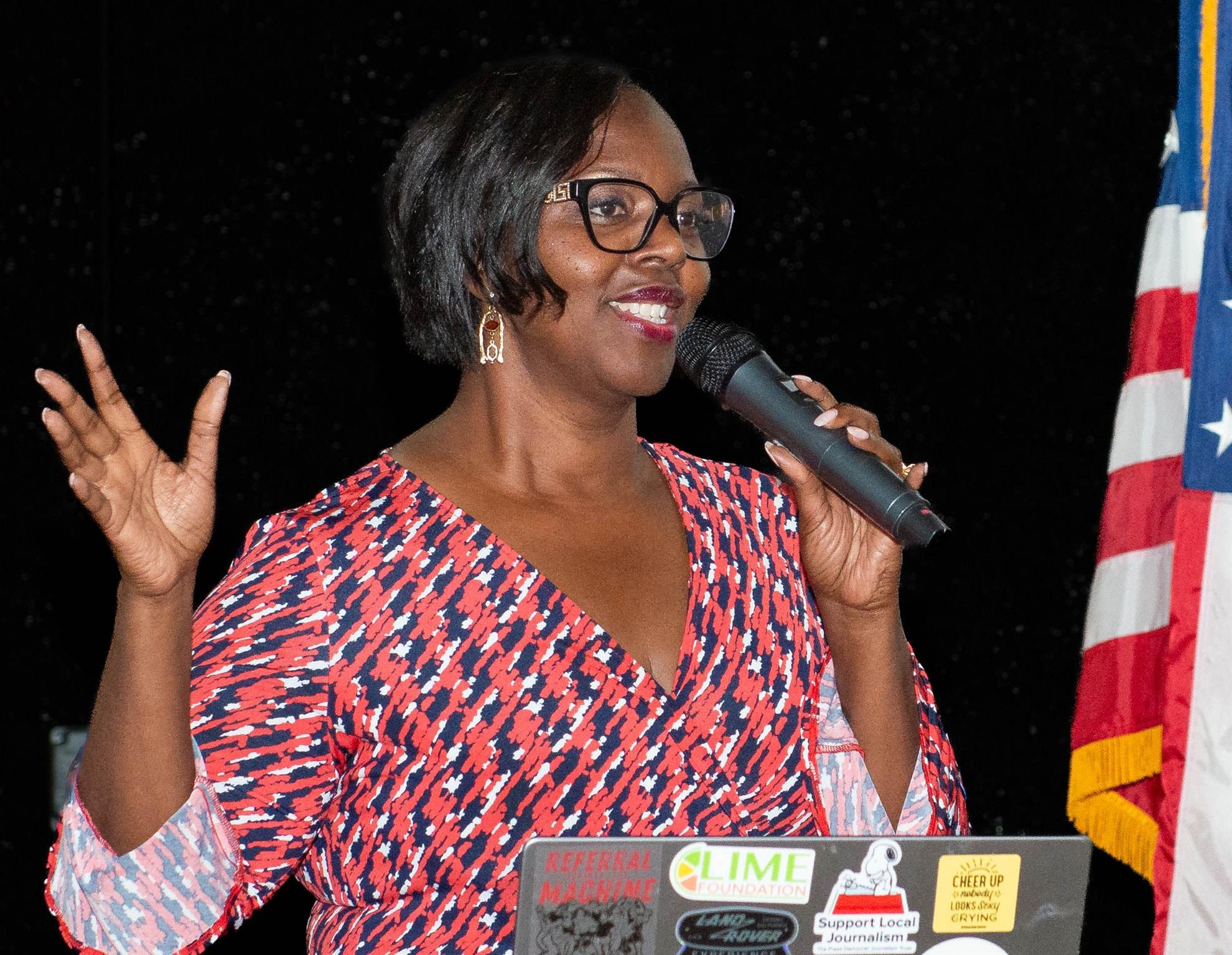
On September 3, 2026, Santa Rosa Sunrise Rotary’s guest speaker, Letitia Hanke, gave a powerful and moving talk about her personal and business history and how they contribute to her business success and her interest in helping young people acquire the tools for success in construction-related trades. The LIME Foundation, which she founded in 2015, is a non-profit dedicated to empowering our community by building the next generation of our workforce, advancing the arts, and helping educate seniors. She is also the founder and CEO of Alternative Roofing Solutions (ARS Roofing & Gutters).
As a child Letitia constantly dealt with hatred, racism, and bullying. She was called everything you can imagine and was told she’d never amount to anything. She felt ashamed, lonely, ugly, and invisible. Seeing her loneliness, her Lake County school’s music teacher brought her into the music classroom and taught her to play the trumpet during lunchtime sessions. By age 8 she was playing in the high school band! Her high school bandmates stuck up for her, and helped her learn hope, confidence, and determination. She attended Sonoma State University to study music (she wanted to become a rock star), but she was “super broke” and had to get a job. She was hired as a receptionist for a roofing company and after a year became the office manager and left college. After a few years learning the roofing business she obtained her contractor’s license and started her own company, ARS. As a black woman in a predominantly white, male industry, Leticia had to prove herself constantly. For the first few years she tried to hide herself; she called herself L.R. Hanke and didn’t put her picture on anything. About 10 years ago she decided to rebrand the company; she put her face on everything and signed her own name. Her business took off when she began working with people who wanted to support minority and woman-owned businesses. As the company grew she decided that she had an opportunity to give back to the community and started the LIME Foundation.
The Foundation has several programs, including the Senior Program, Turner Arts Initiative, and the biggest program, Next Gen Trades Academy. This is an outgrowth of conversations she regularly had with her contractor buddies who frequently complained that they couldn’t find young people to come into the trades. She asked them whether if she started a program to train young people they would mentor or hire them. They all said “yes,” so she started the program. LIME introduces high school students to the trades and teaches them financial literacy, real estate, health and wellness, and interview skills. The students learn up to 27 trades, including solar, HVAC, and clean energy. Next Gen is a free, 3-week program. When the students graduate they pick an industry to go into. The students get $600 for tools so they can start their careers without that expense when they finish the program. LIME works with 298 contractors in 5 counties to help get jobs for these students. LIME has had a lot of success in Lake County and even received a million dollar grant for that program! LIME is currently working with 43 high schools. Funding for the program comes through grant programs, the County, Sonoma Clean Power, and individual donors. The Foundation works with 11 different non-profits, including Habitat for Humanity. It also works with juvenile probation departments in Marin and Sonoma Counties and has had great success with those students. They’ve just received a very large grant from a probation department for the next 3 years. This year Next Gen had 144 graduates. One of Letitia’s favorite parts of the program is when past graduates become established in a trade and come back to hire new graduates!
The Senior Program consists of a 6-week wellness program, including nutrition education and gentle exercise. The program had to shut down during COVID, but LIME is hoping to restart it soon. Turner Arts grew out of her love of music. The program originally consisted of an after-school and summer program but it closed temporarily because of COVID, although it still has the scholarship programs in which it honors a student annually for music or creative achievements. LIME also has its talent show called “So You Think Sonoma County’s Got Talent With the Stars,” which will be held on October 30th at Sally Tomatoes.
Thank you so much, Letitia, for telling us your remarkable story and for all the wonderful things you’ve done to improve the lives of so many young people. You are a fantastic talent and your compelling story needs to be told everywhere!
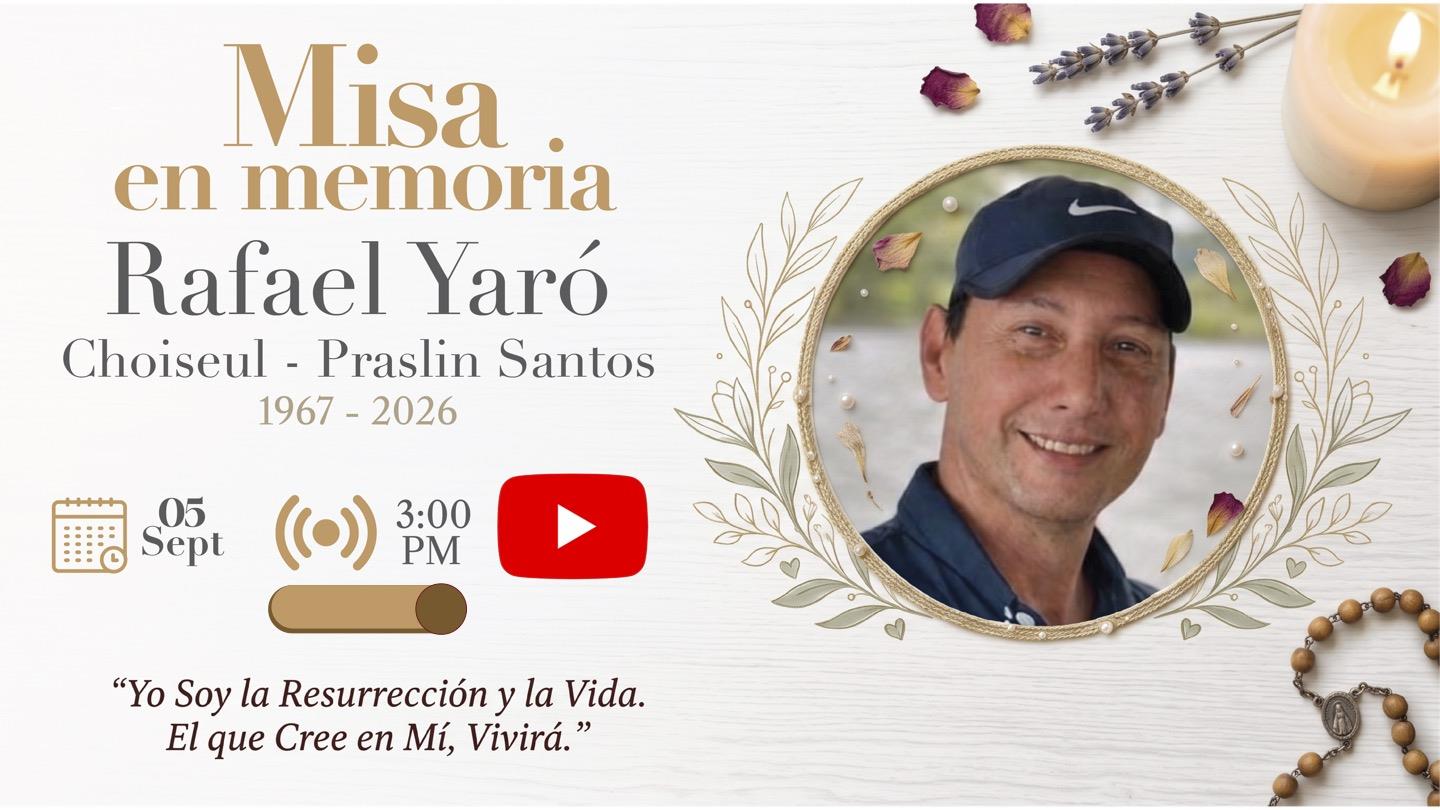
Family and friends gathered in person and virtually from Managua, Nicaragua to join a Celebration of Life Mass for Rafael. A dedicated husband, father and humanitarian Rafael embodied a life of service, compassion and celebration of sharing and hope.
Rafael and his wife Ninoska are indelible witnesses to the power of serving above self-interest.
In his native Nicaragua, Rafael continued a tradition set by his father to give hope and improved quality of life to his fellow Nicaraguan. Partnering with Sunrise Rotary Rafael along with his late father and Ninoska were our “boots on the ground” as aptly described by John Jones, our Sunrise International Service director.
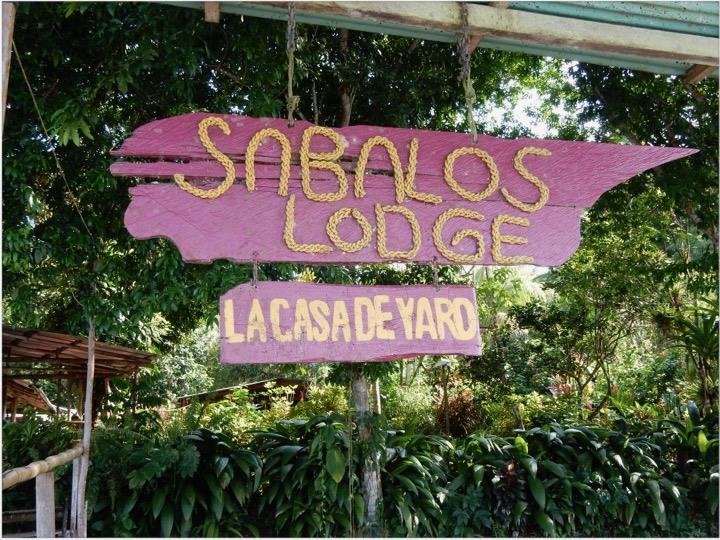
For over a decade, Rafael’s family’s presence provided access and trust to provide vision and dental services to thousands of Nicaraguan underserved people. Here is a link to more on the surgery center story: https://portal.clubrunner.ca/4124/Stories/sabalos-status
Rafael’s local contacts and credibility afforded optimal accountability for the highly impactful construction of the 2,000 square foot surgical center in Sabalos. This clinic serves 40,000 people in a remote region with OBGYN care, dental and general medical care, including ophthalmic treatment for cataracts and eye related pathology. Rafael’s guidance, energy and cross-cultural fluency gave birth to transformative relationships between Rotarians in the United States and Nicaragua. Most recently he and Ninoska coordinated with Sunrise latest mission to El Salvador in May of this year. Rafael’s tireless drive to build goodwill and better friendships, beneficial to all concerned is the undeniable truth which his legacy leaves for us all to follow. His boots are big ones to fill and his inspiration sufficient to move forward with the confidence you can see on his face.
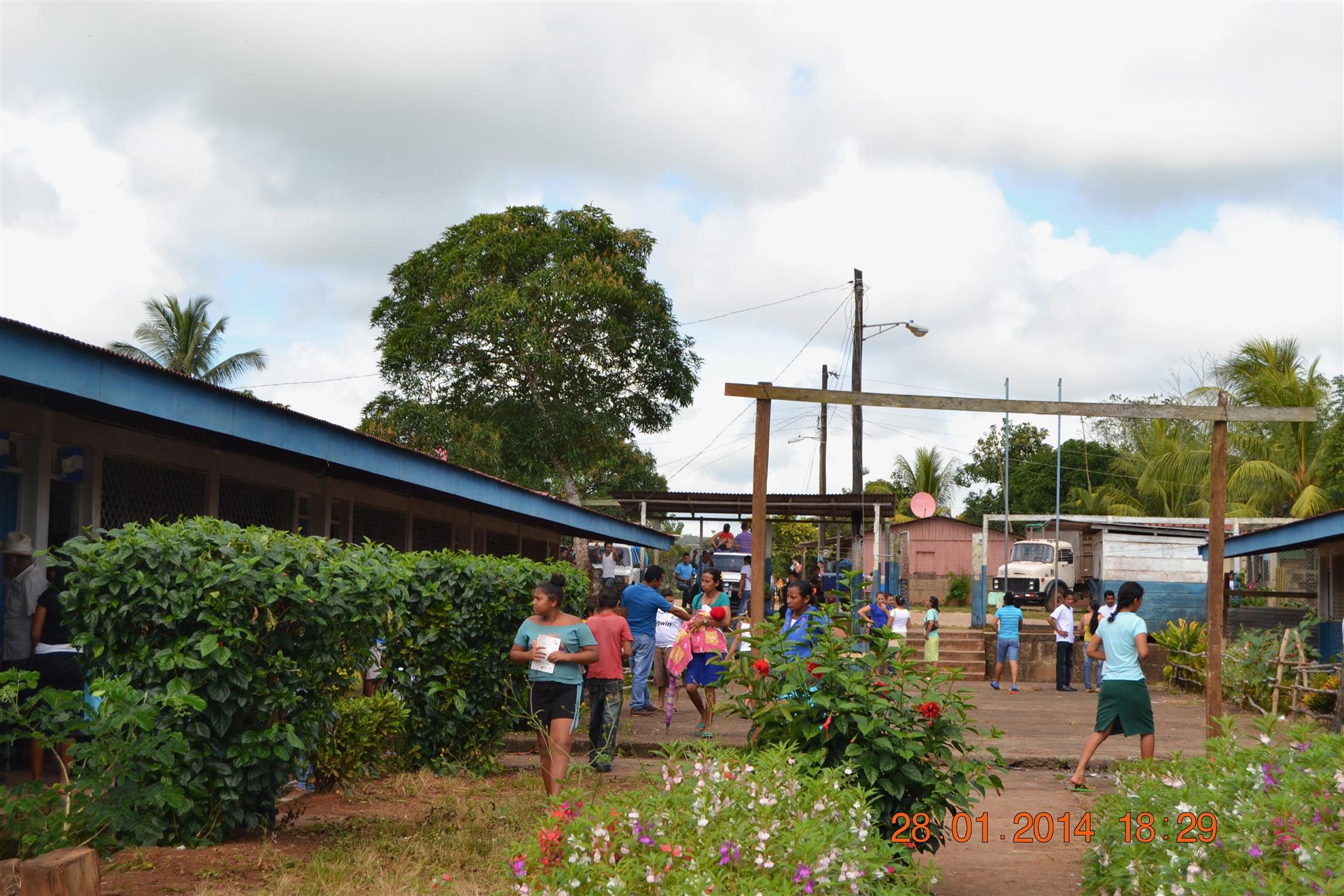
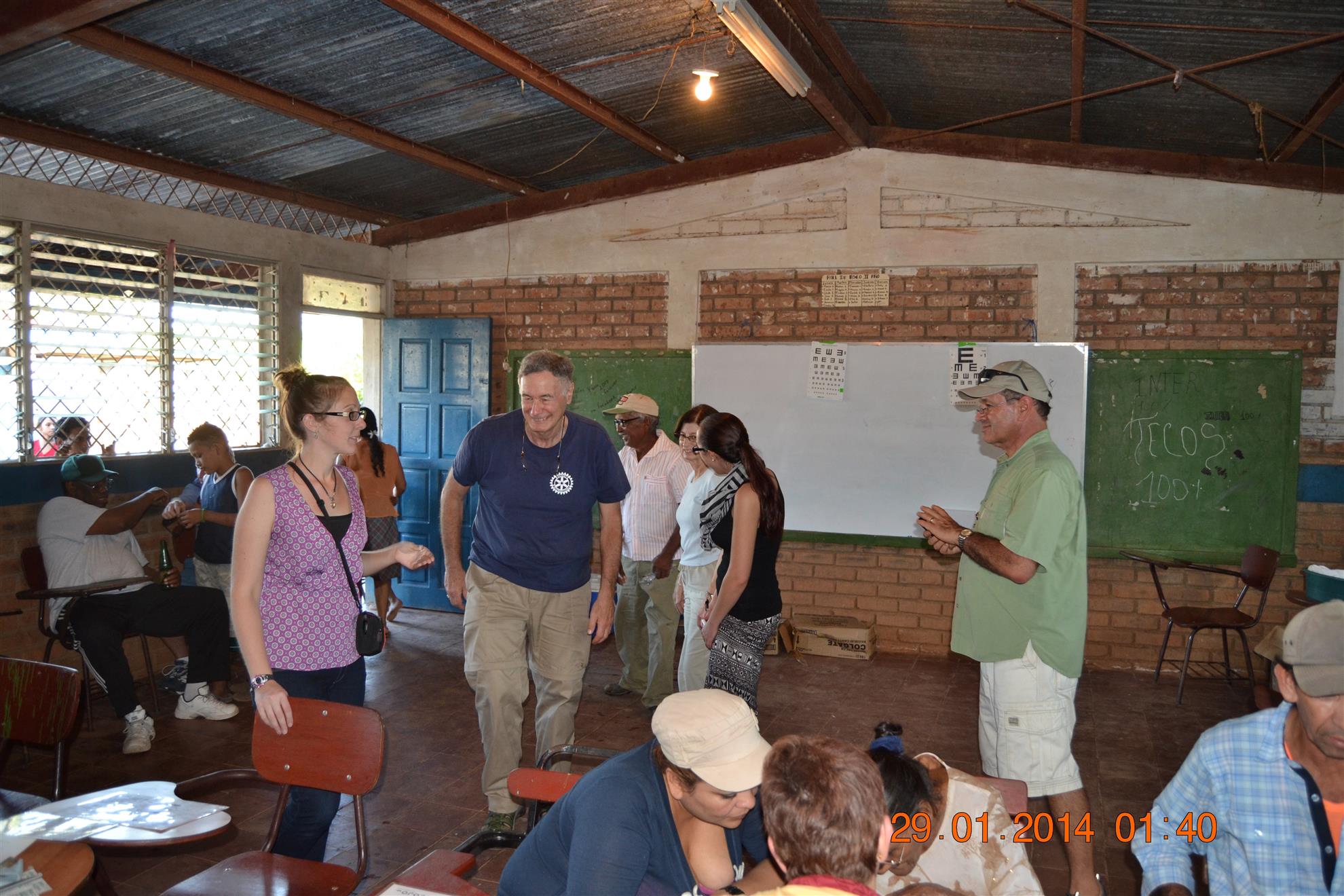
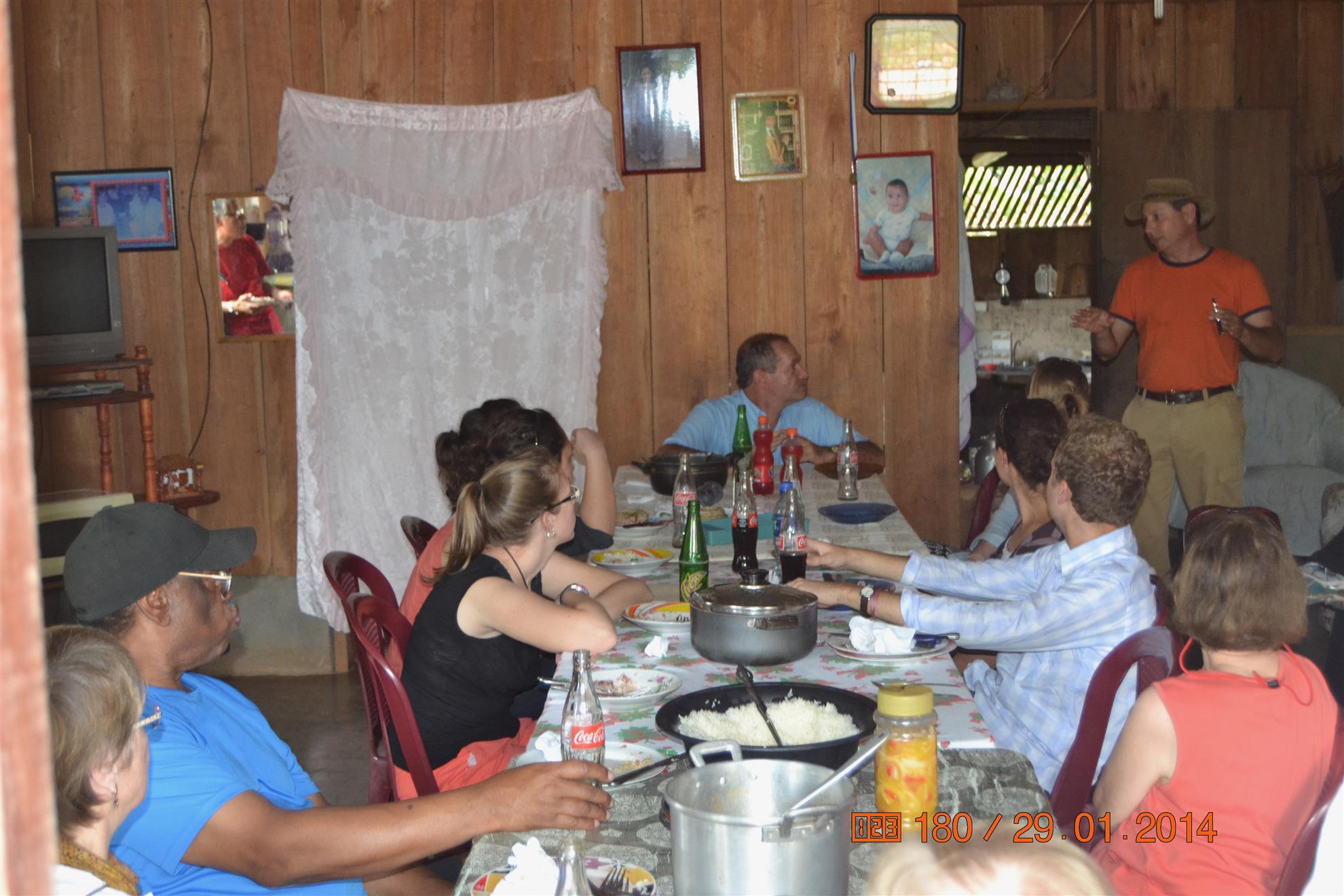
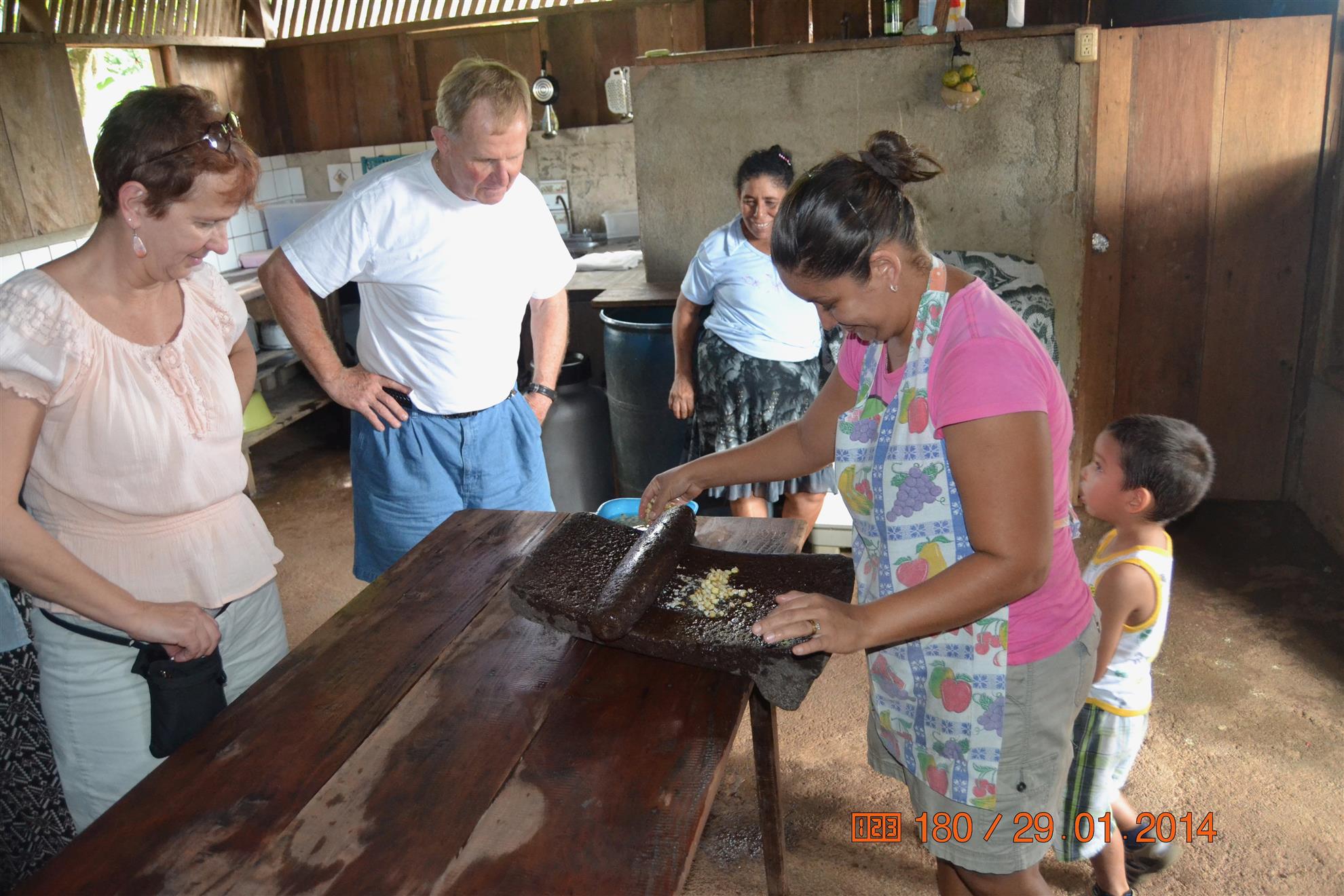
These photos touch on the many lives enhanced through Rafael's vision and energy.
People walked or rode horse or donkey-back for eye and tooth relief.
volunteers young and old alike learned to relate and adapt.
Meals were often prepared by local families and shared in their home, graciously and deliciously
1
Look and learn.
Our hands, hearts and homes continue to grow closer together. Thank you Rafael.
On a regular basis, our resident photo pro Warren Smith, submits pictures of what is going on at the weekly meetings. You can always find the most recent pictures at the websites photo journal called "Meeting Sighting" Please note that all the meeting photos for the entire Rotary year are at this location with the most recent on the last page.
Thanks for all the great pictures Warren!Link to Meeting Sightings. The most recent are on the last page!
Rediscovering a weapon against the deadliest infectious disease, TB advocates look to better nutrition
by Ruby Prosser Scully
20 Aug 2026
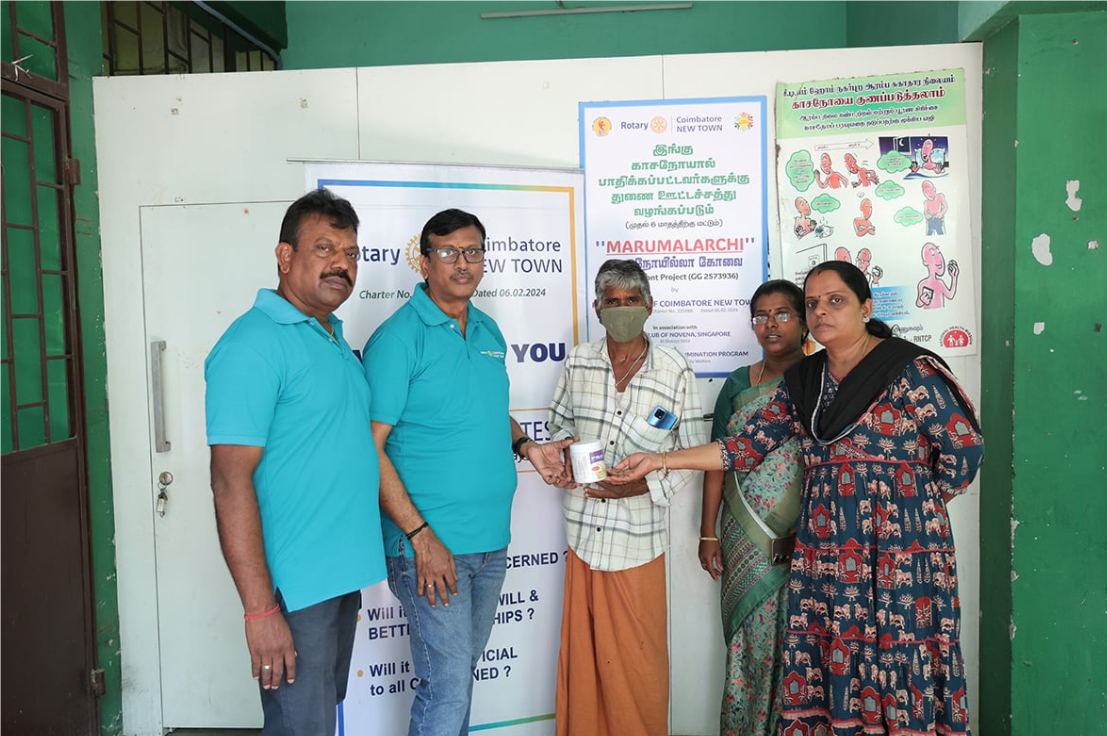
At a clinic in the city of Coimbatore in southern India on a recent afternoon, a 29-year-old man with tuberculosis comes in for his medication and receives something extra: a small white tub of powder. It’s a nutritional protein supplement, one that’s vitally important, as malnutrition is closely linked to the lung disease. The man is severely underweight at just 38 kilograms (84 pounds) with a dangerously low body mass index. A clinic worker snaps his photo, jots down his information to help with real-time treatment monitoring, and sends him on his way with instructions to return in two weeks.
The man is among hundreds of patients receiving the nutritional supplement with their TB medications thanks to a project led by the Rotary Club of Coimbatore New Town and supported by a Rotary Foundation global grant. Local health officials first approached the club in 2024 asking for help with their severely undernourished TB patients, amid a renewed appreciation globally of the link between the disease and nutrition. “At that time, many patients were suffering from severe weight loss, weakness, low immunity, and difficulty continuing TB medication due to a lack of proper nutrition,” says Pakshirajan Durai Murugan, the club’s charter president and project lead.
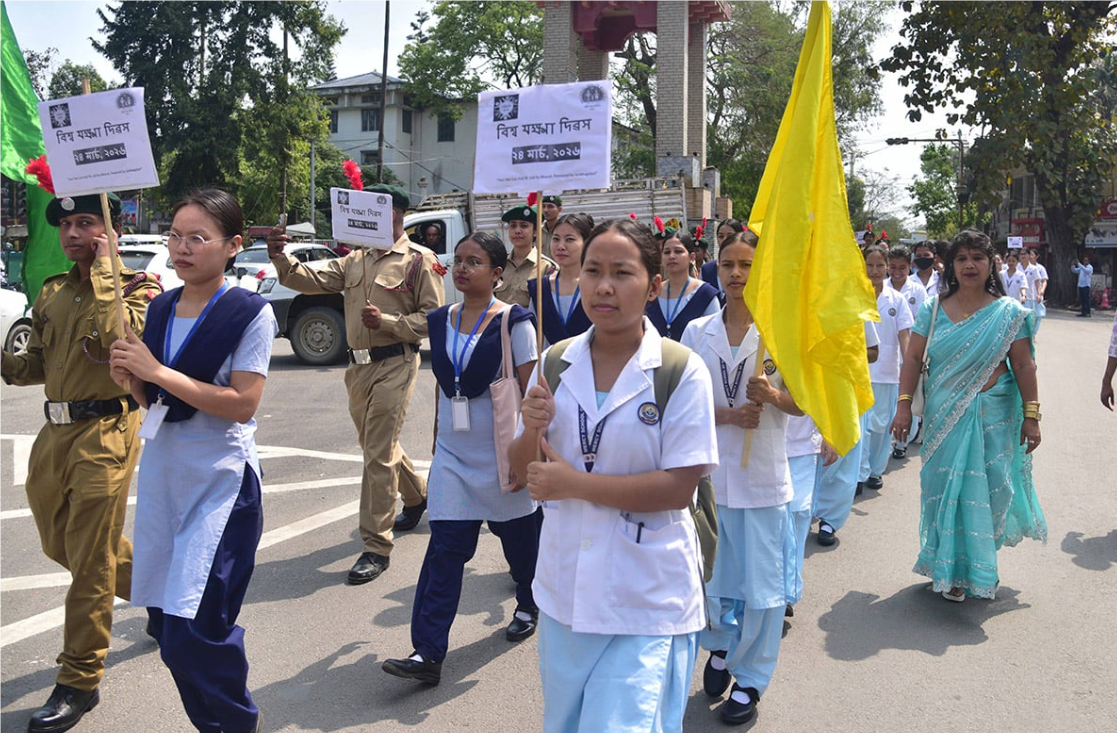
Health workers and youth cadets participate in a rally on World TB Day in Assam, India, in March.
Anuwar Hazarika via Getty Images
Even before it sought grant funding, the club was able to raise about $4,000 to launch an immediate pilot intervention. They recruited around 200 highly vulnerable TB patients with low BMIs and provided them with the supplement for three to four months. The twice-daily supplement, which makes a slightly sweet drink when mixed with water or milk, gives patients an additional 25-30 grams of protein per day. Many patients gained about 1 to 2 kilograms (2 to 4 pounds) in the program. “Even a small weight gain is encouraging in TB recovery, because many patients normally continue losing weight during illness,” says Durai Murugan.
Tuberculosis is the world’s deadliest infectious disease. In 2024, nearly 11 million people were infected and more than 1.2 million died. The Mycobacterium tuberculosis bacteria mostly infects the lungs and spreads through coughing, sneezing, talking, or even laughing. Once cast into the air, the bacteria can linger there for hours. This puts other members of a household at very high risk of infection. As a result, around 1 in 4 people in the world have been infected, though only 5 to 10 percent of them develop active, symptomatic disease. For the rest, their immune systems are able to keep it under control. That is, until something weakens those defenses, such as an HIV infection, diabetes, age — or malnutrition.
Undernutrition is a leading risk factor for TB, and it’s responsible for about 1 million new cases per year, according to some estimates. Half the people with TB in India have a BMI below the 18.5 threshold considered healthy for an adult, and about a quarter are below 16, notes Pranay Sinha, an assistant professor at Boston University’s School of Medicine and an infectious disease physician at Boston Medical Center. He calls the figure “appalling.”
Pranay Sinha, a Boston University expert on the role nutrition plays in TB outcomes, at work in the field.
Courtesy of Pranay Sinha
For most people exposed to the bacteria, their immune system catches the germs in the lungs and traps them in a cluster of cells called a granuloma. But a lack of food robs the body of the energy and nutrients needed to maintain this defense, letting the bacteria break the blockade and spread through the body.
The problem compounds itself. During an infection, the immune system releases proteins called cytokines to fight the invader, but these chemical messengers can also break down muscle tissue and suppress the body’s response to hunger signals. The result is a massive energy gap where the body needs more food than normal while the individual eats even less. “In India, we come across people with TB who have BMIs of 10, 11, and 12, which I did not know was compatible with life,” says Sinha, an expert on the role nutrition plays in TB outcomes. “It’s unbelievable.”
This focus on nutrition isn’t a new approach. Wealthy countries saw spectacular cuts to TB rates before effective medicines were introduced in the 1950s thanks to public health measures that included better nutrition. But the adoption of lifesaving medications pushed nutrition to the margins, explains Sinha. “We’ve built TB elimination around diagnostics and prescriptions — precise, scalable, the same X-ray, pill, or vaccine in New York as in New Delhi,” he says.
“Food is messier, more personal, harder to standardize. And we’ve treated that messiness as a weakness. But empirically? Food is a more effective TB intervention than any available vaccine. We’ve been underutilizing it.”
The only vaccine currently available is more than 100 years old, and for four decades no new medications reached patients. That’s starting to change with promising vaccines in clinical trials and three new compounds approved in the last 14 years.
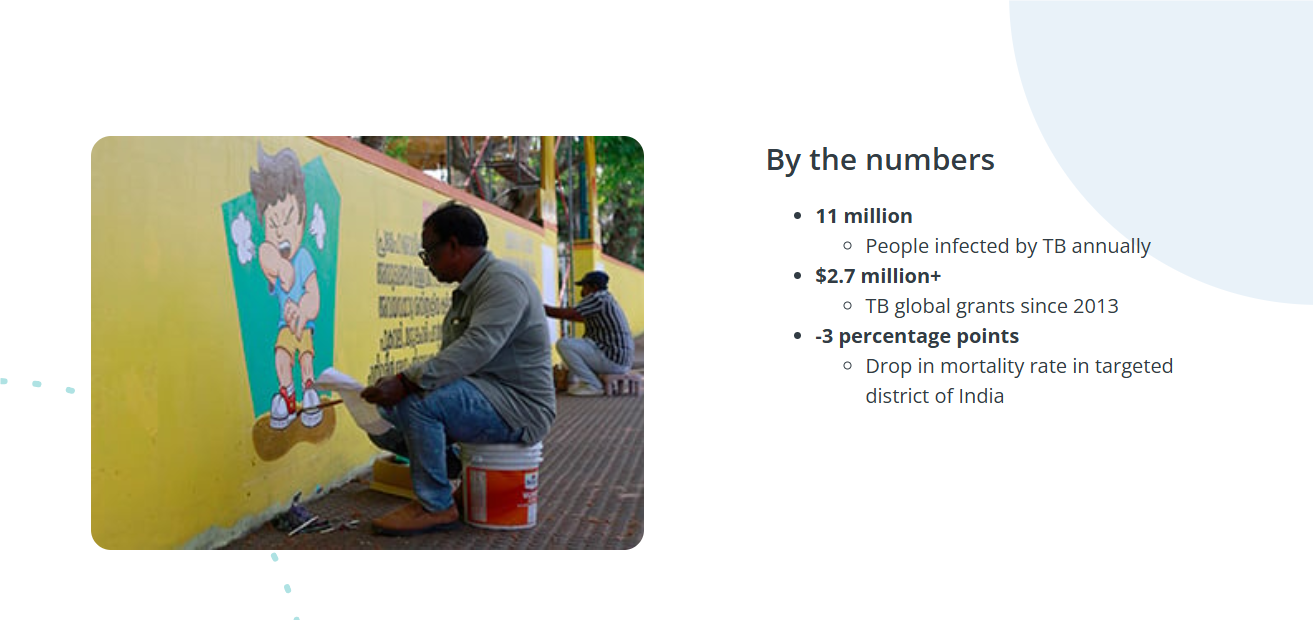
An artist paints a mural on a wall of the District Tuberculosis Hospital in Kochi, India, to raise awareness of the disease. Sivaram Venkitasubramanian via Getty Images
Meanwhile, food and nutrition are in the spotlight again. Last year, the World Health Organization released guidelines for the first time calling for nutritional support to all undernourished TB patients, as well as food assistance to prevent TB in household contacts in places of food insecurity. That recommendation was driven by a landmark 2023 study that was the first randomized trial to show that giving food and supplements to household contacts cut their risk of contracting TB by almost half in the following two years.
India has also invested in nutrition. Since 2018, all TB patients receive a cash transfer each month to pay for food. The positive response from both patients and government TB officials to the Coimbatore Rotary club’s 2024 pilot encouraged members to scale up the program. They secured a $35,000 global grant, which is currently providing supplements to 950 patients for the duration of their treatment, and that number is expected to expand to a total of around 1,500 patients until mid-2027.
Since widening the rollout of these supplements to TB patients of any weight, the district has seen mortality rates drop from 7 percent to 4 percent. This is due in part to recent improvements in diagnosis, treatment, and monitoring. But it’s also because patients are far more likely to return for their medication now that they’re receiving the nutritional powder, says Dr. Murugaiyan Sakthivel, deputy director of TB medical services in Coimbatore district.
Members of the Rotary Club of Coimbatore New Town display the nutritional supplement.
Courtesy of Pakshirajan Durai Murugan
One reason that’s true is that improved nutrition can make it easier to tolerate medications. Dr. Zolelwa Sifumba knows this firsthand. She contracted multidrug-resistant TB at age 22 as a medical student in Cape Town, South Africa. Instead of taking the usual two to five tablets per day, Sifumba had to take 21. “When you haven’t had anything to eat, the side effects just feel a lot more pronounced,” she says. “So I’m immediately nauseous, meaning it’s even harder to keep pills down.”
Sifumba moved home, where her mother cooked proper, nutritious meals. That made a big difference to Sifumba’s recovery, and the experience left her passionate about TB prevention, tackling stigma, and supporting patients. Today, Sifumba is a clinician, researcher, and activist for better TB care.
The Rotary Foundation has awarded more than $2.7 million in dozens of global grants for TB prevention and care around the world since 2013. Such support is especially important as governments cut aid programs. While acknowledging the challenges, Boston University’s Dr. Sinha is optimistic overall, pointing to India’s success. “I see progress,” he says. “That’s the joy of being in this field at this time. I really do see minds changing.”
This story originally appeared in the August 2026 issue of Rotary magazine.

.png)







 Ragle Ranch Park in Sebastopol