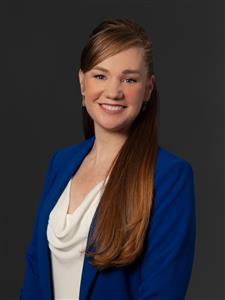
Melissa Stewart has been at Chop’s Teen Club for 20 years and has been focused on youth development in Sonoma County for nearly twenty five years. For twelve years, Melissa served Chop's as the Program Director and has recently been promoted to Executive Director. She is passionate about creating an environment and opportunities that empower youth to expand their capacity to be confident and well-prepared for whatever future endeavors they pursue. Melissa has worked closely with teens of different cultural and economic backgrounds and helped to create programs focused around sexual orientation, gender and juvenile justice history.
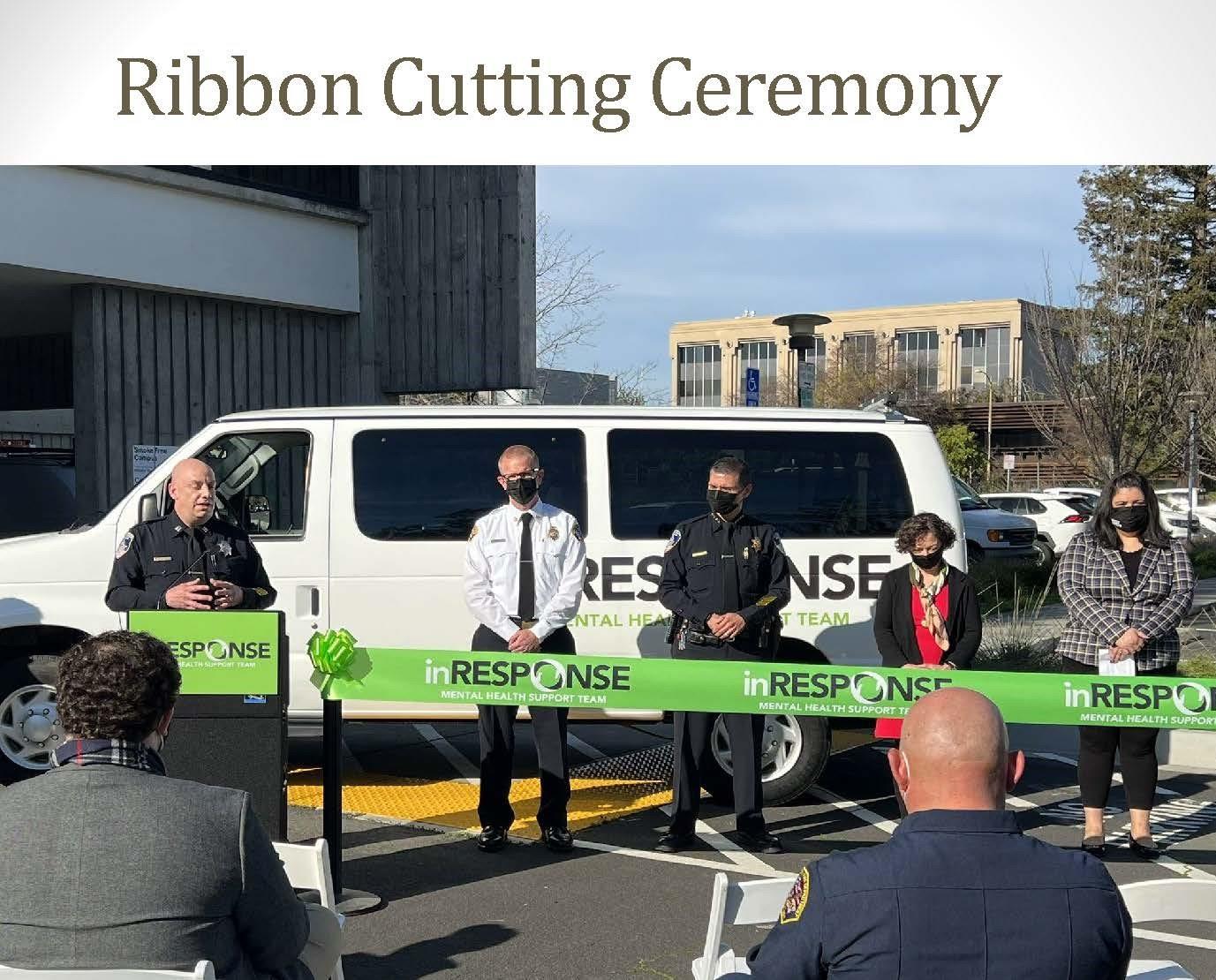
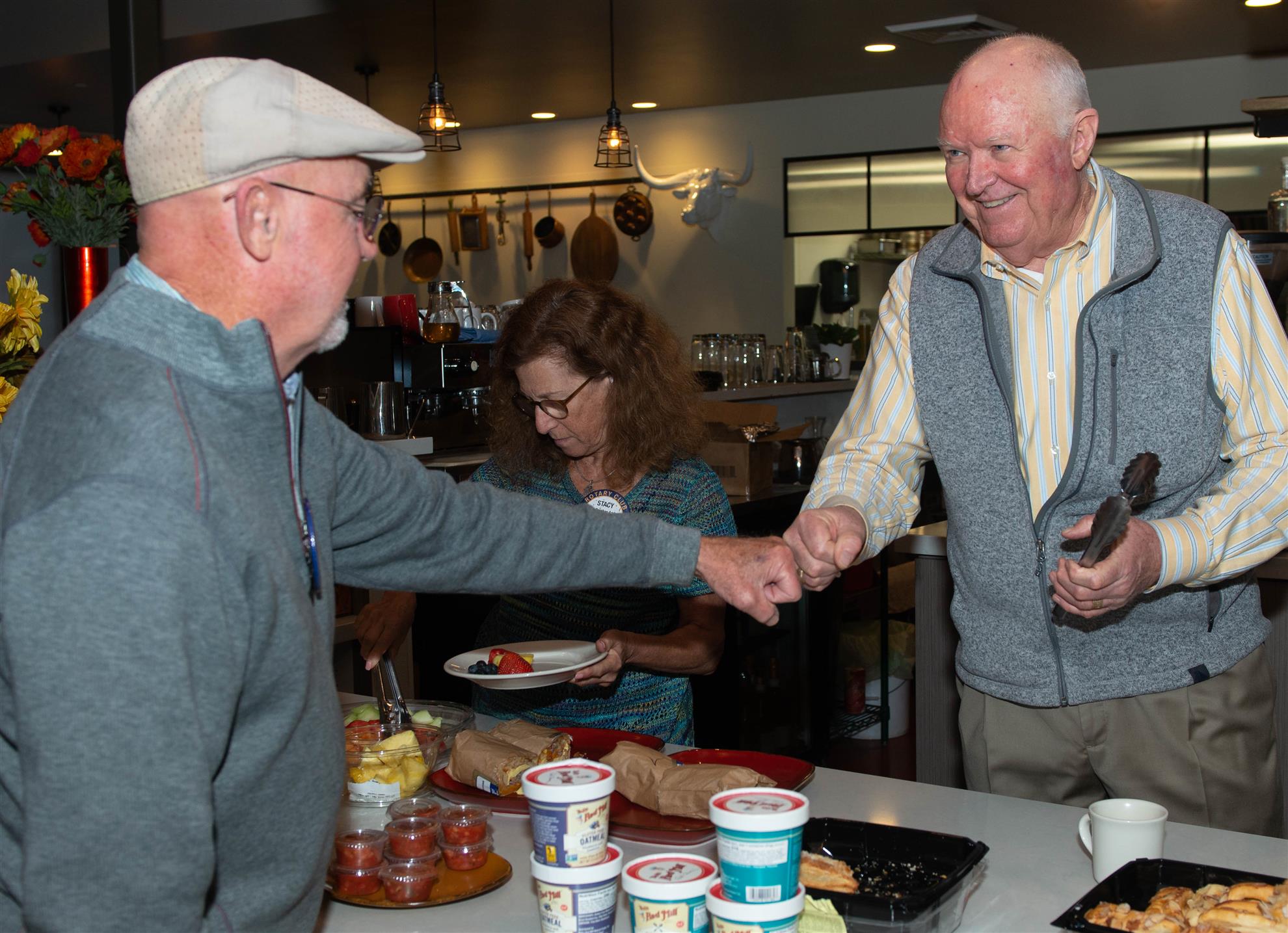
Caption John Cregan, SRPD, Introduces the New inRESPONSE Program
Our speaker for Thursday, March 24, 2022, was John Cregan, Captain, Santa Rosa Police Department. Captain Cregan has a master’s degree in Law Enforcement and Public Safety Leadership and over 22 years of experience in law enforcement. He is a POST (Commission on Peace Officer Standards and Training) Command College graduate and serves on the Board of Directors of the National Alliance on Mental Illness. Captain Cregan will be the SRPD interim Police Chief effective on May 2, 2022.
Captain Cregan has spearheaded the planning and implementation of inRESPONSE, SRPD’s new program designed to reimagine SRPD’s response to mental illness, substance abuse, and homelessness calls. SRPD started considering alternatives to its standard response policies shortly after the George Floyd murder and the resultant arrests of protesters in Santa Rosa and throughout the country. The goal was to develop a system that would send trained non-armed personnel to respond to service calls, most frequently involving mental health, homelessness, and substance abuse problems, that do not require an armed police officer or the fire department. The City looked at other programs throughout the country and identified Eugene, Oregon’s highly successful CAHOOTS (Crisis Assistants helping out on the Streets) program. Captain Cregan and his team worked with CAHOOTS program representatives (among others) to develop the inRESPONSE “CAHOOTS plus” model, which improves on CAHOOTS by requiring licensed mental health clinicians, paramedics (more highly trained than EMT’s), a homeless outreach specialist, and “wrap around” support services.
The inRESPONSE team typically gets involved when SRPD’s dispatch team identifies appropriate 911 and other calls and refers them to inRESPONSE. This process effectively diverts responses from SRPD and the Fire Department to a trained team of mental health practitioners. It also results in an increase in services to those who need them, a decrease in local hospital ER admissions, a decrease in jail bookings for mentally ill persons, and an improvement in the number of emergency shelter placements for those in need of mental health support or care for substance abuse. Captain Cregan also noted that Phase 2 of the program involves crisis stabilization, including the use of “system navigators” who provide long-term wrap-around support to people both before and after mental health crises by, among other things, performing wellness checks; taking people to medical appointments, drug stores, and Social Security; giving advice regarding health insurance and doctors; assisting with homelessness issues (including help from Catholic Charities); and providing Spanish-speaking assistance to members of that community.
InRESPONSE was up and running on January 11, 2022. So far, the program is exceeding expectations. The program started with one team but anticipates the addition of an additional team on May 7, which will give inRESPONSE coverage for 15 hours per day, 7-days per week. The goal is 24/7 support.
Captain Cregan recognized the many people and groups who have advocated for and worked to establish the program, including CAHOOTS personnel, the Santa Rosa City Counsel, the mayor, police chief, Sonoma County Behavioral Health, the Fire Chief, Catholic Charities, Buckelew Programs, Humanidad Therapy and Education Services, Congressman Mike Thompson, and members of the team at SRPD. He also noted the strong support given by grants from various public entities, including the City and County, funds from the massive 2021 American Rescue Plan Act (ARPA), and a major contribution from Providence Santa Rosa Memorial Hospital (and hopefully upcoming donations from Kaiser and Sutter!), among others.
What an amazing, forward looking program for our city! Thank you, Captain, for speaking to us about the program and for all of your hard work designing and implementing it. With luck and hard work this will be the model throughout California and for other states whose citizens and leaders see the value of real solutions to these common community problems! Keep up the good work!
On a regular basis, our resident photo pro Warren Smith, submits pictures of what is going on at the weekly meetings. You can always find the most recent pictures at the websites photo journal called "Meeting Sighting" Please note that all the meeting photos for the entire Rotary year are at this location with the most recent on the last page.
Thanks for all the great pictures Warren!Link to Meeting Sightings. The most recent are on the last page!
A couple of weeks ago, I discussed the first of our seven chakras: the root chakra. Now, I would like to introduce you to the magic of the Sacral Chakra-our second chakra in our soul energy system. This energy center is connected to the relationship with ourselves and our creativity.
This chakra is all about flow, freedom, the sensuality of being your true self, and playfulness. It invites us to consider our boundaries and how we coexist with the universe and others around us. In balanced partnerships (including the relationships with ourselves) we can truly thrive.
The Sacral Chakra rests in our inner pelvis and lower belly behind the belly button. When our Sacral Chakra is completely aligned we feel radiant and free to be ourselves. We feel openly creative and seen in the world. We feel unmitigated joy.
When our Sacral Chakra gets blocked we may feel as if we are on an emotional rollercoaster. We grapple with many highs and lows. The blocked Sacral Chakra can lead to addictive behaviors, difficulties with sexual relationships, and issues with fertility. To unblock your Sacral Chakra, work with the color orange. Take a nice long plunge in water, because this chakra is aligned with the element of water. If you practice yoga, Warrior II and Pigeon are very effective in helping clear these blockages.
When was the last time you felt free to create? What did you create? What emotions were evoked during your project? Was it playful, meditative?
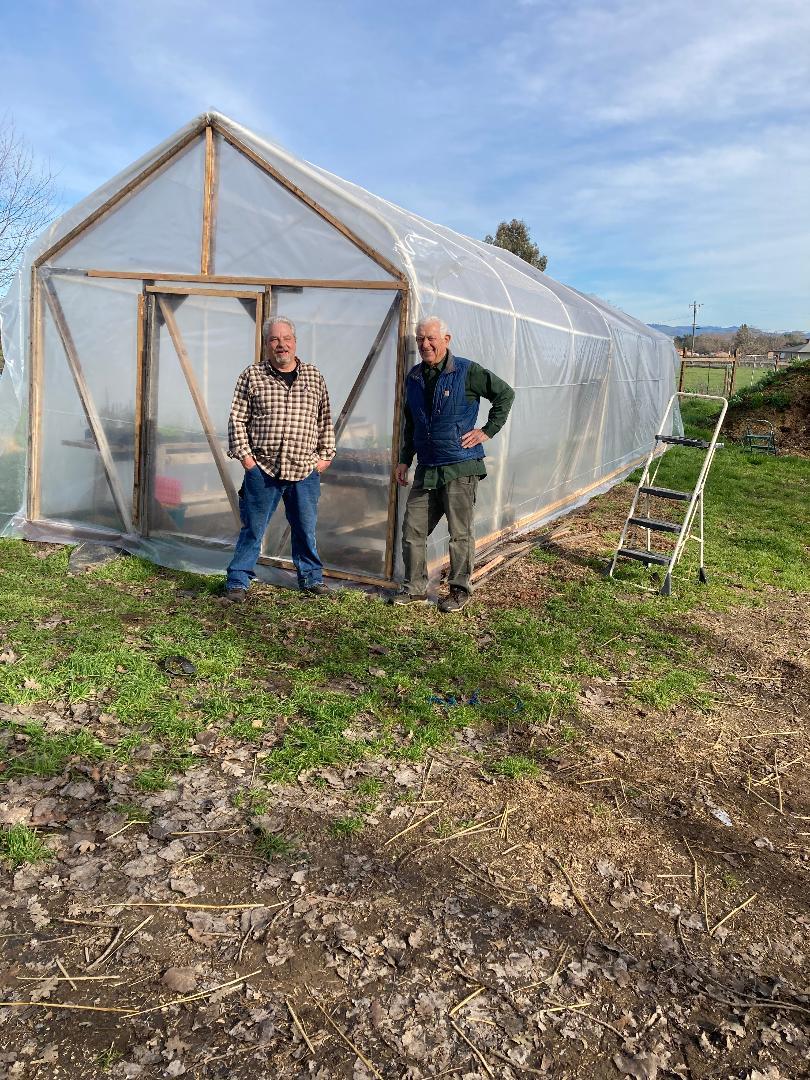
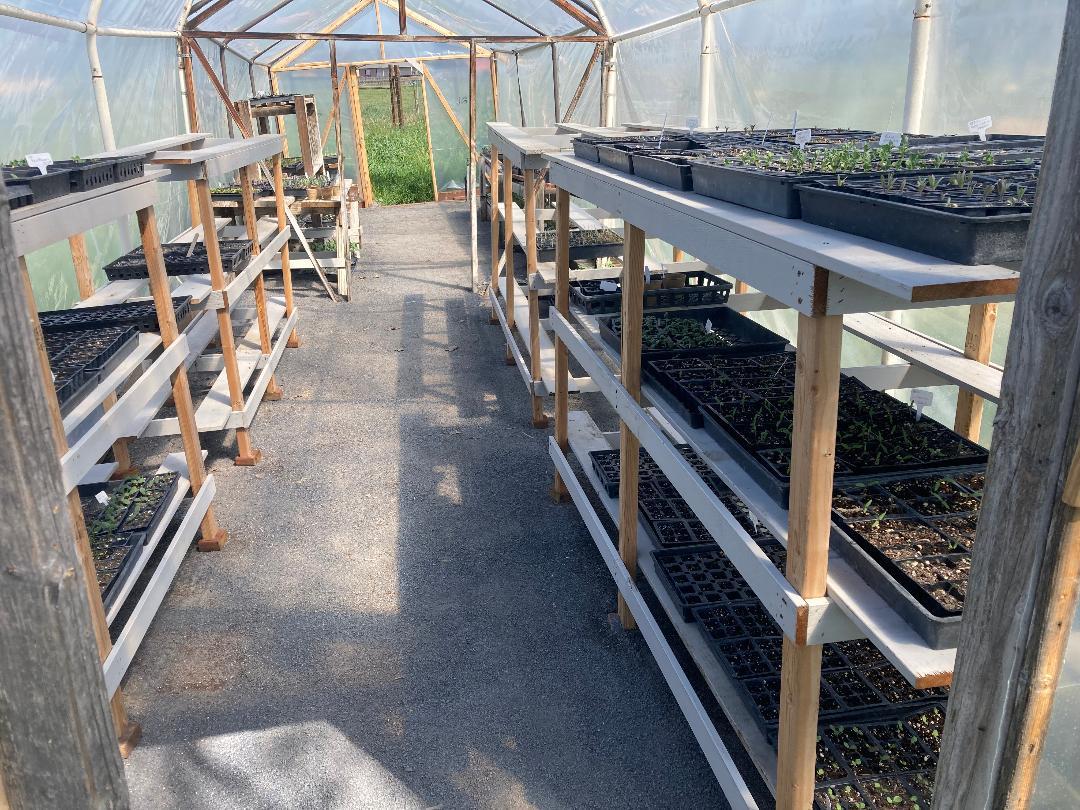
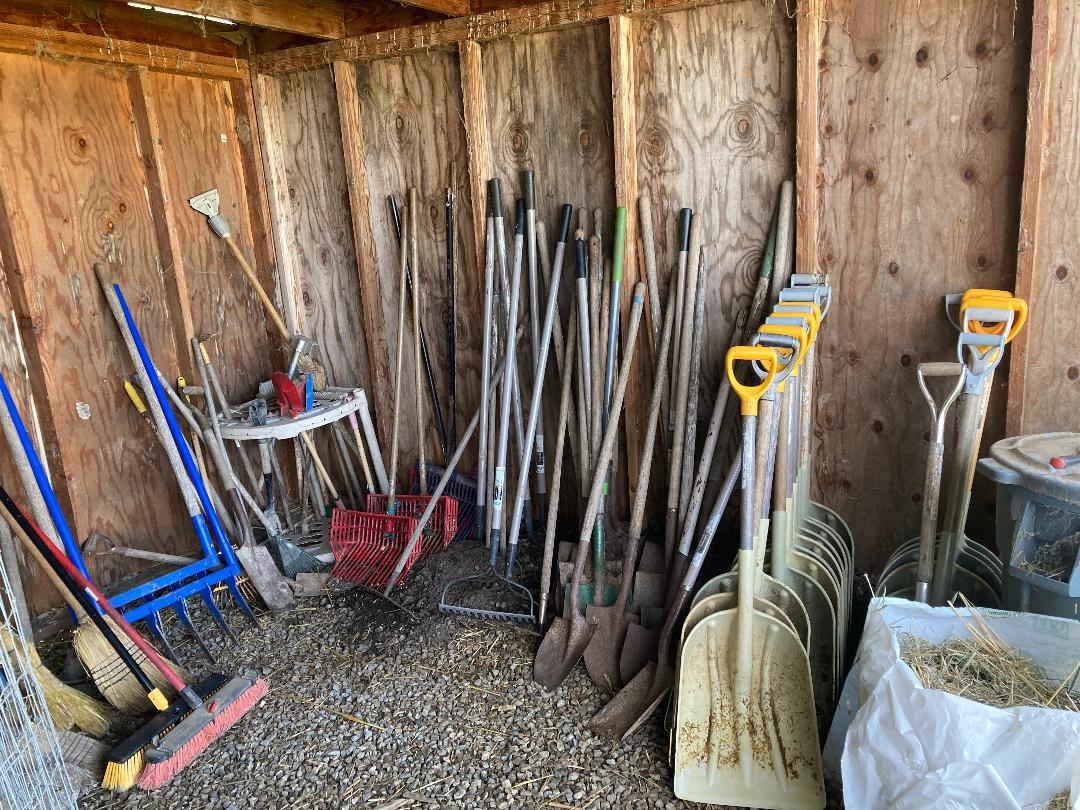
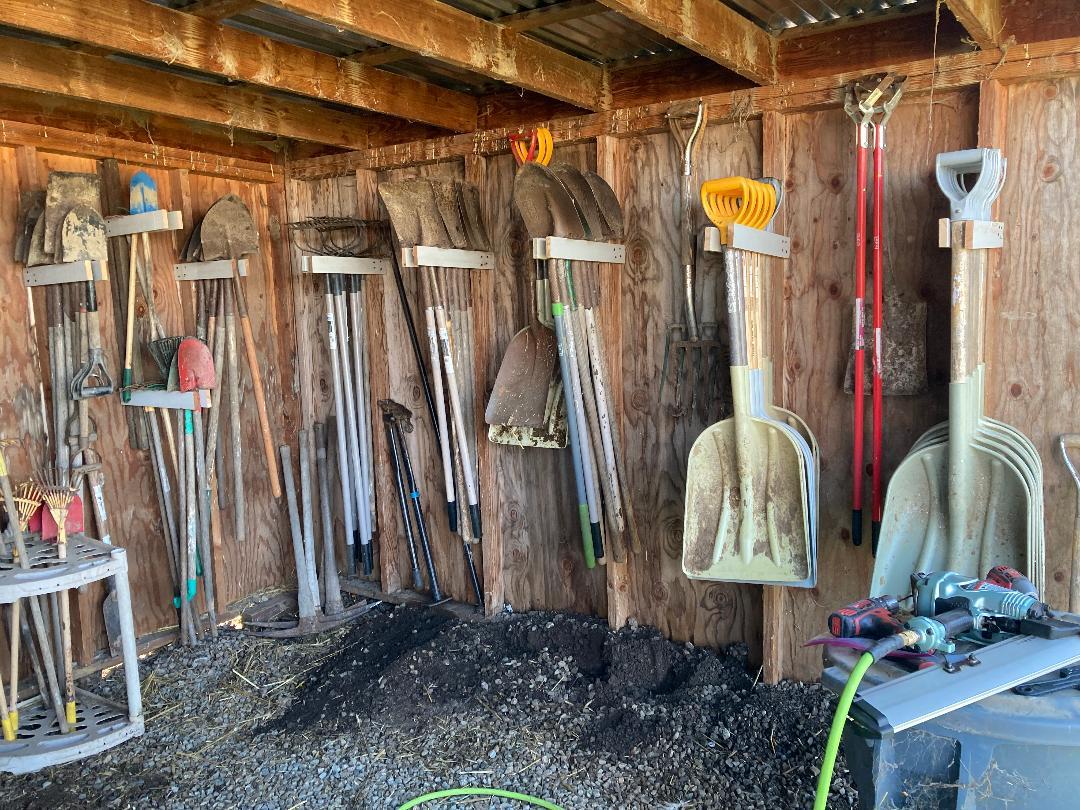
Pictures of the Green House Rob, Jim & Leroy, the Golden Hammer, rebuilt for Forget Me Not Farm including organizing there tool shed.
And you can be a part of it too! See this service announcement from Past President Paul:
Saturday, April 9, we will be visiting Forget Me Not Farm near Sebastopol to learn more about their program and put some time in working in their garden and helping with their animals. Since 1992 Forget Me Not Farm has helped thousands of children and youth break the cycle of abuse, offering animal-assisted and horticultural therapeutic activities that provide a safe haven to bond, learn, and heal with one another. Sunrise Rotary is in early discussions with the Farm about volunteering on a regular basis; this day will give everyone an idea of what volunteer opportunities are available and how much club support there is for an ongoing partnership. Please email Paul if you plan to attend- we need to provide the Farm with the number of people who will be there.
Be on the Lookout for the Next Eye and Dental Mission!
We are running this story again in case you missed it a couple of weeks ago.
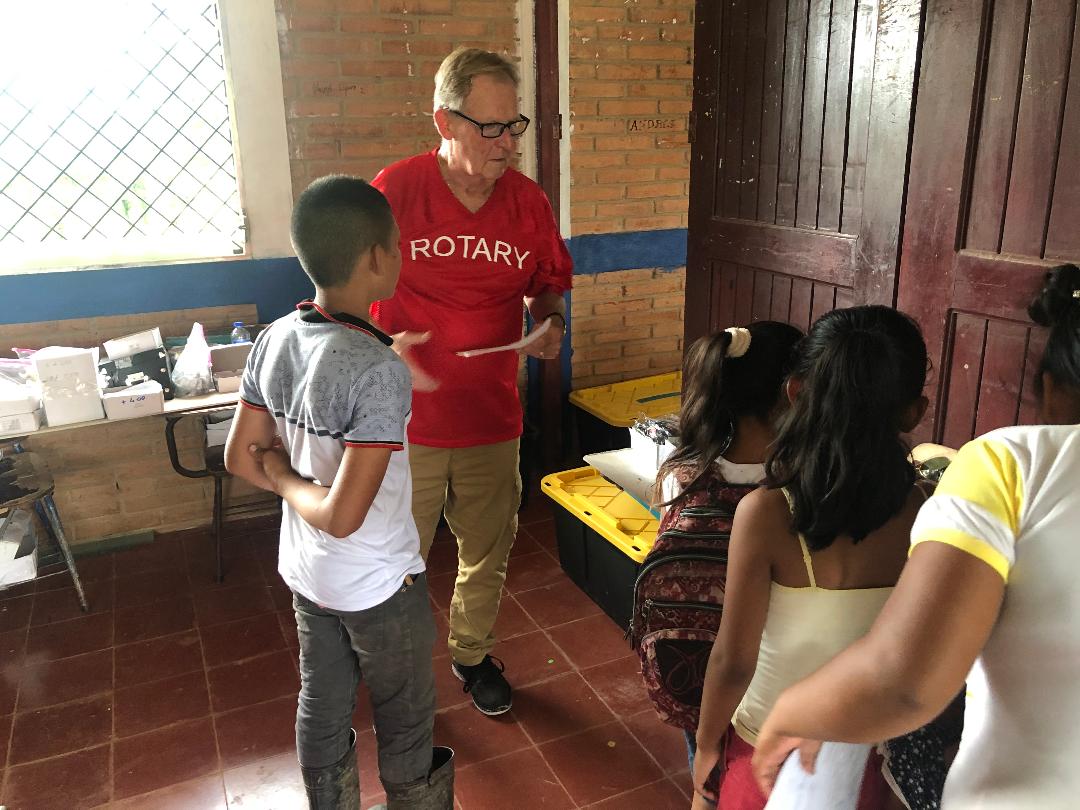
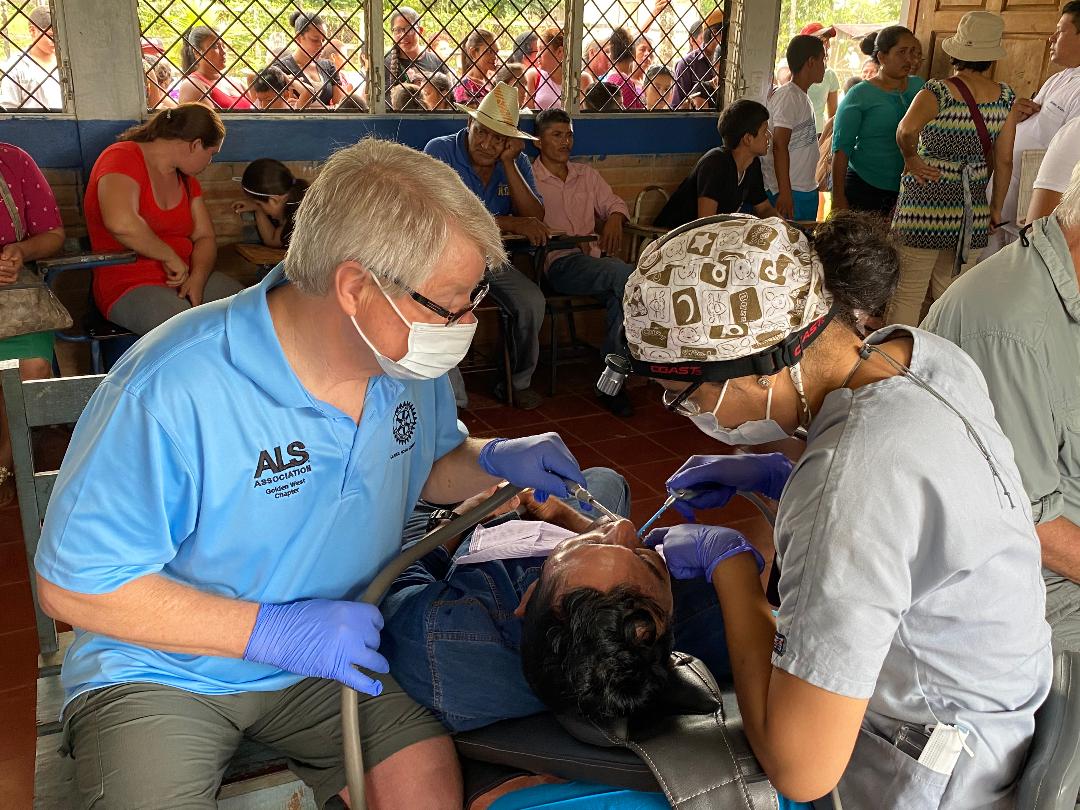
The Nicaragua Eye/Dental mission is in the planning stages! We are looking at a departure on Friday evening January 27, 2023 and a return on Monday February 6, 2023. The mission will include sponsored dental care via local dentists assisted by our equipment and Ezbon Jen, combined with vision testing and eye glass dispensing by our Sunrise Rotary crew. Similar to previous missions. The work will be in the Sabalos region of the Rio San Juan, with lodging in El Castillo. The costs will cover air, meals, lodging, eye glasses and dental supplies. It is typically turnkey. Costs are a maximum of $2500 per person. A scholarship or two is available. See John Jones for any and all details. 707-291-4526 or jjones@linkcpa.com
Space Shuttle Discovery Lands at Montgomery Field, San Diego:
On April 1st, 1993, Dave Rickards was broadcasting as usual on radio station KGB-FM in San Diego. Dave grabbed the attention of his listeners by announcing that the space shuttle Discovery had been diverted from Edwards Air Force Base. This was hot news as Dave reported that Discovery had been diverted to Montgomery Field, a small, but well-known local airport.
Thousands of locals, who had listened to the broadcast, hastened towards the landing site. The result was traffic tailbacks of over 10 miles.
Police were notified and went to clear the traffic. People arrived at the airport carrying cameras, camcorders, and folding chairs. Journalists described how the crowd swelled to over 1,000 people.
Of course, the shuttle never landed. Montgomery Field airport would have been far too small for the shuttle to even consider landing there. As it happened, there wasn't a shuttle in orbit at the time.
The police took a dim view of the extra work caused by the April Fool hoax and threatened to send a bill to the radio station, they wanted compensation for the cost of officers required to deal with the traffic. KGM-FM broadcast a fulsome apology and the police decided to leave it there, after all, it was April Fool’s Day.
Broaden your connections and discover the positive impact of DEI
By Arnold R. Grahl
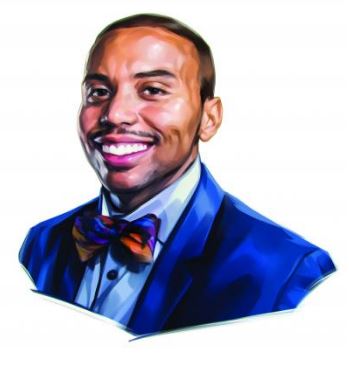
Illustration by Viktor Miller Gausa
Interview with Todd “Bowtie” Jenkins – Rotary Club of Fayetteville, Arkansas – Diversity, Equity, and Inclusion (DEI) Task Force member.
1. You have worked with such companies as Walmart, Google, Facebook, American Airlines, and Kellogg’s. What can Rotary learn from these companies regarding DEI?
There is no one right way or one-size-fits-all to make DEI (diversity, equity, and inclusion) work. As individuals and as an organization, we must understand that we are all on a journey. These big companies have done a great job of understanding the business case for practicing DEI — that the most diverse companies are more likely than ever to outperform less-diverse peers. Rotary must use its connections to continue to activate an inclusive growth-mindset and become something the world hasn’t seen before — an organization where inclusion is at the core of everything we think, say, or do.
2. You speak to Rotary clubs and districts worldwide about DEI. Are there frequent questions you hear, and how do you address them?
There are certainly some common themes. One common question is: “Where do we start?” This is a great first question. It is vital to assess your community, where you are at, and understand where you wish to go. Then, most important, build a plan to get there, and live out your plan in behaviors and actions.
Another question is: “How do we connect with diverse communities?” This one should be so easy for Rotary because connection is all about building relationships — authentic relationships! Get to know people who are different from you, and partner with marginalized communities through service projects or meaningful events.
A third, frequent question is: “How do we get buyin?” This is where it is so important to make sure that DEI efforts extend to all activities and involve everyone. Make sure there is a commitment to the work at the highest levels of the club and district, and if you can, make sure all the goals have measurable results.
3. As more clubs and districts work to set up specific committees to address DEI, what advice do you have for them?
Don’t shy away from having hard conversations, but make sure you are able to answer two questions: Whom will this conversation benefit, and what are we looking to accomplish? We all come to these efforts differently, so we need to create spaces to listen and ask tough questions around representation, culture, systems, policies, and programs, all while avoiding the tendency toward shame and blame. I have learned to practice curiosity with compassion — looking to understand different views and perspectives. The more we practice these traits, the better we will become.
4. How optimistic are you for the future of diversity, equity, and inclusion within Rotary?
Hope is all we have, and it is part of why I believe Rotary is ready to do the work. Rotary brings hope every day to communities around the world. This work and commitment are not meant to always be exhausting. Yes, you will have challenging times and conversations. However, I have seen in my profession that small changes in DEI work can make a big difference. You should celebrate the small wins. COVID-19 has taught us so many lessons, including that of gratitude. So don’t forget to smile and enjoy the process of doing the right thing.
Learn more about Rotary’s Diversity, Equity, and Inclusion Statement at rotary.org/dei.
Rotary Club of Santa Rosa Sunrise - Founded June 30, 1986


.png)





.png)