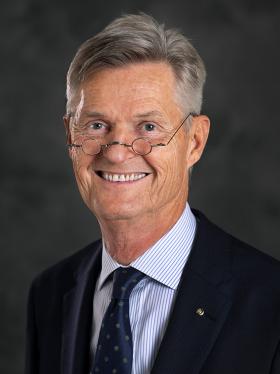
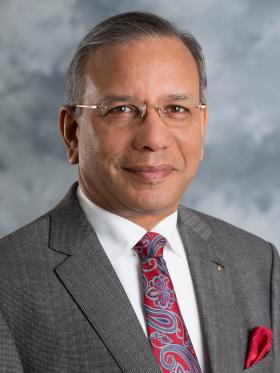
As Vice President Programming, NBC Sports Group, Mike Perman oversees Acquisitions, Program Planning and Scheduling for NBC and NBCSN, including several tent-pole properties such as NHL, NASCAR, IndyCar, Tour de France and various other events. He and his team are directly responsible for the planning and optimization of more than 8,700 hours of programming each year. Prior to the merger between Comcast and NBC Universal Perman worked for a cable sports channel called Versus where he managed the UFC, boxing and college sports relationships for the network.
Prior to joining NBC Sports in 2007, Perman was Director, International Programming at the NBA. He was responsible for creating and overseeing the day-to-day operations of NBA TV International, and the scheduling of NBA programming around the world. He played an instrumental role in elevating the NBA brand on a global basis, which stands as a continuing position of strength for the sport.
Before joining the NBA, Perman worked for FOX Sports Media Group in Los Angeles, managing all post production in the On-Air Promotions group. Mike began his career in the sports industry as a ticket sales representative for the Los Angeles Dodgers.
Mike graduated from Ithaca College with a degree in Sports Information and Communication, where he was a member of the Varsity Soccer Team. He lives in CT with his wife and two children.
President Paul allowed the club members to share their own experiences in coping with the latest wild fire. We heard about some close-calls and harrowing acts as well as helping and being helped.
On a regular basis, our resident photo pro Warren Smith, submits pictures of what is going on at the weekly meetings. You can always find the most recent pictures at the websites photo journal called "Meeting Sighting" Please note that all the meeting photos for the entire Rotary year are at this location with the most recent on the last page.
Thanks for all the great pictures Warren!Link to Meeting Sightings. The most recent are on the last page!
A woman was taking an afternoon nap. When she woke up, she told her husband, "I just dreamed that you gave me a pearl necklace. What do you think it means?" "You'll know tonight," he said. That evening, the man came home with a small package and gave it to his wife. Delighted, she opened it to find a book entitled "The Meaning of Dreams."
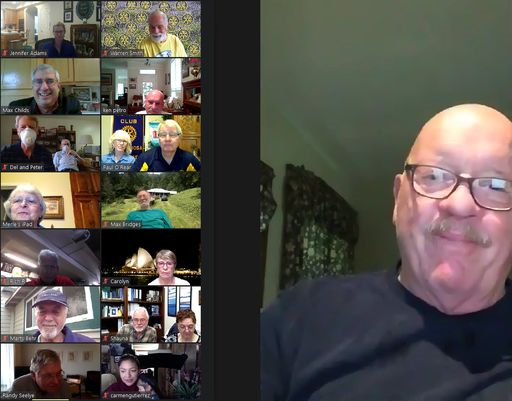
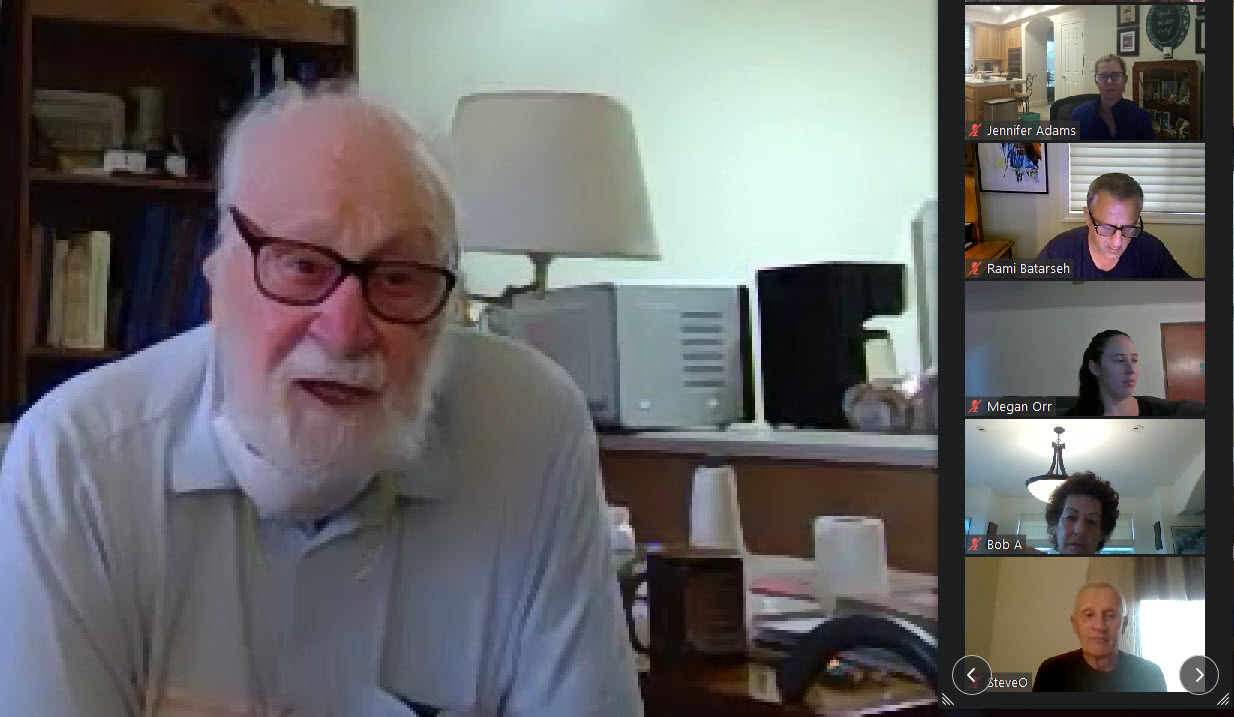
During a recent Zoom meeting with Rotarians and Rotaractors, I looked at the smiling faces on my screen and realized how much our organization has changed in a short period. It is clear that there is no going back to the "old normal" in Rotary — and I see that as an exciting opportunity!
Innovation and change are happening at so many levels as we rethink and remake Rotary. Rotary's new flexibility is blending with digital culture to drive change in ways that many of us have never seen before. We can learn a lot from Rotarians like Rebecca Fry — who, at age 31, already has 15 years of Rotary experience.
I see Rotary as a phenomenal platform to change the world. I believe I can have the greatest influence by empowering others to create the change they wish to see in the world. I've gained leadership insights through my experiences in RYLA and Rotaract, and now, as charter president of the Rotary Social Impact Network, a new e-club.
Engaging Rotary program alumni is key in forming new clubs. Our club is proof that Rotaractors and other alumni want to join Rotary — but sometimes they can't find the Rotary club that's right for them. Our club has 31 members, all between the ages of 23 and 41, and almost all of them are alumni of Rotary programs.
We need to be able to integrate and align Rotary with the other personal and professional goals we're pursuing. In chartering this club, we set out to design a personalized model of Rotary that is focused on added value for our members. We have also sought to leverage connections — through Rotary Fellowships, Rotary Action Groups, and other international partnerships — in order to elevate our members' experiences beyond the club.
Our club meets and manages most of its projects online, using Microsoft Teams to engage 24/7 in topics that interest our members. This also means our club is not geographically bound to any one location: Although many of us are in Australia, we also have members in Germany, Italy, Mexico, Tanzania, and the United States.
Also key for our club is measuring the impact of our projects. For Plastic Free July this year, we created an awareness campaign promoting ways that individuals could reduce their use of plastics, and we reached more than 6,000 people. It's a project with a tangible impact that anyone can take part in wherever they are. I'm proud that, through our club, we are bringing people together for a new type of Rotary experience. I am excited for our future.
All Rotary clubs have the opportunity to be innovative clubs, just like Bec's club. Let's trust those clubs, learn from them, and lend them our support. Change in Rotary happens at the grassroots level, as clubs lead the charge, defining what this new Rotary can be.
Change is constant, and we have more work to do in many areas. It is important that we celebrate the contributions of people of all backgrounds and promote people from underrepresented groups so that they have greater opportunities to participate as members and leaders in Rotary.
The tools to make Rotary more inclusive, more relevant, and more fun for everyone are at our fingertips. Let's use them now, and we will see how Rotary Opens Opportunities for ourselves and for those yet to discover us.
In the early 1990s, polio was still a concern in my country. As the Sri Lanka PolioPlus Committee chair, I was part of a task force of Rotarians, government officials, and UNICEF representatives that drove all polio eradication efforts, including National Immunization Days (NIDs).
But those were difficult days; civil war was raging in Sri Lanka. The government said NIDs could happen only outside conflict zones. This meant one-third of the country's children would not be vaccinated — an unacceptable proposition.
Rotary stepped in with UNICEF to engineer a cease-fire. Establishing contact with one of the world's most feared and elusive rebel leaders was not easy, and we were careful to maintain Rotary's good name during negotiations.
A few weeks later, my secretary delivered a letter to my office, her hands shaking. Signed by the rebel leader himself, it read: "Dear Mr. Ravindran: If you can persuade your government to stop the war for two days, then we are willing to lay down our guns for two days too, for our war is not with children."
Soon the NID was on, and vehicles bearing the Rotary emblem traveled to the vaccination booths in the areas occupied by insurgents, receiving the same respect and courtesy as the Red Cross.
Obstacles can seem insurmountable until we overcome them.
In March 2020, the polio program made the tough decision to temporarily suspend polio immunizations while the polio infrastructure that Rotary members had helped build was used for COVID-19 response. But with the wild poliovirus now banished from the African region and circulating in just two remaining countries, we continue to move forward. Our history shows that we can overcome even the most difficult situations. But we can't do it without your help.
World Polio Day is 24 October, and it's the greatest opportunity we have to raise funds and awareness for Rotary's polio eradication efforts. Visit endpolio.org/worldpolioday to get tools for planning virtual events and fundraisers, and to register your club's event.
Please consider making a donation to End Polio Now, to be matched 2-to-1 by the Bill & Melinda Gates Foundation. In the face of a pandemic, there is a serious risk of further spread of polio. Your support is more important than ever, and it will ensure that together we can tackle the remaining obstacles and achieve a polio-free world.
Chartered in Addis Ababa in 2004, the Rotaract Club of Abugida indirectly derives its name from Ge‘ez, the classical language of Ethiopia, which includes the four characters ’ä, bu, gi, da. That may explain why the club, after 16 years, has so thoroughly mastered the ABCs of sustaining a healthy and productive club.
The club’s vigor springs in part from its blood drives, which began the same year Abugida was chartered. Recognizing a high demand for blood and a limited number of donors, club members turned to the Ethiopian Red Cross Society, with whom they formed what member Dawit Solomon calls a “collaborative network.” The initial blood drive attracted about 30 donors, mainly “fellow Abugidans and the Rotaract family at large.” Today the quarterly blood drives attract more than 500 donors — which has prompted the Red Cross to expand the event to two days.
“Our impact, although small at the beginning, started a powerful movement within our community,” Solomon says. “The club’s initiative has motivated other groups and local celebrities to take part in the drive” — and the impulse has spread to other Ethiopian Rotaract clubs, who work on blood drives in conjunction with the Abugida Rotaractors. (The spring 2020 blood drive was canceled over concerns about the COVID-19 pandemic, but the club encouraged donations to Ethiopia’s National Blood Bank.)
“Our club helped a great deal in meeting Ethiopia’s need for blood,” Solomon says. The project has also infused a vitality into the Abugida club, helping it attract new members and retain current ones — the alpha and omega of ensuring Rotary’s future.
• Interested in starting a new club or learning more about ways to connect through Rotary? Visit rotary.org/start-club.
• Illustration by Sjoerd Van Leeuwen
• This story originally appeared in the August 2020 issue of The Rotarian magazine.
Rotary Club of Santa Rosa Sunrise - Founded June 30, 1986

.png)

.jpg)