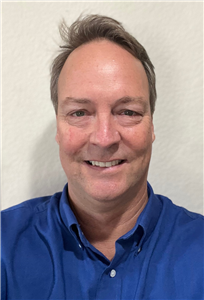
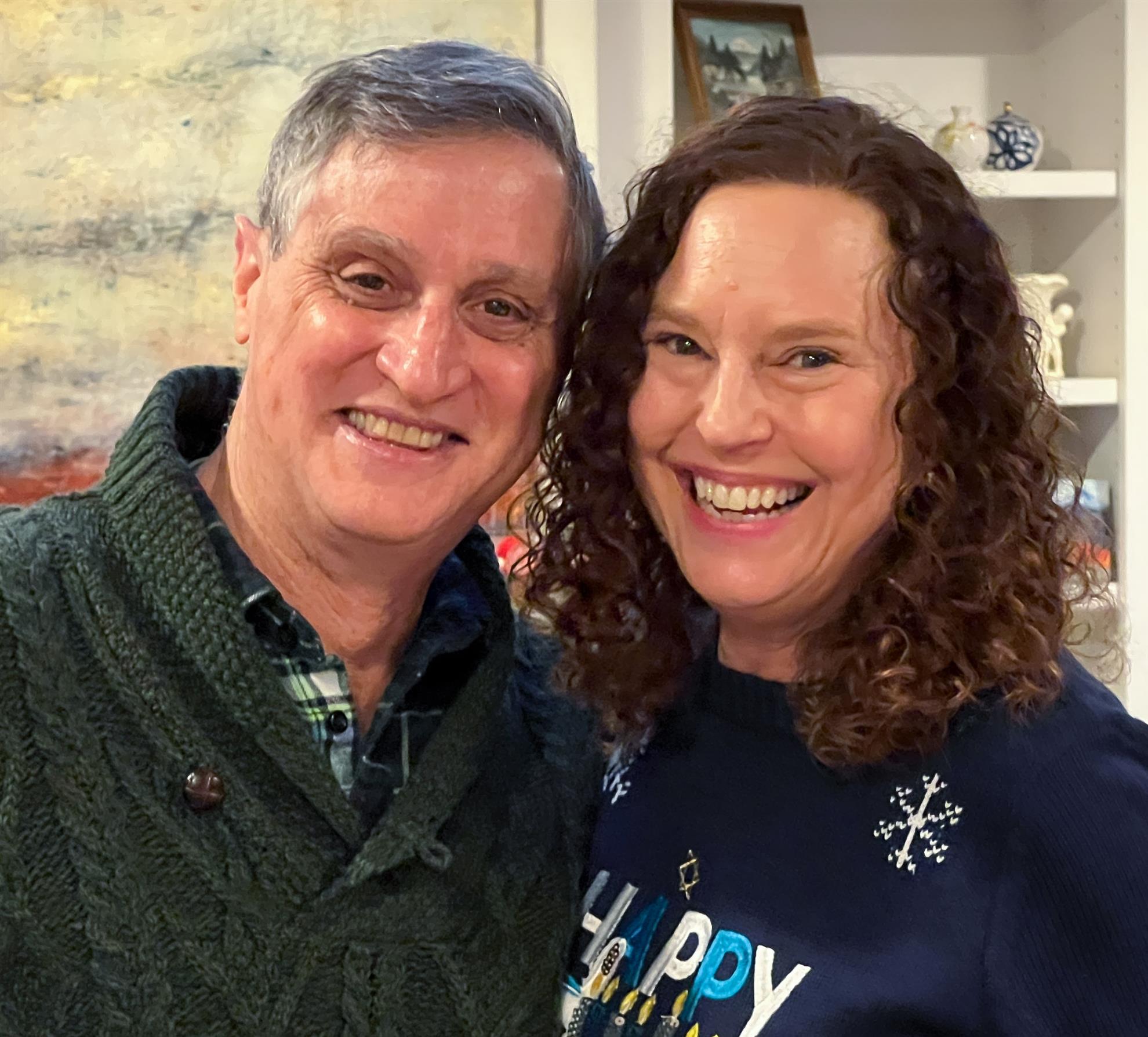
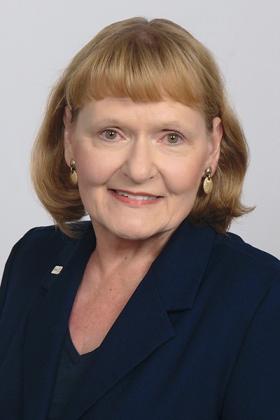
With over 25 years of dedicated non-profit leadership, Tim Miller has successfully managed and grown local and international initiatives in workforce development, agribusiness, behavioral health, housing, and disaster resiliency. Currently serving as a Non-Profit Management Consultant, Mr. Miller provides expertise in strategic planning, fundraising, project design, and partnership development. Until July 2024, he served for eight years as Executive Director of West County Community Services in California, transforming the struggling agency from a financial deficit to a thriving and relevant operation, increasing its budget from $1.6 million to $6 million while managing a diverse team of 70 staff across nine locations. Mr. Miller has also made significant contributions in disaster preparedness and response, leading the award-winning Typhoon Haiyan Recovery Program for Lutheran World Relief, which served over 2,000 internally displaced individuals and small farmers in the Philippines. As Regional Executive Officer for the American Red Cross, he enhanced organizational efficiency and built strong fundraising and response partnerships, closing a $400k deficit and earning the Highest Performing Chapter award from the national office. Mr. Miller has managed agricultural development projects in Azerbaijan and Asia, focusing on cooperative development, small-scale agribusinesses, and the development of Azerbaijan’s first local non-profit agricultural consulting business. He served as a Peace Corps Volunteer in the Philippines, working as an agro-forestry outreach worker with the Department of Agriculture and Food. An active community member, he has served in various civic roles, including as President of the Russian River Rotary. member of the City of Marina Planning Commission, and as a member of the Sonoma County Continuum of Care Strategic Planning Subcommittee.
The United States of Adventure, presented by co-founders Will Soiland and Bradford Holladay
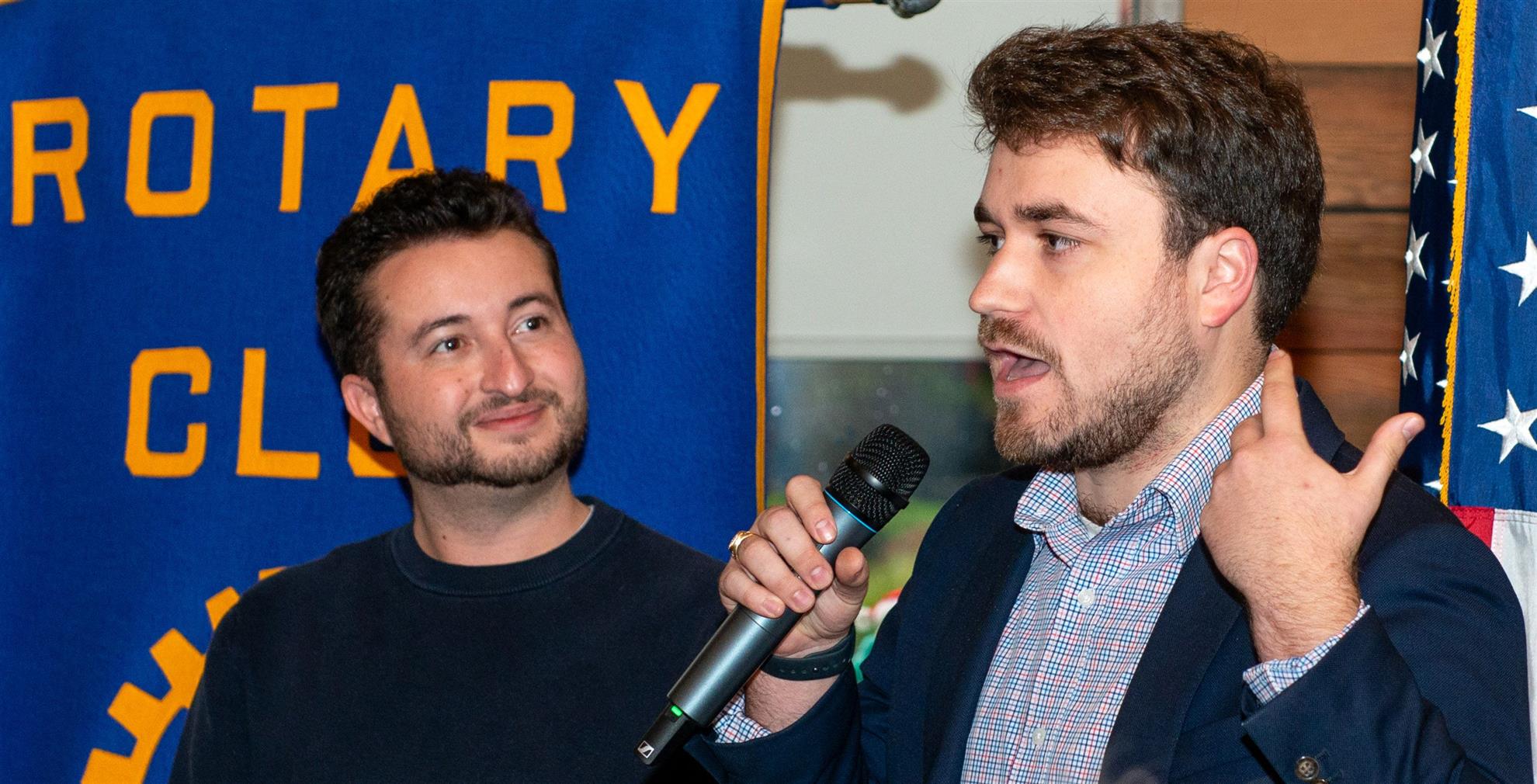
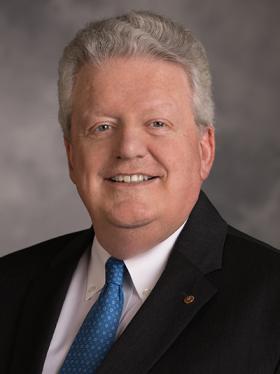
Our speakers for December 5,2024 were Will Soiland and Bradford Holladay, who presented their new organization, the United States of Adventure. Will is a mechanical engineer who has traveled to 20 different countries. Brad is an executive with the Boy Scouts of America in Nashville, Tennessee and has traveled in 34 counties. Brad is a member of a Rotary Club in Nashville. They met as undergraduates at Pepperdine University. Both are dedicated travelers and created their non-profit company to assist college students travel internationally. The United States of Adventure envisions a world where young Americans have the opportunity to develop leadership, global citizenship, language skills, intercultural awareness, entrepreneurship, and professional development through international travel. The company’s initial mission is to provide grants of $3,000 each year to 18-21 year-old American students who have never traveled internationally. The idea is to help these young adults experience a self-guided and self-directed international experience. As Will and Brad noted, 38% of Americans have never owned a passport! This is despite the fact that U.S. passports are very strong and allow travel in nearly every country in the world. Will and Brad believe that international can help Americans better understand the world and foster leadership attributes.
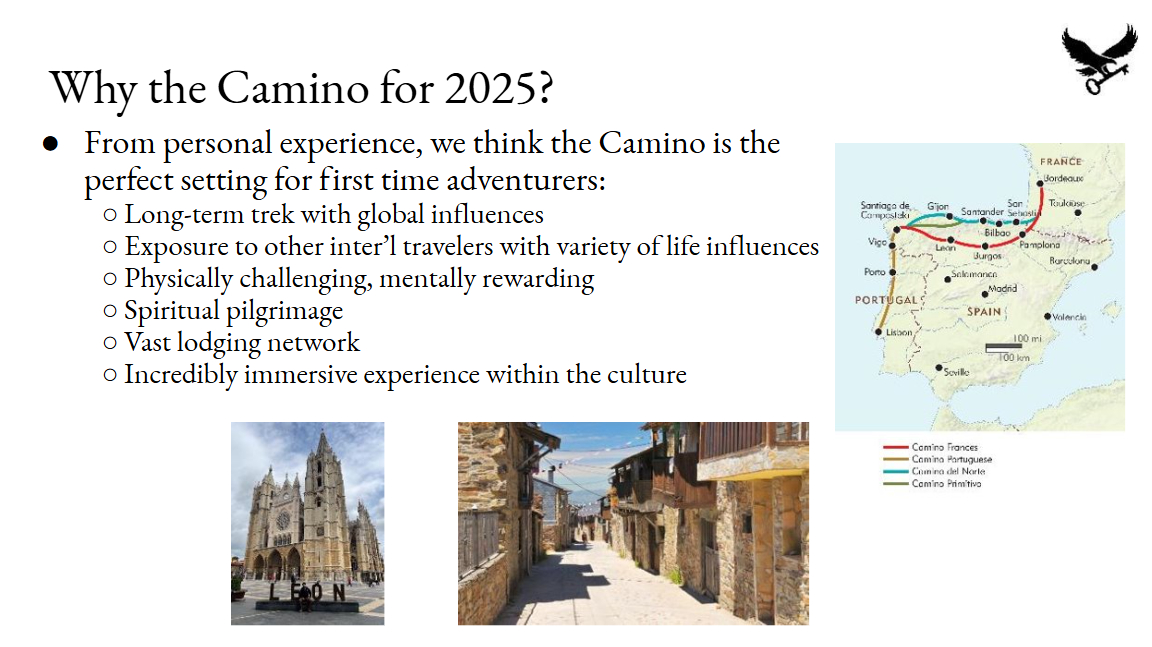
Will and Brad plan to offer grants for travel along the Camino de Santiago for 2025. The Camino is a perfect place to start their grants. It is a 500-mile trek starting in France and ending in Santiago de Compostela in Spain. This particular route often takes 32 days. It is one of the most internationally traveled pilgrimages in the world and offers a vast lodging network at hotels and hostels along the way. Travelers from all over the world frequent the route, and young American travelers can meet people from every corner of the world. It is physically demanding but something that many young people can accomplish. It’s a great first step for the new company. They are currently working on future travel ideas and are considering the Kumano Kodo, a world renowned ancient pilgrimage in Japan. The United States of Adventure faces a variety of challenges, including the development of new locations for travel, sifting through applications for grants, perceived barriers to travel, the preparation of travelers and their families for the travel itself, building a series of strong community partners here in the U.S., and developing a reliable fundraising structure.
Many thanks to Will and Brad for their interesting presentation. Good luck on getting Americans out of our own backyards; it won’t be easy!
Click HERE for the limited time recording of Will Soiland and Bradford Holladay's presentation.
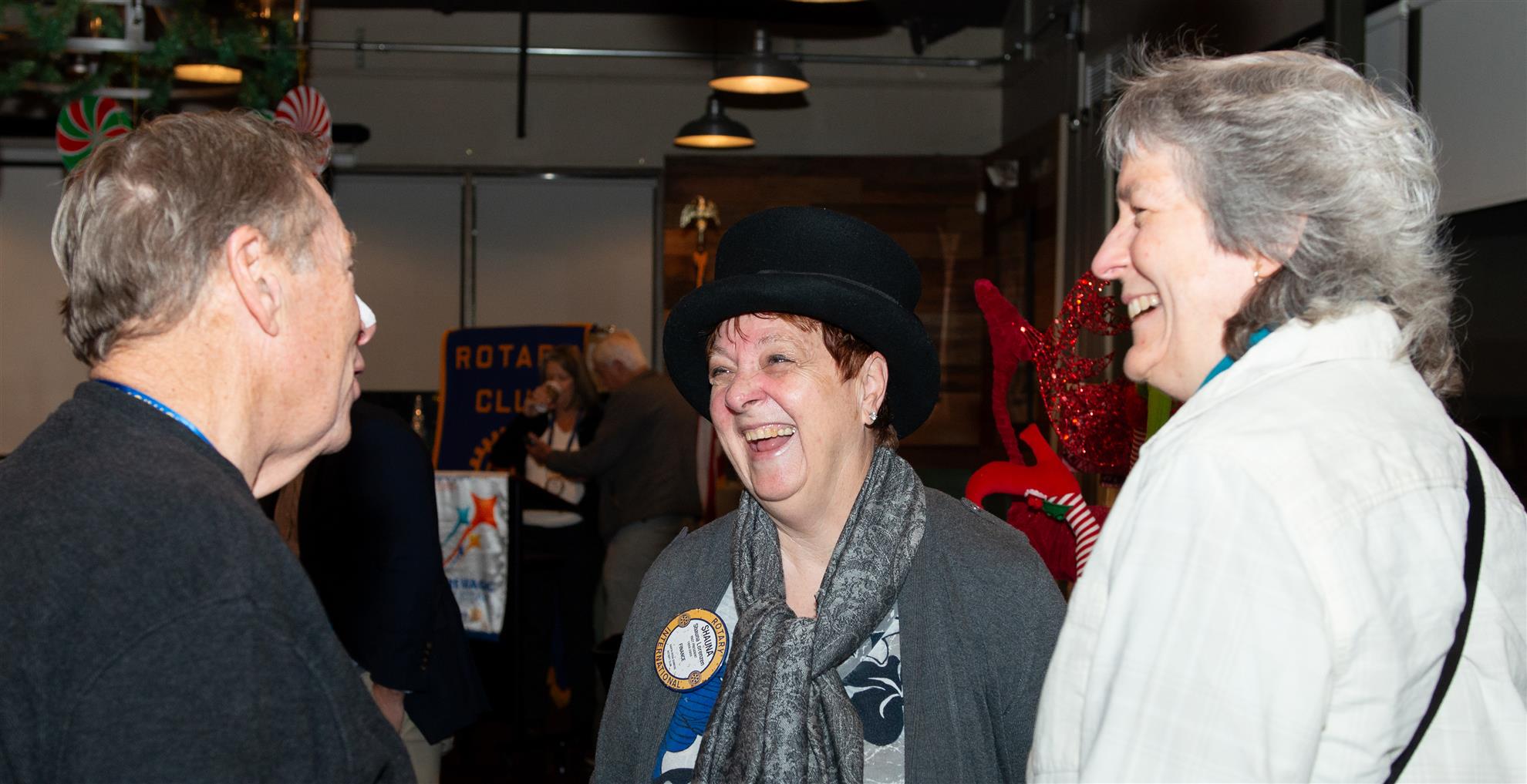
On a regular basis, our resident photo pro Warren Smith, submits pictures of what is going on at the weekly meetings. You can always find the most recent pictures at the websites photo journal called "Meeting Sighting" Please note that all the meeting photos for the entire Rotary year are at this location with the most recent on the last page.
Thanks for all the great pictures Warren!Link to Meeting Sightings. The most recent are on the last page!
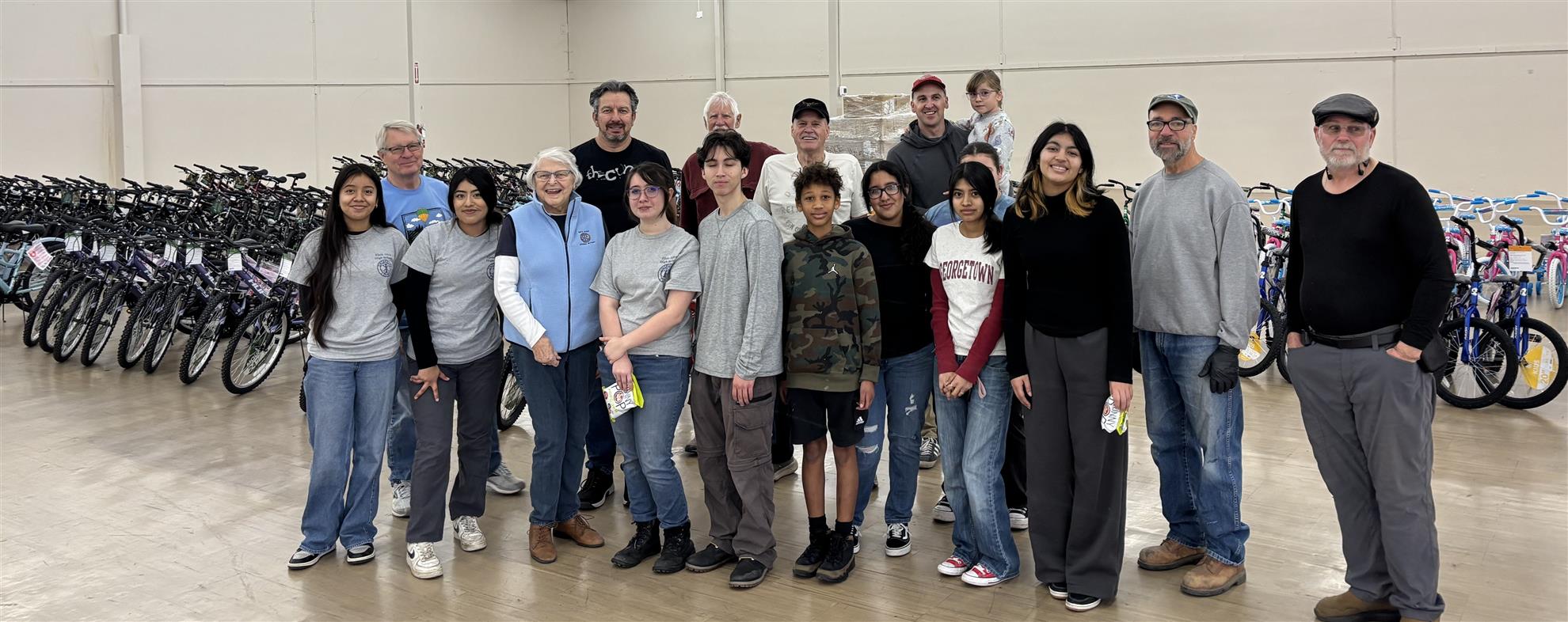
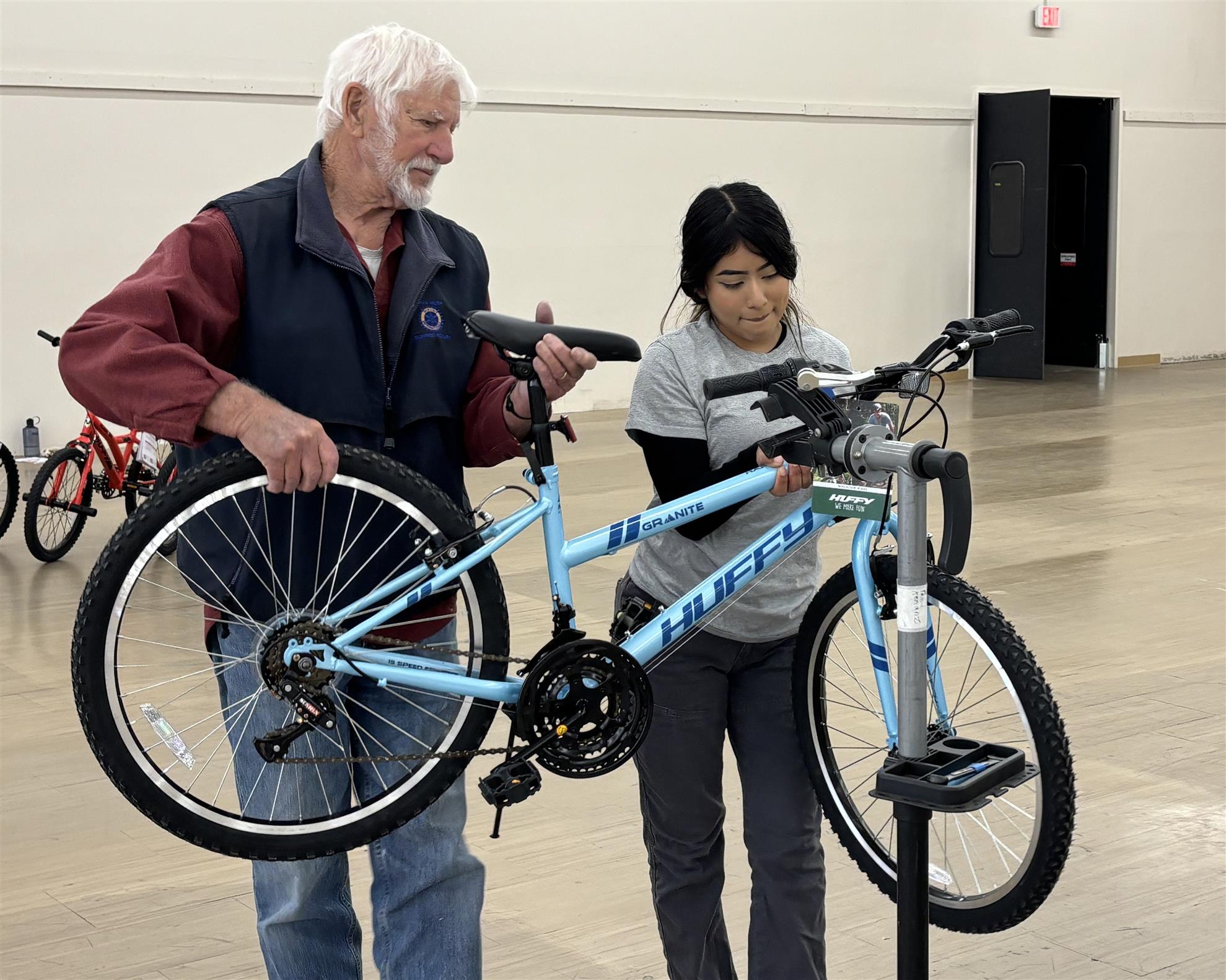
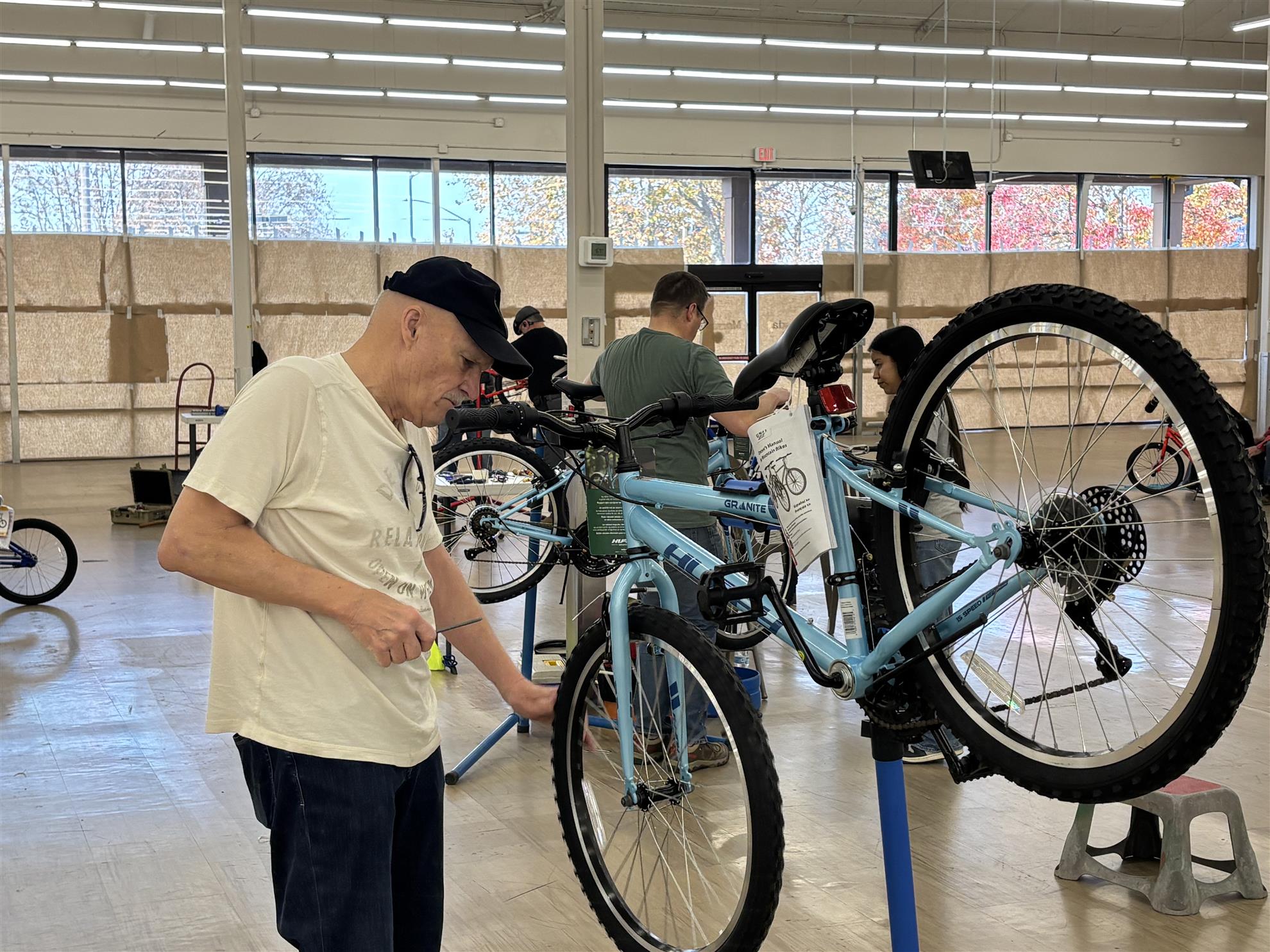
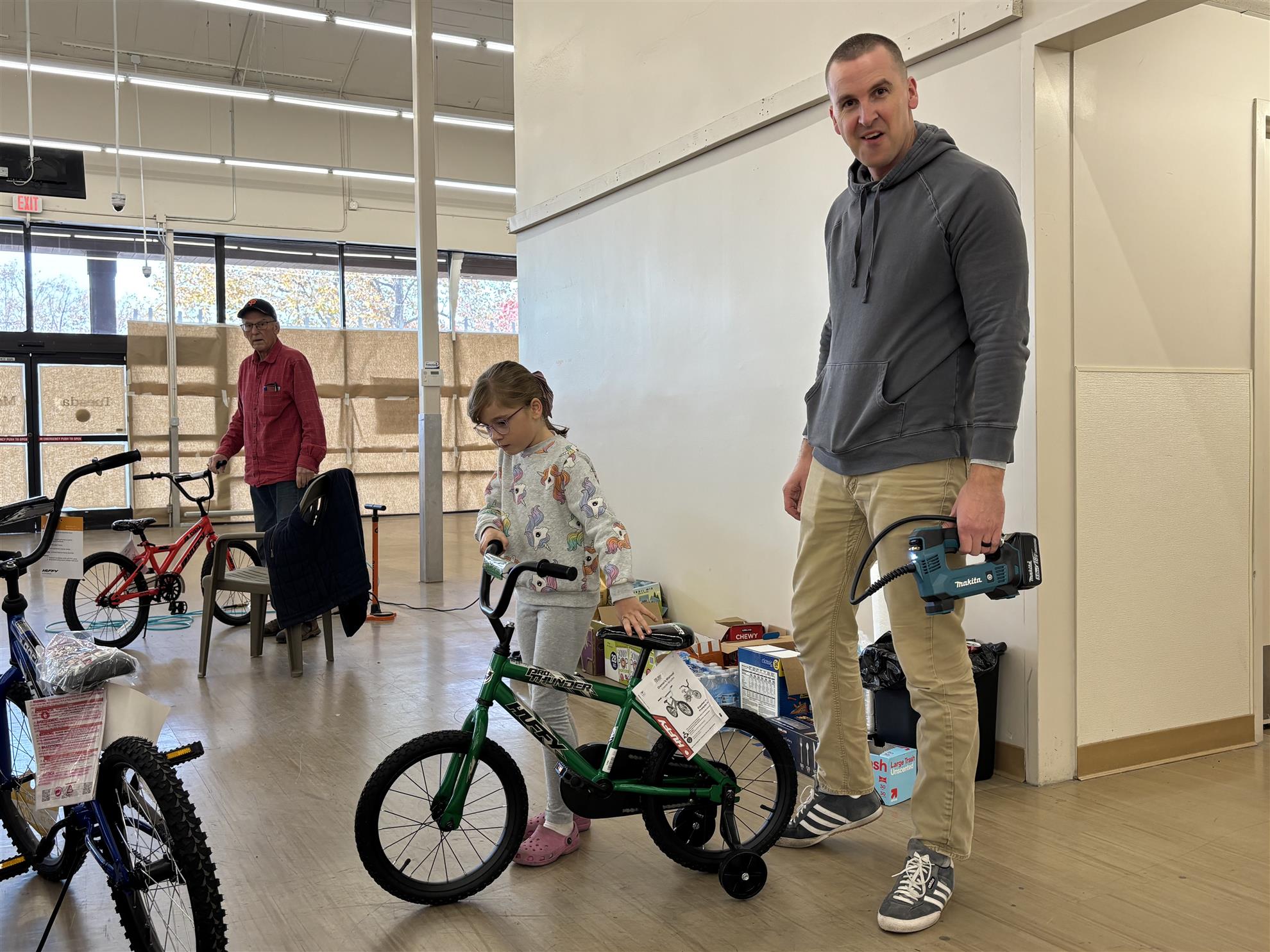
Saturday morning Sunrise Rotary and the Elsie Allen Interact Club assisted Santa Claus by assembling 50 or so donated, new bicycles for Santa Rosa kids through the Secret Santa program.
Some of us went right to work, some of us learned how to adjust brakes and derailers, and some of us just learned which end of a wrench goes into the bicycle.
Representing Rotary were Leroy Carlenzoli, Olin Leasher, Ken Petro, Merle Hayes, Paul O’Rear and Willie Billeter, Rotary Interact Advisor.
The new Interact Student Advisor, Rich Malloy, was a great help and was accompanied by nine Elsie Allen students. The group enjoyed Mountain Mike’s pizza after a morning of bicycle construction.
To adapt, as laid out in Rotary’s Action Plan, we must occasionally step out of our comfort zone and try something new. Here are two examples of clubs that adapted — one with heart and one through critical thinking and strategy.
The Rotary Club of Chandigarh Mid Town, India, led with heart earlier this year. To engage members and grow membership, Club President Nitin Kapur personally called every former member of the club and invited them to a gathering billed as an alumni meetup.
Eight former members attended, and the results were stupendous. The visitors had a chance to connect once more — not only with current members but with the sense of camaraderie and belonging that membership gave them. By the end of the evening, the club welcomed six of the former members back into the Rotary family.
Club President Kapur showed courage when he reached out to the alumni. Not only did he adapt and try something new but he had the strength of character to show the club’s alumni how much they still meant to the family of Rotary. That bravery paid off.
People want to feel needed and appreciated. People want to feel that they belong. And they might never feel that way if we don’t have the courage to tell them.
Meanwhile, the Rotary Club of Seoul-Hansoo, Korea, has been experimenting with different club models to great effect. Over the past four years, Seoul-Hansoo has created and maintained four satellite clubs — a service club, an interest-based club for musicians, a cause-based club that mentors professionals, and a club for college students.
These satellite clubs are part of a five-year plan the Seoul-Hansoo club implemented to increase membership through innovation.
What’s the secret to founding and maintaining so many satellite clubs? Membership between Seoul-Hansoo and its satellite clubs is fluid and synergistic. Many members of the satellite clubs attend the sponsor club’s meetings. And many of the sponsor club’s members participate in the satellite clubs.
Additionally, the focus of each satellite club is no accident. Each one appeals to different interests of people in the sponsor club and in the community, attracting existing and potential members. This is an excellent strategy to both retain and attract members because it offers flexibility. If someone is interested in joining but they can’t make it to the sponsor club’s meetings, they have plenty of options to choose from.
These are just two examples of how we can adapt with our hearts and minds. Every club is different, so I encourage you to reach out to members of your club and of the community around you. Ask them about the club experience and what you can do to improve.
Talk to enough people and you might find ways that you can adapt and spark The Magic of Rotary in your club.
You can find all prior "RI President's Messages" at this LINK
December is a time for generosity and reflection when we think not only about our loved ones but about how we can make a difference in the world.
This year, consider giving a gift with an enduring impact, one that extends beyond these holidays, lasting for generations. Gifts to The Rotary Foundation Endowment are extraordinary gifts that create extraordinary change.
By supporting Rotary’s Endowment, you help ensure that RI will have the resources it needs to develop and implement sustainable projects today and in the years to come. Members who include the Endowment in estate plans or make an outright gift support that mission.
Imagine your gift helping to fund the drop of vaccine that prevents the last case of polio, eradicating this devastating disease once and for all. Picture it supporting other health initiatives in 2034, 2044, and beyond.
If you make an outright gift today, you will have the opportunity to witness your support in action, working through clean water projects, literacy initiatives, and economic development efforts. These Rotary Foundation-funded projects touch lives across the globe, bringing hope to individuals you may never meet, but who will know you through your generosity.
Past President Arch C. Klumph, who first proposed an endowment more than 100 years ago, would be amazed not only at the opportunities Rotary has to help today but also at the future possibilities Rotary’s Endowment provides.
However, our Endowment is only strong when we all support it. Because it is essential to our success, we have set an ambitious goal: to build our Endowment to $2.025 billion in net assets and commitments by 30 June 2025. This goal is not just a number; it is a reaffirmation of our belief in Rotary’s enduring ability to do good in the world. A fully funded $2 billion endowment will provide more than $100 million year after year for Rotary Foundation activities.
I have asked district governors and club presidents to lead by example before the year’s end, but each of us has an opportunity to secure Rotary’s legacy of service. Please join Gay and me in planning your estate or outright gift today.
Remember, this is no ordinary gift. Your generosity will provide a legacy for future generations to find solutions in the areas we care about, while creating a ripple of positive change that extends far beyond our lifetimes. What better gift could there be?
You can find all prior "Messages from the Foundation Trustee Chair" at this LINK
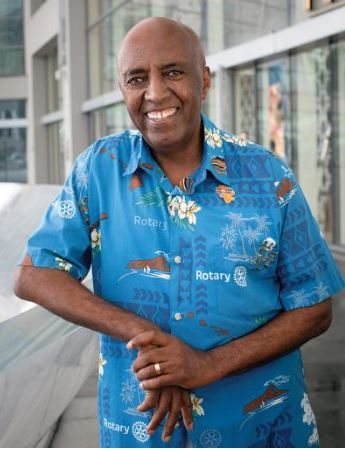
In 1997, Ezra Teshome traveled from his home in Seattle to a Rotary peace conference in Ethiopia, where he was born and raised. Rotarians there were organizing National Immunization Days. In one village, Teshome met a man and his 8-year-old daughter, who had polio. The man thought the visitors were there to cure her. He asked Teshome for help.
“For the whole day, it really bothered me that the child was crippled for the rest of her life, for the loss of two drops of vaccine,” says Teshome, a member of the Rotary Club of University District of Seattle. “When I came back to the United States, I said, ‘I will come back every year to participate in National Immunization Days with my Rotarian friends.’”
Image credit: Monika Lozinska
The next year, about 24 people came with him. Almost every year since, he’s taken anywhere from 60 to 80 people at one time to administer vaccinations.
Ethiopia’s mountainous terrain and hot weather make transporting vaccines difficult. “When you walk three, four hours without any refrigeration system, the vaccine could start to spoil,” Teshome says. “We have built clinics and asked people to bring their kids there.” These clinics are also equipped to meet other public health needs in the communities.
The impact of Teshome’s trips has spread in other ways too. Rotarians attending his trips have helped install nearly 100 water projects throughout the country, provide 120 shelter homes, and donate ambulances.
Time magazine named Teshome a global health hero at the 2005 Time Global Health Summit. That year, Ethiopia’s national immunization campaign reached 16 million children. Looking ahead, Teshome wants to continue providing clean water access in Ethiopia, contribute to peace in the region — and see a worldwide end to polio.
This story originally appeared in the October 2024 issue of Rotary magazine.