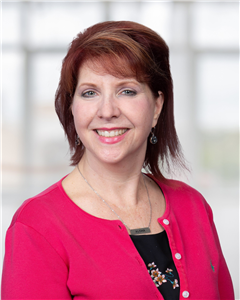
Kristine has been a Rotarian since 2007 when she was a founding member of the Rotary Club of Rancho Cotati in District 5130. Since then, she has served as President twice, Secretary, Vocational Chair, Club Service Chair, Youth Exchange Host Parent, District Public Image Chair, and she helped found a second Rotary Club during COVID – the Rotary Club of Sonoma Mountain Twilight. Her claim to fame is that on July 30, 2010 – during her first Presidential term – she gave birth to her twins and led Rancho Cotati to Small Club of the Year for 2010-11. Roman and Katya are almost 15, and she considers them her favorite “Junior Rotarians.”
Married for 23 years to Dr. Peter Redko, a Podiatrist in Petaluma, CA, Kristine is a Client Account Executive for Ministry Brands and has degrees from Georgetown University and Johns Hopkins. Their twins are in high school at Casa Grande in Petaluma, and she’s proud to say that they have excellent grades and actively participate in soccer (Roman), Interact, and track/cheerleading (Katya). Kristine also has a side hustle as the lead singer in a local rock band, The Pickled Beats.
Rotary has been like a second family to Kristine, especially after she moved to CA from NYC with her husband and didn’t know anyone. She found a new best friend (now her Chief of Staff) and instantly bonded with a passionate group of amazing volunteers and individuals from all walks of life.
She is truly honored to be 5130 District Governor in 2025-2026 where her District Theme is “Rotary: The Music in our Hearts.” Let’s #UniteForGood and change the world!
Hospitality and Entrepreneurial Spirit in Sonoma County by Sonu Chandi
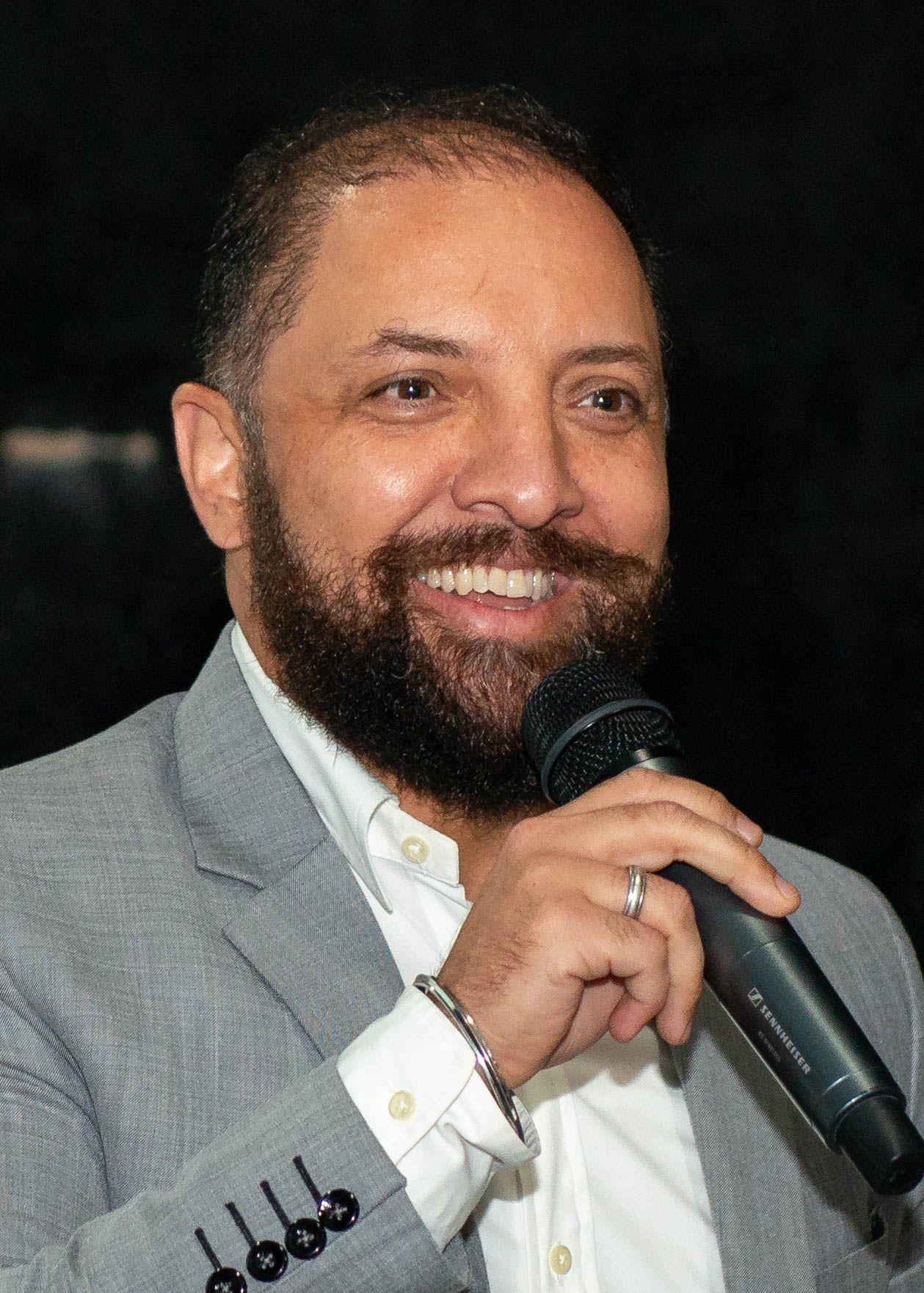
Our speaker for October 2, 2025 was Sonu Chandi, founder of the Chandi Hospitality Group (CHG). Sonu is a restauranteur, developer, and all-around entrepreneur historically focusing his talents on developing and operating restaurants in Northern California and India. He started his career when he bought a Mountain Mike’s Pizza Rohnert Park store. CHG now owns or franchises Mountain Mike’s restaurants throughout Northern California. CHG’s operations have also expanded to other, original, restaurants, and to real estate development projects. Sonu is a graduate of San Francisco State University and has worked in real estate development and restaurant operations for 17 years.
Sonu was born in a small village in Punjab, India and moved to the U.S. when he was almost 16. He couldn’t speak English although he could read and write it. His first job was as a courtesy clerk at an Albertson’s. His dream was to own and operate a business and in 2007 he purchased the Mountain Mike’s in Rohnert Park. He worked from 10:00 a.m. to 10:00 p.m. every day building that business. His brother joined him in 2008. They bought a 2nd Mountain Mike’s store in 2008 and in 2015 took over the Mountain Mike’s development rights for 5 Northern California counties. From 2013 to 2016, CHG tried to develop other restaurants in Sonoma County, but became too entrepreneurial and eventually had to close some of those efforts, including Stout Brothers and Bibi’s Burger Bar. CHG has expanded to India for restaurants and for the back office work for all of its operations. CHG is also working on real estate projects, including a mixed use commercial and residential project with 48-60 units.
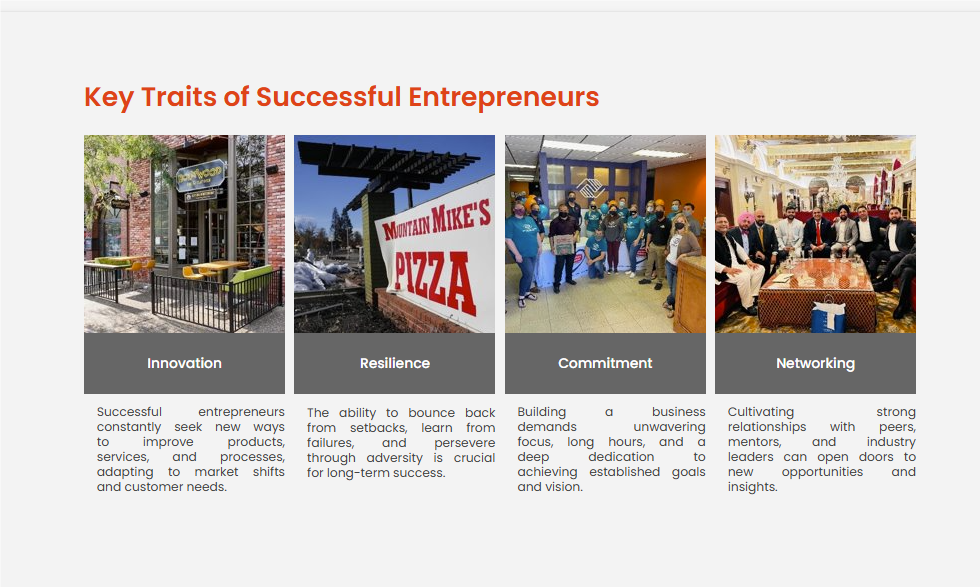
Sonu has an entrepreneurial spirit. He says: “Dream Big, Start Small.” The key traits of a successful entrepreneur are innovation, resilience, commitment, and networking. An example of resilience was the destruction of a Mountain Mike’s store on Cleveland Ave. He rebuilt down the street, doubling the size of the restaurant! Having a family behind the business is also key; his brother and wife, and even his two children, are actively involved. And, persistence pays off!
Thank you, Sonu, for the wonderful presentation. Good luck with all of your upcoming and future endeavors!
Click HERE to view a limited time recording of Sonu's presentation.
On a regular basis, our resident photo pro Warren Smith, submits pictures of what is going on at the weekly meetings. You can always find the most recent pictures at the websites photo journal called "Meeting Sighting" Please note that all the meeting photos for the entire Rotary year are at this location with the most recent on the last page.
Thanks for all the great pictures Warren!Link to Meeting Sightings. The most recent are on the last page!
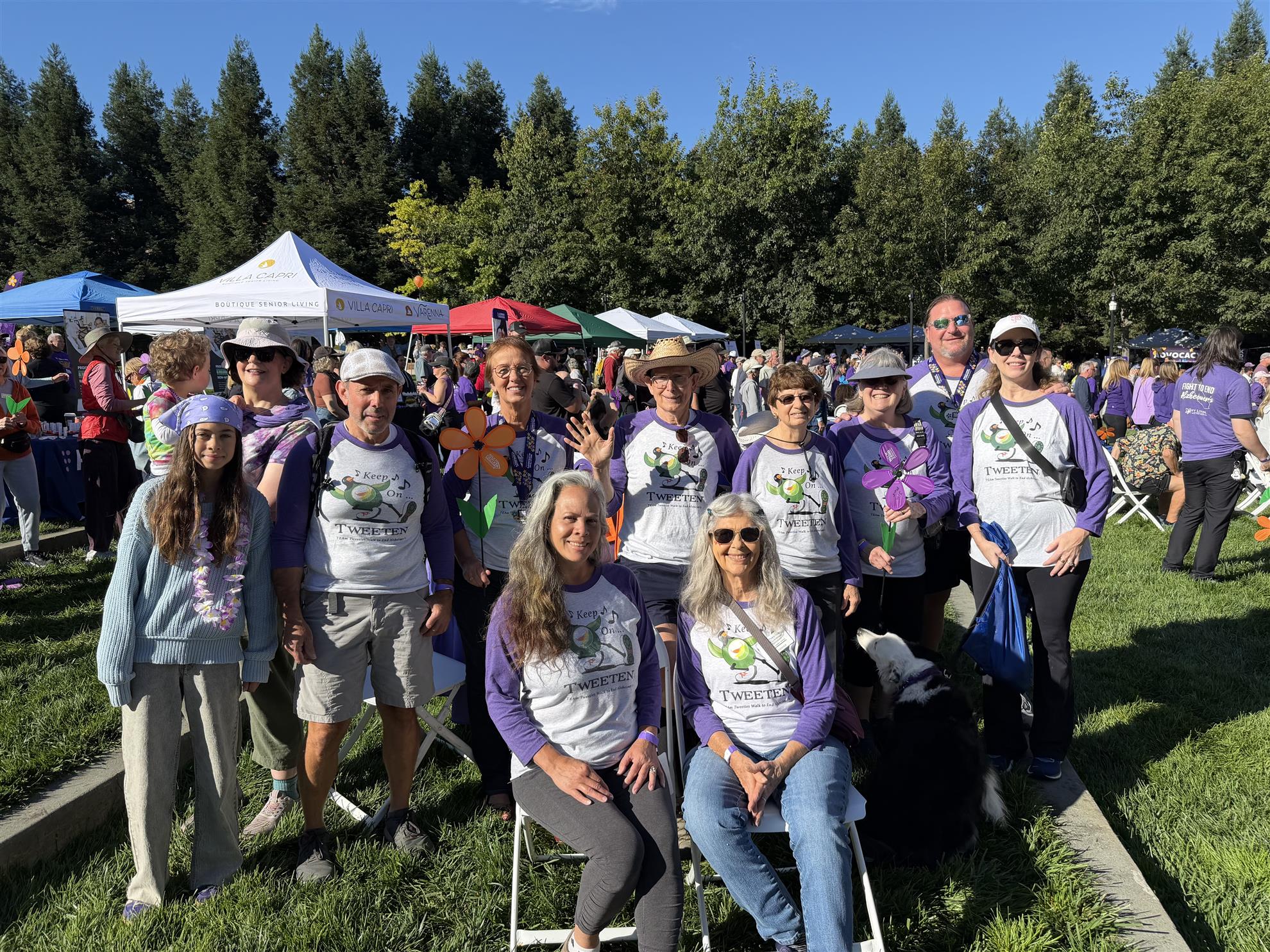
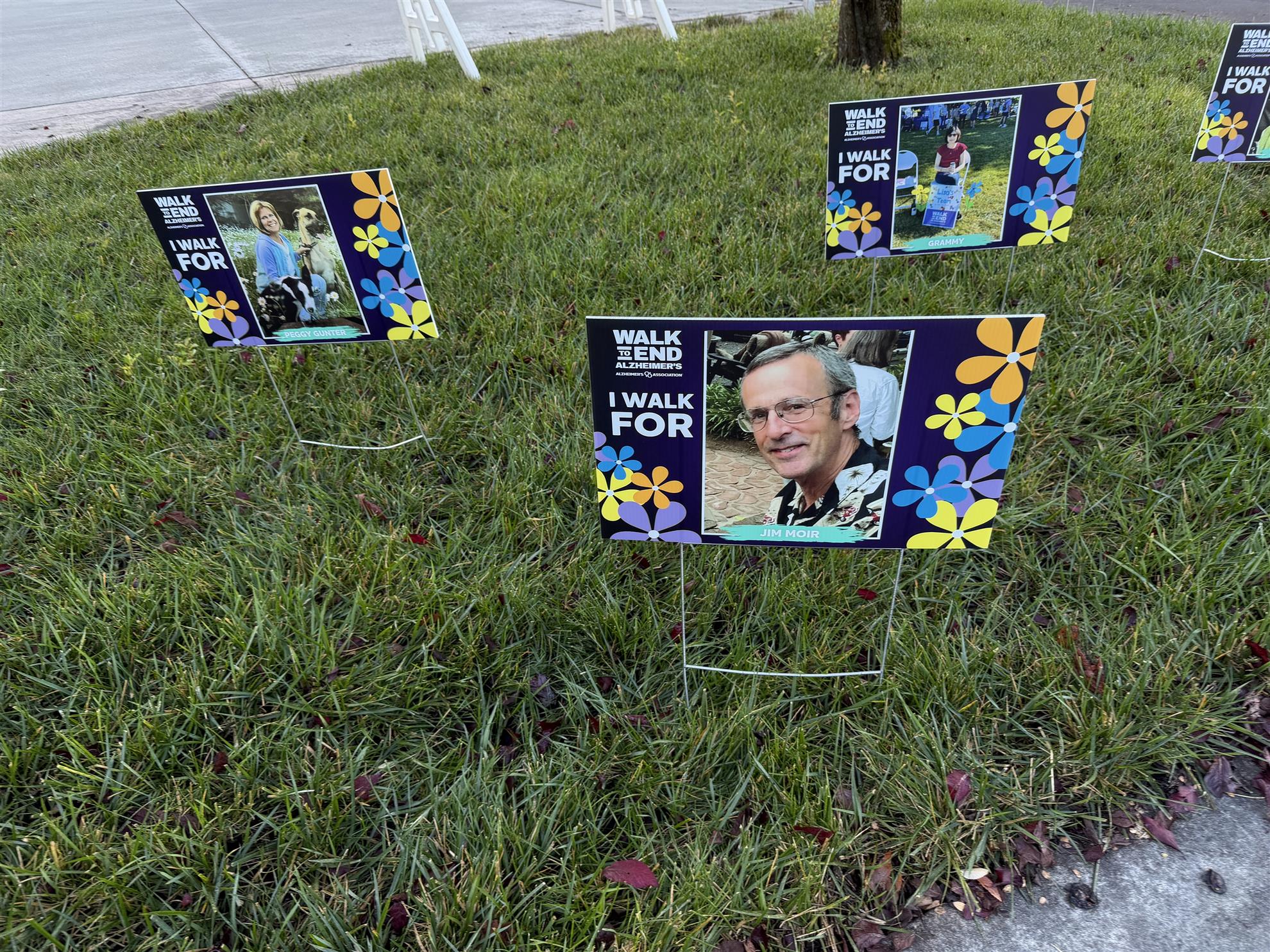
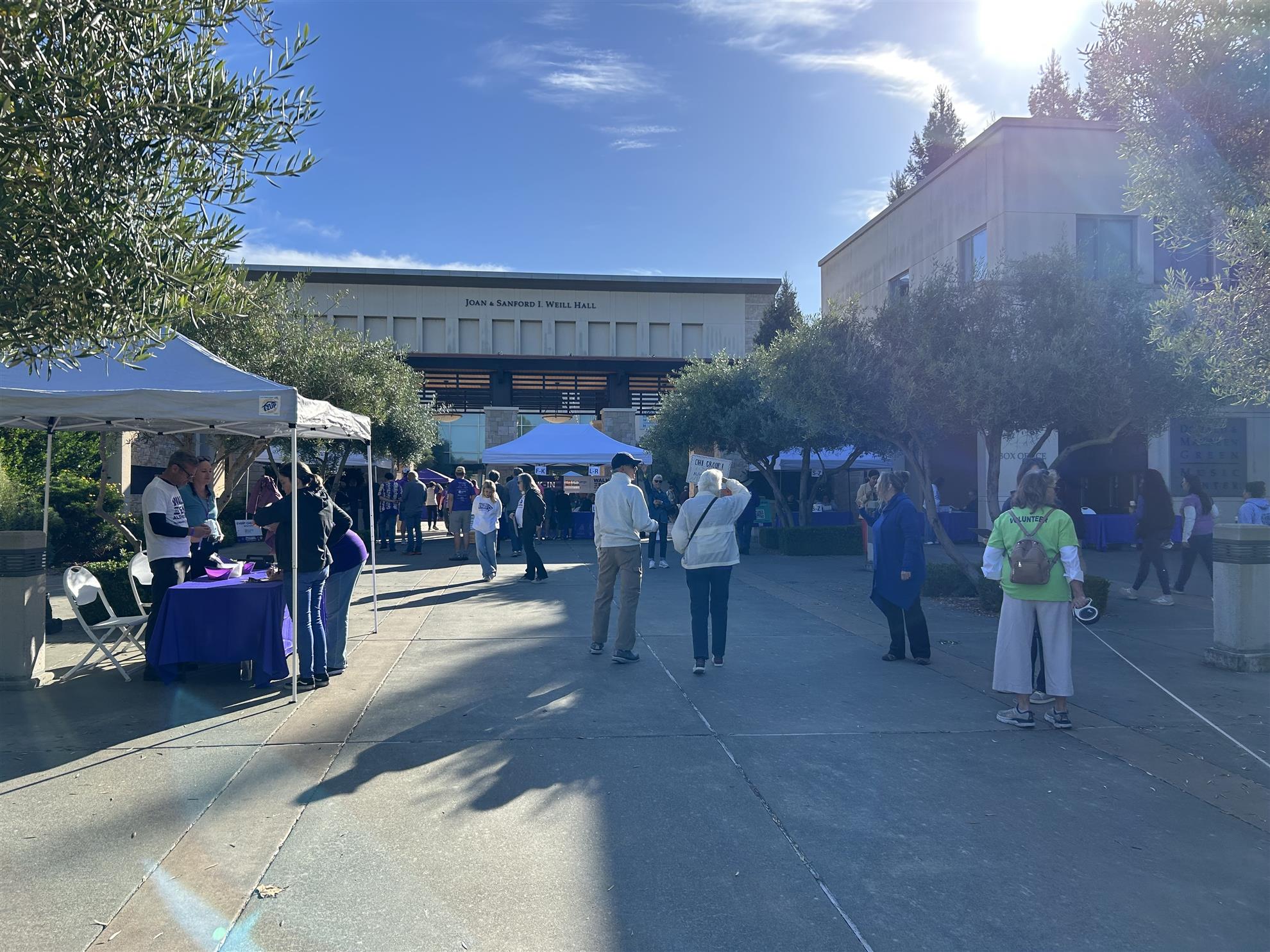
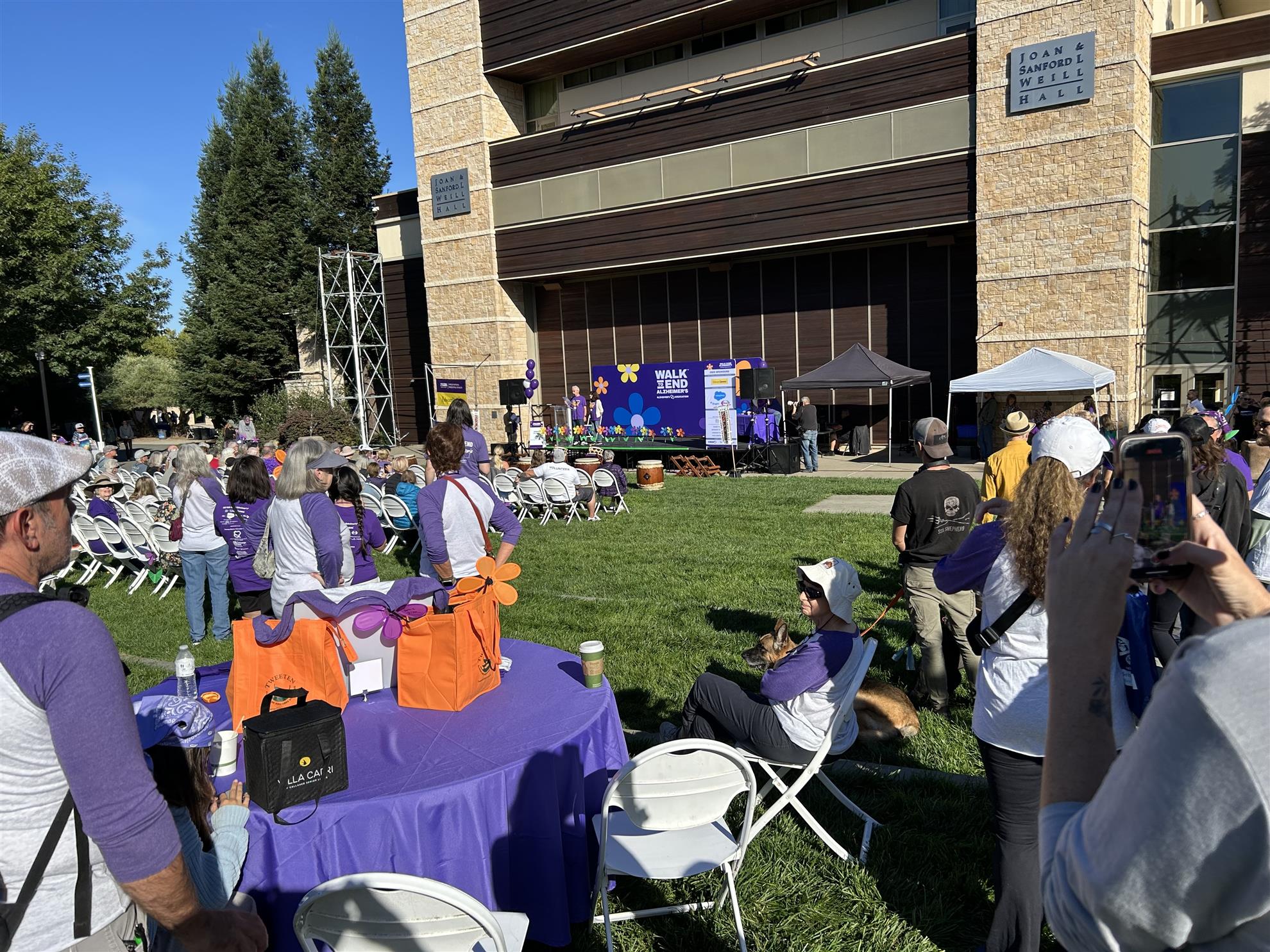
Team Tweeten. coached, recruited by Sunriser Eloise Tweeten suited up in team jerseys to honor friend and former Sunriser Jim Moir. The team was one of the top ten in raising research funds to end Alzheimers Disease, exceeding Eloise goal of $6K by nearly a thousand more!
Among the team, was Jim's widow Melinda. The team had a great generational spread from pre-teen to senior seniors near 80.
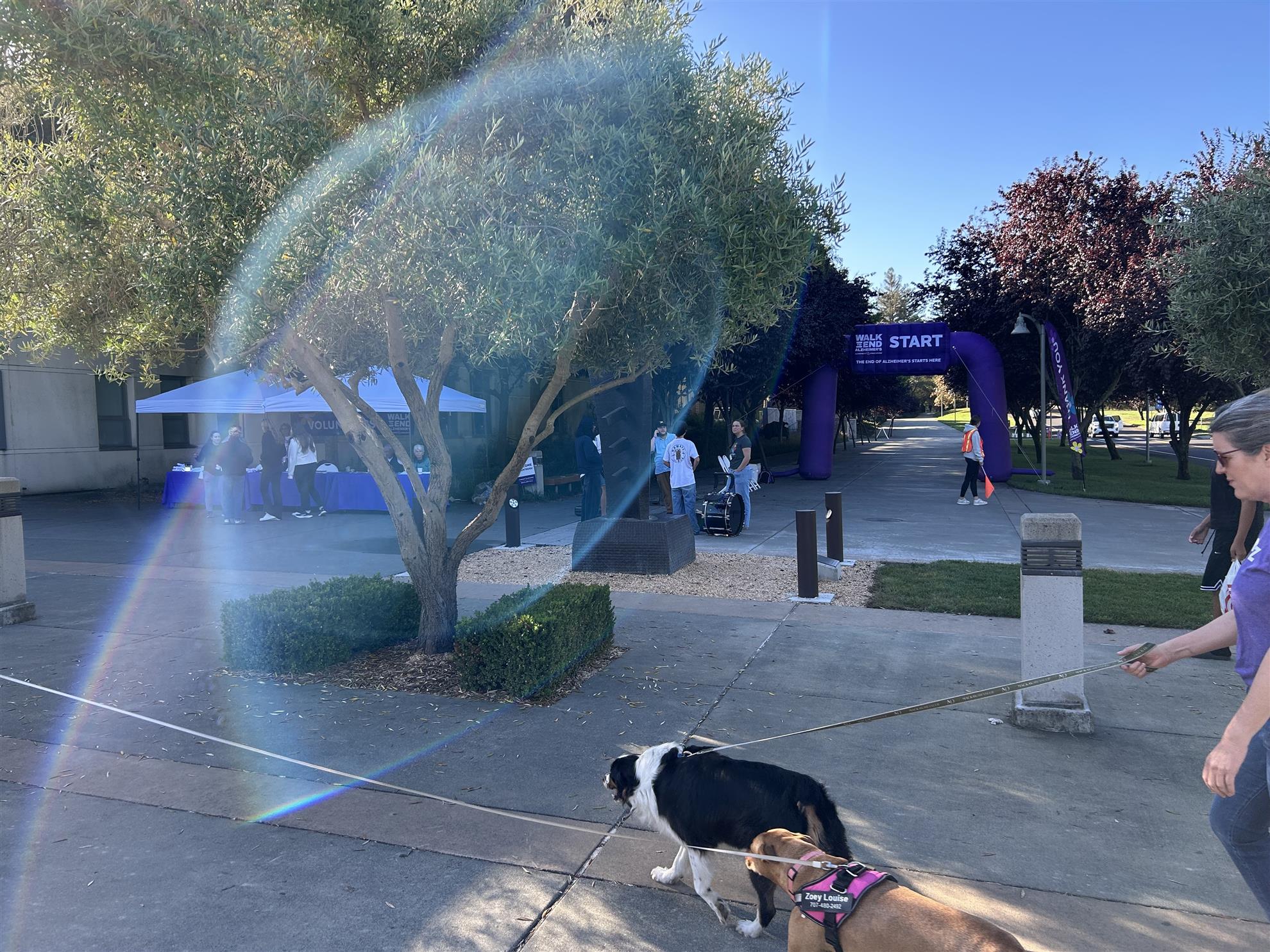
Held on the grounds of Sonoma State University beginning at the Green Music Center 966 walkers gathered on a gorgeous day to pay tribute and bring hope for the cure to Alzheimer's Disease.
Tyco Drummers, Rancho Cotati Trojan Cheer Leaders energized the walkers prior to the start at 10 AM. Especially inspiring was the very personal address by Guy Kovner. Diagnosed, adapting and coping, Guy described current treatment strategies, family support and the value of clinical trials slowing progression bringing hope. A local Press Democrat reporter, Guy's articulateness to inform rang clear.
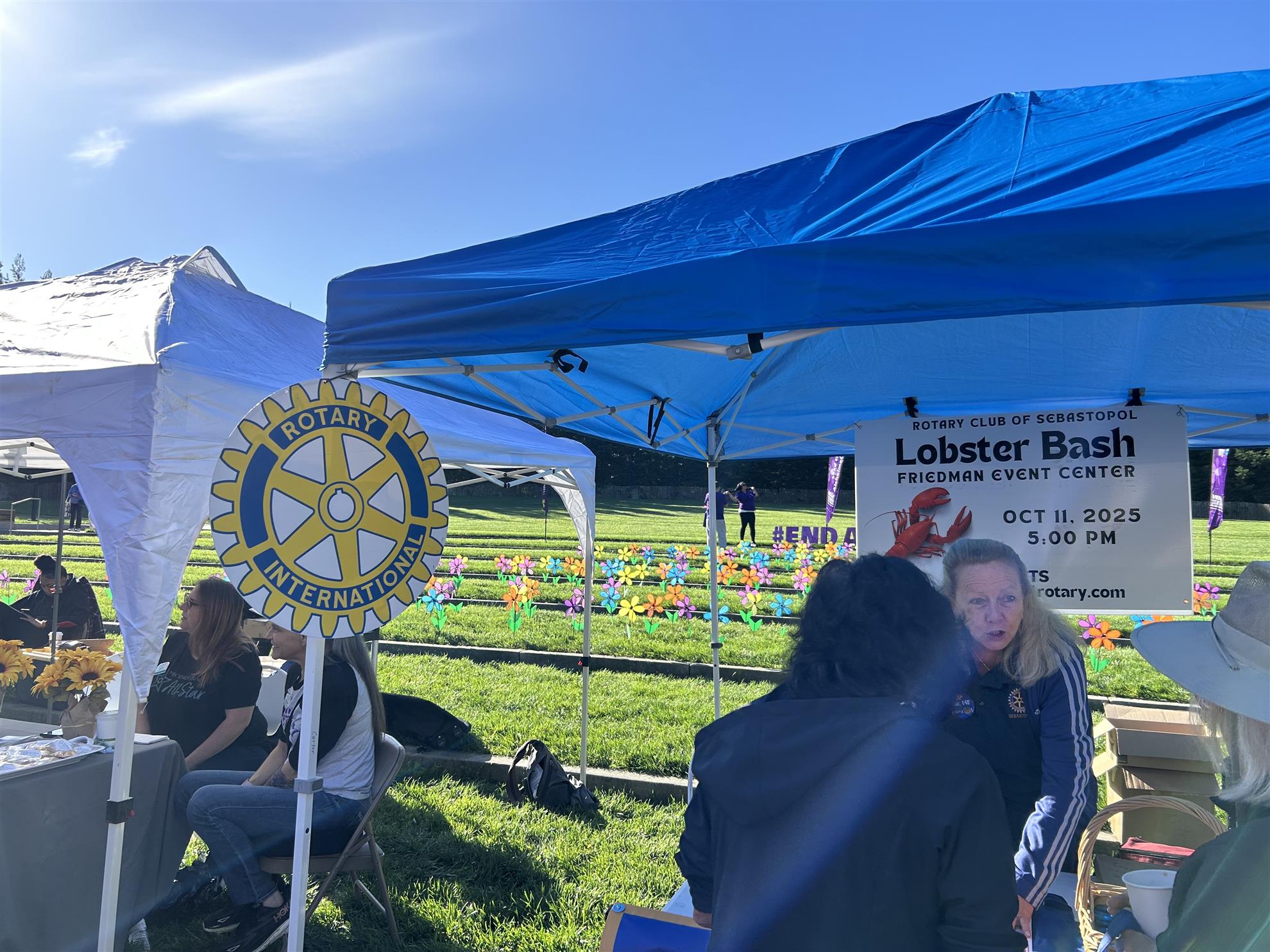
The Walk was a community-wide event. Sonoma and Marin counties supporters included Sebastopol Rotary and Sonoma Media. The event raised $523,652 with the support of 164 teams with Team Tweeten in the top ten generators!!
A businessman arrives at a hotel and asks the bellhop, “What’s the biggest tip you’ve gotten, son?” “$5, sir,” the bellhop replied. The man gives the bellhop $10 and says, “Next time you get asked that, you tell them it was $10 and that I gave it to you.” “Thanks!” the bellhop replies. “Who gave you the $5?” the man asks. “You did last month,” the bellhop replies.
October is Rotary’s Community Economic Development Month, a time to spotlight our efforts to help communities build thriving, sustainable futures. This month’s observance aligns perfectly with the Rotary core value of leadership.
Leadership means empowering people to guide their own progress. That is precisely what Rotary’s economic development projects aim to achieve.
Take, for example, a recent initiative in southern India in which Rotary members unlocked the power of women of the Adivasi tribal groups through sewing training to earn a living and regain social inclusion. Historically, widows and abandoned women in this region lose social standing and are shunned by society or blamed for their misfortunes. Opportunities to support themselves or obtain training are minimal.
This year, the Rotary Club of Windsor Roseland, Ontario, partnered with clubs in Districts 3203 and 3234 in India — and with the Indian organization Sevalaya Trust — to provide sewing machines and training to 80 Adivasi women. They learned to stitch saree blouses, kurta tunics, and salwar suits, enabling them to support themselves and their families. Each woman received a certificate for completing the program, and the sewing-machine provider offered free long-term maintenance for the machines. The project offered vital income and dignity to women ostracized by society after widowhood.
This story is one example of Rotary leadership in action: local people guiding solutions that address their community needs. Our role is not to deliver charity or to impose outside models, but to foster self-reliance by investing in leadership, skills, and sustainable enterprise.
This October, I invite Rotary members worldwide to reflect on economic leadership in their communities. Who is stepping forward to lead local economic initiatives? Where is there untapped talent that could be supported with training or mentorship? How can your club catalyze opportunity through partnerships with local businesses, vocational schools, or savings groups?
Leadership is not always about being visible. Sometimes it means listening, working collaboratively, and amplifying the voices of others. That approach lies at the heart of Rotary’s philosophy and our lasting impact on economic development.
By building capacity — whether through microcredit groups, vocational training workshops, or entrepreneurship programs — we enable communities to lead their own transformation. When people take ownership of their progress, change becomes sustainable.
Let us lead with good intention and provide support with heart. By nurturing local leadership, we can create opportunities that ripple through communities, empowering individuals, families, and societies.
Together, we can support economies that work for everyone and enact community development projects that last.
You can find all prior "RI President's Messages" at this LINK
Friendship in Rotary often bears fruit that can change the world. When I was Rotary president-elect, I served on the Board of Directors alongside then-Vice President Olayinka “Yinka” Hakeem Babalola from Nigeria. My wife, Susanne, spent time with Yinka’s wife, Preba “Precy” Babalola. Yinka and Precy support The Rotary Foundation, not only as Arch Klumph Society members, Benefactors, and Major Donors but also as Rotary members who are deeply involved in Foundation projects.
Susanne and Precy’s friendship led to their clubs joining forces. For October, as Rotary marks Community Economic Development Month, I thought Precy Babalola could best capture the impact of their collaboration in her own words:
“Obuama, Nigeria, was hit hard by COVID-19. Many families, especially women and young adults, were left without stable income or opportunity. The community urgently needed practical support and long-term solutions.
My club, the Rotary Club of Port Harcourt Passport, decided to respond. We partnered with the Rotary E-Club of Hamburg-Connect and our districts to launch a global grant project focused on empowering people with skills that restore hope and dignity.
Over 250 women and young adults were trained in farming fish, poultry, and snails as well as bead making. Local facilitators led hands-on workshops, equipping participants with skills to start enterprises.
Families are now generating income and mothers can send their children to school. Youths are earning, teaching others, and contributing to the local economy.
Women, once stuck, are now leading their own businesses, training others, and finding a new sense of purpose. The project continues to ripple, creating not just jobs but confident community leaders.”
This is what change looks like when dedicated Rotarians work together with the support of The Rotary Foundation.
Community economic development is an area of powerful projects for many reasons. We have experts in our clubs who know how businesses can strengthen their local economy. Such projects can be adapted nearly anywhere and often show early signs of success.
Our Foundation, too, provides the expertise of an engaged professional staff and the Cadre of Technical Advisers.
What began as dinner conversation led to a lifechanging global grant. Isn’t it remarkable that in Rotary, the friendships we make can create opportunities that transform lives for generations?
You can find all prior "Messages from the Foundation Trustee Chair" at this LINK
As he begins to wind down his foundation, Gates makes his biggest plans yet
Interview by Diana Schoberg
In May, Bill Gates gave himself a bold new challenge and a tough deadline: to give away virtually all his wealth in the next 20 years and close up his long-running philanthropic enterprise. The Gates Foundation, one of Rotary’s partners in the Global Polio Eradication Initiative, has already given away more than $100 billion in its first 25 years. But for the foundation to wind down fully it first needs to ramp up — in order to spend more than twice that amount before it closes its doors on 31 December 2045.
Polio remains a priority. At the 2025 Rotary International Convention in Calgary, Alberta, Rotary and the Gates Foundation announced a joint commitment to direct up to $450 million over the next three years to support polio eradication, a renewal of their long-standing partnership. Rotary will continue to raise $50 million per year, with every dollar matched with two additional dollars from the Gates Foundation.
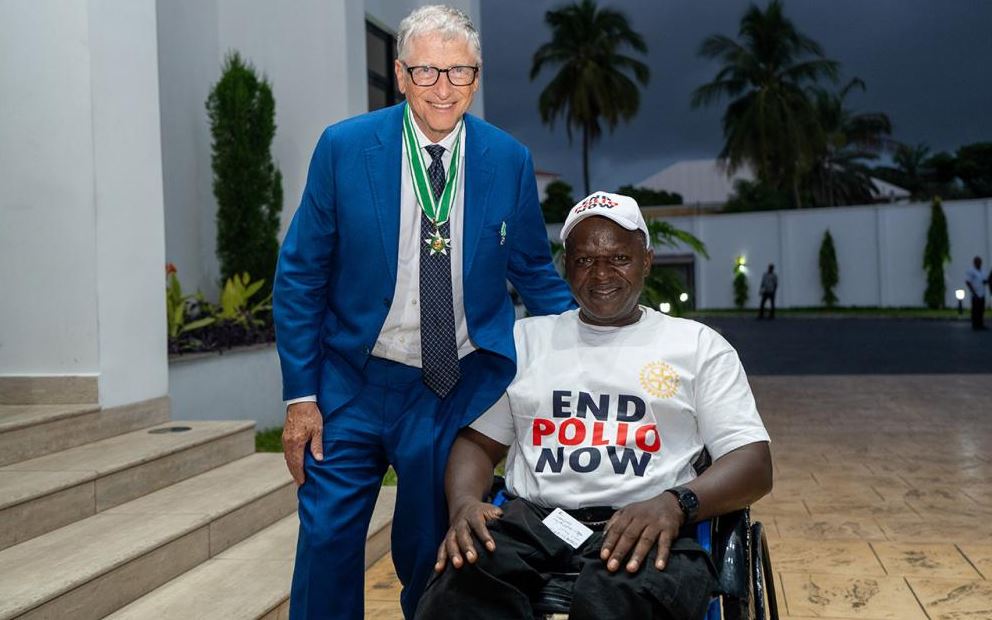
In June, Bill Gates dedicated an award he received from the Nigerian president to Chief Ayuba Gufwan. Paralyzed by polio at age 5, Gufwan serves as the executive secretary of Nigeria’s National Commission for Persons with Disabilities and CEO of Wheelchairs for Nigeria.
Courtesy of the Gates Foundation
To learn more about his decision, how he views the foundation’s legacy, and what lies ahead, the magazine posed some questions to Gates, who turns 70 this month. These are the responses he sent in their entirety.
As the Gates Foundation celebrates its 25th anniversary, what are you most proud of?
Over the past 25 years, we’ve witnessed and contributed to more progress than we ever thought possible.
I’m proud of the partnerships that have contributed to saving lives — not only the Global Polio Eradication Initiative but also the Global Fund to Fight AIDS, Tuberculosis and Malaria, and Gavi, the Vaccine Alliance. Thanks to these programs, the price of lifesaving health care innovations — vaccines, treatments, bed nets, and diagnostics — has dropped dramatically.
The impact is mind-blowing: Thus far, these collaborations have reached 1.1 billion children with lifesaving vaccines, helped cut global child mortality in half, and saved more than 80 million lives. Hundreds of millions of people have risen out of poverty and into better lives.
As you wind down your foundation over the next 20 years, where do you think your money will make the biggest impact? What headwinds do you anticipate?
In spite of all of the progress I’ve just described, we are seeing the toughest headwinds in the history of our foundation. Countries are slashing tens of billions of dollars in global development funding, and the consequences will be deadly. In fact, this will be the first year in the new millennium when the number of kids dying around the world goes up instead of down — an unthinkable tragedy.
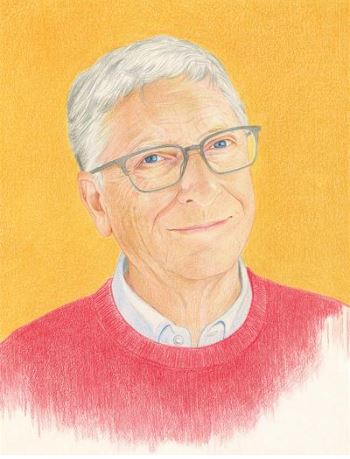
Illustration by Uli Knörzer
We need people who are committed to progress — like Rotarians — to stand against these deadly cuts and help us get back on a path to progress.
For our part, we will be accelerating our work over the next 20 years to solve urgent problems and save and improve more lives. We remain steadfastly focused on where we can have the most impact: 1) reducing child mortality, 2) eradicating or eliminating infectious diseases, and 3) lifting millions more people out of poverty and onto a path to prosperity.
We’re placing our bet on human ingenuity — on the scientists, health workers, educators, and farmers whose tireless work has already delivered some of the most dramatic gains in human history. They haven’t given up, and neither will we.
How do you ensure sustainability?
Our goal at the Gates Foundation has always been to solve problems, not manage them in perpetuity. That means helping communities build capacity to take on the challenges they face. That will be our priority for the next 20 years, and we hope it will be the priority for the next generation of catalytic philanthropists who will take up the challenges of their time.
New innovations will continue to give these communities better tools than ever before to invest in their own health and prosperity. So, despite the challenges we face, I’m optimistic. The past 25 years was one of the greatest periods of human progress in history, and I believe that we can make the next 20 years even more transformative.
Wild poliovirus case counts rose in 2024. What makes you optimistic polio eradication is still possible?
I am as confident as ever that the global polio program will end polio for good.
What keeps me optimistic, despite some challenges, are the innovation, frontline workers, and global commitment driving this effort forward. The next-generation polio vaccine, nOPV2, is helping to stop outbreaks, protecting children in under-immunized communities from paralysis. More than 1.6 billion doses have been administered as of July 2025 — that is an incredible number of children protected from this devastating disease. And we now have enough supply of this new vaccine to protect children wherever it emerges.
In the countries where wild polio remains endemic, Afghanistan and Pakistan, the program is working closely with local authorities to tackle obstacles, improving cross-border coordination and strengthening community trust to reach all children with vaccines.
Despite the recent uptick in cases, we shouldn’t lose sight of the broader progress, which really is remarkable: the Global Polio Eradication Initiative has eliminated wild poliovirus in almost every country in the world, reducing the number of polio cases by over 99 percent. With continued commitment and collaboration, including from Rotarians around the globe, I am confident we can finish the job.
How is the polio program pivoting given the current political and economic volatility? Is there any change to how your foundation is doing its work toward ending polio?
The polio program has a long history of adapting to stop polio in some of the world’s most complex settings — working closely with governments and communities to protect routine immunization progress and stay focused on eradication.
Take Pakistan as an example. Security forces sometimes provide support in conflict areas so that vaccinators can do their jobs safely. But in areas of the Khyber Pakhtunkhwa province where conflict has been on the rise, the presence of those security forces was actually keeping families from feeling safe enough to go get vaccinated. So local influencers stepped in to keep vaccinators safe without having to involve security forces at all. The approach has been working well, with a reported 80 percent of children being reached. It will be critical that the program independently monitor these areas so we can be confident in the results.
Today, amid competing health priorities and growing political and financial pressures, we know tough challenges lie ahead. Some major donors are reducing support for global health, but new donors are also coming in with contributions, which is so critical at this time. And we are continuing to adapt as we do best, staying laser-focused on what works and using financial and human resources where they will have the greatest impact to end polio for good.
What’s the biggest lesson you’ve learned in your time working on polio eradication?
Progress depends on relentless collaboration. Success is only possible when polio workers, government officials, partners, and donors — including Rotary — all work together to reach children with life-saving vaccines, even in the world’s hardest-to-access areas.
We observed the power of this kind of collaboration recently in Madagascar during an outbreak of variant poliovirus. The government came in with strong political leadership to halt the spread; community partners worked quickly to strengthen vaccination campaigns; and international partners like UNICEF and the World Health Organization surged support to bolster those efforts. Everyone worked to protect children with vaccines in some of the most distant and isolated regions of the country, and they succeeded in stopping the outbreak.
Ending polio for good will require more collaboration like this whenever and wherever the disease continues to emerge. Rotary members’ roles as global advocates and civic leaders are critical to ensure polio eradication remains a top global priority.
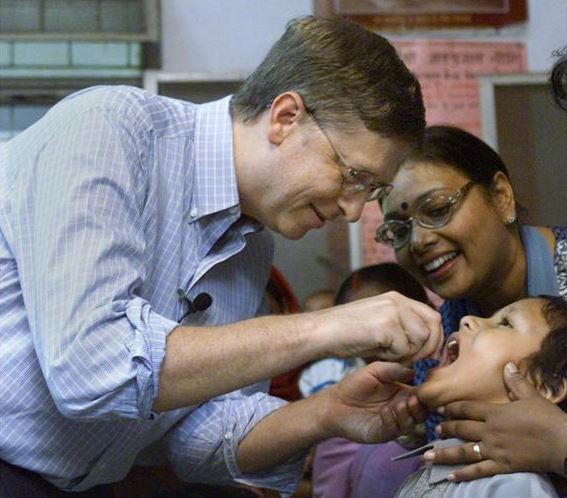
This September 2000 photo captures Gates giving the polio vaccine to a child in India, an illustration of his long-standing commitment to ending the disease.


.png)