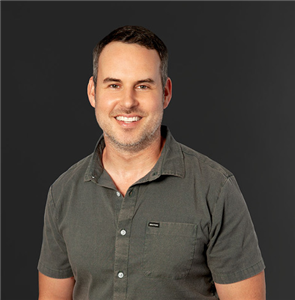
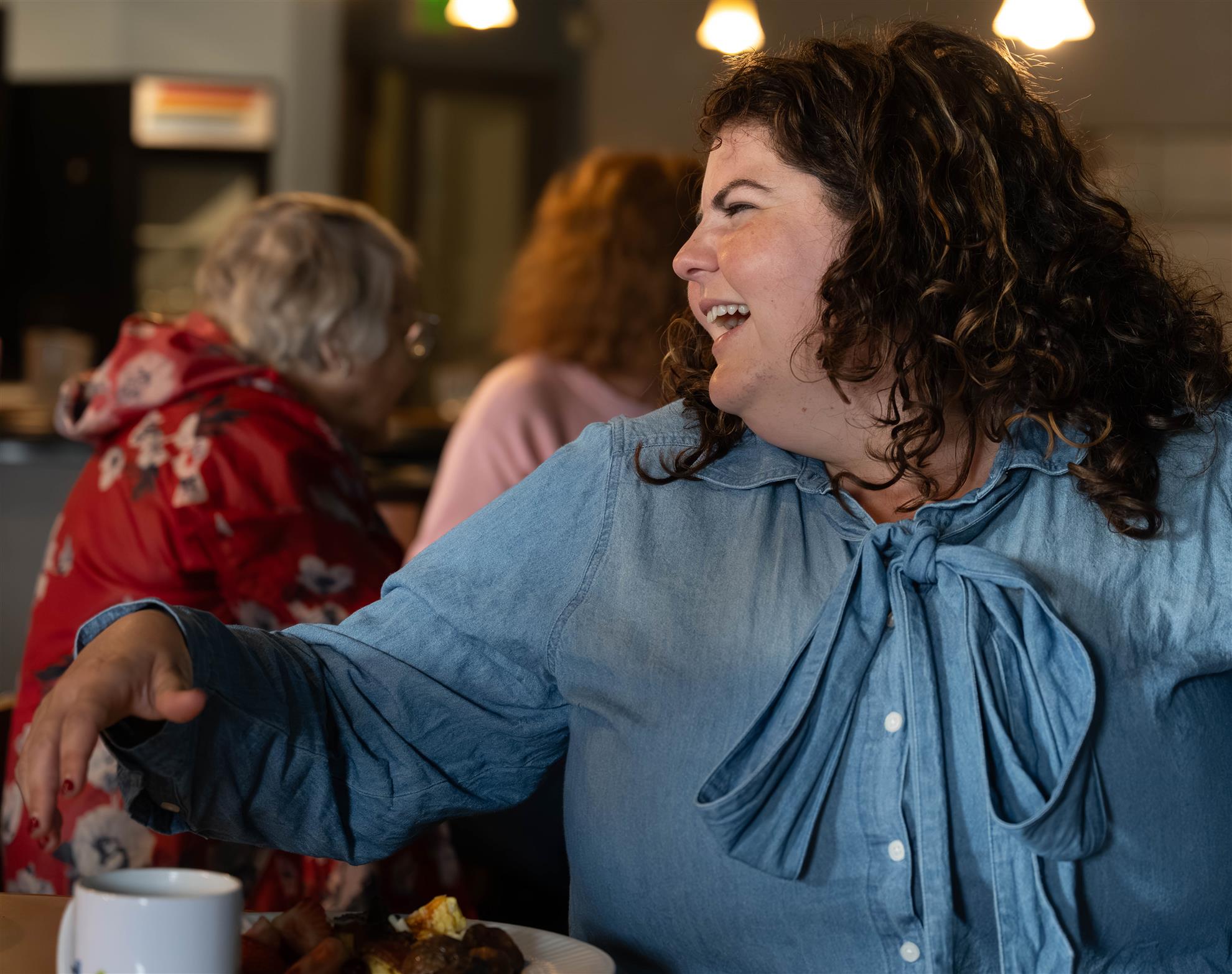
Martin Reed is a Sonoma County-based real estate agent and the Executive Director of the Sonoma County Tool Library, a nonprofit that lends tools free of charge to county residents. A longtime Sebastopol resident, Martin came to lead the Tool Library after becoming a devoted patron, borrowing a $2,000 demolition hammer to break up concrete in his backyard and never looking back. He recently led the library's move to a new home at 427 Mendocino Ave in Santa Rosa, along with a name change and expanded mission to serve the whole county. When he's not helping clients buy and sell homes or keeping the tool library running, you'll find him tending his backyard food forest with his partner Tania, raising chickens, and exploring Sonoma County with their dog Gia.
Mary Fricker, part 2 of "The Roaring 2020's: We Can Fix our Future"
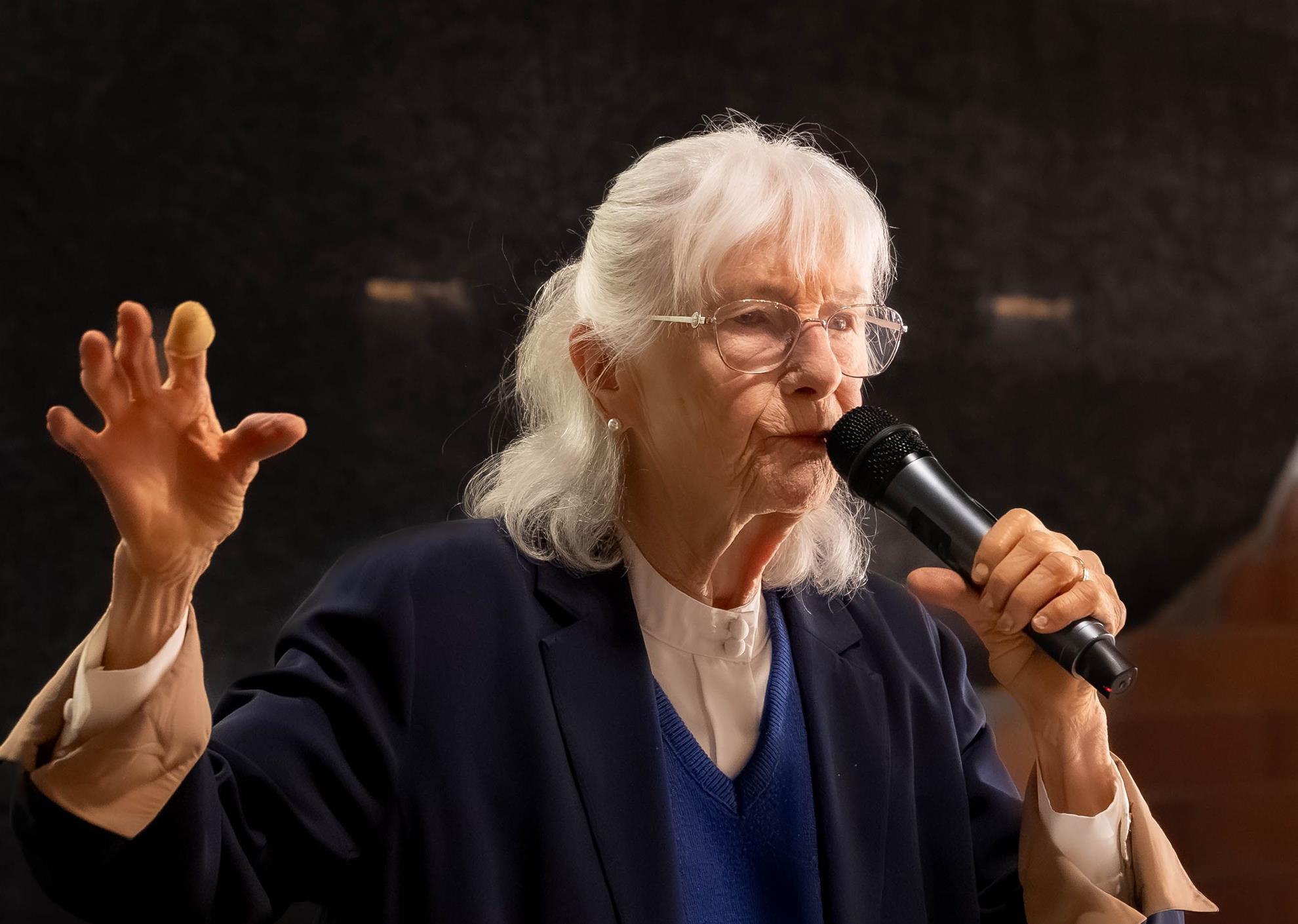
Our speaker for Thursday, May 28, 2026 was Mary Fricker, who gave part 2 of her presentation, “The Roaring 2020s: We can Fix Our Future.” Mary is an independent publisher and writer who has won many journalistic awards, including the 2012 Best in Business Award for digital blogs. She is also the co-author of the bestselling “Inside Job-The Looting of America’ Savings and Loans.” Today’s presentation focused on Mary’s 9 suggestions for how to fix our financial problems. Mary believes that the deregulation of finance starting in the 1980’s created a financial world of Shadow Bank that most people don’t see. The rich get richer while the rest of the country is stuck with an unstable economy.
Mary believes that we must unwind “financialization.” She suggests 9 non-partisan steps to fix the economy. 1st, fix banking and investing by bringing back the Glass-Steagall Act (which was repealed in 1999), that is, go back to regulating banks and other financial institutions and limit certain financial transactions to federally regulated institutions. 2nd, let only banks or credit unions take deposits, and all deposits must be insured by the FDIC or the NCUA (the credit union equivalent). This may be the most important fix we can make to protect Americans from a financial panic. Many popular investments, such as money market funds, are made with Shadow Banks. The problem is that depositors can demand their deposits whenever they want, even though the bank may have loaned that money to someone else. This can cause catastrophic financial panic and a run on the bank. Regulated banks can withstand runs caused by such panics but Shadow Banks are more susceptible to failure when these runs occur due to the riskier nature of their investments and the lack of federal insurance.
Four of Mary’s 9 fixes relate to taxes. The “trickle-down” theory does not work. The rich do not carry their share of the nation’s financial burden. Although income taxes are progressive and the rich are theoretically subject to higher tax rates, in reality the rich rely on income that isn’t taxed in the same way that wages are taxed, so they avoid their full share of the tax burden. To level the field, Mary’s 3rd suggestion is to fix income taxes. All income above the standard deduction, including salaries, self-employment income, carried interest, dividends, capital gains, foreign income, stock options, and tax-free bonds, should be taxed at the same rate. The 4th suggestion is to fix payroll taxes. This year’s Social Security and Medicare withholding cap is $184,500 and once a taxpayer has exceeded that cap, the taxpayer does not contribute further to Social Security or Medicare. Mary’s suggestion would require taxpayers to make Social Security and Medicare contributions on all of their income. This would result in a much stronger Social Security system. The 5th suggestion is to fix business taxes. Businesses now have too many deductions. She proposes to allow all such deductions, but first all businesses must pay a minimum 15% tax on all income. Mary’s 6th suggestion is to fix the IRS and require that it spend 50% of its efforts auditing the wealthiest 10% of taxpayers.
Mary’s 7th, 8th, and 9th ideas, respectively, are to limit a corporation’s right to buy back its own stock, place a nationwide cap on annual credit card interest at 10%, and fix the bankruptcy code (by repealing 2005 legislation) to make it easier to file for bankruptcy.
Thank you, Mary, for the many thoughtful ideas about the reasons for our country’s inequitable and unstable financial system and about how to fix that system.
On a regular basis, our resident photo pro Warren Smith, submits pictures of what is going on at the weekly meetings. You can always find the most recent pictures at the websites photo journal called "Meeting Sighting" Please note that all the meeting photos for the entire Rotary year are at this location with the most recent on the last page.
Thanks for all the great pictures Warren!Link to Meeting Sightings. The most recent are on the last page!
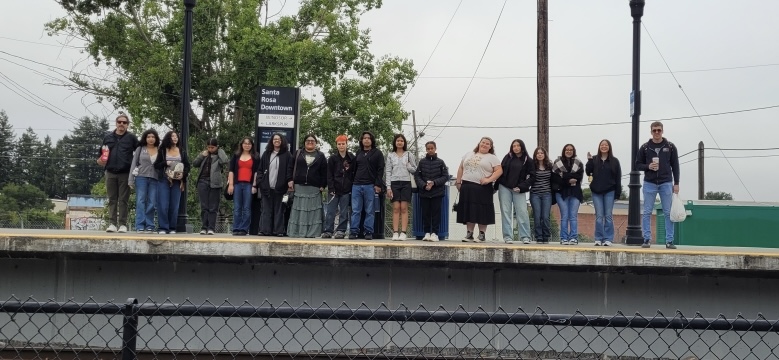
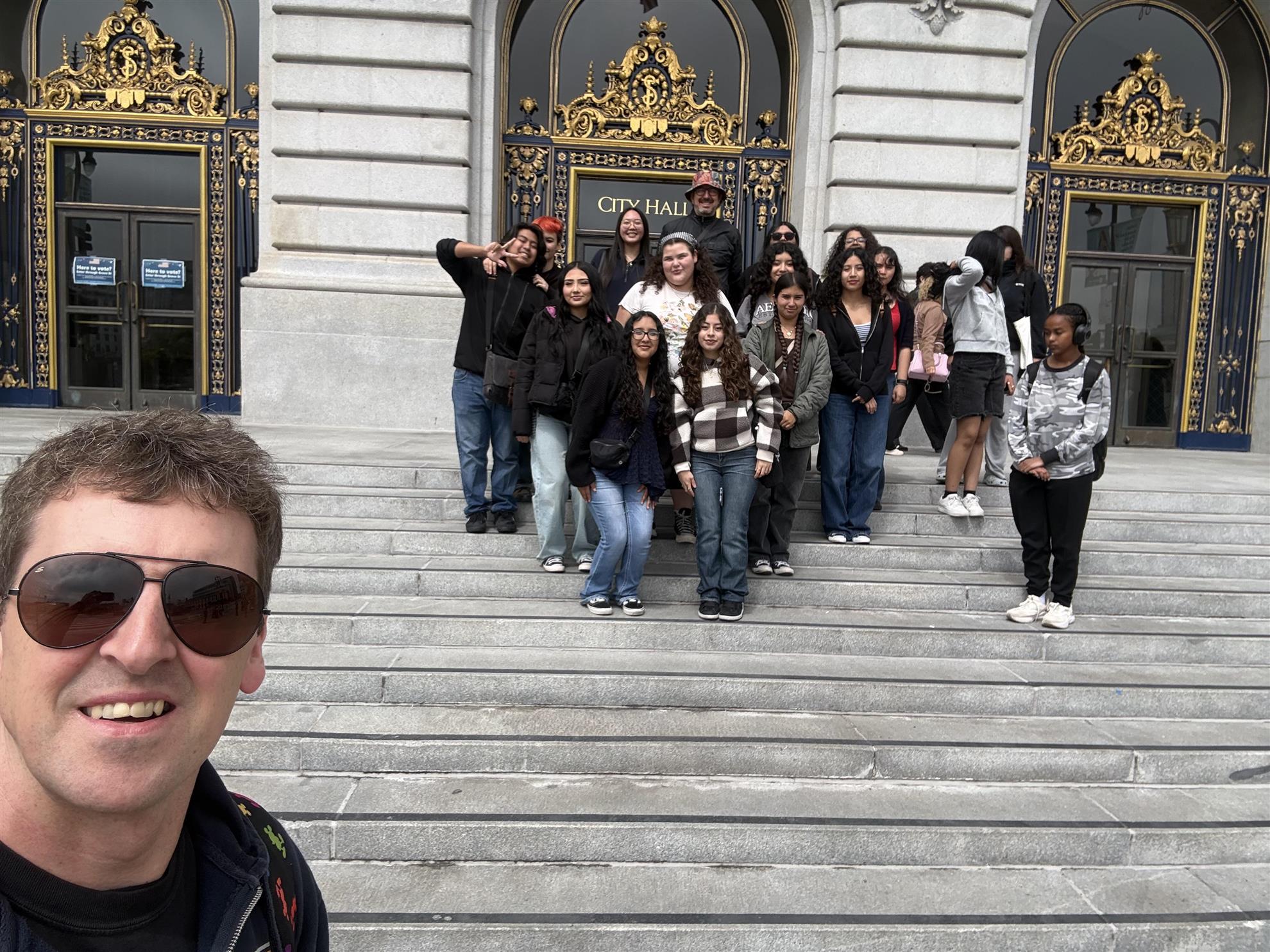
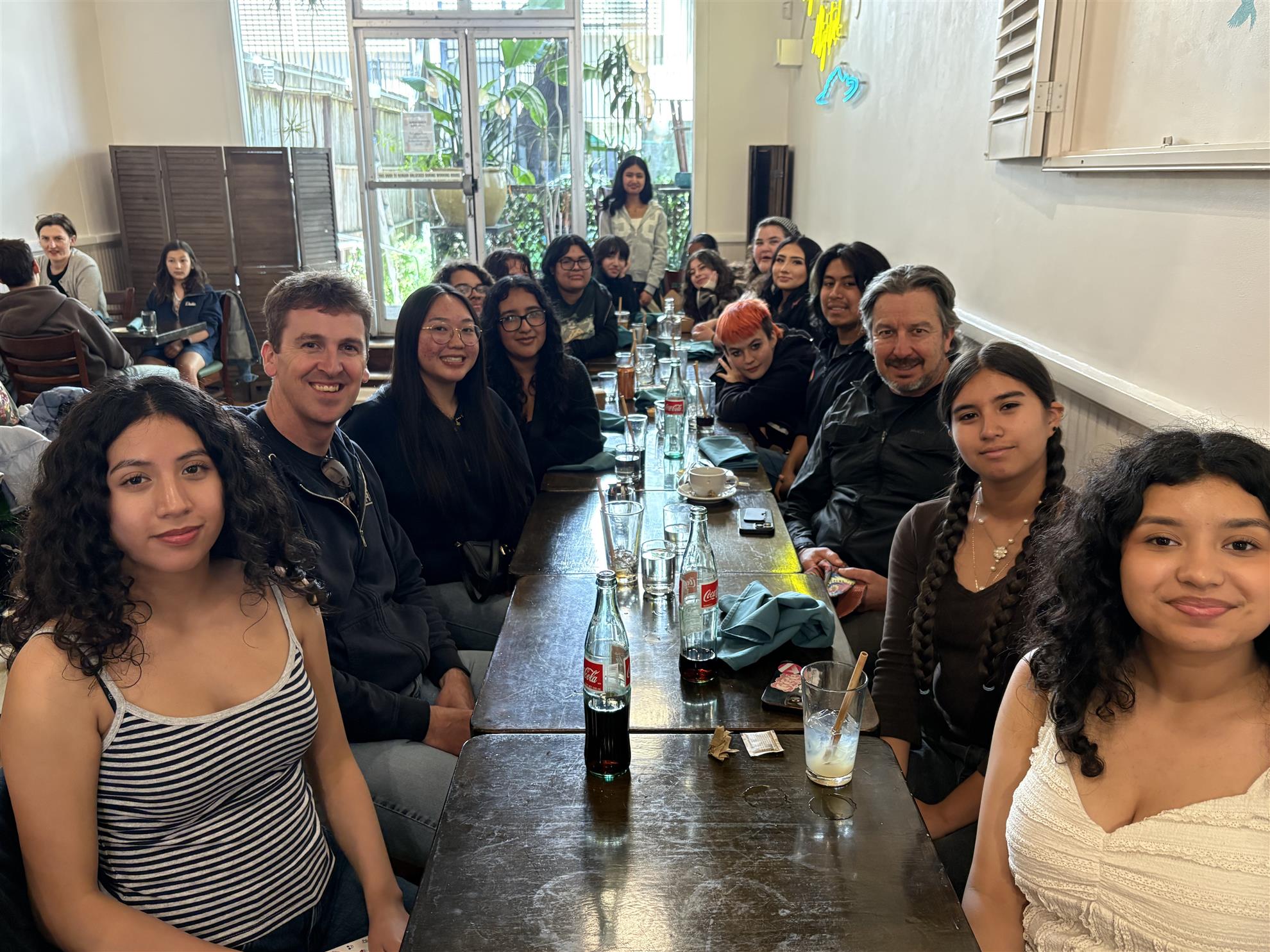
We had the Interact Club end of year event on Saturday. Elsie Allen staff advisor Rich Molloy and myself chaperoned 16 students for an exciting day in SF. Merle Hayes provided much needed snacks early in the morning to prepare us for the day.
We had the Interact Club end of year event on Saturday. Elsie Allen staff advisor Rich Molloy and myself chaperoned 16 students for an exciting day in SF. Merle Hayes provided much needed snacks early in the morning to prepare us for the day. We rode the SMART Train to Larkspur, took the Ferry to SF, and rode the “SF Big Bus” sightseeing bus throughout the City, with stops along the way at City Hall, Golden Gate Bridge, and Fisherman’s Wharf area. Students who had met the minimum service hours requirement for the year were eligible for the trip. Attached are a few photos from the day.
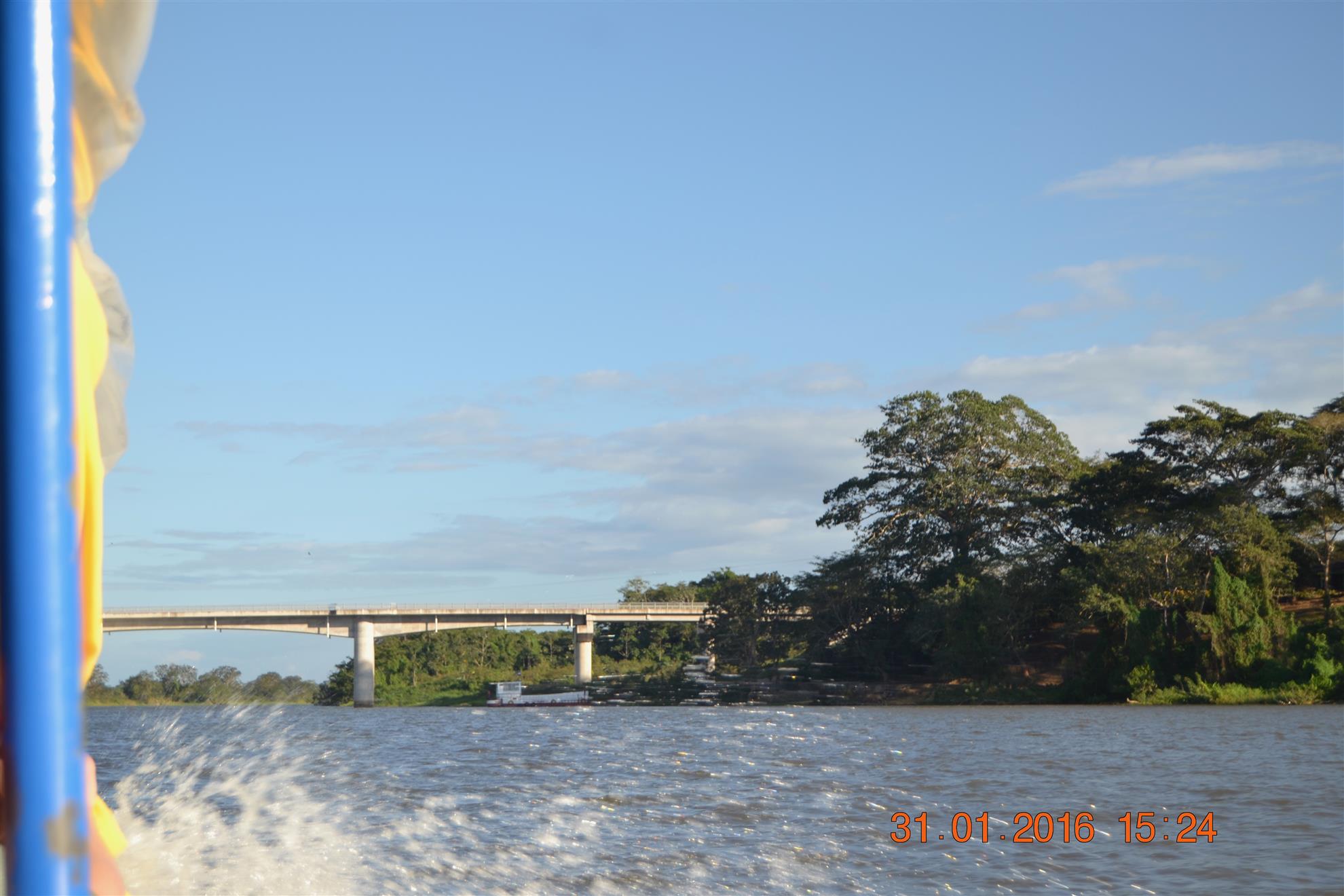
Spanning the Rio, San Juan between Nicaragua and Costa Rica this bridge a joint project between Japan and Nicaragua greets the sunrise service cohort in 2014. The brick the bridge represents the collaborative work between Sunrise Rotary and Nicaraguan partners to provide vital healthcare resources to the remote area near Sabalos.
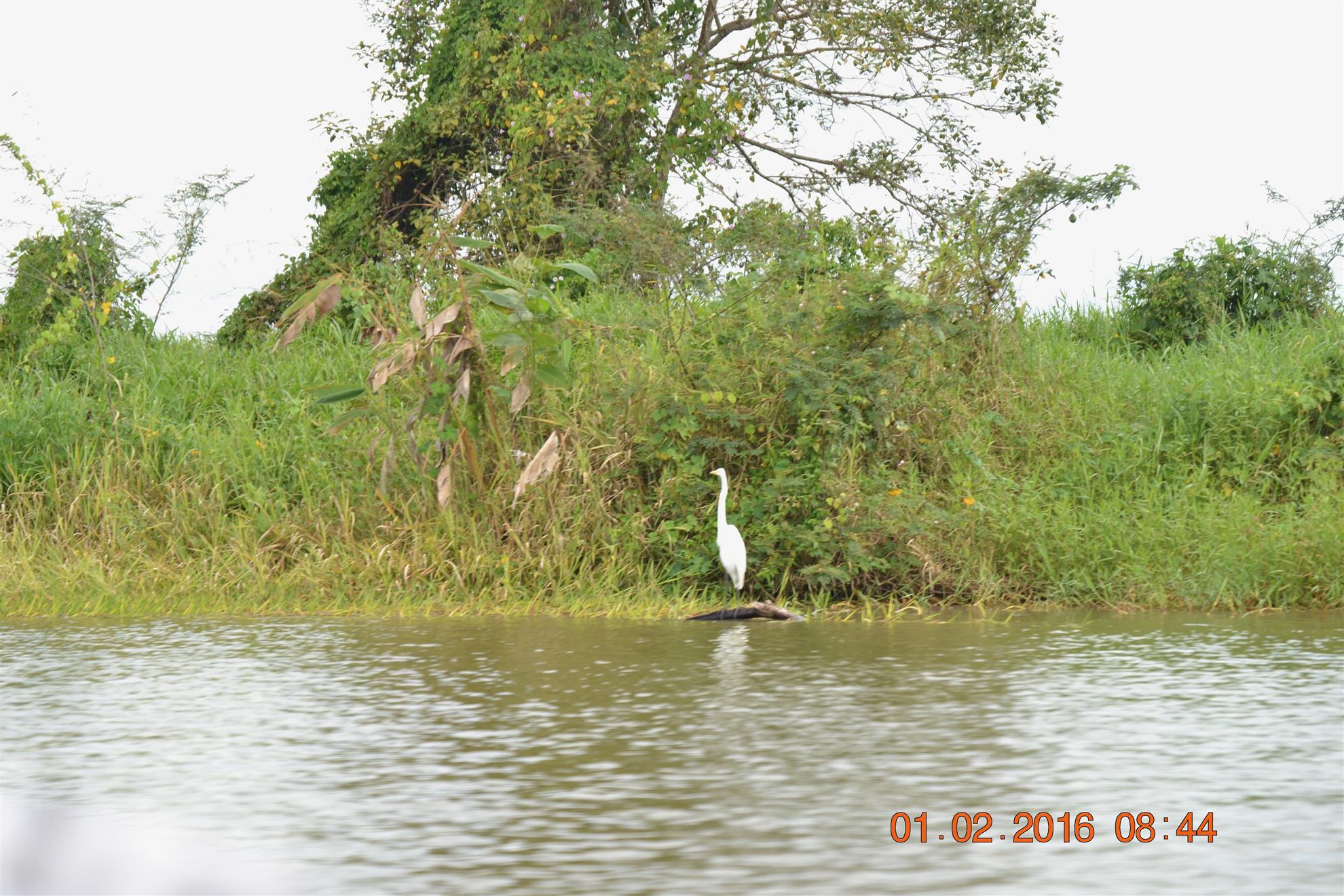
Incredible scenery such as this Great Herron reminds us of the undisturbed natural world surrounding undeveloped resources and unmet needs for basic health and medical services.
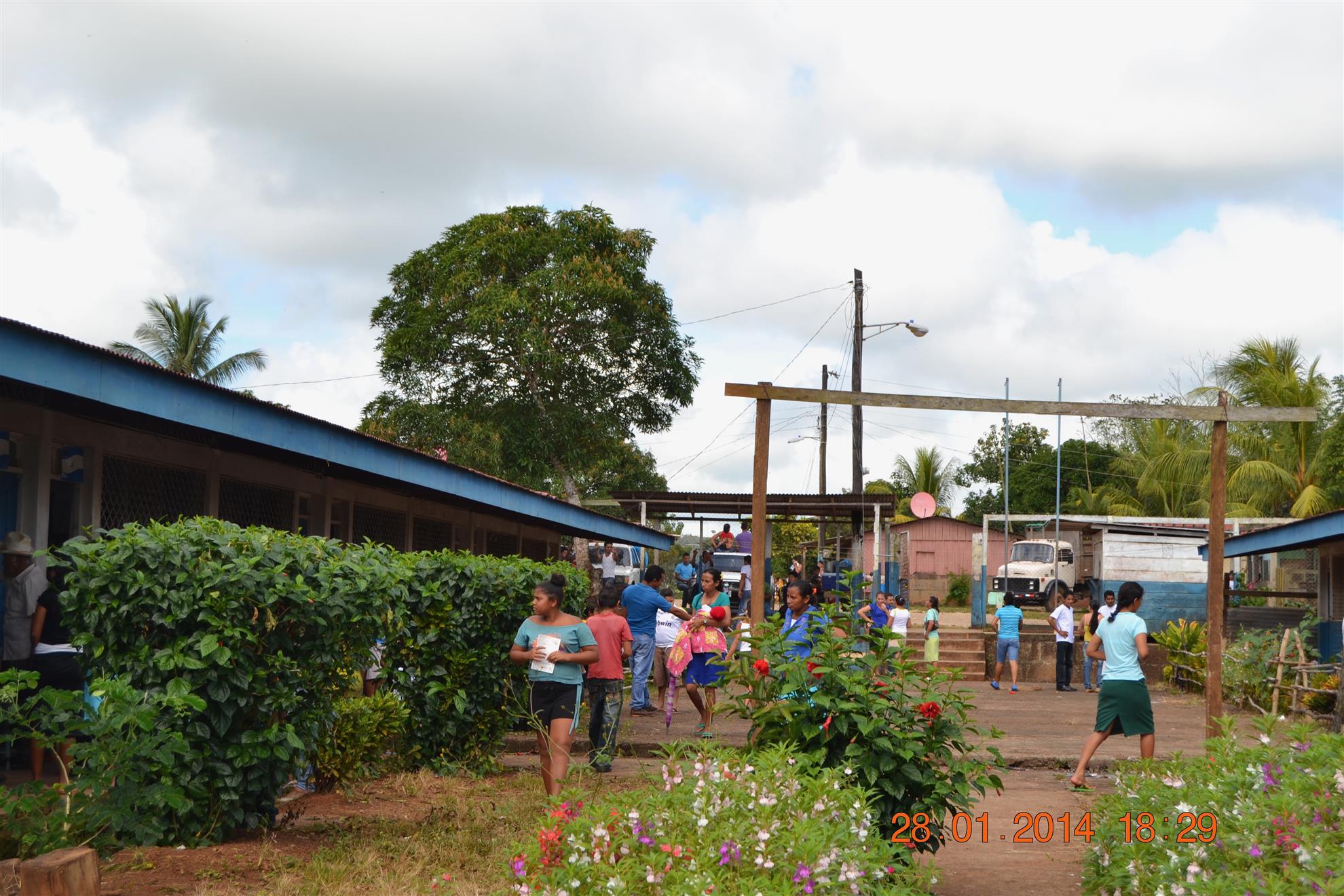
At this school site in Esperanza in 2014 Residents from miles away come to await Dental and Vision services provided by Rotarian volunteers and Nicaraguan professionals. It was on such a trip that our club befriended Dentist, Xavier Fonseca and his wife Ana Lucia Palacios.
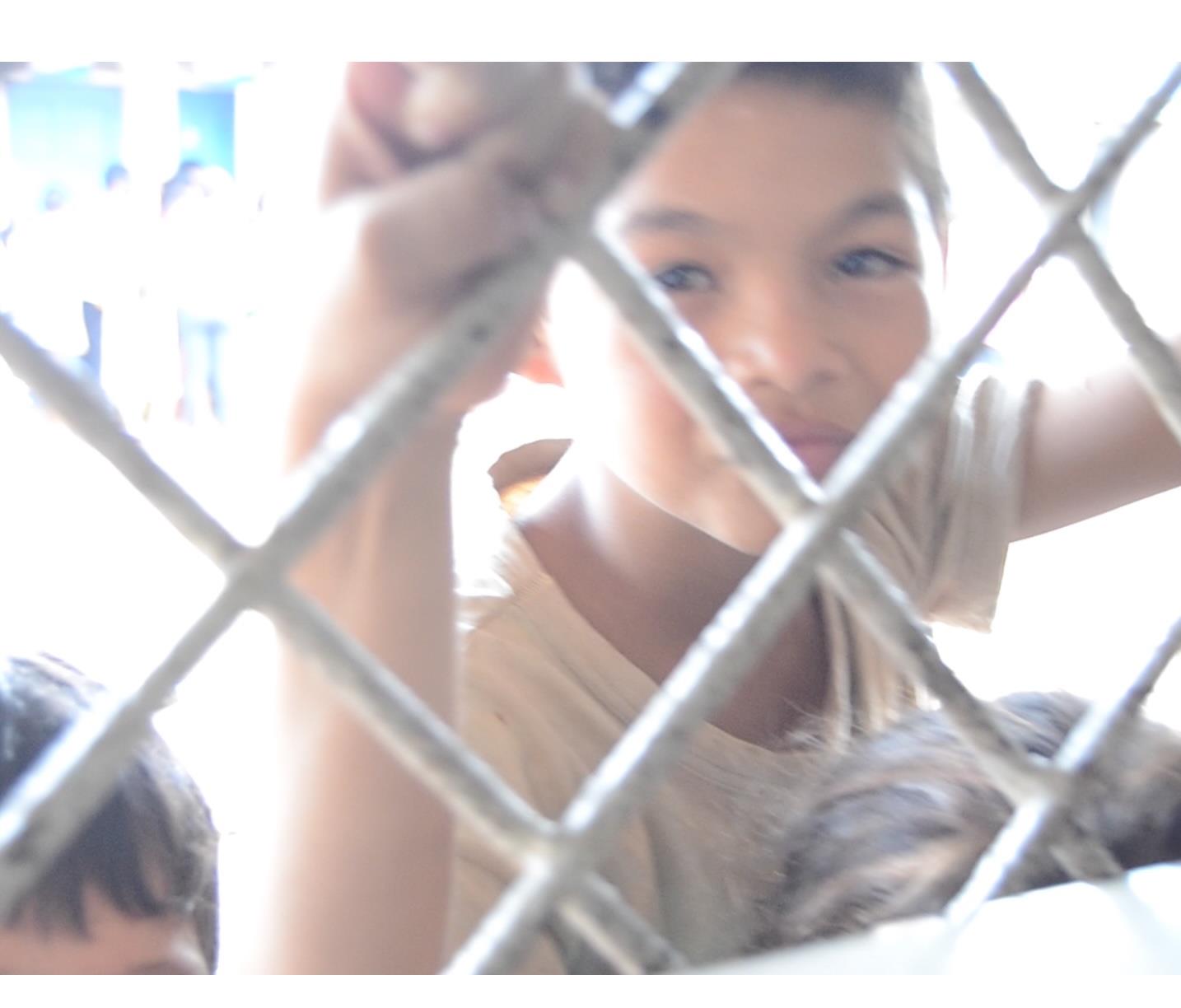
Peering through the metallic windows in this school is Alejandro, a young boy with his parrot, observing the vision clinic volunteers fitting eyeglasses to typically 300 people per day. Due to the tropical climate, windows and enclosure were not part of architecture and construction.
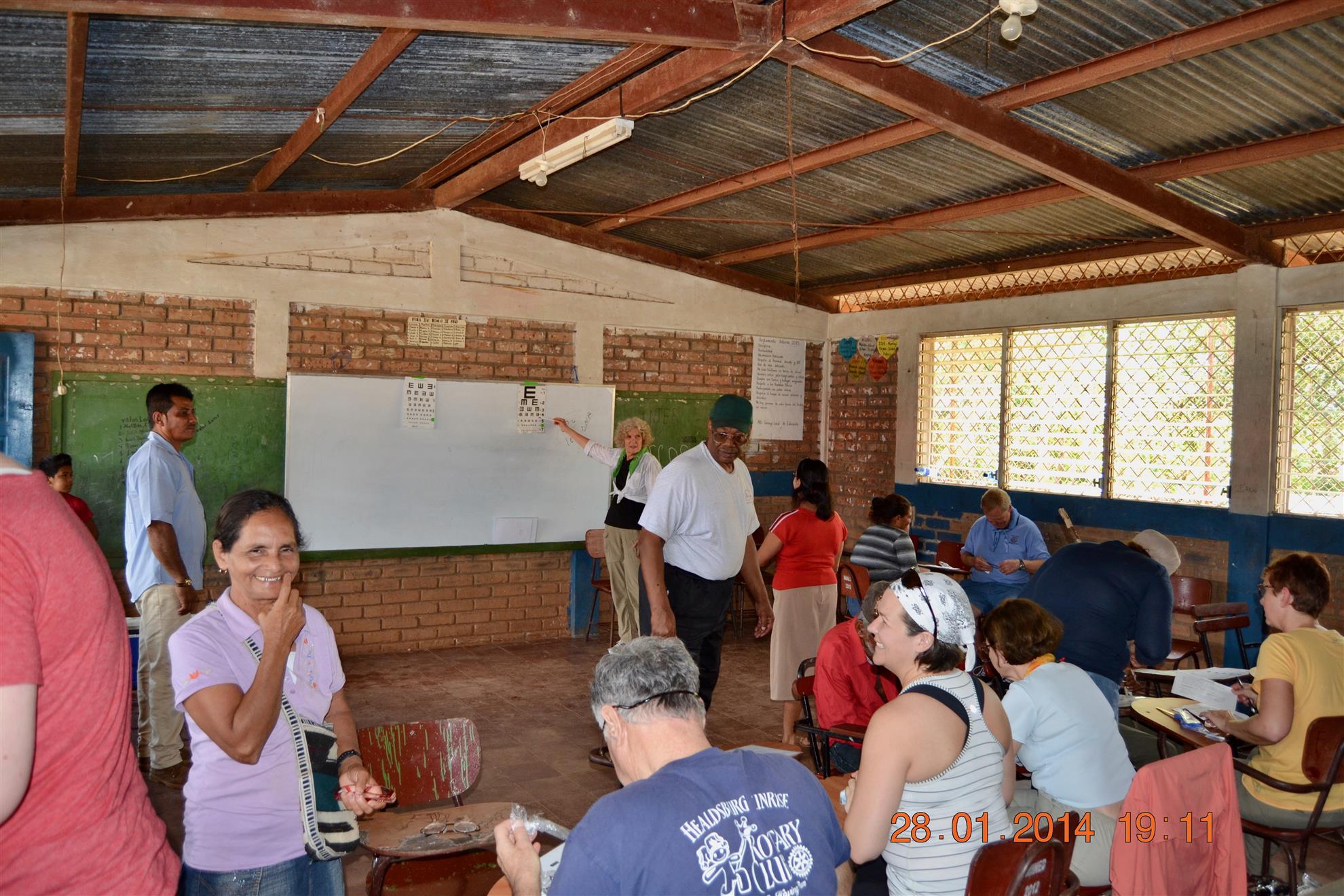
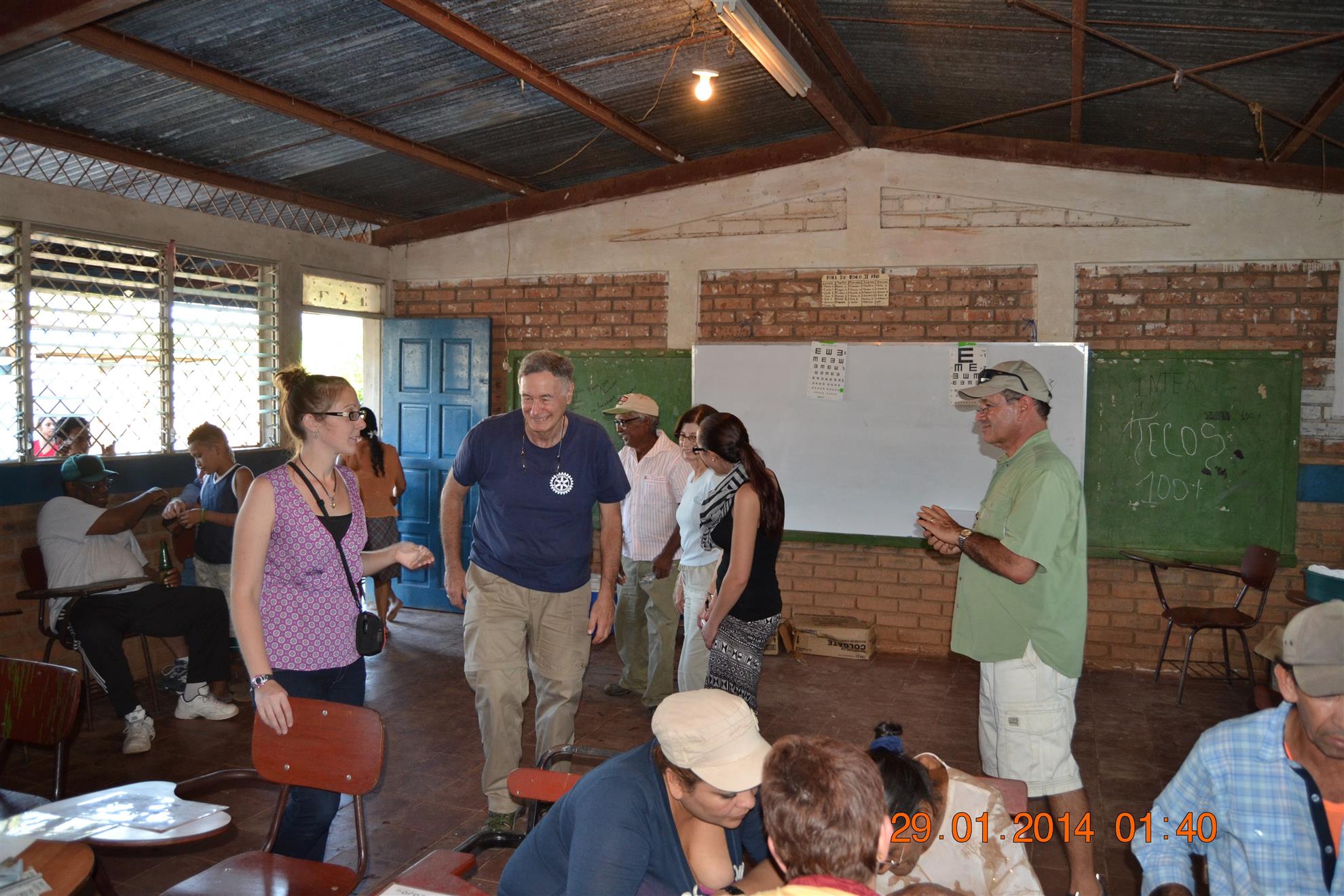
Below to the right, in white shorts, Sunrise coordinator a.k.a. El Jefe John Jones checks on operations in the Vision clinic. To the left is Eloise Tweeten's daughter Kirsten, who helped improve participants' vision with the correct fitting lenses.
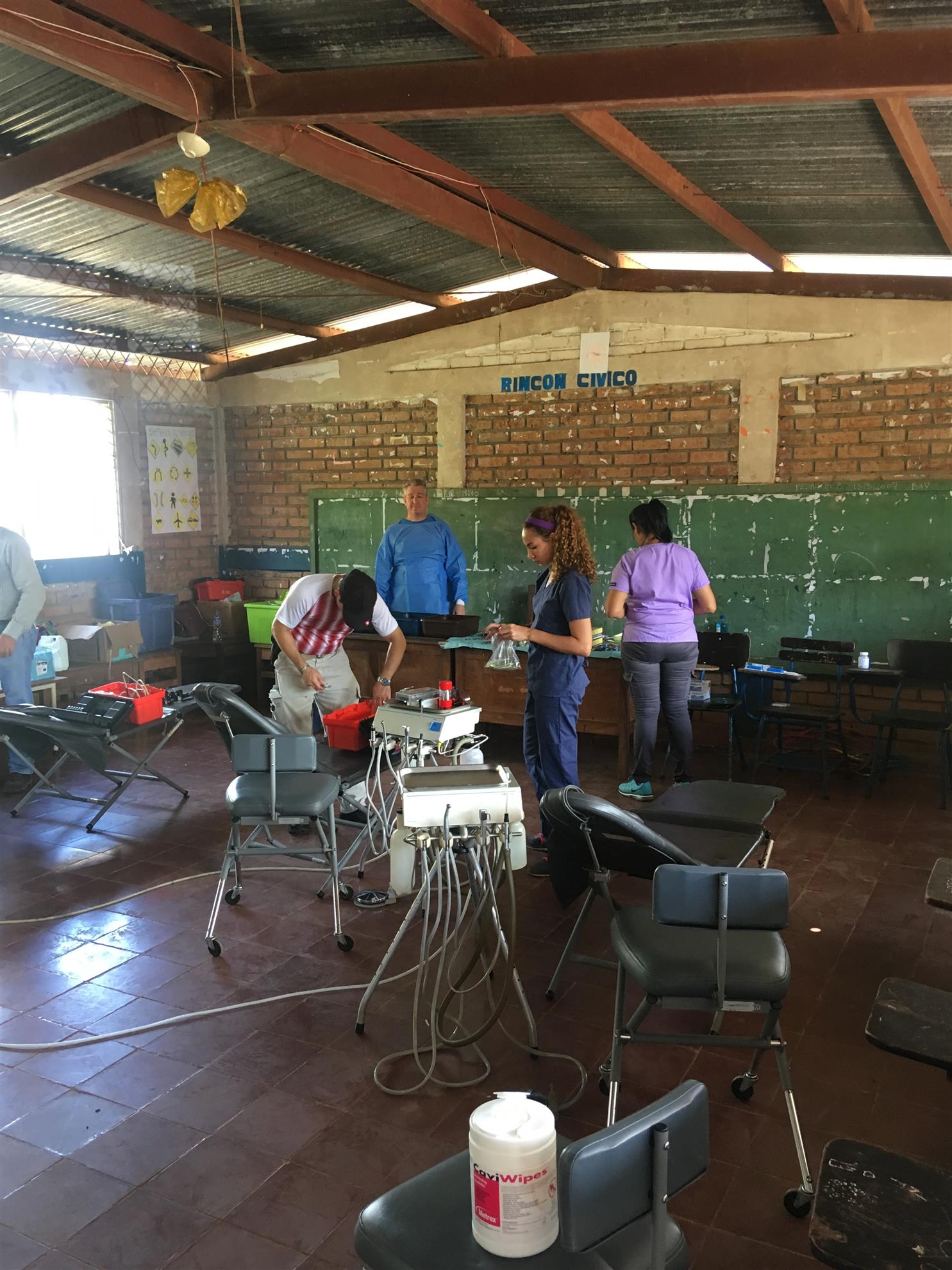
Missions to Nicaragua included both vision and dental clinics. Sunriser Ezbon Jen coordinated equipment from Santa Rosa Junior College. Dentists from both Santa Rosa and Nicaragua performed critical oral surgery while volunteers sterilized equipment. Ask Steve Amend about his skin color changes!
Project tours frequently have included family members. Eloise Tweeten's daughter, Steve Zwick's granddaughter and Rich Randolph's son and more recently his daughter have participated.
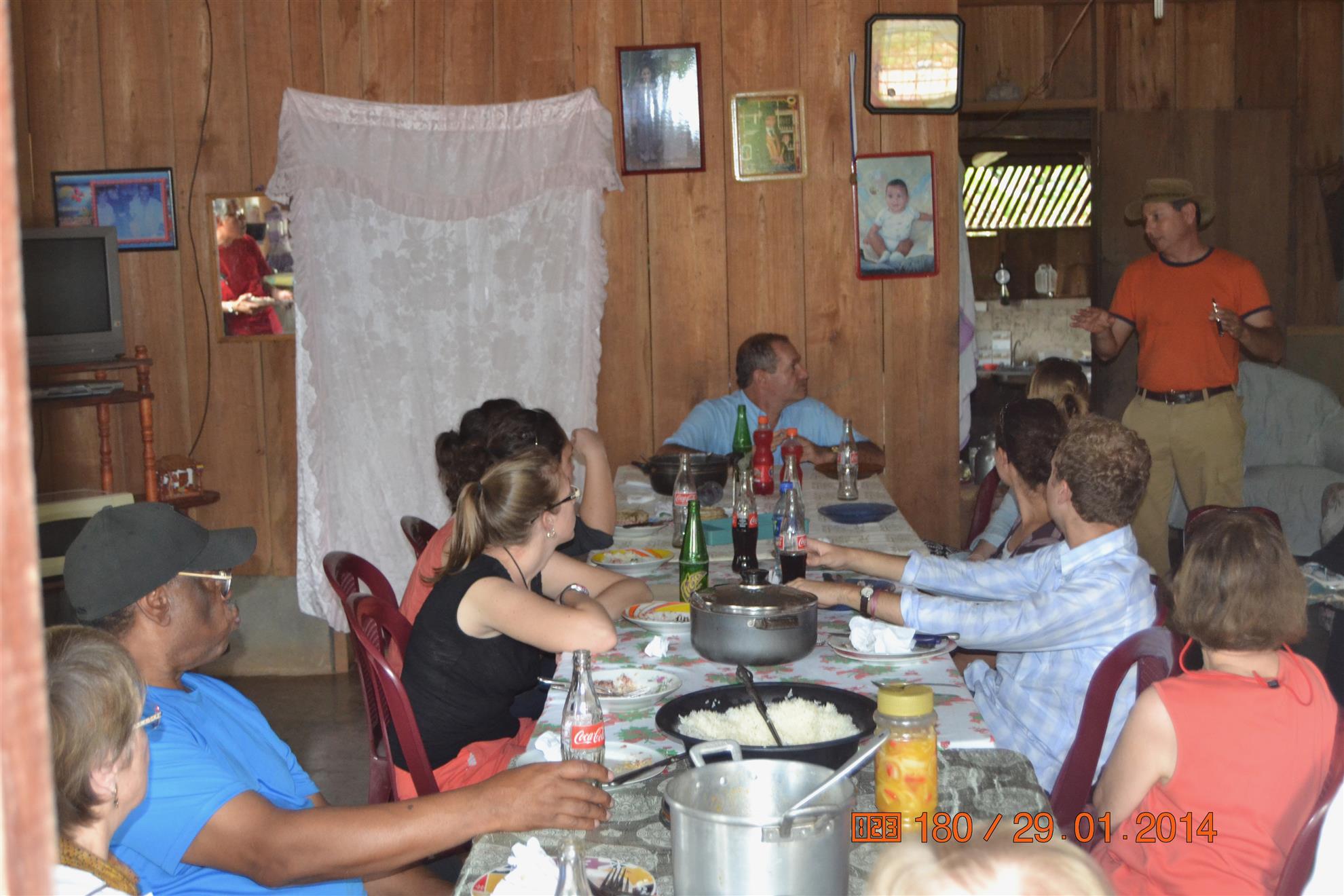
After a long day on your feet, the gracious hospitality of people served came through abundantly. Homes were opened and savory meals served. Sometimes food was catered, however eating with those served bridged a growing sea of gratitude around both parties.
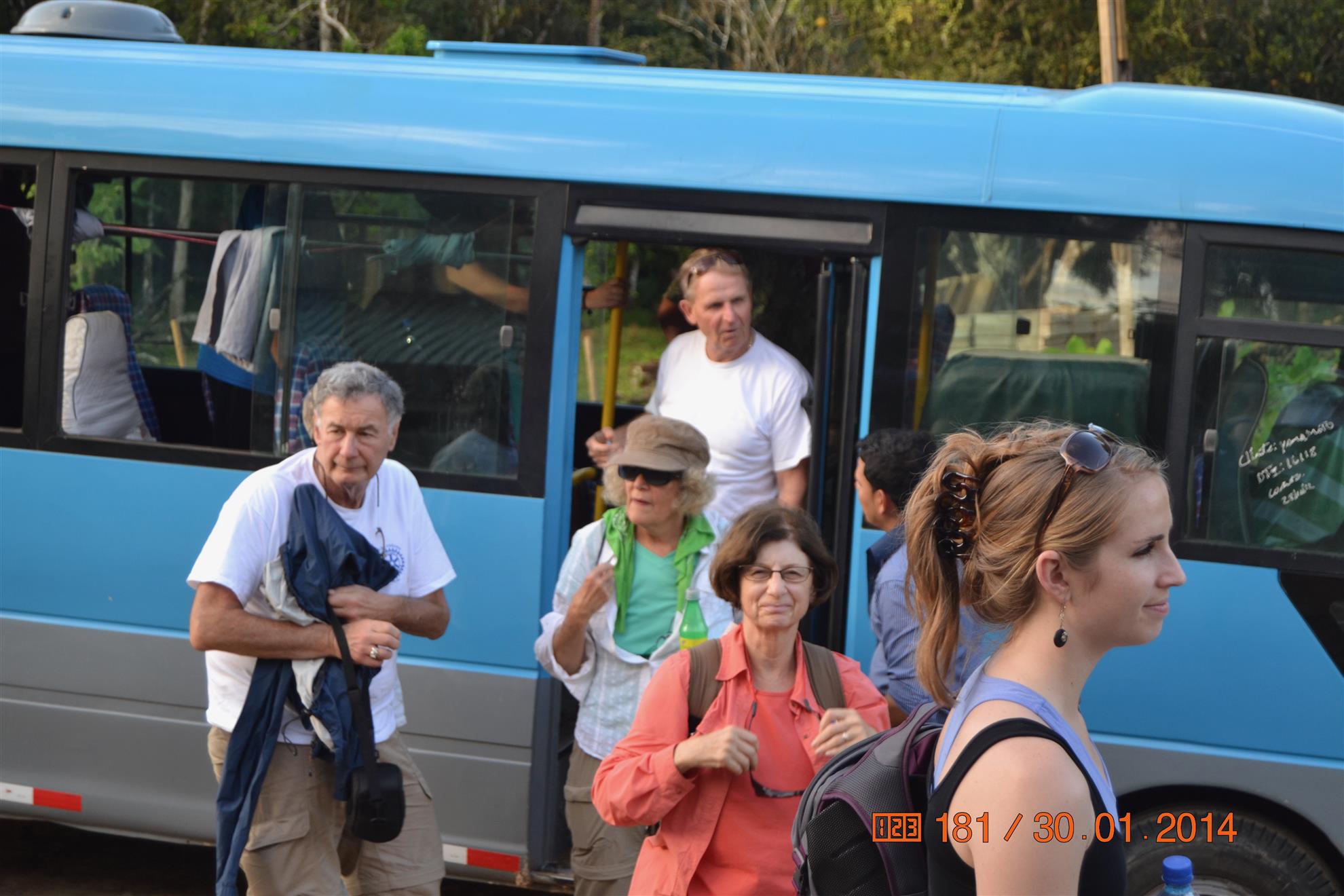
Togetherness on a crowded bus on a bumpy rutted road all contribute toward uniting a willingness and desire to serve: Making this world a better place.
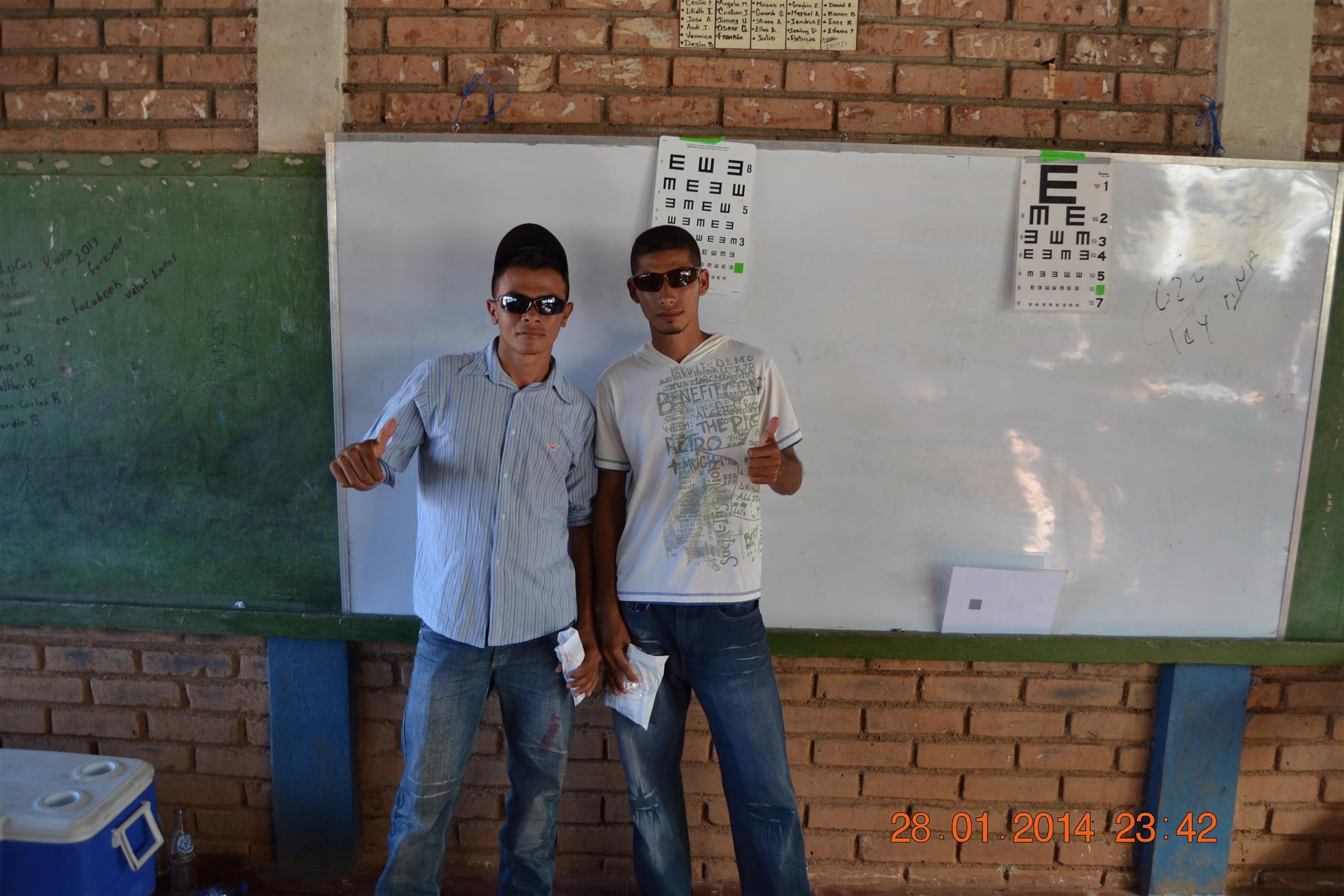
These two recipients of sight-saving sunglasses will second that, and hopefully continue to build Bridges of better friendship and understanding!
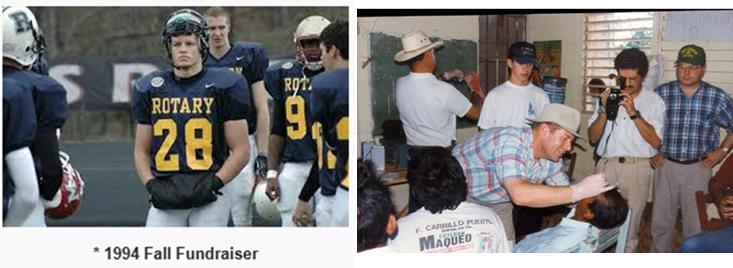
Whether in Nicaragua, El Salvador, Vietnam, Mexico, or even Sonoma County, Rotary International is a great travel adventure to add new stamps in your personal impact passport. In two weeks on June 11, John Jones, Sunrise's International Service director and our Club's recent cohort to El Salvador will provide an update on their most recent mission.
Rotary to scale proven water and sanitation initiative in Haiti
Program aims to improve living conditions and reduce waterborne disease by 25% in three local government areas in Haiti by 2030
PORT-AU-PRINCE, Haiti (May 18, 2026) — As conflict, recurring natural disasters, climate change, and geographic disparities continue to disrupt access to clean water and sanitation services across Haiti, millions of people remain highly vulnerable to waterborne and hygiene-related illnesses.
Rotary is expanding a collaborative national model, the Haiti National Water, Sanitation and Hygiene Initiative (HANWASH), that has proven success working with 11 water service providers to maintain infrastructure and sustain paid access to clean water and sanitation.
The scaled-up effort, Collaboration for Sustainable Water and Sanitation Systems in Haiti — led by Rotary clubs in Haiti and the Caribbean in partnership with nonprofits and government bodies including Haiti Outreach and Direction Nationale de l’Eau Potable et de l’Assainissement (DINEPA) — aims to improve access to clean and safe water, sanitation, and hygiene while strengthening demand, governance, and sustainable use for approximately 70,000 people in Cavaillon, Ferrier, and Pignon by 2030.
The program will strengthen community capacity to develop, maintain, and expand pay-for-service clean water and sanitation services by:
working with women and other local leaders in 40 urban and rural communities to build demand for high-quality water services and promote the benefits of fee-based clean water access and healthy hygiene practices, including handwashing and avoiding open defecation;
coordinating the construction and restoration of clean water systems while training local operators and community leaders to strengthen governance and ensure sustainable management and monitoring of water services; and
driving accountability and community buy-in as water service providers in the selected communities will contribute 10% of their revenue to regional and national water regulatory bodies to further expand clean water and sanitation services.
“In a fragile setting like Haiti, clean water and sanitation is one of the biggest challenges the country faces, and Rotary aims to address it head on. By partnering with local leaders, other nonprofits, and government agencies, Rotary members are helping to facilitate access to clean water and best sanitation practices for all, reducing waterborne and sanitation-related diseases for the most vulnerable, including children under five, and creating healthier communities for generations to come,” said Marlène Gay, a HANWASH Board and Collaboration for Sustainable Water and Sanitation Systems in Haiti Transition Team Member and member of the Rotary Club of Petion-Ville.
Collaboration for Sustainable Water and Sanitation Systems in Haiti is Rotary’s sixth Programs of Scale recipient — an annual competitive grant process that awards funding to an evidence-based program that aligns with one of Rotary’s causes and has the capability for scaling-up to help more people. The programs are sponsored by Rotary members in collaboration with local communities and partner organizations.
“Rotary members across the Caribbean and Haiti are working side by side with local partners to deliver lasting solutions that protect health and strengthen communities,” said Rotary International President Francesco Arezzo. “By supporting Collaboration for Sustainable Water and Sanitation Systems in Haiti, Rotary will be able to help more people gain access to safe water and sanitation—one of the most basic human needs—and lay the groundwork for a healthier, more resilient Haiti.”
Rotary members throughout the world develop and implement sustainable, community-driven projects that fight disease, promote peace, provide clean water, support education, help mothers and children, grow local economies and protect the environment. Over the last 100 years, US $5.5 billion has been awarded through The Rotary Foundation – Rotary’s charitable arm that helps clubs work together to perform meaningful, impactful service.
Rotary and Partner Quotes
Holger Knaack, Chair of The Rotary Foundation Trustees said, “Through Collaboration for Sustainable Water and Sanitation Systems in Haiti, Rotary is doing more than delivering clean water—we’re helping communities build long term health and resilience. By strengthening local capacity to manage and sustain water systems, this effort will help more children stay in school, improve public health, support livelihoods, and create lasting opportunities for Haiti’s future.”
Neil Van Dine, Haiti Outreach Co-founder and Director and a member of the Rotary E-Club of WASH said, “Since 1997, Haiti Outreach has helped lead the development of a community-led model for safe water access in rural Haiti built on durable infrastructure, local leadership, and long-term management. This approach has reached more than 300,000 people across 550 communities and helped shape WASH practice nationally. We are proud to partner through Rotary to help scale this Haitian-led model across the country.”
Edwige Petit, Direction Nationale de l’Eau Potable et de l’Assainissement (DINEPA) Director of Sanitation said, “Rotary, through its HANWASH program, supports the Haitian government’s efforts to achieve the goals of access to clean, safe drinking water for all as well as ending open defecation in rural and peri urban communities. As the regulatory body for the sector within the Haitian government, Direction Nationale de l’Eau Potable et de l’Assainissement (DINEPA) is amenable to continuing this collaboration and extending clean water access to every Haitian.”
About Rotary: Rotary brings together a global network of volunteer leaders dedicated to tackling the world’s most pressing humanitarian challenges and creating lasting change. Rotary connects 1.2 million people of action from more than 45,000 Rotary clubs in almost every country in the world. Their service improves lives both locally and internationally, from helping those in need in their own communities to working toward a polio-free world. For more information, visit rotary.org.



.png)






 Jenner Headlands