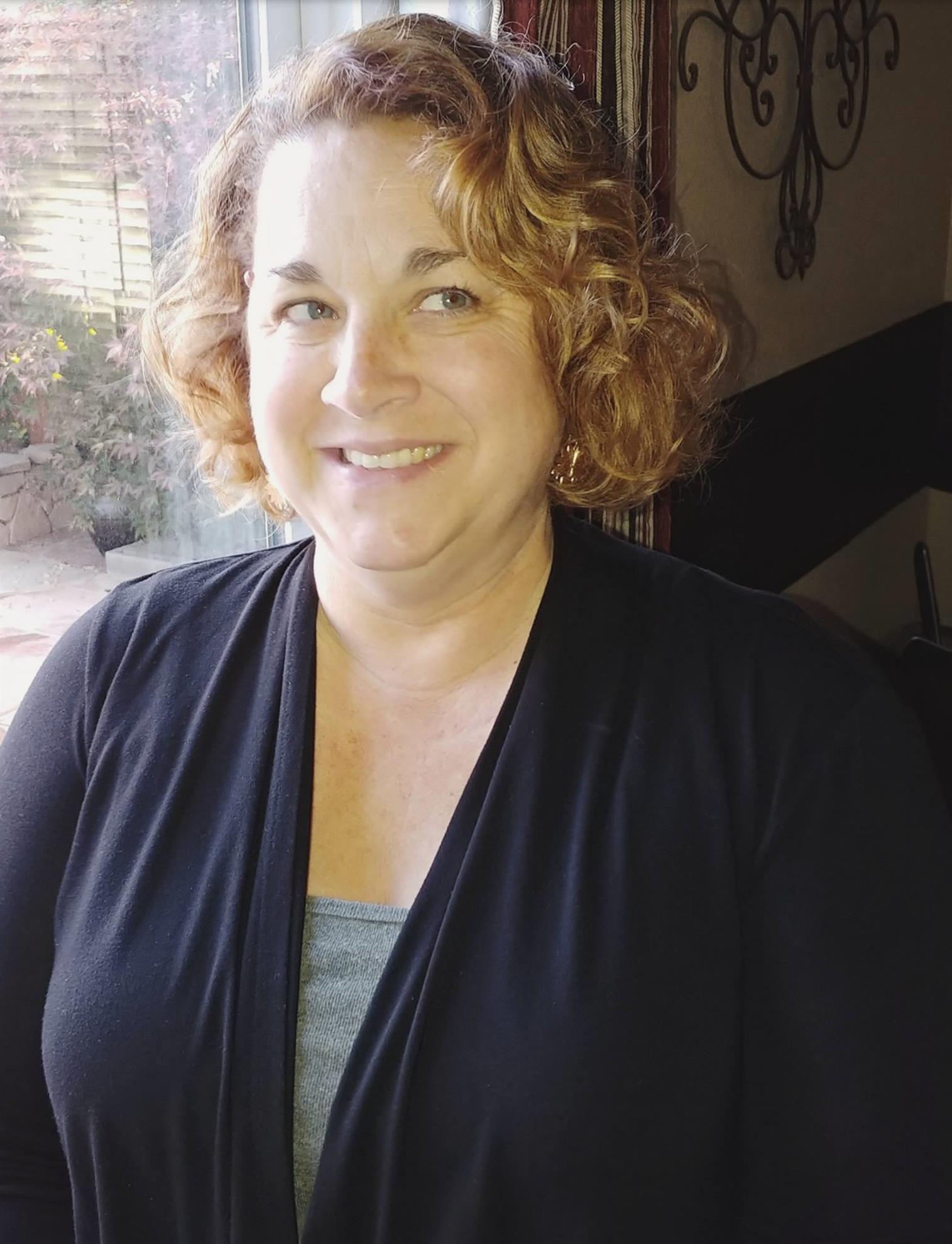
Jacqui is an integral part of the Habitat Leadership team, and recently spearheaded the relaunch of the Aging in Place Critical Home Repair and Neighborhood Revitalization programs. The programs are robust and continue to help our Sonoma County neighbors in need. In November, Habitat of Sonoma County won NBBJ’s 2022 Gives Award based on this program.
Exploring Sonoma County's Natural Treasure: Laguna de Santa Rosa, by Anne Morkill, Executive Director, Laguna de Santa Rosa Foundation
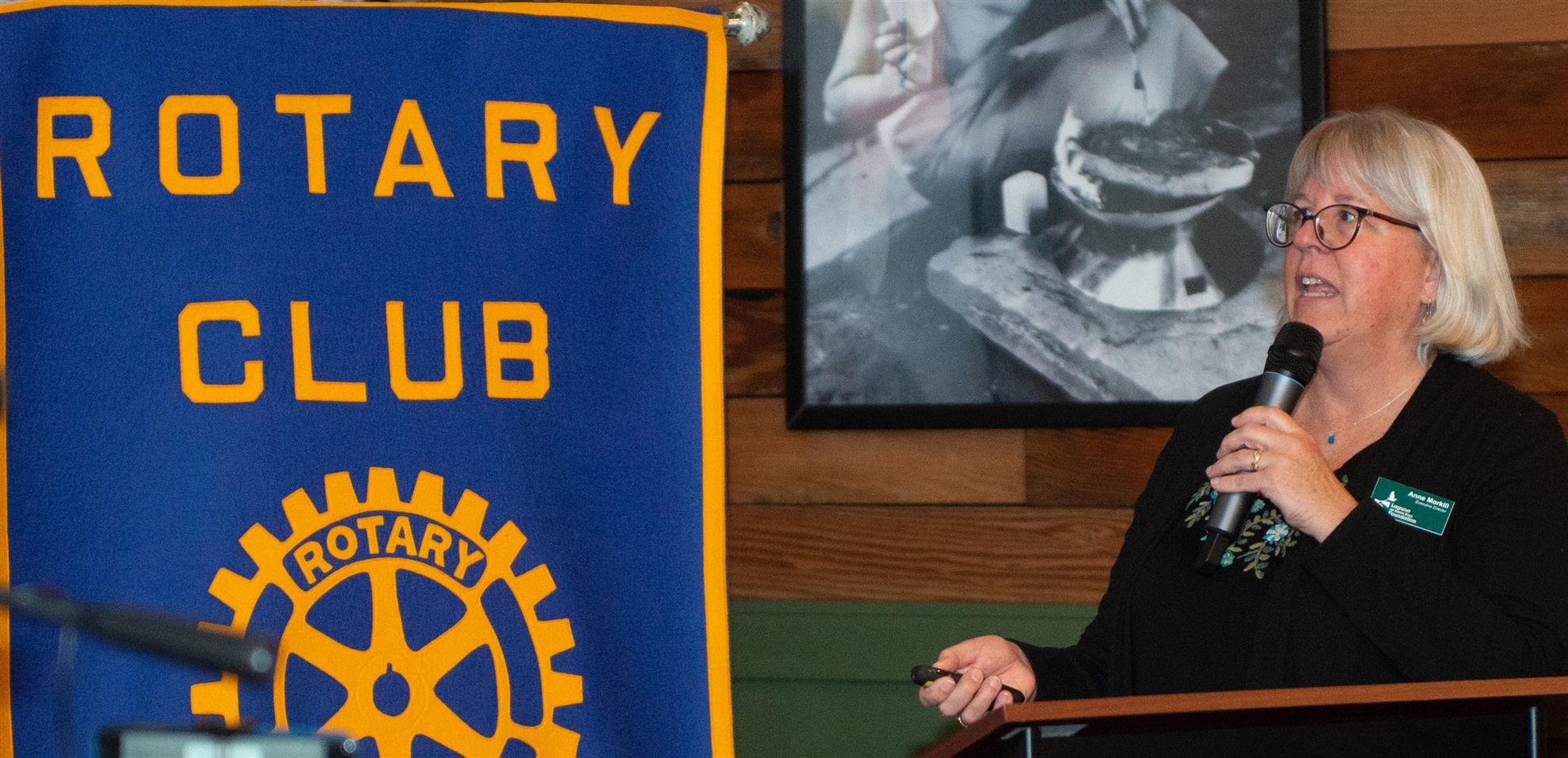
Our speaker for Thursday, March 9, 2023, was Anne Morkill, Executive Director of the Laguna de Santa Rosa Foundation. Anne has extensive experience in wildlife conservation, having worked in the field for over 24 years. Her most recent pre-Laguna employment was as manager of the San Francisco Bay National Wildlife Refuge Complex. She has a B.S. in Wildlife Biology from Colorado State University and an M.S. in Zoology from the University of Wyoming. She is passionate about restoring native habitats and conserving imperiled wildlife. She has been the E.D. of the Foundation since March 2020.
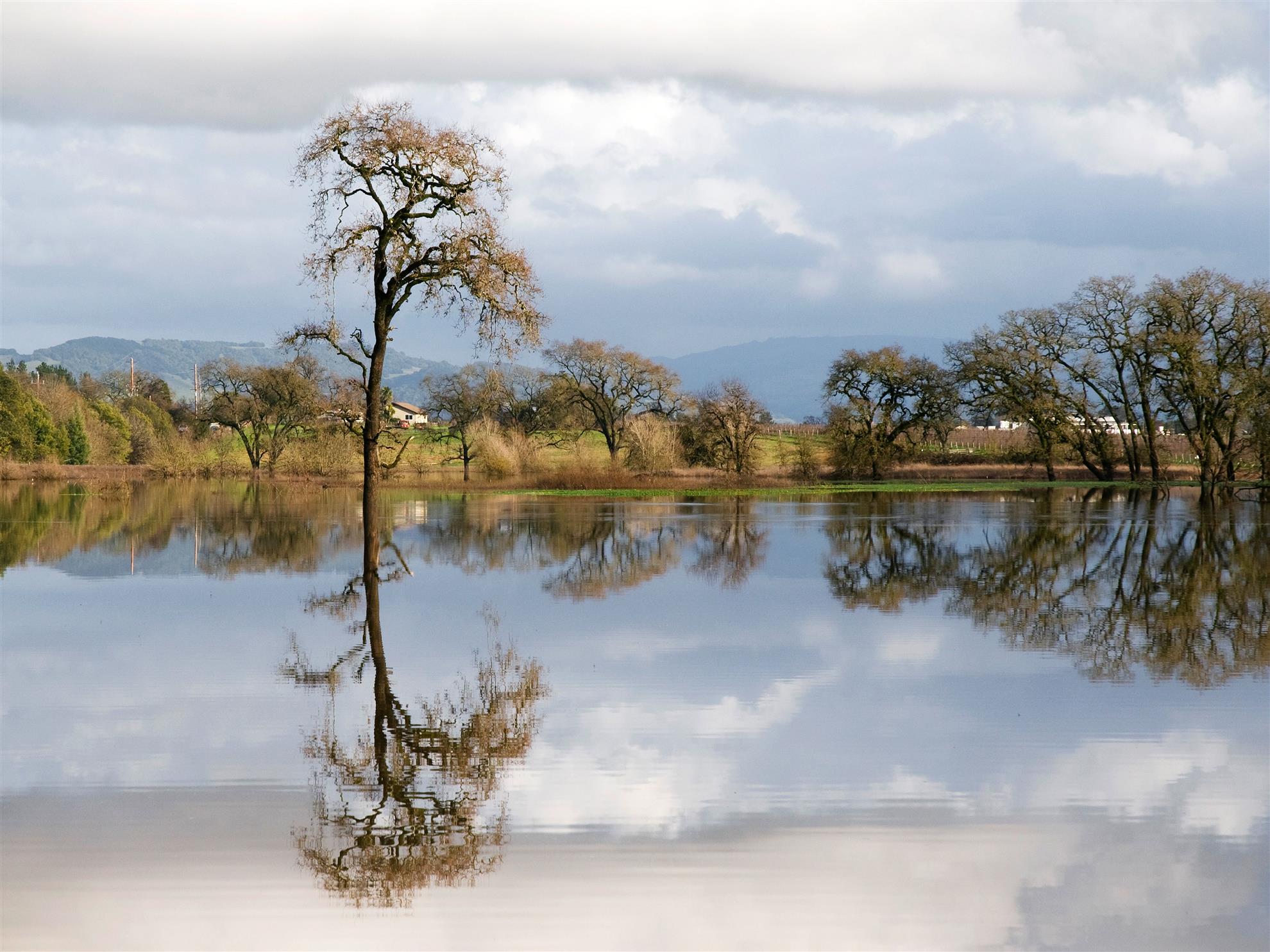
The Laguna drains a 250-square mile watershed consisting of the entire Santa Rosa Plain and is a 22-mile channel forming the largest tributary of the Russian River. Most of the creeks in the Santa Rosa Plain flow into the Laguna. The Laguna starts in Cotati and flows north to enter the Russian River near Forestville. The Laguna is critical to Sonoma County’s water quality and flood control and serves as a natural holding basin capturing floodwaters before they cause severe flooding of the communities along the Russian River. It is also a unique ecological system, including creeks, open water, perennial marshes, wetlands, forests, and grasslands. It is home to an amazing variety of flora and fauna, including thousands of migrating birds, river otters, eagles, and endangered species like the tiger salamander. It is also an important recreational zone for such activities as birdwatching and kayaking, among others.
Some of the largest challenges to the Laguna are the result of land use changes over the years, and Anne provided slides depicting the historical population and agricultural use changes to the area. Another driver of change is the effect of flood control modifications, including sedimentation, the increase in invasive plants like Ludwigia, and climate change.
The mission of the Foundation is to restore, conserve, and inspire a healthy Laguna. The Foundation is establishing thousands of native trees and plants and working to remove non-native species (which restores lost habitat, improves water quality, improves biodiversity, and mitigates climate change.) In addition to Ludwigia, the Foundation works to remove other non-native species, such as thatch, a grass, and invasive blackberry plants. Native plants the Foundation is trying to bring back include natural oak and willow trees. Education is a major component of the Foundation’s work. The Laguna Environmental Center allows visitors to learn about the Laguna and see a variety of native plants on the grounds. The Foundation also runs a program called “Learning Laguna,” which focuses on teaching elementary children about the Laguna. Teams of docents visit Sonoma County classrooms and lead discovery field trips to the Laguna for more than 1,300 children. Camp Tule is a summer camp program allowing children to spend a week entirely outside learning to explore and play in nature.
Many thanks, Anne, for giving us this valuable presentation, and for doing this important work for all of us!
Click HERE to see a recording of Anne's presentation. It will be available for a limited time.
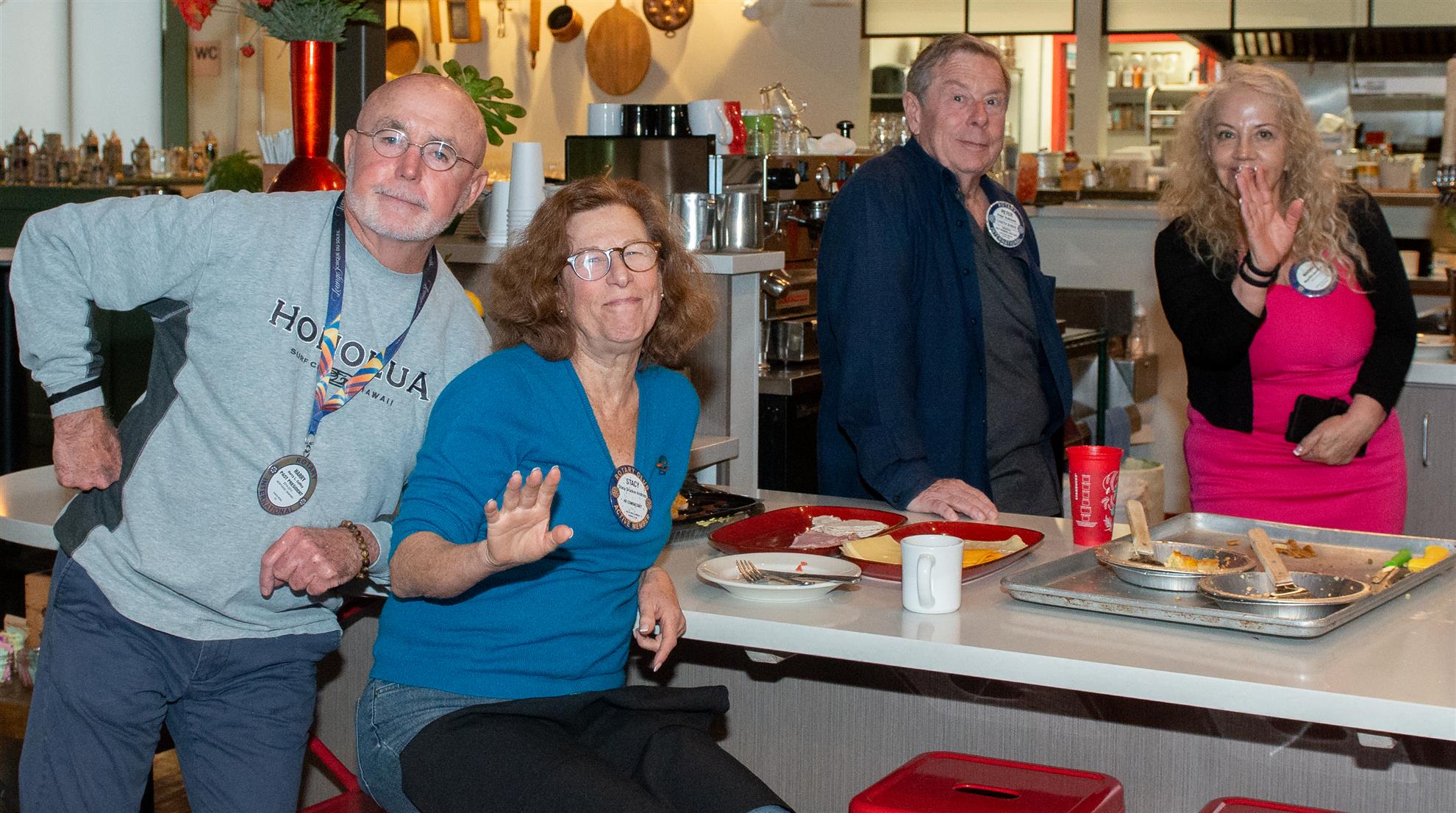
On a regular basis, our resident photo pro Warren Smith, submits pictures of what is going on at the weekly meetings. You can always find the most recent pictures at the websites photo journal called "Meeting Sighting" Please note that all the meeting photos for the entire Rotary year are at this location with the most recent on the last page.
Thanks for all the great pictures Warren!Link to Meeting Sightings. The most recent are on the last page!
First it was "Fines". And when that was thought to be "negative" it became "recognitions" and after that "High Five". But Jack has announced a new twist for these moments, designed to fit every celebration as well as sorrowful news. And it does not have to be a "High Five". "Happy Dollars" and "Sad Dollars" can be whatever you want them to be. Or whatever you feel is appropriate.
Happy Dollars
Ezbon Jen had happy news to report about the latest dental mission to Apple Blossom Elementary School in Sebastopol. they saw 20 students and only one had cavities!
Jennifer Adams had a happy/sad occasion with the loss of a dear old colleague and matriarch of the civil litigation firm Jennifer used to work with in Sacramento. She was happy to see her old work family and felt like she was back.
Warren Smith was happy to see a Happy birthday photo of Vicky Lockner in last week's bulletin. She was the first woman in our Rotary Club and among the first women in Rotary. Though remote, she remains connected to our club and reads the bulletin every week.
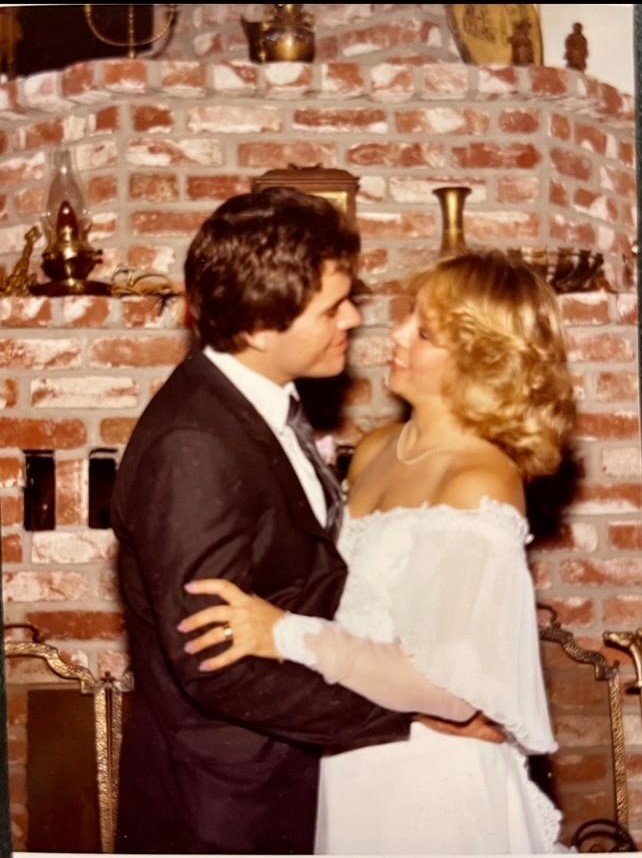
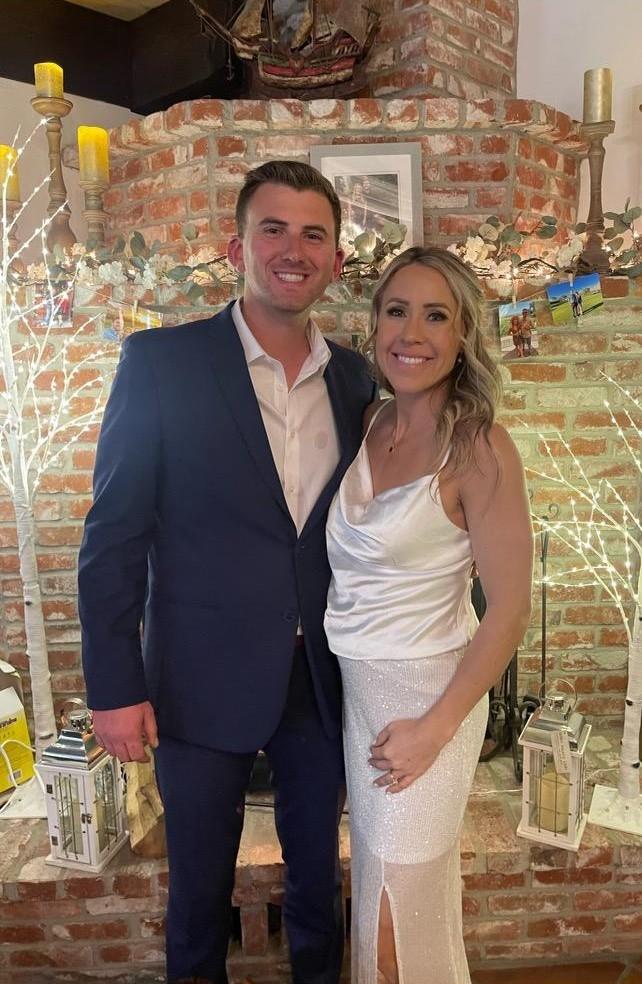
Kelly McGlinchy made her wedding announcement. She was married to Zach Cherney on February 25th at her grandparent's house in Guerneville. It is the same house in which her parents live and had their wedding reception forty years prior as shown in the photos below. Congratulations to Mr. & Mrs. Cherney!
Sad Dollars
Marina Gachet is worried over a missing distant relation and Bennet Valley resident who has dementia. Lawrence Atchison, age 64, walked away from his home on February 27. He has not been seen since. While Marina doesn't know him personally, her kids call him "Uncle Larry." We pray for a safe return.
2. You’re escaping a labyrinth and there are three exits. Exit A leads to an inferno. Exit B leads to an assassin. Exit C leads to a lion that hasn’t eaten in 3 years. Which exit do you pick?
Send your answers to the editor. Brownie points and answers will appear in next week's bulletin.
Answers to last week's brain teasers:
1. A red house is made from red bricks. A blue house is made from blue bricks. A yellow house is made from yellow bricks. What is a greenhouse made from?
A) Glass
2. There is a word in the English language in which the first two letters signify a male, the first three letters signify a female, the first four signify a great man, and the whole word, a great woman. What is the word?
As we planned for this Rotary year, I could have never "imagined" the breadth of stories we would encounter nor the scope of the people we would meet.
I find oxygen in sharing time with our members — hearing their truths and learning about their personal journeys and their deepest desires for goodness.
And so it was that I encountered two very different men with very similar stories.
One-hundred-year-old Genshitsu Sen is a remarkable human being and a joyful soul. We greeted each other in Kyoto, during my trip to Japan in November, with a hug and an instant connection.
Not only is Sen a former grand master of the Urasenke tea tradition but he is also an active member of the Rotary Club of Kyoto, where he has served as club president. He assisted in the charter of the Rotary Club of Kyoto-South. And he has also served as governor of District 2650 and held leadership roles in Rotary International and The Rotary Foundation.
During that same week, I had the great pleasure to record a birthday video for a 100-year-old World War II naval hero who is an exemplary leader and who served two terms as governor of District 5810 in Texas.
Both men are decorated World War II heroes in their respective countries and share unthinkable history. And although they served on opposing sides of the war, their stories are remarkably similar — and they are both honorable men who chose Rotary to carry on lives of peacemaking.
I have been reflecting so much lately that we are all on this planet simply trying to do our best, and we are much more similar than we are different.
I feel incredibly fortunate to share in these stories and to meet such incredible people.
Living in Australia, you think a lot about water. When you travel to the nation’s vast interior, the Outback, you can’t help but wonder how such an arid climate has supported life for millennia. There, each sip of water feels precious.
Each sip seems to get more precious by the day as climate change continues to impact water supply everywhere. Where Juliet and I live, on the temperate coast not far from Melbourne, I remember times not long ago when water supplies were so low that severe usage restrictions were put into place. We now live on rainwater that falls onto our roof and is collected in a tank. In many parts of the world, people don’t have that luxury.
Water is essential for life no matter where we live. Yet many of us take it for granted. Think of all the times today you turned on the tap. About 1 in 4 people in the world have quite a different experience when they do — if they have a tap at all. Today, 2 billion people lack access to safely managed drinking water, according to the United Nations. It is heartbreaking that each year, about 300,000 children under age 5 die from diarrheal diseases caused by poor sanitation, poor hygiene, or unsafe drinking water — all preventable circumstances.
This is where Rotary comes in. Through your support, The Rotary Foundation provides water and sanitation for countless communities around the globe. Foundation global grants have ranged from providing toilets and hygiene education for villages in the Philippines to building infrastructure for year-round access to safe, affordable drinking water in Brazil.
The water and sanitation problems that we face are too great for any of us to solve alone. But whether we work with global grant partner districts across the world or with large agencies such as USAID, we are making a difference.
When thinking of teaming up to provide safe drinking water, sanitation, and hygiene, remember that one of our greatest partners is right here within the family of Rotary: Rotaract.
Effective this Rotary year, Rotaract clubs may apply for global grants. I encourage Rotary and Rotaract clubs to work together on existing grants and for Rotary clubs to support grants sponsored by Rotaract clubs. Together, Rotary and Rotaract clubs are going to take the power of the Foundation to a new level.
The Rotary Foundation has more potential than ever to make a difference in the water and sanitation challenges we all face, thanks to your generous support.
This month the Rotary Club of Chincha is scheduled to unveil a new addition to a shelter that houses vulnerable girls ages 5 to 17 in the Ica region. The girls, some of whom have been abandoned by their families or are victims of abuse, “need a lot of psychological help,” says Mónica Avilés Calderón, a past club president. The club completed the first building, with a capacity of 30 residents, in 2000. Soon the number of girls living in the shelter more than doubled. Starting in 2018, the club expanded capacity with additional buildings, costing about $35,000 each. The three new structures were funded primarily by donations from the Rotary Club of Flawil, Switzerland, and District 2000 (Liechtenstein and Switzerland). The Chincha club raised the remaining funds.
United States
Southern Michigan lore tells of a wanderer who handed melon seeds to a greenhouse owner. The resulting Howell melon has been celebrated by townsfolk with an annual festival now in its 63rd year. The Rotary Club of Howell has gotten in on the festivities by selling a Howell melon–flavored ice cream. In August the 40-member club sold 7,000 cups of the ice cream and 1,500 half-gallon containers over the weekend fair. More than 100 people, including Rotarians, members of the Interact Club of Howell High School, and school athletes, pitched in to help. The endeavor scooped up $30,000 for scholarships, local youth programs, and other community projects. “It’s so popular that no matter what time we say we’re going to start selling there’s going to be a line,” says Sandie Cortez, a past president of the Howell club. “People go crazy over this.”
This story originally appeared in the March 2023 issue of Rotary magazine.


.png)






.png)











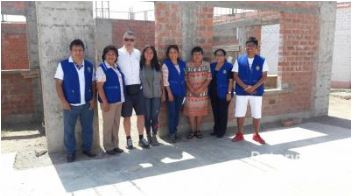 This month the Rotary Club of Chincha is scheduled to unveil a new addition to a shelter that houses vulnerable girls ages 5 to 17 in the Ica region. The girls, some of whom have been abandoned by their families or are victims of abuse, “need a lot of psychological help,” says Mónica Avilés Calderón, a past club president. The club completed the first building, with a capacity of 30 residents, in 2000. Soon the number of girls living in the shelter more than doubled. Starting in 2018, the club expanded capacity with additional buildings, costing about $35,000 each. The three new structures were funded primarily by donations from the Rotary Club of Flawil, Switzerland, and District 2000 (Liechtenstein and Switzerland). The Chincha club raised the remaining funds.
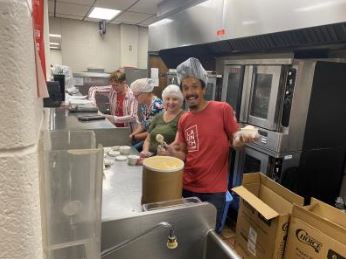 Southern Michigan lore tells of a wanderer who handed melon seeds to a greenhouse owner. The resulting Howell melon has been celebrated by townsfolk with an annual festival now in its 63rd year. The Rotary Club of Howell has gotten in on the festivities by selling a Howell melon–flavored ice cream. In August the 40-member club sold 7,000 cups of the ice cream and 1,500 half-gallon containers over the weekend fair. More than 100 people, including Rotarians, members of the Interact Club of Howell High School, and school athletes, pitched in to help. The endeavor scooped up $30,000 for scholarships, local youth programs, and other community projects. “It’s so popular that no matter what time we say we’re going to start selling there’s going to be a line,” says Sandie Cortez, a past president of the Howell club. “People go crazy over this.”