The Roaring 2020's: We Can Fix our Future, Part 1 of 2
(This is a two-part presentation, with Part 1 on May 21, and Part 2 on May 28.)
America, we can fix what went wrong. The problem is clear: We’ve become a Land of Un-Equal Opportunity, where the wealthiest 10% of Americans get half the nation’s income and have two-thirds of the nation’s wealth. We are an eerie image of the Roaring 1920s. Some historians warn we may be approaching a breaking point, a 1929-style crash with catastrophic losses. That’s because for 50 years both parties in Washington have been deregulating finance, trying to boost the economy but instead creating an unseen world of money that is out of control. This has caused two dangerous problems: • Our rich are getting super rich while working Americans feel stuck, a strong predictor of a coming financial collapse • Our financial markets are unstable and dependent on frequent Federal Reserve bailouts. This is not rocket science. Researchers have been documenting these problems for years. Nine simple, nonpartisan fixes that are fair to everyone can get America headed in the right direction again. Both political parties now say that their #1 goal is to help middle Americans. I say, prove it. A new generation is coming into Congress. It’s time to move beyond the blame game and get busy. America, we got this.
Who's Mary Fricker?
Mary Fricker is an independent business reporter who has retired from The Santa Rosa (Calif.) Press Democrat. She freelances and also publishes www.repowatch.org, which tracks the repurchase market (“repos”) and shadow banking and won the Best in Business 2012 award for digital blogs, all sizes, from the Society of American Business Editors and Writers. In 2010 she received the McGill Medal for Journalistic Courage from the University of Georgia for her work with the Chauncey Bailey Project in Oakland, Calif. (www.chaunceybaileyproject.org). Among her other awards are three Investigative Reporters & Editors awards, the UCLA Gerald Loeb Award, the George Polk award, several New York Times Company Chairman's Awards, the National Headliner Award and Associated Press and California News Publishers Association awards for business reporting. She was co-author of the New York Times best-selling book "Inside Job - The Looting of America's Savings and Loans" published by McGraw-Hill (1989) and HarperCollins (1990). She is a graduate of the College of William & Mary in Williamsburg, Virginia.
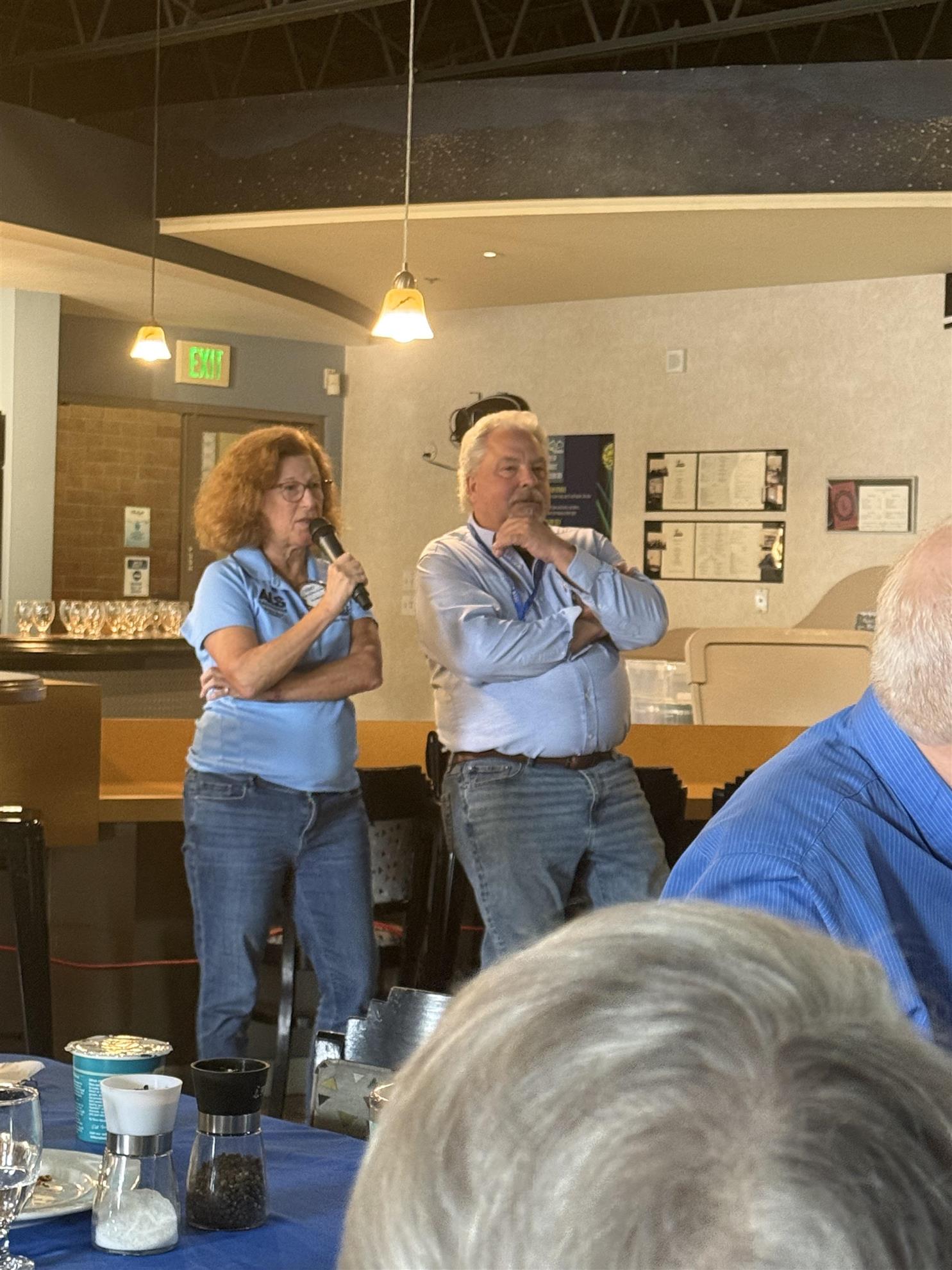
The meeting featured a presentation by Mark about water reuse and purification technologies, where he discussed how recycled water is being used for irrigation and potentially for drinking water in various California communities including Windsor and Santa Rosa. Mark explained the safety and benefits of water purification processes, including how they remove contaminants and pharmaceuticals, and shared examples of successful projects across the country. The presentation covered topics such as the comparison between recycled water and desalination, the safety of purified water, and challenges with plastic contamination in water systems. After the presentation, Mark answered questions from the audience about specific water quality concerns and data center water usage.
Water Reuse Initiatives Presentation
Mark presented on water reuse initiatives, highlighting the significant water usage in various industries and the leadership of Windsor and Santa Rosa in implementing recycled water systems. He discussed the Geysers Recharge Project, which diverts 12 million gallons of recycled water daily to geothermal wells, generating enough electricity for 100,000 Bay Area households. Mark also noted the widespread use of recycled water in agriculture, including vineyards and salad production in Monterey County.
Recycled Water Safety and Implementation
Mark shared insights from a 15-year-old Water Research Foundation study on exposure to recycled water, highlighting its safety and cleanliness. He discussed the challenges and costs associated with ocean desalination in California compared to other regions, and mentioned the growing acceptance of recycled water for various uses, including potential drinking water applications. Mark also referenced the practice of wastewater reuse in the Colorado River system and emphasized the importance of water conservation and sustainable practices.
Water Purification Implementation Strategies
Mark discussed the widespread implementation of water purification technologies across the United States and beyond, highlighting examples like Reno, Nevada, and Disneyland, which use purified water. He emphasized the safety and effectiveness of these processes, including the ability to remove contaminants like PFAS, and shared strategies to increase public acceptance, such as using medical professionals as messengers and organizing events where people can taste and learn about purified water. Mark also mentioned the construction of visitor centers to educate the public about water purification processes and their benefits.
Water Recycling and Purification Presentation
Mark presented on water recycling and purification, explaining that wastewater recycling can reuse about 80% of water and discussing the challenges of desalination versus water reuse. He addressed questions about volatile organic compounds in water, plastic contamination in stored water, and the water usage of data centers, clarifying that while data centers use significant energy, their water usage is relatively low and can be addressed through recycled water. The conversation ended with announcements about upcoming events including Mary Fricker's upcoming presentations and various community activities.
Barry Posner, Roger Crawford & Christopher Breedlove
Planners of this year's five district conference weaved a central theme into their selection of the keynote speakers:
Leadership, innovation & transformation.
With relevance to both individual, personal as well as organizational development, these three seasoned experts provided guidance as well as inspiration into learning and applying principles for progressive uniting for good.
Barry Posner, dean of the University of Santa Clara's School of Business quoted from his co-authored book on leadership, asking "Tell me when you were performing at your best". From responses garnered over years of survey research and follow up he distilled clear patterns of successful team builders: They knew, demonstrated and integrated their values into their enterprises. They walked their talk. Credibility honesty, transparency, were tantamount to success. He asked those in attendance if they believed leaders were born or taught. What would you say?
The audience was split with more leaning that leaders were born. By the end of the breakout session, he had enlightened us that leaders are both and similarly colleagues skills are both inherent and modifiable. His book, Leadership im Higher Education is available on Audible.
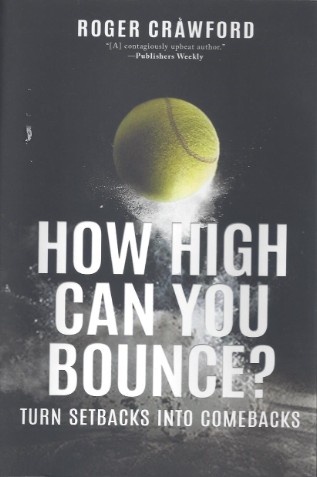
Roger Crawford, exemplifies, personal resilience, creativity, humor, adaptability, and enjoys International acclaim. His story how high can you bounce Chronicles, his overcoming physical challenges and transformed personal victories on intercollegiate tennis court as well as elite speaking podiums. Born with one arm and leg significantly shorter and minus several fingers his parents were told he would never walk. At the age of five following a below, the knee, amputation and fitting of a prosthetic leg. Roger proceeded to not only walk but run and comp to championship levels of tennis. When teased on the playground his resilient skin thickened and developed his verbal returns skillfully. His bool is available on Audible.
Wrapping up the conference was Christopher Breedlove in behalf of
With roots in the decades, developing burning man movement, burners without borders is the evolution of the creative makers, social organizing and now International regenerative cohorts applying their organizational and building skills to people in disaster struck areas. In response to Louisiana's 2005 hurricane Katrina the Burners mobilized their skills and resourced materials to aid in the disaster recovery. Referring to themselves as "regeneratives" as opposed to hippies their diverse and integrating organizational skills have caught the attention of the United States Marine Corps. to gain logistical insights. Ashville North Carolina has received Burners energy in recovering from 2024 floods. A San Francisco NFP group,
Instituto Familiar de la Raza is a member of The Bay Area Working Group. The collaboration and diversity implicit in Burners Without Borders put an apt bookend to the conference spotlighting Leadership, Initiative and Collaboration: Principles expressed in the 2025-2026 Rotary International Theme "Unite for Good".
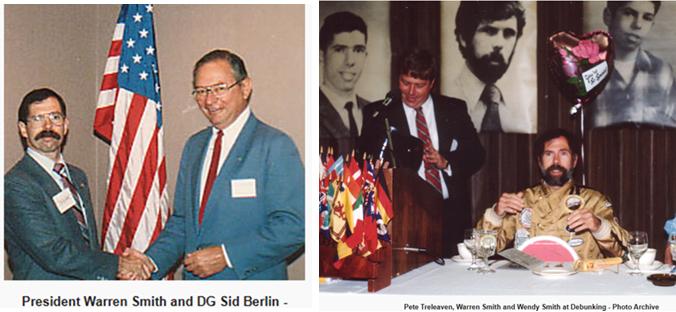
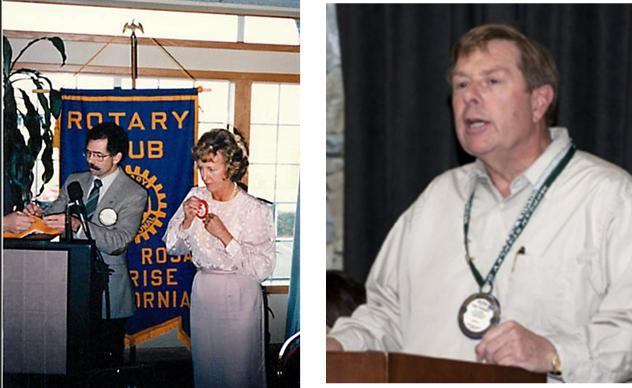
On a regular basis, our resident photo pro Warren Smith, submits pictures of what is going on at the weekly meetings. You can always find the most recent pictures at the websites photo journal called "Meeting Sighting" Please note that all the meeting photos for the entire Rotary year are at this location with the most recent on the last page.
Thanks for all the great pictures Warren!Link to Meeting Sightings. The most recent are on the last page!
Family violence is a major health and social issue in Australia, according to the national Institute of Health and Welfare. Rotary Safe Families focuses on reducing the stigma around recognizing the problem. This year the project, which was founded in 2018 and has a presence in 48 countries, is preparing to enlist Rotary clubs to sponsor a local school through a program called Towards Respectful Relationships. It fosters “safe spaces for kids to talk about family violence and respect,” says program founder Dorothy Gilmour, a member of the Rotary Club of Hawthorn. “It has been a long, bumpy road to get Australians to discuss the taboo topic of family violence.” More recently, though, “I have noticed that family violence is becoming less taboo.”
This story originally appeared in the May 2026 issue of Rotary magazine.
Rotary projects make a difference in communities around the world.



.png)






 Jenner Headlands
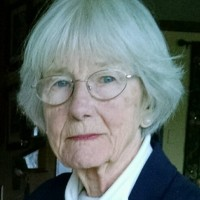



 Family violence is a major health and social issue in Australia, according to the national Institute of Health and Welfare. Rotary Safe Families focuses on reducing the stigma around recognizing the problem. This year the project, which was founded in 2018 and has a presence in 48 countries, is preparing to enlist Rotary clubs to sponsor a local school through a program called Towards Respectful Relationships. It fosters “safe spaces for kids to talk about family violence and respect,” says program founder Dorothy Gilmour, a member of the Rotary Club of Hawthorn. “It has been a long, bumpy road to get Australians to discuss the taboo topic of family violence.” More recently, though, “I have noticed that family violence is becoming less taboo.”