The Russian River Confluence, Presented by TJ VanderYacht and Michael Thompson
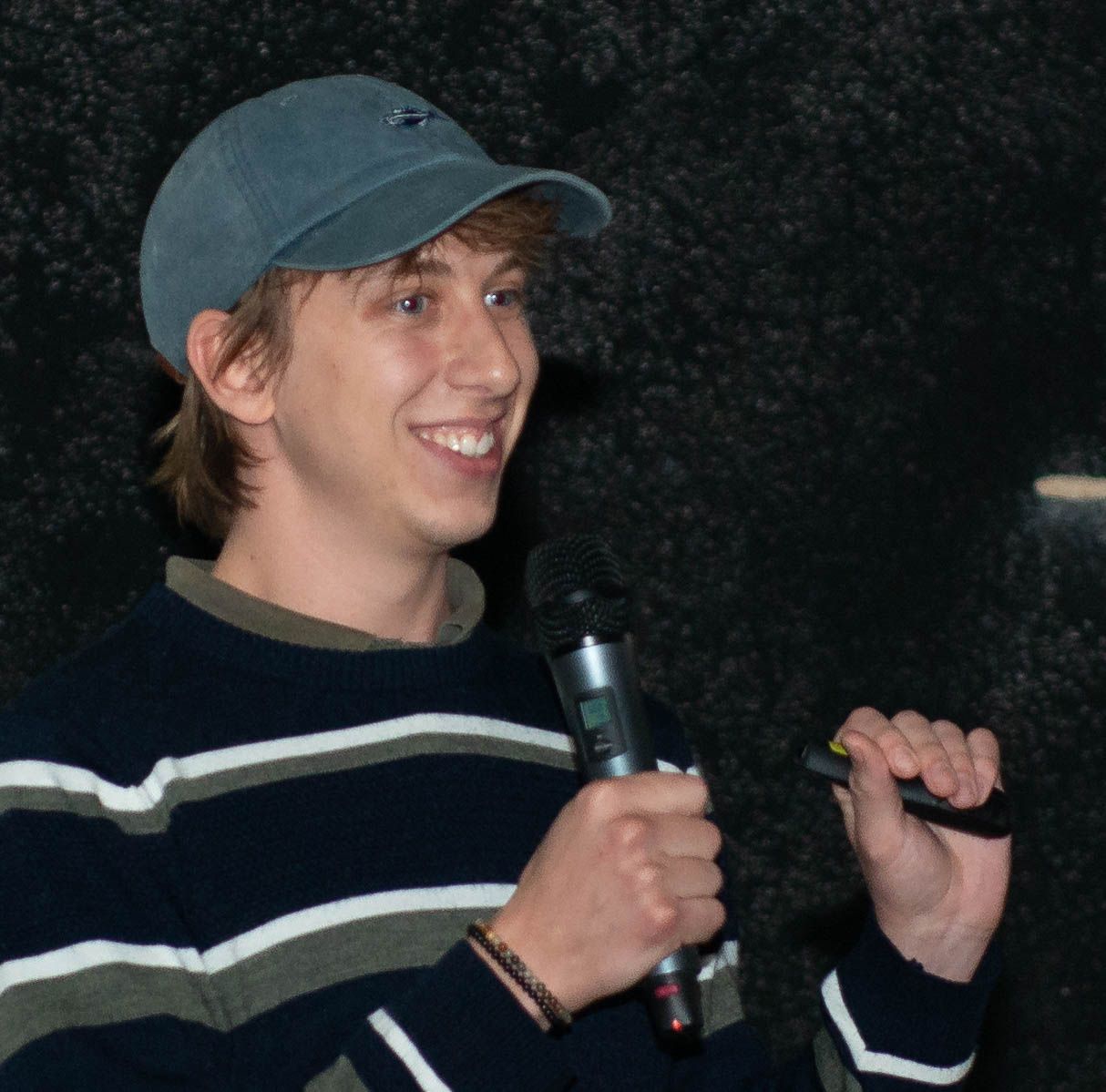
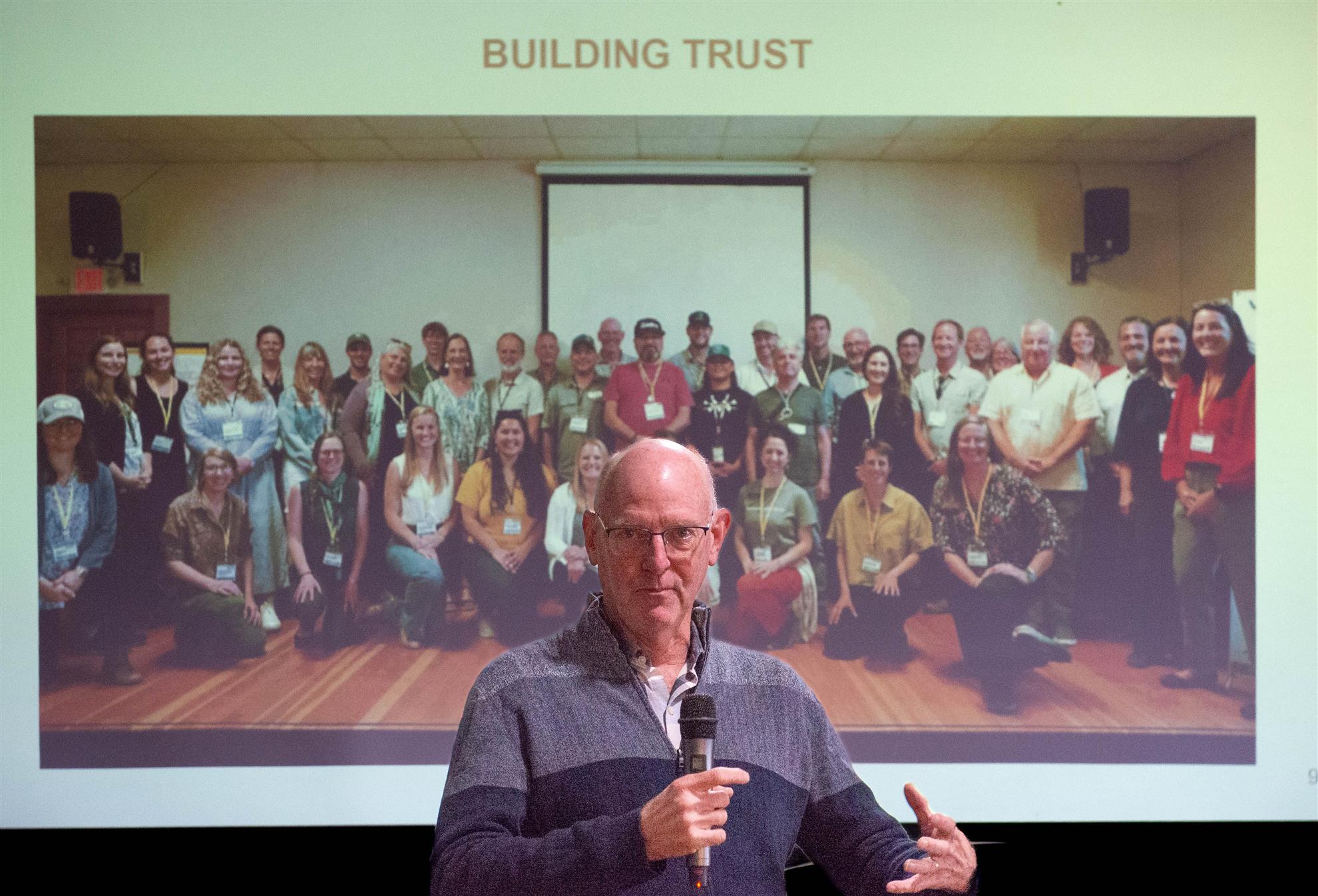
The speakers for our meeting on January 22, 2026 were TJ VanderYacht and Michael Thompson of the Russian River Confluence, a network of 40+ organizations, including government, nonprofits, tribes, businesses, agriculture and sub-watershed councils. TJ is the Program Manager; Michael is the Project Manager. TJ has a background in public health and environmental science from the University of Washington. Michael is a former assistant general manager with the Sonoma County Water Agency and is a civil engineer.
The Confluence’s mission is to drive community action towards a healthy, resilient, and regenerative Russian River watershed. It is a watershed group dealing with the problems inherent in a river that spans two major counties through rural and urban areas, including water quality, flood control, and human health issues. The idea is to connect with and coordinate the actions of all the key watershed stakeholders. In 2016, Supervisor James Gore recognized the need for coordination among these groups and instigated an introductory 3-day float on the river from Lake Mendocino to Jenner. In 2017, 200 of the stakeholders attended a conference at Shone Farm to make connections and tell stories. From 2017 to 2023, an MOU was created, a watershed-wide branding effort was launched, and the Confluence obtained a grant from AmeriCorps. TJ was hired and another grant brought Michael into the effort. The Confluence’s overarching activities are building trust, coordinating the partners for improved impact, and amplifying and sustaining the watershed.
Key Confluence community engagement activities include a newsletter to share stories and partner updates; having tables at local events to educate residents about the watershed; and supporting conservation workshops, volunteer days, and partner-led events. The Confluence is also involved in science and data coordination involving alignment with the RR Regional Monitoring Program, coordinating efforts so data programs reinforce one another, and collaborating on the RR Telemetry Pilot Program. Going forward the Confluence will seek additional funding, formalize a charter and governance protocols, find new partners and supporters, and develop a 5-year strategic plan and communications strategy. Examples of the Confluence’s efforts to coordinate River activities include monitoring duplicative stream flow gauges, influencing sediment reduction processes in which the stakeholders are not effectively communicating, and cooperating stakeholders’ efforts to obtain state/federal funding.
Well done Michael and TJ and thank you for introducing us to the work of the Confluence and thank you for coordinating the efforts to preserve and protect our wonderful river!