NASA's Next Great Step by Dr. Peter Banks
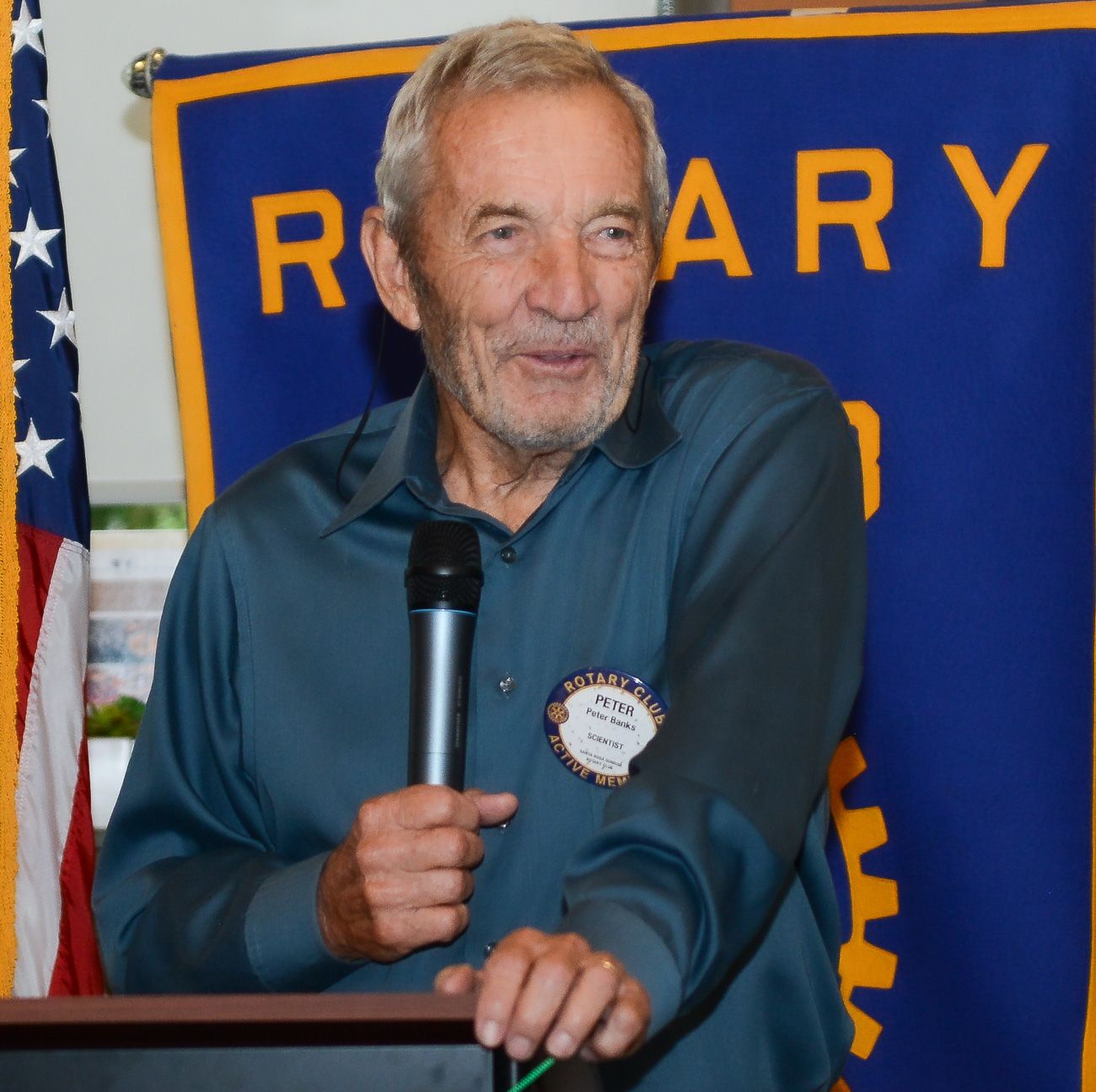
Our very special guest speaker for September 15, 2022, was our own amazing Dr. Peter Banks! Dr. Banks’ topic was “NASA’s Great Step.” Peter was introduced by Past President Eloise Tweeten, who reminded us that Peter has a master’s degree in Electrical Engineering from Stanford and a PhD in Physics from Penn State University. His professional interests include space plasma physics, upper atmospheric phenomena, and startup technology companies! Peter has had a lifelong professional connection with NASA. He was in a NASA traineeship program before he went on to get his doctorate at Penn State. He’s been an advisor to NASA, a recipient of NASA funds, an outside critic, and a member of the National Academy of Engineering and Science.
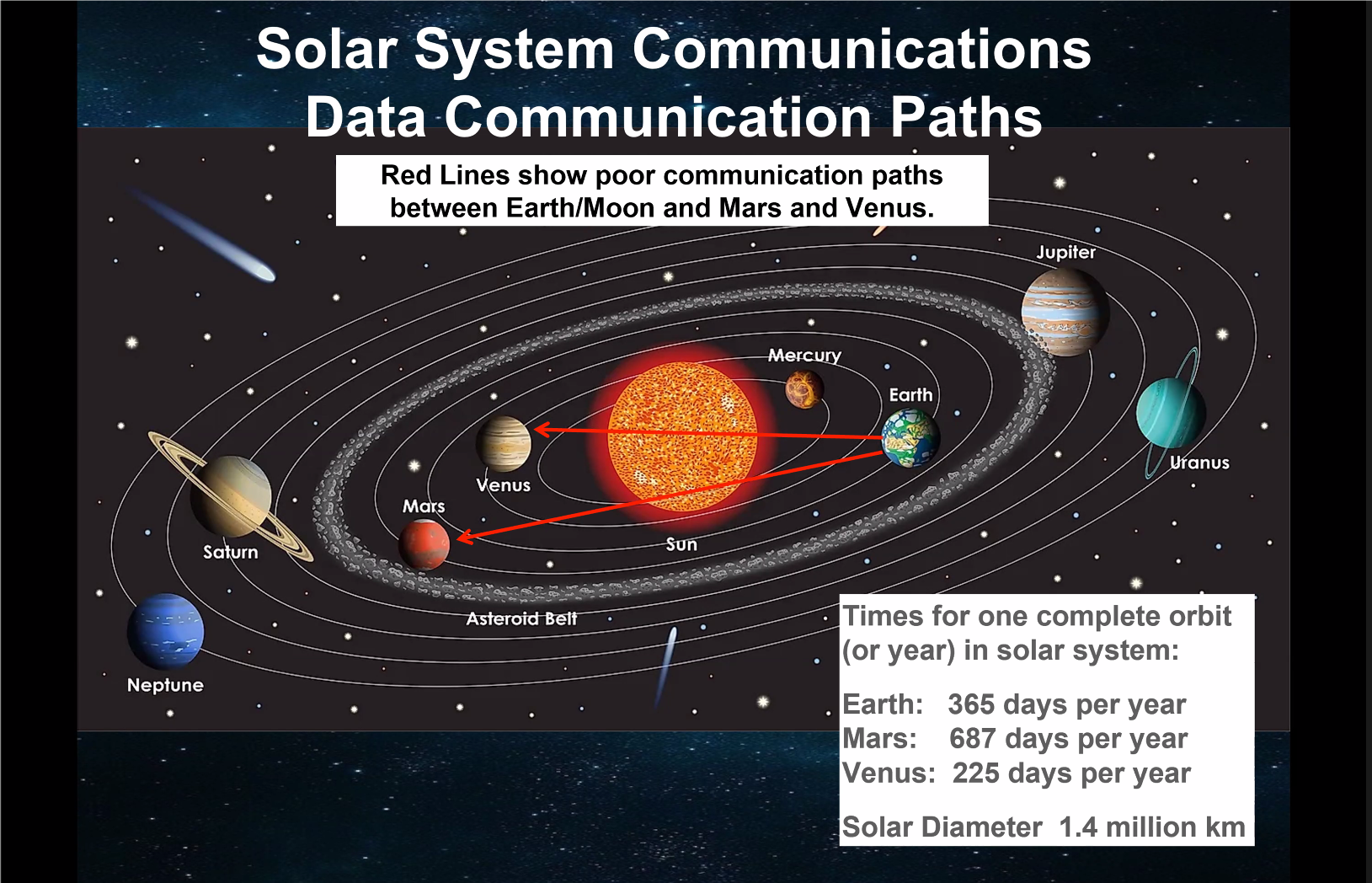
NASA’s great next great step sets a new direction for a governmental institution that has done marvelous things over the past 40 years. The goal of Artemis is to go back to the moon and eventually to Mar and Venus. The program will involve tens of thousands of experts and require billions of dollars and will include a scientific study of the closest planets. Artemis astronauts will travel to the moon, Mars, and Venus. The rocket for the first launch to the moon was set for August 29th but has been delayed due to a technical problem.
The communications problem is complex. For example, you can’t communicate with Venus when the sun is in the way. How do you get people communicating with one another while travelling to the moon, Mars, and Venus? The command control and data network will be centered around a satellite just outside the earth’s atmosphere as the recipient of signals from satellites on the moon, Mars, and Venus. Peter also reminded us of the relative sizes of the planets compared to our sun. (The size ration of earth to sun is 1:108!) Some of the key challenges to the program are the sufficiency of human and electronic communications, the well-being of the astronaut crews, and the lack of rapid transport and delivery systems. For example, the communications speed will be relatively slow. We can send a communication to the moon in 8 or 10 seconds, but it will take 30 minutes to receive a communication from Mars. We’ll have to learn how to adapt to that problem. Peter expects the first 8 years of so of the program will focus on moon exploration.
Our thanks to Peter for the enlightening and entertaining presentation. With Peter’s insights we’ll have a much better fundamental understanding this program and the many challenges it faces!