Rotary Meeting Summary – February 10, 2026
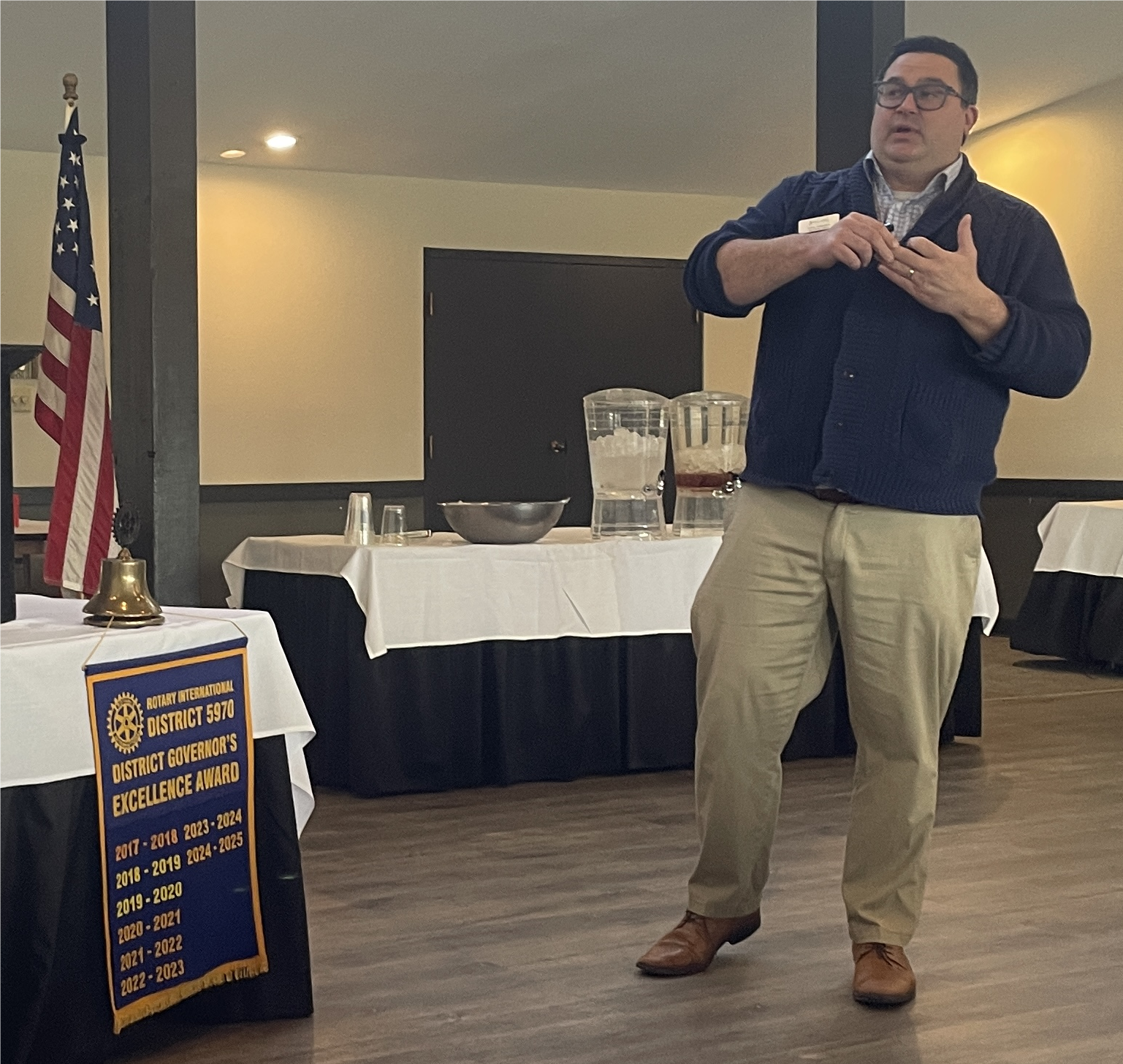
Guest Speaker: Aaron Amundson, Development Director, Willis Dady Homeless Services
Location: Indian Creek Country Club
Submitted by: Jayne DeCoste
Rotary welcomed Aaron Amundson, Development Director at Willis Dady Homeless Services, for an engaging and candid presentation on homelessness in the Cedar Rapids area and the programs Willis Dady provides to support individuals on their path to stability.
About the Speaker
Aaron joined Willis Dady after serving as Groundswell Director at Matthew 25, where he worked on community food and housing initiatives. During his presentation, he shared personal experiences illustrating that many people—himself included—benefit from support systems at various points in life. These stories framed a key theme of the presentation: the myth of “pulling yourself up by your bootstraps” leaves out the reality that everyone needs help at times.
Why Homelessness Persists
A slide early in the presentation highlighted the structural barriers that make housing stability difficult:
- $1,040 – Fair Market Rent for a 2‑bedroom apartment in Iowa
- 89 hours/week – Minimum-wage work required to afford a 1‑bedroom unit at FMR
- $41,582 – Annual income needed to avoid being “cost burdened” by housing costs
- $967/month – SSI income, which would require rent of $290/month to be affordable – effectively nonexistent in the current market
Aaron also emphasized additional contributors to homelessness, including underfunded mental health care, physical injuries, chronic health conditions, and substance use disorders (which Willis Dady approaches through a low‑barrier model rather than exclusion).
Willis Dady Programs & Services
Emergency Shelter & Housing
Willis Dady provides a wide range of housing supports, including:
- 55 beds for men, 10 for veterans, 10 for women, and 4 for families in their shelter system.
- 32 permanent supportive housing units plus two houses offering long‑term stability.
- Winter Weather Shelter operating November through March.
Their housing team assists with mental health support, rental assistance, housing searches, and long-term case management.
Diversion & Employment Services
These services aim to keep people from entering homelessness whenever possible. Supports include:
- Education on eviction and tenant laws
- Safety planning and resource navigation
- Job readiness training
- Livable‑wage employment pathways through Supportive Staffing or Willis Dady Works
Street Outreach & Basic Needs Support
Street outreach teams provide:
- Food, water, clothing, hygiene items
- Assistance obtaining vital documents
- Entry into shared‑living supportive housing programs
- Long-term case management to address barriers such as transportation, physical health, or past trauma
Veteran Services
For veterans experiencing homelessness, Willis Dady offers:
- Direct placement into shelter beds
- Dedicated case management
- Enrollment in eligible VA benefits
- Transitional housing that leads to permanent apartments (“transition in place”)
Willis Dady Works & Mattress Recycling
Aaron highlighted their expanding employment hub at 800 1st Ave NW, including the mattress recycling program:
- $10 per mattress processing fee
- 92% of materials diverted from the landfill
- Provides paid employment opportunities for clients gaining work experience
Employment partnerships—such as placements with Frontier Co‑op—are an important pathway toward long‑term financial stability.
Funding
Willis Dady’s work is supported through a combination of:
- Federal funding (including HUD, though policies are shifting)
- United Way
- City funding
- Individual donors and sponsorships
- Grants and special events such as the Dady Dash (5K/10K) and the Ushers Ferry fundraiser featuring breweries, auctions, and live music
Key Takeaways
Aaron closed with a reminder that homelessness is not the result of individual failure, but a complex mix of economic, health, and systemic factors. With individualized support, safe shelter, and meaningful employment opportunities, individuals can and do achieve long‑term stability.
Rotary extends its gratitude to Aaron for sharing his insights and for the critical work Willis Dady continues to provide in our community.