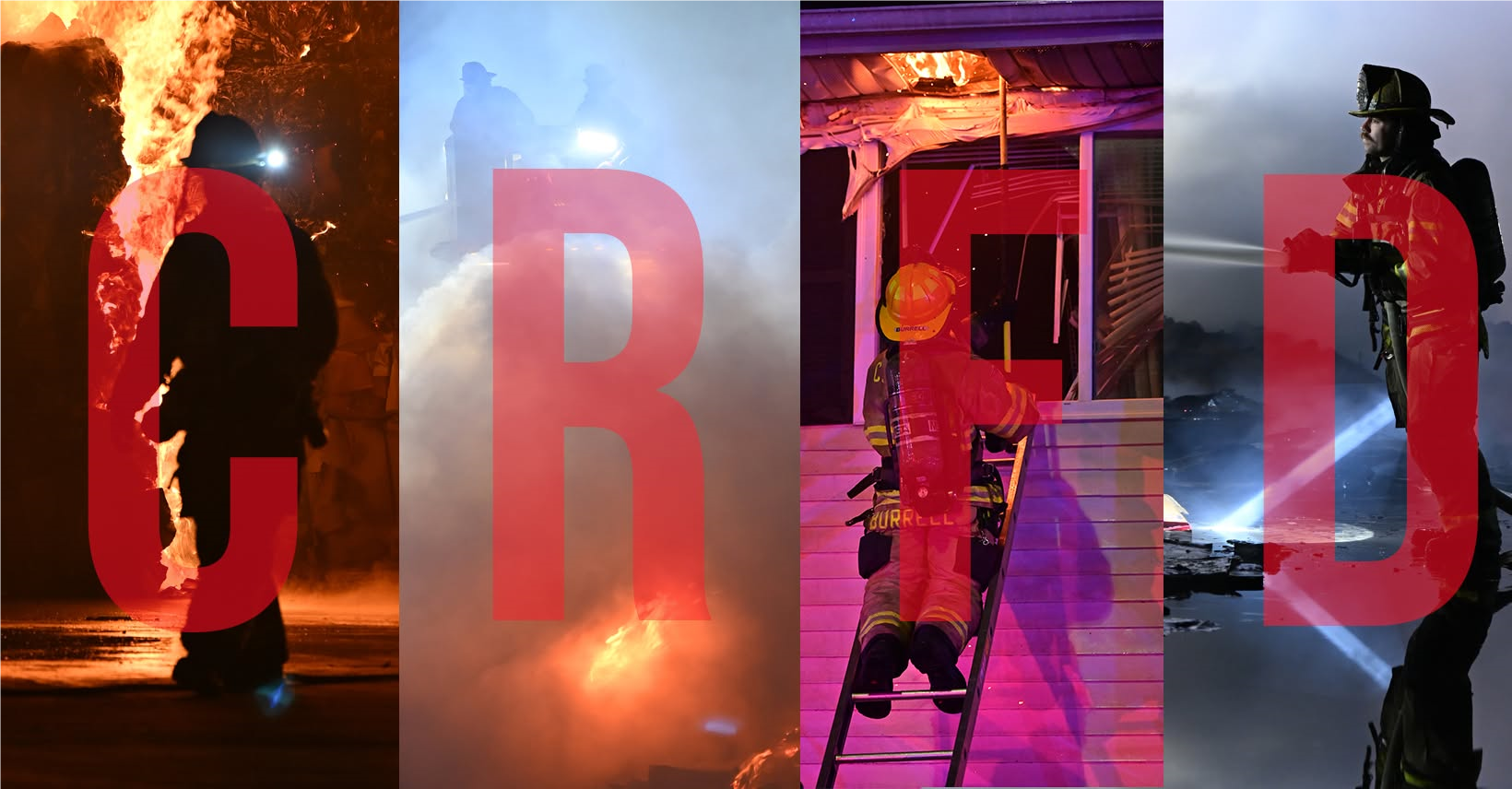
Cedar Rapids Fire Department Shares Vision for the Future
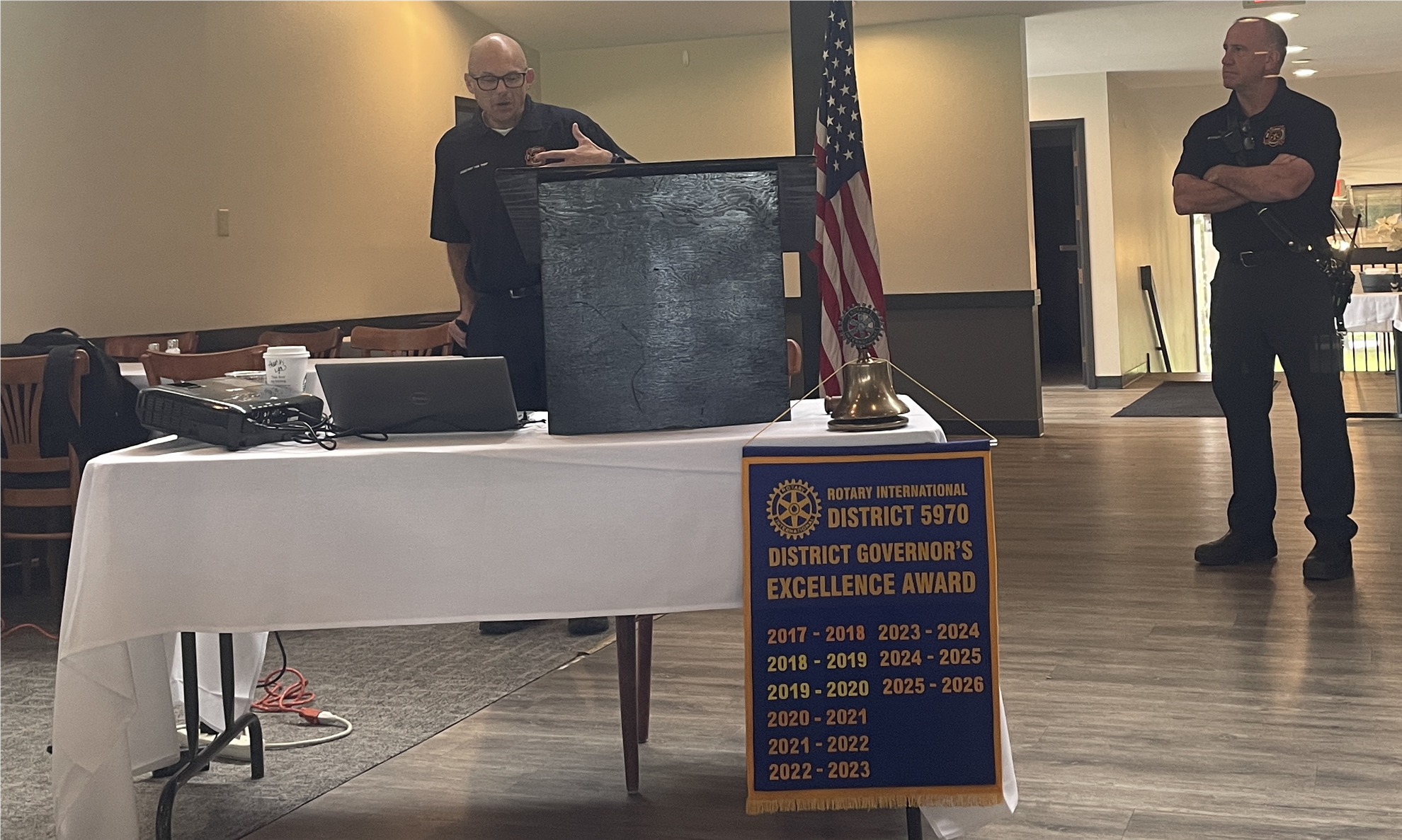
Members heard an informative and engaging presentation from Assistant Fire Chief Andy Oleson of the Cedar Rapids Fire Department, who provided an overview of the department's operations, challenges, and plans to modernize facilities to better serve the community.
With 27 years of fire service experience, Olson oversees the department's budget, facilities, and fleet. He highlighted the broad range of services provided by the department, noting that today's firefighters do much more than fight fires. In addition to fire suppression and emergency medical response, the department provides technical rescue services, urban search and rescue capabilities, fire prevention inspections, plan reviews, and code enforcement.
The Cedar Rapids Fire Department recently celebrated its 150th anniversary and is one of only a handful of Iowa departments to earn accreditation through the Center for Public Safety Excellence. Olson noted that accreditation reflects the department's commitment to continuous improvement and high service standards.
One statistic that particularly stood out was the department's success in cardiac emergency response. Through a coordinated effort involving dispatchers, police, firefighters, EMS personnel, and hospitals, Cedar Rapids has already recorded 38 documented CPR saves in 2025, meaning those individuals suffered cardiac arrest and ultimately walked out of the hospital.
The department currently responds to approximately 16,000 calls for service each year, with medical calls making up the largest share of responses. In fact, one of the most common calls firefighters receive is assisting individuals who have fallen and are unable to get back up without help.
A major focus of the presentation was a proposed long-term facilities improvement plan. Olson explained that many Cedar Rapids fire stations were built decades ago, with some dating back to the 1950s and others constructed in the 1980s. While these facilities have served the community well, increasing call volumes, city growth, larger apparatus, and modern health and safety standards have created challenges.
The proposed plan would relocate, renovate, or expand several stations while also developing a new training campus. Olson emphasized that modern station design is increasingly focused on firefighter health, particularly reducing exposure to diesel exhaust, smoke particulates, and other contaminants that contribute to elevated cancer risks within the profession. Updated facilities would provide separate ventilation systems, improved decontamination areas, and dedicated fitness spaces to support firefighter wellness and operational readiness.
Attendees also learned about how the city's growth has affected emergency response. As Cedar Rapids has expanded outward, some fire stations remain in their original locations, creating longer response distances to newer development areas. Strategic relocation and modernization of facilities would help maintain effective response times as the community continues to grow.
The proposed improvements are estimated at approximately $60 million over a 20-year bonding period. Olson noted that department representatives are focused on educating the public about the proposal and providing factual information, while leaving the ultimate decision to voters.
Following the presentation, Rotarians asked questions about station locations, emergency medical responses, training facilities, and how the proposed improvements would impact service delivery throughout Cedar Rapids.
We thank Assistant Chief Olson for providing an informative look inside the Cedar Rapids Fire Department and for sharing how the department is preparing to meet the community's future needs.