FYI on EMT TLC
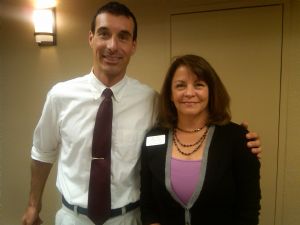
Christian Hesch began his presentation of the Cuesta College Paramedic Program with his life story. He is a long distance runner whose father's firefighting career finally touched his life. His presentation touched upon the life of a paramedic student. He finds this profession to be a bit selfish in that it is so gratifying. He is turning a situation around into comfort and security.
When you dial 911 you will get a well-trained emt to assist you. Students have to be proficient with all of emergency medical techniques, as Hesch shows the stack of books. The EMT says, "I have wheels so I can get you to the hospital." The paramedic says, "we can give you some things, like oxygen and we can buy you time." Most of what the paramedics do is done in the field before transportation.
Six months of classroom, plus an internship. The program Hesch is in graduated 13 last year, this year could be 18. The internships are at five different hospitals. The student needs those intern hours, as volume is the best way to learn. You have to practice.
Gold standard is getting the breathing tube down the throat (innovation). Very rare to find a hospital that will allow a student to do an innovation. With 480 hours of class time; field internship through a local agency; guidelines from nurses; a pretty standardized educational process.
The object of the paramedic is to be steady and deliberate. They are supposed to check your rights: check date, check time, check route, check patient, check drugs, ...check and recheck, without making mistakes on the way to Definitive Care (like a hospital).
Christian then measured vitals of volunteering members at the end of the meeting.