
World Polio Day
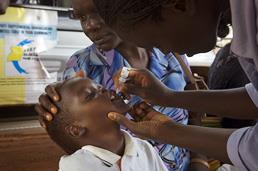
October 24th is World Polio Day
In 1985, Rotary, Rotary International, began the task of eradicating Polio from the face of the earth. In 1988, there were reported over 350,000 ne case of polio in 125 countries. As of October 1, 2014, there have been reported year to date 284 cases (less than 1% of the 1988 total) the majority of the cases have been reported from the last three endemic countries (countries that have not been declared “Polio Free”). The battle has been difficult, time intensive, and costly, but well worth it. Rotary has been joined by many organizations and governments in this momentous effort including World Health Organization, The Gates Foundation, and UNICEF. The picture below, one of many, has served as a rallying call to finish the task that was started almost 30 years ago – “We are this Close” to eradicating Polio! Please join us in the last push to finish this mission – 62 cents inoculates one child. A Polio Free world is within reach. Thank you for joining the battle – Doing Good in the World.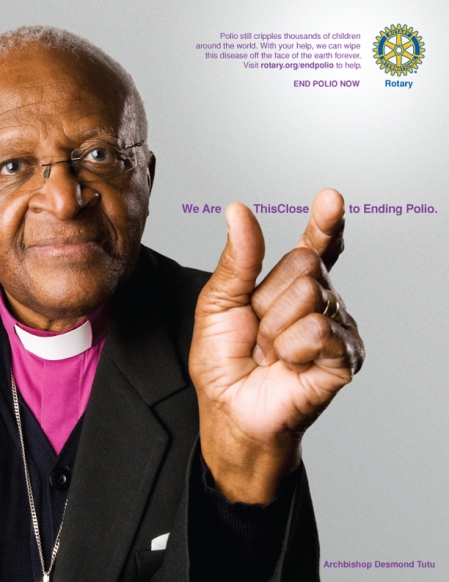
Polio and prevention
Polio is a crippling and potentially fatal infectious disease. There is no cure, but there are safe and effective vaccines. The strategy to eradicate polio is therefore based on preventing infection by immunizing every child until transmission stops and the world is polio-free. The disease Polio (poliomyelitis) is a highly infectious disease caused by a virus. It invades the nervous system and can cause irreversible paralysis in a matter of hours.
Who is at risk?
Polio can strike at any age, but it mainly affects children under five years old.
Transmission
Polio is spread through person-to-person contact. When a child is infected with wild poliovirus, the virus enters the body through the mouth and multiplies in the intestine. It is then shed into the environment through the feces where it can spread rapidly through a community, especially in situations of poor hygiene and sanitation. If a sufficient number of children are fully immunized against polio, the virus is unable to find susceptible children to infect, and dies out. Young children who are not yet toilet-trained are a ready source of transmission, regardless of their environment. Polio can be spread when food or drink is contaminated by feces. There is also evidence that flies can passively transfer poliovirus from feces to food. Most people infected with the poliovirus have no signs of illness and are never aware they have been infected. These symptomless people carry the virus in their intestines and can “silently” spread the infection to thousands of others before the first case of polio paralysis emerges.