Your Genome
by Lorine Parks
Genetically speaking, what makes you? Your genome, that’s what.
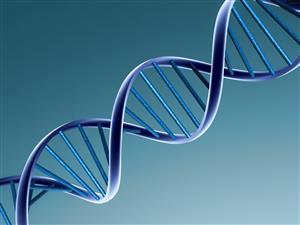
Your genome contains all your genetic information, in a double helix also known as your DNA. DNA is the acronym for Deoxyribose Nucleic Acid. It contains all the specifics that make you similar to and yet different from every other human.
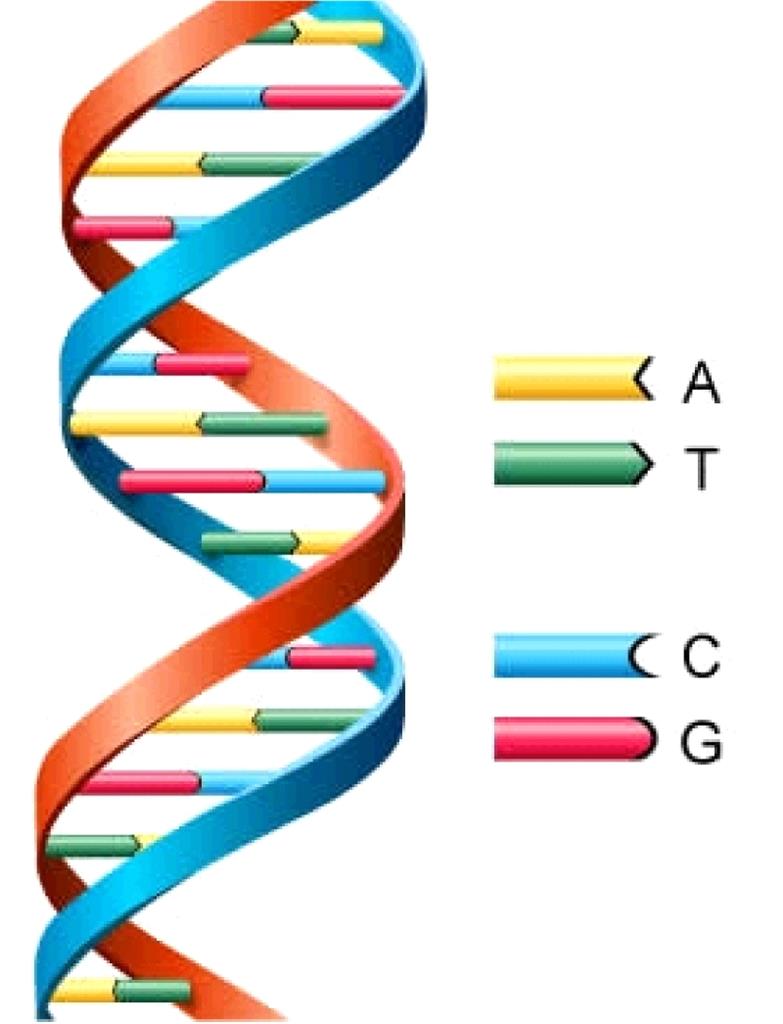
DNA is a molecule that encodes the genetic instructions used by the body as an organism in development and functioning.
Nature is so much more cunning than her imitators: if it could be unwound the DNA double helix strand would make a thin ribbon reaching to the moon and back six times. Reading this ribbon is the task of the molecular genetic biologist, which is the title of Michael Salmans, our speaker for today.
Is genetic science a fiction or a reality? Real enough to tell you about your ancestors. Real enough for a scientist to be able to read your DNA and tell you if you’re at risk for a heart attack, cancer, diabetes or Alzheimer’s. Real enough to help you to adjust your life style to be ready for what is already dealt you in your biological cards.
Want your bionic destiny read? It can be done, and ten years ago it would have cost a million dollars for sequencing your DNA, in the Human Genome Project at UC Irvine. By 2012 that cost had been brought down to $7,000, and today the target price of just $1,000 has been achieved.
International research teams are at work on these genetic puzzles, and both the private and public sector are involved. Testing began here in California at UC Santa Cruz, and today there is a machine available for this testing here at UC Irvine, where 320 samples are now processed each week. A sample is collected with a simple swab, and the reading comes back within three days.
Soon this applied science can predict a disease, and select the most effective treatment. That brings up the big question: Does the patient really want to know?
Ethical issues concerning the control of DNA include defining the role of society in deciding which traits are desirable, which involves the highly controversial science of eugenics which the Nazis proposed in the 1930’s.
Designer babies are possible, with a selection of traits for a child to be developed in vitro.
Scary? It calls to mind Star Trek’s Prime Directive, the philosophical approach to exploring new worlds and civilizations: “do not interfere.” With molecular genetic biology a fact, is it already too late to make that choice?