Estate Planning
by Lorine Parks
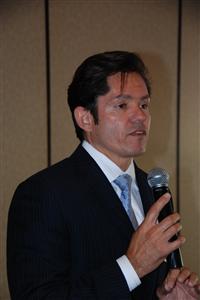
Paul Velasco gave a clear and detailed program on what estate planning means, and why everyone should give it some thought. If one doesn’t plan properly, then much of one’s estate may be lost to the state and to attorney fees.
Although you may be planning on planning ahead, you never know that the unexpected may not happen first. A will is not enough anymore to make sure your assets are divided as you would want them to be. And although everyone says family is the number one priority in life, many do not get around to estate planning, either through procrastination (laziness), the unpleasantness of the prospect, or lack of knowledge. So Paul proceeded to enlighten us.
Many are not aware of how many assets they actually have: retirement plans, life insurance, inheritance. Sometimes, you are worth more dead than alive. The motive in many murder mystery novels could be eliminated by the benefactor announcing, truthfully or not, that he or she is leaving all the assets to a college or a cause.
The objective of estate planning is to leave your property to the beneficiaries you designate. If you don’t have a will, the state will decide for you, and it has its own hierarchy among spouse, children, etc.
In estate planning, you choose the right person to control the distribution of your assets, and maximize the amount paid out to your beneficiaries. Paul said that if not properly done, half the estate could be wasted.
You can avoid many problems by having a living trust, that is, a conservatorship which you control till you die. A living trust is a contract with yourself: you are the settlor, trustee and beneficiary as long as you live. Then at your death, probate court is eliminated because the trust is over and the assets had already been given.
In probate, it takes at least a year before the assets are distributed. And then court costs and attorney fees can eat up the estate, because all debts and costs are paid before distribution of the remaining assets.
Probate takes place in open court with no privacy, and the court takes expenses based on the gross value of the estate. Obviously we all prefer to avoid having that happen to our hard-earned dollars.
Estate taxes are a tax on the transfer of property. This amount varies from year to year, and for 2010 it was repealed. It is due to be reinstated January 1, 2013, unless Congress moves before then. The amount exempted from being taxable has varied, from the first quarter million dollars that you leave, up to the first three million. Obviously, no tax at all is favorable to you, but not to the government. So your estate becomes part of the economical and political game of football, as we all have seen.
After Paul’s presentation Angelo Cardono rose to give Paul a testimonial. He said that when Paul first spoke to the club, before he became a member, back when Brian Saylors was president, Angelo was so impressed with Paul’s knowledge and ability that he consulted him professionally. Since then, any family matters have been handled smoothly and without causing any problems, which is important in times of stress.