DEBO Helps Ethiopians
by Lorine Parks
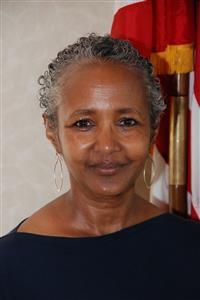
Elizabeth Tilkian told our club about her involvement with DEBO, a group organized to help her fellow Ethiopians in rural villages. Elizabeth came to the United States in 1971, when she completed high school and college, and became a U. S. citizen. A revolution prevented her from returning to her country then.
Haile Selassie, called the “Lion of Judah,” outlawed slavery and tried to centralize his scattered realm, in which 770 languages were spoken. In 1931 he created a constitution, revised in 1955, that called for a parliament with an appointed senate, an elected chamber of deputies, and a system of courts. But basic power remained with the emperor.
It is the tenth most populous country in Africa, with 93 million people, where the climate is spring-like all year long in the Highlands. The Blue Nile rises in the southwest before entering Sudan, and the Great Rift Valley is a tourist attraction.
In 2003 some citizens visited the villages and found the springs muddy and the water contaminated. Deciding that clean water was a first priority for the country, they founded DEBO to provide clean drinking water.
Debo is an Amharic word that means welcome and thanks for helping with the harvest. After clean water, the next priorities for Debo were food and school, and training teachers. Debo achieved tax-exempt status in 2005 in order to pursue these ends.
In 2006, Debo built seven class rooms and a learning center in one small settlement. They still need a library, books, a tutorial system, and computer training. Debo has given needed items such as sweaters and books as prizes in literacy. They have raised enough money to provide 157 full scholarships, room, board, tuition and books.
They have a one-year teaching development program, and in one year have produced seven qualified teachers. Debo wants to encourage pre-kindergarden attendance, as Ethiopia is 40% below the average literacy rate for Africa. Children don’t start school till they are 6 or 7, which is late in terms of taking advantage of the most formative years in learning.
The population of the village of Rehalmeda is 16,000, of which 60% are under twenty years of age. Over 5,000 are students. They already have received donations of chairs, tables, metal bookshelves, and books.
The health program addresses the fact that poor health leads to poverty and then poverty leads to poor learning. Life expectancy in Ethiopia is 55 years.
The scourge of Africa, HIV and AIDS, has not skipped Ethopia, so Debo has provided HIV prevention seminars, and training at medical conferences.
Now that water and education and health are being addressed, it is time to get Ethiopians back into the marketplace, where they can be productive for themselves. There is a micro-credit program, where one person may borrow what amounts to as little as $1 a day, and repay it at low interest rates which the tribal council decides. 59 families have taken advantage of this credit to start businesses. First, there is sheep shearing, but there also is a great need for grain mills. Going back to pre-history, grain mills have always been one of the first indications of an established society.
Women especially, are encouraged to learn how to establish credit and borrow responsibly to start small enterprises. As Elizabeth remarked, women are the responsible one who will see that children are taken care of. There are twelve savings groups with 300 members, where members are encouraged to save regularly, and they are eligible to borrow for short periods, to start and expand. Members each have their own bankbook and a passbook.
Re-forestation is another area of development. The land has been degraded over the years. So in 2006, partnerships were developed in the villages to plant trees.
In the little town of Gondar, only 12% have clean water, and water-bourne disease is a problem. In the year 2004, Debo established new springs in Gondar for 1200 thirsty citizens. So progress is achieved, village by village.
Debo Board members make yearly check-ups and assessment visits to as many sites as they can manage. Their arrival is celebrated. The people have always had land, and now they have cash and the credit too, to build a modern Ethiopia.