Affordable Care Act
by Lorine Parks
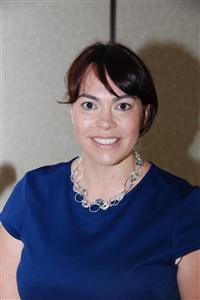
Dahlya McDonald presented the program, an explanation of how the Affordable Care Act, also known as Obama Care, will affect us when it goes into effect January 1, 2014.
Through Covered California, both individuals and small businesses can compare different health insurance plans. Individuals can learn if they qualify for federal financial assistance that can lower the cost of health insurance.
Individuals also will be able to find out if they are eligible for health programs. In addition, employers with fewer than 25 full-time workers will be able to find out if they qualify for a small business tax credit that can help cover the cost of providing employee health care.
Legal residents of California without access to affordable health insurance through their employer or another government program will be eligible to purchase health coverage through Covered California.
Covered California will offer Qualified Health Plans that are the same high-quality health plans available on the private market today. These Qualified Health Plans are guaranteed to provide essential levels of coverage and consumer protections required by the Affordable Care Act.
These plans will be offered in categories based on the percentage of covered expenses paid by the health plan. The health plan choices offered by Covered California will be as good as you can get anywhere – even if you are not eligible for a subsidy. Health insurance companies must offer the same products at an identified price whether they are offered through Covered California or in the open market.
In addition to these traditional health plans, Covered California will offer what is called "catastrophic coverage," which helps protect a person from financial disaster in the event of a serious and expensive medical emergency. Catastrophic coverage is not designed for day-to-day medical expense such as doctor visits, prescription medicines or even emergency room visits. It is designed to cover excessive medical bills that occur above the limit that you would be able to manage financially. Covered California will provide catastrophic coverage for those up to age 30, or those individuals who can provide a certification that they are without affordable coverage.
As a CPA, Dahlya wants to help her clients understand whether or not they may have to pay a penalty tax, in regards to participating in the new law. The time to take action begins October 1 and ends December 31, 2013.
According to the ACA, everyone in America, and this includes all children, must be insured. Those who are not, will be fined.
However, there are exceptions to this, that Dahlya wanted to be sure everyone understood.
The following categories do not have to get their own insurance: first, those who are already insured under their employers plan.
Also, those who buy their own in the commercial insurance market, such as Blue Shield or Kaiser; and thirdly, those covered by Medicare plan A.
Those who also do not have to purchase insurance are: those exempted by religious convictions; those in the health industry; Indian (Native American, tribes, who receive federally managed health care); hardship cases, who cannot afford their own insurance and who are defined by their income level, such as $15,000 for an individual or $31,500 for a family of four; those who are incarcerated; undocumented immigrants.
Everyone else has to pay for their own insurance bought as an individual or an individual family. According to income, there is a government subsidy offered to help. Premiums will be paid directly by the government to the insuring company. Premiums start relatively low, and increase over a three year period.
The government assists those paying for their own insurance by various other means, such as tax credits. Tax credits are only for those whose employers do not offer an insurance plan.
If a business employs less than fifty employees, it is not required to offer insurance. Insurance plans are not offered to part-time employees.
Some workers have found their hours are being cut back from full time to part time, but Covered California can help small businesses to find ways, perhaps with tax credits, to cope without cutting back the hours of their employees.
Anyone with questions is invited to call 800-300-1506, or go to the websites www.coveredca.com, or www.irs.gov/aca.
In answer to a question from the audience, Dahlya explained that one main difference between Obama Care and previous private health plans, is that no one can be disqualified because of pre-existing health conditions.