Man Known as ‘Polio Paul’ Survives 70 Years in an Iron Lung Despite Being Paralyzed From the Neck Down

He now holds the world record for longest-running iron lung patient in history
Published 09/01/23 12:36 PM ET|Updated 09/01/23 02:11 PM ET
Elizabeth Urban
 
Texas man known as “Polio Paul” has now spent more than 70 years living inside an iron lung.
 
Paul Alexander, also known as “Polio Paul,” contracted polio in 1952 when he was just 6 years old, just three years before the vaccine was invented. As polio attacks motor neurons in the spinal cord, Alexander was left paralyzed from the neck down and was unable to breathe without assistance.
 
Alexander was named as the longest-running iron lung patient by the Guinness World Records earlier in 2023.
 
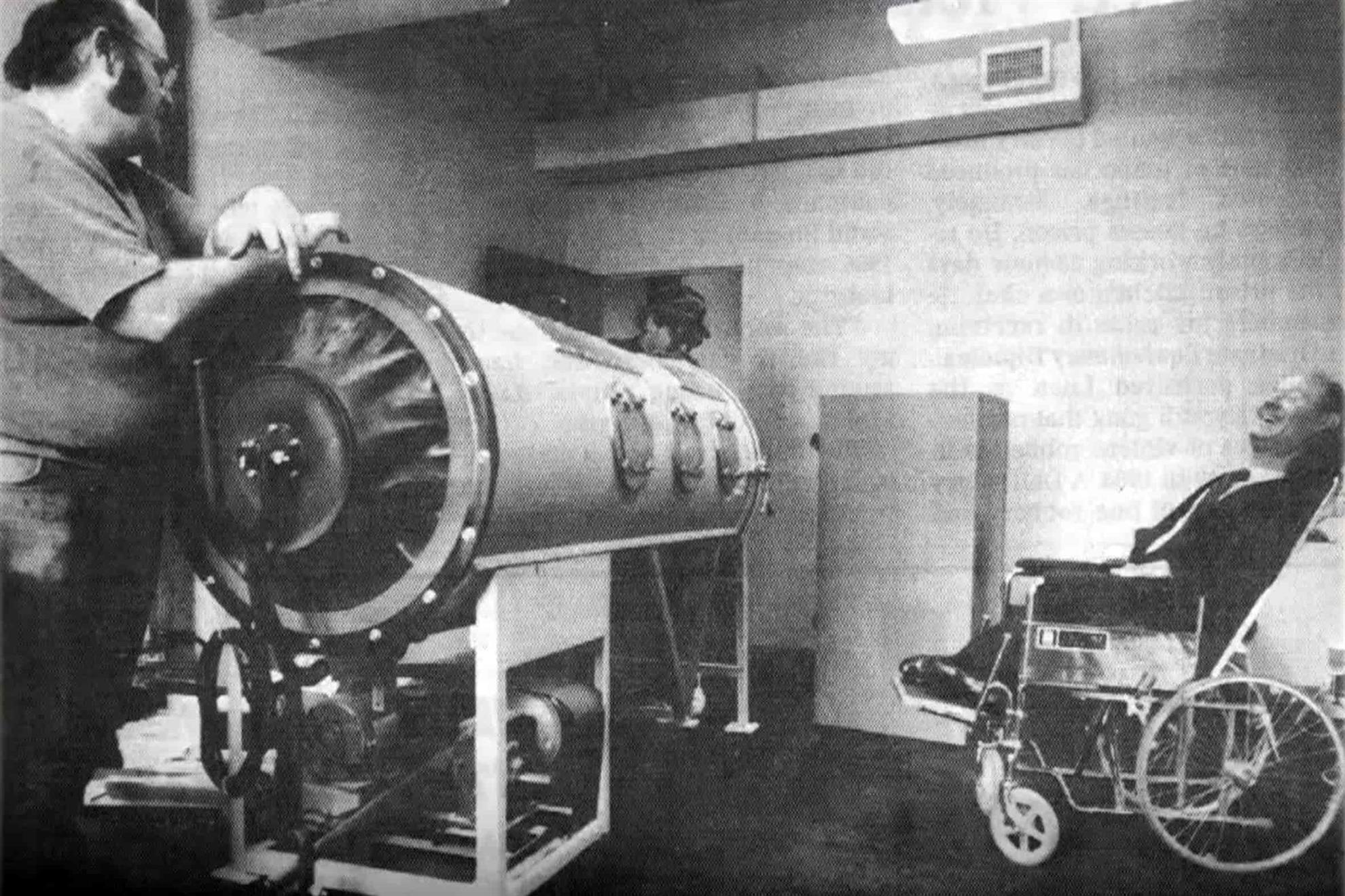
Alexander underwent an emergency tracheostomy after his diagnosis and was placed into an iron lung, an airtight machine that covers the entire body except for the head and allows the patient to breathe by using negative pressure to draw in oxygen and expand their lungs, as reported by the Mirror.
 
For the most part, iron lungs are no longer in use and have not been manufactured since the 1960s due to more modern technology, but Alexander plans to stick with the machine due to its familiarity and because he does not want to undergo the procedures necessary to use more modern treatments.
 
Instead, he learned a technique called “frog breathing,” where he uses the throat muscles to swallow oxygen and push the air into his lungs, enabling him to breathe outside of the iron lung, according to a 2020 interview with The Guardian.
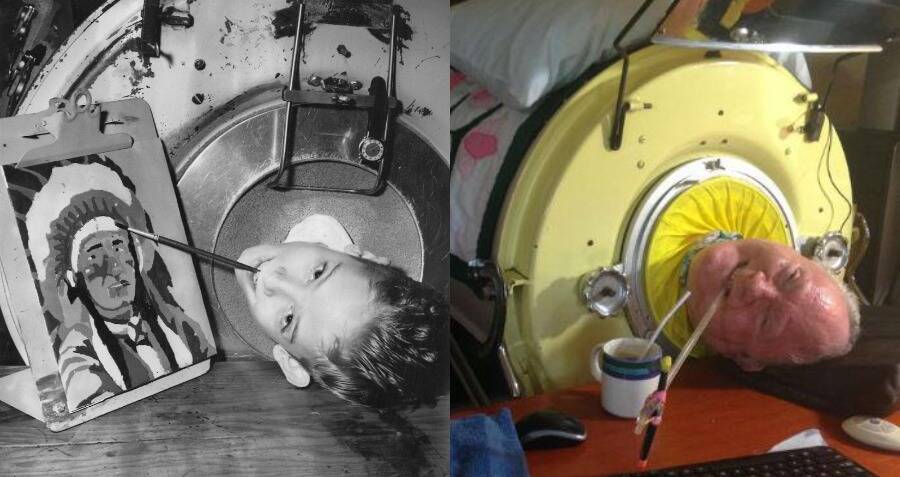
 
 Iron Lung Overview: The iron lung is a horizontal cylinder in which a patient is laid with their head protruding out of a hole so that it is exposed to ambient air.
 
The rest of the body is sealed within the tank where negative pressure is cycled causing the chest to expand which stimulates breathing. It was invented by Philip Drinker in 1927 which is why it's often referred to as the Drinker tank. Another common name for the iron lung that you may have heard is a tank ventilator.
 
Iron Lung for Polio The iron lung is often associated with the polio epidemic because it was used to treat these patients during the outbreaks of the 1940s and 50s. During this time, rows of iron lung tanks filled hospitals across the United States. A patient with polio often experienced a paralyzed diaphragm which would require that they spent up two weeks inside of the iron lung for ventilatory support while recovering from the disease.
 
Thankfully, polio vaccinations were created which eradicated the spread of poliomyelitis. And, as modern medicine continued to progress, the iron lung was eventually phased out thanks to the development of positive pressure mechanical ventilator machines.
Living inside a canister: Dallas polio survivor is one of few people left in U.S. using iron lung 
Paul Alexander is a living reminder of a time when fears of the crippling, infectious disease gripped the nation and parents kept kids away from playmates, public pools and birthday parties for so much as a sniffle.
 
Article by  Marc Ramirez, Dallas Morning News 

12:16 PM on May 25, 2018

Excerpts:

  • Paul Alexander has spent much of his life in a can, a childhood victim of a once-epidemic disease that menaced the nation and now leaves him at the mercy of a mechanical respirator. Though unable to move from the neck down, he refused to be limited by his metal prison, finding success in both the classroom and the courtroom.
  • As he walked in, dripping and muddy, he said, he let the screen door slam — an act that would normally draw scolding from his mom, who was mopping the kitchen.

    Instead, she saw him and her face froze. "Oh, my God," he remembers her saying.

    She told Paul to run out and get his shoes. When he came back in, she cleaned him up and told him to go to bed.

    "She knew instantly," he says. He still wonders how.

  • He was pampered. His parents brought him crayons and coloring books featuring his beloved cowboys. It was pretty great, though he had the sense something wasn't right. And so he colored, page after page, like there would be no tomorrow.

Use this link to read the entire article
Sponsors