“The Northbrook Historical Society was organized in December 1973 and Incorporated in March 1974 by residents interested in preserving the history of our Village. As stated in the bylaws, the purpose of the society is: To discover, collect, preserve and disseminate knowledge that establishes or illustrates the history of the Village of Northbrook, its exploration, settlement, development and progress.
The Society is an all-volunteer organization that receives no tax dollars. Membership dues, donations, grants, and fund-raisers provide the revenue for programming, maintenance and the Northbrook History Museum operation.”
On Tuesday, Judy Hughes joined us for an update on the Northbrook Historical Society. She has been with the Society 25 years, and 21 years as president. For many years Barbara Schulz, who was the first speaker, was the Society’s official Historian.
She nicely quoted our incoming Rotary President Jennifer Jones, “It’s the stories that tell what is happening in our world." She would know! According to the Patch, “Hughes considers it her job to be a "keeper of the stories."” She does just that.
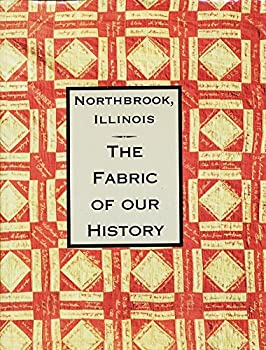
In addition to sharing an update on the Northbrook Historical Society, Hughes presented the Emmy nominated video ‘Northbrook Illinois: An American Tapestry’, that was produced by their Centennial committee, which she chaired in 2001. Hughes was the lead for the book and a co-producer for the video.
Watch the full video here, it is worth the time. Also, there is a link for the oral history of Northbrook and you will recognize a number of our Rotarian voices there.
Video: Northbrook Illinois: An American Tapestry can be downloaded from this link onto your own computer.
The difference of being a Rotary member VS. being a Rotarian…
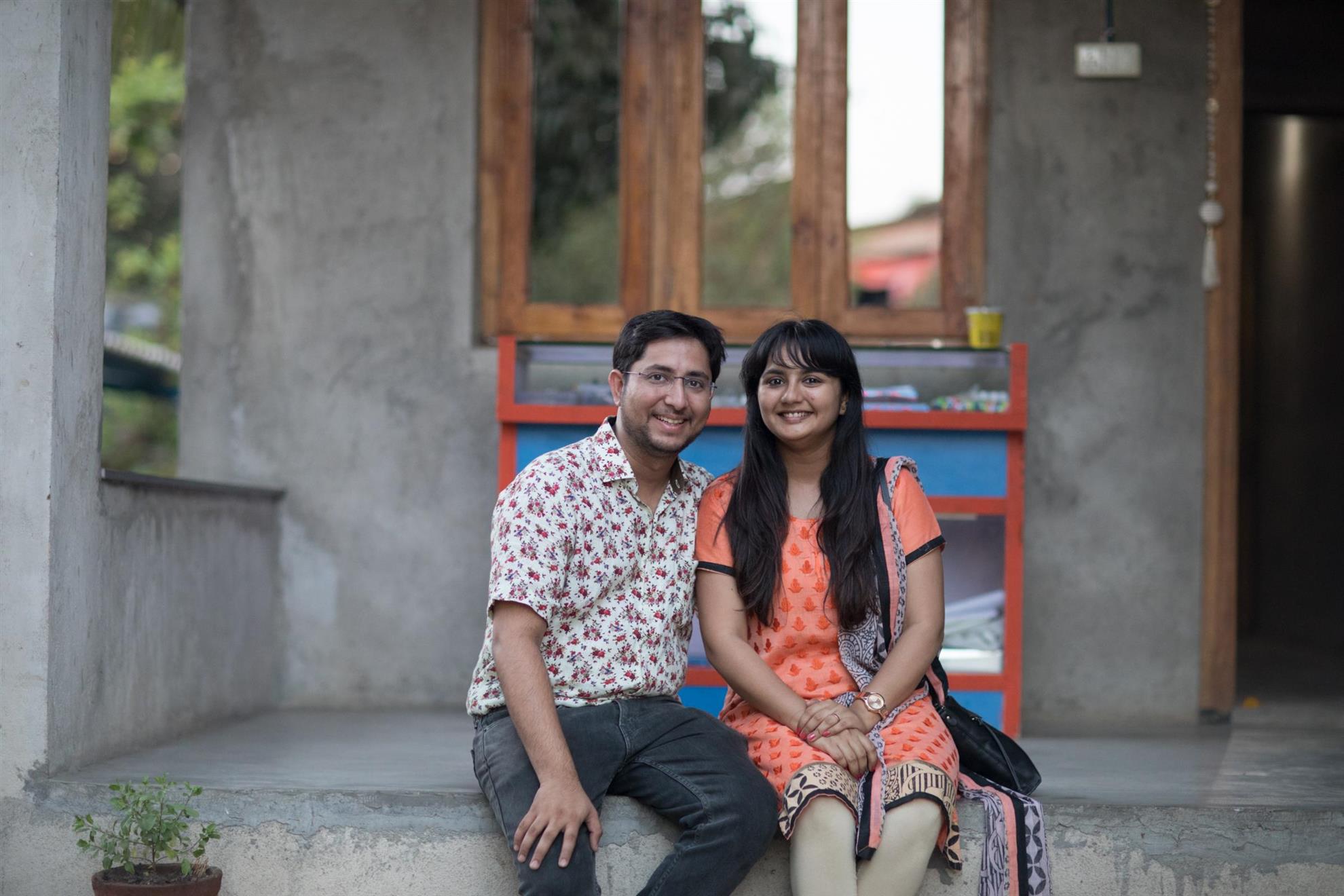
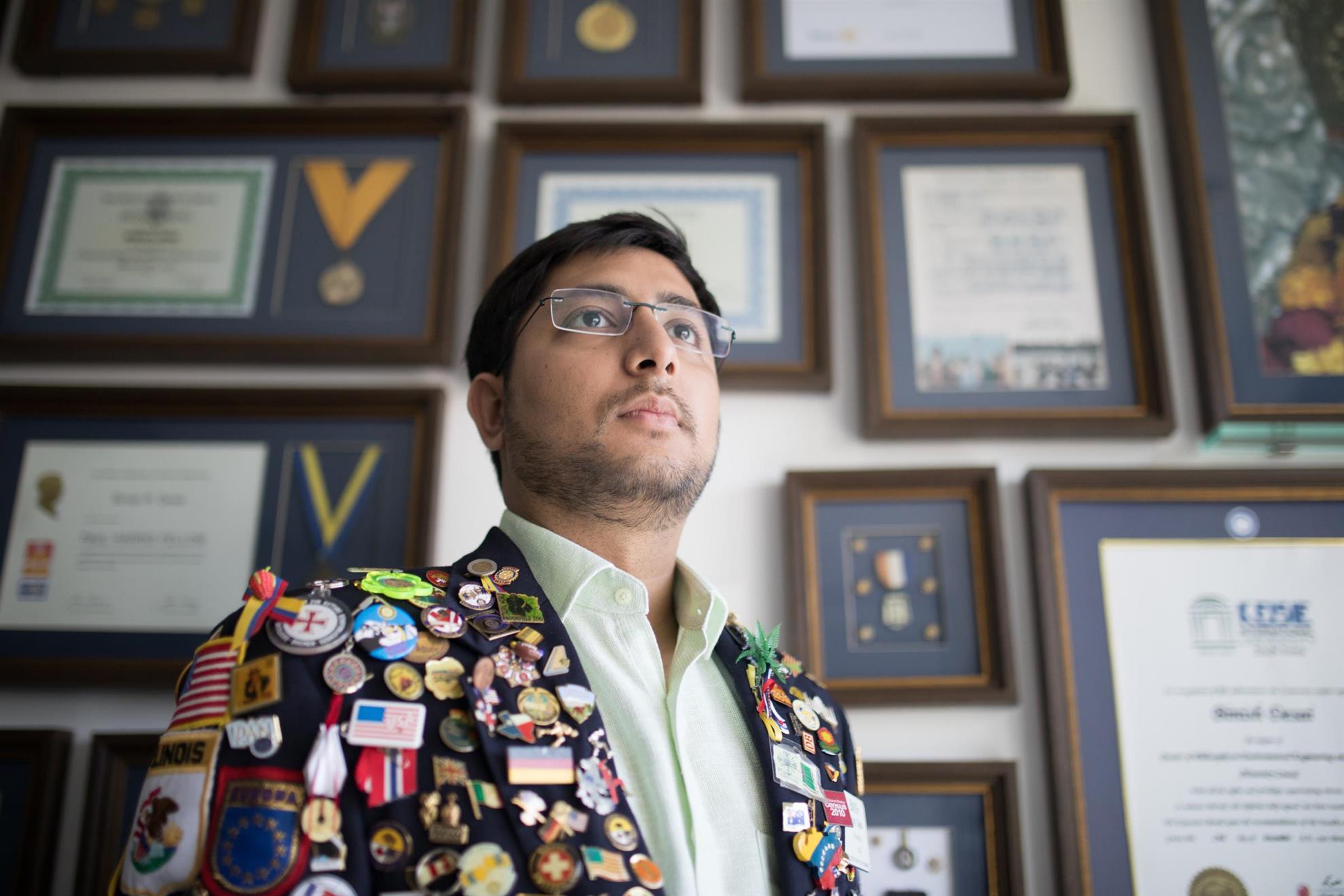
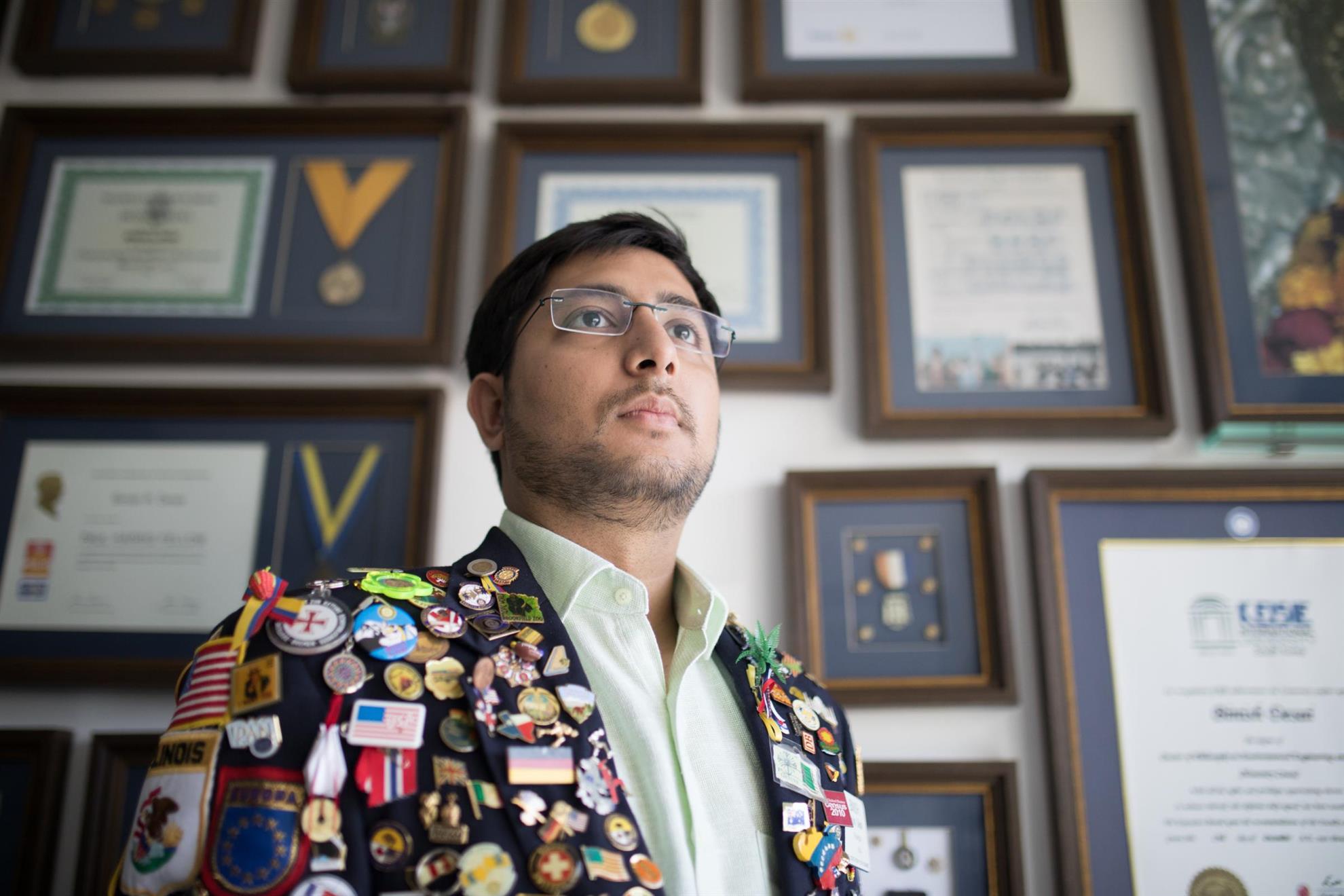
Here are some excerpts from the article by Geoffrey Johnson on Binish Desai. Desai is a true Rotarian. Are you? Over the past year we have been exploring ways to build our club membership. Ideas were suggested and discussed from ‘we need more women’ to ‘let’s offer different hours,’ ‘change dues’ to ‘younger people need to join’ and most have been vetted in some manner.
During a “visioning session” about increasing membership my thoughts were that we needed to look for “Rotarians” people who are engaged through a more collective attitude for serving globally and locally regardless of gender, or generation. Then I found Binish and his ‘grand ambition’ which was exactly what I was thinking! What follows are some take-aways – but I hope you will follow the link and read about him and his mission further.
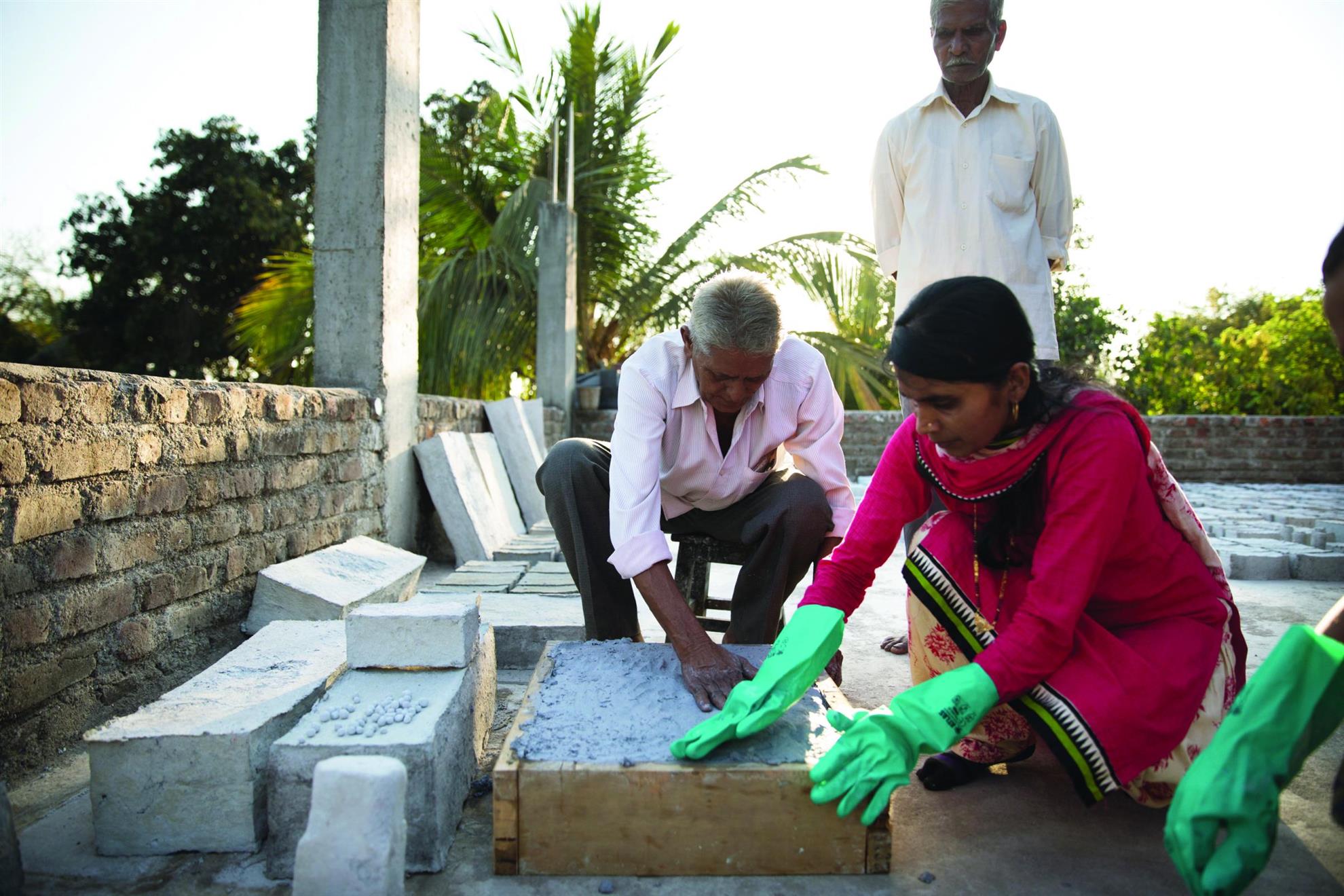
“Rotary has been running in my veins ever since I was born,” Binish says. His grandfather was an honorary Rotarian, and since 1994 his father has been a member of the Rotary Club of Valsad, the same club Desai joined in 2015. As ever, he had grand ambitions. “It’s easy to become a Rotary member, but it’s very difficult to become a Rotarian,” he says. “I wanted to be a Rotarian.”
It was his Rotary Youth Exchange “twist of fate” that propelled Binish to change not only his world, but ours.
“Finding confidence in Rotary Youth Exchange: At 15, Desai was a self-described introvert, and his self-esteem was low. With people laughing at his ideas, he had begun to doubt himself. But fate had another twist in store for the young inventor.
“In 2009 I got selected as a Rotary Youth Exchange student,” he says. “That’s why I owe a lot of who I am today to Rotary.”
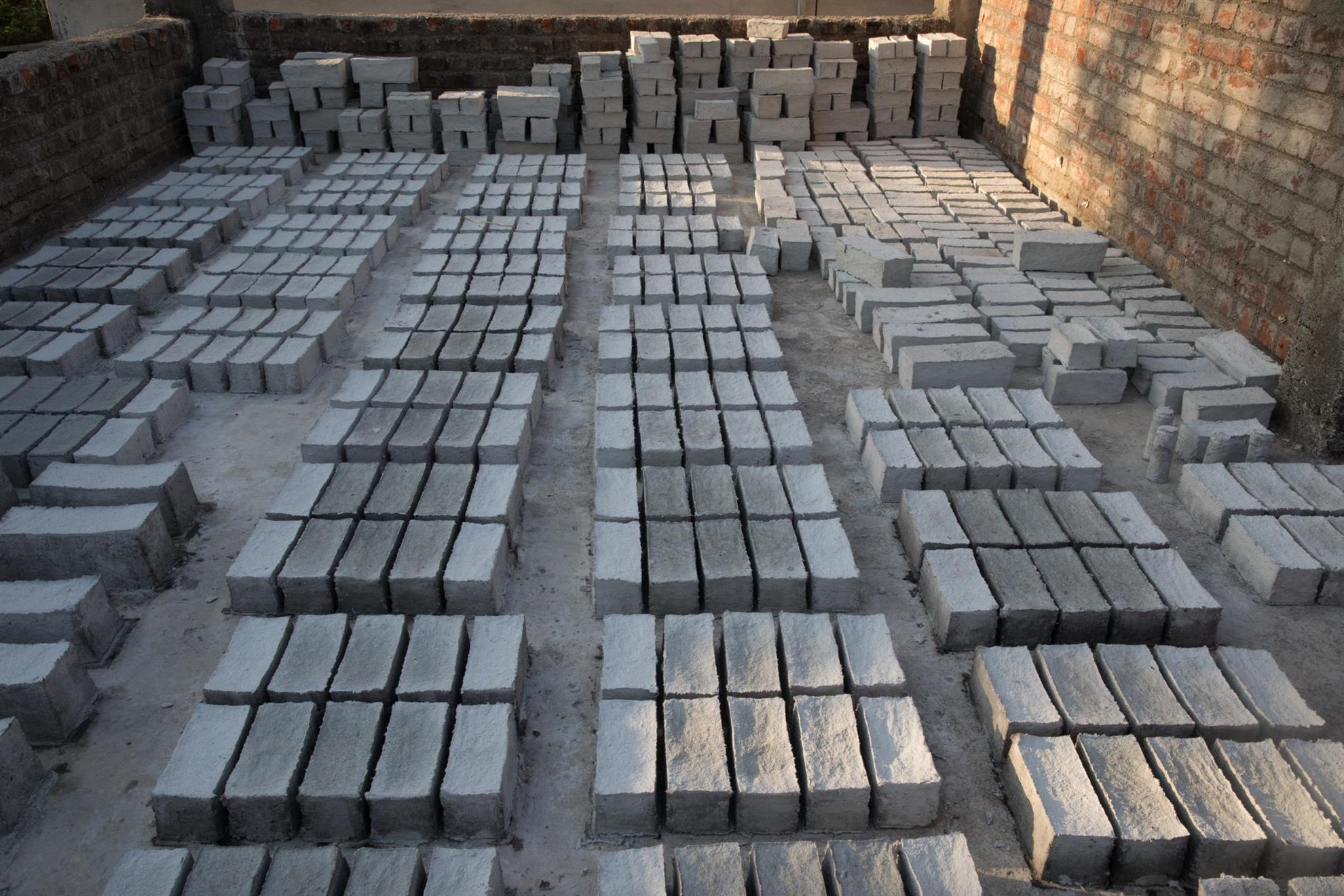
“Desai had applied for a short-term exchange, but things headed in a different direction when he went in for his interview. He told the Rotarians about his plans to build the world’s least expensive house, and he finally found the receptive audience he had been seeking. The Rotarians encouraged him to apply for a longer exchange, and he spent his junior year at Waukegan High School in Illinois, about 40 miles north of downtown Chicago.”
One night, over a dinner of fried chicken, the floodgates opened. In an instant, the introvert had vanished, and he began telling his host parents, Patrick Jimerson and Theodora “Teddy” Anderson, about his bricks and his plans for the world’s least expensive house. After listening attentively, Jimerson asked if Desai had a patent for his bricks. (He did not.) He also suggested that Desai might want to pursue this as a career.”
“By the end of his exchange year, Desai says, he had transformed into a different person. “I was friends with everyone, and everywhere I went, I would talk to people. I made new friends because I started sharing my inner thoughts about how I viewed the world.” With Jimerson’s help, Desai secured a patent for the formula behind his bricks. And when he returned home to India, he knew the exact direction he wanted his life to take.”
“Jimerson died in 2016, but Desai returns to Waukegan each December to visit with Anderson, just as he promised Jimerson he would. “Rotary Youth Exchange changes you forever,” he says. “Once an exchange student, always an exchange student. Now I have a family all around the world.”
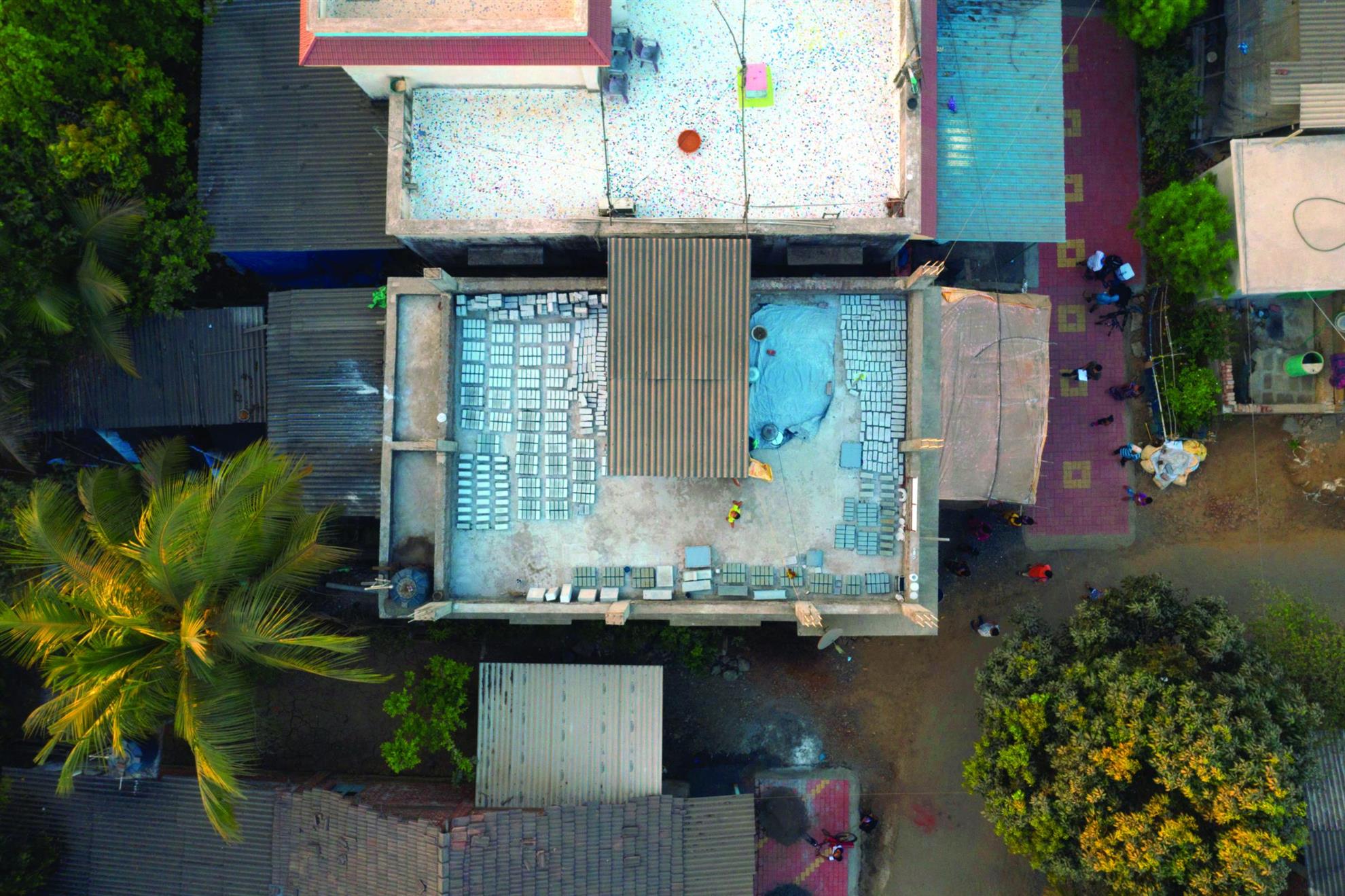
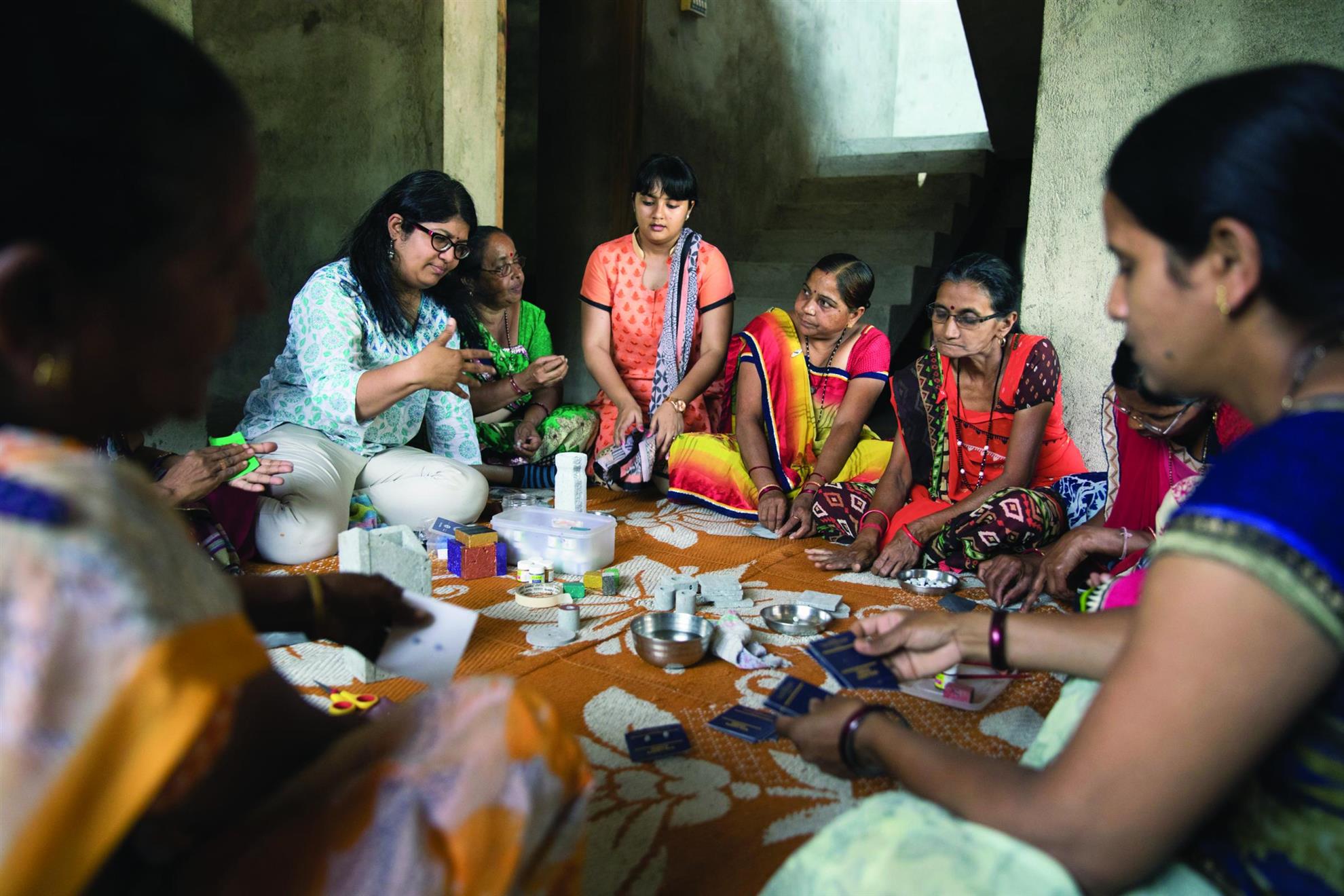
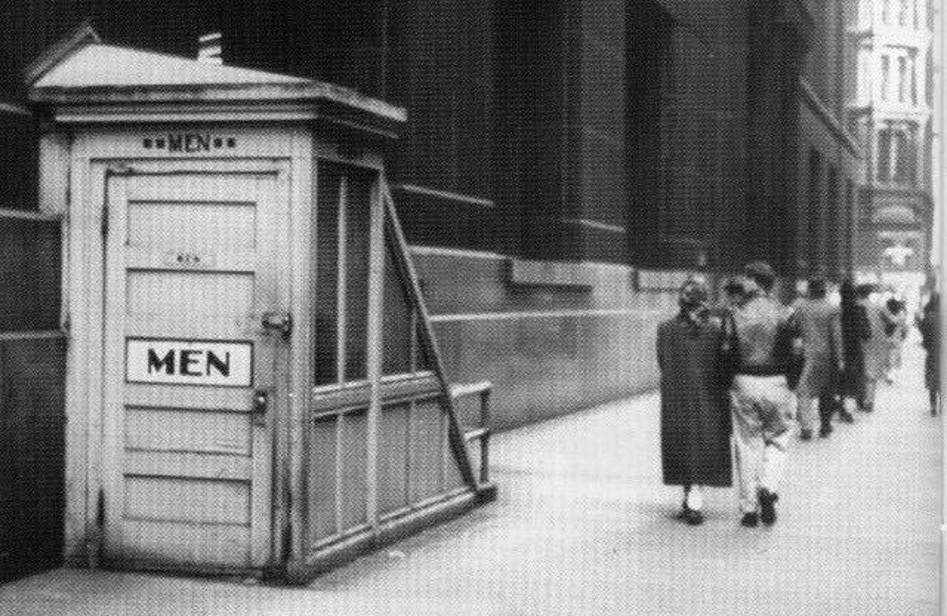
“Desai began by proposing a sanitation project to the club’s president: installing two public toilets made with his bricks in a rural village near Valsad. His role model was none other than Rotary’s founder. As Desai recounts with some delight, “Paul Harris’ first service project was also a community toilet,” part of a “comfort station” movement in Chicago in 1907. The toilets in the village were the first of several that Desai would install with his club, but his experience there had a greater impact on his thinking than he expected.”
Be the difference. Be a ROTARIAN!
READ more about Dr. Binish Desai’s story and how he is empowering women with his projects.
Rotarians often connect with people from different cultures. Here, members of Rotary’s Global Communications team — our translators, interpreters, and all-around international experts — offer a few etiquette tips from their native countries.
Dziękuję ci
When getting off an elevator in Poland, say “thank you” to your fellow riders.
Marcia...!
In Brazil, call people by their first names. There are very few instances when you would use surnames — such as when more than one person in a classroom or office has the same name.
Hallo, Herr Müller
In Germany, however, do not address a person who is not a friend or longtime acquaintance by their first name. Instead, address them as Mr./Ms. Last Name.
Mucho gusto en conocerte
In Peru, kiss a woman on the cheek when you are introduced to her by a friend. Two men always shake hands.
Wie geht’s?Ich bin müde und mürrisch und könnte ein wenig Schlaf gebrauchen...
Germans don’t consider the phrase “How are you?” to be a simple greeting; people will think you really want to know, and will answer honestly.
In Korea, don’t pick up rice or soup bowls from the table when you’re eating —but in Japan and China, it’s appropriate to do so.
And when drinking alcohol with Koreans, do not fill your own glass; your fellow diners are supposed to fill it for you. If you see that someone’s glass is empty, offer to refill it.
Bow, don’t hug, as a greeting in Japan.
And don’t talk on the phone on public transportation — it’s considered rude.