Group Dynamic: Meet the Rotarians who are finding fresh ways to connect
Learn more about the projects that Rotarians and Rotaractors are bringing to life in their communities.
Rotarians are doers. As Rotary’s vision statement proclaims, they want to live in “a world where people unite and take action to create lasting change.” That’s why they joined Rotary, and that’s why they stay. They want to be engaged.
So how can your club ensure it is providing sustained engagement for its members? On the following pages you will meet seven Rotary clubs and see how they do it. In Texas, the Rotary Club of Plano West has gone all in on community service. And the recently chartered Rotary Club of Network for Empowering Women, with members in multiple U.S. states and several countries, has great advice for involving new members. Finally, leave it to Rotary’s first five clubs to concoct a collaborative endeavor that is connecting current members in creative ways. Collectively, these clubs provide a model for how Rotarians can engage with the rich traditions of the past, the challenging conditions of the present, and our hope-filled expectations for the future.
First five collaborative
In 1913, on a Saturday in July, more than 100 men gathered in downtown L.A. and prepared to board the train that would carry them to the city’s harbor. Members of the Rotary Club of Los Angeles were planning to visit the recently chartered Rotary Club of San Diego, and spirits were high. Some men were clad in the ornate uniforms of a marching band, some vamped it up as vaudevillians, and still others were dressed as policemen with comically large badges.
At the last minute, Herbert C. Warden, the club’s secretary, refused to board the train. Over his protests, he was prodded onto the cars, and when the train arrived at the harbor, he was carried aboard the Yale — a swift, 407-foot-long steamship trimmed in the blue of its namesake Ivy League university — and handcuffed to a railing on its upper deck. Five hours later, the men were in San Diego, with Warden in their midst. His reluctance was likely feigned — another facet of the outing’s entertainment — for he left a lively account of the trip in the September 1913 issue of The Rotarian:
“We were royally entertained by the San Diego club with a Dutch lunch Saturday night, a sight-seeing trip Sunday morning, and a visit to the famous Coronado hotel and beach in the afternoon and banquet at night. … The whole trip certainly proved a fine opportunity for the members to get together and to become really acquainted.”
"We hoped that other clubs would feel inclined to join and network and get to know each other."
Though the story is more than 100 years old, Malinda Monterrosa still likes to share it; for her, it demonstrates the importance of fellowship to Rotarians — then and now. “They would just engage,” she says. “That seems to be ingrained in the early history of Rotary. If you’re really thinking about what Rotary is, it is truly a member organization.
People are joining to get to know other people.”
Monterrosa is the president-elect of the Rotary Club of Los Angeles — or LA5 as it’s sometimes known, given that it was, on 25 June 1909, the fifth Rotary club chartered. It was preceded by the clubs of Chicago (1905, making it, of course, Rotary One); San Francisco (November 1908); Oakland, California (February 1909); and Seattle (June 1909).
In April 2020, Monterrosa, a marketing specialist and history buff who was about to become her club’s program chair, thought about the communal spirit that had invigorated the members of the first Rotary clubs. COVID-19 had just shut down the country, and she wondered how, during a pandemic, she could bring together not only the members of LA5, but also other Rotarians. It was a concern she’d felt even before the pandemic.
“These days,” she explains, “when you think about how we interact with other clubs, it’s all very structured: the Rotary International Convention or a district conference or perhaps a global grant. You get to know each other, but it’s almost like you need permission to engage with them.” Monterrosa recalled her club’s 1913 trip on the Yale and stories about how, in the 1920s, club members would hop on the train and head to San Francisco to spend the weekend with Rotarians there. A thought occurred to her: “Why don’t we bring back the golden days?”
Inspired, Monterrosa envisioned a multiclub meeting. She’s not sure how she landed on five — “it seemed like a good number” — but she took a chance and sent out emails pitching her idea to the leaders of Rotary’s first five clubs. She was surprised and happy about their enthusiastic response. “The presidents of the clubs were all in,” says Monterrosa.
In May 2020, Monterrosa and her new Rotary friends assembled via Zoom. The meeting, she emphasizes today, was not “limited to our five clubs. We hoped that other clubs would feel inclined to join and network and get to know each other.” That’s exactly what happened: About 300 Rotarians from across the United States as well as several other countries logged in to hear then-RI President Mark Maloney speak.
“In true Rotarian fashion, we started talking about a service project together,” says J.T. Harold Forbus, the 2020-21 president of the Rotary Club of San Francisco. “We are all in major cities, and they all are facing the issue of homelessness. How do we pare that down to a project we can all do in our respective cities?”
After several planning sessions, the Rotarians decided to provide hygiene kits to homeless people. The kits, donated by the Latter-day Saint Charities, contained toothbrushes, washcloths, soap, and other personal care products. (Matthew Ball, the L.A. club’s 2020-21 president, is the director of public affairs for the Church of Jesus Christ of Latter-day Saints.) The clubs also donated funds to buy additional kits, which they supplemented with socks, hand sanitizer, and other items, as well as contact information for local social service agencies. “We also put in personal notes of encouragement and positivity, so that the people receiving the kits could feel our interest in them as human beings,” Ball says.
Working alongside the Salvation Army and community organizations, scores of Rotarians took to the streets in the five cities and helped distribute more than 12,000 kits. Jeffrey Borek, the 2020-21 president of the Rotary Club of Seattle, defined the undertaking as “an opportunity for amplification. If the Seattle club does something with kits for the homeless, folks will feel good about it. But if four more clubs join in, it has a multiplier effect. It also has a bigger potential to become newsworthy and generate awareness for the Rotary brand. We don’t toot our own horn enough. How can you get new members to join if they’ve never heard of Rotary?”
“It was a great opportunity to bring people together, a good project for a group,” adds Erik Cempel, the 2020-21 president of the Rotary Club of Chicago. “It was tangible and easy to see the end result. With the context that it was happening in five cities, it just sounds really impressive. It’s big even for us, and it’s part of something bigger. Service projects are a huge draw for a lot of people who want to be Rotary members. It’s what we heard in our research: We don’t want to just be writing checks.”
That message of service, and the fact that the first five’s inaugural collaboration was a success, resonates with Diane Netzel, a member of the Los Angeles club. “Projects like this are a way to engage younger members, to get them excited,” she says. “They want to roll up their sleeves and get their hands on it; some older members want to do that, too. It’s a great vehicle to show the community that we are vibrant and we can make a difference, and we’ll attract members because of it. That’s what this project did.”
The distribution of the hygiene kits was the high point of the first five collaboration, but even the online meetings gave the participating Rotarians an infusion of energy during the lull brought on by the pandemic. “Everybody’s got Zoom fatigue, and we worry about, ‘Oh, here’s another meeting to attend, another hour and a half of your time,’” Forbus says. “Regardless, people showed up. It was super encouraging, and that’s why we decided to move forward with additional joint meetings. This is all about current member engagement.”
The energy at the online meetings was generated by the variety of Rotarians in attendance, including RI President-elect Jennifer Jones, who spoke at the group’s second meeting. “Where else could you get the first five Rotary clubs together in one meeting?” Forbus asks. “All five club presidents attended and had something to talk about. We had the guest speakers, and we had fellowship. After any large online meeting, most of the people drop off. But people stayed on after these meetings. For some people, it’s just nice to talk to Rotarians outside your own club.”
Cestra “Ces” Butner, the 2020-21 president of the Rotary Club of Oakland, agrees that the presence of Maloney and Jones boosted attendance and enthusiasm for the venture — a strategy that could continue to be used to engage members post-pandemic. “One thing we have to do is always have a high-profile speaker so we can attract an audience,” Butner says. “The speaker is there to ignite the membership, and they did, as I heard from Rotarians from as far away as Sweden. And then you must have a theme, such as the homeless kits.”
For Mary Johnstone, a corporate operations engineer at Google, the virtual-meeting phenomenon predated the pandemic. A member of the Seattle club, she hopes the lessons learned during the pandemic can be useful as the country reopens. “We used the tragedy of having to quarantine to broaden and include other clubs,” she says. “Even though we’ve been forced into this virtual world, there are positives in reaching out across regions and creating relationships.”
In Seattle, Borek welcomes the opportunities presented by the collaboration to extend his club’s connections and expand the diversity of its membership. “Seattle was once known as more of a ‘velvet rope’ club,” he says. “We used to turn folks away if they weren’t at a certain stage of their career. We certainly moved away from that.” He also likes the way the outreach to homeless people nurtured a feeling he thinks is essential to Rotarians. “Ask a bunch of Rotarians if they would say being a Rotarian makes you a better person, and every one of them would raise their hand. What better gift can you give a fellow human being than helping them be a better person?”
“Even though we’ve been forced into this virtual world, there are positives in reaching out across regions and creating these relationships.”
For the organizers, the sharing of best practices has paid unexpected dividends, particularly as they discussed how to return to meetings, whether in person, online, or in hybrid sessions. “The beauty of sharing information is you can go outside your bubble,” says Forbus. “It sparks new ideas. ‘You do that? That’s fantastic.’”
Having come up with the idea that created these cross-country bonds, Monterrosa is looking to deepen them in the future. “When COVID is behind us, we’ll have the ability to expand the first five to social events,” she says. “We have thoroughly enjoyed getting together. These have become my favorite people, and there’s a desire to stay connected.”
Others share that sentiment. “It’s to the point where, when the pandemic is over, I want to make specific trips to cities to meet everybody in person,” Forbus says. “We’ve got these bonds that we’ve created.”
“The feeling is mutual,” Cempel adds. “We’d all love to visit each other’s clubs” — and this time, no handcuffs will be required.
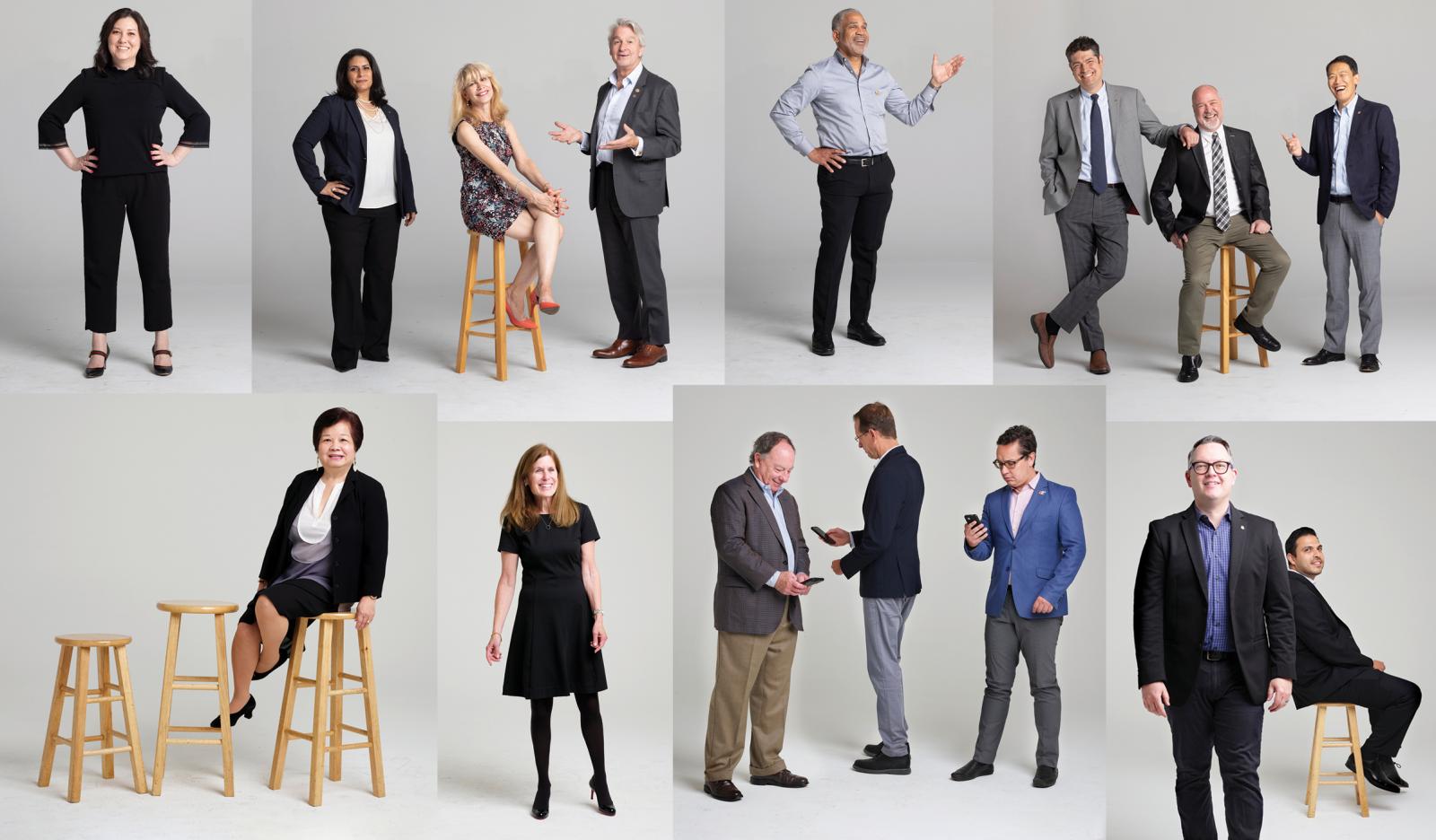
PHOTO CREDITS: Left to right, top: Sarah Buck; Robert Hermann and Dan Joraanstad; Mandi Budd, Ann Ruth, and Erick Weiss. Middle: Laura B. Inns and Matthias Amberg; Walter Stawicki, Neli Vazquez Rowland, Jody Hanley Stawicki, and Gunar Subieta; Marshall Schmitt. Bottom: Malinda Monterrosa, José A. Vera, and Alan Bernstein; Aleta S. Williams; Herbert McGurk and Shahla Reynolds.
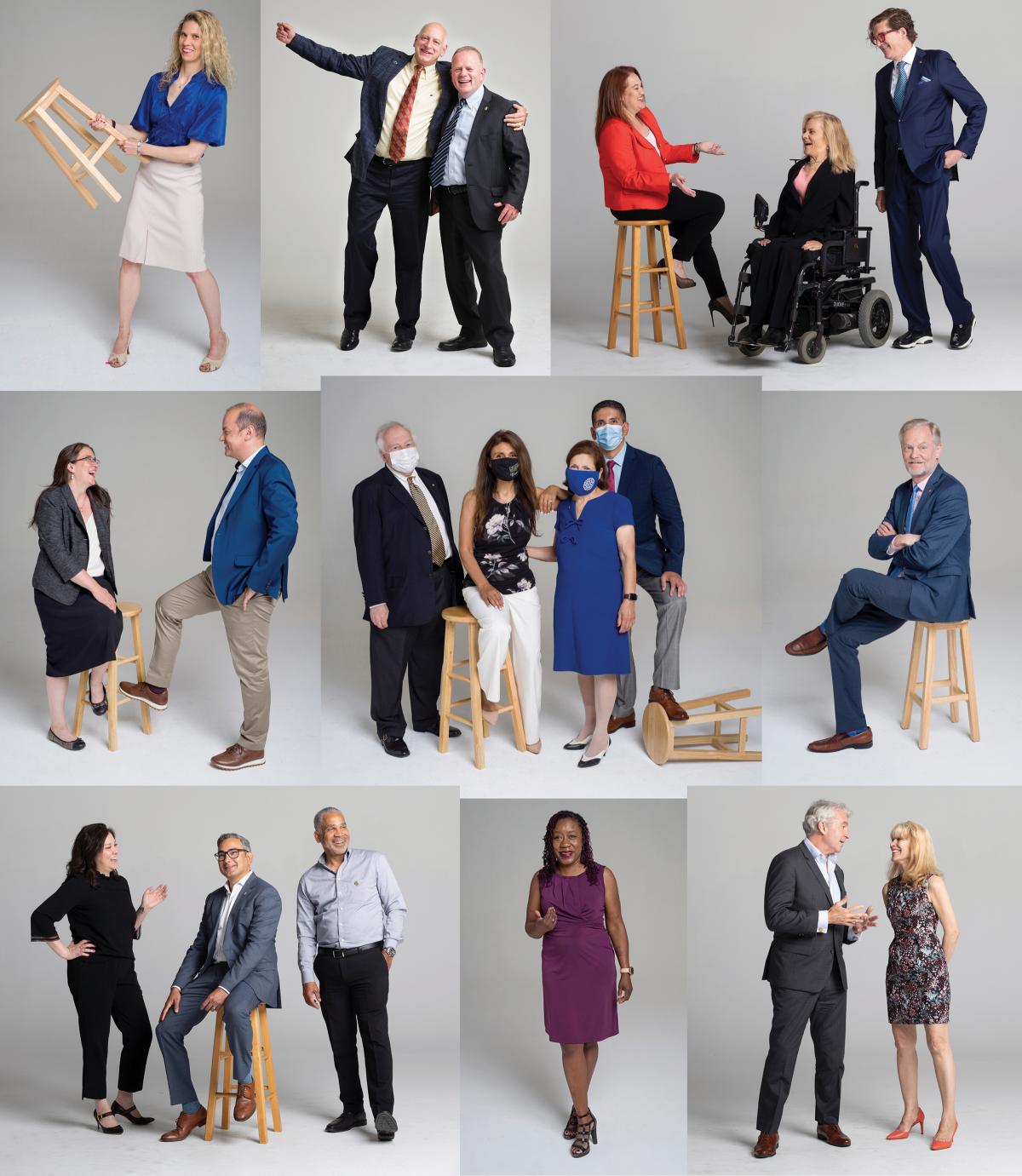
Left to right, top: Malinda Monterrosa; Christina Moses, Shahla Reynolds, and Herbert McGurk; Alan Bernstein; Adam Weiss, Paul Ekstrand, and Kenneth Chong. Bottom: Mary Geong; Susan Dean; Gary Dales, Casey Blair, and Christopher Wiseman; J.T. Harold Forbus and Sunny Singh.
Photography by Chicago: Frank Ishman | Los Angeles: Patrick Strattner | San Francisco & Oakland: Ian Tuttle
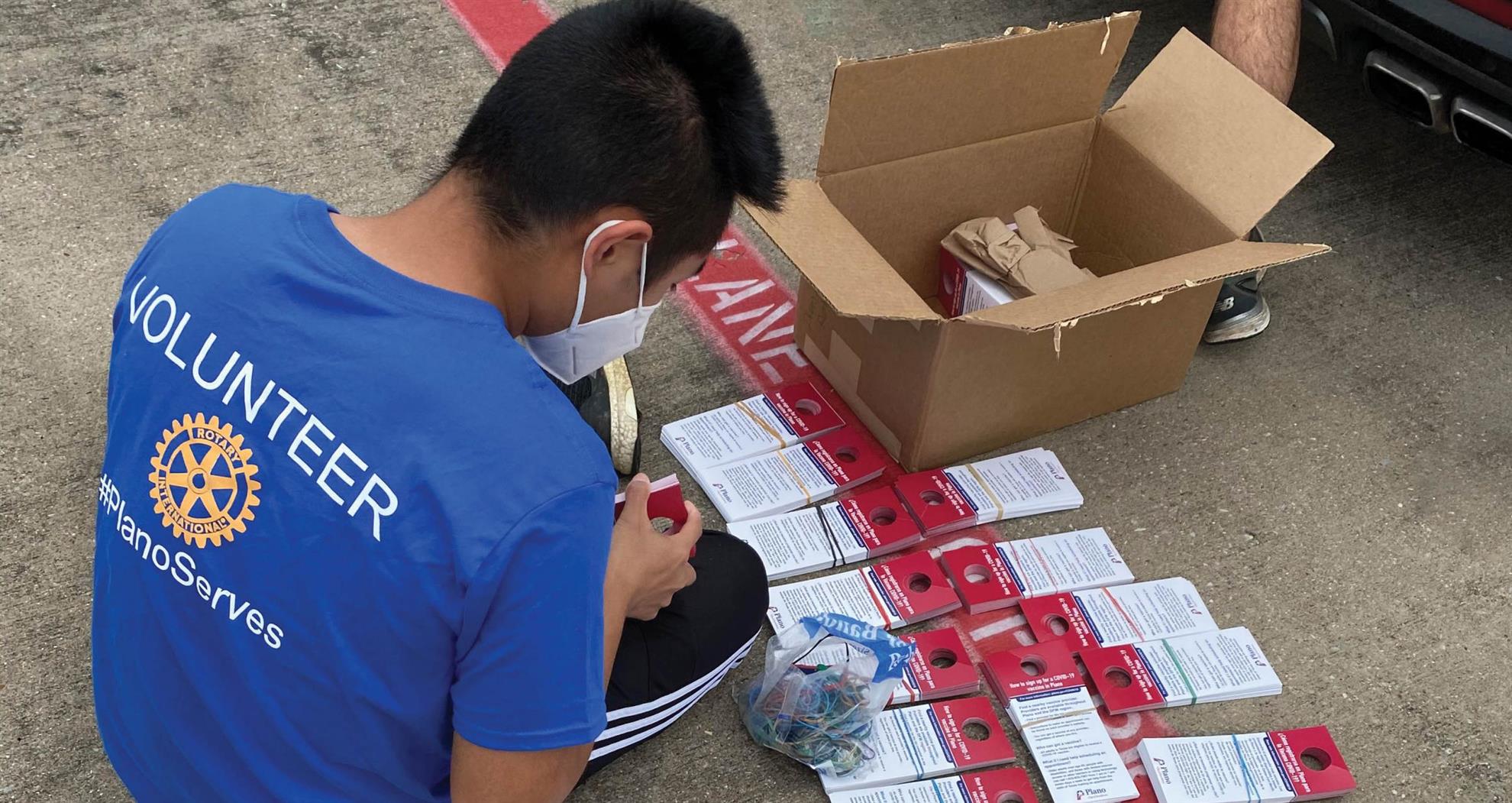
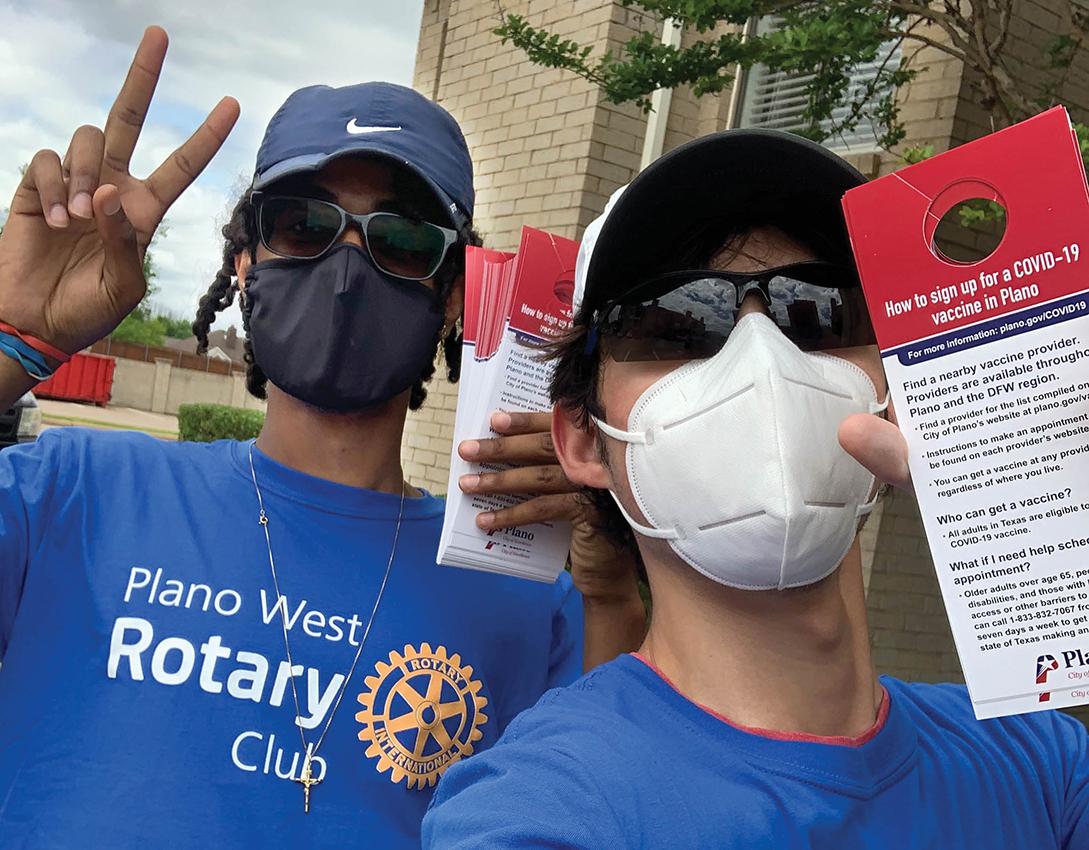
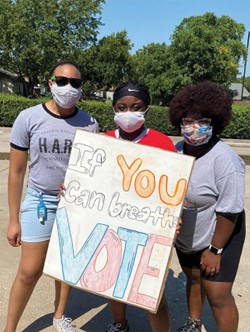
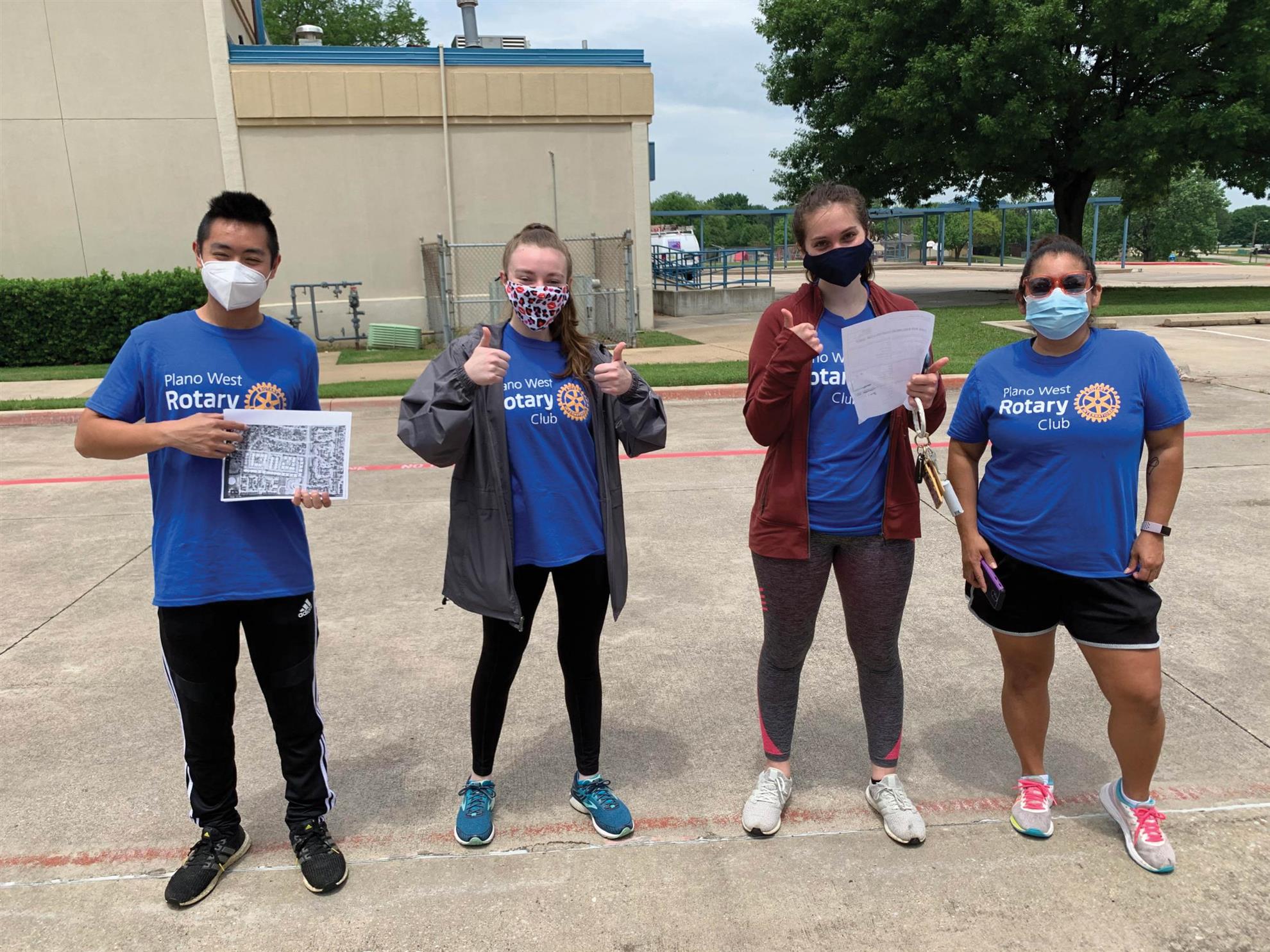
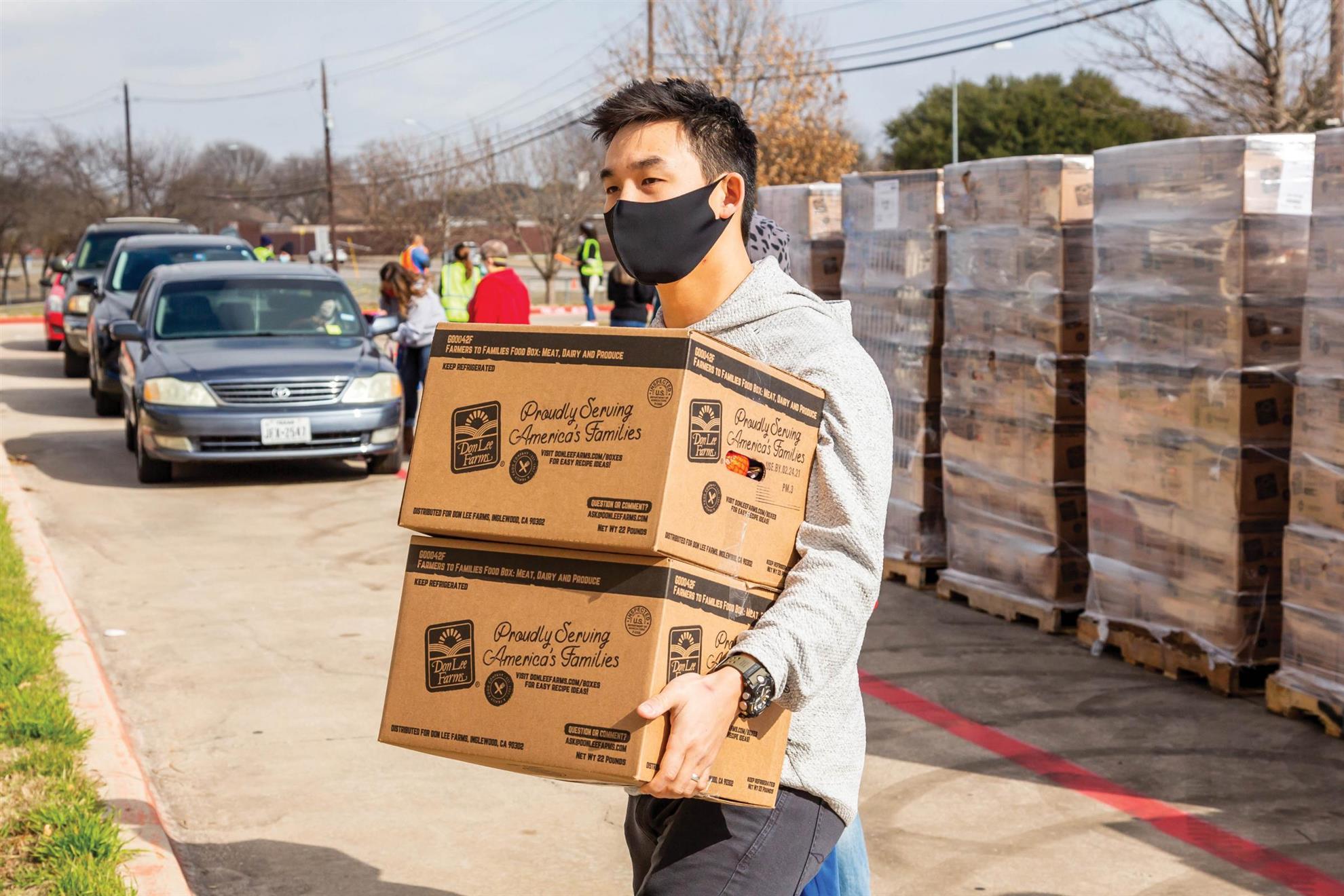
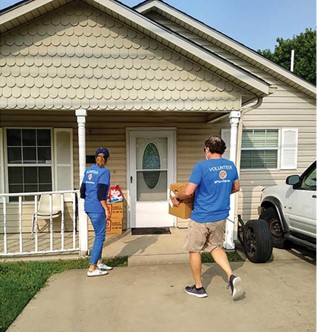
PHOTOS: 1.A Plano West Rotarian organizes door hangers with vaccine information.; 2. “V” is for volunteers.; 3. Partnering with the Rotary Community Corps and others to hand out school supplies — and get out the vote.; 4. Thumbs up for another Plano West project.; 5. Carrying food to a vehicle.; 6. A home delivery.
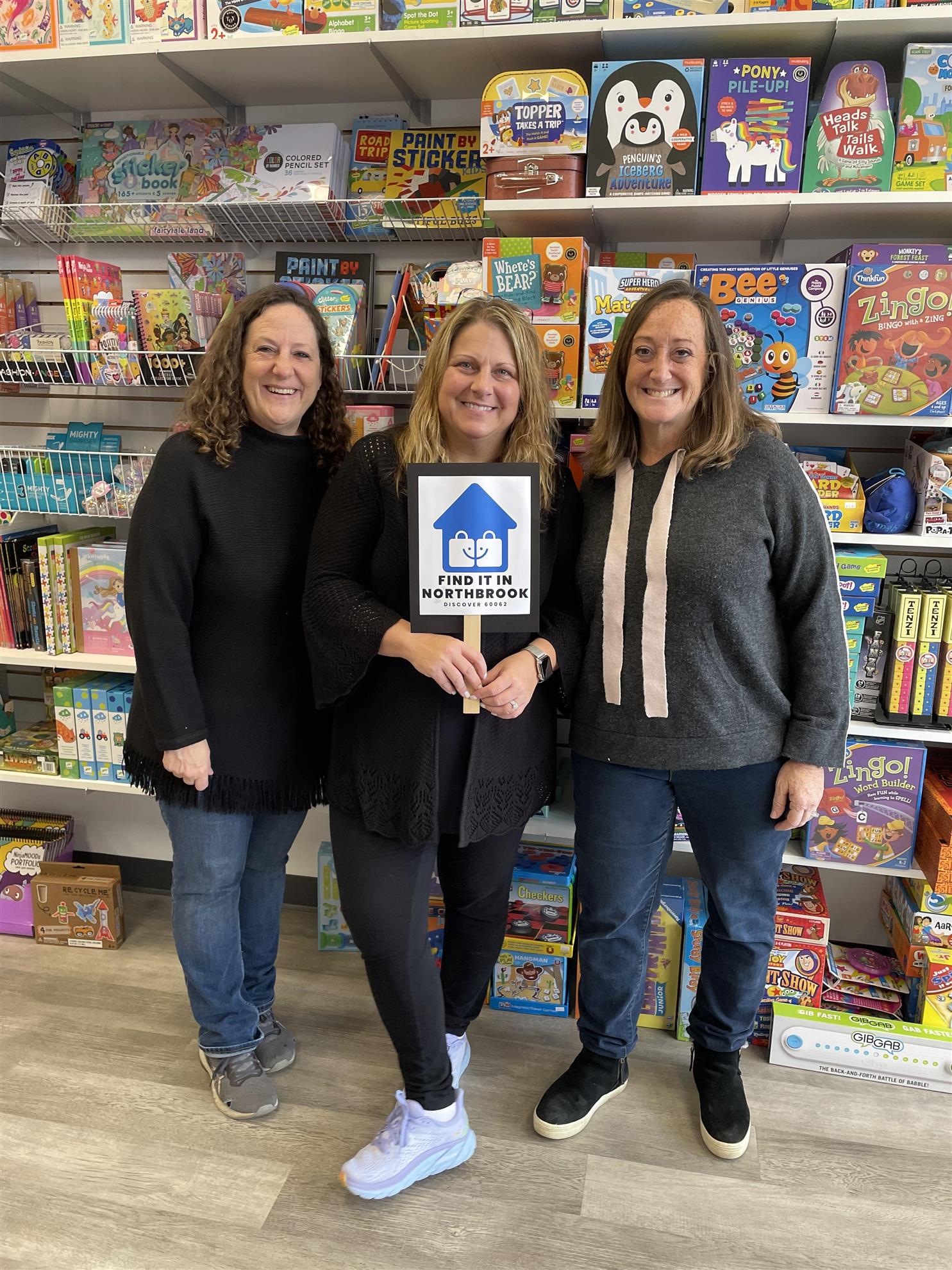
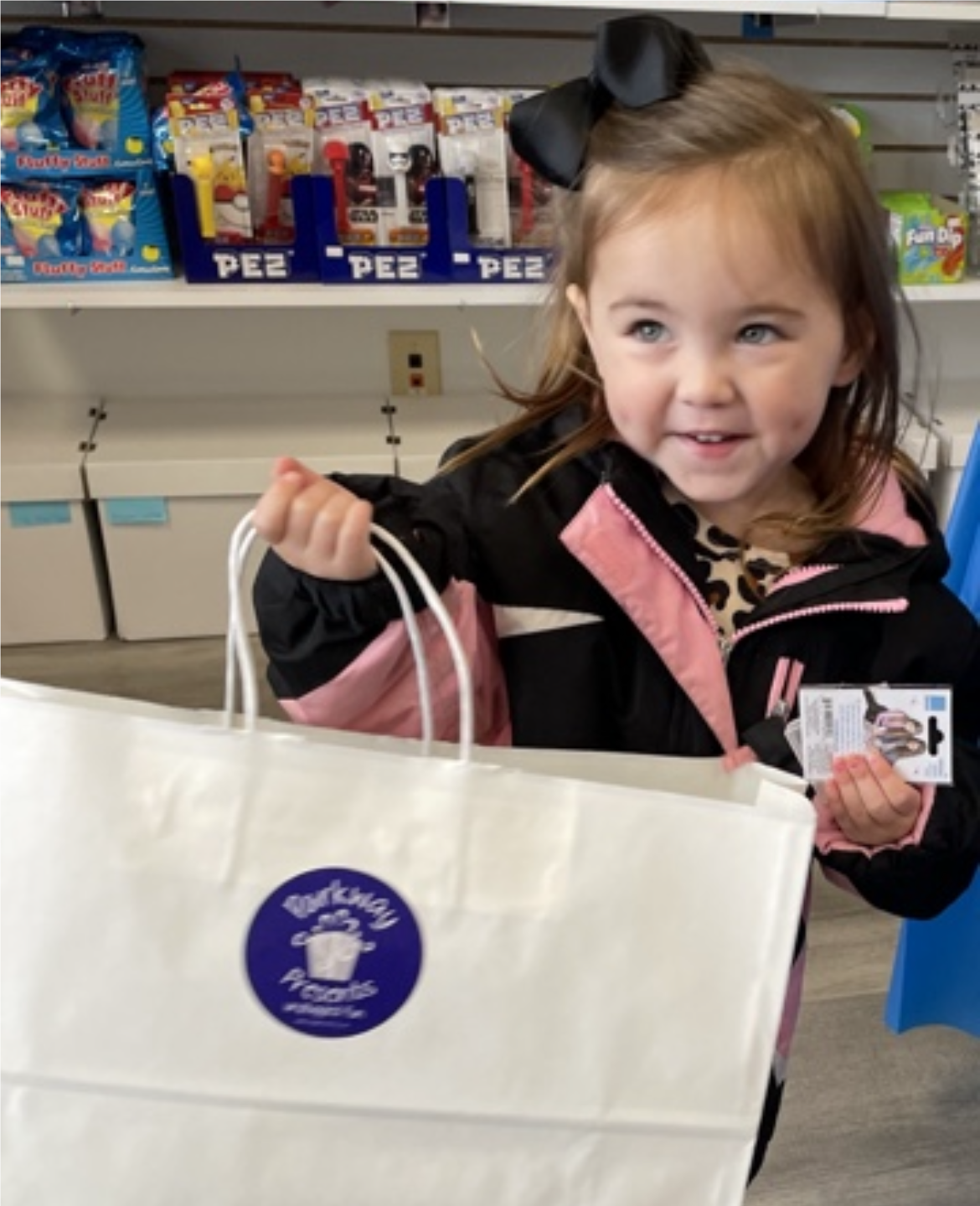
Come shop with Rotarian, Jodi Joffe, is the manager of Parkway Presents, a new toy store that is located at 3115 Dundee Road, Northbrook, and owner Lisa Smith. Parkway Presents is in the White Plains Shopping Center. Here is a great way to pre-shop! Check out their website at https://www.parkwaypresents.com/
The after-hours event will take place from 6:30 PM to 8:00 PM and will be for Rotary Grandparents, parents and special guests. All Rotary members and their families are invited. Ten percent of all sales* made will be donated to The Rotary Foundation. [* does not apply to Pokemon, sale items or select brands.]
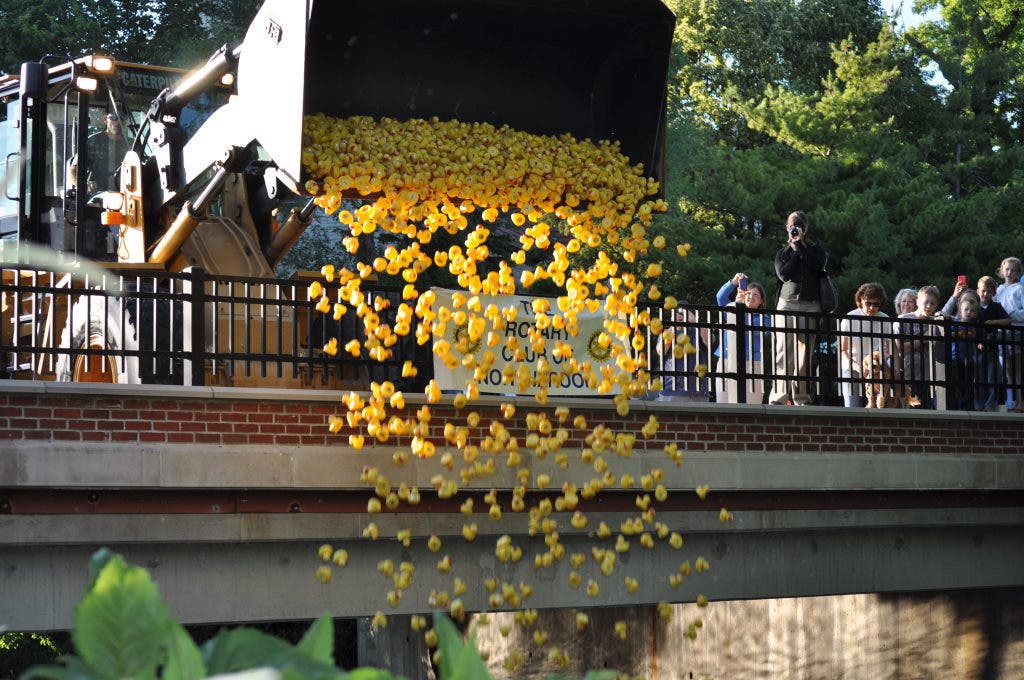
The Rubber Ducky Race Event Committee Update: FUNdraiser Coming up...
The Rubber Ducky Race on October 1, 2023 in Village Green Park.
Tickets will be $10 for one, $25 for three and $100 for fifteen for each time an individual makes a purchase.
Prizes will be $1000 for first place, $500 for second place and $250 for third place.
An anonymous donor is providing the $50,000 prize for a randomly preselected duck in the event that duck comes in first place.
Sale of tickets will commence on 7/1/23.
Rotarians will be required to sell or purchase $100 of tickets.
Only those tickets purchased before the start of the race shall be eligible for any prize associated with the race, and no duck shall be entered into the race that has not been paid for prior to the commencement of the race.
Grill House 20% Give-Back
Monday
May 15, 2023
Grill House has once again graciously agreed to donate 20% of their sales on May 15,2023 to The Rotary Club of Northbrook.
You may purchase lunch or dinner but MUST mention
the Rotary Club of Northbrook
when you order!
The food is very good. You will not be disappointed. Grill House is located at White Plains Shopping Center at Dundee and Landwehr.
Late one afternoon in early April, Alex Johnson parked his car on a modest street in Plano, Texas. Cell phone in hand, he began giving a FaceTime tour of the city’s historic Douglass neighborhood, a community established in the 1860s when two freed slaves settled there. The houses here were nothing like some grand estates he had passed earlier as he drove toward Douglass, but nestled on small, neatly trimmed lawns, many of the homes had a simple beauty. Some weren’t as nice; it was clear there was still room for improvement in Douglass, as well as in other Plano neighborhoods.
That’s where the Rotary Club of Plano West comes in. As Johnson, the club’s president, explains, Plano West always stands ready to help. The club partners with churches, schools, and the city on an average of more than six service projects a month, engaging in a hands-on way with virtually every part of Plano. But it was the work done in Douglass during the COVID-19 pandemic that helped transform Plano West into the thriving, diverse Rotary club that it is today.
The club’s success was applauded by John Hewko, Rotary International’s general secretary, in February when he told Plano West Rotarians that what their club had accomplished over the past year had left him “blown away.” From membership growth to increased diversity to a relentless commitment to service, the club is “a real example for other clubs to look at,” Hewko said.
Plano West is, in fact, the fastest growing Rotary club in the United States. The question is: How has it been able to pull that off — and can its success provide a blueprint for other clubs across the United States and beyond?
Plano West is, in fact, the fastest growing Rotary club in the United States.
Plano West was a different club when Johnson joined three years ago. The smallest of the city’s six Rotary clubs, Plano West had 20 members with a median age of 67. Only five were women, and when Johnson joined and boosted its membership to 21, he was the only person of color in the club. In other words, says Johnson, “we were the classic Rotary club.”
Johnson knew Rotary well. For about 15 years, he’d been a member of the Rotary Club of Plano, traditionally the city’s largest Rotary club, where he had served in leadership positions. But Johnson yearned to belong to a club that offered more service opportunities. After checking out the city’s other clubs, he decided to join Plano West. “It kind of flew under the radar,” he says.
Glen Thornton, a past president of Plano West, agrees. “We were a smaller club, certainly, than we are now.”
Some members of Plano’s other Rotary clubs were surprised when Johnson made the move. “Everybody was asking, ‘Why would you go from the largest Rotary club in Plano to the smallest?’” Johnson recalls. “My answer was, ‘They serve.’ When I visited Plano West, they were either talking about starting a service project or they had just completed one. I thought: This is powerful. This is Service Above Self. This is what Rotary is supposed to do.”
He thought, “I love this club. This is the club I want to lead.”
A commitment to service was one thing. But as Johnson well knew, a club with fewer than two dozen members — and mostly older ones at that — would have trouble achieving everything it might aspire to accomplish. For Plano West to embrace its potential, the club had to get younger and more diverse, and it had to grow.
Johnson reasoned that the best way to ensure future success would be to treat the club like a business. “If you look at a church as a business,” he asks, “what product are they selling? Religion. What product does a gym sell? Physical fitness.
“So, if you think of a Rotary club, what is our product? Community service. We have demonstrated resoundingly that the more service we do, the more members we get.”
That message resonated with James Thomas, the student services coordinator with the Plano Independent School District. When Johnson approached Thomas last year about possibly joining the club, Thomas replied, “Absolutely, as long as it’s boots-on-the-ground type stuff.” Once Johnson assured him that the club was all about service in the community, Thomas didn’t hesitate. “Sign me up,” he said.
Thomas’s job with the school district opened a new service opportunity for Plano West. The club partnered with the district on a program that distributed meals to students in need at the end of the school day. Teachers who were there to conduct after-school tutoring sessions first had to hand out the meals; Plano West volunteered to take over that task. “Alex said, ‘Let us do the manual labor,’” recalls Thomas, which allowed the teachers to reclaim valuable time to accomplish what they were there to do — teach.
For another project, in conjunction with the city of Plano and the Plano Police Department, the Plano West Rotarians handed out informational materials about COVID-19 in the city’s underserved communities. The partnership benefited both groups, says Ed Drain, Plano’s chief of police and a member of the Rotary Club of Plano Metro. “It was good for their club” in that it provided local Rotarians with another service opportunity. “But it was also good for the police department,” says Drain. That kind of engagement “helps us build better relationships in our community.”
In the southeast corner of Plano sits Douglass, a neighborhood of about 200 modest houses. In the years before the Civil War, two slaves, Mose Stimpson and Andy Drake, were brought to Plano under different circumstances: Stimpson to be the playmate of the master’s daughter, Drake as a laborer hauling logs from Louisiana to Texas. At some point, Drake was able to buy his freedom; Stimpson was granted his by the playmate when she became an adult. The two men were the founding fathers of the Douglass community, which is named in honor of the former slave, abolitionist, writer, and orator Frederick Douglass.
At the end of the 20th century, the neighborhood was struggling. The poverty level was high, and many homes were in serious disrepair and barely habitable. More recently, through a program called House on the Corner, Plano’s Christ United Methodist Church, where Thornton is a parishioner, did what it could to remedy that situation. Beginning in 2004, the annual program would build a house in the church parking lot and move it to an empty parcel of land it had purchased in Douglass, where it was sold at a discounted price to a moderate- or low-income family. That program attracted hundreds of volunteers, and at one point, Thornton served as project manager. But the church needed extra hands to accomplish some of its other projects, such as a weekly Sandwich Blessings program, which provided food and other necessities to the city’s homeless population. Once again, members from the Plano West club stepped up.
Then last summer, as the pandemic raged, the need to provide food to families grew more desperate. The Rotary Community Corps of Plano Douglass Community — a group of non-Rotarians who share a commitment to serving their neighborhood — launched a project to deliver meals to Douglass residents. (Johnson’s wife, Laura, serves as the chair of the Plano West club’s community corps committee.) With only a few volunteers, however, the deliveries could take eight hours or more. When the Plano West Rotarians heard about the situation, they offered to help. “We got involved,” Alex Johnson says, “and every other week we pulled together up to 30 volunteers. We were able to knock out the food deliveries in about 45 minutes. The more we did it, the more organized and structured it became.”
The effort “really put us on the map” in the Black community, Johnson says. “It helped establish our club’s reputation as a group that engaged the community. And because it was happening in a largely Black and Hispanic neighborhood, it really resonated with the residents. We were helping the most diverse, highest poverty area in Plano, and because of that the people were saying, ‘Oh, this old white man’s organization, wow, they’ve got a Black president, and they’re actually helping Black people and Hispanic people.”
The impact was swift. As the months passed, Johnson recalls, “eighty percent of the people who showed up to serve on our projects weren’t members of the club. But they would show up two or three times and all of a sudden they’re like, ‘Well, this is kind of cool.’ And before you know it, they were turning in applications and their friends were turning in applications to join the club.”
Today Plano West has more than 60 members, drawn from a diverse pool. “We’re like the United Nations,” Johnson says. “We have immigrant members from eight countries.” The club just inducted its second member from the LGBTQ community, and this year it plans to participate in the city’s gay pride festival. And at press time, the club had exactly as many female members as it did male. They had achieved one of their goals: gender parity.
Plano West hasn’t achieved only cultural, ethnic, and religious diversity. Its median age is now 50, after the last year also saw an influx of young people into the club, thanks to a 19-year-old who was already drawn to Rotary. Zain Kalson had joined an unauthorized Rotary club while attending high school in Frisco, Texas, just north of Plano.
“It’s kind of funny,” Kalson recalls. “A teacher started an unofficial Rotary club at Lebanon Trail High School without any approval and without really knowing anything about the big picture — just knowing that it was something meaningful. And after a couple of months, we realized that’s not the way it works.” That unofficial club eventually became a sanctioned Interact club, and when Kalson graduated, he decided to join a Rotary club.\
Drawn to the inclusiveness of the Plano West club and the number of service opportunities it provided, Kalson reached out to Johnson. Today, Kalson leads technology and social media tutorials to help Plano West better brand itself online, and he helped launch the club’s Young Adult Initiative to attract new members between the ages of 18 and 22. Until 1 July, he also served as president of the Rotaract Club of the University of Texas at Dallas, and he is currently Plano West’s secretary.
Johnson realizes that not all Rotarians are comfortable with the Plano West approach. At a meeting in March — after inducting Bruce Mang, a pre-med student at the University of Texas at Austin, as a new member and recognizing Laura Johnson as a Paul Harris Fellow — the club welcomed its guest speaker: Morris Garcia, the president of the North Texas Pride Foundation.
We have a service project assembly line. We partner with everybody. We ask for nothing. We just help.
All of which helps answer the question that Rotarians regularly pose to Johnson: How have you been able to continue to increase the number of members in your club?
The secret is simple, Johnson says: Engage with the community through service. “At Plano West, we have a service project assembly line. We partner with everybody. We ask for nothing. We just help.”
After reading your Rotary Magazine – bring to meetings to share with prospective or new members!
Leave Rotary Magazines at the Doctors office, salon or reception area of a business with a waiting room –(with permission of course) but add a sticker with the club website and contact info on it.
Small business cards, QR code to promote a fundraiser event!
Meet in person or on zoom with cohorts from other clubs who have your same role to share ideas that are successful and ones that are not!
Power of One: recognize EVERY Rotarian effort regardless of how many participate.
Club ideas: Elgin breaks out their 4 meetings to one each monthly: lunch; education; service project and social! They mix it up and keep it relevant and fresh.
Another club mentioned – they have lunch memberships, and service memberships.
Get involved by reaching out to municipal leaders to see how Rotary can help: police, fire, schools. One club does the “Stop the Bleed” at schools in sync with their first responders:
RISK MANAGEMENT - Please read branding issue that is costing Rotary millions of dollars...
The U.S. Rotary Club & District Liability Insurance Program provides all U.S. Rotary and Rotaract clubs and districts with general liability and directors & officers / employment practices liability insurance.
Clubs continue to post images and other media (cartoons, songs, etc) online in disregard of copyright laws, resulting in a considerable increase in claims activity under the U.S. Rotary Club & District Liability Insurance Program ("Program"). Over 40% of the Program's open claims now pertain to copyright infringement. Since claims activity determines state-by-state insurance assessment rates, your club could raise the rates for all of the clubs in your state.
Copyright owners hire companies offering software that "trolls" the internet in search of copyright violations involving their images or other media. These companies are commonly referred to as copyright trolls. When a troll finds a violation, they contact the party who mis-used the image or other media and make a demand to settle the violation. Failure to respond to the demand increases the difficulty of resolving the claim.
It is your club's responsibility to comply with copyright laws. Here is what your club can do to prevent receiving a notice of copyright infringement:
Immediately:
Review your club's social media accounts and websites and delete any content using images or other media where you do not have the copyright owner's permission. This includes bulletins, newsletters, and other documents and forms, even if they are 10+ years old.
Contact Risk Management immediately if your club receives a notice of copyright infringement. The Program may provide coverage depending on the way the image or other media was used.
Going Forward:
Instead of lifting images or other media off the internet, use images or other media created by members of your club (first receive their permission) or use the Rotary Brand Center.
Never use images or other media without permission.
Purchase images or other media online.
Consult the United States Copyright Office's website.
When in doubt...don't
Check with your RPIC
Remember - just because another club used it doesn't mean you should
The April 25 meeting will be a Club Social for both the Lunch & Satellite Clubs at 5:30 p.m. at D'Agostino's in Wheeling. No Satellite Club meeting on 4/27 - no lunch meeting on 4/25.





.png)