By Dave King Photography by Serena Brown, RI Magazine
For Vera Cranmer and Sylvia Worden, two friends in their 80s, it's hard to overstate how much they look forward to their regular visits with the teenage students at a local college on England's south coast. "We savor these visits like reunions with long-lost friends," Worden says.
The women live independently in their homes in Chichester, a picturesque and vibrant cathedral city near the sea. But Worden, who once worked as a teacher there, was widowed a few years ago, and her outings in town are far less frequent. Cranmer, too, has had to cope with feelings of isolation.
Today, though, the two women are among a dozen elders, as they call themselves, having a lively discussion about the royal family with the students at Chichester College. "I really enjoy the discussions with the young people. Some of them are so aspirational," says Worden. "I am probably one of the younger elders there, but I've made good friends with a lady who is 92. It's a great outlet for a lot of the older residents."
Cranmer, 88, agrees. "Sometimes I'm not sure if I want to go out, but when I come back home, I feel I've had a good morning. It's nice to meet other people like myself, but it's really nice to meet the youngsters, to see a different side and come back feeling positive." Cranmer once worked as an occupational therapist, specializing in caring for people with cerebral palsy. These days, she has difficulty walking and depends on the on-demand minibus transport to get to the college. "I couldn't manage without it," she says.
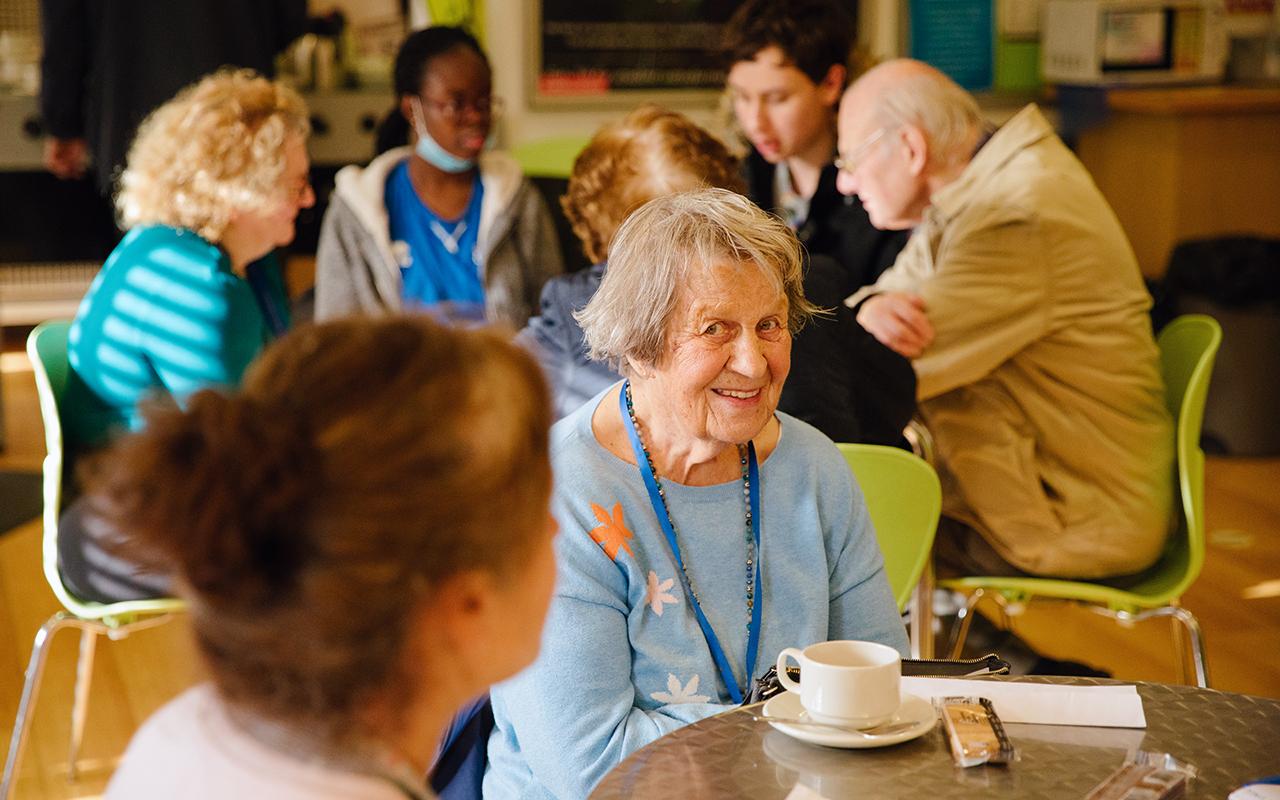
PHOTO CAPTION: Vera Cranmer says the Bridging Generations gatherings are a reason to get out and enjoy people’s company. “It’s a good way to spend what could be a lonely day.”
Bridging Generations, a project organized by the Rotary Club of Chichester Priory, is tackling loneliness by connecting college students with older people. Every two weeks, a group of elders has coffee, cake, and a chat with students in the college canteen. Afterward, many elders stay for lunch cooked by catering students. The Rotary club pays for transport, while Chichester College provides the space and refreshments.
The costs are minimal, but the rewards plentiful. A 2018 report by the nonprofit organizations Generations United and the Eisner Foundation indicated that intergenerational programs are particularly effective in fostering well-being. Among adults who participated in one such program, 97 percent reported that they benefited from the program, with the vast majority saying they felt happy, loved, and needed.
There are benefits for younger people too. For instance, Chichester College has invited students from across campus to take part in the Bridging Generations meetings, and the project has proved a valuable tool to build students' communication and interpersonal skills. "What has come across more than anything is the shared laughter and camaraderie, the feeling of being valued, listened to, and that you matter, whether you are 17 or 92 years old," says Rae Benn, who until recently helped facilitate the program for the college.
Bridging Generations was the brainchild of Rotarian Mike Harvey, who approached Chichester College in 2013 with the idea. He recognizes alleviating loneliness and isolation as a significant community challenge. The quest starts with identifying those who are on their own a lot of the time and willing to reach out and seek connection.
Harvey, a member of the Chichester Priory club, found participants by talking to community organizations such as Age UK and Health and Independent Living Support, which provides meals on wheels. "Others came to us through church leaders, sheltered housing, and our own contacts," he says. "When it all comes together, seeing lonely people having good times, talking to students two or three generations below them, is so stimulating."
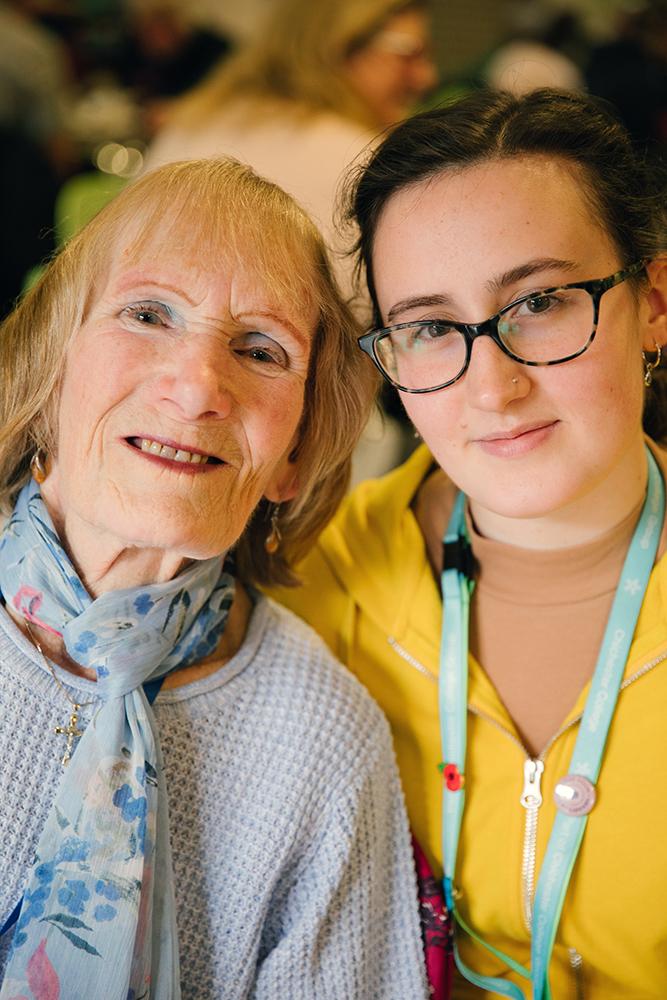
Loraine Hunking and Chichester College student Keira Embleton [shown above] get acquainted through Bridging Generations, a project organized by the Rotary Club of Chichester Priory.
Exacerbated by COVID-19 pandemic seclusion, loneliness has become a global public health crisis. In the U.S., even before the pandemic, a quarter of Americans aged 65 and older described themselves as socially isolated, including 4 percent, or 1.3 million people, experiencing severe social isolation, according to a 2011 study. And loneliness doesn't just affect older people. In Britain, 5 percent of adults, or 2.6 million people, said in a government survey that they felt lonely "often" or "always" during a month in the pandemic's early days in 2020. About 14 percent felt that their well-being had been affected by feeling lonely in the past week; that's about 7.4 million people across Britain whom the Office for National Statistics refers to as "the lockdown lonely."
Such is the concern in the UK that in 2018 the government appointed a minister for loneliness as part of a "Tackling Loneliness" strategy that has invested more than 50 million pounds (about $59 million) to work with a range of charitable partners.
Studies in Europe and the U.S. link chronic loneliness to poor physical health and an increased risk of dementia, coronary heart disease, and stroke. Researchers have likened loneliness to high blood pressure or smoking 15 cigarettes daily as a risk factor for premature death. A well-known Harvard University study that tracked 724 people over their entire adult lives clearly determined social relationships as the best predictor of a person's long-term physical and emotional well-being. The connection between poor physical health and loneliness is so evident that doctors in the UK, Australia, Canada, Korea, the Netherlands, and elsewhere have adopted "social prescribing" by routinely screening their patients for loneliness and directing them to activities within their communities. In one pilot project, health care providers managed to decrease patients' sense of loneliness by 49 percent.
In leading studies, several groups stand out as reporting more loneliness than others. They include those between the ages of 16 and 24 and those over 75 years old, according to the BBC Loneliness Experiment survey, as well as single and widowed people. Women are often found to report significantly more loneliness than men, though some researchers caution that the gender difference might be due to men being more reluctant to report undesirable feelings such as loneliness. Additional risk factors for loneliness include mental illness and poor physical health.
In June 2022, at the start of Loneliness Awareness Week, the UK government published further research that demonstrated how mental health distress can play a significant role in the onset and continuation of chronic loneliness. The report also suggests a solution: targeted early intervention. "People experiencing chronic loneliness were shown in our study to be nearly four times more likely than people without chronic loneliness to be in mental distress," explains Sokratis Dinos, co-director of health and social care at the London-based National Centre for Social Research.
"Poor mental health can lead to difficulties connecting with others, social withdrawal, and loneliness, while loneliness can equally contribute to poor mental health. Our research highlights the benefit of targeted support for people at different life stages and community-based activities for people with shared interests to improve outcomes."
"Researchers suggest that the quality of relationships, not the quantity, matters most."
Ministers in the British government came together to draw up a revised strategic plan for targeted intervention to be published early this year, supported by 750 million pounds (about $895 million) for a charity funding package. "Loneliness can affect all of us, and the research ... highlights that young and disabled people, alongside those with long-term health conditions, are disproportionately affected," former loneliness minister Nigel Huddleston said in announcing the research. "I encourage everyone to reach out to someone they think may be feeling alone or isolated. The government prioritized tackling loneliness through the pandemic, and we will now redouble our efforts to protect those most at risk."
"Loneliness is a growing issue," acknowledged Gillian Keegan, then serving as the UK's minister for care and mental health. "We're accelerating the rollout of mental health support teams in schools and expanding community services for adults and young people to make sure everyone can access support."
Since Rotary's founding purpose is for people from different backgrounds to exchange ideas and form meaningful, lifelong friendships, Rotary clubs are a natural antidote for loneliness. They offer connections plus closer engagement with the wider community. Researchers suggest that the quality of relationships, not the quantity, matters most. Rotary provides a sense of purpose and meaning, accompanied by the personal payback of greater self-worth.
At the beginning of the COVID-19 pandemic, when in-person meetings were curtailed, Rotary members kept connecting with older and disabled people through phone calls, running errands for them, picking up prescriptions, and even walking their dogs.
[Above] Lisa Hunter, a member of the Rotary Club of Maidenhead Bridge, received a British Empire Medal in the Queen's 2022 New Year Honours List for mobilizing her club's response to families in need during the pandemic. "Through the Rotary network, we come together to use our skills and knowledge to support each other and build up our communities," she says. "Nowhere was this more apparent to me than at the beginning of the pandemic when our community went into lockdown and people were isolated and shut-in. My club formed a community response team to mobilize a network of volunteers to do what we do best: support those who need help in difficult times."
With a pool of 120 volunteers, including non-Rotary members, the club supported more than 150 households, performing more than 3,800 errands, which equated to about 6,500 volunteer hours.
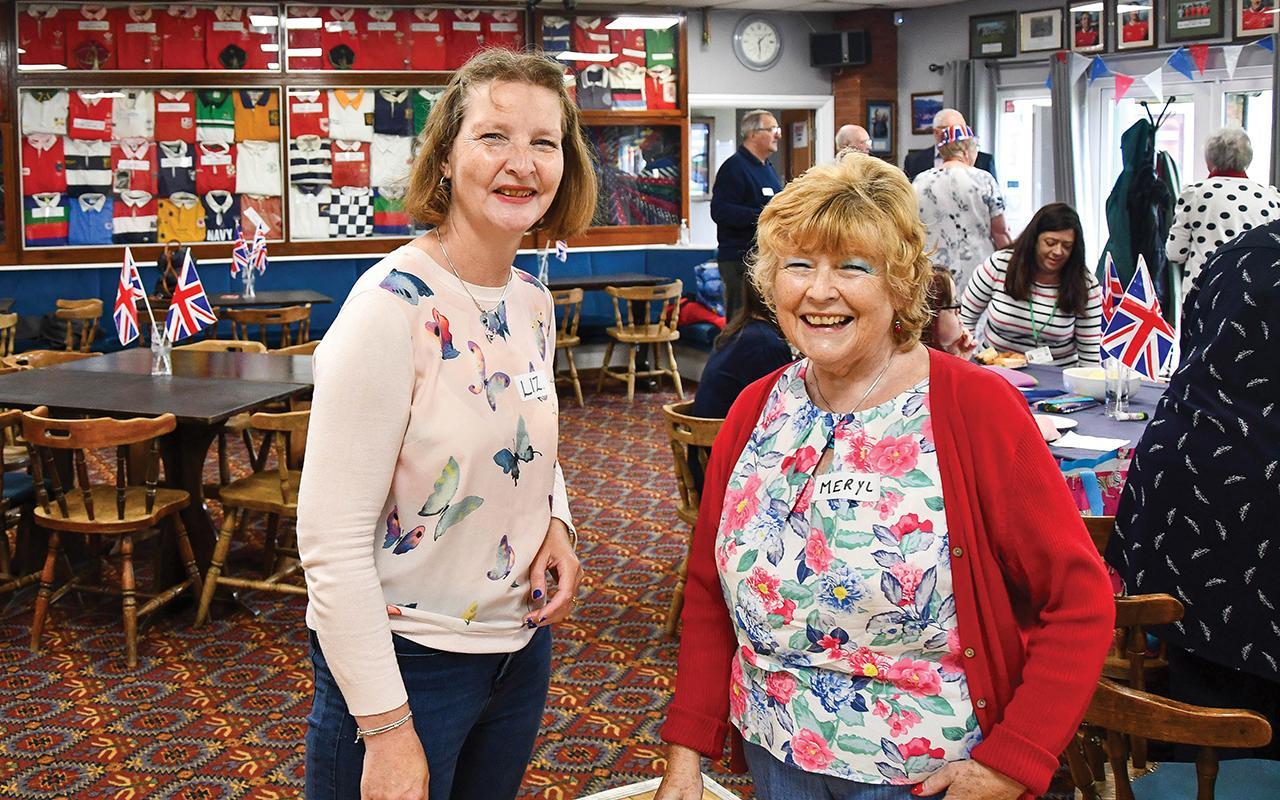
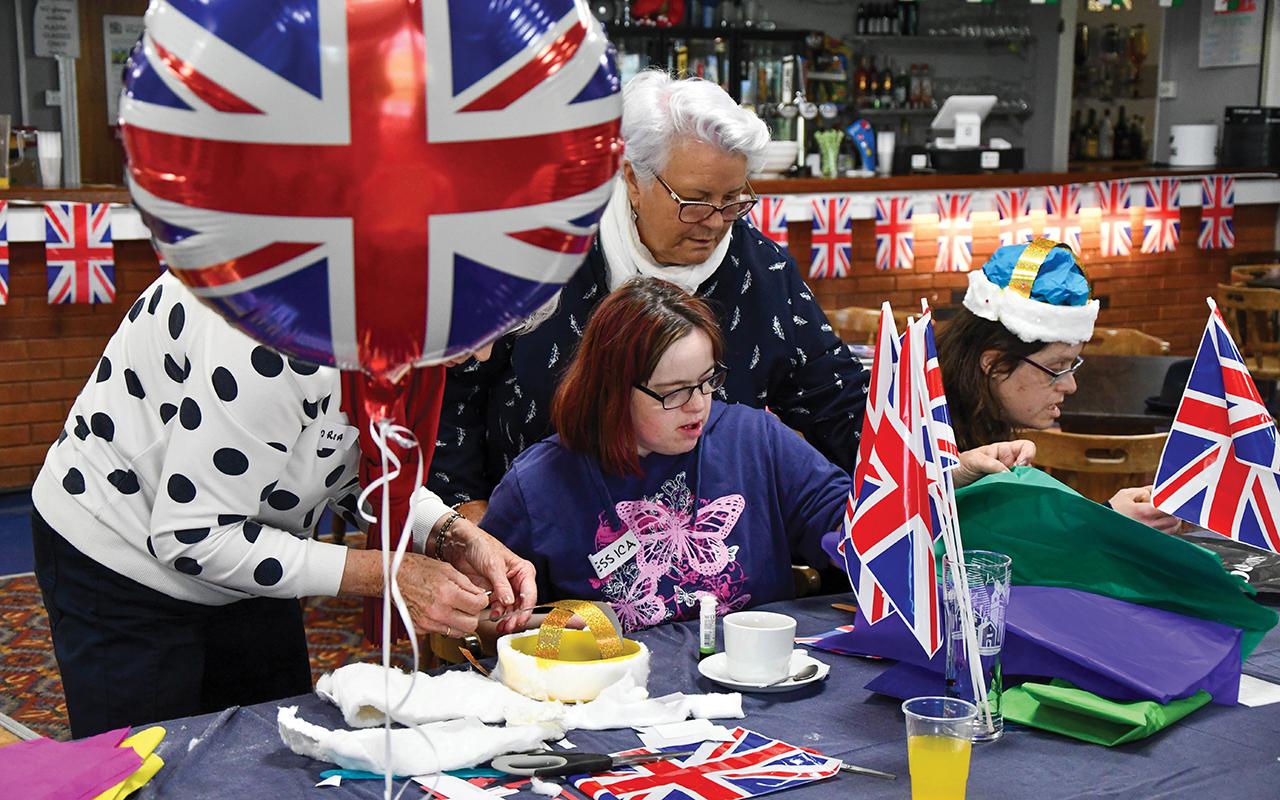
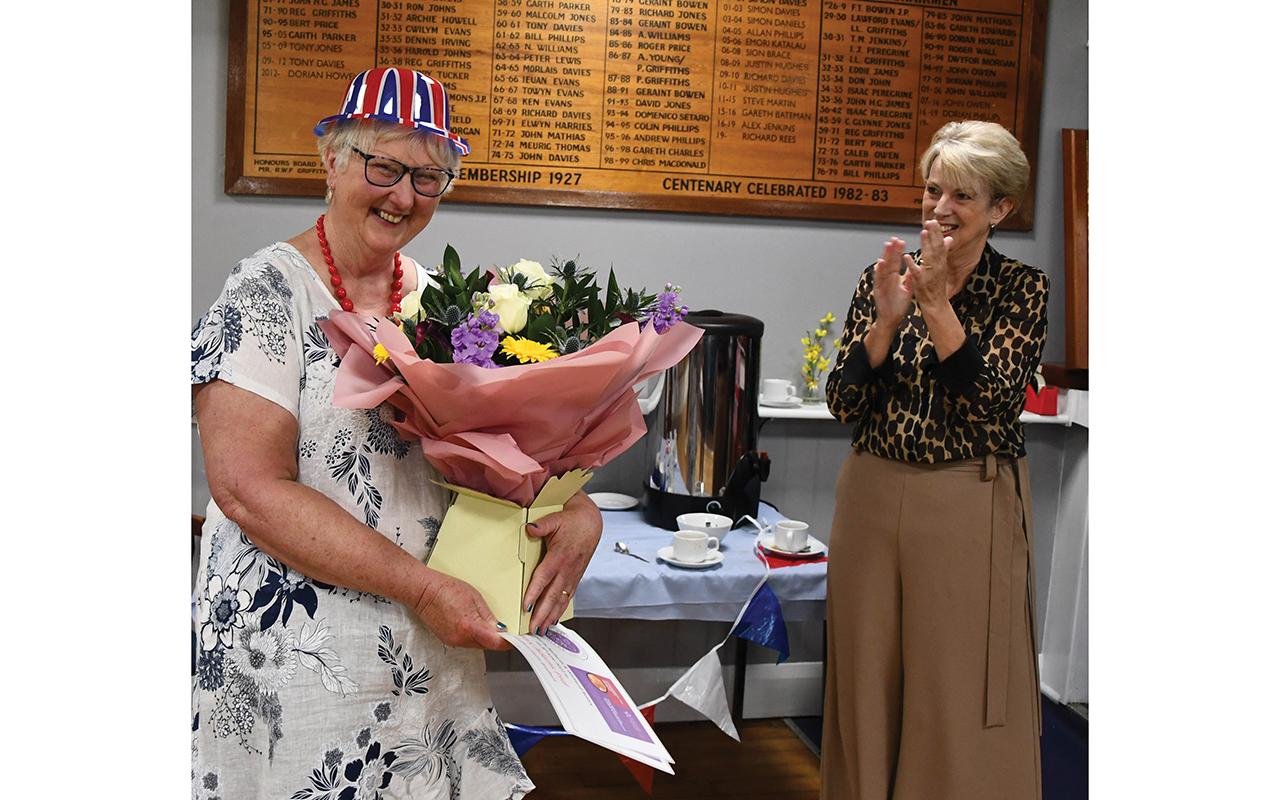
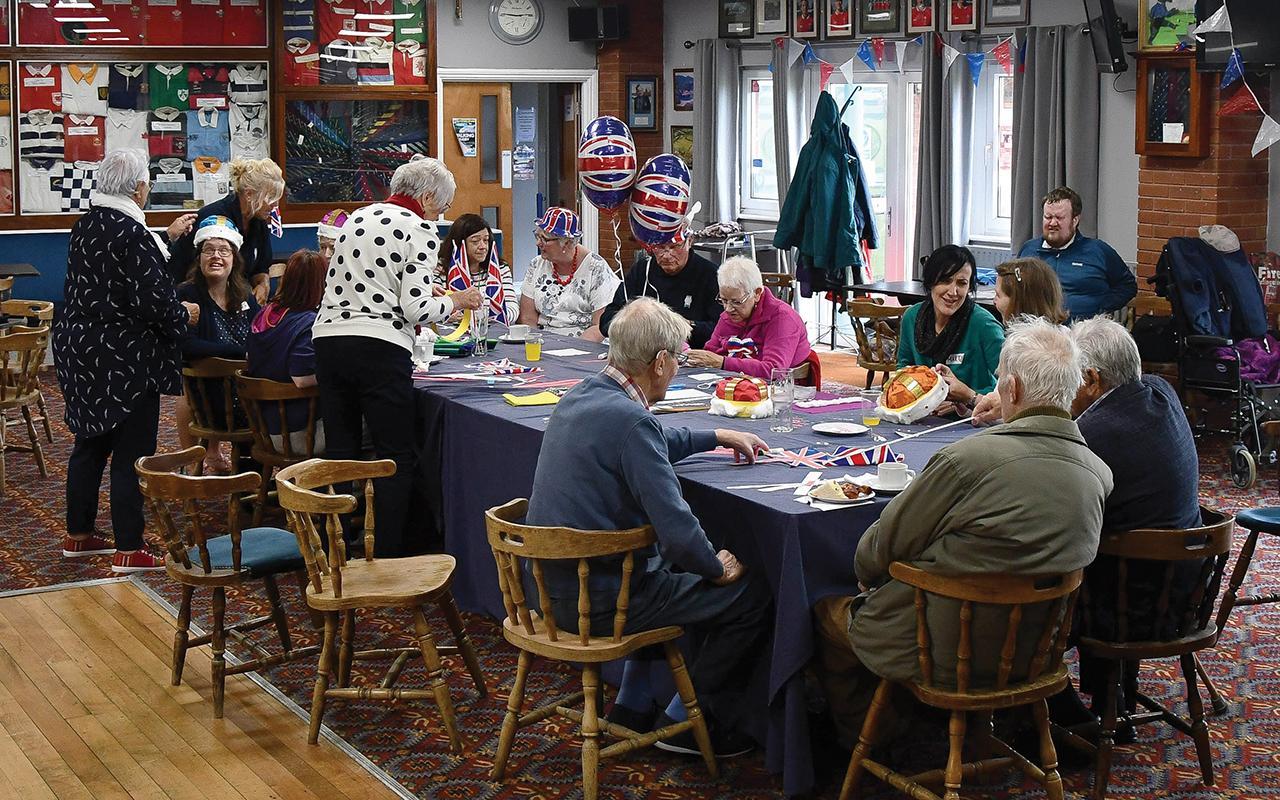
People attending a Memory Cafe in Wales celebrate Queen Elizabeth II’s Platinum Jubilee in June, a couple of months before she died. The Living Memory Group, started by the Rotary Club of Narberth & Whitland, provides a place of connection for people with dementia, Parkinson’s disease, cancer, and learning disabilities, as well as their caregivers.
Prizes will be $3000, $2000 and $1000 dollars making it a popular annual event!
The committee is busy getting all the plans and details done so that we can commence selling tickets on January 14, 2023.
Tickets will be $50.00 each.
Each Rotarian will be responsible for the sale (or purchase) of three tickets for $150.
See Denis is you want to get more information.
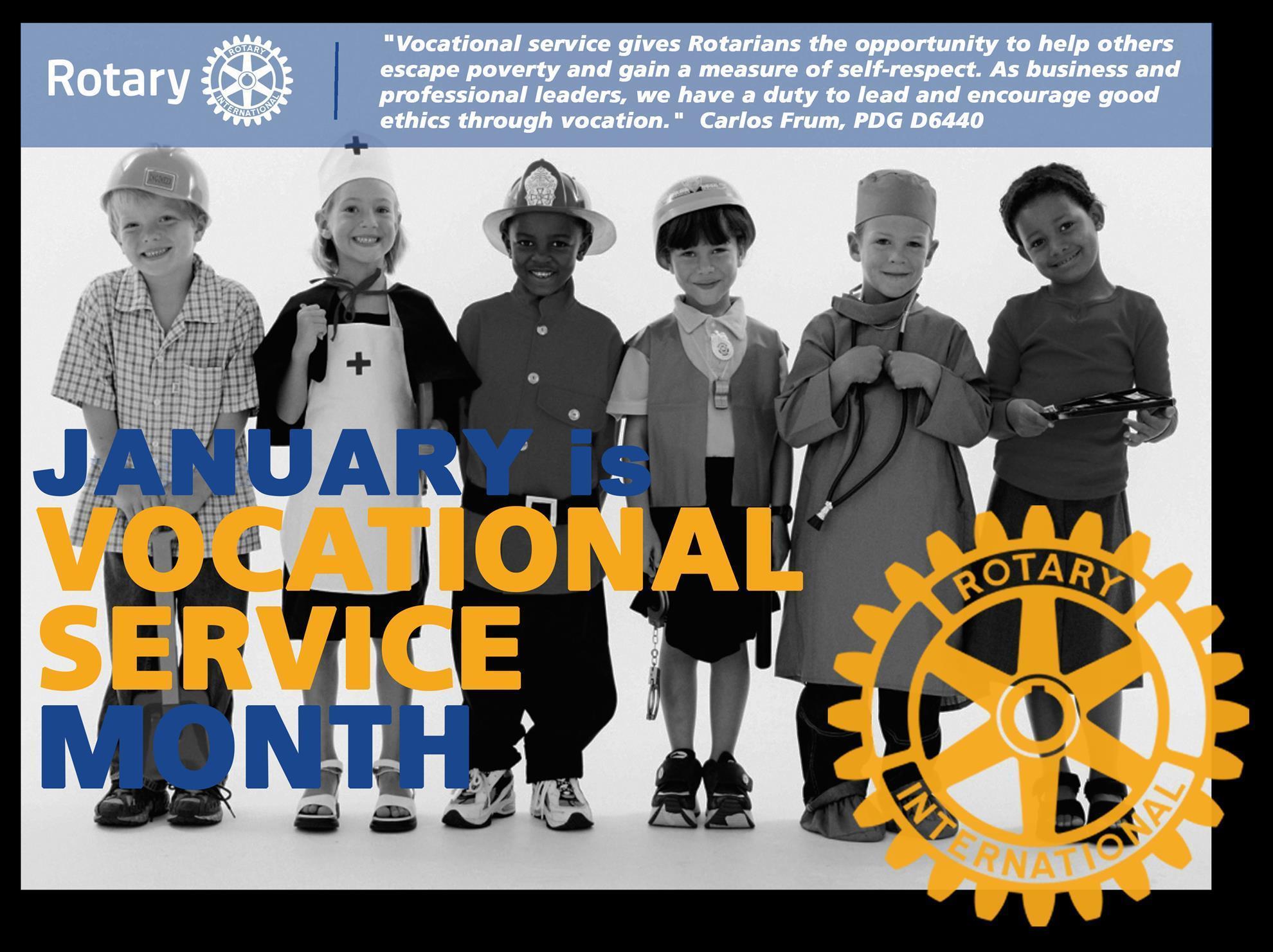
JANUARY IS VOCATIONAL SERVICE MONTH
Founded as a business networking organization, Rotary encourages and fosters high ethical standards in business and professions, the recognition of the worthiness of all useful occupations, and the dignifying of each occupation as an opportunity to serve society.
In District 6440 Rotarians uphold this commitment by guiding and training others to find gainful, fulfilling employment. We work with people in our communities to help prepare for their future through mentoring programs, job fairs, and especially through our vocational scholarship program.
The application form for 2023 Career and Technical Education/Vocational Scholarships can be downloaded from this page.
Applications must be submitted directly to, screened and sponsored by a District 6440 Rotary Club and forwarded (by the sponsoring club) to the Rotary District 6440 Vocational Scholarship Committee by March 25, 2023.
Final interviews are planned for late March or early April. Selections will be announced no later than April 22, 2023 and made available to the sponsoring club vocational service chair and published on the District website.
For more details reach out to our Vocational Service Chair Michael Ellison.
When we do resume - you are encouraged to invite guests to attend.
Advance Notice regarding Guests:
When you invite guests, let Helen know so she has a member lead, and Mike know with the lunch order. Guests can pay online in advance using out donate link.
Notify Mike for their lunch/food choice the Sunday prior to the meeting.
Meeting dates and times may change, always check our website for updates.






.png)