We had a great program on Tuesday. It was a focus on leadership really. President Frum talked about the 19th Amendment – the 100 year anniversary of women having the right to vote – before introducing a video giving a history of this amendment which has taken on new meaning to Rotarians in 2020 as we are about to install Rotary Internationals first women president. He also acknowledged our club’s first female president, Judy Warchol and her accomplishments. She had a most incredible tenure –with amazing accomplishments in 1996-97- making her a ‘hard act to follow.’
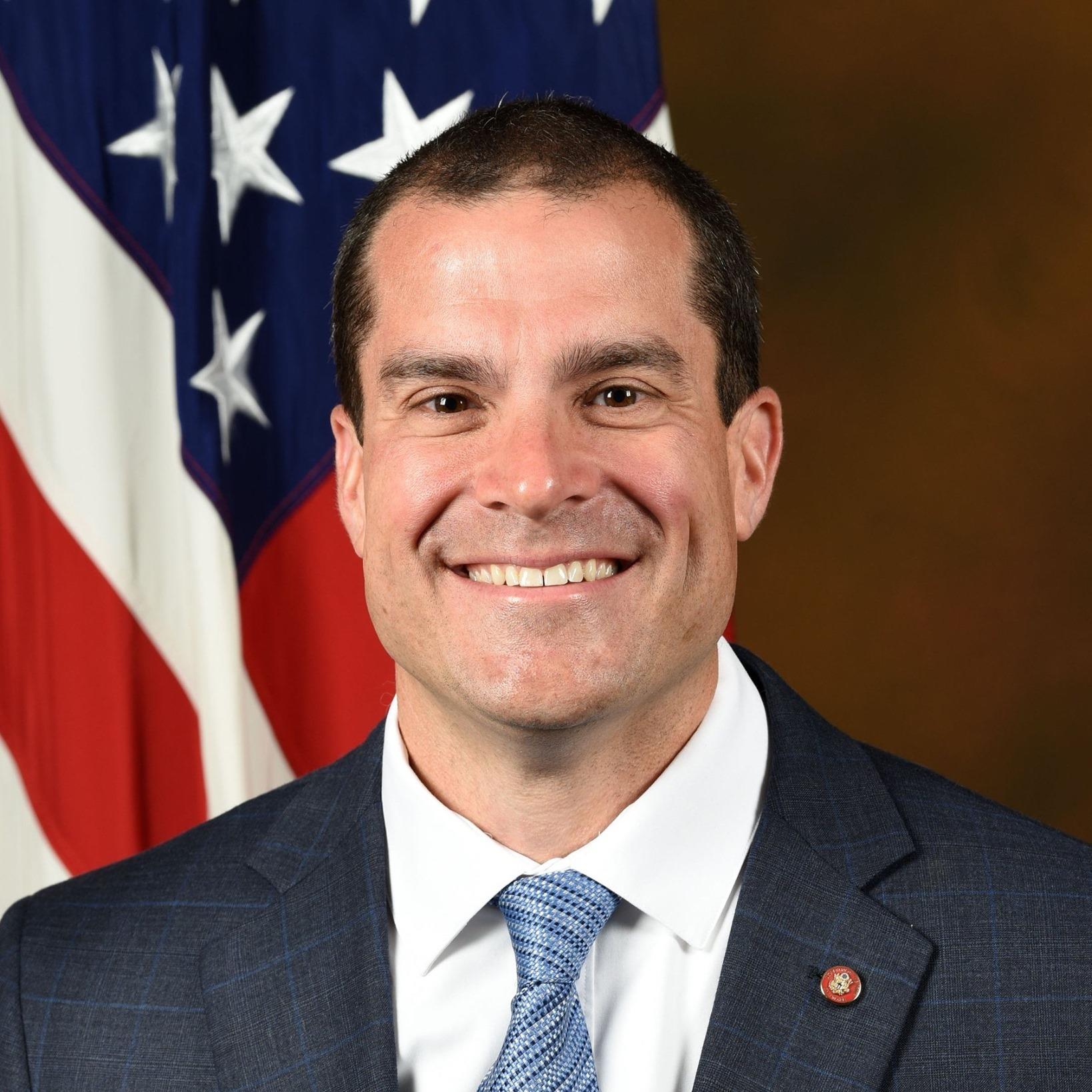
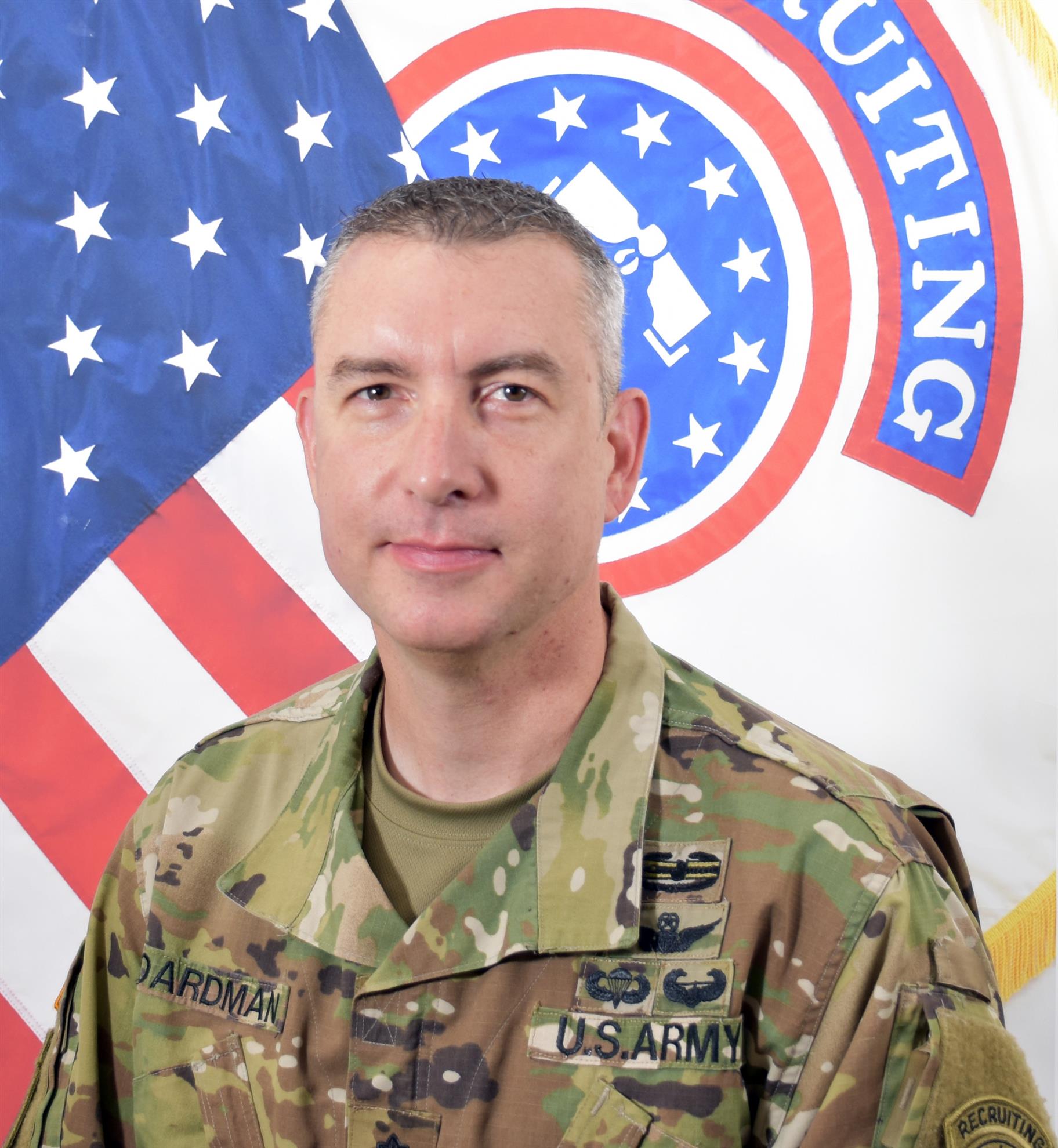
Next up were guest speakers Jim Bland, CASA; Lt. Col. Benjamin S. Boardman. Bland is a West Point grad, with a love of Army who although a busy executive, performs the duties of a Civilian Aide to the Secretary of the Army to which he was appointed in 2019. Boardman is an active duty Army lieutenant.
Both gentlemen are charged with recruitment efforts along with a variety of military outreach initiatives.
Bland talked about the Civilians Aides to the Secretary of the Army [CASA] program that has served the army for almost 100 years. Each state, the District of Columbia and the five U.S. territories have one or more CASAs appointed to provide a vital link between the Army and the communities for which they serve. CASAs are usually business or civic leaders who possess a keen interest in the welfare of the Army and their communities.
CASA’s are eyes and ears for the Army, people that help them interface with business and community leaders and about ‘30-40% never wore a uniform or served’ said Bland, but offer diversity of perspective. An example he offered was of a Pakistani immigrant in Texas – who is helping in our cyber warfare efforts – Bland calling him a true American patriot.
"It is an honor and a privilege to serve the US Army again in my home state of Illinois," Bland said. "My Army service was one of the most rewarding and personally fulfilling experiences in my life and I look forward to sharing my love for the Army with others. I also look forward to working with northern Illinois community leaders, my fellow civilian aides, veterans, and soldiers to advance the Army's and Secretary Esper's priorities."
Lt. Col. Ben Boardman shared his personal experience on how the military provided him with a steller education, with an amazing career, the ability to travel, and how that has come full-circle in his recruitment efforts.
The Army has a goal of recruiting 20,000 people per month for 4,6, and 10-year stints in Illinois. People often don’t know that of the 150 career options the Army offers, only 20% of are combat related. Career options range from veterinary, STEM, logistics, to technology to music (yes there are military bands!). The Army educates and grows leaders.
Additionally, the Lieutenant indicated that for patriotic civilians there are grass roots ways to be involved and help. Military Vet Resource Group is just one way community leaders can get involved. Recruitment access to young people is another. From high school aged to young adults the Army continues to look for good men and women.
Jim Bland Biography: Private Equity Investor and Principal | Board Member | Chief Executive Officer | Company Builder | Army Public Official
Bland earned a Bachelor of Science degree from the United States Military Academy at West Point and served over eight years in the Army and Army Reserve as a field artillery officer resigning as a captain.
After leaving the Army, he worked as a strategy consultant and in the banking industry. Holding an MBA in finance from the University of Chicago Booth School of Business, Bland spent 15 years helping businesses grow as a private equity investor and board member. He remains involved with his undergraduate alma mater having served 12 years as a member of West Point's Association of Graduates Board of Trustees and Board of Advisors.
Currently he is CEO of Lulu Dharma, a Los Angeles-based contemporary accessory brand inspired by the desire to create timeless, affordable luxury accessories that are both classic and unique. With a deep commitment to integrity and sustainability, Lulu Dharma strives to be at the forefront of fashion-forward and conscious manufacturing that gives more than it takes.
Bland is on the board of Kitchfix that delivers chef-prepared, ready-to-heat, meals that are made with the most powerful, flavorful ingredients from local, sustainable sources. Kitchfix also manufactures chef-crafted, grain-free, all natural consumer packaged products sold into major retailers, such as Wal-Mart, Whole Foods, Sprouts, and Mariano's.
In addition, he spent over a decade as a USMA local recruiter where he has served on congressional and senatorial service academy selection committees. In the community, Bland has served as a commissioner on Chicago's Community Development Commission and as a mentor for Boys Hope Girls Hope.
Chicago Recruiting Battalion Commander: Lt. Col. Benjamin S. Boardman
A native of Athens, Tennessee, Lt. Col. Ben Boardman graduated from Furman University in 1997 and was commissioned a second lieutenant in the Tennessee Army National Guard. Following completion of the Aviation Officer Basic Course and flight school at Ft. Rucker, Alabama in 2000, he completed the OH-58D Kiowa Warrior qualification course and transitioned to active duty service in the 82nd Airborne Division’s 1st Squadron, 17th Cavalry Regiment in 2001.
Boardman served in 1-17th Cavalry, 82nd Aviation Brigade from 2001 - 2005 as an armed reconnaissance platoon leader, assistant squadron S3, squadron S4, and air cavalry troop commander. During this time, he deployed twice in support of Operation Iraqi Freedom from 2003 - 2005. He completed troop command during Army Transformation in A Troop, 7-17th Cavalry, 159th Combat Aviation Brigade in the 101st Air Assault Division prior to completion of the Aviation Captain’s Career Course in 2006.
Following assignment with the Army Aviation Applied Technology Directorate, he completed Command and General Staff College at Ft. Leavenworth KS in 2011, and served as the squadron executive officer and squadron S3 of 1st Squadron, 6th Cavalry Regiment in the 1st Infantry Division. He deployed to Afghanistan in 2013 as the 1st Combat Aviation Brigade (TF Demon) S3, where he flew his last combat mission in the OH-58D.
Boardman next served as a joint aviation planner and the director of special air programs in the Aviation Tactics Evaluation Group (AVTEG) during a three year assignment to the Joint Special Operations Command at Ft. Bragg from 2014 - 2017. He then assumed command of 2nd Battalion, 4th Aviation Regiment where he served 4th Combat Aviation Brigade and 4th Infantry Division as the general support aviation battalion commander from 2017 - 2019.
Boardman is qualified in the UH-1, OH-58D(I) and (R), UH-60 A/L/M among other aircraft. His awards and decorations include the Bronze Star Medal (3), Defense Meritorious Service Medal (2), Meritorious Service Medal (4), Air Medal with “V” device, and others commensurate with officers of his rank and experience. He has deployed numerous times in support of Operations Iraqi Freedom, Enduring Freedom, Inherent Resolve, Atlantic Resolve, and to other ODTAAC environments.
Boardman is married to the former Jennifer Leidel of Sebring, Florida, [a West Point grad!] and they have four children: Isaac (11), Eliana (9), Nathaniel (7), and Heidi Grace (5).
HOW CASAs PLAY A ROLE IN THE COMMUNITY – JIM BLAND’S STORY
Jim Bland understands the unique challenges the Army faces recruiting in urban centers. Bland grew up in one of the 22 cities with growing populations that the Army identified as having limited exposure to the service.
Born on Chicago's South Side, Bland now serves as a civilian aide to the secretary of the Army, known as CASA, for northern Illinois. Bland said young Chicagoans often don't join the Army for a variety of reasons, often due to not being close to military veterans.
"There are not many role models for kids in the city who have served," Bland said. "Within our cities, the more touchpoints there are to the military or veterans, the higher propensity it is for someone to be interested or at least curious. That's really the goal; for people to seek out or learn about the Army."
Bland and almost 100 CASAs from across the U.S. and territories attended the annual CASA conference in Washington last week where they heard from Army senior leaders and exchanged ideas on how to help potential recruits learn about the service. They also met with Secretary of the Army Ryan D. McCarthy and held seminars on how to achieve his priorities.
Officially recognized in 1922, the CASA program's purpose was to quickly train leaders for the Army. In 1950, the program's intent changed to focus on the link between military and community and remains much the same today: to improve relations between the Army and America's communities.
CASAs help tell the Army story, work closely with each state's National Guard to strengthen community connections, help liaison with the U.S. Army Reserve, assist transitioning Soldiers, and play a crucial role with recruiting. As the Army once again looks to make its end-strength goals, the CASAs' role takes increased importance, especially in large cities like Chicago.
Angela Ritz, director of the CASA program, explained that each CASA possesses his or her own unique skill set, as some are community leaders, businessmen or former military. They come from different backgrounds and age groups. One current CASA played NBA basketball. Another is a former astronaut. Actor Sean Astin served as a CASA for 10 years during the Clinton and Bush administrations.
"The real common denominator is a CASA's ability to connect to key community influencers and a love of the Army," Ritz said.
Some CASAs have 30-plus years' experience in the Army, such as retired Col. Kevin Shwedo, who now operates as the executive director to the South Carolina Department of Motor Vehicles. Shwedo has also served as a cabinet member under former South Carolina governor Nikki Haley and current Governor Henry McMaster.
"The secretary regularly reaches out to CASAs in his travels," Ritz said. "He often says 'CASAs are my first phone call into the city and the last handshake as I head back to D.C.'"
CASAs use their special connections to serve as liaisons between the military and civic leaders, politicians, school officials and people of influence. And each CASA must submit biannual reports to McCarthy on what efforts they have made to advance the secretary's priorities.
EACH COMMUNITY IS DIFFERENT
Bland, along with a second Chicago-area CASA, must take on the challenge of recruiting in a metropolitan sprawl where historically the Army has struggled to meet its recruiting goals.
Raised by a Chicago police officer and a mother who served as a public school teacher, public and military service piqued Bland's interest as a teenager. Bland also had two cousins who both served in the military and attended West Point.
Now working as a private equity investor on the city's North Side, Bland understands the business community. In a metropolitan area that houses more than 7 million people, he said the key to building recruiting numbers can be identifying key influencers who can spread stories on the benefits of military service. Many of those people can be found both in Fortune 500 companies and in small businesses.
"They tend to be patriotic; they've achieved a lot of success," Bland said. "They've worked hard. They've lived the American dream. Those are people that are going to be very receptive to the Army story. Because they understand that the security the Army provides allows them to operate freely in the world."
In Chicago's inner-city neighborhoods, access to public schools can be difficult. Bland said Army recruiters can only enter schools at certain time periods. Often CASAs must step in and use their relationships with school superintendents and in some cases, city mayors, to help recruiters gain access to students. Bland said that non-profit organizations present ample opportunities to meet potential recruits, as they have engrained themselves in communities and can relate to students.
Shwedo has taken advantage of his connection to South Carolina Superintendent of Education Molly Mitchell Spearman and the state's legislature to help recruiters gain access or opportunities to reach recruits in the state's public schools.
Bland said many city residents may not be aware of the technical proficiency necessary for Soldiers in today's Army. For one, Soldiers who operate tanks or combat vehicles will develop technical skills that could translate to productive civilian careers, he said. With the Army's focus on modernization and cybersecurity, the service will continue to become increasingly technical, Bland said.
While the Army has been rebuilding its connection with recruits in urban centers like Chicago, the service looks to retain and strengthen its stronghold in known military towns, such as Columbia, South Carolina.
"We're represented virtually in every community in America," Shwedo said. "When you're represented in those communities, the people have a tendency to rally around you. And we can't afford to lose that connection."
Shwedo meets regularly with South Carolina recruiting battalion commanders to provide continuity to the command. He also uses his influence within the state government to voice the Army's concerns as well as bring light to issues concerning veterans.
CASAs work as volunteers and often must work outside their full-time jobs. Bland said most CASAs perform out of a robust dedication to the Army.
"When I left the Army, I tried to stay very engaged with the community," said Shwedo, who served as the deputy commander of Fort Jackson, South Carolina.
After graduating from West Point in 1997, Bland served eight years in the active Army, National Guard and the Army Reserve. Afterward, he wanted to continue to contribute to serving the Army. Working as a CASA, he has the opportunity to achieve that on a larger scale.
"We're all leaders in our communities," Bland said. "We're passionate about the Army. We love the Army."
Ritz said: "The CASAs come together annually at a national conference and regularly network and consult with each other to share ideas throughout the year. The biggest benefit of the annual conference are the connections and relationships that are made between the CASAs and with the Army senior leaders."
There are currently 120 CASA positions in the U.S. and its territories. CASAs are appointed as unpaid special government employees for a two-year term and may serve as a CASA for up to 10 years.
Articles and Bios are compilations from a variety of government and corporate sites:
Shout out to Our Club's FIRST WOMEN PRESIDENT 1996 - 1997 Judith M. Warchol
Northbrook Rotary Club welcomed its first female leader when Judy Warchol was installed as president of the Northbrook Rotary Club. Judy and Mimi Altman (PDG 1995-96 and Deerfield Rotary Club member) were profiled in North Shore Magazine. We had 67 members.
Fifth annual benefit, Rotary "700" moved to Bredemann's Lexus of Glenview. Over $100,000 has been donated toward scholarships and international and community projects since the first benefit in 1992.
Initiated and sponsored the first Organ Donation Transplant Program in the District.
Placed recycling receptacles in Village Green Park.
Charitable Foundation received not-for-profit rates from the Post Office and a sales tax exemption from the State of Illinois.
First participation in Christmas in April project
Participated in our first District matching grant with the Long Grove Rotary Club and the Calcutta Mid City Club. The grant purchased 300 toilets for a rural area in India.
New Vocational Scholarships and the Dr. E. James Duffy Scholarship were established.
Approved funding for Akha Women's Project in Thailand
$35,900 distributed to 31 community health and human service organizations
Your parents told you to be nice to people. Guess what? They were right. Here’s why.
Doing good doesn’t only benefit other people. It helps us, too. Thank you to our Rotary Club for all of the donations recently for the Northbrook Chamber Student Meal Pack program for Hunger Free Northbrook! Between our club and member donations we made an impact!
Studies show that helping others boosts serotonin, a neurotransmitter that makes us feel satisfied. Another benefit to feeling rewarded when we do good: It lowers our stress levels. Who couldn’t use that right now?
Facing the COVID-19 pandemic, people everywhere are feeling anxious about their health, their families, their jobs, and their futures.
“When we are all feeling lower than we are used to feeling, with some levels of situational depression, we all need a boost,” says psychologist Mary Berge, a member of the Rotary Club of Johnstown, Pennsylvania, USA, who has led discussions with many Rotary clubs about coping during the pandemic.
“There has been a lot of research that when we are helping others, or when we are doing something for someone else, our reward centers light up in the brain and our stress levels go down as cortisol is released.”
The difference of being a Rotary member VS. being a Rotarian…
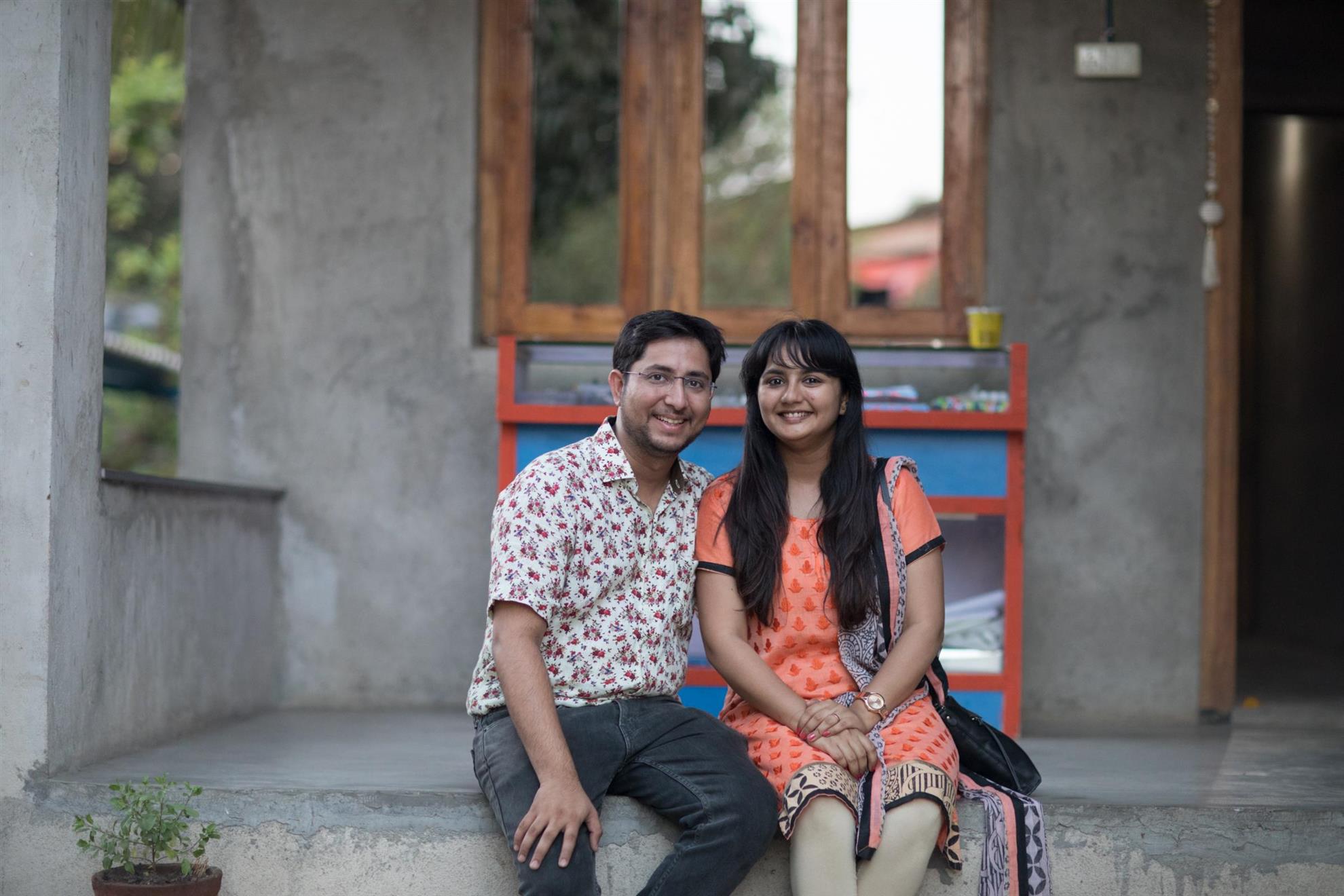
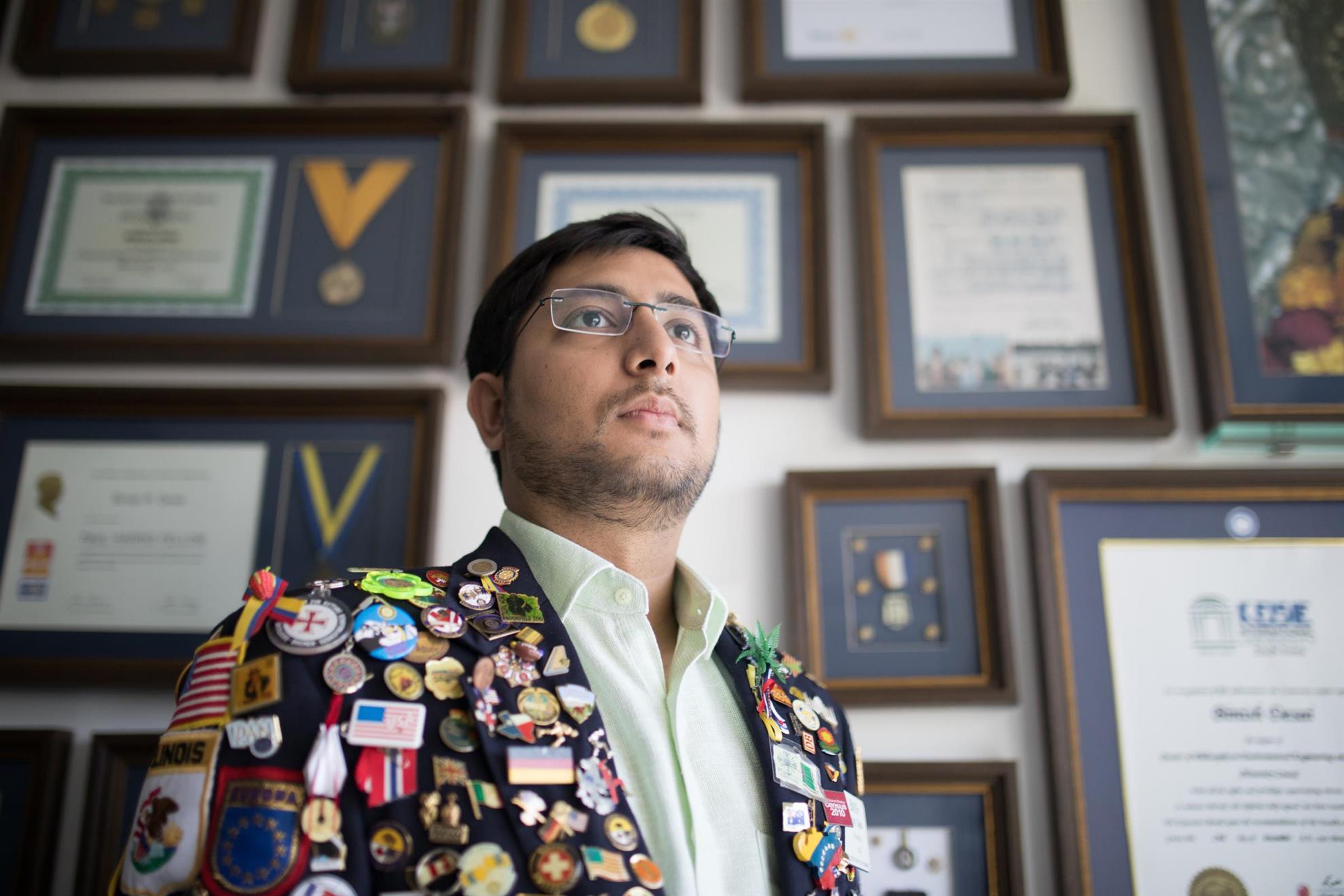
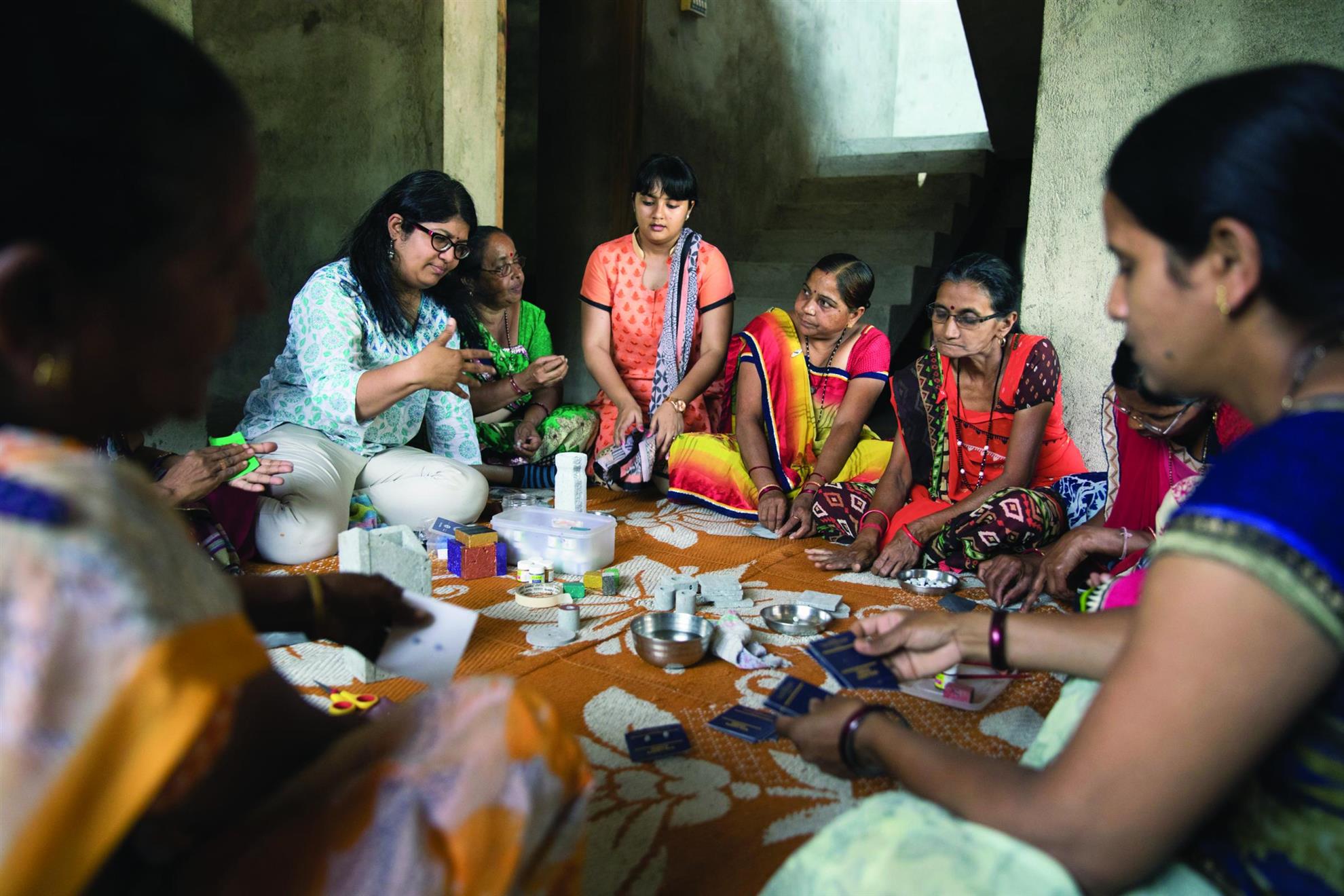
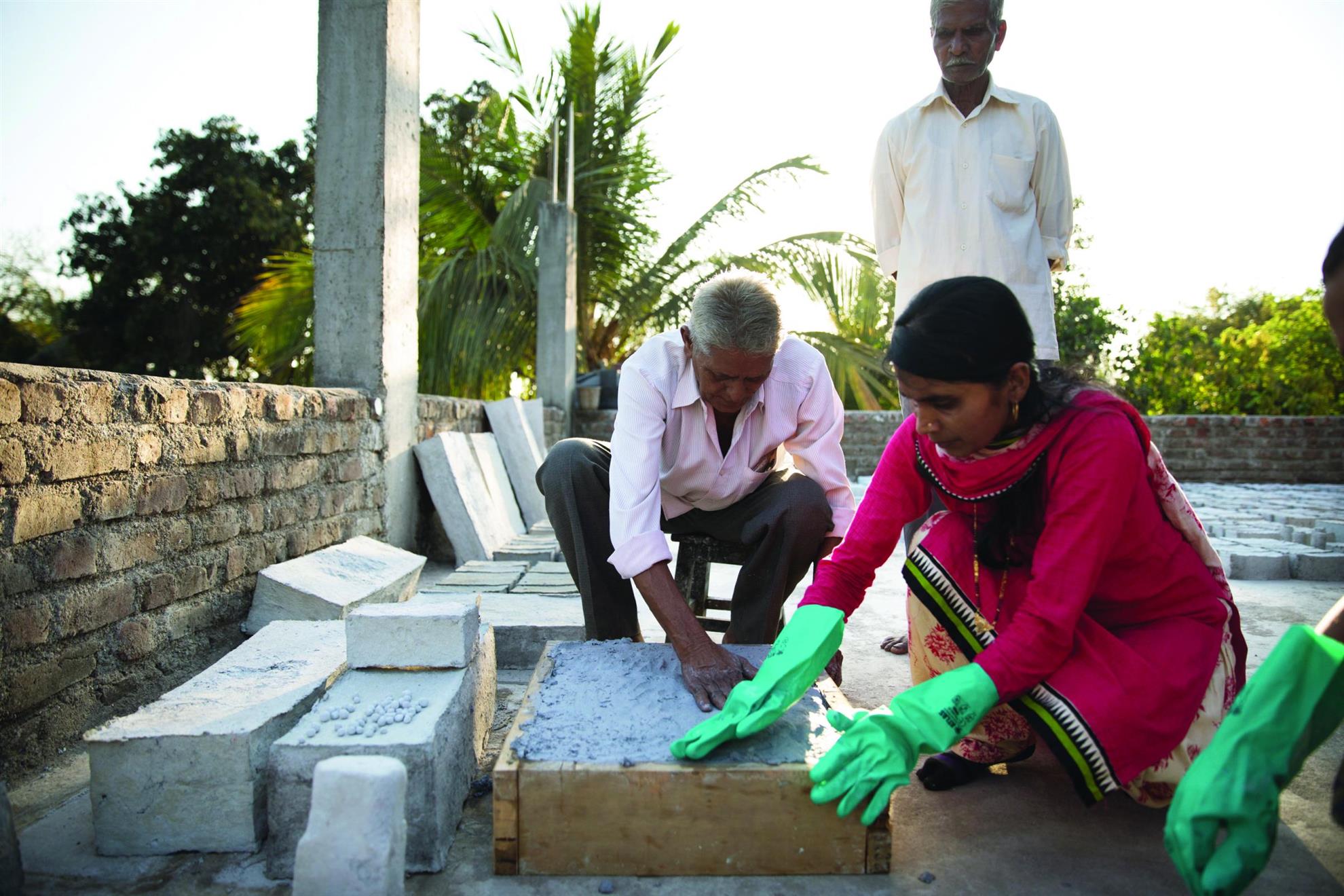
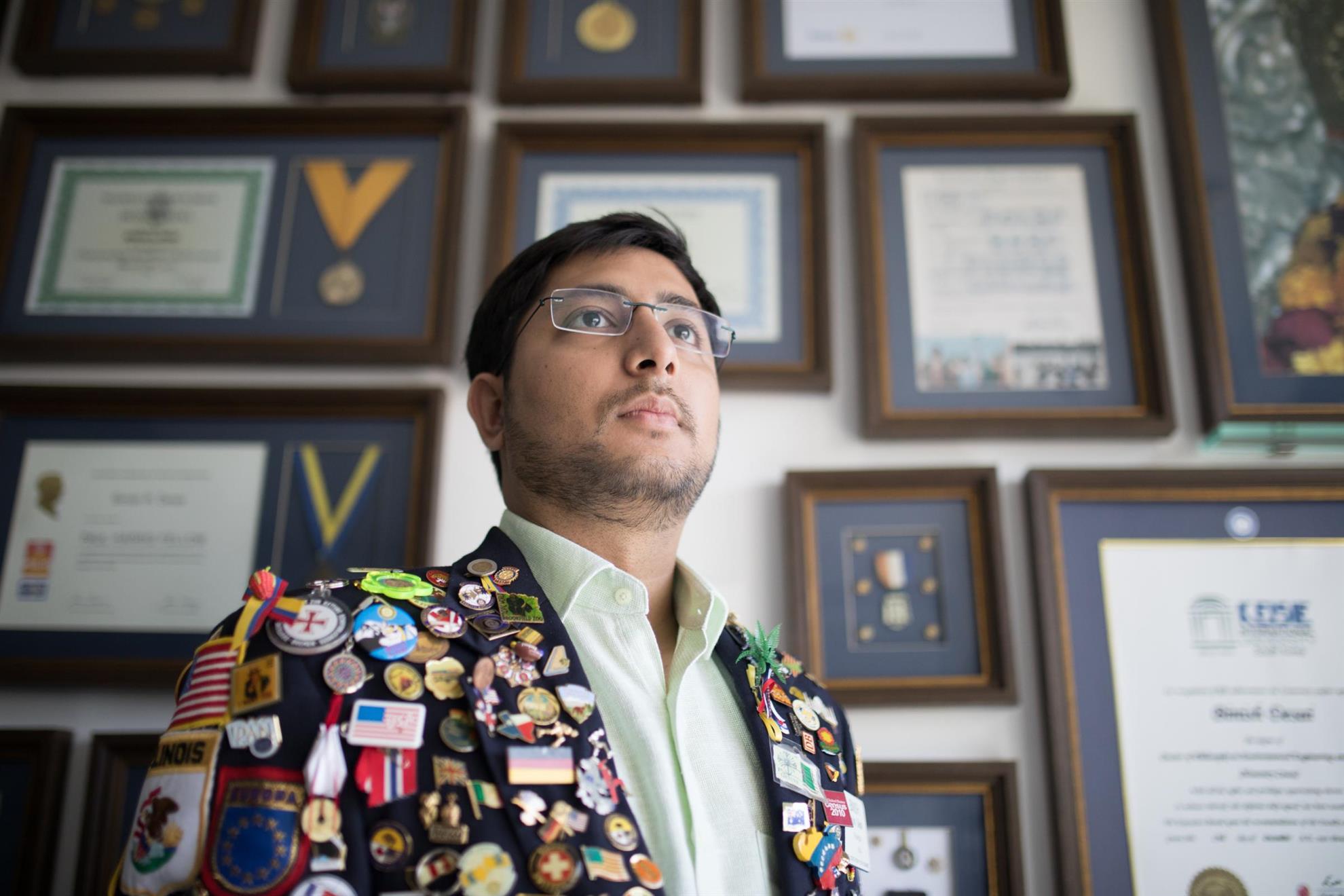
Here are some excerpts from the article by Geoffrey Johnson on Binish Desai. Desai is a true Rotarian. Are you? Over the past year we have been exploring ways to build our club membership. Ideas were suggested and discussed from ‘we need more women’ to ‘let’s offer different hours,’ ‘change dues’ to ‘younger people need to join’ and most have been vetted in some manner.
During a “visioning session” about increasing membership my thoughts were that we needed to look for “Rotarians” people who are engaged through a more collective attitude for serving globally and locally regardless of gender, or generation. Then I found Binish and his ‘grand ambition’ which was exactly what I was thinking! What follows are some take-aways – but I hope you will follow the link and read about him and his mission further.
“Rotary has been running in my veins ever since I was born,” Binish says. His grandfather was an honorary Rotarian, and since 1994 his father has been a member of the Rotary Club of Valsad, the same club Desai joined in 2015. As ever, he had grand ambitions. “It’s easy to become a Rotary member, but it’s very difficult to become a Rotarian,” he says. “I wanted to be a Rotarian.”
It was his Rotary Youth Exchange “twist of fate” that propelled Binish to change not only his world, but ours.
“Finding confidence in Rotary Youth Exchange: At 15, Desai was a self-described introvert, and his self-esteem was low. With people laughing at his ideas, he had begun to doubt himself. But fate had another twist in store for the young inventor.
“In 2009 I got selected as a Rotary Youth Exchange student,” he says. “That’s why I owe a lot of who I am today to Rotary.”
“Desai had applied for a short-term exchange, but things headed in a different direction when he went in for his interview. He told the Rotarians about his plans to build the world’s least expensive house, and he finally found the receptive audience he had been seeking. The Rotarians encouraged him to apply for a longer exchange, and he spent his junior year at Waukegan High School in Illinois, about 40 miles north of downtown Chicago.”
One night, over a dinner of fried chicken, the floodgates opened. In an instant, the introvert had vanished, and he began telling his host parents, Patrick Jimerson and Theodora “Teddy” Anderson, about his bricks and his plans for the world’s least expensive house. After listening attentively, Jimerson asked if Desai had a patent for his bricks. (He did not.) He also suggested that Desai might want to pursue this as a career.”
“By the end of his exchange year, Desai says, he had transformed into a different person. “I was friends with everyone, and everywhere I went, I would talk to people. I made new friends because I started sharing my inner thoughts about how I viewed the world.” With Jimerson’s help, Desai secured a patent for the formula behind his bricks. And when he returned home to India, he knew the exact direction he wanted his life to take.”
“Jimerson died in 2016, but Desai returns to Waukegan each December to visit with Anderson, just as he promised Jimerson he would. “Rotary Youth Exchange changes you forever,” he says. “Once an exchange student, always an exchange student. Now I have a family all around the world.”
“Desai began by proposing a sanitation project to the club’s president: installing two public toilets made with his bricks in a rural village near Valsad. His role model was none other than Rotary’s founder. As Desai recounts with some delight, “Paul Harris’ first service project was also a community toilet,” part of a “comfort station” movement in Chicago in 1907. The toilets in the village were the first of several that Desai would install with his club, but his experience there had a greater impact on his thinking than he expected.”
Be the difference. Be a ROTARIAN!
READ more about Dr. Binish Desai’s story and how he is empowering women with his projects.