| ||
 |
| |
  | LEVEL 1 = THINGS YOU CAN DO FROM YOUR COUCH💧Test your water knowledge with our Kahoot Quiz! Quiz details can be found here. 💧Turn off sleeping tech. Currently, 90% of power generation is water intensive. Turning off our devices when we’re not using them means less energy needs to be produced. 💧Build pressure. Write to elected representatives about budgets for improving water at home and abroad. 💧Create your action list – choose and share what you are going to do to help solve the water and sanitation crisis at unwater.org/bethechange 💧Get informed. Explore the water and sanitation crisis, read inspirational stories from around the world at www.worldwaterday.org, read a book from the suggested SDG Book Club list, and follow your local news on water and SDG 6 online or on social media at @GlobalGoalUN. 💧Use your social media voice. Amplify messages on SDG 6, participate in #WorldWaterDay to generate debate and raise awareness – available at www.worldwaterday.org/share 💧Shop sustainably. A typical pair of jeans takes 10,000 litres of water to produce, equal to what a person drinks in 10 years. LEVEL 2 = THINGS YOU CAN DO FROM HOME💧Take five-minute showers. With 44% of household wastewater not being safely treated, taking shorter showers is a great way to save this precious resource. 💧Flush safe. Fix leaking water and waste pipes, empty full septic tanks and report dumping of sludge. 💧Stop polluting. Don’t put food waste, oils, medicines and chemicals down my toilet or drains. 💧Don’t throw away edible food. An estimated 1/3 of all food produced globally is lost or goes to waste. Reducing your food wastage reduces demand on agriculture, which is one of the biggest water consumers. So, reduce food waste and save water. | |
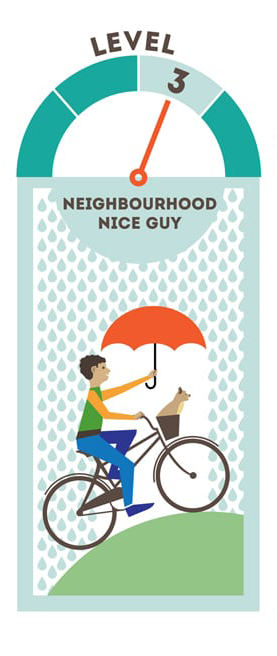 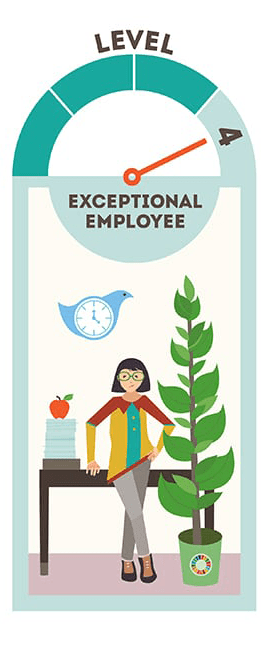 | LEVEL 3 = THINGS YOU CAN DO IN YOUR NEIGHBOURHOOD💧Take part in clean-ups of your local rivers, lakes, wetlands or beaches. 💧Protect nature. Plant a tree or create a raingarden – use natural solutions to reduce the risk of flooding and store water. 💧Be curious. Find out where your water comes from and how it is shared and visit a treatment plant to see how local waste is managed. 💧Host a concert, play a sports event to draw attention to local water and sanitation issues. LEVEL 4 = THINGS YOU COULD DO AT WORK💧Break taboos. Talk about the critical connection between toilets, water and menstruation. 💧Choose a plant-based meal. It typically takes between 3,000 and 5,000 litres of water to produce 1 kg of rice, 2,000 litres for 1kg of soya, 900 litres for 1kg of wheat and 500 litres for 1kg of potatoes. 💧If you are a teacher or student, organize/propose a lesson on water or get the whole school involved in water and sanitation-themed activities. 💧Get the office involved. Organize a Water Event (see ideas from our Be the Change toolkit), share facts and stories on SDG 6 in your internal newsletter if available, or participate in our suggested #WaterActions as a group. | |
Rotary Eco Mission













Interested in being a sponsor?
Download the website sponsorship guide
Download the website sponsorship guide